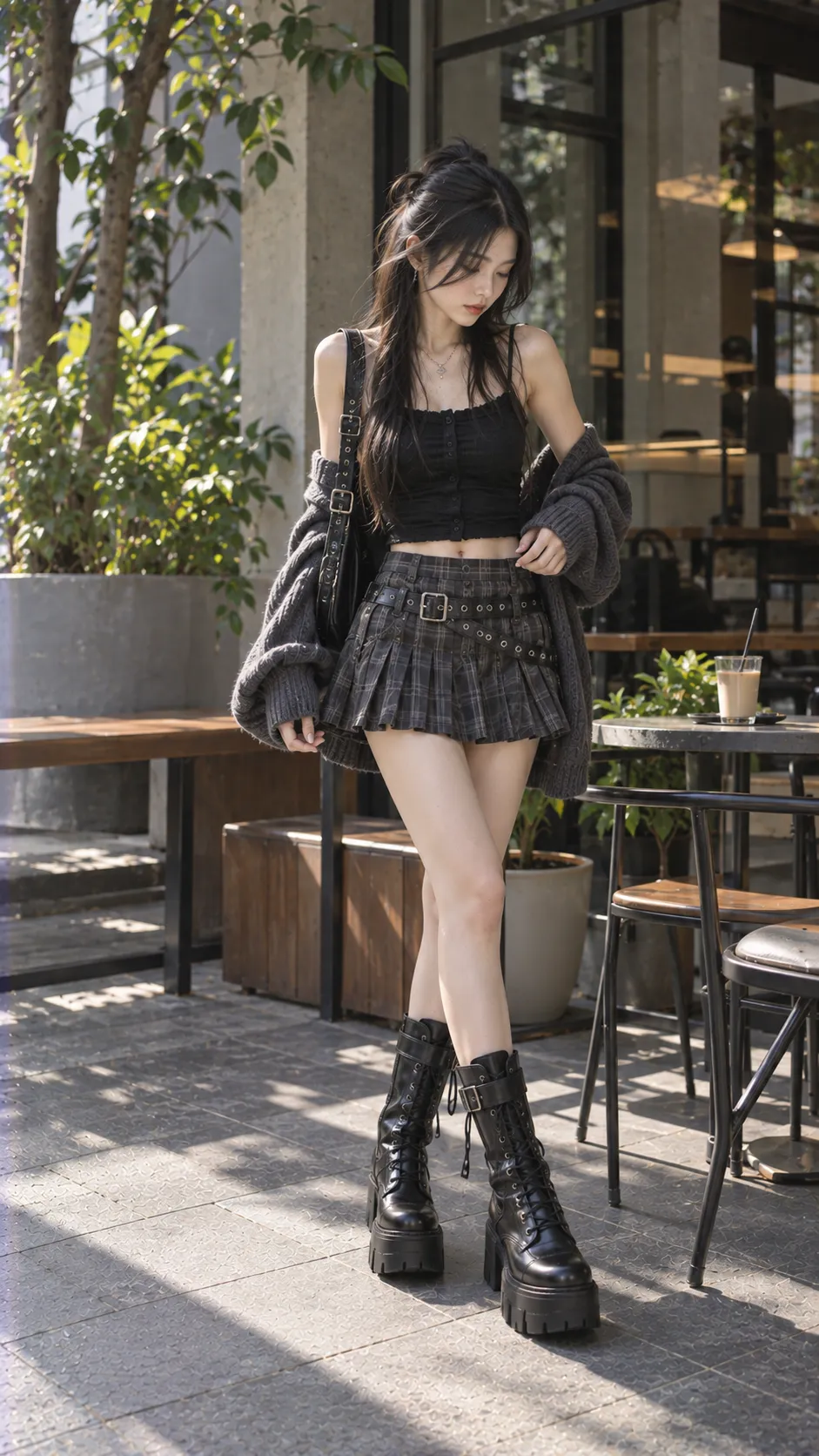
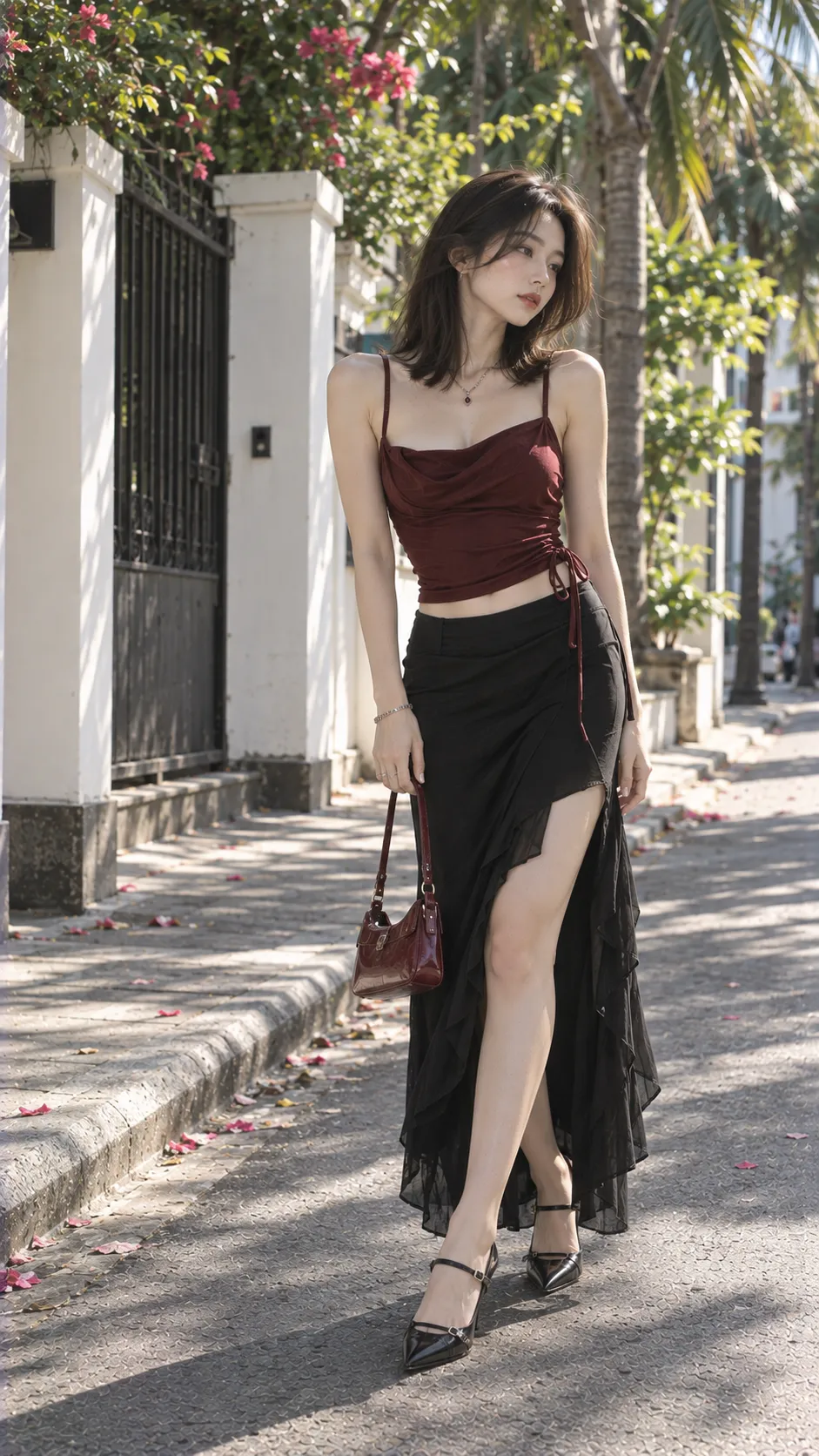
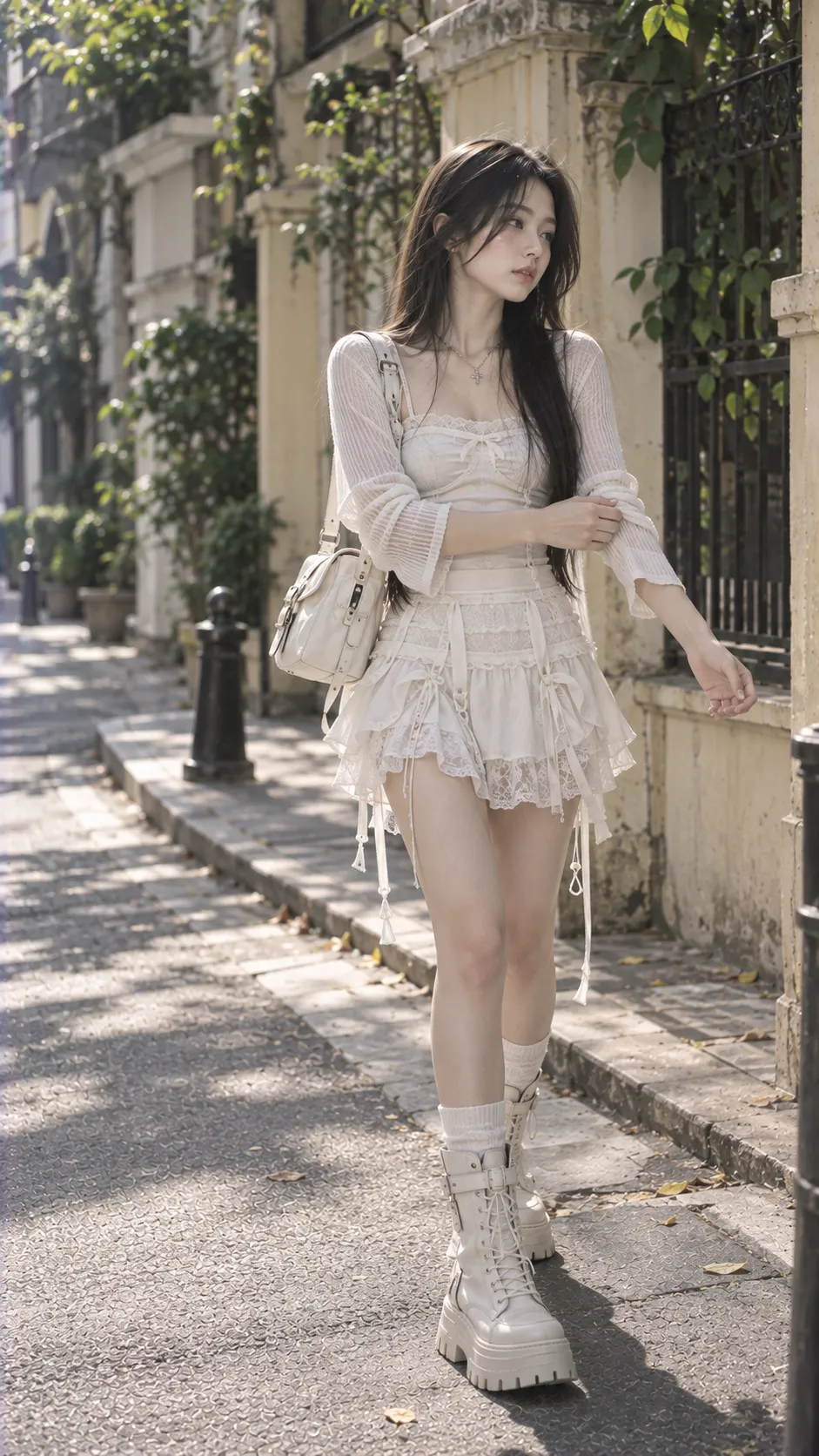
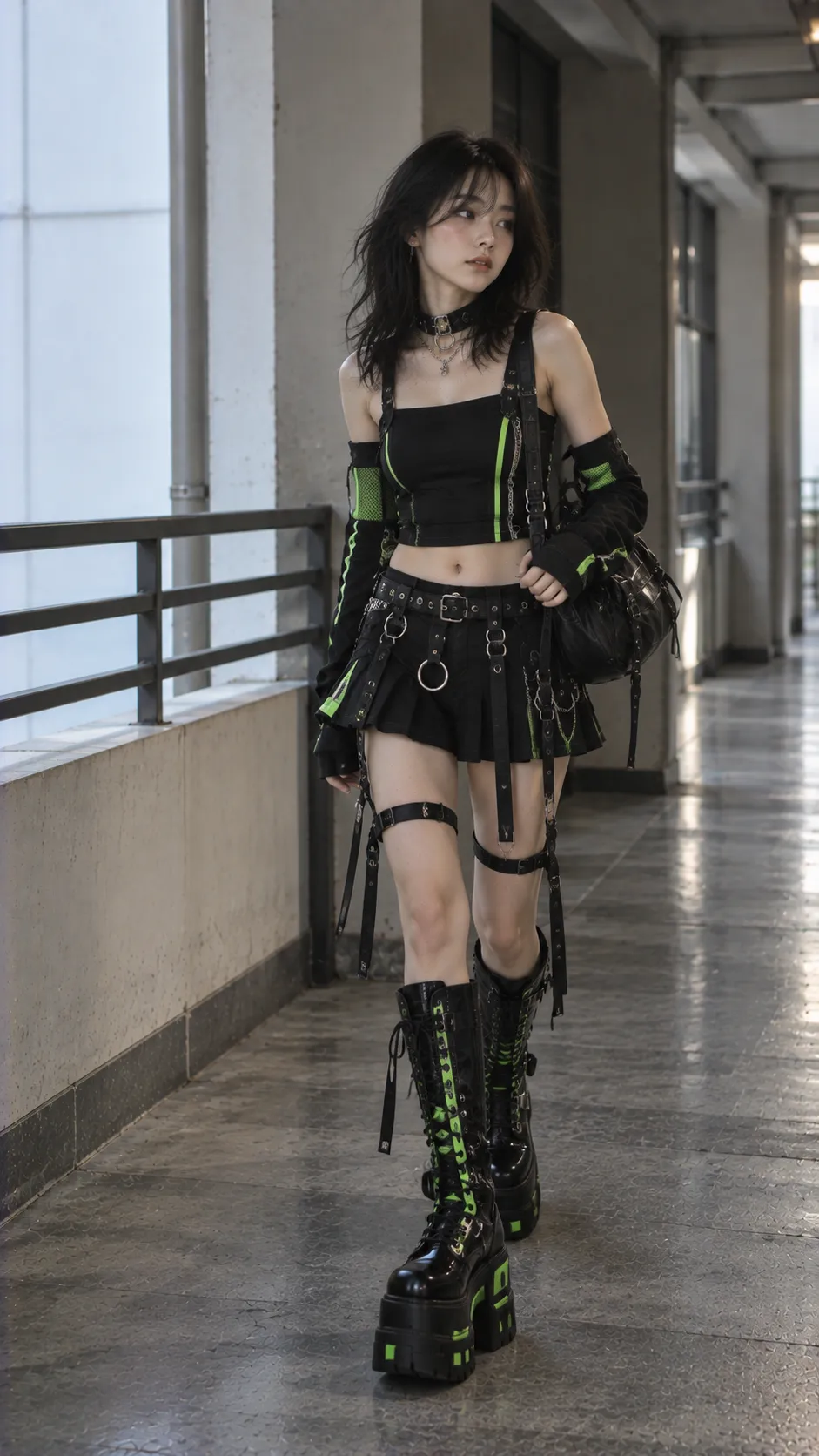
Aesthetic Dictionary: Fashion Style and Topic Directory
Use Apocalypse Closet’s topic map to explore alternative and dark fashion, J-fashion and Gyaru, historical references, internet aesthetics and broader styles through focused guides.
This reference directory helps you look up aesthetic names and open their specialist guides. For the meaning of the word itself, use what aesthetic means in fashion. The source’s September 27, 2026 expansion groups further guides into J-Fashion and Gyaru, Historical and Retro, Internet and Alternative Aesthetics, and Global Style and Fashion Knowledge.
Start with the Style Directory

What Does Aesthetic Mean in Fashion?
Understand the term, read visual references and select a direction compatible with your dark or alternative wardrobe.

What Is Alt Style? Understanding Alternative Fashion
Explore E-Girl, Goth, Punk, Grunge and Dark Feminine references through accessible wardrobe pieces and practical combinations.

What Is Athleisure? Assessing Everyday Sportswear
Check ventilation, compression, opacity, pockets, seams and suitability across settings before choosing sportswear for daily use.
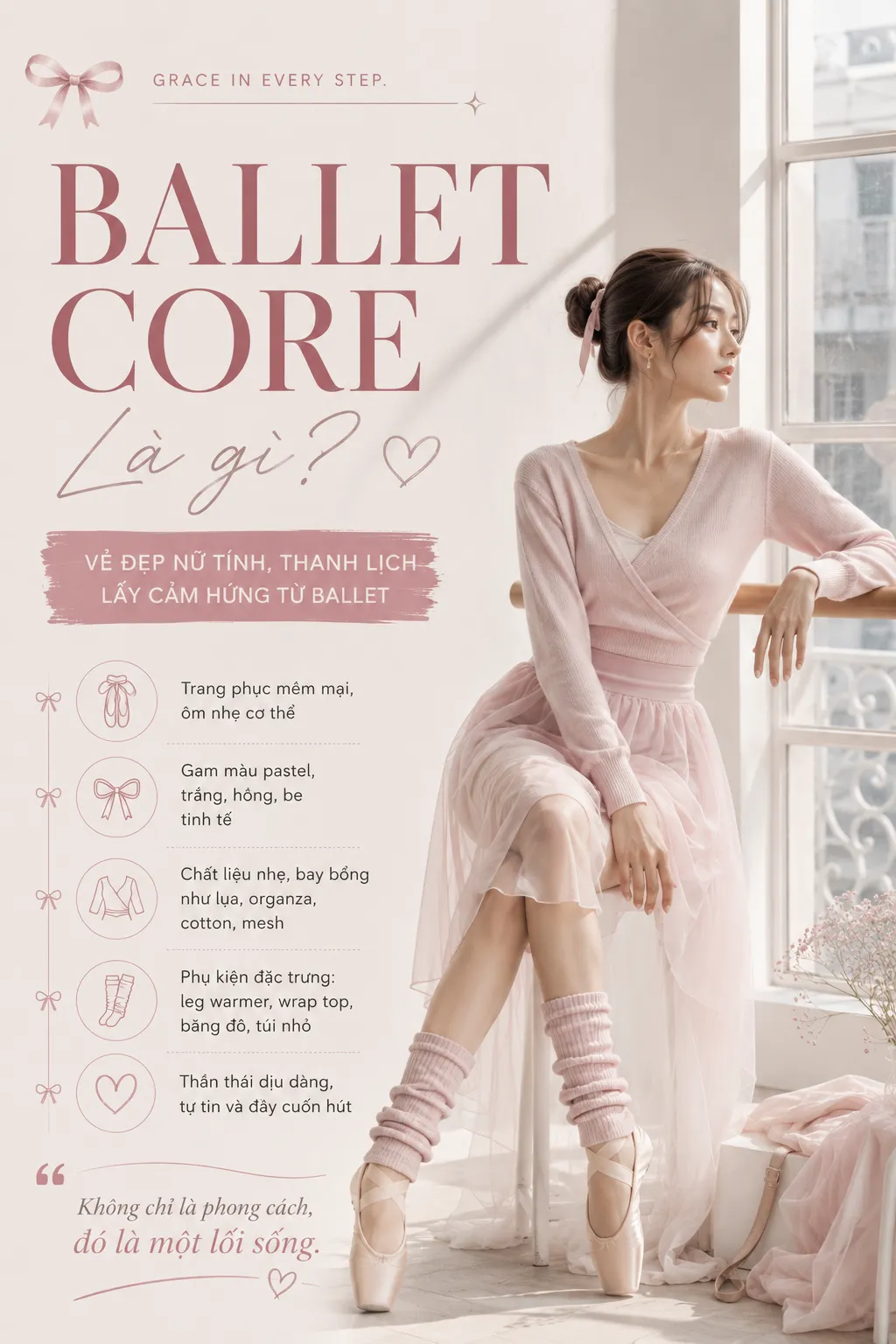
Balletcore: Movement, Tulle and Ballet Flats
Read soft materials, ballet flats and wrap tops, with distinctions from Coquette and Sporty Chic.
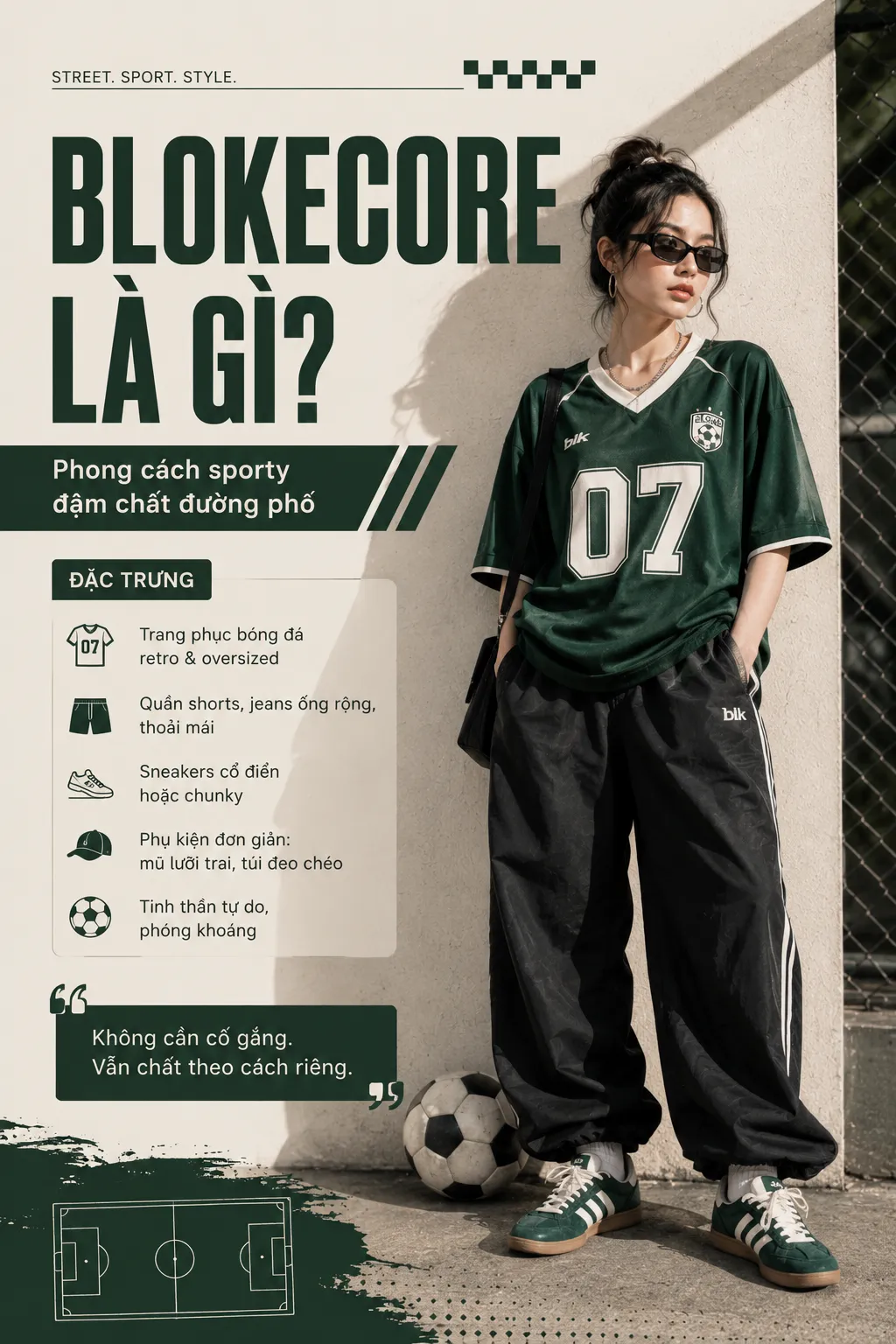
Blokecore: Football Shirts in Streetwear
Explore football shirts, track jackets, baggy trousers and sneakers as streetwear references rather than a complete supporter costume.

Business Casual: Women’s Workplace Outfit Guide
Use setting, dress requirements and practical outfit checks to choose workplace clothes while retaining personal preferences.

Phone OOTD Photography
Explore lighting, camera position, settings, stable self-portraits and restrained editing using the phone you have.

Seven Black Outfit Formulas with Depth
Use layers, texture, silver-toned details and contrasting shapes to vary everyday dark outfits.

Capsule Wardrobes: Fewer Pieces, Useful Combinations
Understand a smaller reusable wardrobe and ways to build a dark or alternative version.
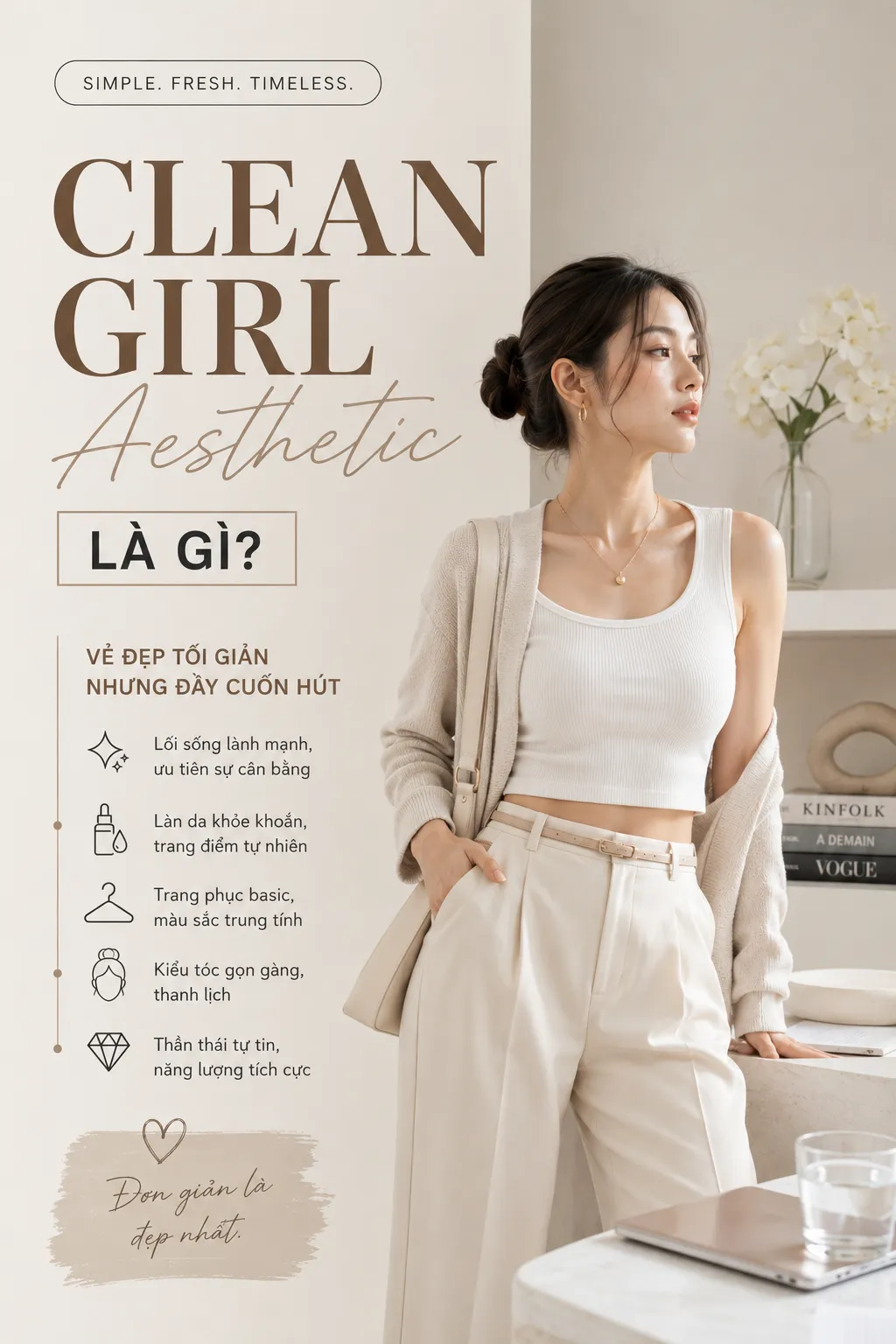
Clean Girl Aesthetic: Clear Silhouettes and Considered Basics
Explore controlled colors, fit and texture, with distinctions from Quiet Luxury and Old Money rather than equating restraint with blandness.
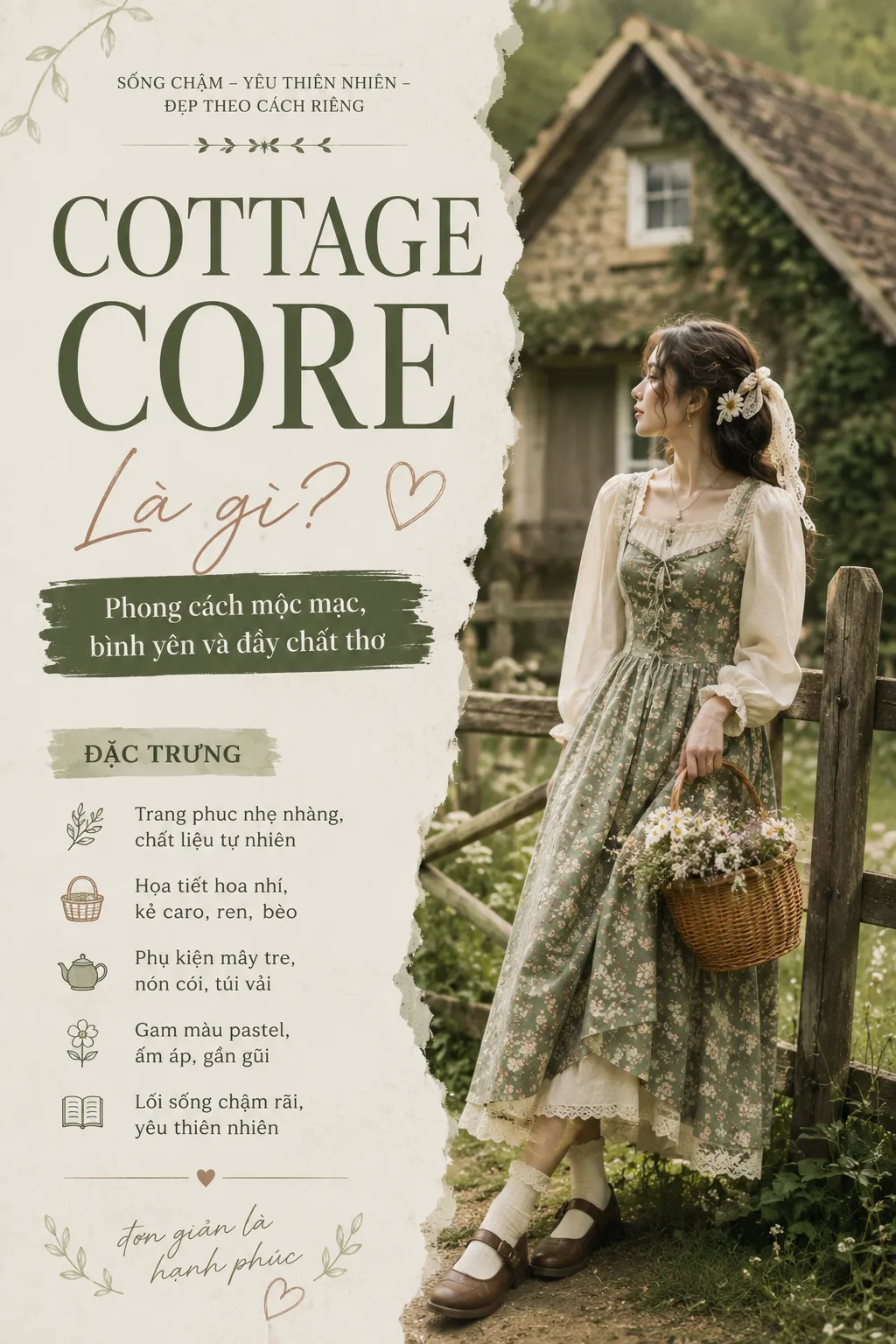
Cottagecore: Rural References, Florals and Soft Textures
Read fabric, print and silhouette references and distinguish them from Coquette, Whimsigoth and Dark Academia.
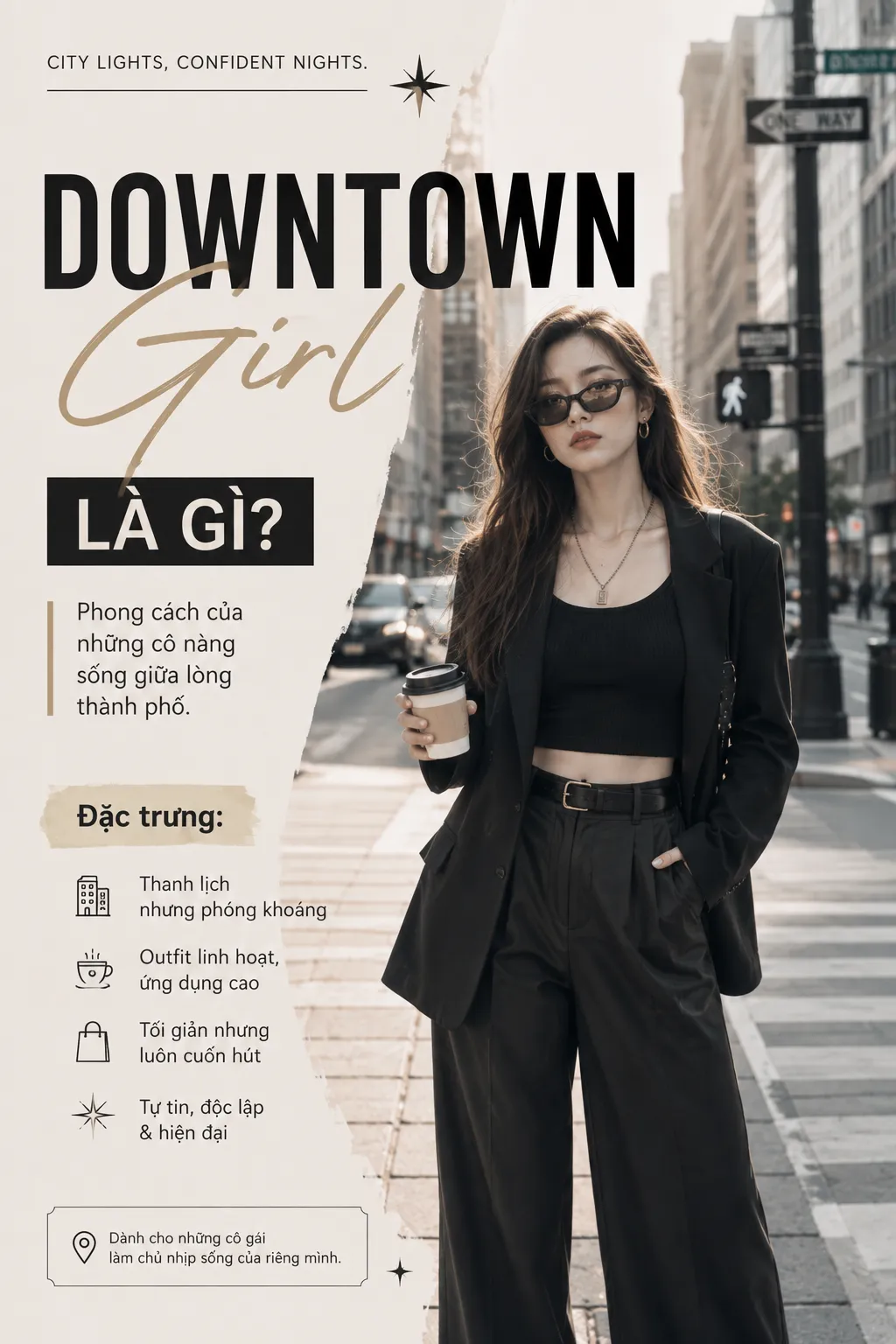
Downtown Girl: An Individual Urban Wardrobe
Explore leather-look jackets, denim, knitwear, short skirts and boots in a relaxed urban styling framework.
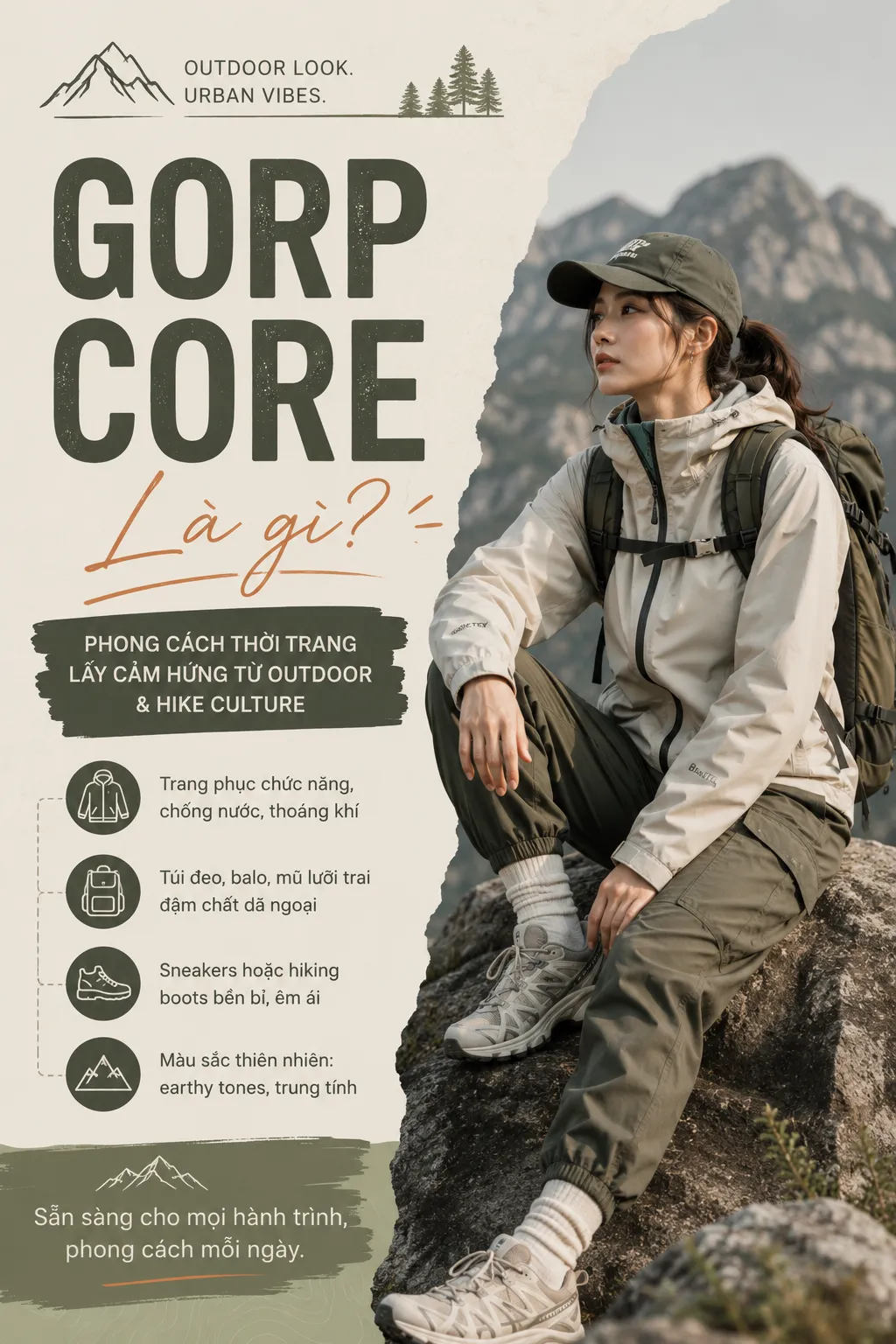
Gorpcore: Outdoor Clothing in the City
Read shells, fleece, technical trousers and trail footwear as streetwear references, with climate-specific adaptations.
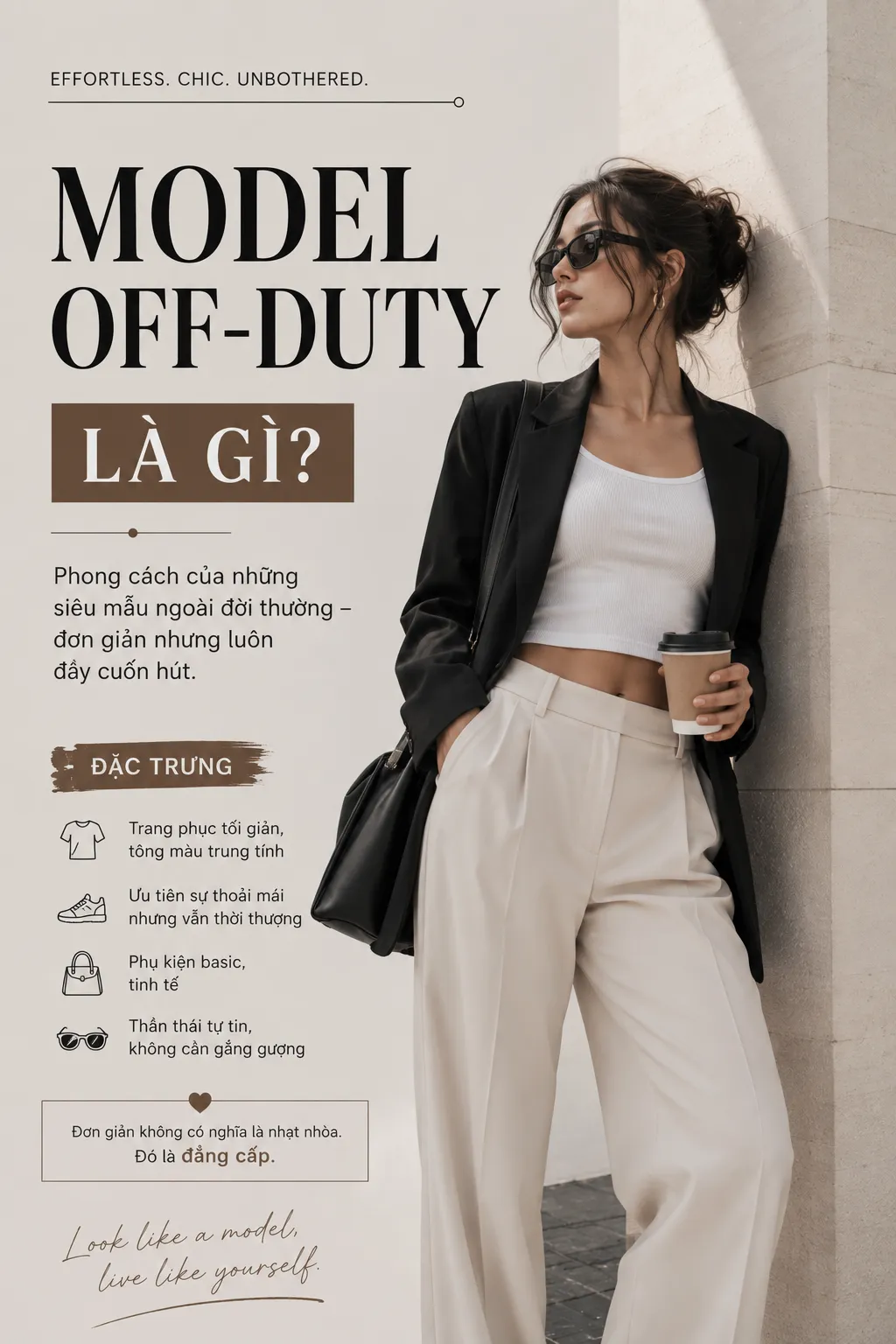
Model Off-Duty: Considered Outfits from Fewer Pieces
Use tanks, blazers, jeans, sunglasses and structured footwear to establish proportion without requiring expensive products.
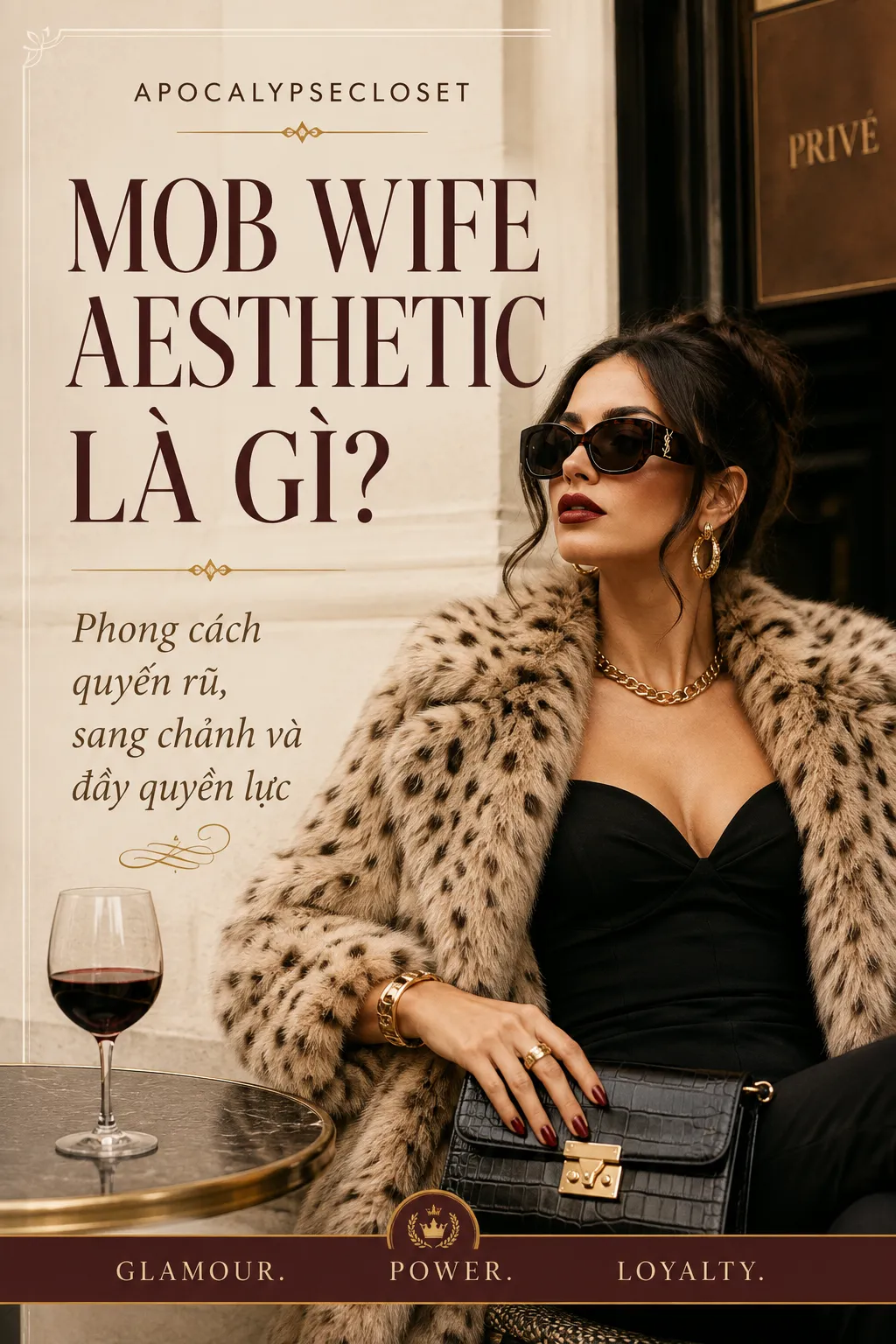
Mob Wife Aesthetic: Glamour, Texture and Everyday Styling
Explore visual weight, leather-look surfaces, animal print and gold-toned jewelry with a clear outfit hierarchy.
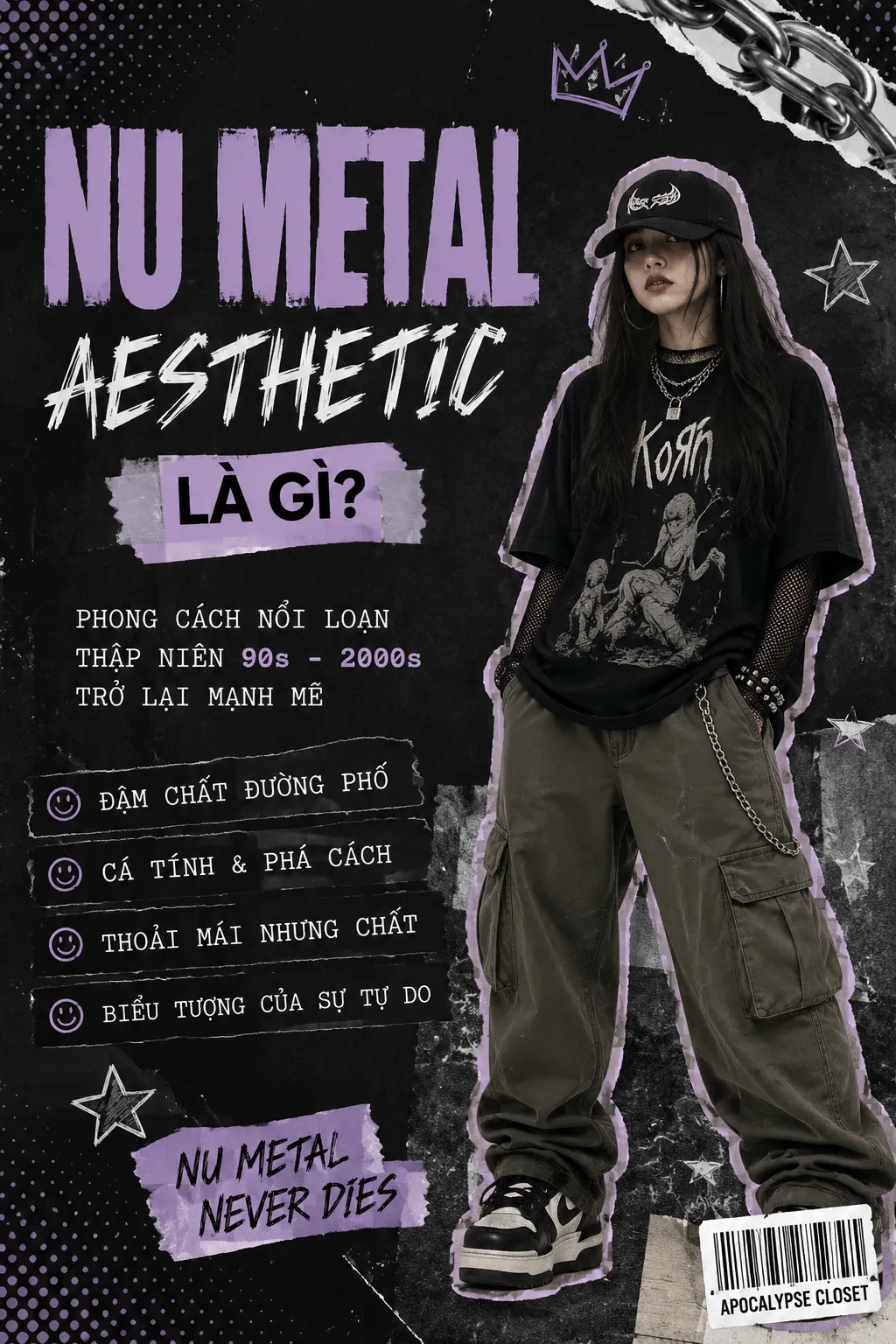
Nu Metal Fashion: Baggy Shapes, Jerseys and Early-2000s References
Read baggy trousers, jerseys, graphic tees, cargo pants and metal details without turning a cultural reference into a costume checklist.

Old Money Style: Recognizing the Fashion Image
Distinguish Old Money, Quiet Luxury and Dark Academia through shapes, materials, colors and finishing cues.

What Does OOTD Mean? Outfit of the Day
Understand OOTD as a way to document personal style and intentional outfit choices.

What Is an Outfit? Understanding a Complete Combination
Distinguish outfit, style and aesthetic terminology and use garments as a connected whole.

Alternative Fashion for Beginners: Five Starting Steps
Explore Badgirl, E-Girl, Soft Grunge and Dark Feminine references without discarding your existing wardrobe.

Outfit Proportions for Slimmer Wearers
Explore six alternative-fashion combinations through chosen volume and definition, without treating a body type as a problem to correct.

Women’s Boot Outfits: Seven Balanced Formulas
Combine boots with Dark Feminine, Punk, Baddie and Goth references through deliberate proportions.

Alternative-Fashion Accessories: Eight Starting Options
Explore chains, studded belts, platforms, sunglasses, small bags and hair accessories as optional wardrobe roles rather than mandatory purchases.

Preppy Style: Reading Uniform References
Compare blazers, polos, knits, skirts, trousers and loafers, with distinctions from Old Money and Dark Academia.

Quiet Luxury: Reading Quality Beyond Logos
Assess shape, materials, finishing and realistic cost per wear without relying on branding or a beige palette.

Smart Casual: Choosing Clothes for the Setting
Compare occasion, polish, materials and footwear while retaining dark, streetwear or alternative preferences.

Sporty Chic: Assessing Clothes in Motion
Use movement, material, proportion and setting checks to combine sportswear with everyday outfits.

Techwear: Function Before Appearance
Assess material evidence, weather suitability, pockets, movement and modularity rather than assuming a cyberpunk-looking outfit has technical performance.

Unisex Fashion: Fit Beyond Gender Labels
Distinguish unisex, oversized and androgynous terminology; read actual dimensions for a suitable dark or streetwear fit.

Building a Dark-Aesthetic Wardrobe
Plan colors, foundations, footwear, accessories and purchases around useful repeat combinations.
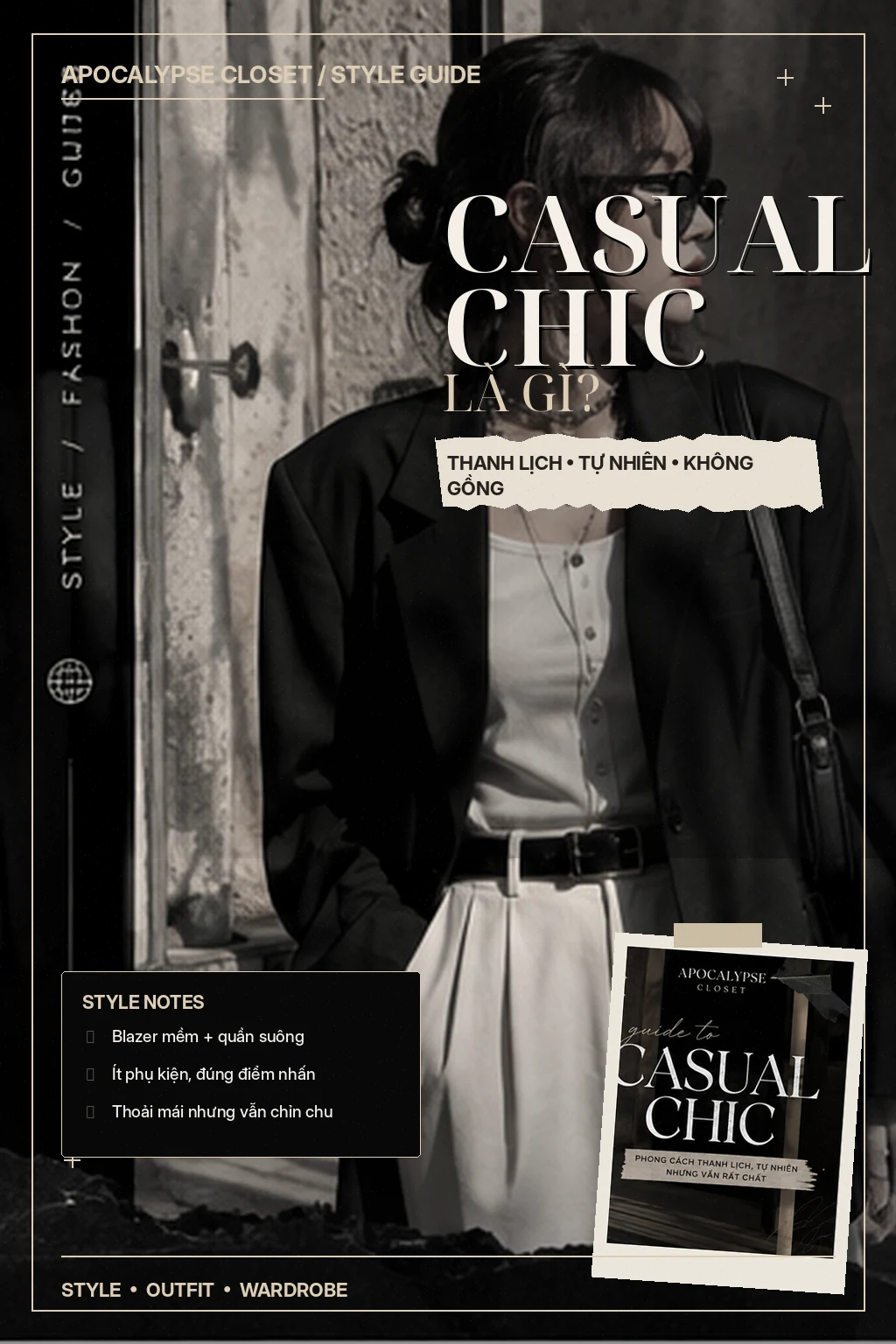
Casual Chic: Polished Everyday Outfits
Balance ease and polish through denim, blazers, knits, dresses, sneakers and loafers.
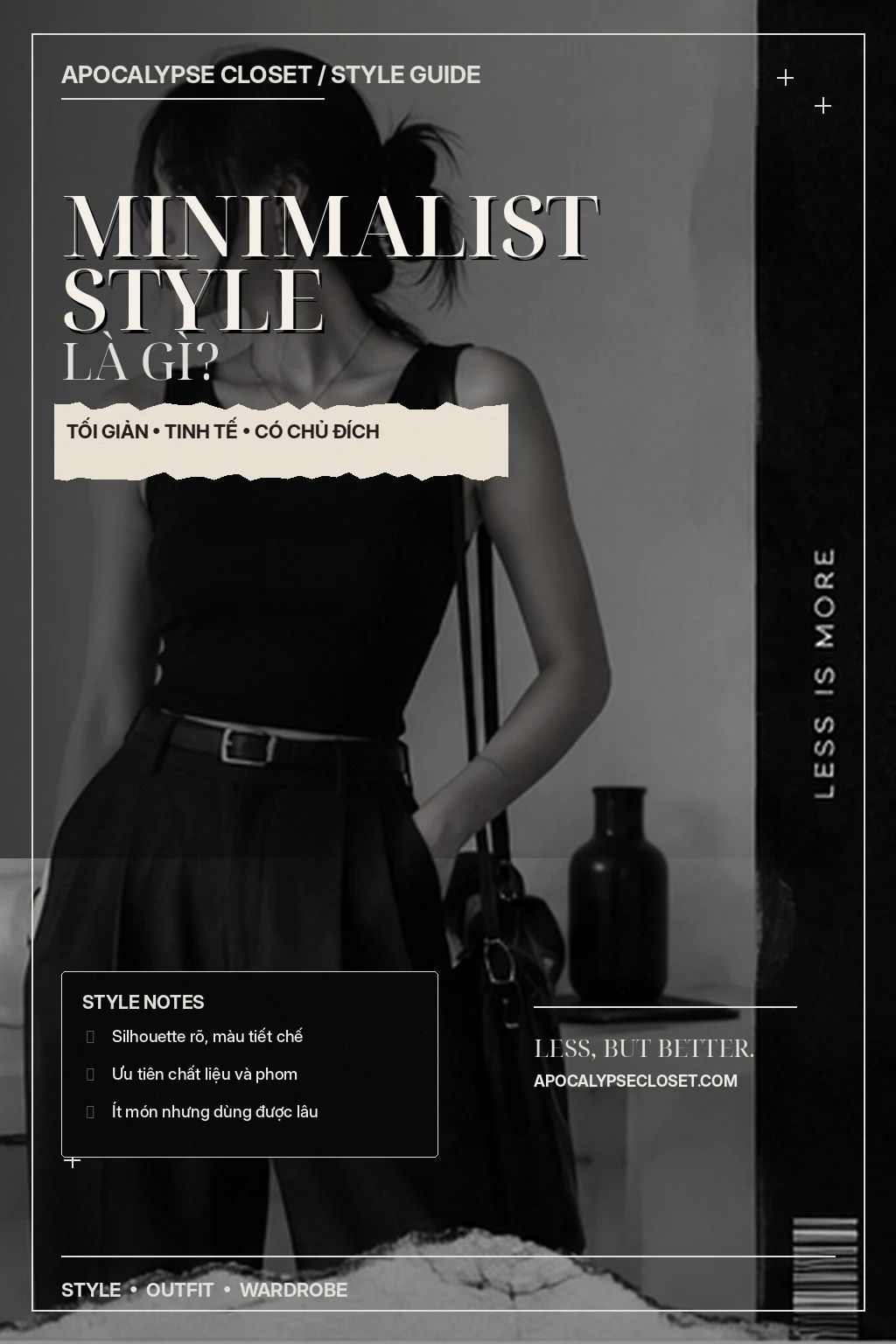
Minimalist Style: Considered Simple Outfits
Use readable silhouettes, a selected palette, useful materials and fewer competing details.
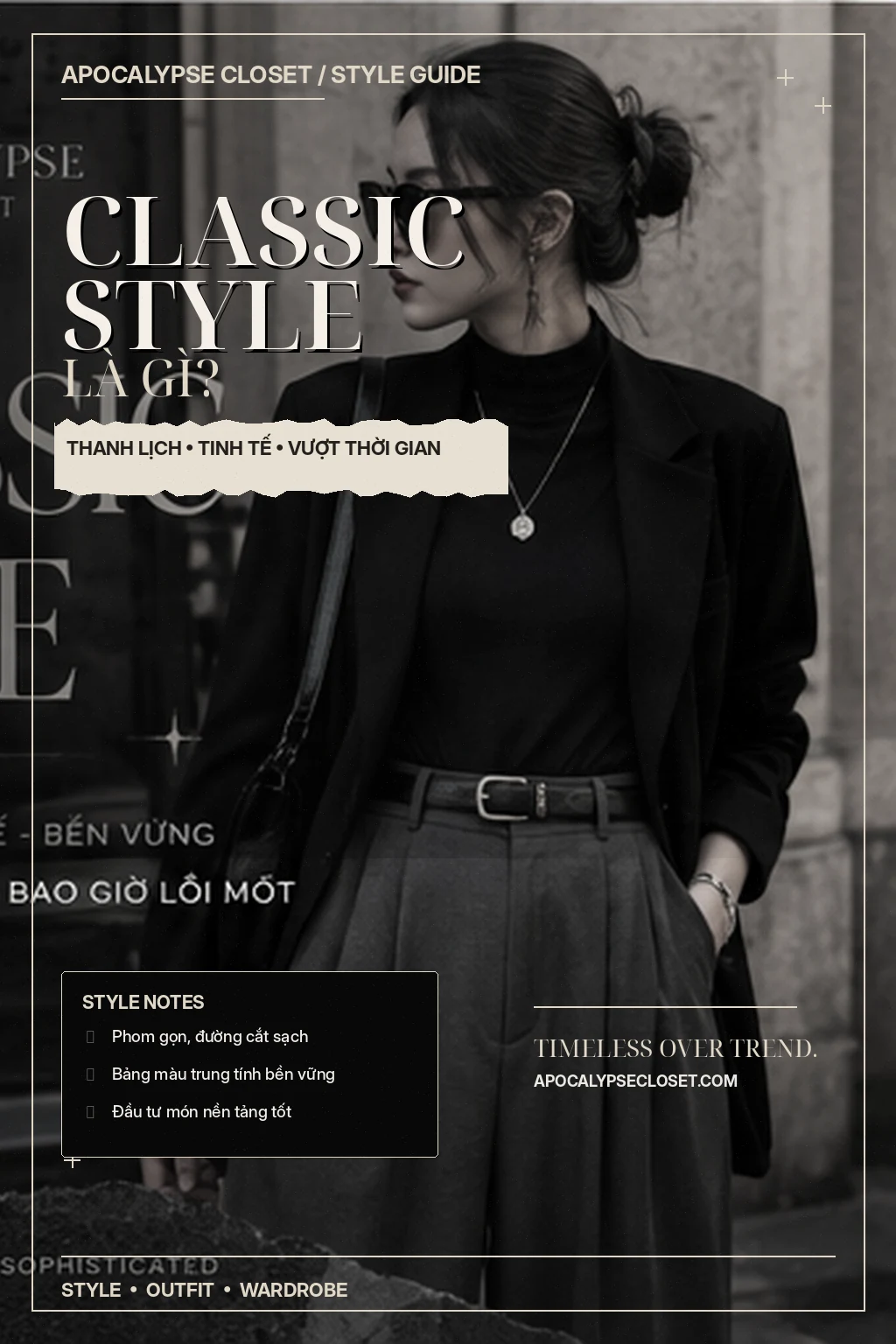
Classic Style: Repeatable Wardrobe Foundations
Prioritize familiar proportions and reusable garments rather than requiring constant trend changes.
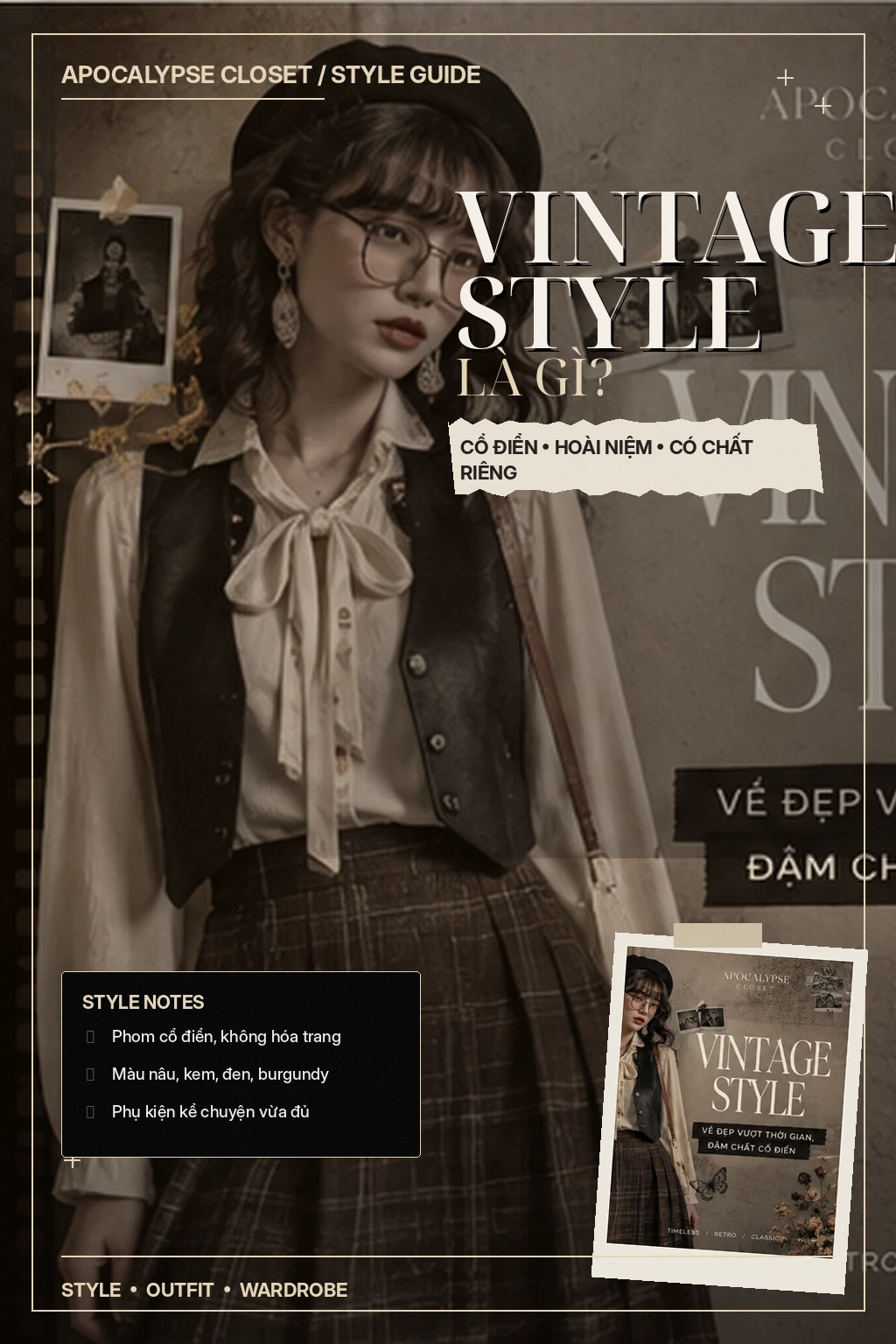
Vintage Style: Period References and Wearable Modern Outfits
Combine selected era references, older garments or new retro-inspired pieces without requiring a full historical costume.
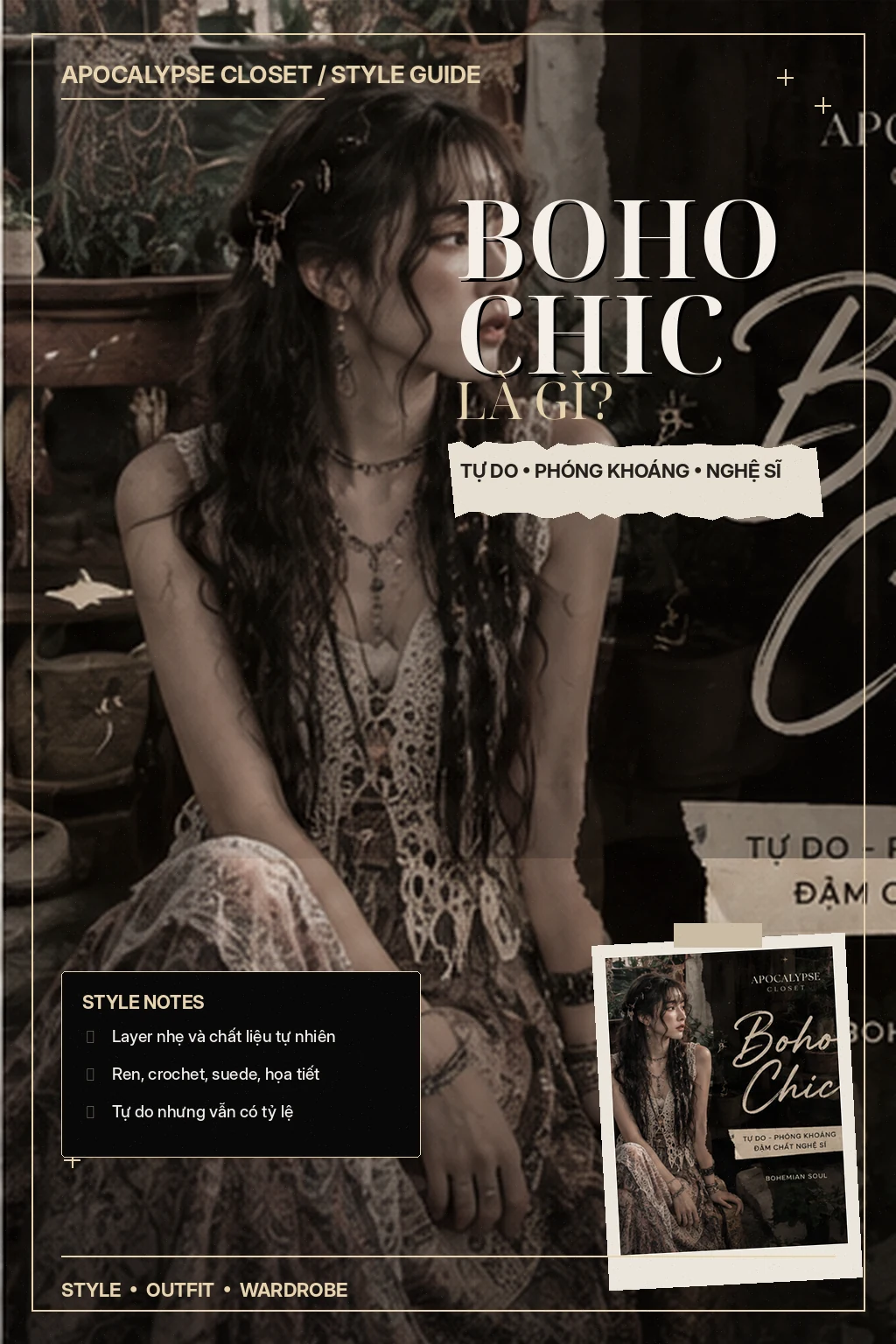
Boho Chic: Texture, Proportion and Everyday Outfits
Organize soft shapes, tactile surfaces, layers and relaxed accessories for actual daily settings.
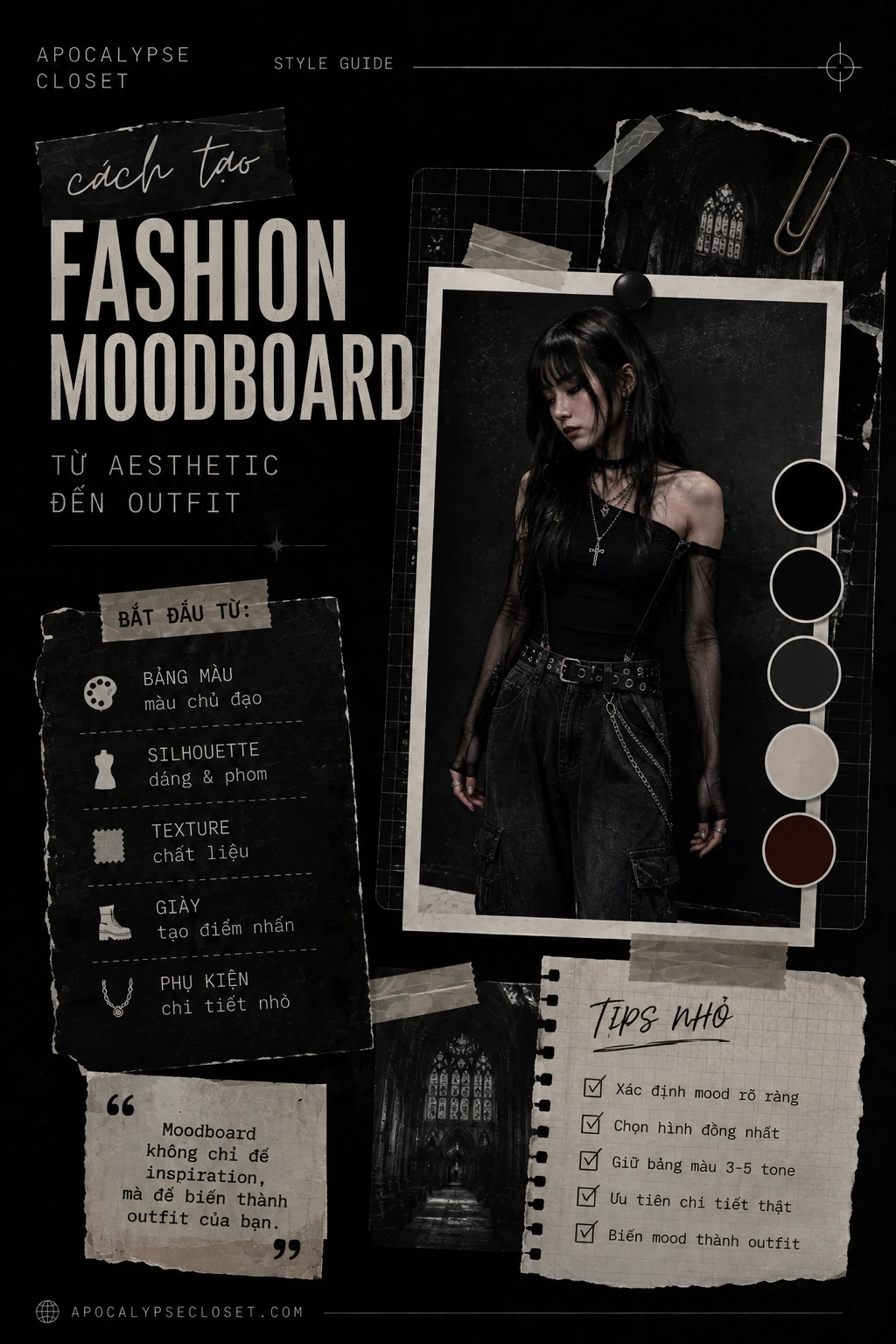
How to Make a Fashion Moodboard
Select colors, silhouettes, textures, footwear and accessories, then translate references into wearable combinations.
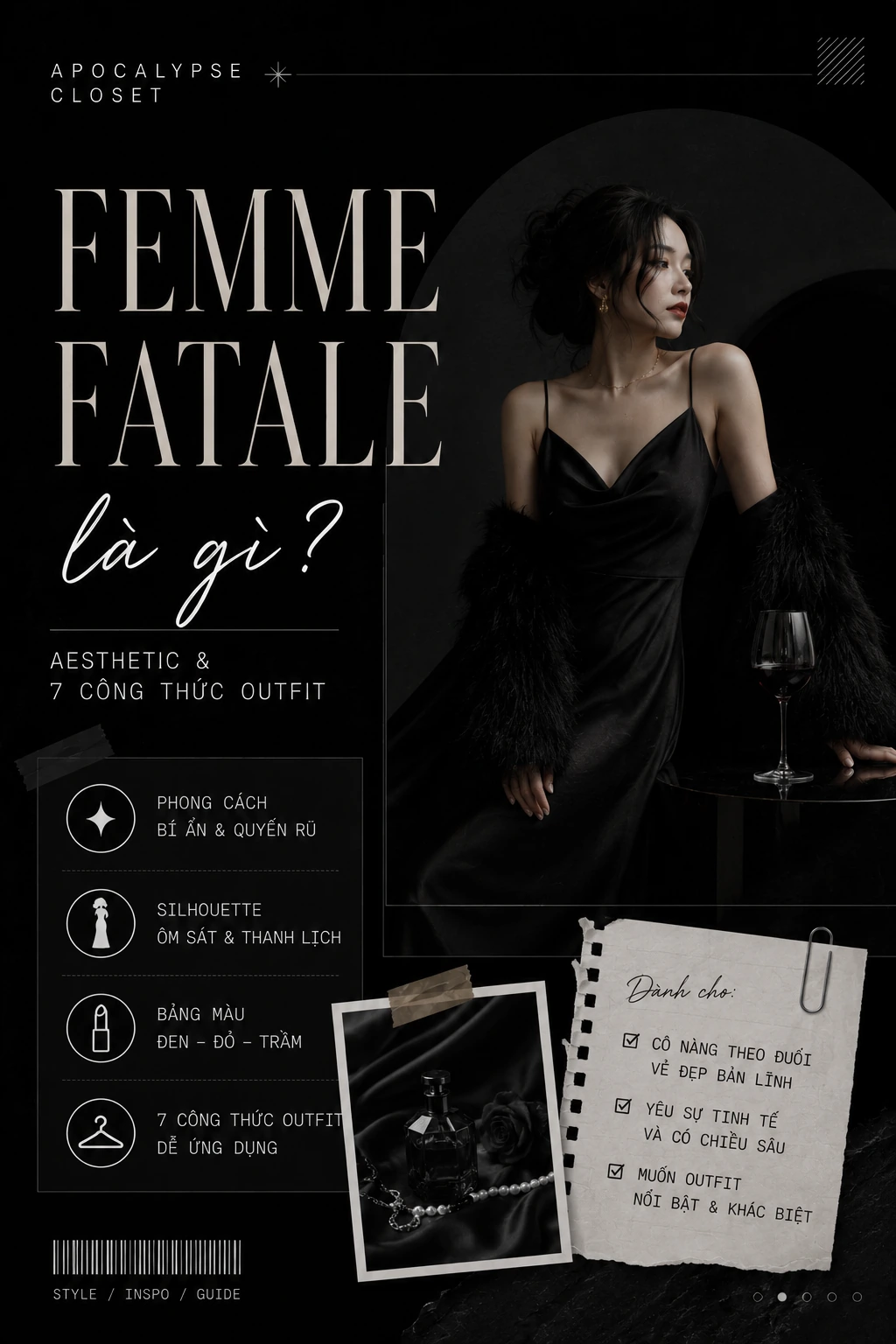
Femme Fatale: Cinematic References and Everyday Styling
Explore the archetype, palette, silhouettes and seven formulas, with a clear distinction from Dark Feminine.
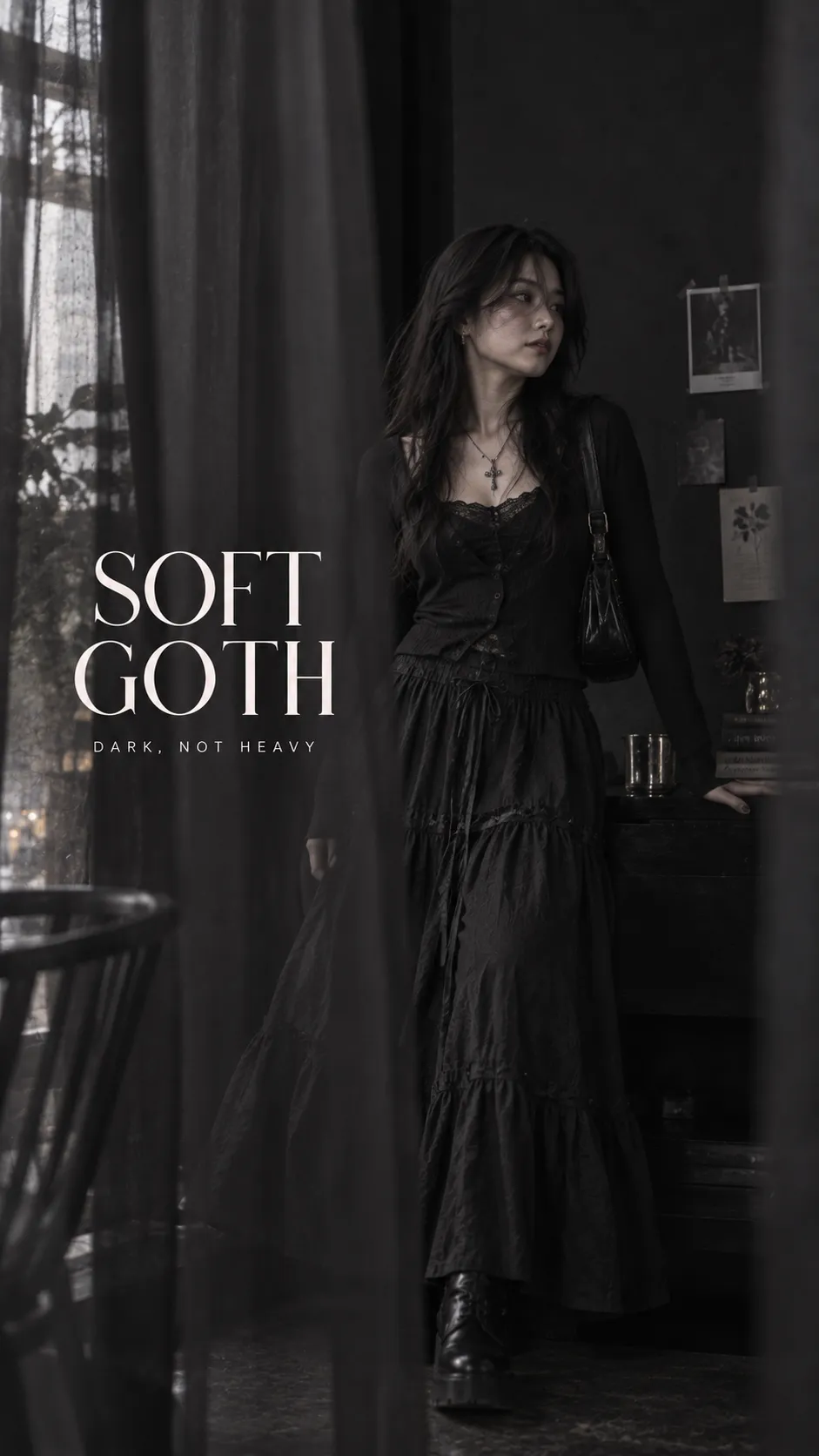
Soft Goth: Quieter Gothic-Inspired Outfits
Use dark palettes, texture, proportion and selected accessories, distinguishing Soft Goth from Romantic Goth and Soft Grunge.
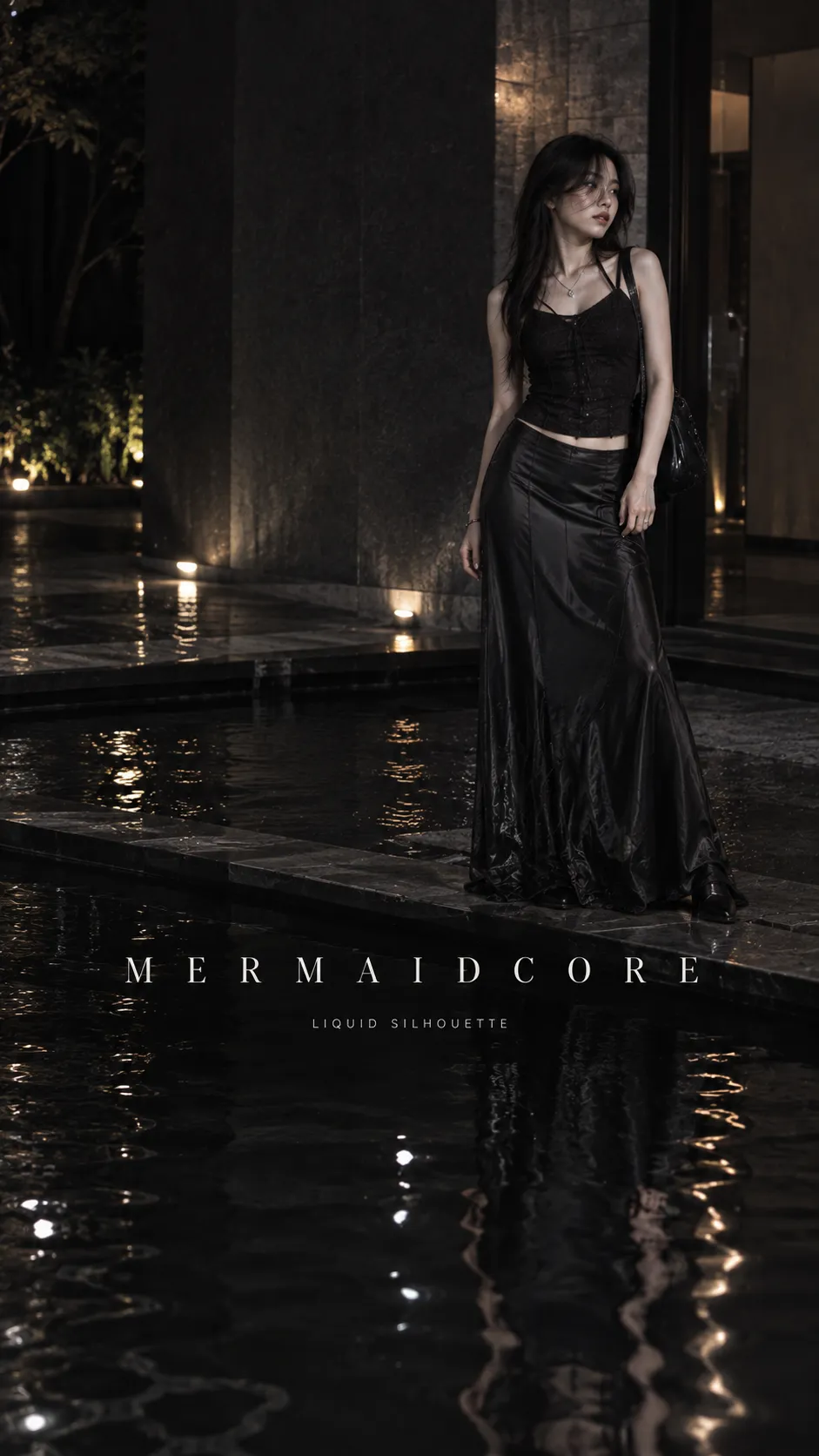
Mermaidcore: Ocean-Inspired Colors and Textures
Explore iridescence, sheer materials, satin, mesh, sea colors and movement in wearable interpretations.
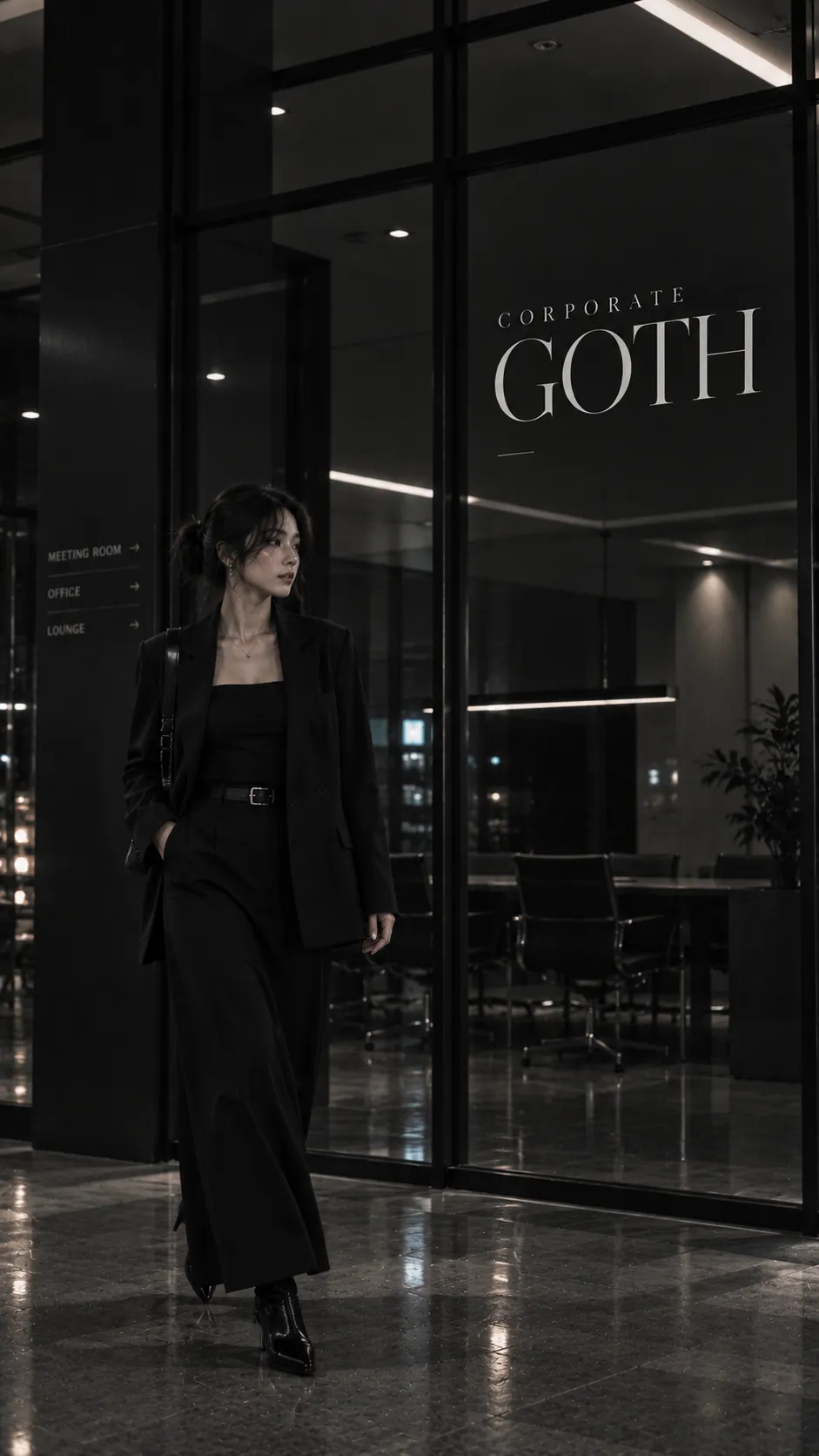
Corporate Goth: Bringing Goth References into Workwear
Use dark tailoring, texture, footwear and selected accessories within actual workplace requirements, distinct from Office Siren and Business Casual.
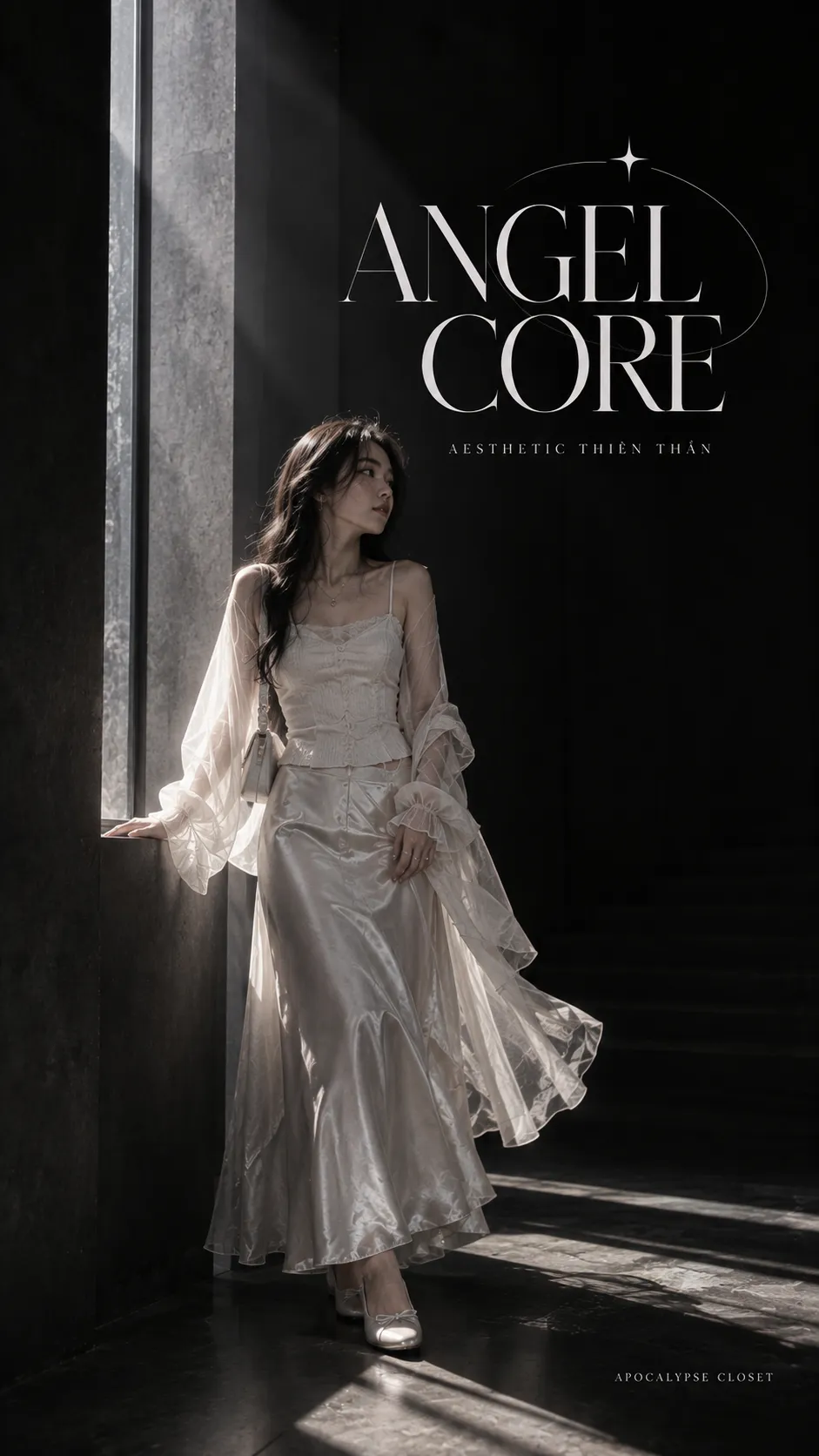
Angelcore: Light Colors and Ethereal Outfit References
Combine sheer layers, satin, lace and metallic accents without requiring a literal angel costume.
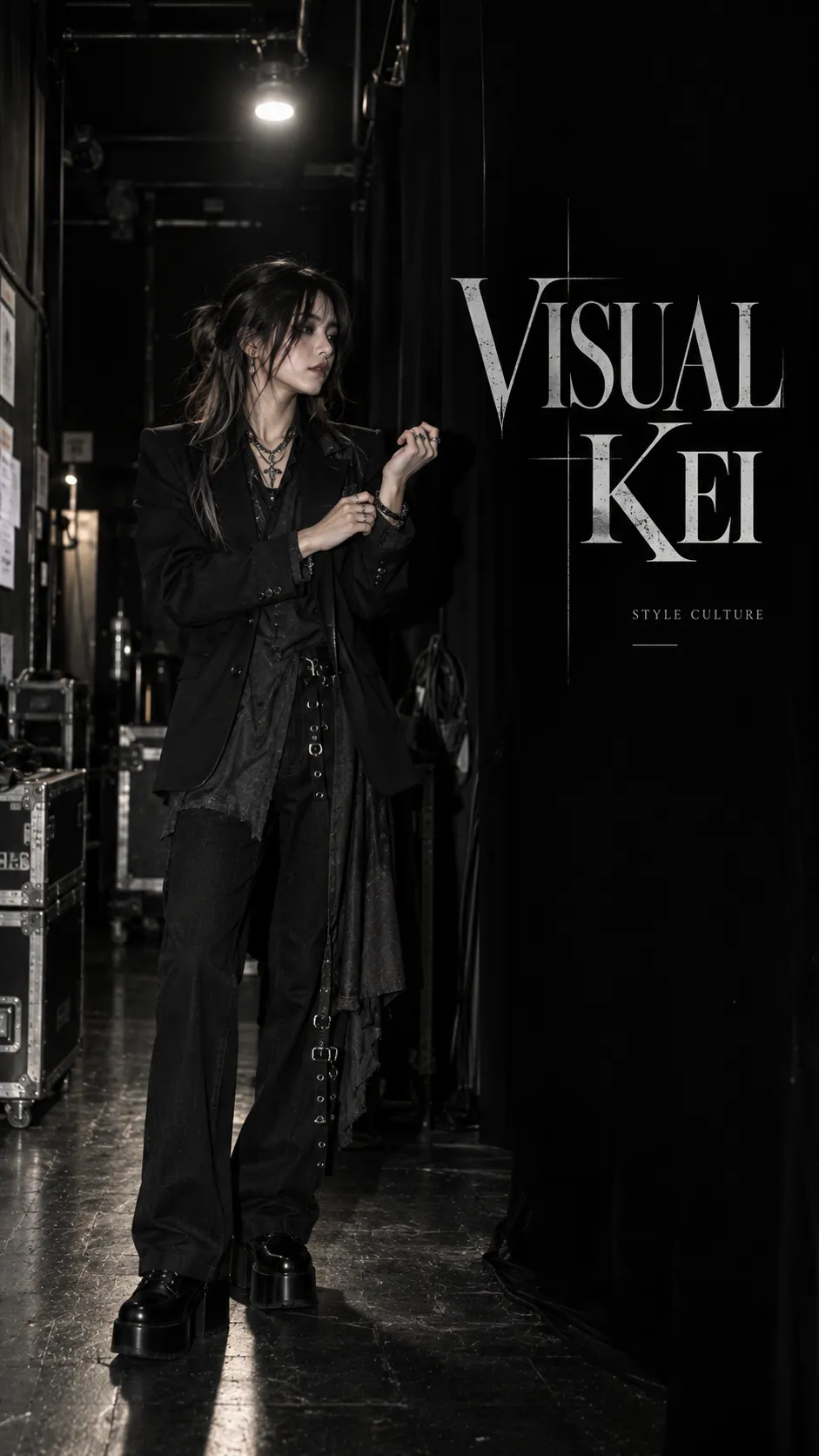
Visual Kei: Style, Hair and Outfit References
Read clothing, hair, makeup, shape and materials while distinguishing Visual Kei from Goth and Scene.
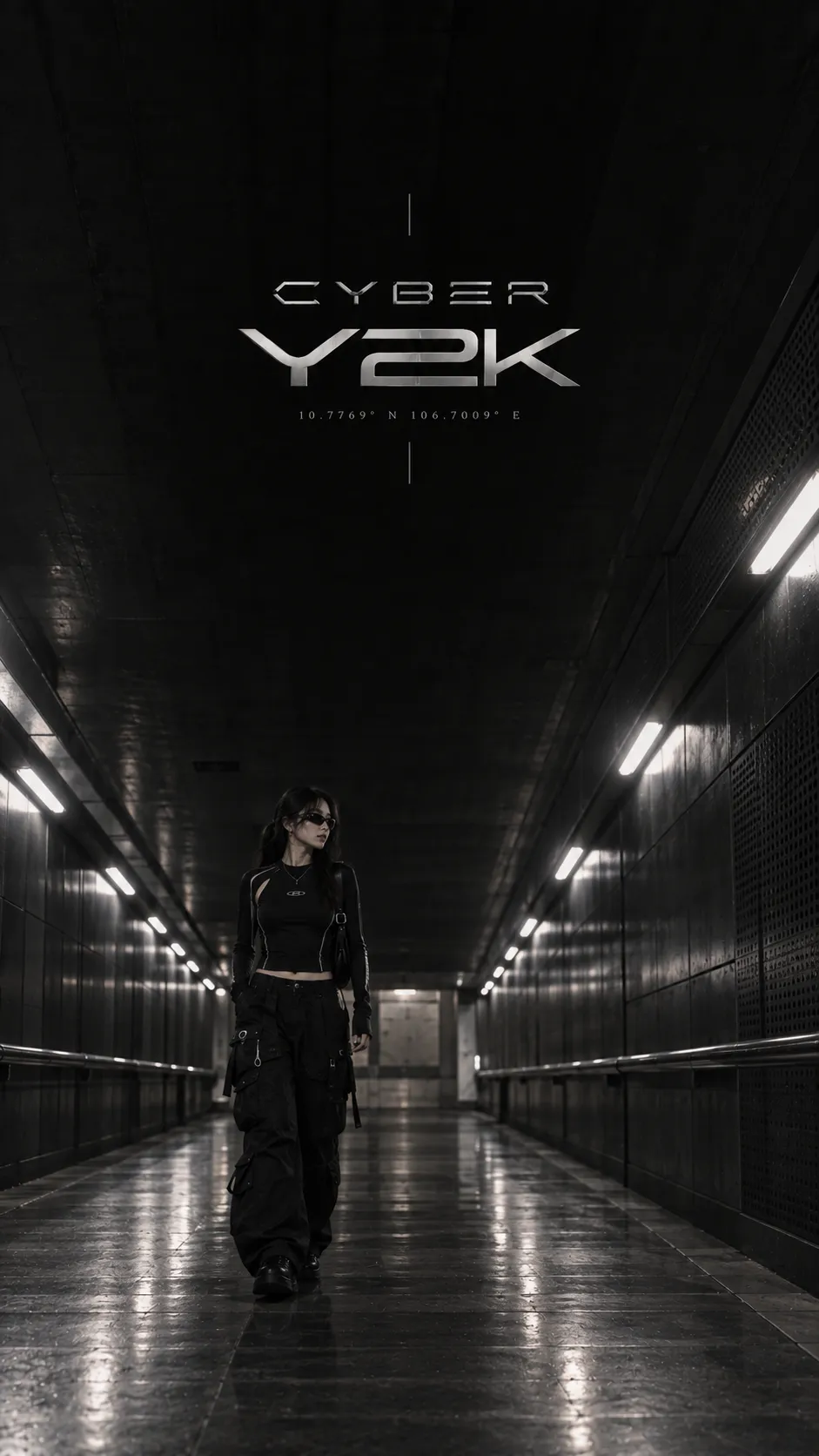
Cyber Y2K: Futuristic Early-2000s References
Compare metallic surfaces, technology details and period proportions with Dark Y2K and functional Techwear.
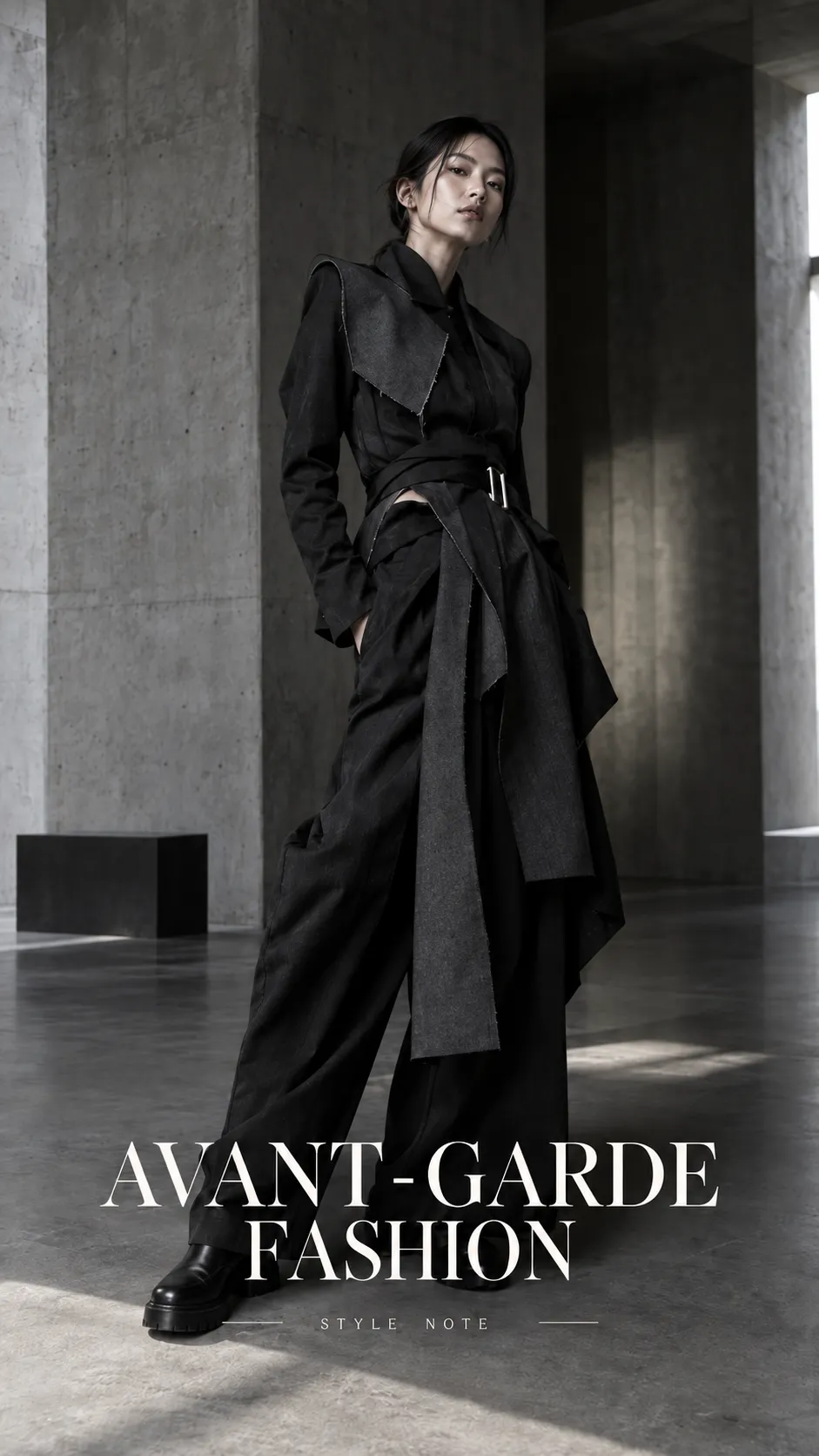
Avant-Garde Fashion: Reading Shape and Concept
Explore silhouette, concept, proportion and surface contrast in intentional experimental outfits.
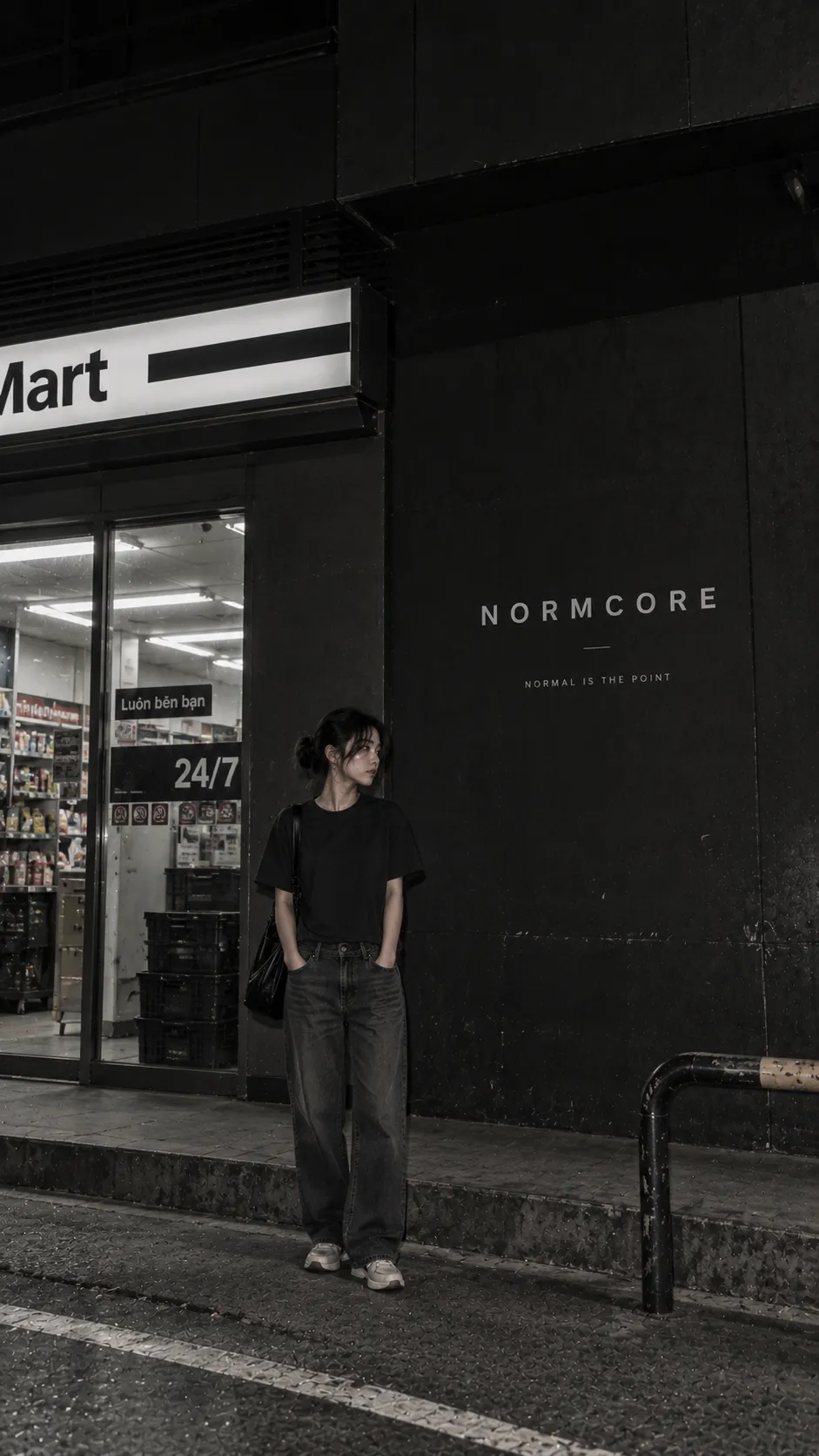
Normcore: Intentional Ordinary Dressing
Understand familiar, repeatable clothes and their differences from Minimalist and Casual Chic styling.
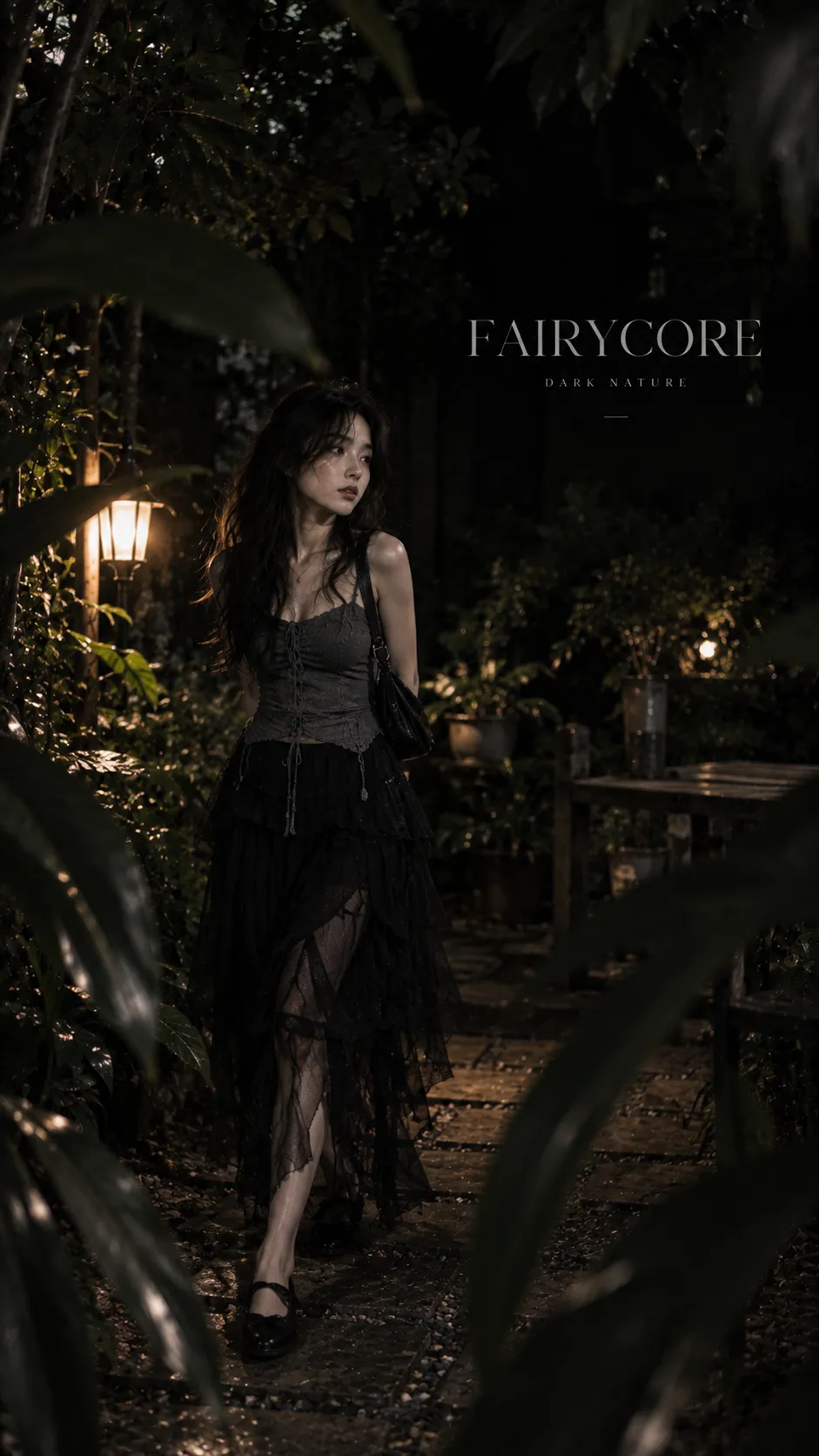
Fairycore: Nature-Fantasy Colors and Outfit Ideas
Explore forest-fantasy colors, surfaces and pieces, distinguishing Fairycore from Fairy Grunge and Cottagecore.
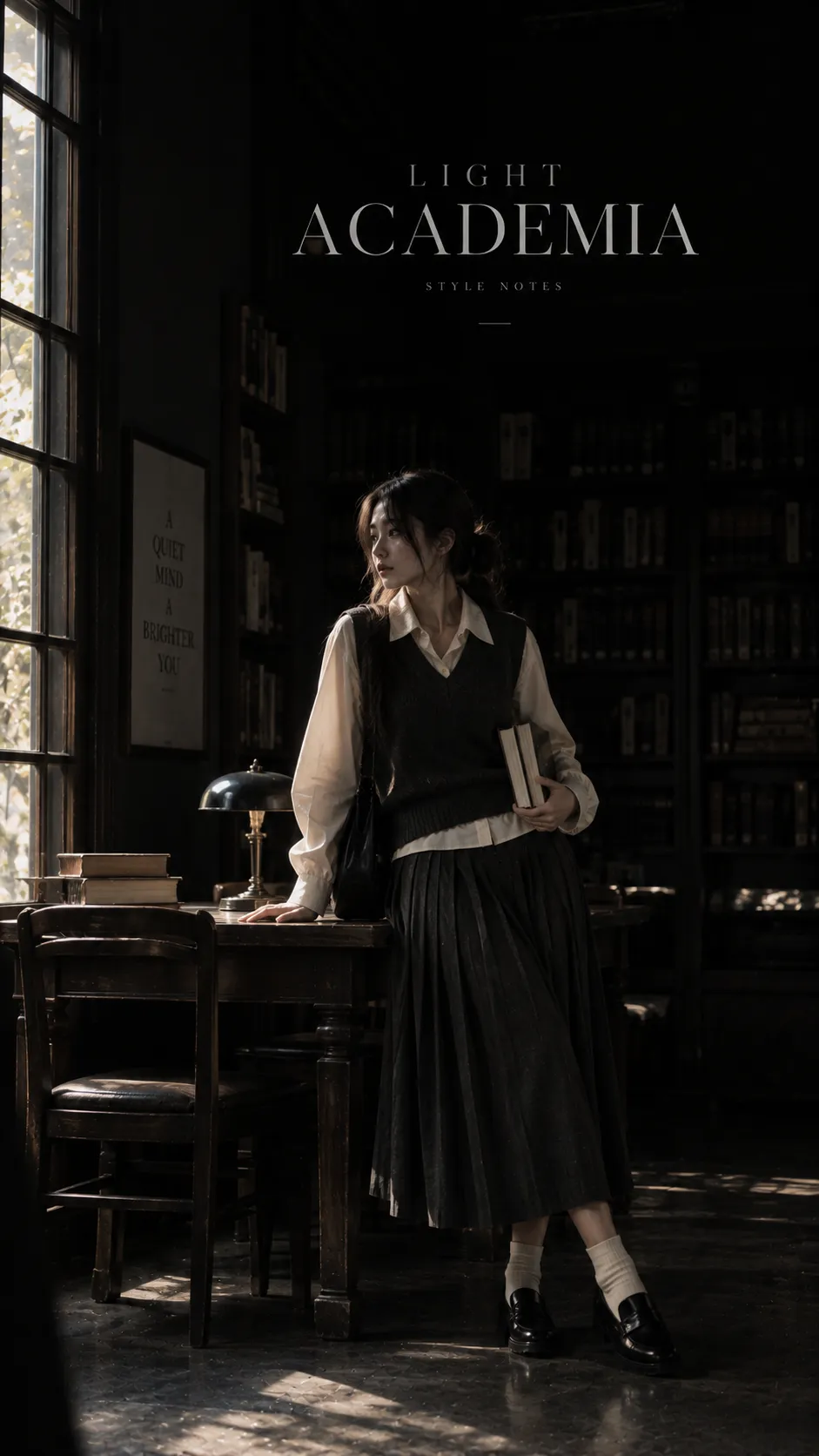
Light Academia: Colors, Outfits and Dark Academia Differences
Read lighter palettes, softer tailoring and knitwear within an academic-inspired framework.
Find a Direction from the Cues You Notice
This dictionary is a lookup maprather than one long definition article. Begin with recognizable outfit cues, then open the relevant specialist.
When directions overlap, compare the whole relationship among silhouette, palette, materials, footwear and settingrather than one garment. A mini skirt can appear in several different visual vocabularies.
Use Labels to Explore Rather Than Shop Automatically
After finding a related style, open its full guide and identify pieces you own, garments establishing the main shape and optional decorative accessories. A trend name need not prompt a complete-set purchase.
For the term’s meaning, return to what aesthetic means. For a broader alternative direction, explore what Alt Style means or the alternative-fashion beginner’s guide.
J-Fashion and Gyaru
Start with Gyaru, then explore Harajuku, Gyaru branches, Mori Kei, Ouji, Japanese Streetwear and related Japanese references.
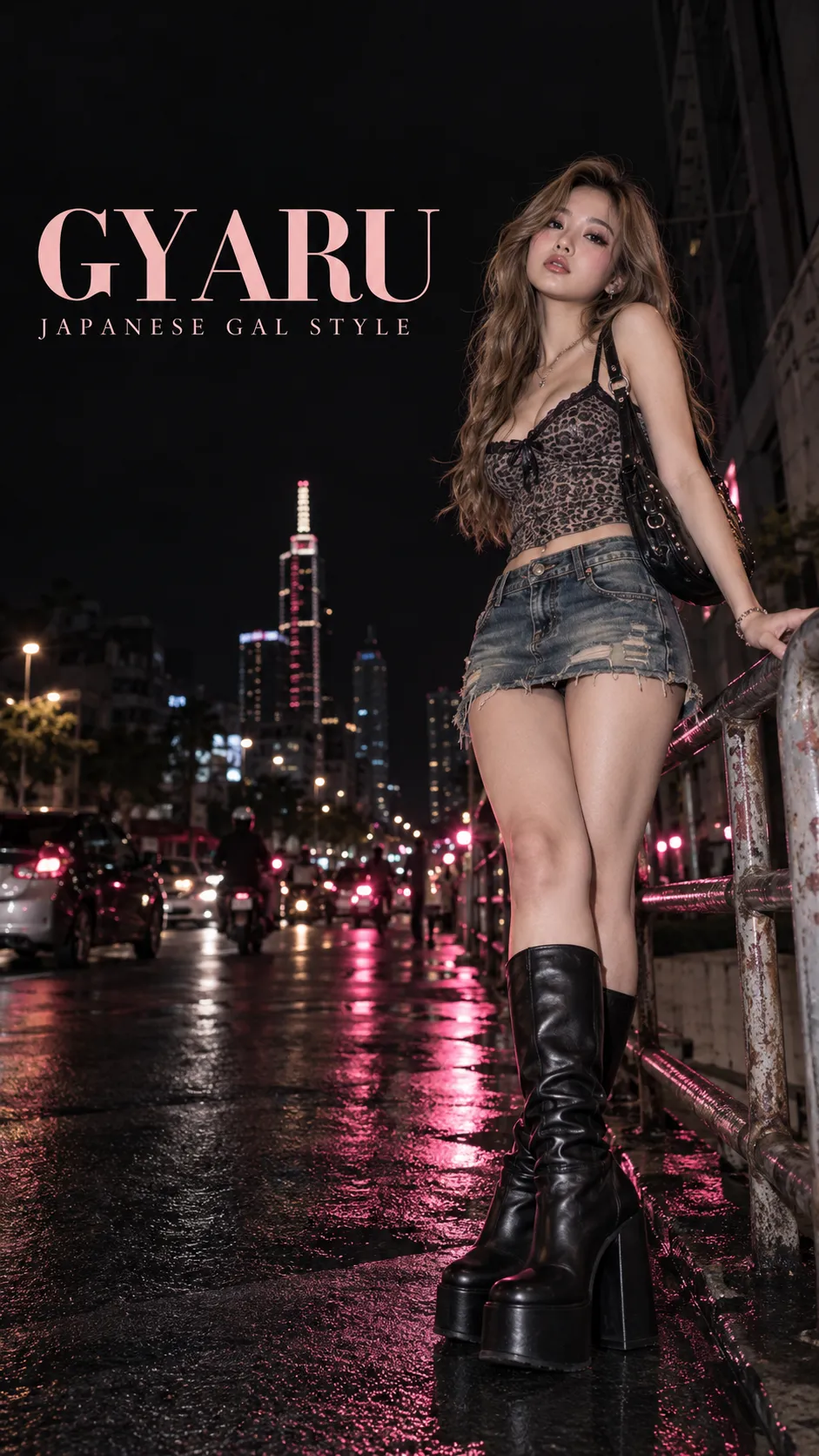
Gyaru: Style, Visual Cues and Related Branches
Read hair, makeup, silhouettes, colors and branches including Kogal, Ganguro, Hime Gyaru and Gyaru-associated Amekaji.
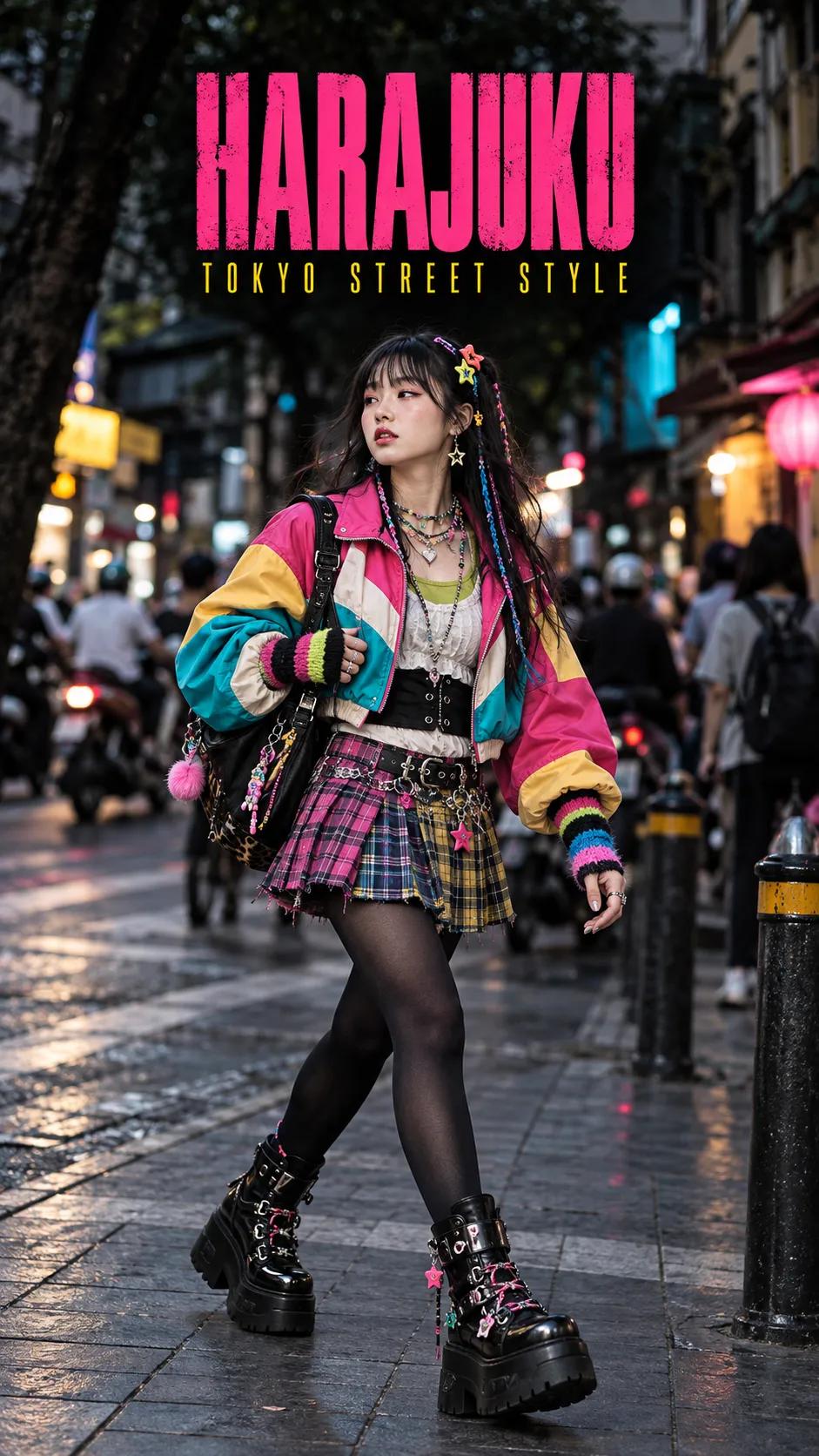
Harajuku Style: A Diverse Japanese Fashion Context
Explore the area’s varied styles, colors, layers and accessories through considered outfit examples.
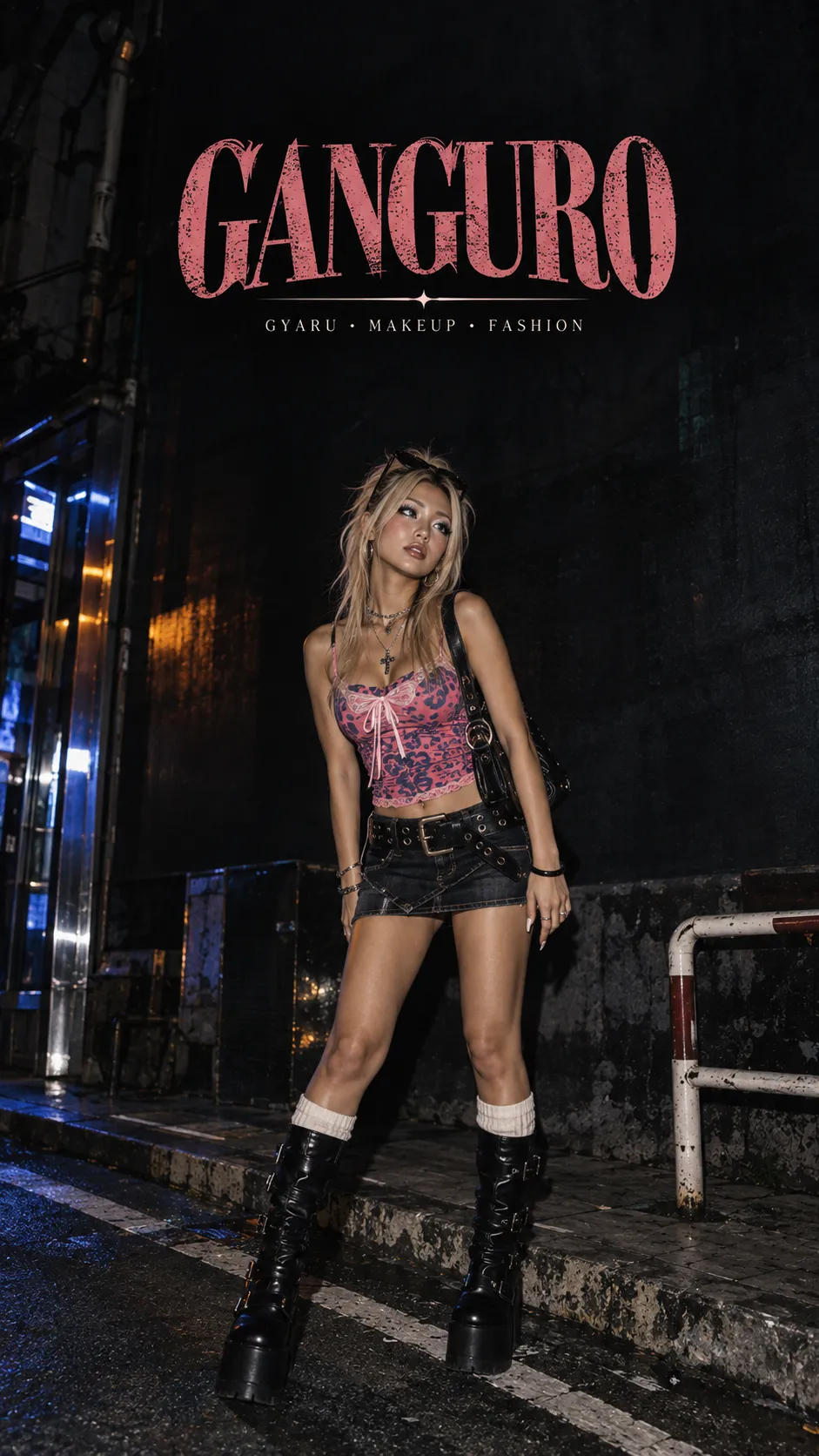
Ganguro: Gyaru History, Makeup and Fashion
Explore contrast makeup, lighter hair, platforms and late-1990s Shibuya context without making tanning a requirement.
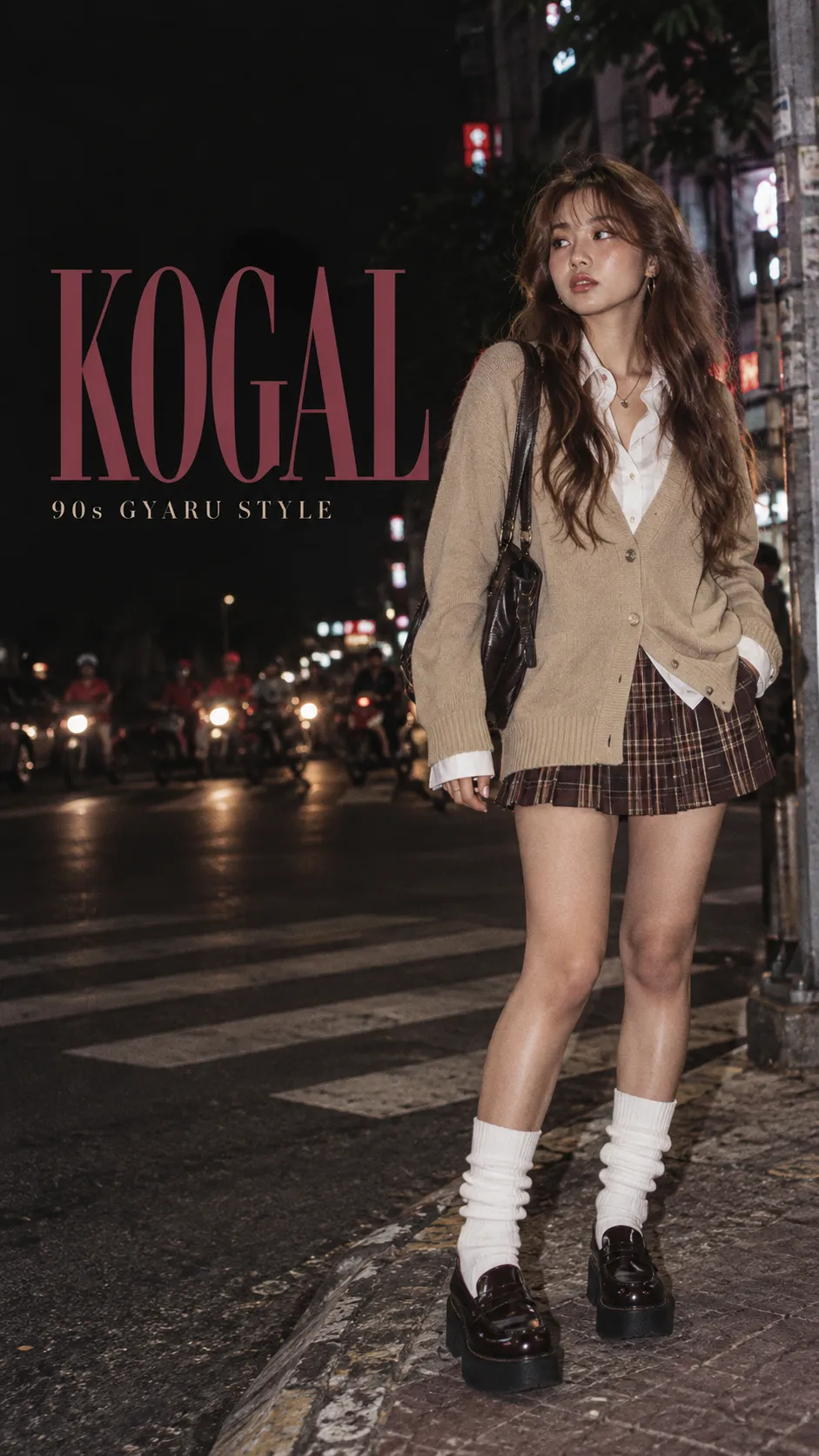
Kogal: Gyaru and 1990s Schoolwear References
Understand Shibuya context, loose socks, pleated skirts, dyed hair and platforms, with contemporary interpretations.
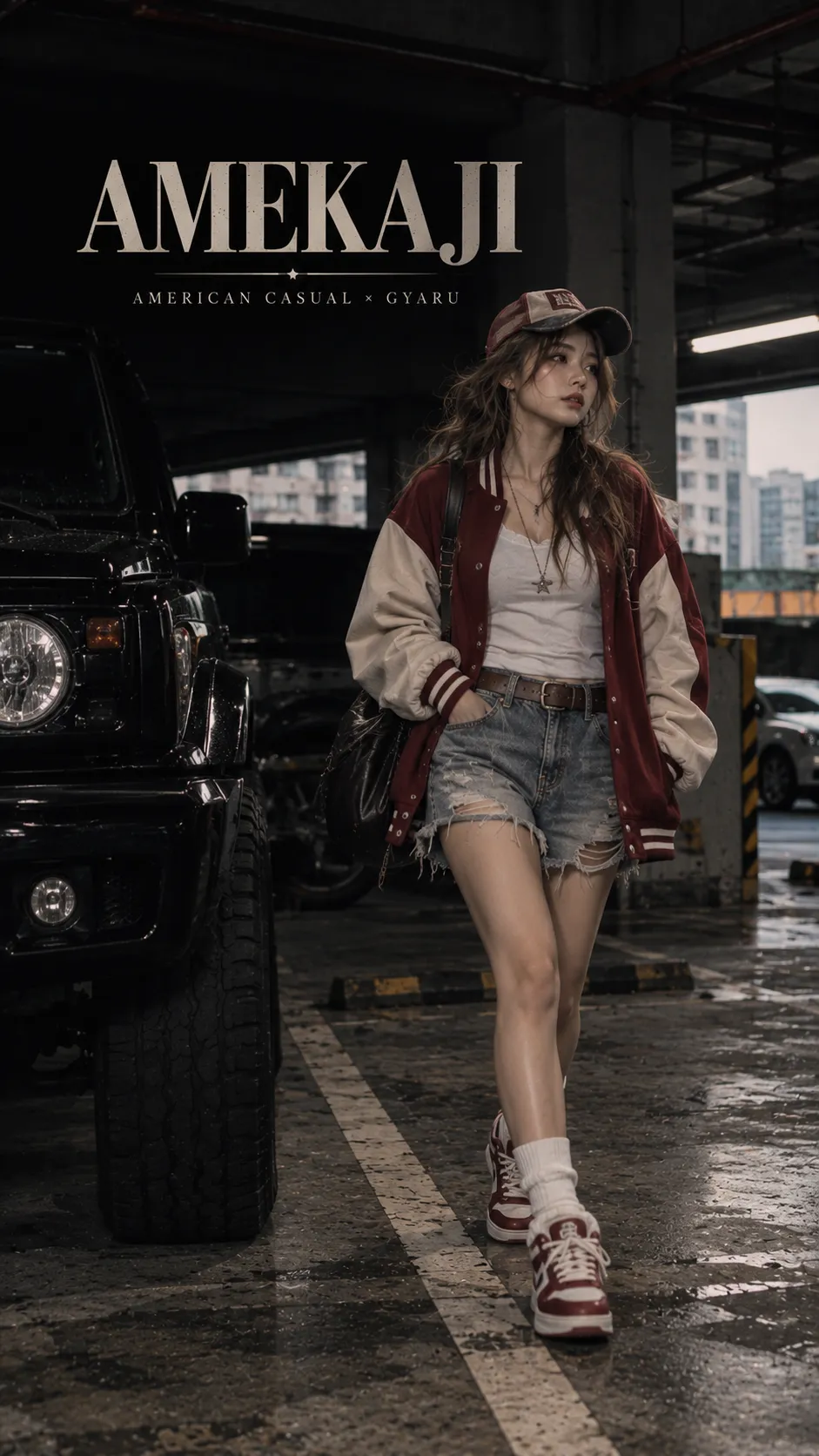
Amekaji: American Casual in a Gyaru Context
Read denim, plaid, varsity pieces, sneakers and Gyaru hair or makeup references through six everyday combinations.
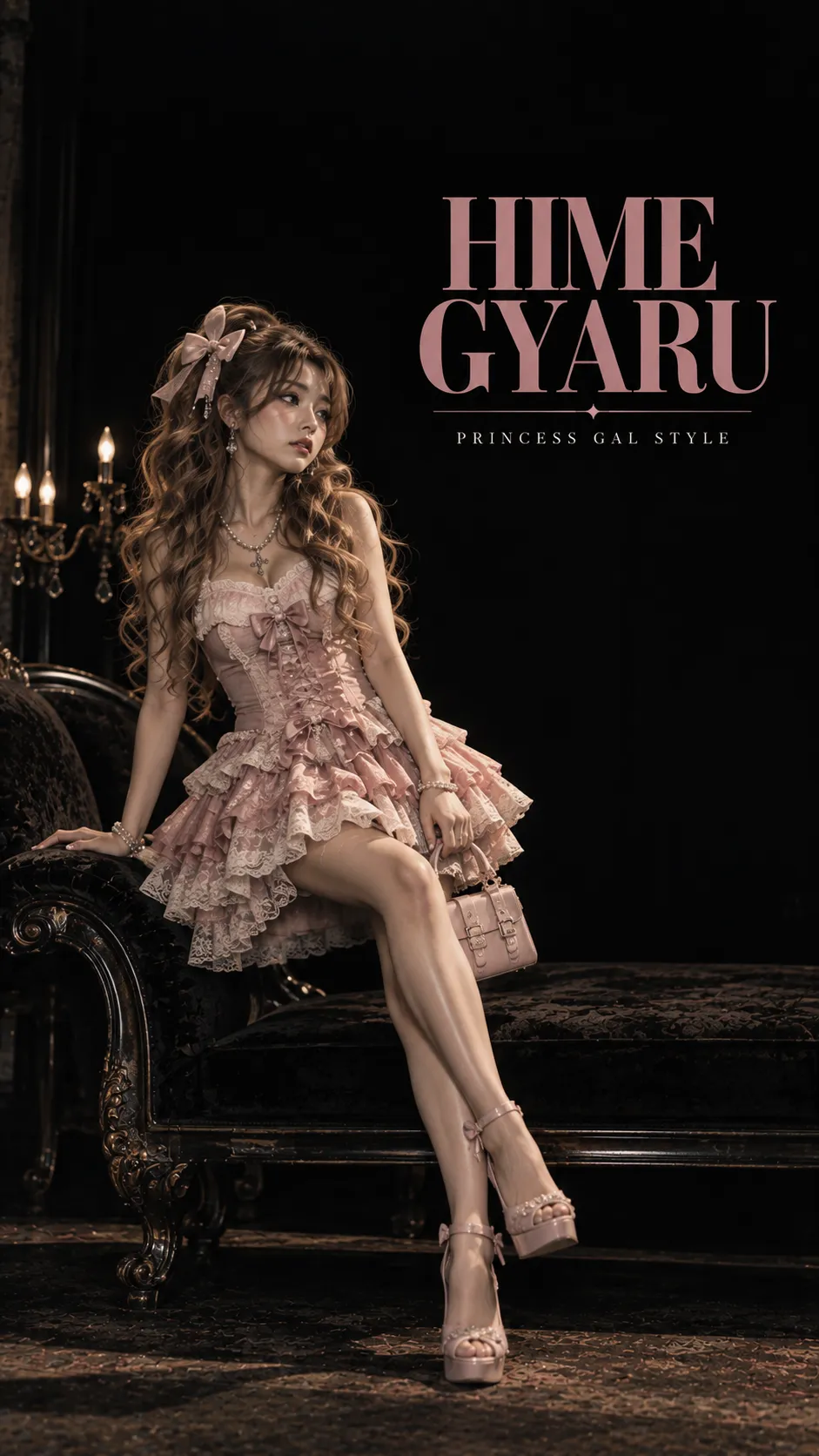
Hime Gyaru: Princess-Inspired Gyaru Styling
Explore hair volume, makeup, lace, bows, pearl-like details and heels, with distinctions from Lolita fashion.
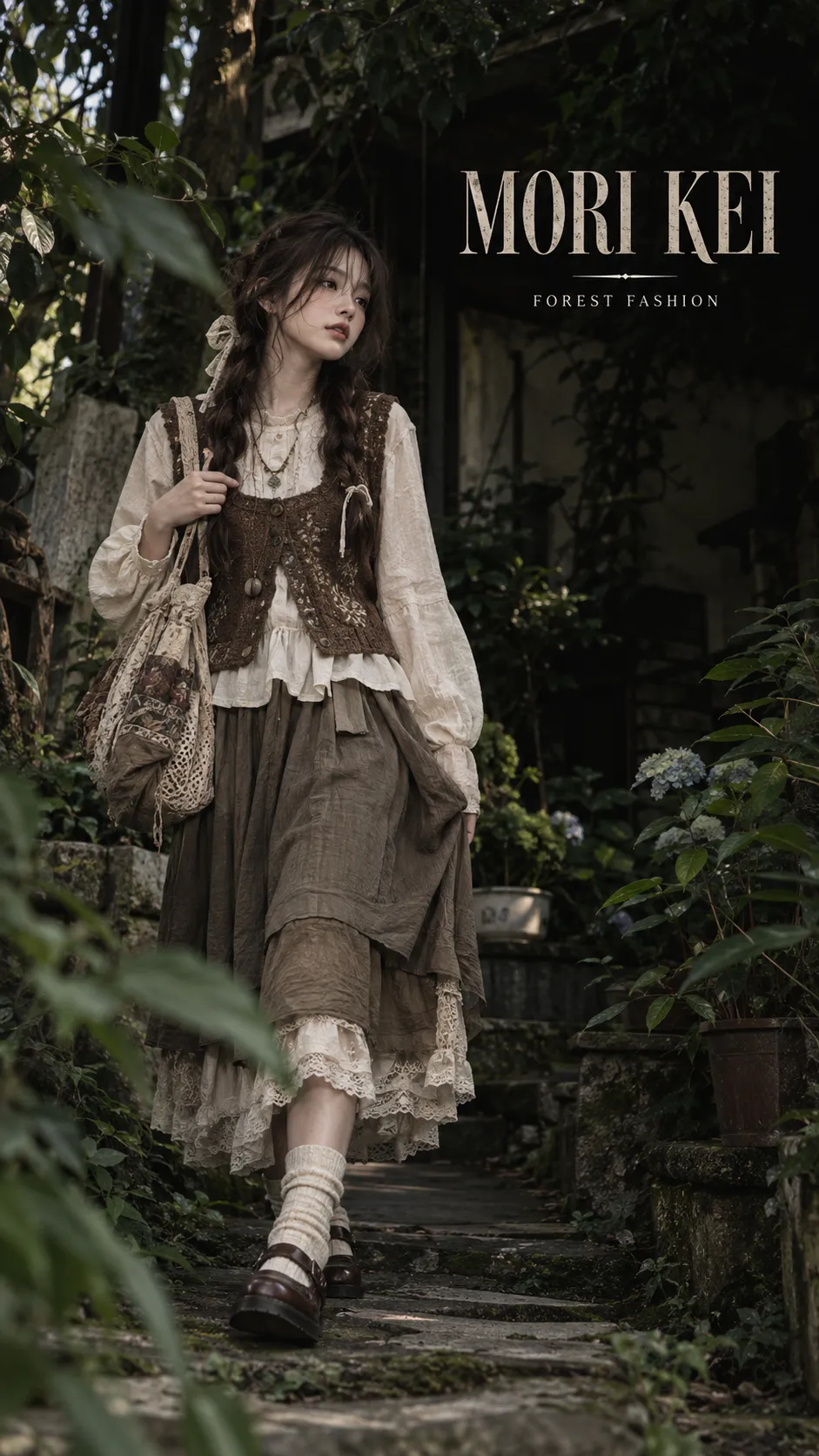
Mori Kei: Forest-Inspired Japanese Styling
Explore layers, colors, fabrics, footwear and accessories in wearable forest-inspired combinations.
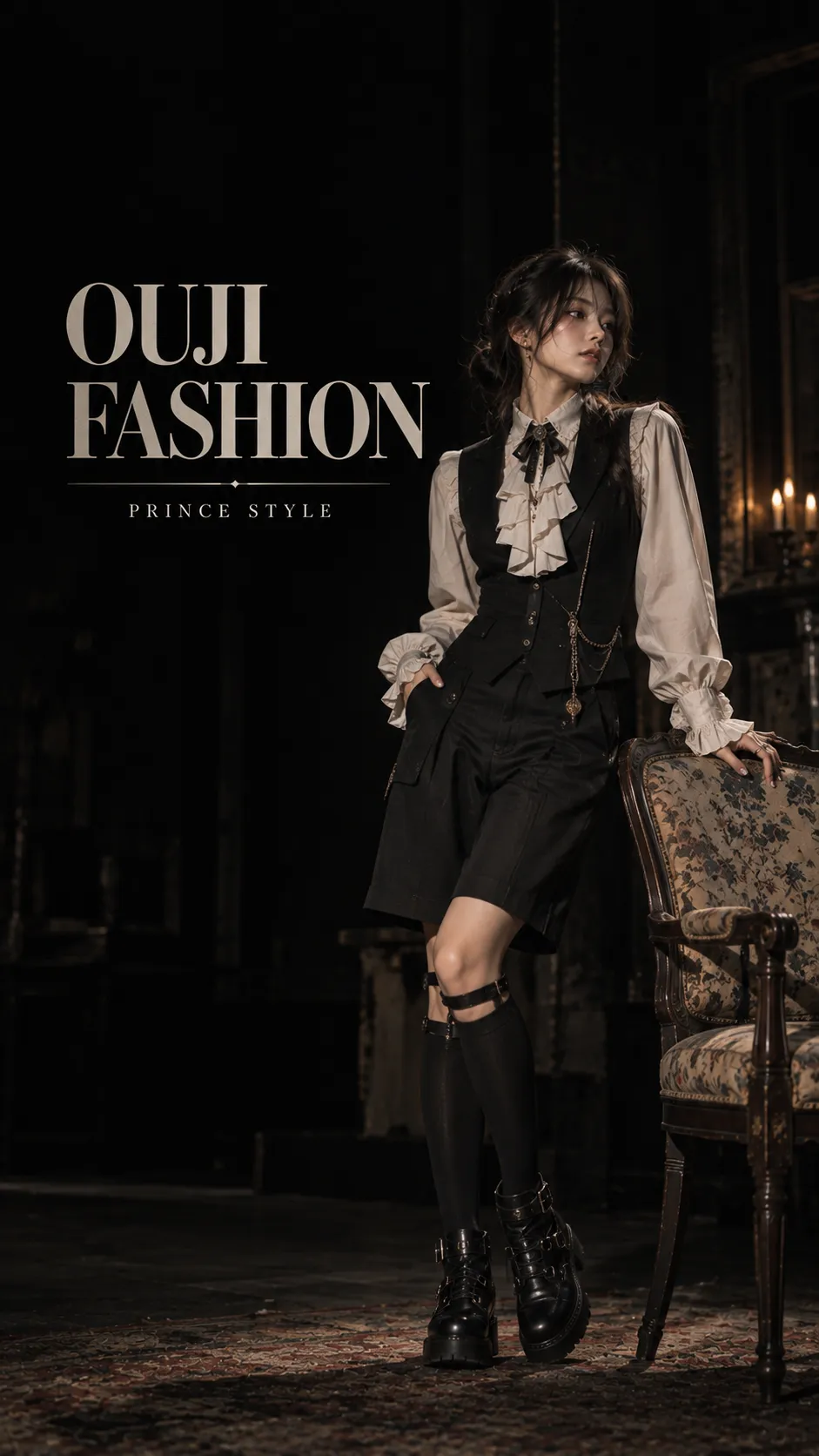
Ouji Fashion: Japanese Prince-Inspired Style
Read blouses, waistcoats, shorts, trousers, boots and silhouette without requiring a literal costume.
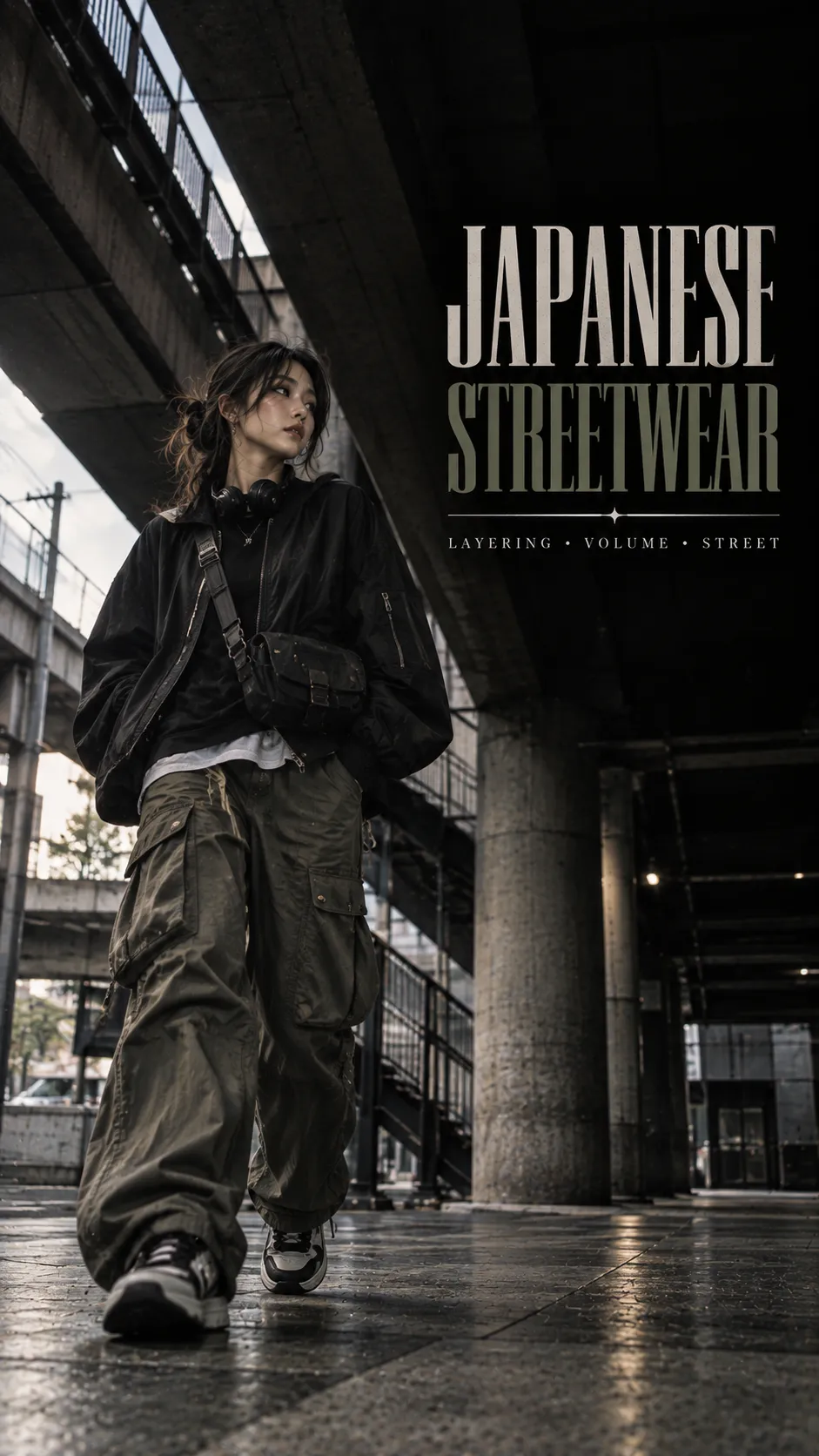
Japanese Streetwear: Context and Outfit Principles
Explore Harajuku and Ura-Harajuku references, layering, silhouette, vintage and sneakers in contemporary women’s outfits.
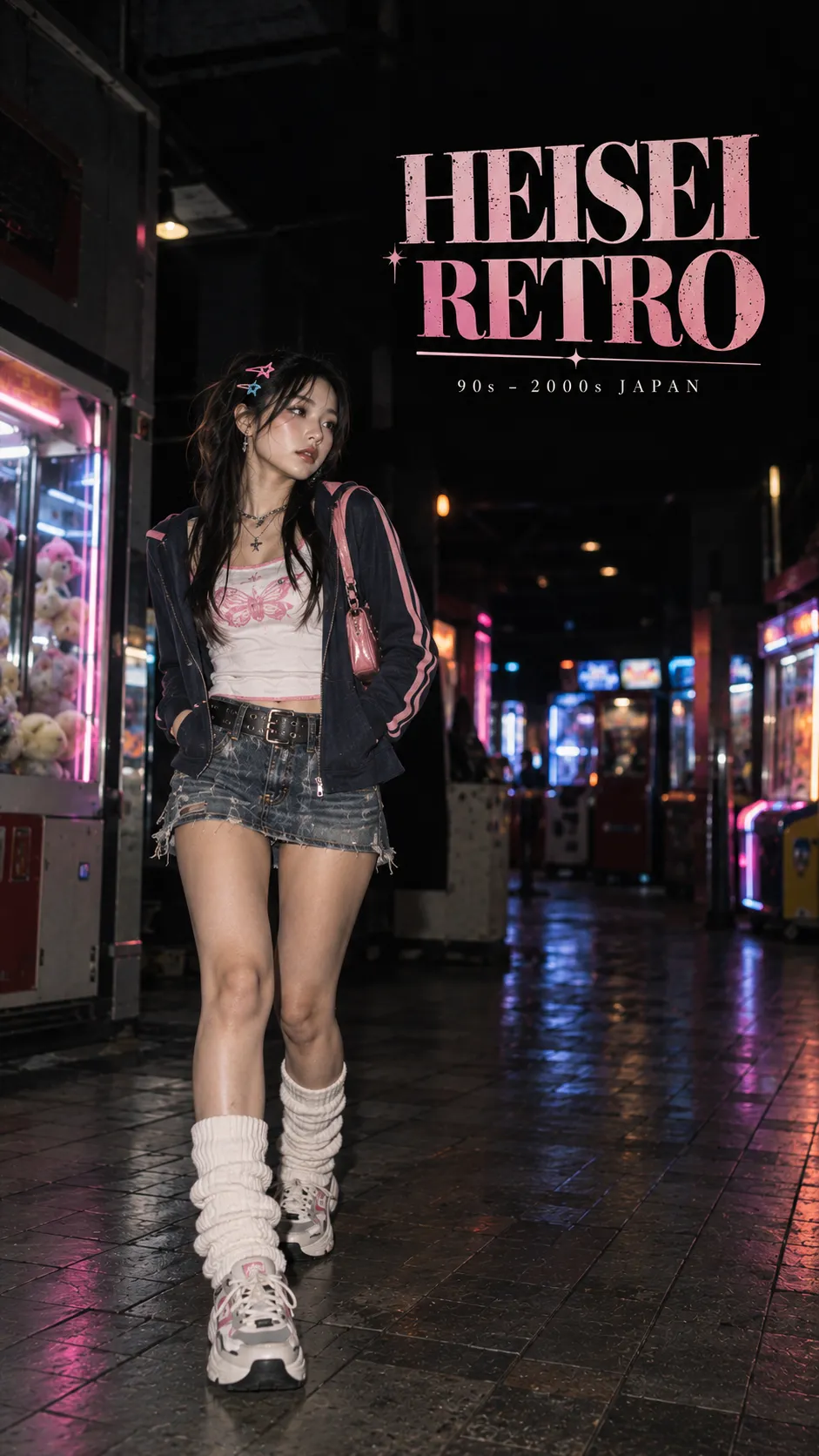
Heisei Retro: Japanese 1990s–2000s References
Explore purikura, flip phones, Gyaru, loose socks and platforms as selected period references.
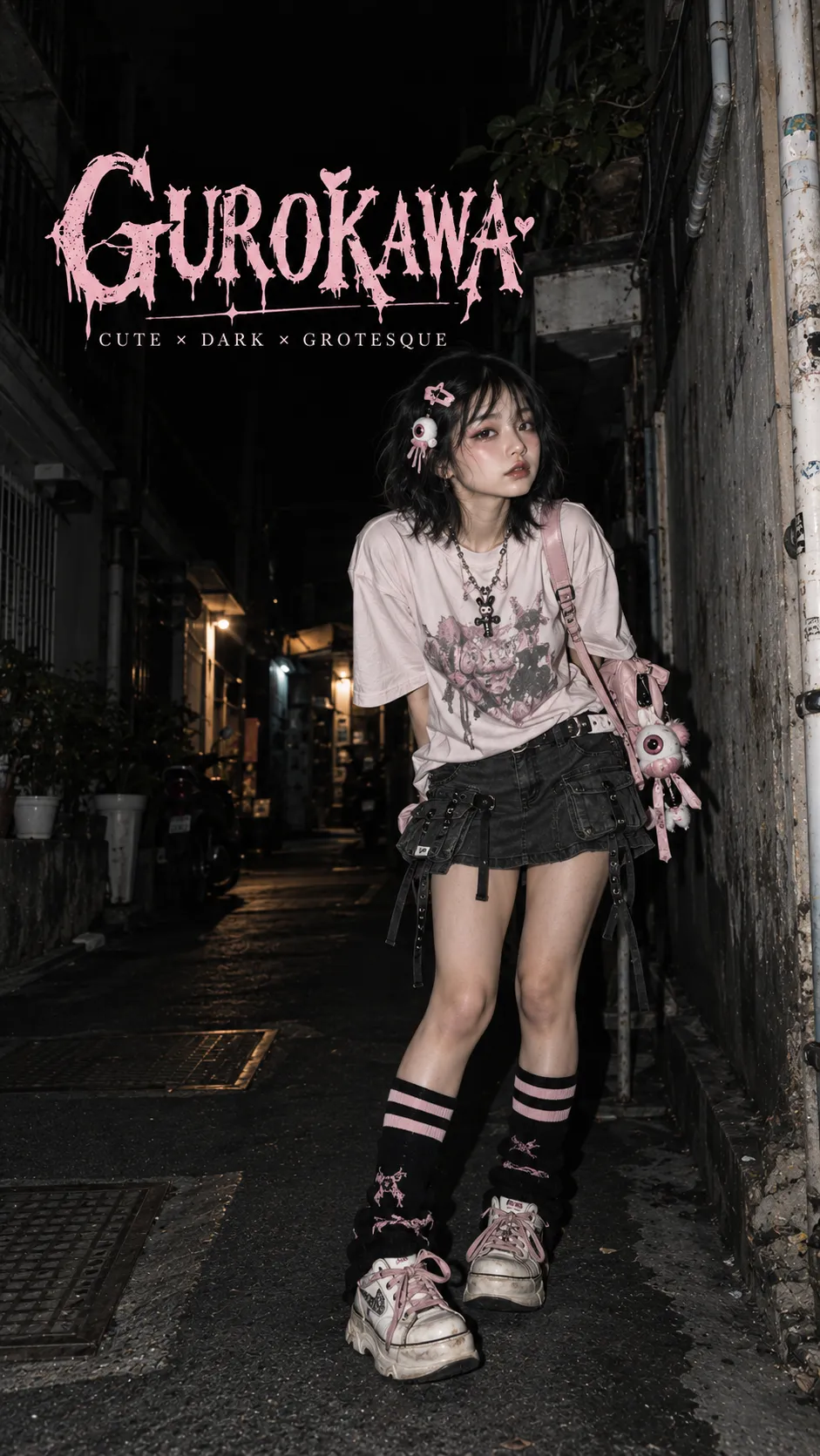
Gurokawa: Cute and Unsettling Visual Contrast
Understand cute-grotesque motifs and outfit references, with distinctions from Yami Kawaii and Pastel Goth.
Historical, Retro and Heritage Fashion
Explore 1930s, New Look and 1950s silhouettes alongside Rockabilly, Hippie, Power Dressing, Ivy and McBling references.
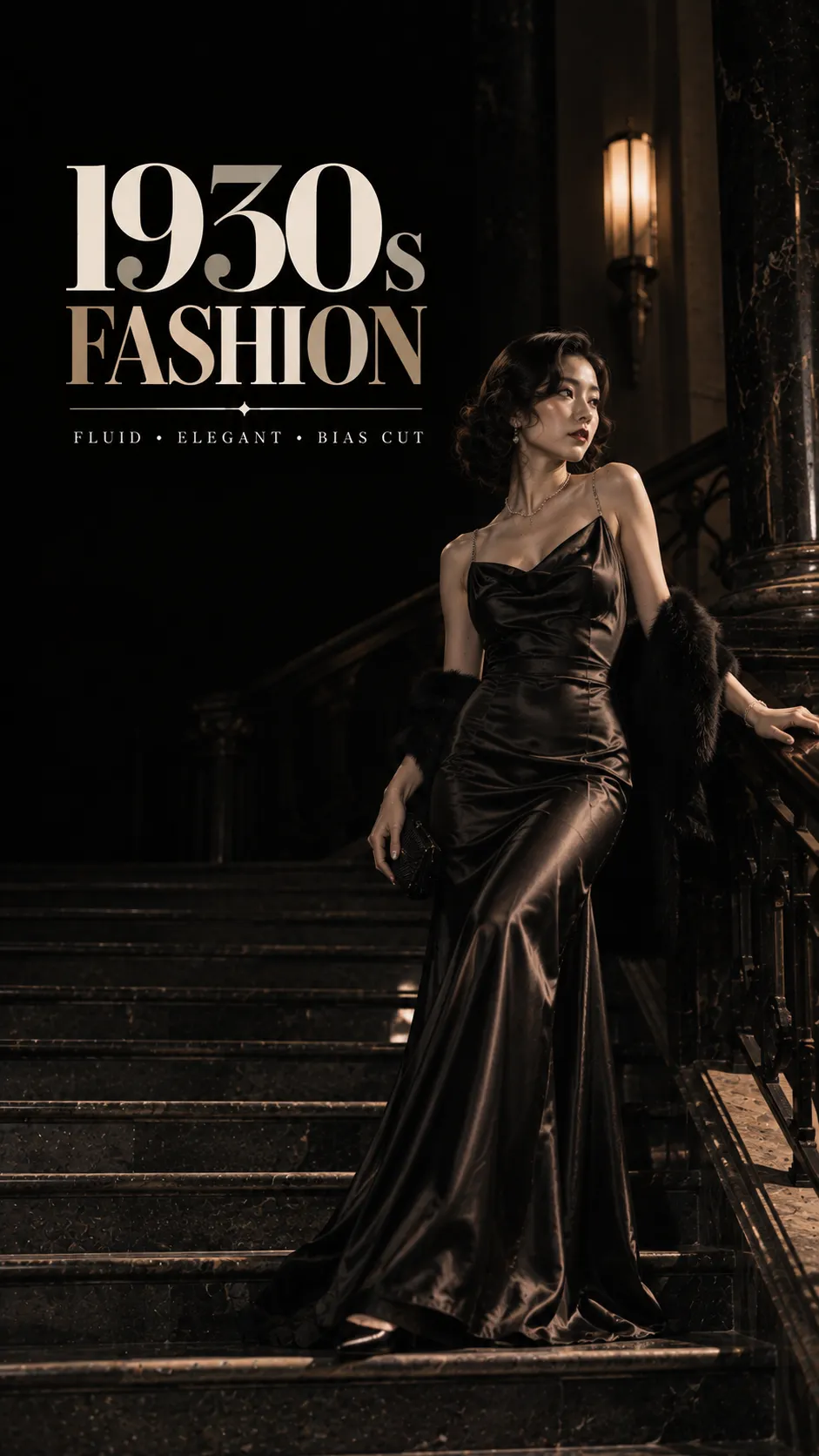
1930s Fashion: Silhouettes and Contemporary References
Read natural waists, bias-cut gowns, changing shoulder shapes and Hollywood glamour in period context.
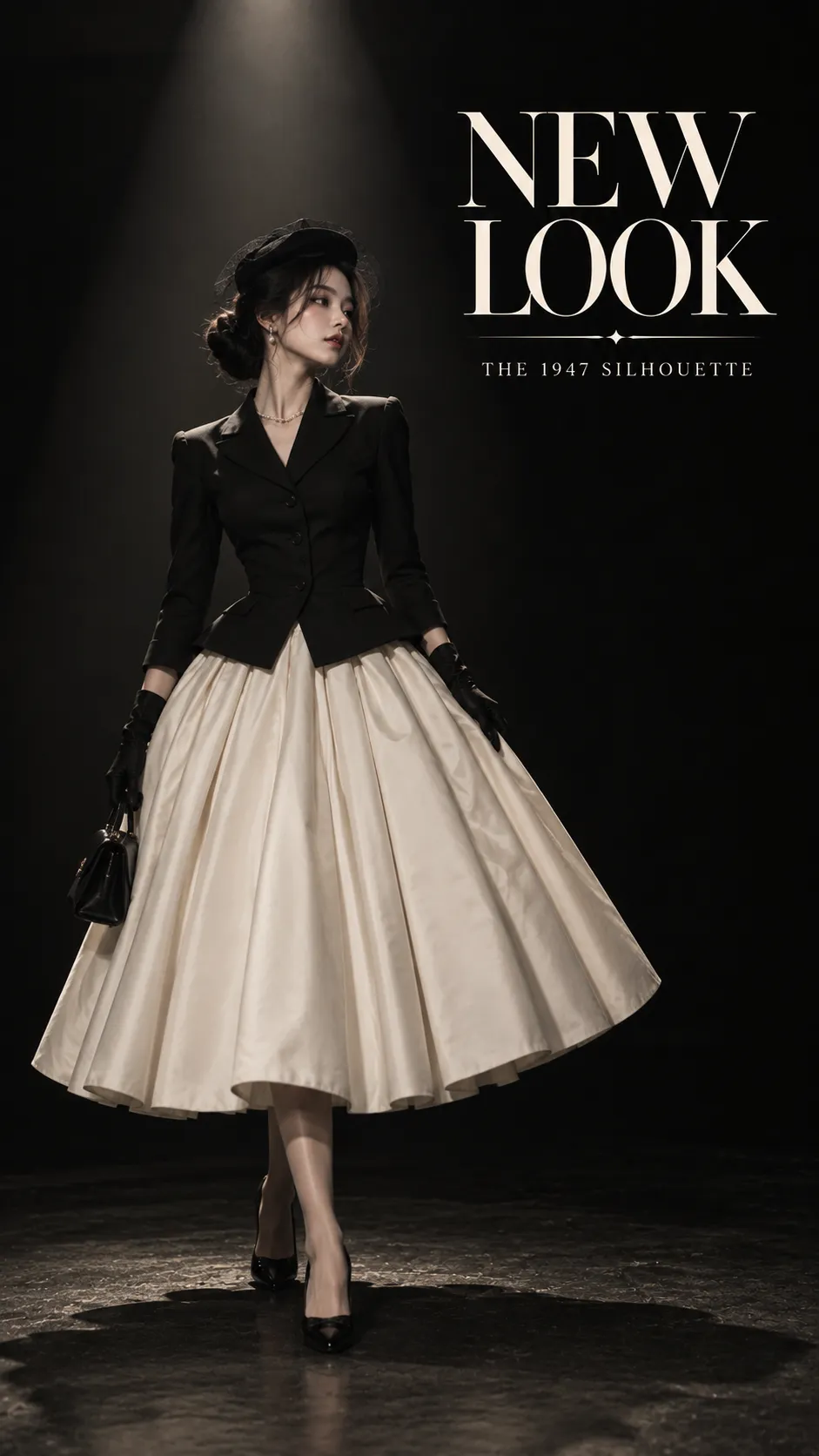
Dior’s New Look: The 1947 Silhouette in Context
Explore Christian Dior, the Bar ensemble, defined waists, full skirts, postwar debates and the collection’s influence.
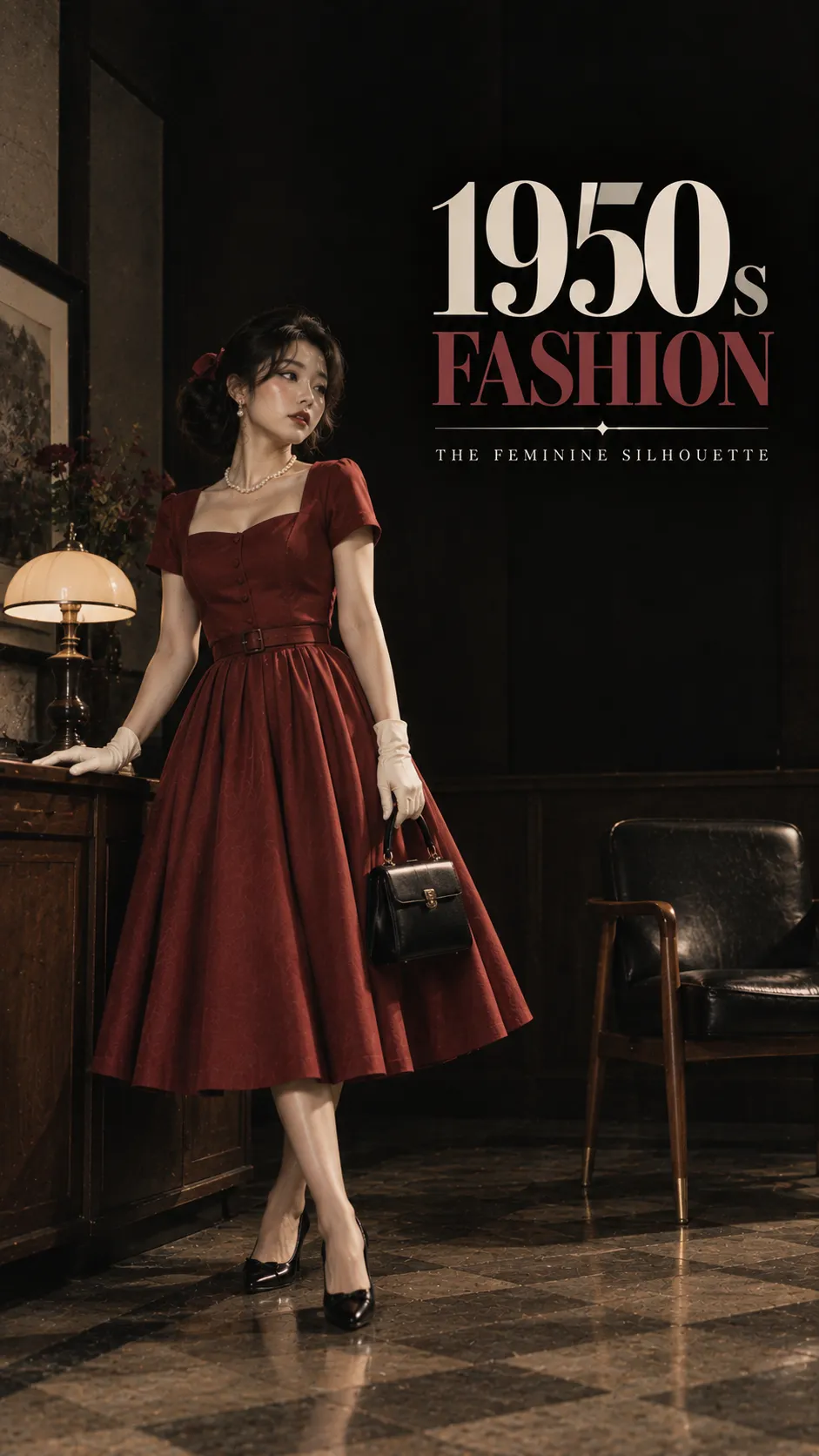
1950s Women’s Fashion: Silhouettes and Outfit References
Explore New Look influence, full and pencil skirts, sheath dresses, suits and sportswear.
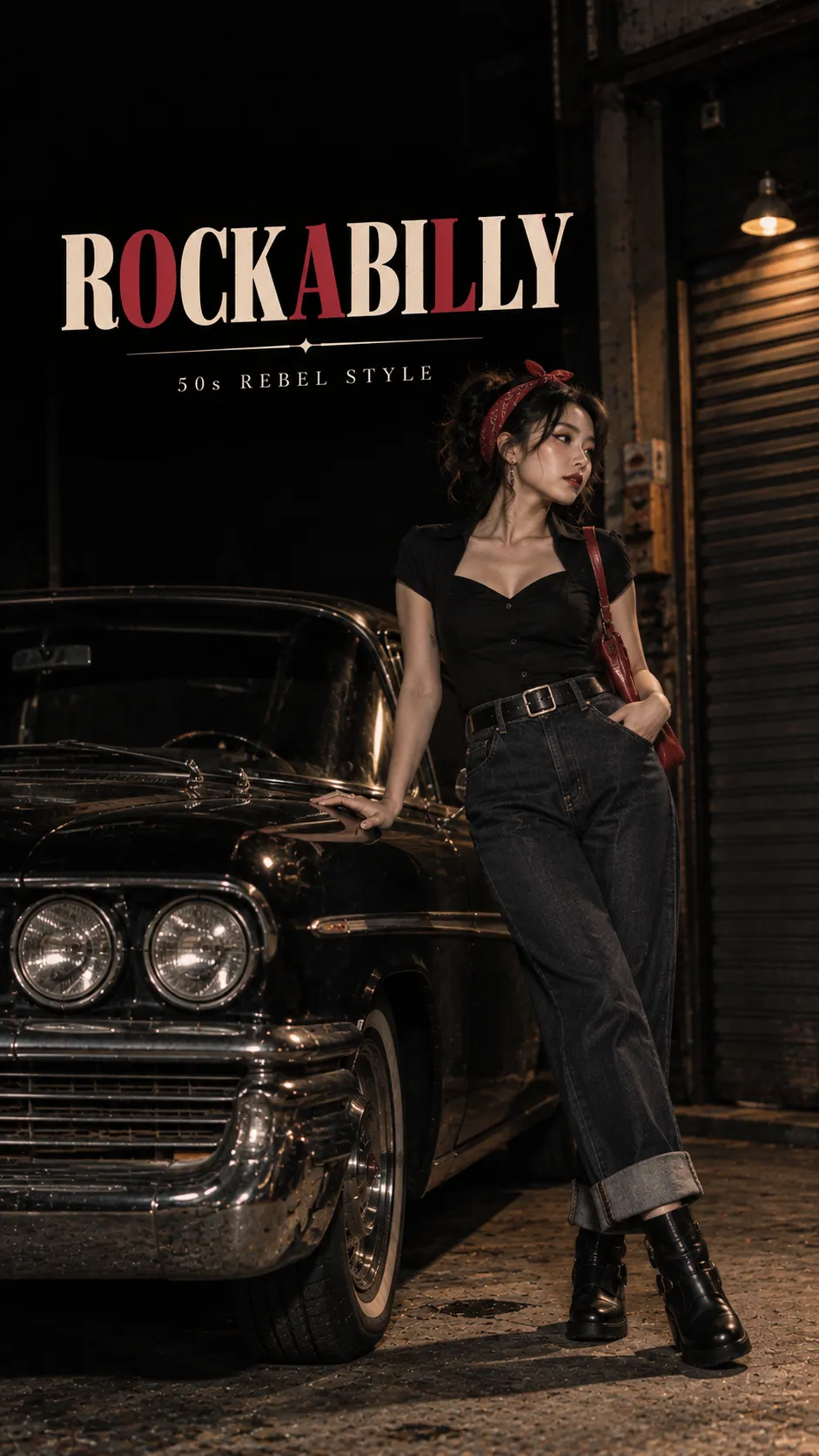
Rockabilly: Music, Retro Style and Outfit Ideas
Understand the 1950s musical context and selected women’s outfit references without requiring a complete costume.
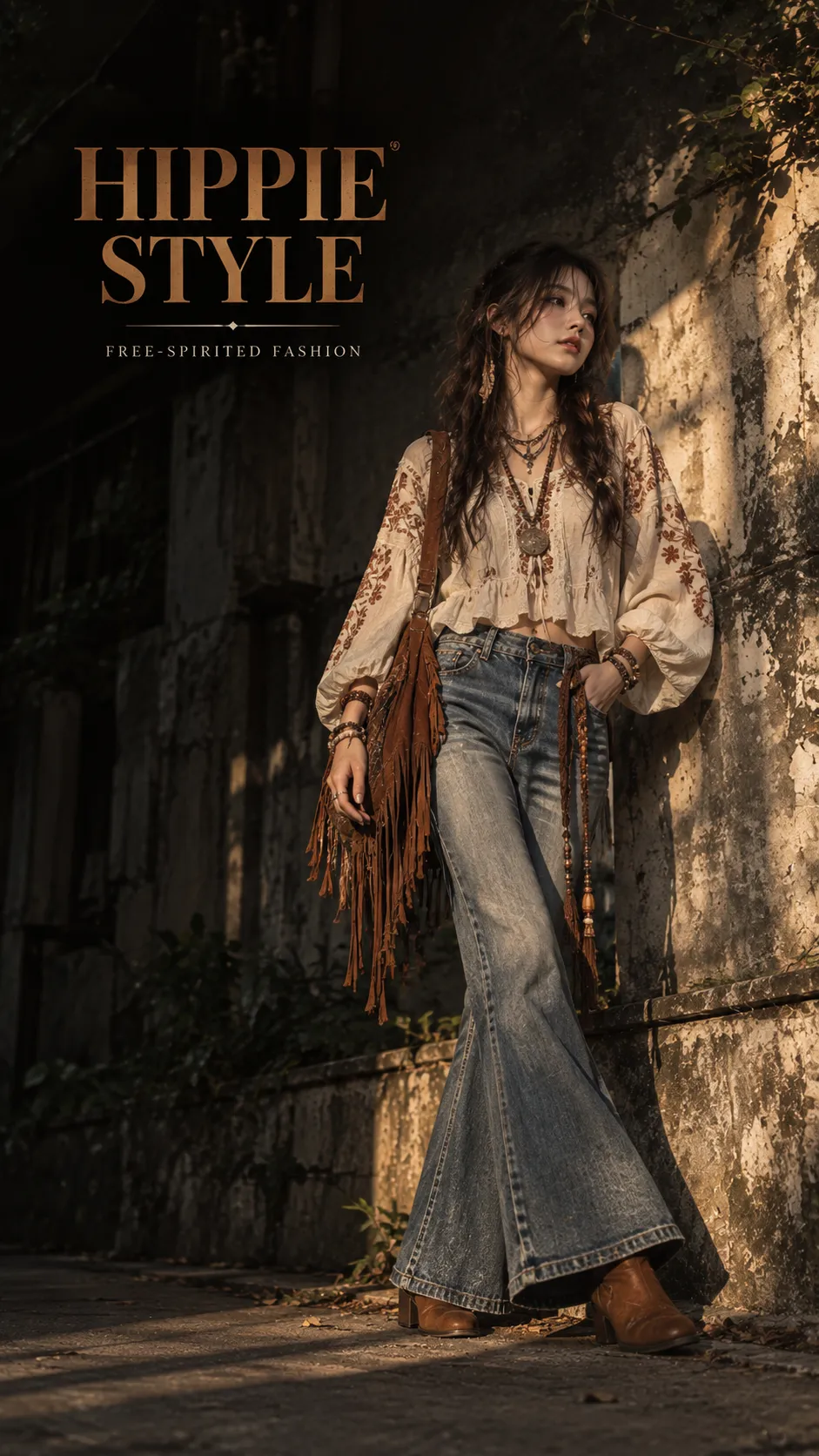
Hippie Style: History and Modern Outfit References
Explore cultural context, shapes, colors, fabrics and considered contemporary interpretations.
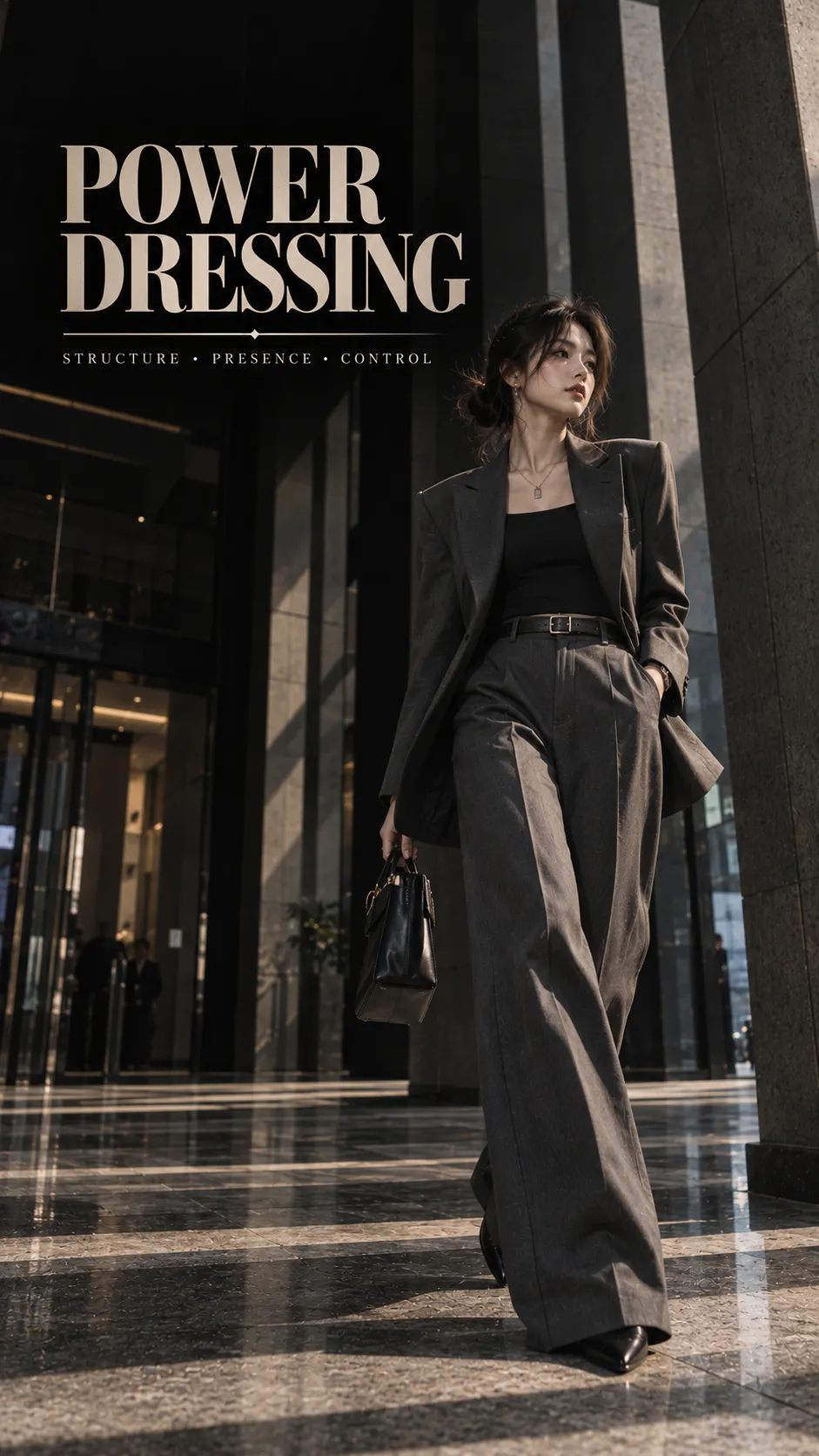
Power Dressing: Structure and Presence
Read 1980s references and combine blazers, trousers, skirts and footwear without compulsory stiffness.
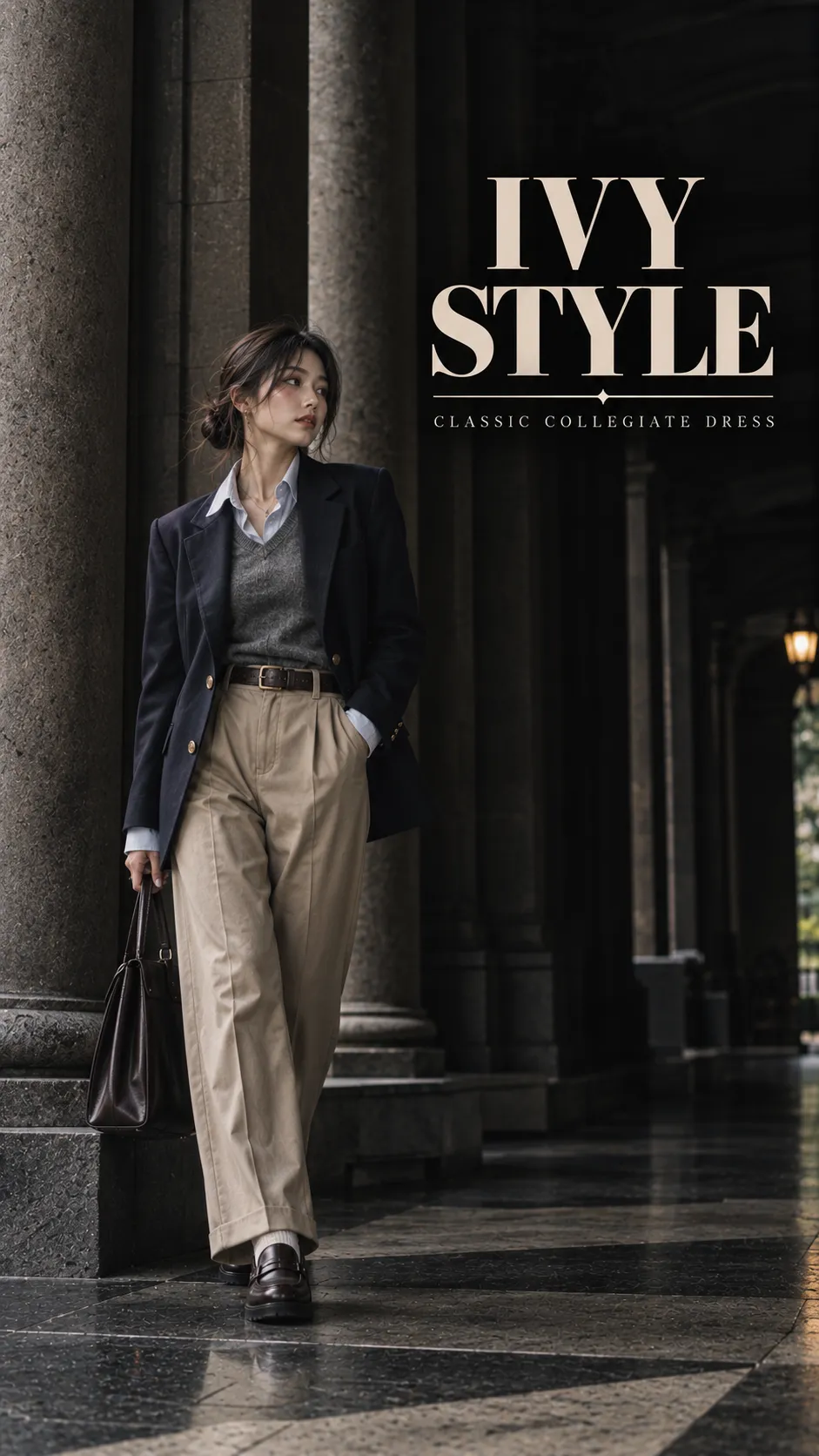
Ivy Style: College References and Preppy Differences
Explore blazers, Oxford shirts, khakis and loafers, with distinctions from Preppy and Old Money.
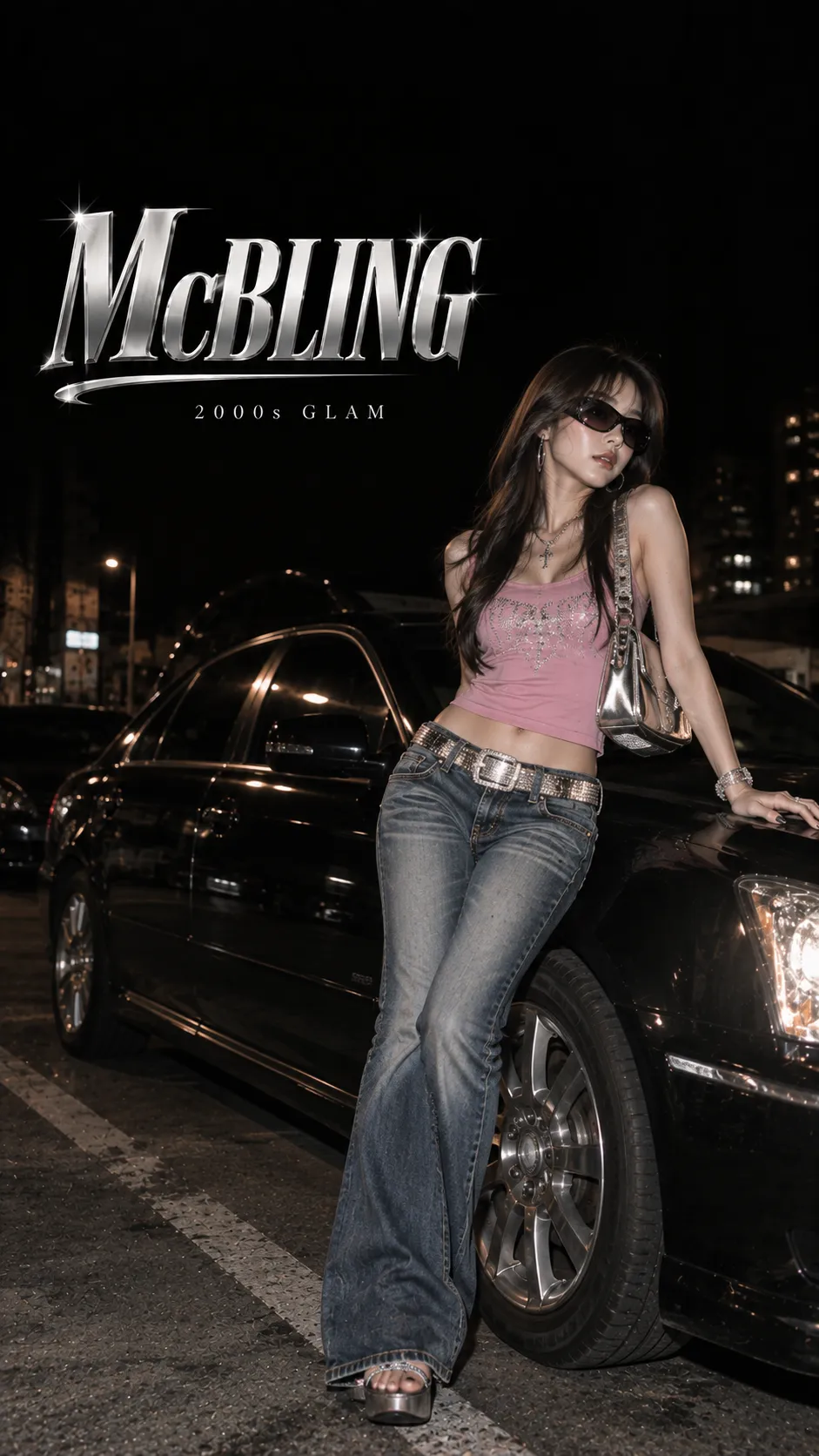
McBling: Early-2000s Shine and Street Glamour
Read velour, rhinestones, branding, trucker hats and small bags, distinguishing the emphasis from narrower futuristic Y2K references.
Internet and Alternative Aesthetics
Explore distinct visual references in Cutecore, Devilcore, Cybergoth, Kidcore, Morute, Barbiecore and Geek Chic.
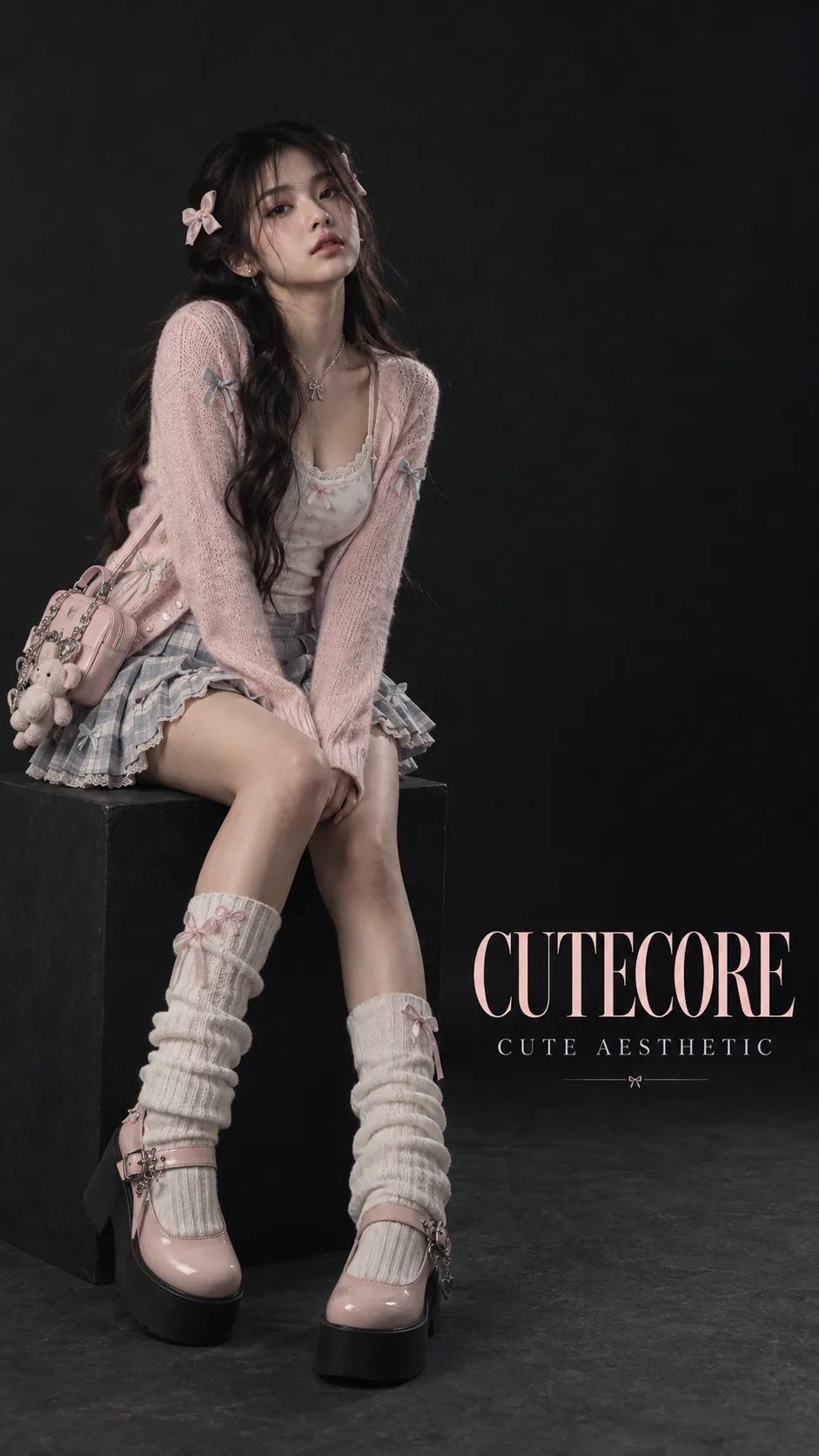
Cutecore: Cute Motifs and Outfit Ideas
Choose colors, silhouettes and accessories for non-gory cute-inspired everyday outfits.
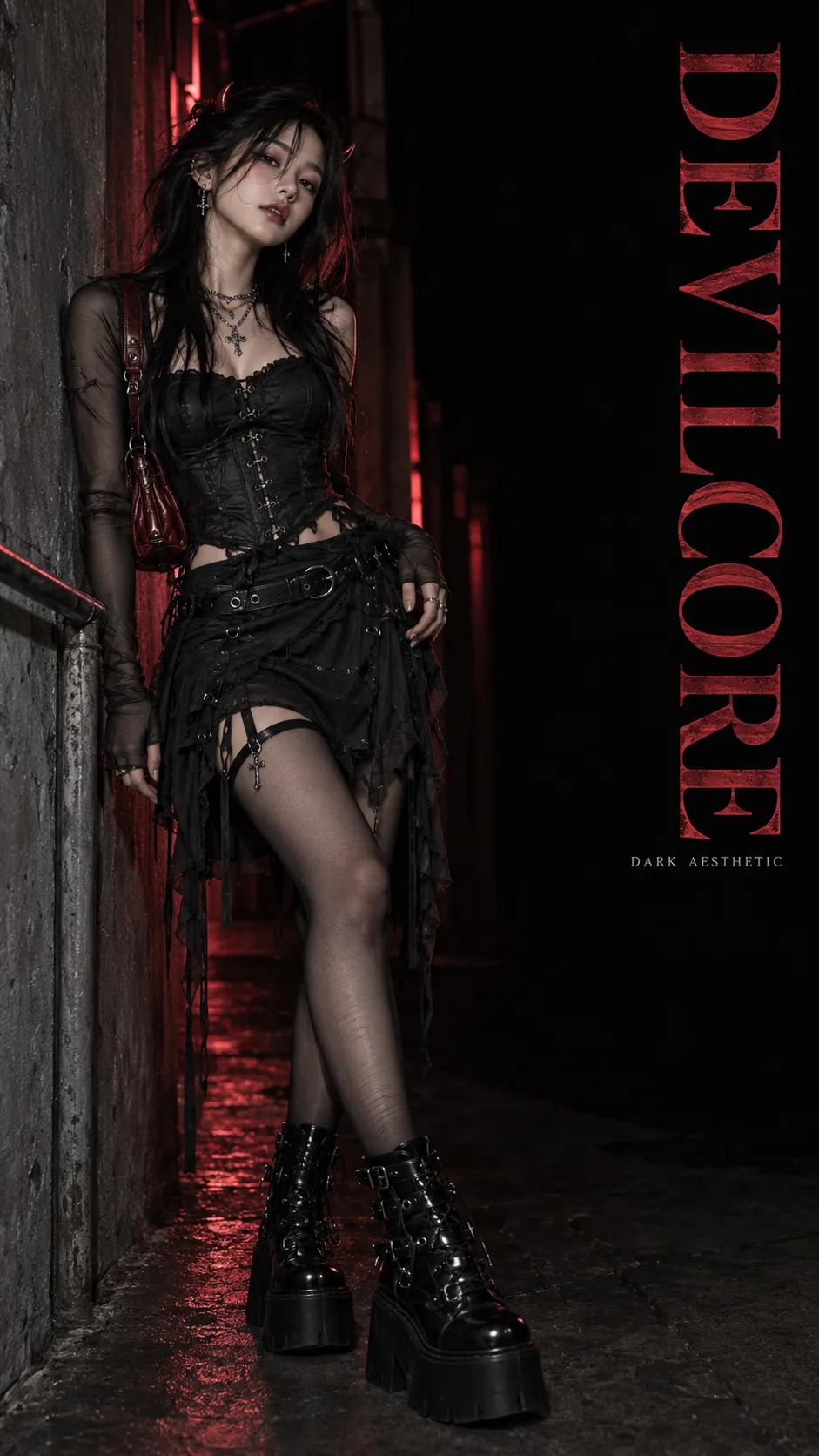
Devilcore: Dark Outfit References
Explore black and red, motifs, surface contrast and selected accessories in deliberate dark outfits.
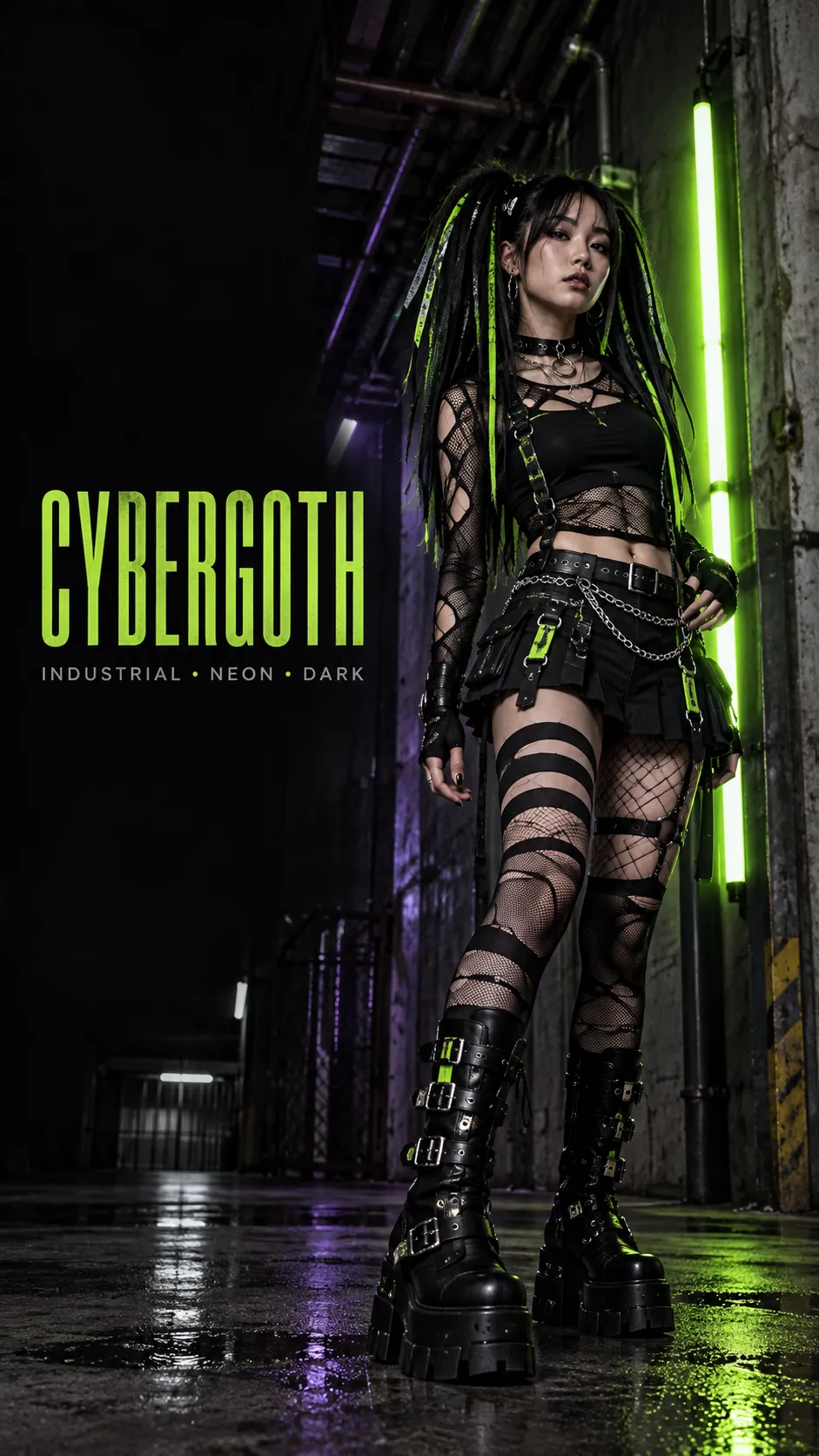
Cybergoth: Style and Outfit References
Read black, neon, industrial details, cyberlox and platforms within their cultural and outfit context.
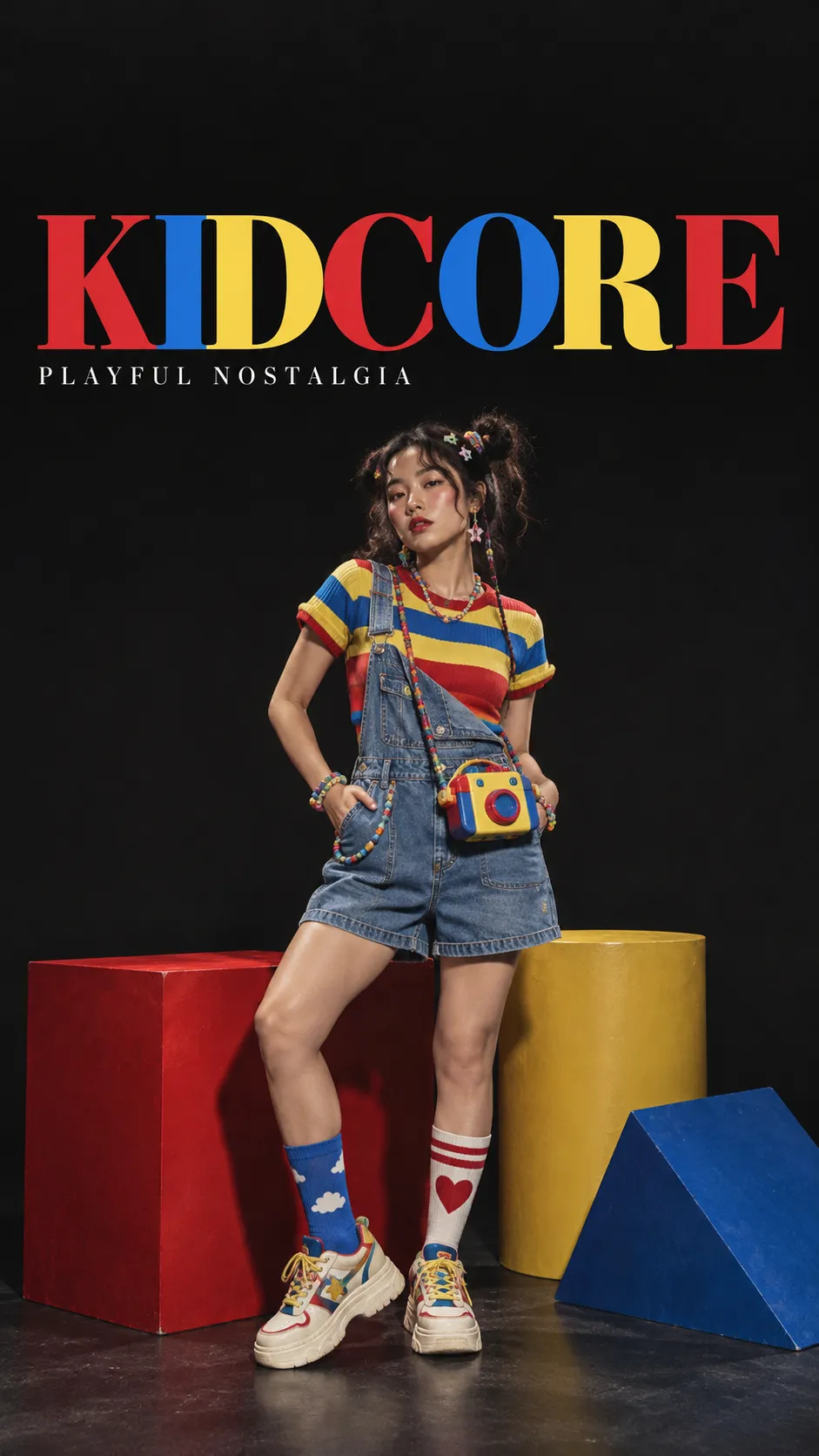
Kidcore: Childhood References and Colorful Outfits
Explore primary colors, 1990s–2000s nostalgia, cartoons, toys and deliberate proportions.
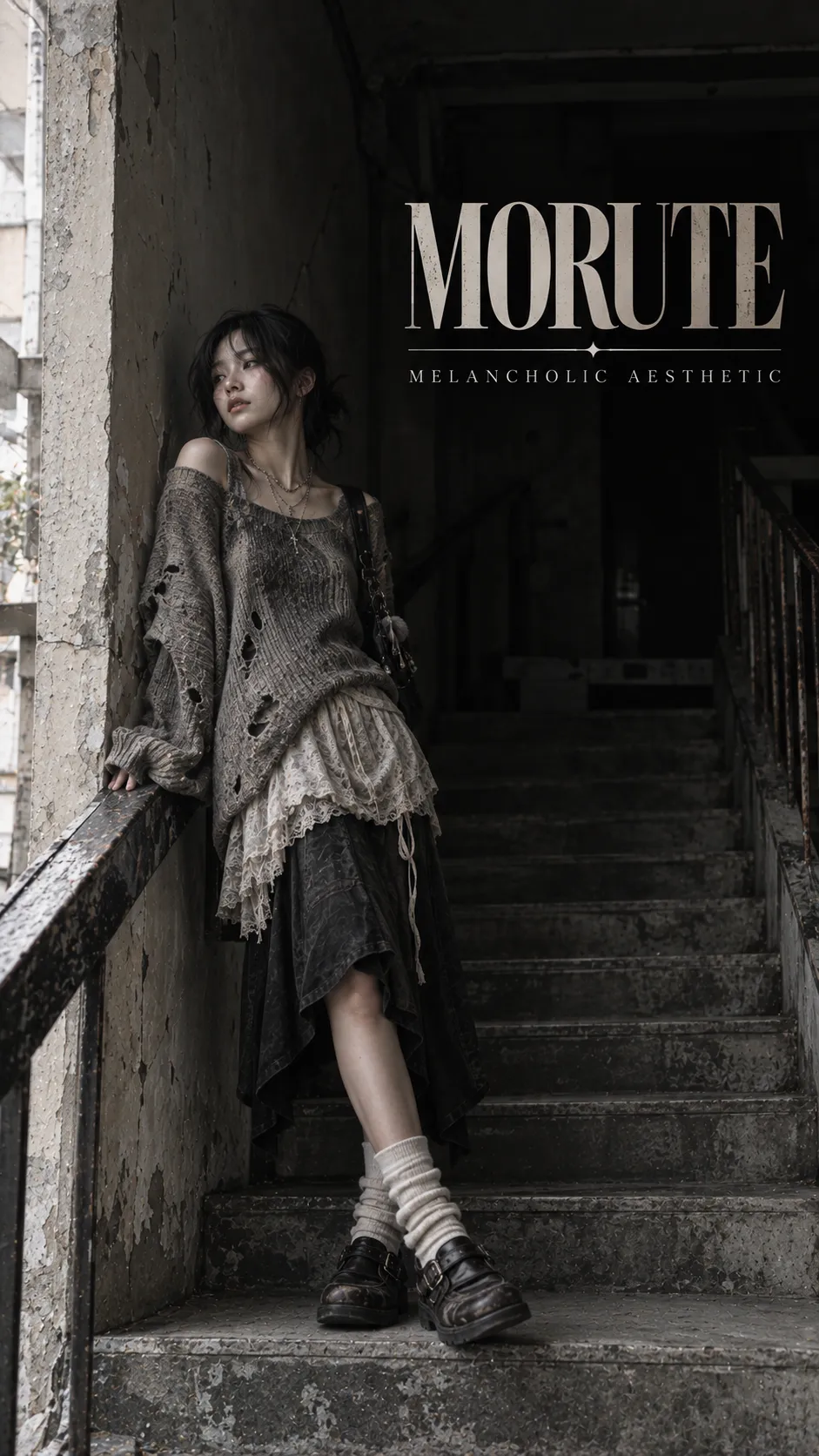
Morute: Aesthetic and Outfit Guide
Explore selected morbid-cute internet references, lace, older nightwear and worn surfaces without romanticizing harm.
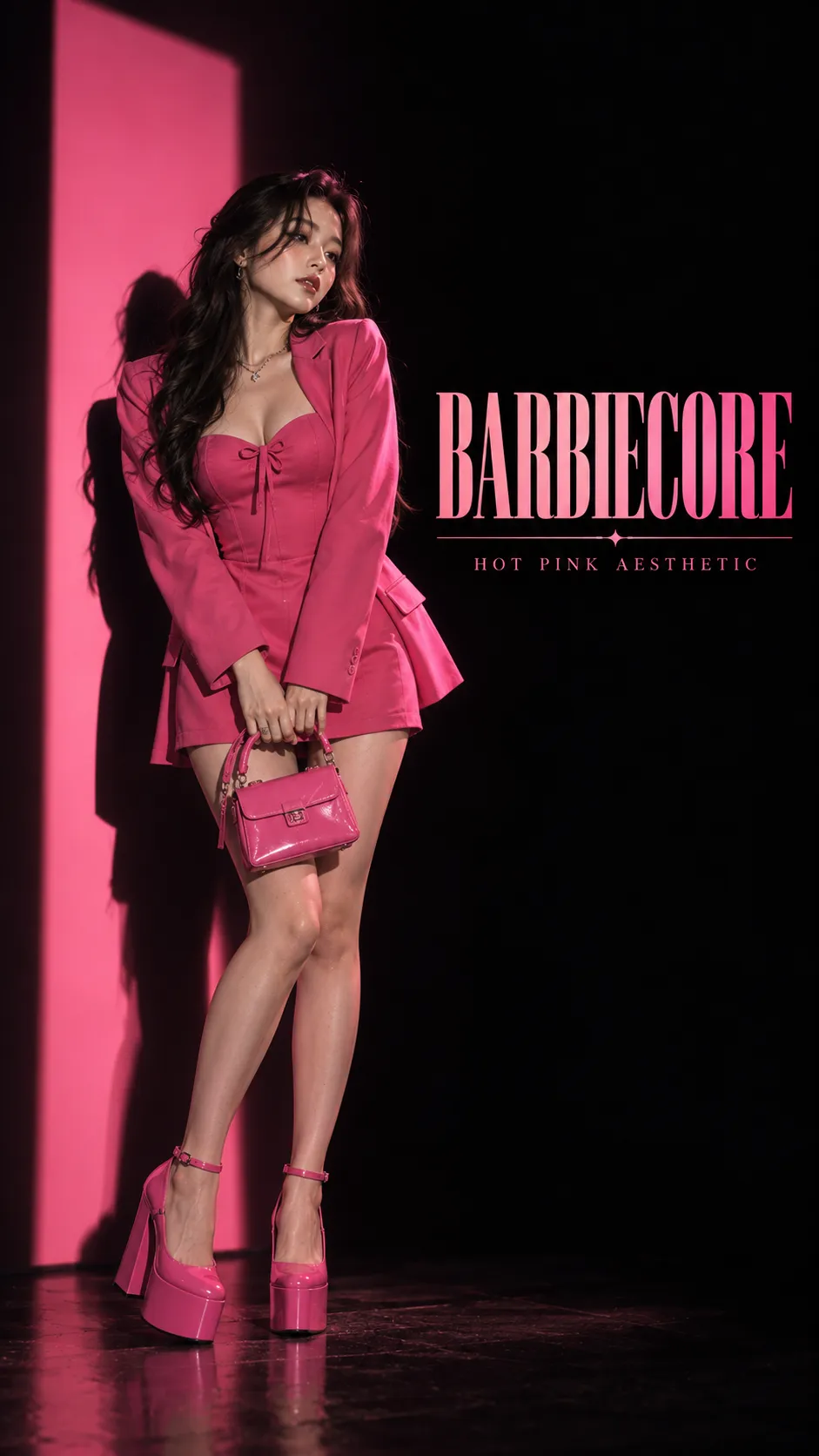
Barbiecore: Pink and Playful Glamour
Use doll references, color intensity, silhouette and texture in wearable interpretations.
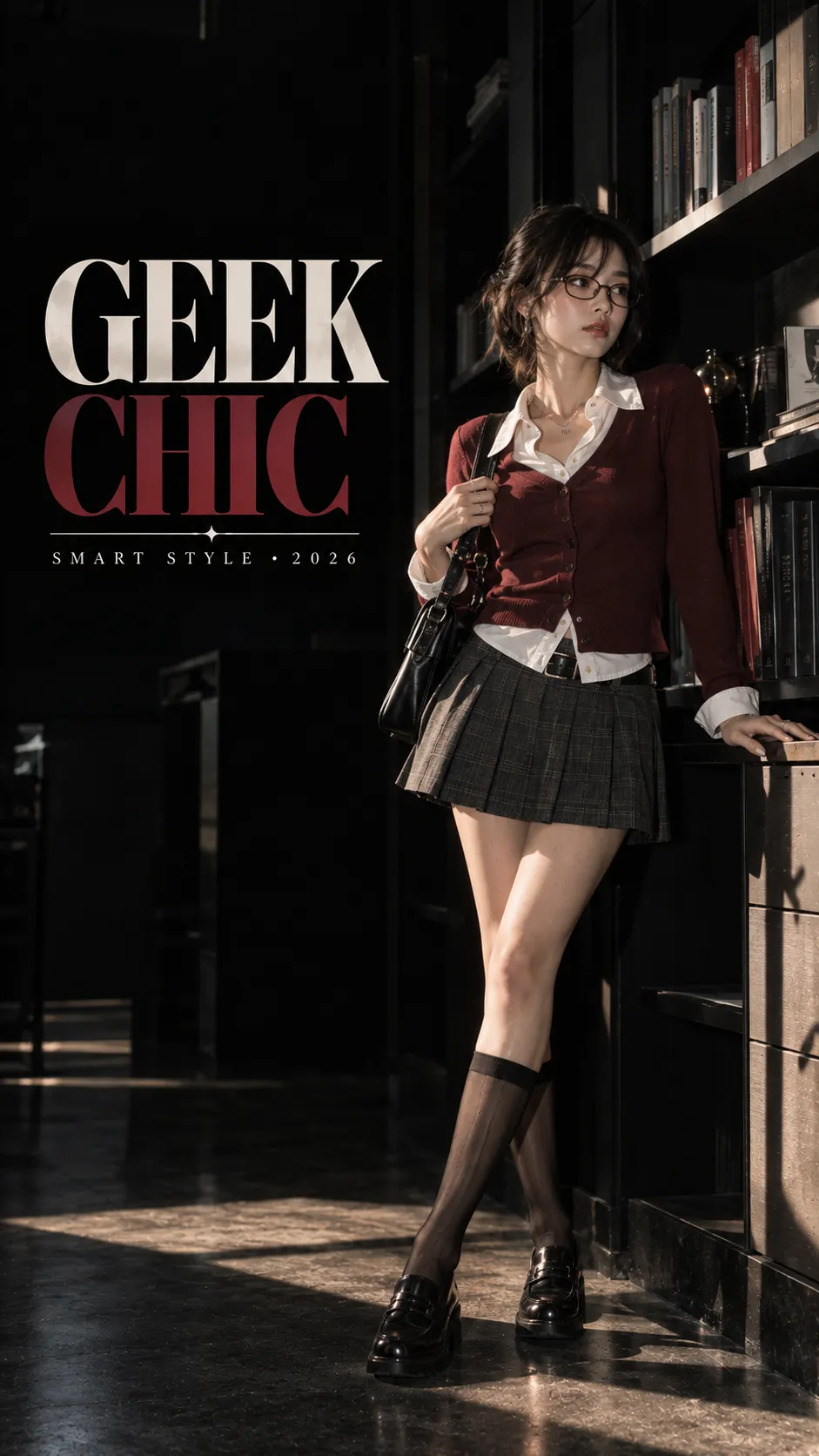
Geek Chic: Bookish References and Everyday Outfits
Explore slim frames, cardigans, shirts, ties, skirts and loafers, with dated literary-chic and modern-prep context from 2026 coverage.
Global Style and Fashion Knowledge
Explore Chicano, Sustainable Fashion, Parisian Chic and Ulzzang guides beyond a narrowly alternative wardrobe.
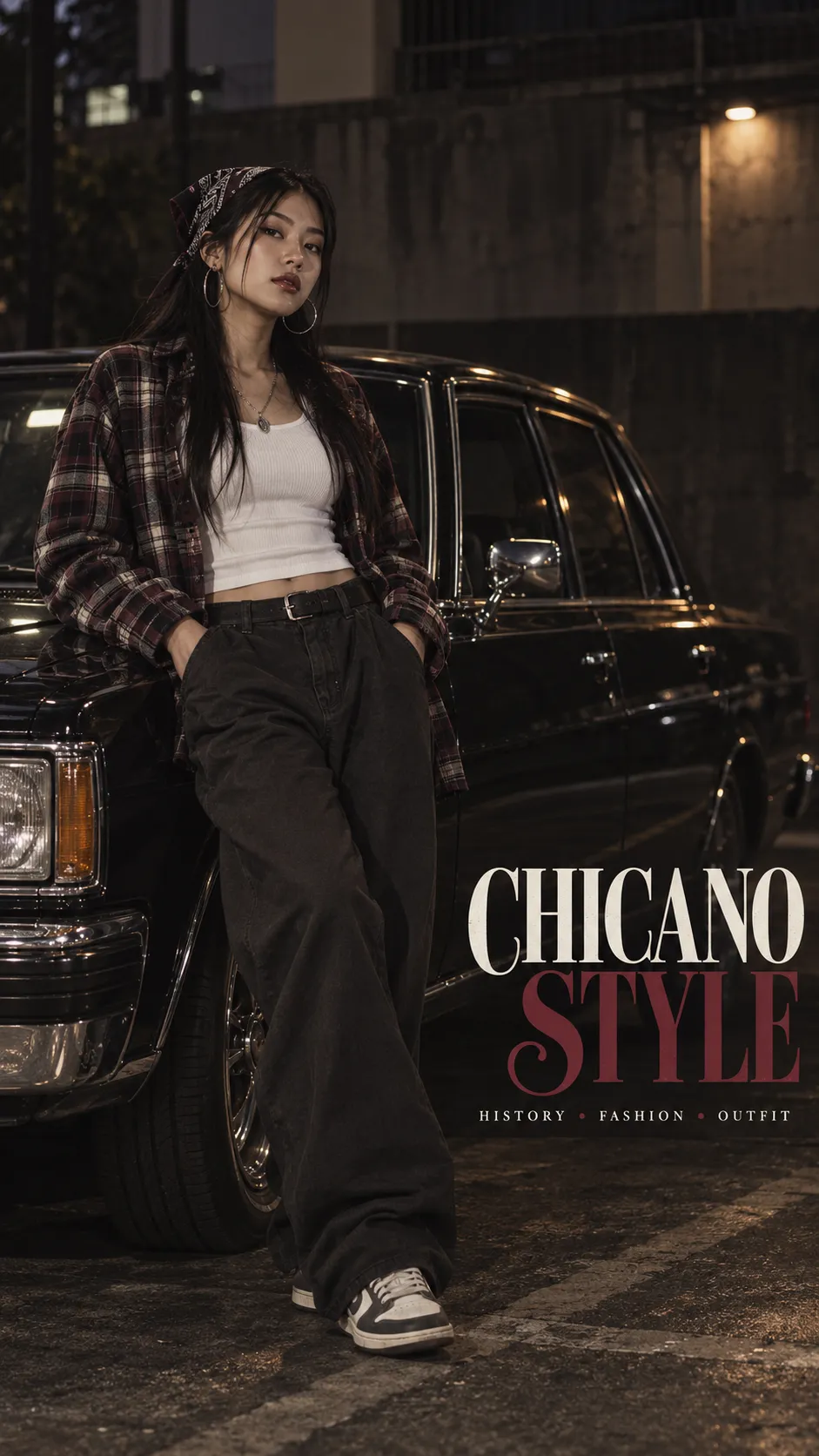
Chicano Style: Cultural Context and Women’s Outfit References
Understand pachuco and zoot-suit context, selected garments and intentional contemporary proportions.
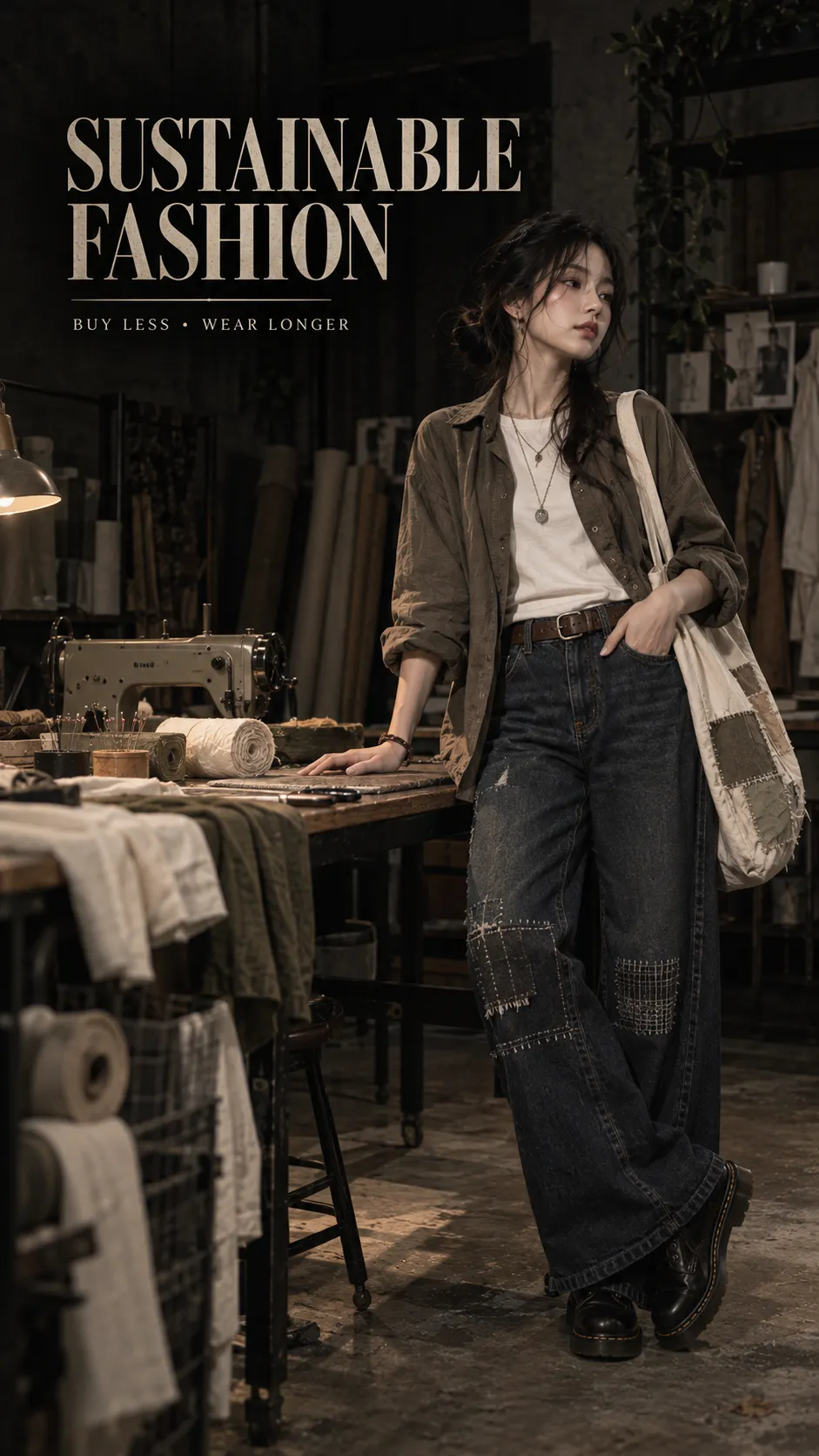
Sustainable Fashion: A Garment-Life-Cycle Perspective
Read design, materials, production, use, repair, reuse and recycling as connected stages.
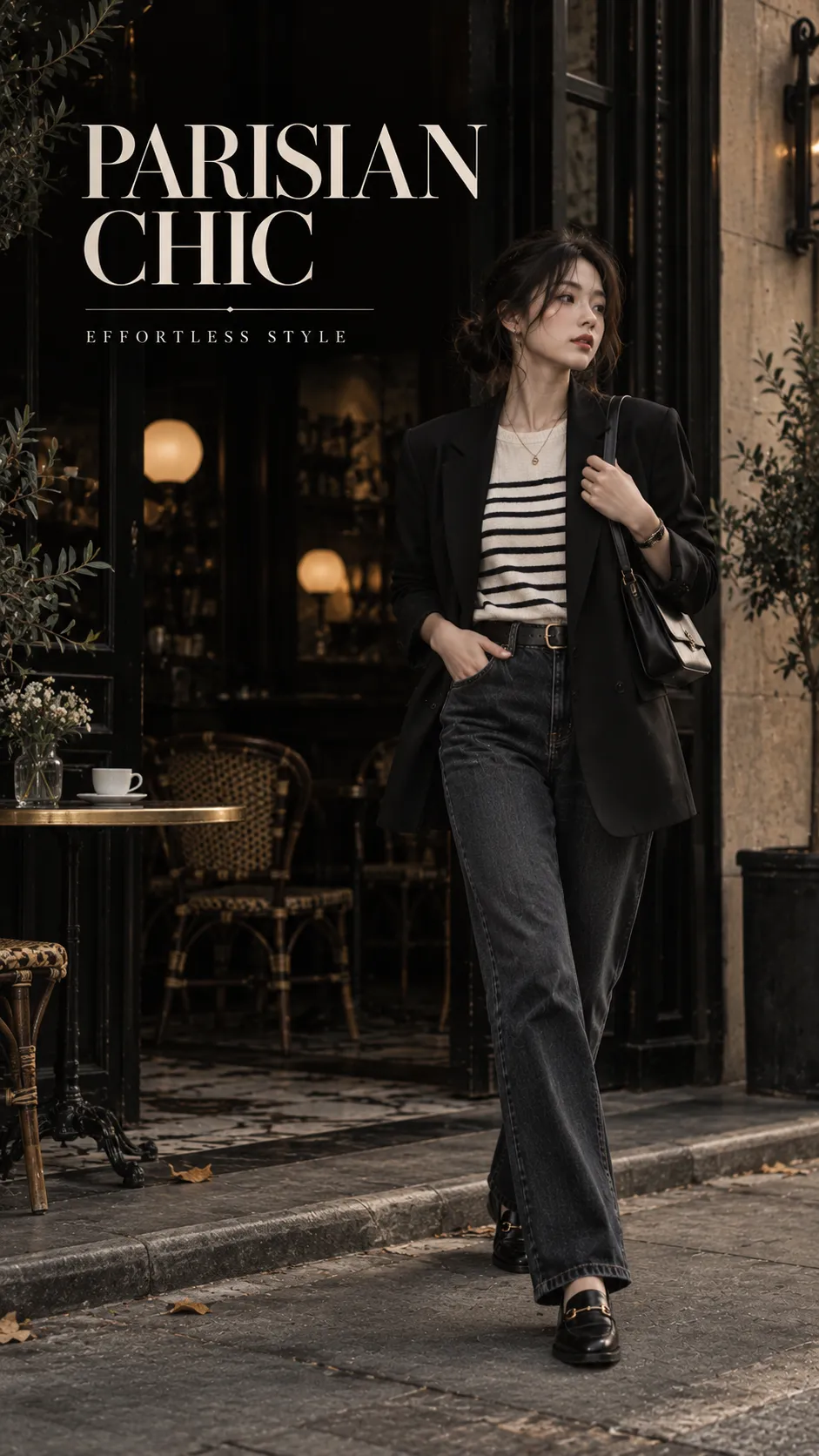
Parisian Chic: Fit, Contrast and Repeatable Outfits
Explore blazers, shirts, jeans, flats, colors and seven combinations as a fashion archetype rather than a uniform for real residents.
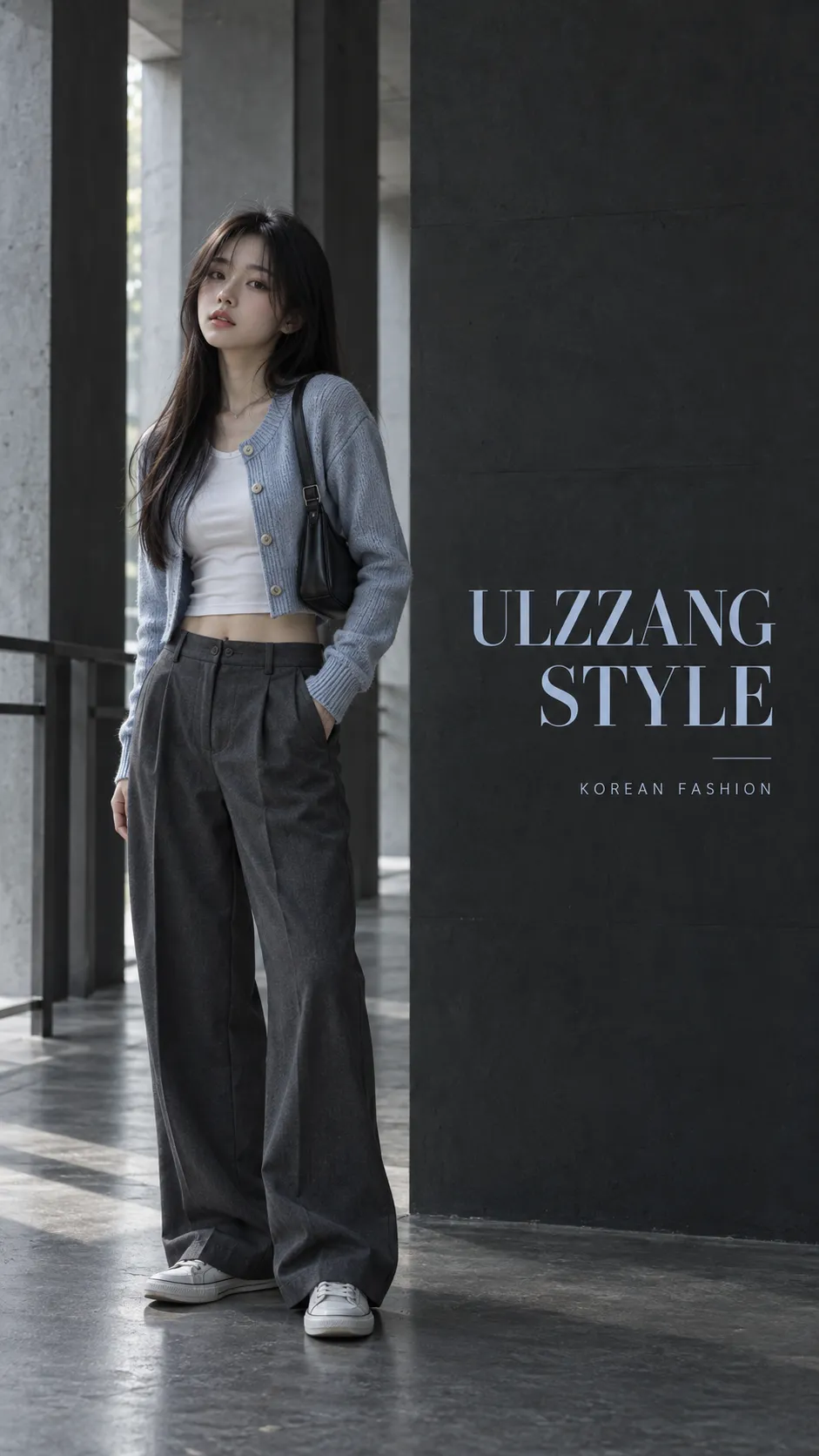
Ulzzang Style: Korean Internet Context and Outfit References
Explore early-2000s Korean internet imagery and contemporary interpretations of its clothing references.
References
These sources provide word usage and digital-fashion context. Outfit suggestions are Apocalypse Closet editorial applications.
- Merriam-Webster — Aesthetic — word meanings and usage boundaries.
- Vogue — The Aesthetics, -Cores, and Microtrends That Defined 2023 — dated context for naming and circulating internet aesthetics.
Focused Guides
More Outfit Images