

What Is Casual Chic? Relaxed and Polished Outfit Ideas
Casual Chic makes everyday clothing feel more deliberate without imposing a fixed dress code. Proportion, surfaces, a clear outline and a selected accent provide the starting points.
In this guide: we treat Casual Chic as an everyday styling approach. Business Casual covers workplace requirements; Smart Casual considers an occasion's requested level of formality. These references can overlap without replacing each other.
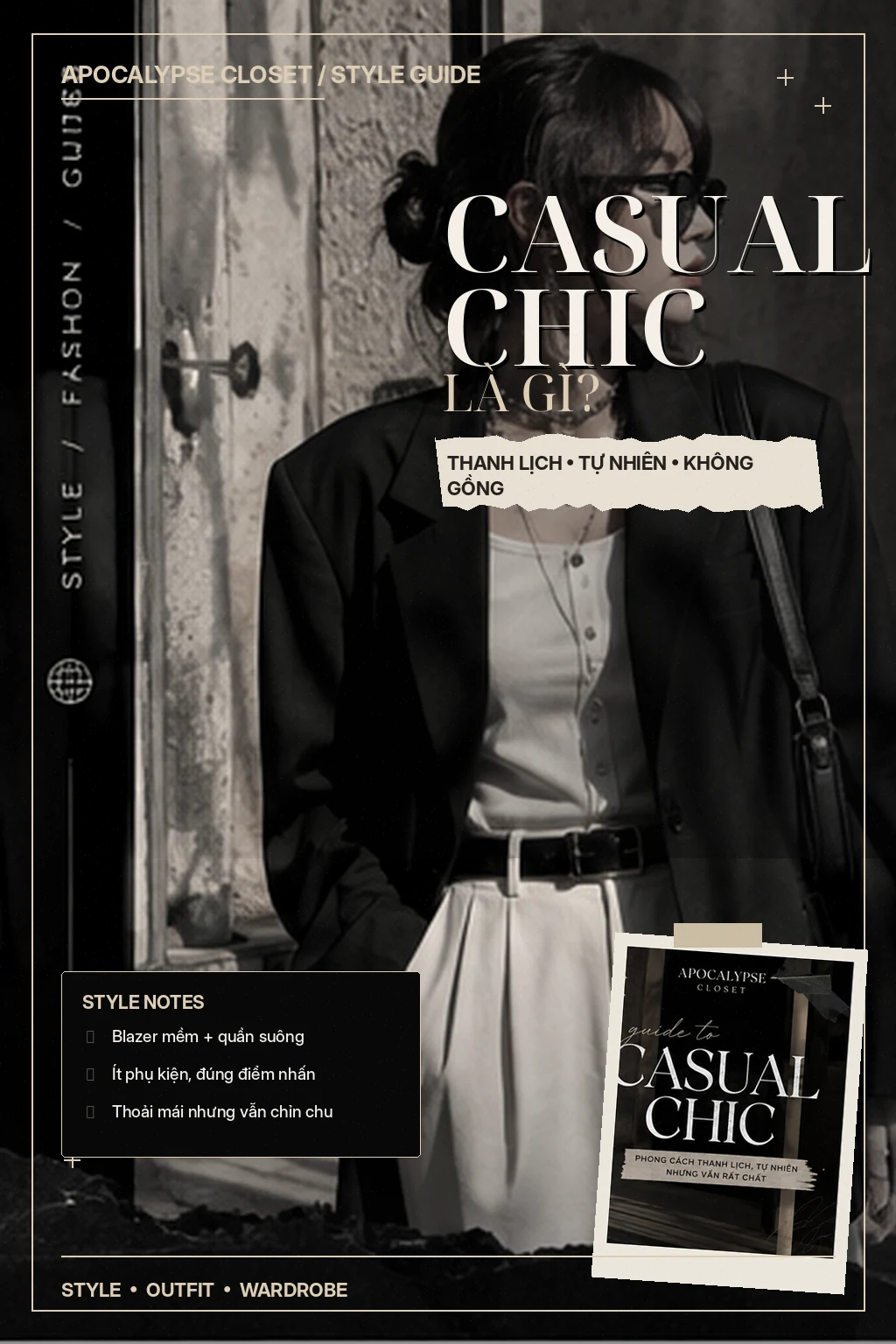
Guide collection: Aesthetic Dictionary: A Guide to Fashion Styles (Vietnamese)
Casual Chic combines an everyday base with one or two polished references: softer tailoring, considered shoes, a shaped bag, textured material or deliberate proportions. The aim is an intentional, repeatable composition rather than an expensive appearance.
What is Casual Chic?
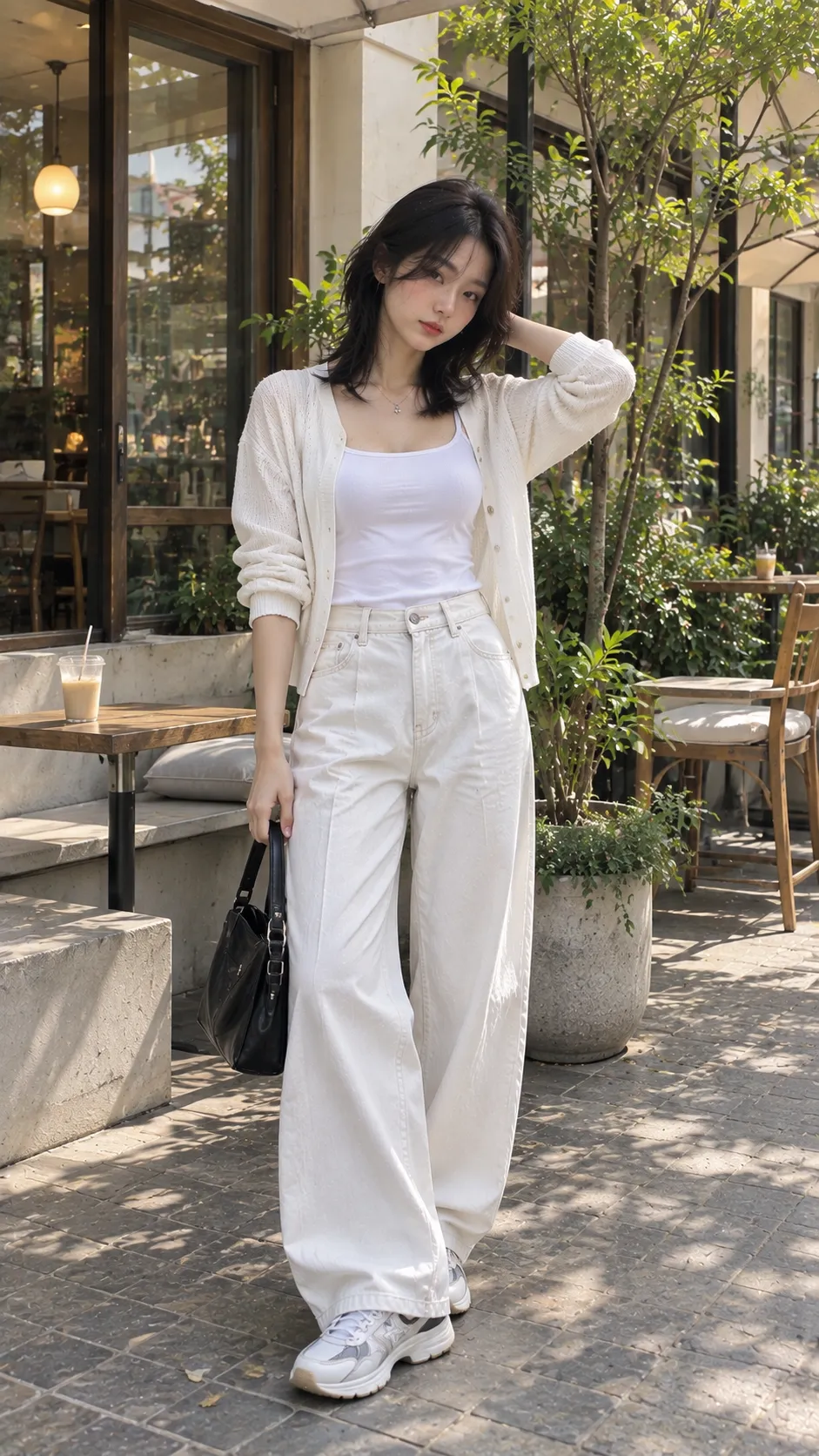
Jeans, tees, cardigans, sneakers, tanks and familiar skirts can remain the base. The difference lies in how fit, surfaces and accessories work together. A white tee with wide jeans can take a softer blazer, belt or clean sneakers to shift the emphasis without replacing the entire wardrobe.
The useful distinction is that chic does not mean expensive. A relatively inexpensive garment with suitable fit, a compatible color and a finish you can maintain may serve better than a complicated piece you rarely wear. This approach suits those who want repeatable everyday combinations rather than a new theme each morning.
Repetition is welcome. The same jeans can appear several times with changes in top, layer, shoes or bag. Compatibility matters more than a required wardrobe size or a compulsory garment count.
Casual, Smart Casual and Business Casual differences
Casual emphasizes everyday convenience and comfort. Casual Chic retains that base while giving more attention to the composition's finish. Smart Casual considers where you are going and the level of formality expected there. Business Casual is specifically work-oriented in this guide and depends on employer requirements.
Consider jeans: everyday casual styling can use many different cuts and finishes. Casual Chic assesses their relationship to a top, layer and shoes. Smart Casual also checks whether the host permits denim. Business Casual asks about workplace policy and tasks. The same garment can therefore need different decisions in different contexts.
Four composition choices
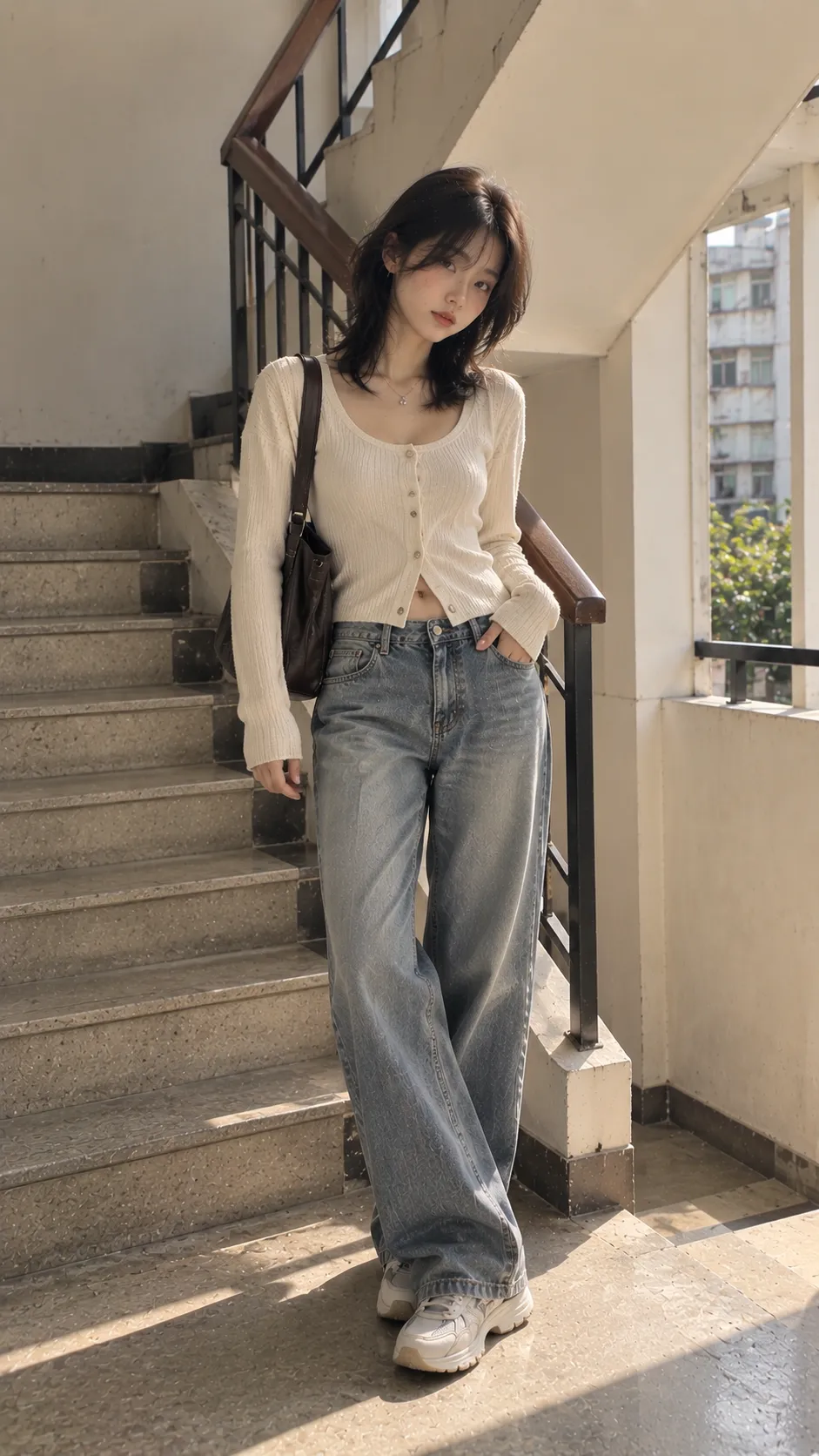
First, silhouette. Choose a clear relationship through a waistband, shoulder, hem or outer layer. All-over loose drape creates a more relaxed effect; all-over tightness and decoration creates another. Neither is inherently wrong, but decide which proportions you want to lead.
Second, surfaces. Expensive material is unnecessary. Inspect lint, excessive pilling, unwanted creases, peeling leather-like finishes and competing shine. Suitable care and maintenance support the intended finish; a fiber or price label alone does not establish quality.
Third, palette. Two to four related colors offer an optional starting point. Black, white, gray, navy, brown, cream and blue denim can take burgundy, olive, dusty pink or silver accents. More colors are possible when deliberately arranged.
Fourth, finishing details. Shoes, a bag, hair or accessories can provide a focal point without another clothing layer. Choose a finish that suits your preferences; no grooming style or expensive accessory is compulsory.
Useful wardrobe roles
- Straight or moderately wide jeans: Assess waistband ease, a hem clear of the ground and a wash that combines with existing pieces.
- A relatively plain tee or baby tee: Provides a base for a blazer, cardigan, jacket or accessory.
- A softer blazer: A moderate shoulder and compatible color can work across several settings where the formality is appropriate.
- Fine knit or cardigan: Adds texture; actual weight, knit and ease determine comfort rather than the category name.
- A clearly shaped mini or midi skirt: Offers a softer or more feminine direction if desired; choose your own length and coverage.
- Considered footwear: Simple sneakers, loafers, slingbacks, ankle boots or Mary Janes, assessed for actual use.
- A moderately structured bag: Need not look formal; its shape can give a looser outfit a defined endpoint without many competing details.
These are possible roles, not a shopping list. Start with the garment you wear most and identify what would add useful combinations. A layer or suitable shoes may help an existing jeans wardrobe more than additional trousers; a shorter jacket or cardigan may connect several dresses.
Seven outfit formulas
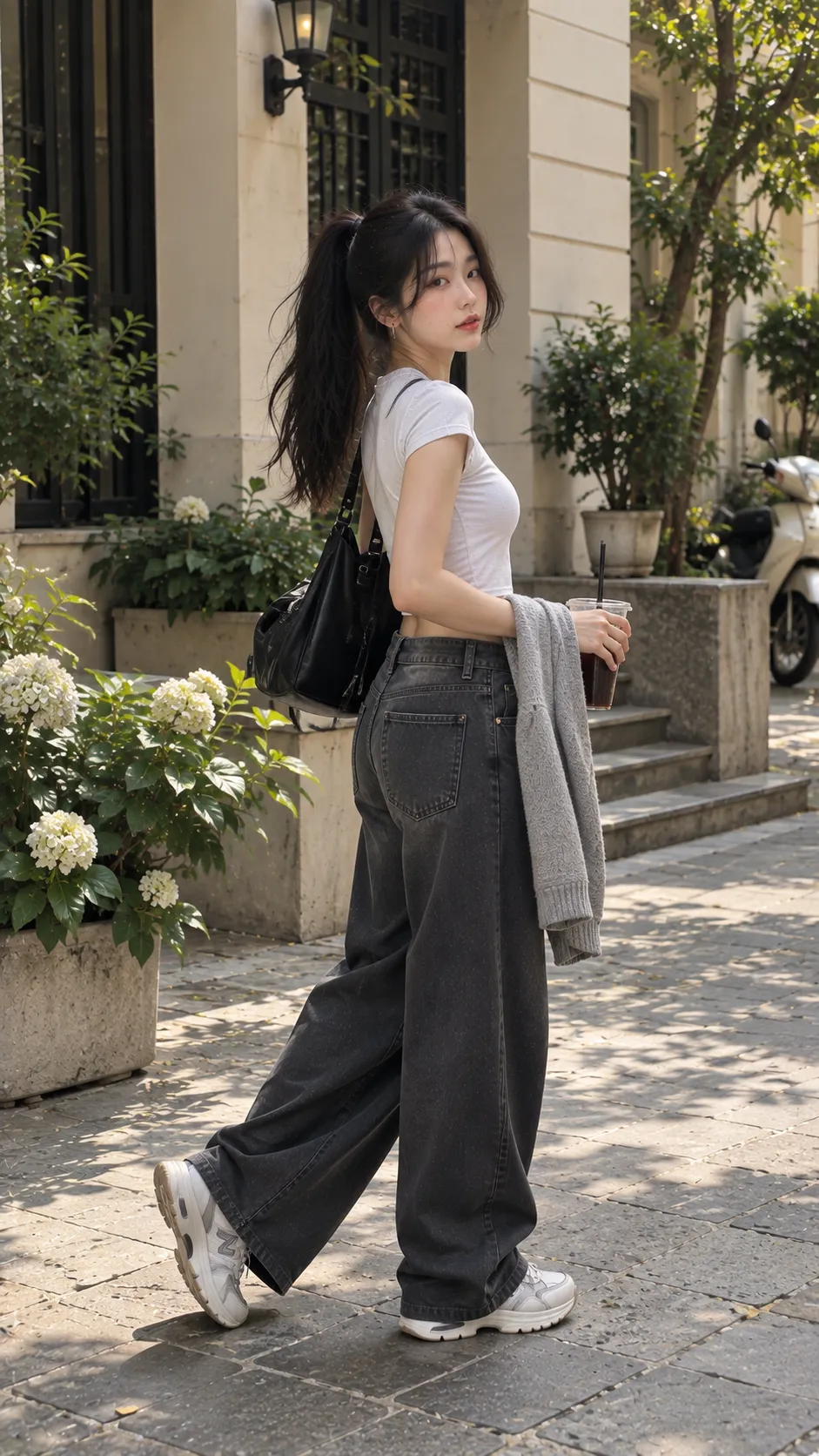
1. Tee, jeans, blazer and clean sneakers. A starting point for cafés, daytime meetings or work where permitted. Boots and a silver-colored belt can add alternative references; check their actual fit and the setting.
2. Tank, straight trousers and fine cardigan. A softer alternative to a blazer. Assess opacity, neckline and fabric weight for your activities; a tank or fine knit does not automatically guarantee cooling or workplace permission.
3. Baby tee, midi skirt and loafers. A shorter upper length contrasts with a longer skirt. Socks or a small shoulder bag can add a subtle Preppy reference.
4. Open shirt, base top and jeans. The shirt works as an overshirt. Inspect its actual weight, drape and opacity; rolling sleeves can reduce officewear associations without changing the garment.
5. Moderately fitted knit, wide jeans and boots. A compact upper half contrasts with wider trousers and visually substantial footwear. Black or gray connects with darker wardrobe references.
6. Slip skirt, tee and short jacket. Drape contrasts with a defined outer layer, providing depth without many accessories.
7. Solid-color dress, sneakers or loafers and a shaped bag. With one main garment, neckline, length, ease and shoe relationship become more visible. A useful lower-decision outfit when the setting permits it.
Proportion without body-type restrictions
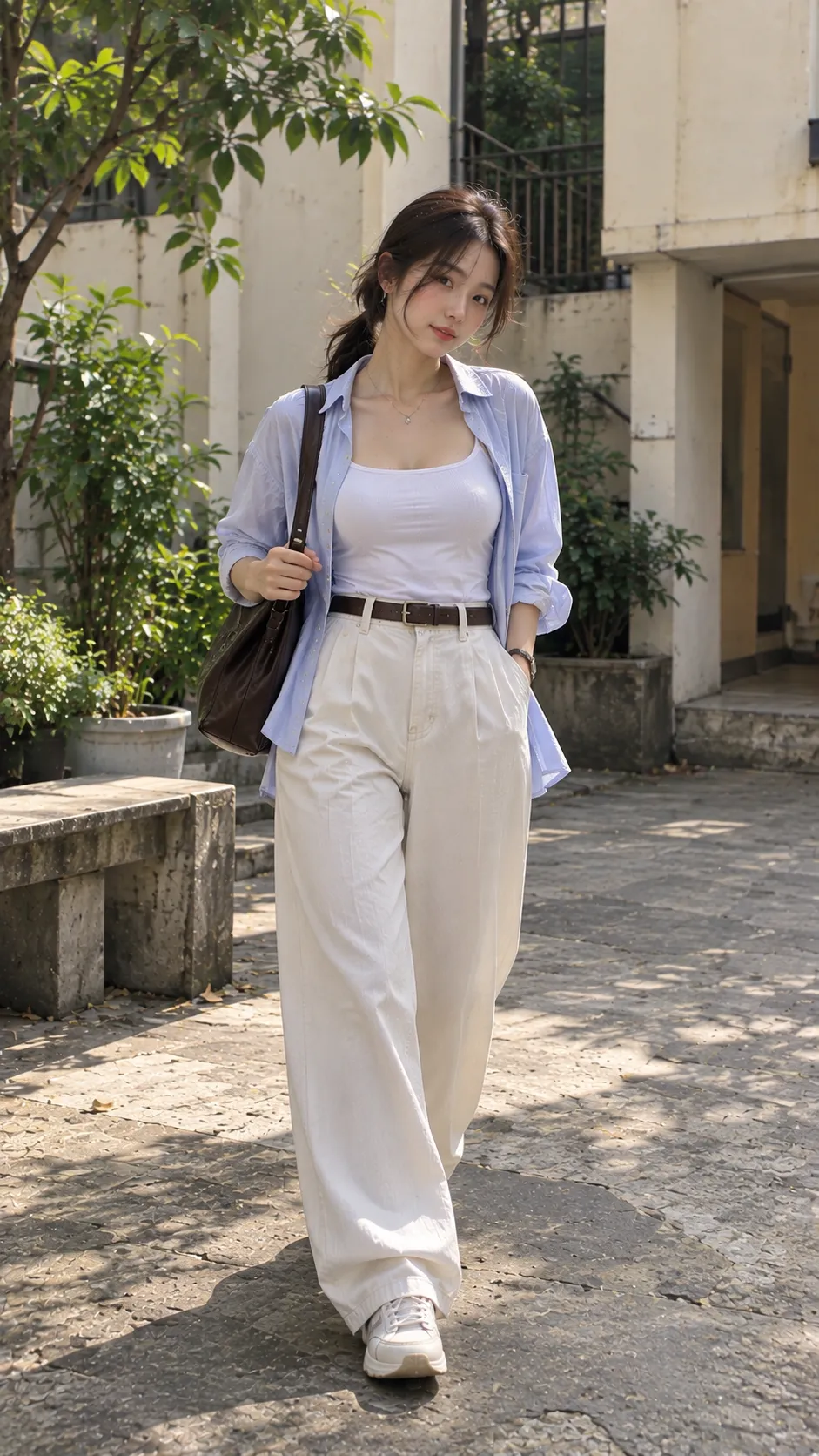
Shorter wearers need not avoid wide trousers. If you want a longer apparent leg line, consider hem placement, rise and top length. For more hip or thigh ease, assess a shoulder-fitting top, straight drape and jacket endpoint rather than assuming all-over volume is necessary. These are optional effects, not body corrections.
You can change upper-body emphasis through neckline, decorative placement or lower-body volume. A straighter trouser or gently flared skirt can redistribute the composition if desired. There is no single required silhouette; choose where you want a clearer line and where you want volume.
Work, cafés and evenings
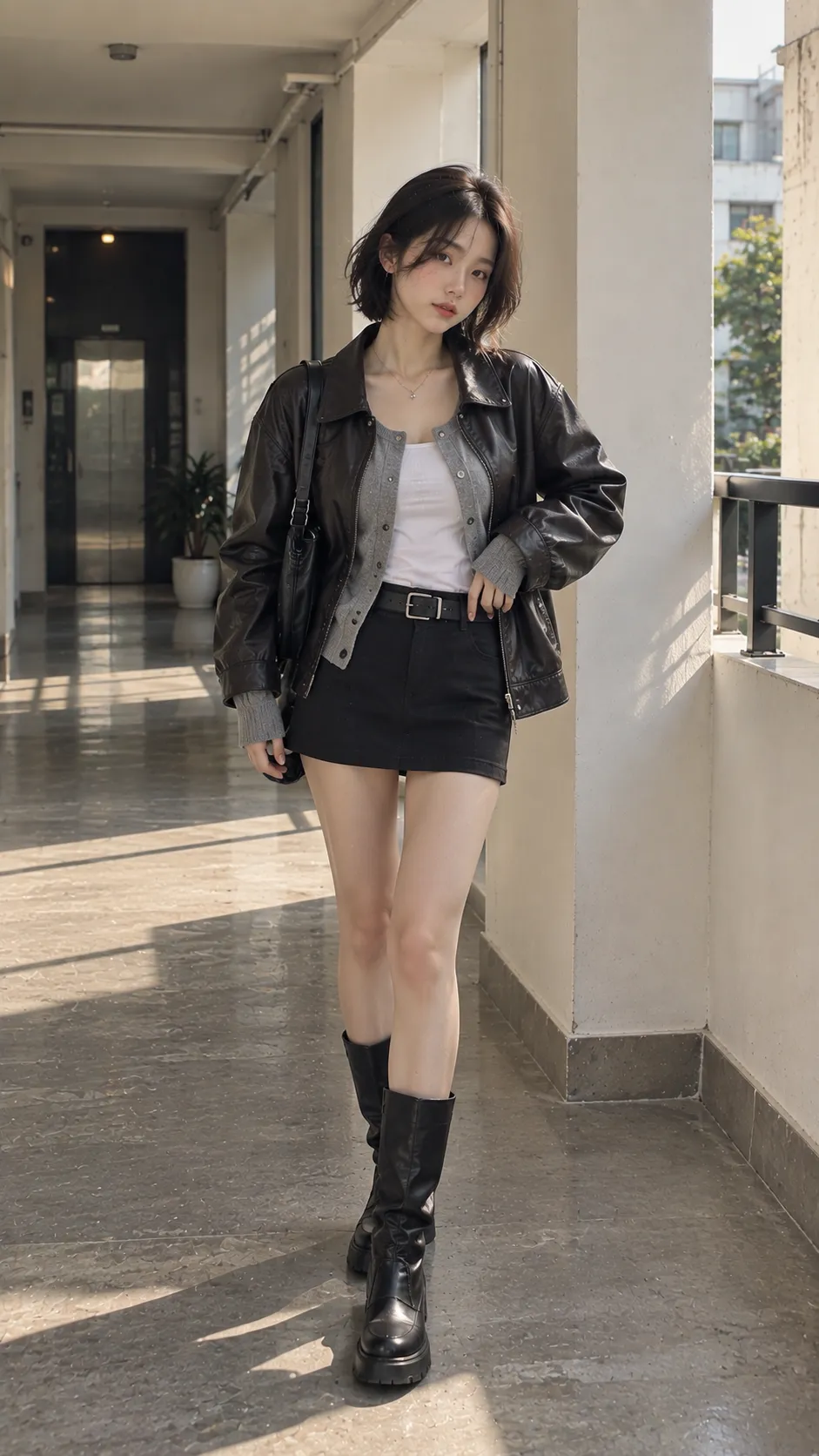
For a workplace that permits it, a blazer, trousers, loafers or defined bag can increase formality. For a café or walk, denim, sneakers, a tank or cardigan may suit the day. For evening, retain the base and adjust boots, subtle shine, silver jewelry or a leather jacket according to the setting.
For an afternoon-to-evening itinerary, build a top-and-bottom combination that works without its outer layer, then carry one mood-changing layer. The guide to alternative going-out outfits for women uses a similar approach: adjust one or two references rather than building several complete outfits for one day.
Dark Casual Chic
A dark palette can work. Separate black, gray and denim through depth and texture: black knit with washed-gray jeans and a belt, or charcoal tee with black trousers, a related blazer and off-white sneakers. Surface contrast and the spaces between garments can keep the outline legible; exposing skin is optional.
For Dark Feminine references, try a fitted top, asymmetric neckline, pointed boots or silver jewelry selectively. For Baddie references, consider cargo details or wider denim while retaining a more defined layer or bag. Stronger streetwear emphasis creates a deliberate hybrid rather than a failure.
A practical wardrobe budget
Review ten outfits you actually wear, using photographs or notes if helpful. Identify repeated garments and why they work: compatibility, comfort, preferred proportions or tasks. Buy only for an actual gap. Several tops may need one versatile layer; several trousers may need shoes suitable for more of your routine.
Before buying, imagine at least three combinations with existing clothes. This is a planning exercise, not a rule requiring a purchase. Casual Chic can change how you use older garments through proportion and accessories rather than requiring a separate wardrobe.
Six common styling mismatches
- Combining so many formal references that the everyday base disappears when you wanted a relaxed result.
- Using only neutrals without the texture or tonal variation you intended.
- Choosing upper and lower volume without a clear relationship or endpoint.
- Expecting an expensive bag or shoe to resolve unwanted overall fit.
- Copying a lookbook without adapting to weather, activities or your own preferences.
- Treating chic as the removal of personality. A selected signature detail can remain part of the composition.
Conclusion: deliberate everyday dressing
Casual Chic makes everyday clothing feel deliberate while retaining ease. Choose a useful base, arrange proportions, maintain the surfaces and select shoes or a bag for the whole composition. Minimalism, luxury spending and a new identity are unnecessary.
Frequently Asked Questions
What is Casual Chic?
An everyday styling approach that adds a considered finish through fit, surface, palette, shoes, bags or a structured layer.
What can women wear for Casual Chic?
Existing jeans, tees, knits, softer blazers, cardigans, skirts and suitable shoes can provide a starting point. Choose useful roles rather than buying every category.
Is Casual Chic the same as Smart Casual?
They overlap, but Casual Chic describes an everyday visual approach; Smart Casual also considers the host's or setting's requested formality.
Can Casual Chic use black?
Yes. Different gray values, denim washes, textures and selected silver accents can separate dark surfaces without requiring exposed skin or extra layers.
Can Casual Chic work in an office?
Where the employer permits it. Check the actual requirements and tasks; the Business Casual guide provides a more work-specific framework rather than automatic approval.
Further reading: women's airport outfits, Parisian Chic (Vietnamese) and Ulzzang Style (Vietnamese).