

What Does OOTD Mean? Outfit of the Day and Personal Style
What does OOTD mean? OOTD stands for Outfit of the Day, or what you wore on a particular day. In fashion and social media, an OOTD is usually a photograph, short video or caption documenting a complete outfit for school, work, coffee, a night out, a photo walk or simply a day when the clothes feel like you.
People searching for 'OOTD meaning' are often thinking about how they present themselves: why everyday clothes can look so considered, how to photograph outfits for TikTok, Instagram or Pinterest, and how to combine the pieces they own with greater intention.
This guide focuses on OOTD as an 'Outfit of the Day': a particular day's clothes and how they are documented or shared. If you only need the broader definition of a complete set of clothes, read what an outfit is.

Guide collection: Aesthetic Dictionary: Fashion Style Terms (Vietnamese)
What Does OOTD Mean?
OOTD is simply short for 'Outfit of the Day'. An outfit is a complete set of clothes; an OOTD places it in a real day, occasion and photograph. An outfit might exist only as a moodboard, saved inspiration or a shopping cart. An OOTD usually refers to something actually worn, photographed and shared.
An OOTD is more than 'today's clothes'. It's a visual language. Posting one says: today I chose this mood, this energy and this way of showing up. Some people use OOTD photos to remember personal preferences; others inspire followers or keep a fashion diary, observing what they really wear over time.
An OOTD is most compelling when it does more than photograph well: it expresses how you chose to show up that day.
OOTD vs Outfit: What's the Difference?
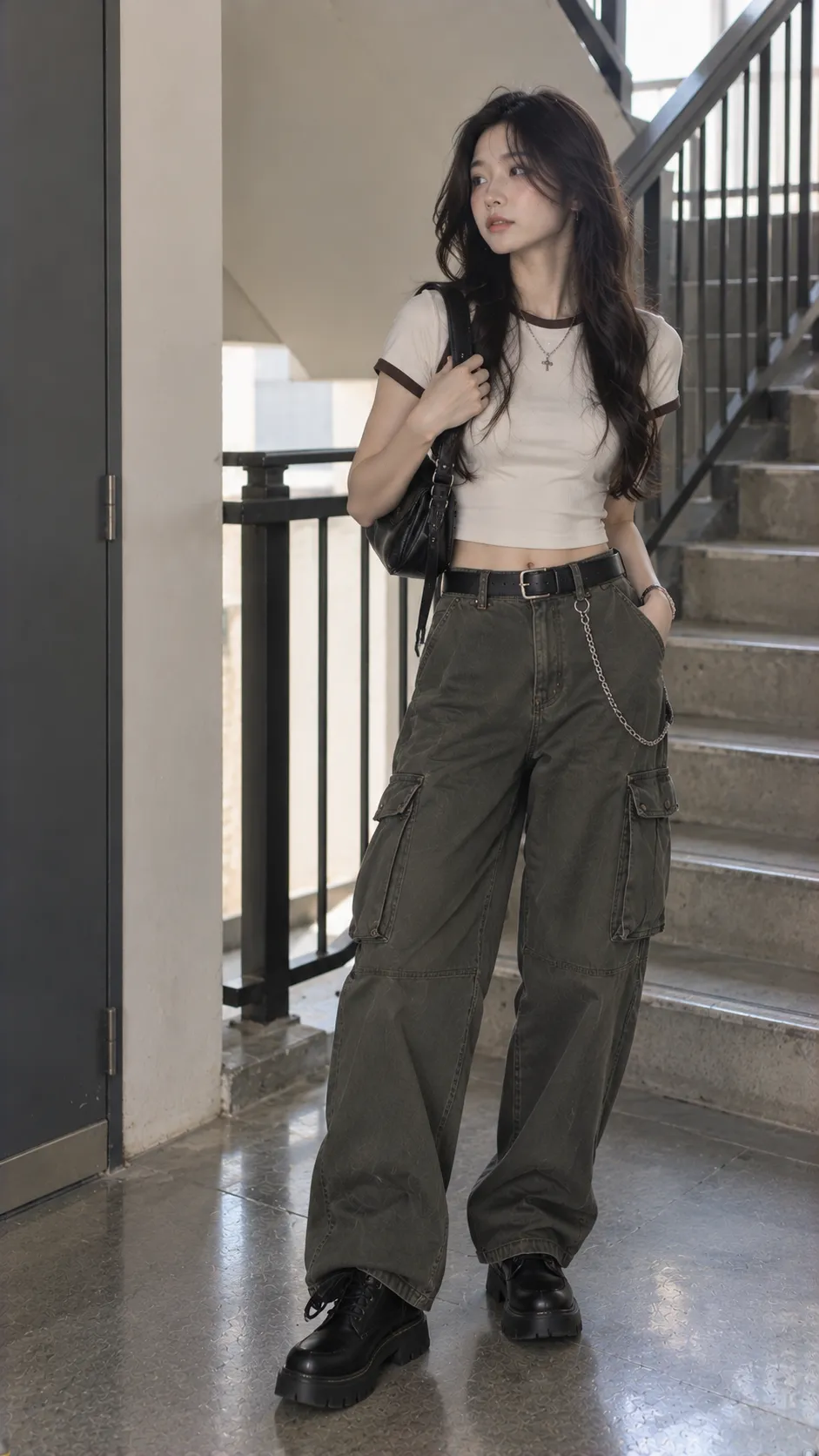
An outfit is a complete clothing combination. An OOTD is an outfit connected to a specific day. The ideas are closely related but not identical. You can plan countless outfits, save Pinterest photos and try looks in front of a mirror. Once you choose one for an actual day, it becomes your outfit of the day.
For example, a black baby tee, wide cargos, platforms, shoulder bag and chain belt make an outfit. Wear that set for evening coffee and photograph it against concrete walls or a warmly lit storefront, and it becomes an OOTD. You might adapt the same outfit with different layers and accessories for class, work or a concert.
To understand the pieces commonly seen in Streetwear OOTDs, start with what oversized fit means, then explore unisex clothing and how to choose cargo pants. Knowing cuts and measurements makes it easier to select pieces that work for you.
| Term | Simple meaning | Key distinction |
|---|---|---|
| Item | One garment or accessory | A black T-shirt, cargo trousers or boots |
| Outfit | A complete combination of pieces | Items styled into one look |
| OOTD | An outfit worn on a particular day | The look worn for a real occasion |
| Aesthetic | A recurring visual mood | Multiple OOTDs can reveal one consistent taste |
Why OOTDs Are Popular on TikTok, Instagram and Pinterest
OOTDs often spread easily because they feel closer to real life than formal lookbooks. People don't only want studio-perfect clothing; they want to see what someone actually wears to school, work, a café or a night out. A relatable OOTD gives viewers the sense that they could adapt it themselves, so they save it for later.
When you want to turn inspiration into an outfit that works for an actual day, explore our alternative women's outfit ideas (Vietnamese) for cuts, footwear and layers that fit different plans instead of copying a moodboard blindly.
On TikTok, OOTDs often appear as quick outfit checks, get-ready-with-me clips, mirror spins or outfit transitions. Pinterest images last longer in people's saved moodboards. On Instagram, OOTDs contribute to personal presentation. Each platform showcases the same clothes differently, but they all turn outfits into useful, repeatable fashion content.

What Makes a Well-Styled OOTD?
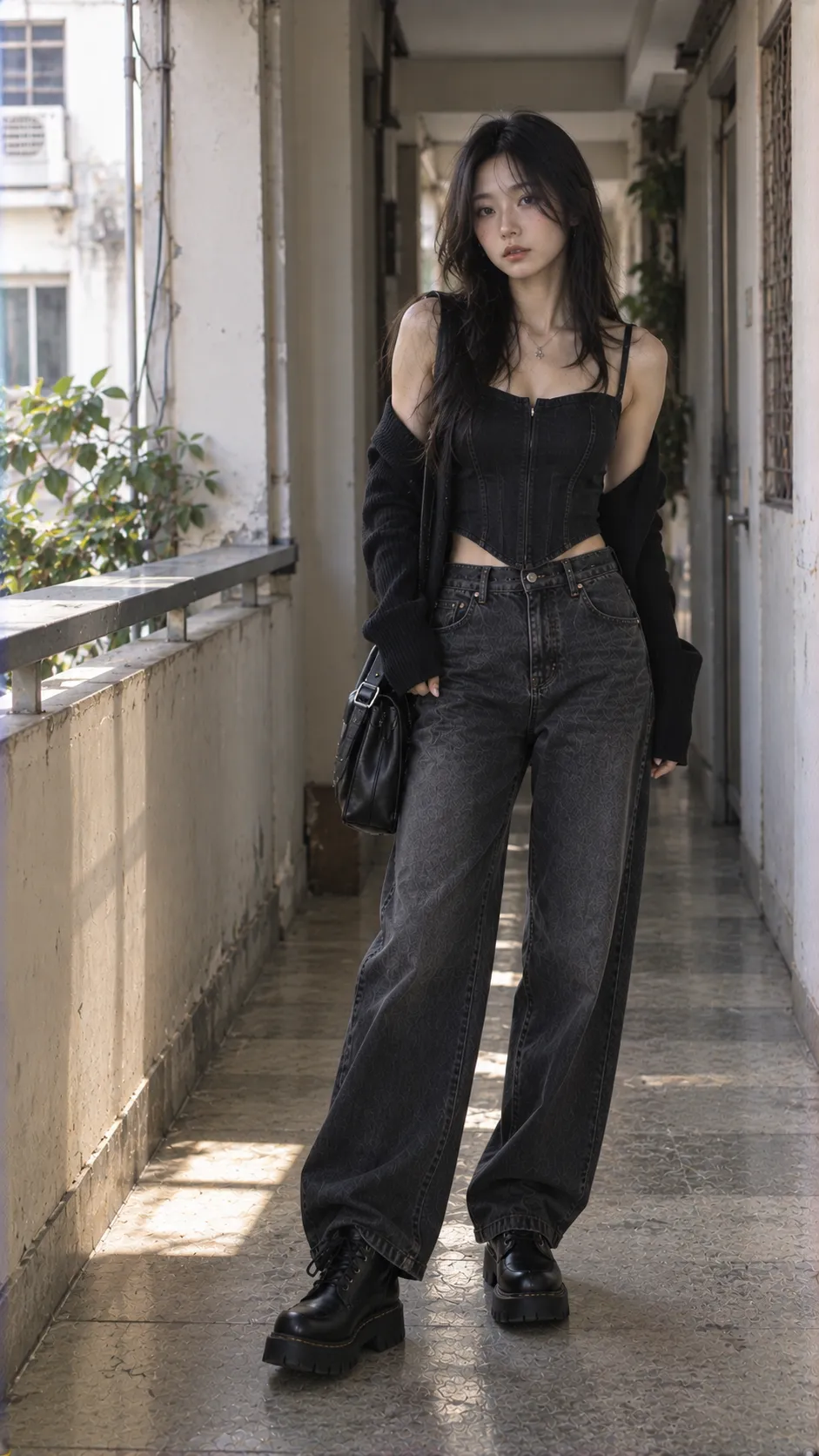
A stylish OOTD doesn't require expensive products. What matters is a clear sense of intent: perhaps a dark palette, defined silhouette, substantial shoes, silver accessories or hair and makeup that reinforce the mood. When those pieces agree with one another, even simple clothing looks considered.
The strongest OOTDs have a central direction. For Streetwear, think relaxed shapes, practical shoes, compact bags and urban energy. For Dark Feminine, look for intentional lines and materials such as lace, sheer layers, corsets or boots. For Soft Grunge, use layered silhouettes, denim, graphic tees, washed gray and black tones, and distressed textures.
How OOTDs Reflect Personal Style
Personal style doesn't emerge from one purchase; it develops through repeated decisions. Review your last 20 OOTD photos and you'll notice real patterns: colors you keep choosing, cuts you feel good in, favorite shoe types, outfits you save again and looks you wore but felt weren't quite you.
That's why OOTD photos can teach you more than any single trend. A trend might persuade you to buy a popular piece; documenting your outfits tells you whether it fits your daily life. An item that looks good alone but never appears in actual outfits may not match your habits or wardrobe.
What Is a Dark Aesthetic OOTD?
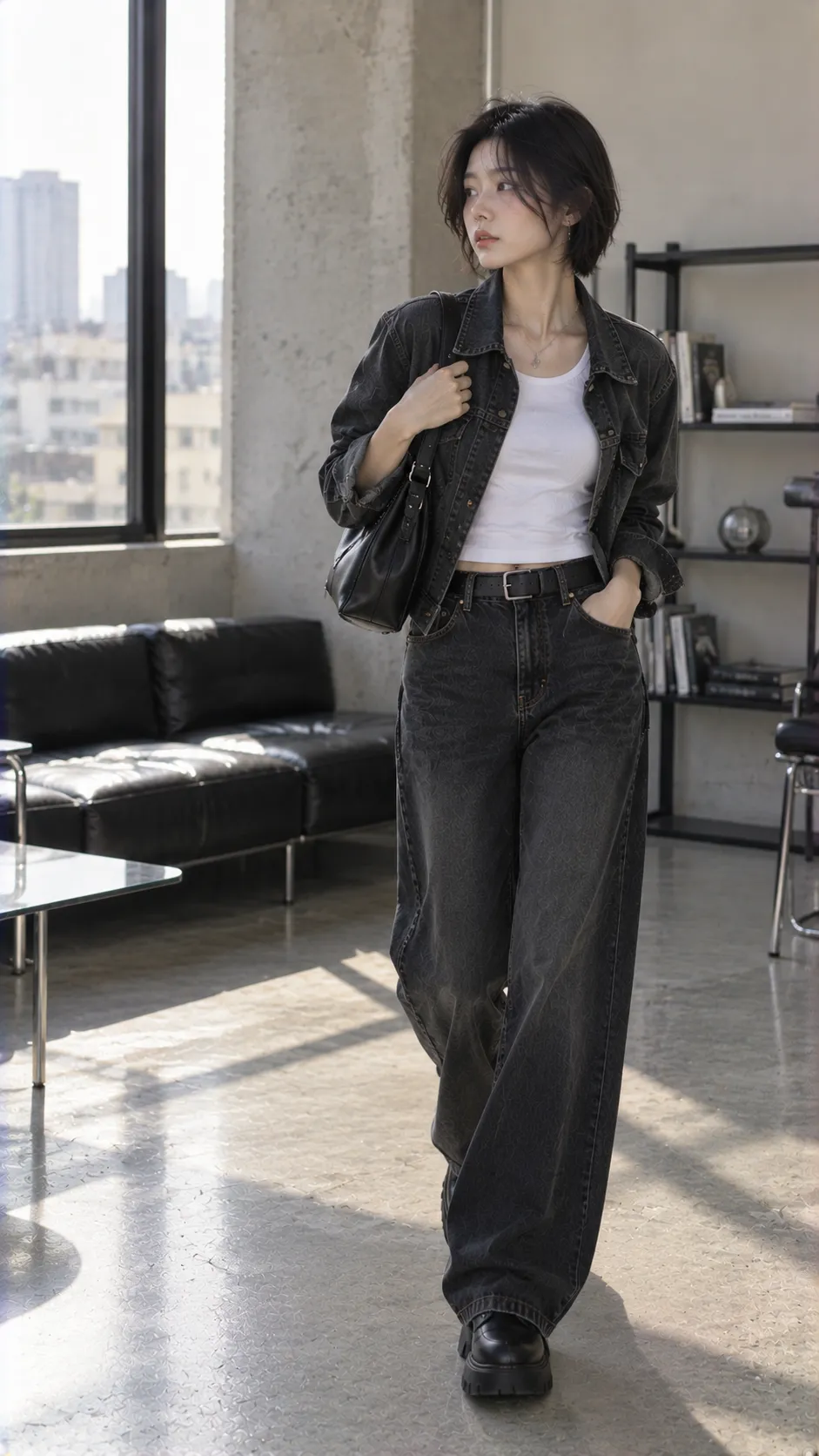
A Dark Aesthetic OOTD is an outfit of the day with a darker, sharper, cooler or more mysterious mood than ordinary casual styling. It doesn't need to be head-to-toe black, but often uses black, charcoal, bone white, dark denim, burgundy and metallic silver, alongside leather, mesh, lace, ribbed cotton and noticeable texture.
For everyday life in Vietnam, a Dark Aesthetic OOTD should still be wearable. You don't need cosplay, elaborate Gothic costumes or fake studio backgrounds. Apartment stairs, concrete alleys, parking areas, softly lit coffee shops and ordinary streets can be compelling places for a consistent, well-proportioned look.
Do You Need New Clothes for Every OOTD?
No. Thinking you need completely new clothes each day can lead to overspending without clearer personal style. A practical wardrobe lets you repeat the same pieces in different moods. One black tee might work with wide jeans for Streetwear, a mini skirt for something softer, or mesh layers for a stronger alternative feel.
A good OOTD may be built on clever repetition. Keep a few foundations you really like: a black top, well-cut trousers, boots, small bag, belt and silver jewelry. Then change one thing—outerwear, lipstick, hair, socks, layering or photo setting. The resulting images still feel fresh without a closet expanding around every trend.
How to Analyze an Outfit of the Day
Instead of judging only whether an OOTD is 'good', read it in layers. First comes silhouette: fitted or roomy, long or short, upper-heavy or lower-heavy. Then palette: is there one clear color story or a distracting accent? Third comes texture: do cotton, denim, leather, lace, mesh and metal create depth?
The final layer is occasion. A coffee outing doesn't require the same OOTD as a concert. A school look shouldn't make everyday movement difficult. A photo-session look can be more dramatic than your daily clothes. Understanding the context makes it easier to evaluate outfits online without endlessly comparing them to your own.
How OOTD Relates to a Capsule Wardrobe
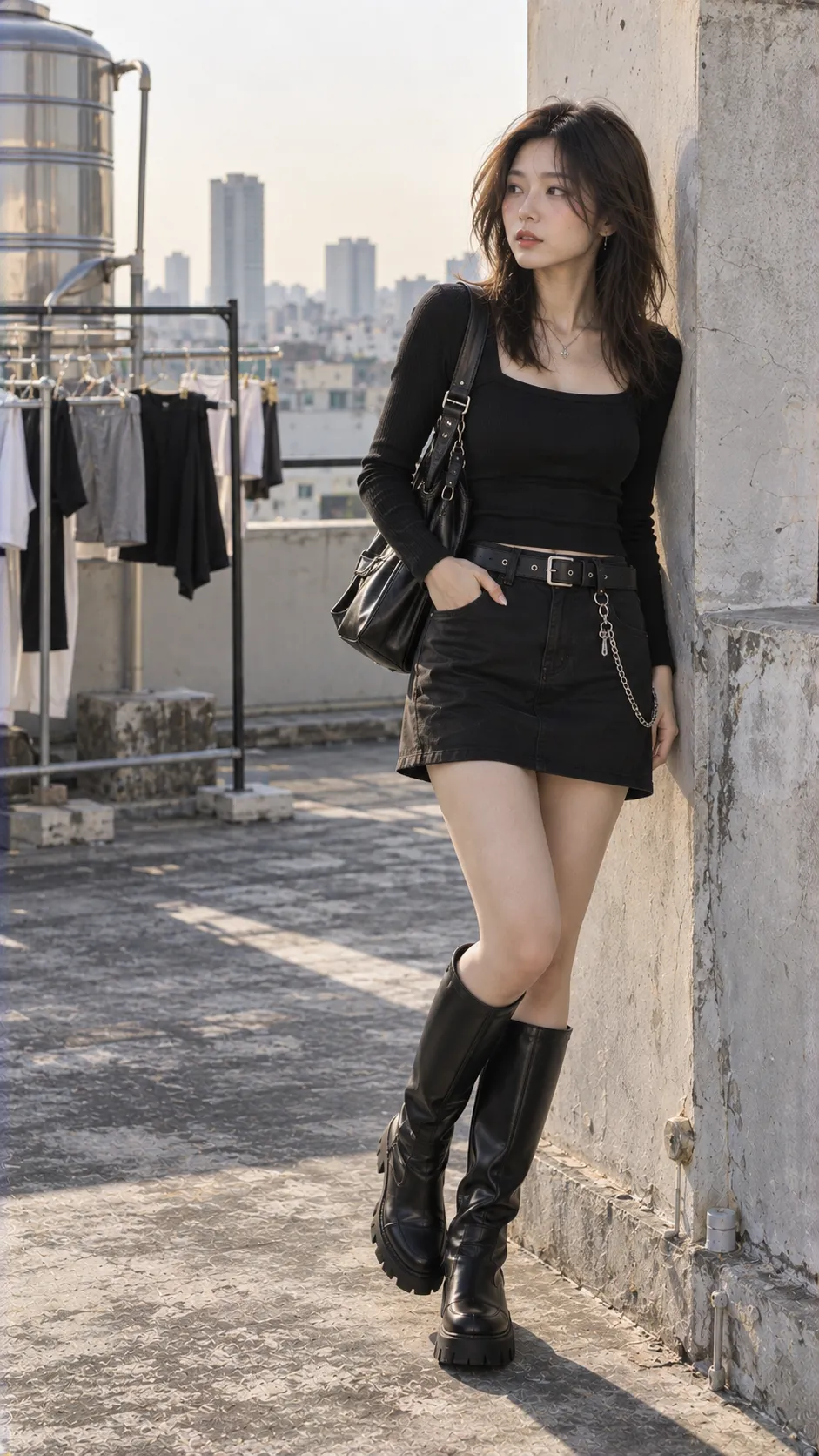
They're closely connected. Capsule wardrobes (Vietnamese) are curated collections of versatile pieces, while OOTDs show whether those pieces actually work in daily life. If you're building a Dark Aesthetic capsule, your photos should show repeatable combinations: black trousers with different tops, boots that support several moods, and silver accessories that work across Streetwear and Dark Feminine.
Conversely, if your wardrobe is full but choosing an OOTD is hard every day, you may be missing useful foundations. Rather than buying the next trending item, ask which essential piece would help you create more outfits that actually fit your style.
Conclusion: Your OOTDs Are a Personal Style Journal
So, what is OOTD? It stands for Outfit of the Day, the clothes chosen for a particular day. Look deeper and those outfits form a personal style journal: which colors you like, how you want to present yourself, which pieces get used and which aesthetics feel appealing only in photos rather than real life.
If you're building an alternative wardrobe, treat OOTDs as a way to filter and refine your taste. Save combinations you feel comfortable and confident in, identify their shared traits and shop around those patterns. Your closet becomes less chaotic and your personal style more consistent.
Frequently Asked Questions
What does OOTD stand for?
OOTD stands for Outfit of the Day, meaning the clothes worn on a particular day or content that shares someone's daily look.
How is OOTD different from an outfit?
An outfit is any complete combination of clothes. An OOTD emphasizes the look worn or posted on a particular day, usually in a photo, video or personal style journal.
Do you need a professional camera for OOTD photos?
No. A phone, natural light, a simple background and a camera angle that preserves the outfit's proportions are enough to document a clear OOTD.
What should I write in an OOTD caption?
Try describing the occasion, main garment, inspiration, color palette or one styling tip rather than only listing item names.