

What Is Sustainable Fashion? How the Clothing Lifecycle Works
Sustainable fashion looks at the entire life of a garment: how it's designed, what materials it uses, how it's produced, how workers are treated, how long it's worn, whether it can be repaired or reused, and what happens when it's no longer wanted.
The key point is that sustainable fashion doesn't simply mean buying a product labeled 'eco'. Something can perform better in one area and worse in another. Understanding sustainability requires looking at the system, not trusting one marketing label.
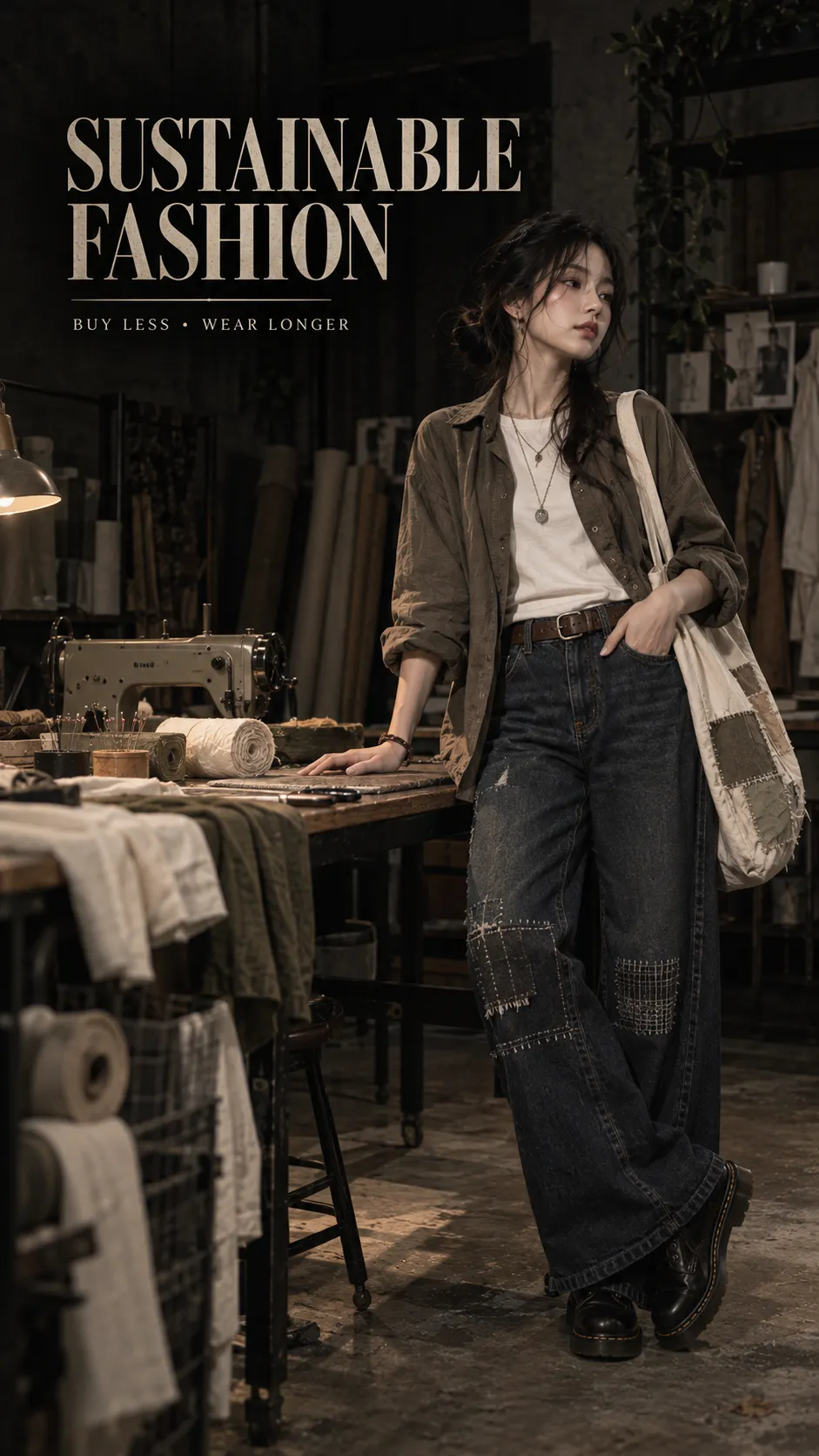
Guide collection: Aesthetic Dictionary: Fashion Style Terms (Vietnamese)
What Is Sustainable Fashion?
Sustainable fashion — in other words, more sustainable clothing — is a broad approach to designing, producing, distributing, using and handling fashion products with the aim of reducing harmful environmental and social impacts. The UN Environment Programme (UNEP) addresses this across the textile value chain: changing consumption patterns, improving production practices and investing in infrastructure for a more sustainable and circular system.
That means a shirt isn't automatically 'sustainable' because it contains recycled fiber. You also need to ask whether it lasts, can be repaired, how it's dyed and finished, whether the supply chain is transparent, whether it is overproduced, how long it's actually worn and whether it can be reused or recycled at the end.

Sustainable Fashion vs Ecofashion, Slow Fashion and Circular Fashion
These terms overlap, but they aren't interchangeable. Ecofashion usually emphasizes environmental impacts; slow fashion emphasizes buying less, wearing longer and slowing the cycle of trends; circular fashion focuses on repair, reuse, resale and recycling; while ethical fashion often puts greater emphasis on labor conditions and social responsibility.
Rather than trying to label a brand with just one term, ask which part of the problem it addresses and what evidence it provides.
How Sustainable Fashion Works Through a Garment's Lifecycle
To understand the process, follow one garment from its initial design through to the point when the wearer no longer uses it.
Design for a longer life
The cut, stitching, replaceable buttons or zippers, choice of fabric and combination of materials affect whether something can be worn for years, repaired and eventually recycled. Good design has to last beyond its first outfit photo.
Choose materials based on their actual impacts
No fiber is absolutely 'green'. Natural, synthetic, recycled and organic fibers each involve trade-offs. Consider origin, processing, durability and intended use instead of relying on the fiber name alone.
Produce more cleanly and responsibly
Cutting, sewing, dyeing, washing, finishing and handling chemicals all create impacts. The social dimension matters, too: labor conditions, workplace safety and supply-chain traceability.
Avoid overproduction and use verifiable product claims
A sustainable system is difficult to achieve if constant releases and excessive inventories encourage purchases beyond people's needs. Environmental claims should also specify what is actually being measured.
Extend the time garments stay in use
The more often clothing is worn and cared for properly, the greater the use it delivers. Appropriate fit, sound construction and a style that works with your wardrobe all help extend its useful life.
Prioritize reuse and repair before disposal
Resale, clothing swaps, donations, repairs and upcycling can preserve much of a garment's existing value. Recycling has its place, but it can't offset unlimited buying of short-lived products.
Four Dimensions to Measure Beyond Material Labels
Why a 'Green' Material Isn't the Whole Answer
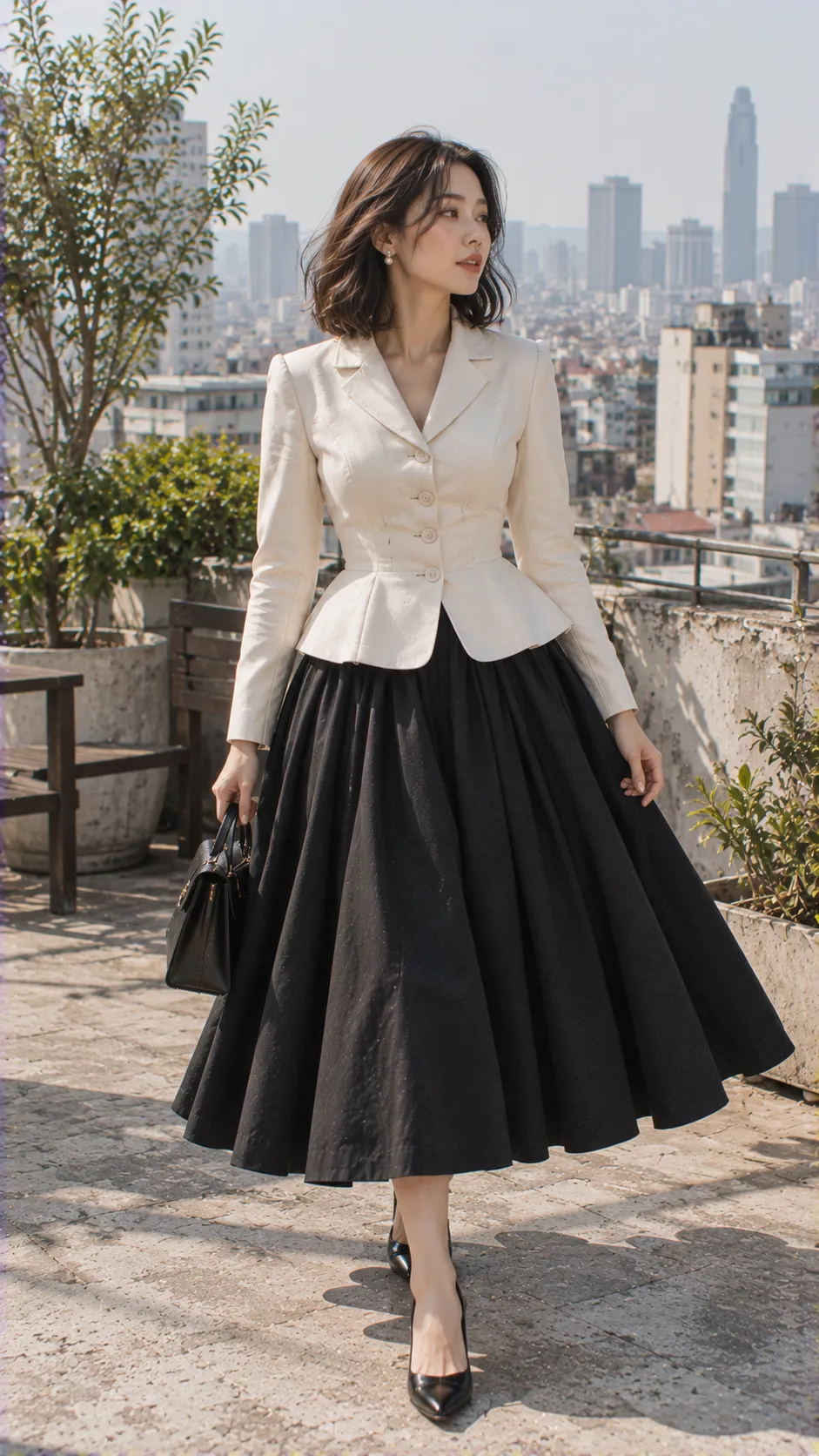
You can't decide whether cotton or polyester is better just from the fiber name. Each option has different trade-offs, so read the fiber composition alongside durability, construction, intended use and reuse potential.
Certification claims also require context. GOTS sets requirements concerning organic fibers and environmental and social criteria for the stages within its standard's scope; OEKO-TEX STANDARD 100 focuses on testing textiles for harmful substances. Neither individual label automatically proves that a company's entire business model is sustainable.
Why Wearing Longer, Repairing and Reusing Matter
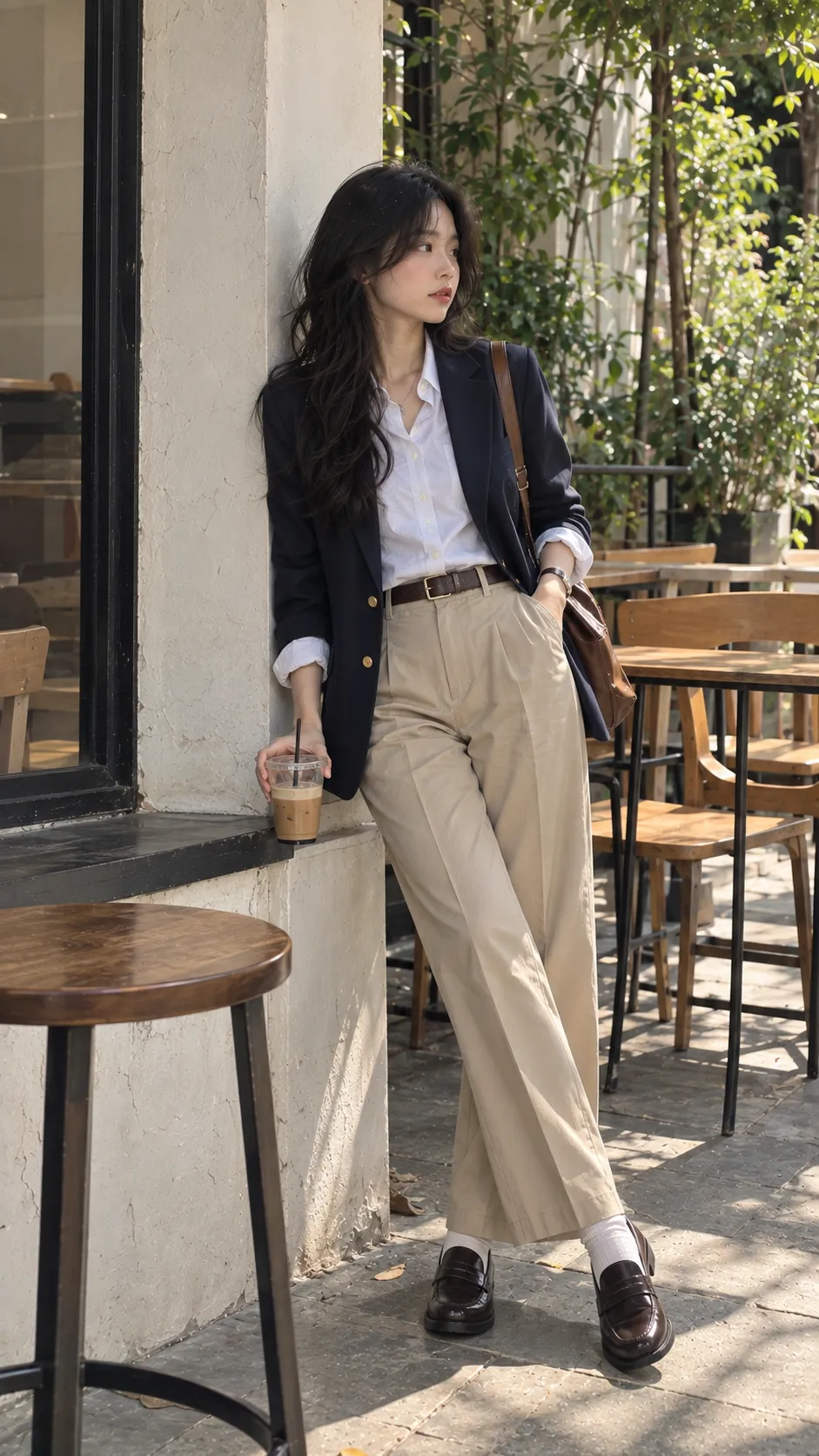
The European Environment Agency (EEA) highlights measures such as longer product lifetimes, reuse and repair because they can reduce demand for new products and preserve material value. This is practical at wardrobe level: before searching for another 'sustainable' purchase, check whether something you already own could be mended, altered, redyed, fitted with a new zipper or styled differently.
Secondhand isn't the same as vintage. Vintage refers to a period or period-inspired style, whereas secondhand simply means previously owned. For decade-based styling, read what Vintage Style means (Vietnamese).
Recycling belongs toward the end of the hierarchy, not as permission for unlimited production. Complex fabric blends, coatings and trims can make recycling harder, so durability and end-of-life processing need consideration from the design stage.

What to Do Before Buying New Clothes
If you're building a more alternative wardrobe, our guide to building a Dark Aesthetic wardrobe from scratch uses a foundations-first approach to avoid acquiring standout items that don't combine with anything you already have.
How to Evaluate a Brand's Sustainability Claims
'50% recycled polyester' is more specific than 'made consciously'. The more concrete a claim, the easier it is to check the scope.
One improved capsule collection doesn't necessarily represent the rest of the product range or the company's overall production model.
Certifications only help if you understand what they actually verify: organic fiber, harmful substances, facilities or elements of the supply chain.
Better-material claims should be considered alongside product quality, release frequency, repair or resale programs and inventory management.
If you're looking for particular stores, sizes or budgets, see the Alternative Fashion shopping guide (Vietnamese); this article is about evaluating sustainability instead.

Keep Your Style While Shopping More Deliberately
Sustainable fashion doesn't require wearing beige linen or rejecting every trend. Goth, E-Girl, Streetwear and even maximalist wardrobes can reduce waste when you know which silhouettes you wear, choose suitable sizes, care for clothes and prioritize repeatable combinations.
Our Quiet Luxury guide (Vietnamese) offers a useful framework for judging shape, material and finish. For a statement item, ask: Can I make at least three outfits from this using clothes I already own?
Five Myths About Sustainable Fashion
1. 'Natural fibers are always more sustainable than synthetics.'
There's no simple rule. Impacts depend on sourcing, manufacturing, longevity, use and end-of-life treatment.
2. 'Recycled means zero impact.'
Recycled content can reduce the need for virgin materials in some cases, but garments still require energy, processing and a design that lasts long enough to be useful.
3. 'The more I buy from a sustainable brand, the better.'
If total purchases rise sharply, product-level benefits can be offset by overconsumption. Buying less and using items well remains essential.
4. 'Secondhand is always the best choice.'
Secondhand can extend a garment's life, but overbuying unused secondhand clothes still creates clutter. Fit and genuine need should guide the decision.
5. 'Consumers carry all the responsibility.'
No. UNEP treats transformation of the textile industry as a systemic challenge involving brands, manufacturers, policymakers, investors, infrastructure and consumption. Shoppers are one part of the solution, not the entire solution.
Frequently Asked Questions
What Is Sustainable Fashion?
It's an approach to fashion that aims to reduce negative environmental and social impacts across the entire product lifecycle: design, material sourcing, production, use, repair, reuse and end-of-life treatment.
Is ecofashion the same as sustainable fashion?
The two terms are related. Ecofashion generally emphasizes environmental aspects, while sustainable fashion is often used more broadly to include social impacts, longevity and patterns of consumption.
Is buying recycled clothing always the most sustainable choice?
Not necessarily. Wearing the clothes you own for longer, repairing them or buying good-quality secondhand garments can often avoid the need to manufacture a new product. Recycling is one part of the system, not the only solution.
How can I tell whether a brand's claims are credible?
Look for specific claims, clear scope, relevant data or third-party standards, and an explanation of exactly what the brand is improving across its value chain.
References
These sources were used to check definitions, product lifecycles, circularity, durability, reuse and certification scope. The shopping framework is Apocalypse Closet's editorial interpretation.
- UNEP — Sustainability and Circularity in the Textile Value Chain: A Global Roadmap
- UNEP — Sustainable and Circular Textiles
- European Environment Agency — Circularity of the EU Textiles Value Chain in Numbers
- European Commission — EU Strategy for Sustainable and Circular Textiles
- Global Organic Textile Standard (GOTS) and OEKO-TEX STANDARD 100 — references for understanding the scope of two commonly encountered certification schemes.