

What Is Balletcore? Dancewear References and Everyday Outfits
Explore Balletcore through silhouette, tulle, wrap tops and ballet flats, with Coquette and Sporty Chic comparisons and practical warm-weather adaptations.
Balletcore need not recreate a dancer leaving rehearsal. Its recognizable relationship is between definition and softness: a clearer base shape with fabric, ties or movement that changes the outer outline. Any body type can use these references; close-fitting clothing is an option rather than an eligibility requirement.
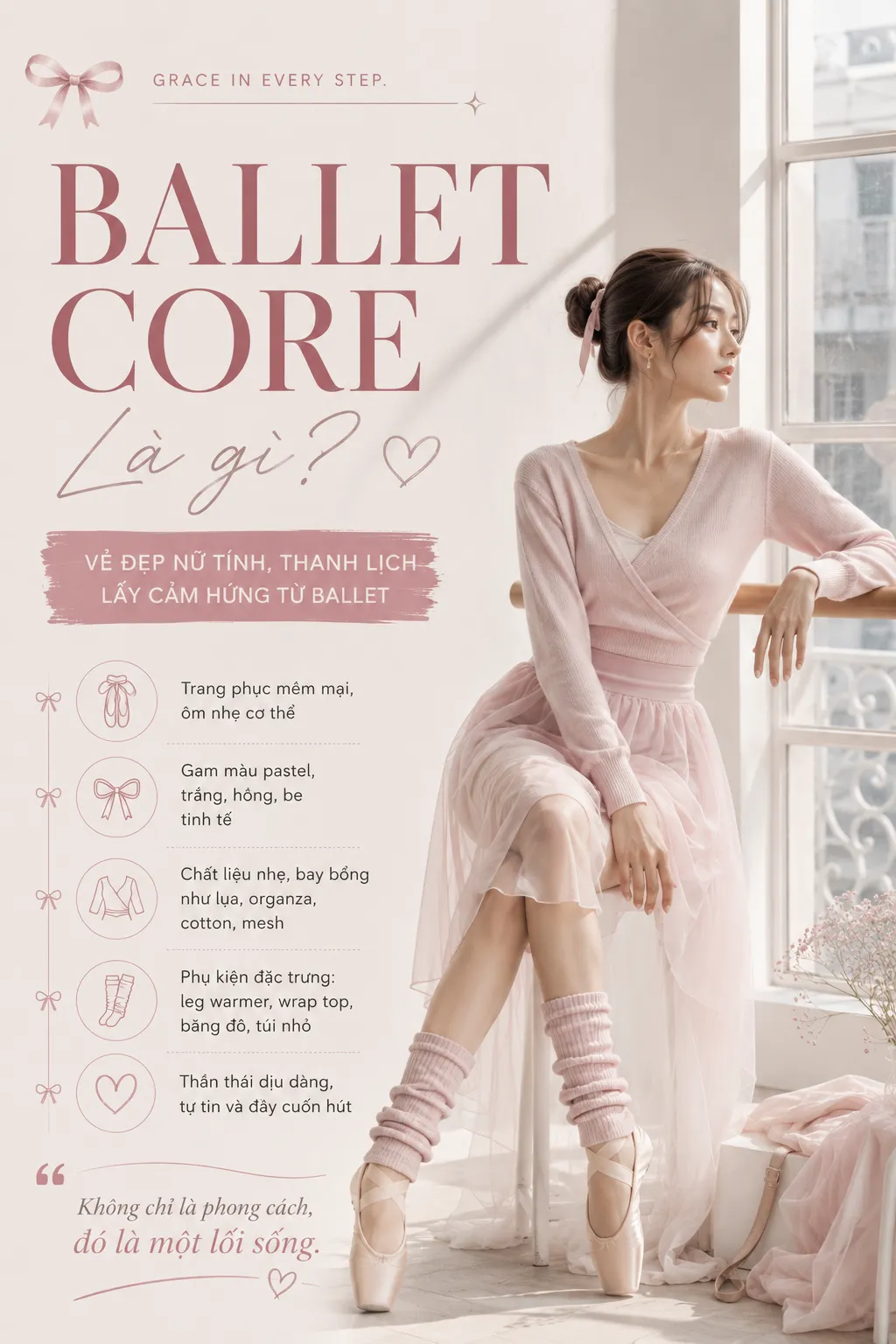
Guide collection: Aesthetic Dictionary: A Guide to Fashion Styles (Vietnamese)
Balletcore adapts ballet-associated clothing references for everyday fashion: open necklines, wrap layers, softer fabrics, pale colors, ballet flats, leg warmers and details suggesting rehearsal or movement. Fashion versions are not automatically appropriate dance equipment.
A wrapped cardigan, square neckline and round-toed shoe can communicate the reference without an outfit covered in bows. These relationships matter more than a required quantity of motifs.
Ballet's influence before the Balletcore label
Ballet influenced fashion well before the internet term Balletcore. Vogue's historical discussion references Patricia Mears, curator of Ballerina: Fashion's Modern Muse, and the influence of practice wear such as leotards and tights during twentieth-century ballet enthusiasm. The modern label draws on a longer relationship between ballet and fashion rather than identifying one social-media invention.
Early-2020s fashion reporting discussed flats, tulle, sheer layers and dancer-off-duty imagery, including Miu Miu's fall/winter 2022 references. The preserved fashion commentary linked below discusses darker interpretations too. These are dated observations, not a claim about today's popularity. This guide focuses on the relationship between body outline, fabric drape and apparent readiness to move.
Four visual references for movement
These choices organize the outline: a more compact area, a suggested waist and space around the legs or ankles. Think about how the clothing moves rather than collecting every garment category.
Balletcore Silhouette, Colors and Materials
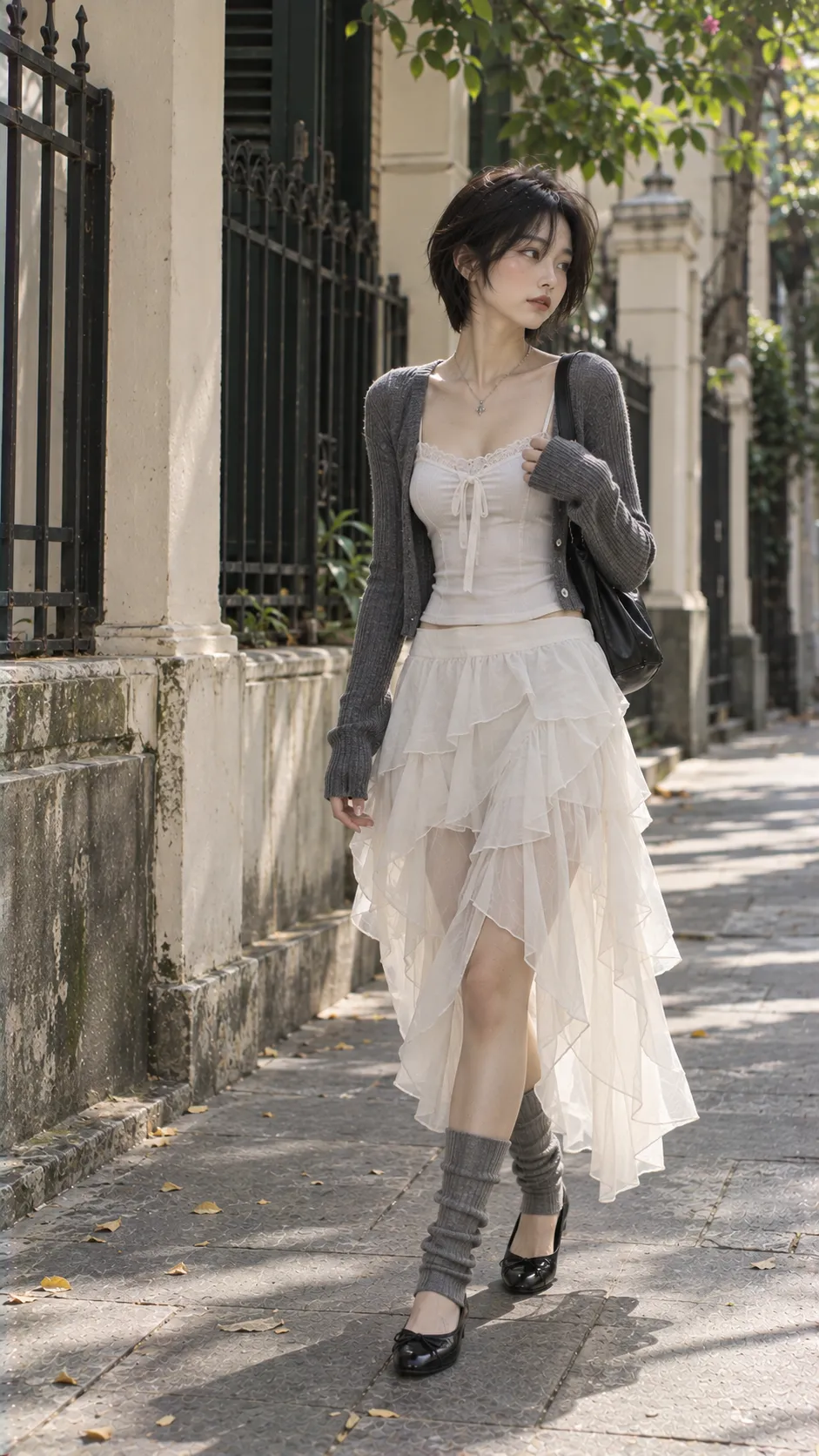
Silhouette can begin with a bodysuit, fitted tank, square-neck top or wrap top. The bottom can be compact or fuller, with volume placed deliberately. A closer top with a moving skirt clarifies contrast; cropped trousers and a wrapped cardigan suggest practice wear without being an actual training uniform. No body type is excluded.
Color and material provide further references. Dusty pink, milky white, cream or pale gray are options; black can work through softer surfaces, an open neckline or lighter-looking footwear. Tulle, chiffon, mesh and satin can introduce movement or reflection, while jersey and finer knits offer different everyday constructions. Inspect actual weight, lining and ease rather than assuming a fiber guarantees comfort.
Common garment misconceptions
Tulle, bows and flats alone do not form a compulsory formula. Rigid tulle creates a more stage-like shape; a wrapped cardigan and flats can communicate dancewear references in a simpler composition. Choose the level of literalness you want.
Pink Alone Does Not Establish Balletcore
- Wrap top: Creates a diagonal line and may allow adjustment; inspect whether its ties remain secure at your preferred ease.
- Bodysuit or square-neck top: Provides a clearer upper outline associated with some dancewear. A fashion bodysuit is not necessarily suitable for training.
- Tulle skirt: Can provide movement. Multiple rigid layers create a more theatrical silhouette, which is optional.
- Leg warmers: Introduce rehearsal references as a lower-leg layer. Assess length and volume alongside the hem and shoe; they are optional rather than a universal proportion rule.
- Ballet flats: can supply a lighter-looking toe and open-vamp reference. Bows and satin are optional. Everyday flats are distinct from specialist ballet shoes.

Coquette and Sporty Chic differences
| Style | Starting reference | Editorial emphasis |
|---|---|---|
| Balletcore | Dancewear and movement | Softness, definition and continuous garment lines |
| Coquette | Decorative romantic and nostalgic references | Bows, lace and deliberately romantic detail |
| Sporty Chic | Sportswear references in everyday fashion | Sport-associated details combined with a polished visual finish |
Balletcore can overlap with Coquette through bows, lace and pale colors, and with Sporty Chic through bodysuits, leg warmers and movement-related imagery. The distinction here is a stronger ballet-rehearsal reference rather than one universally correct level of softness.
Try removing small bows and accessories mentally. A neckline, wrapped knit or lighter-looking shoe may still suggest dancewear. A composition led mainly by bows and lace may emphasize Coquette; technical zippers, nylon surfaces and sneakers can emphasize another sportswear direction. These are overlapping references, not rigid categories or performance claims.
Dark Balletcore
Black, burgundy, smoky gray or aged-looking cream can retain Balletcore through soft fabric, wraps and selected footwear. Dark Coquette or Romantic Goth references can overlap without making a pastel palette compulsory.
For a quieter hybrid, try one structured piece with two softer references: a jacket with a wrap top and sheer skirt, for example. A corset, heavy boots, substantial metal and lace together may shift the emphasis toward Dark Feminine or Gothic styling. That can be deliberate rather than an error.
Use colors compatible with your wardrobe: black, gray and cream, or milky white and dusty pink. The reference can be a new relationship between existing garments rather than a complete new uniform.
Building Balletcore without Buying an Entire Set
Start with a square neckline or wrap top, a lighter cardigan, a moving bottom and suitable shoes if those roles fit your routine. Add warmers, ribbons or sheer layers only when useful. The pieces can also serve Coquette, Sporty Chic or darker combinations.
Prioritize expected wear rather than a required list. Flats can combine with cropped trousers, minis or dresses; a finer cardigan may be more practical than several tulle layers in heat. The guides to styling ballet flats and leg warmers cover those individual garments, while this article remains the broader aesthetic guide.
Ease and movement
Fitted clothing should allow your intended movement. Check shoulder and armhole tension, secure wrap placement and stable lining or coverage under sheer fabric. Reach, sit and take a longer step to identify obvious pulling or slipping. Adjust the garment rather than blaming a body shape; a brief check does not prove all-day comfort.
Assess shoes while moving as well as standing. Check heel slipping, toe compression and sole behavior for the actual route. A shoe that resembles dance footwear does not automatically offer suitable cushioning, support or grip. Choose practical fit rather than forcing the visual reference.
Three Everyday Balletcore Outfit Formulas
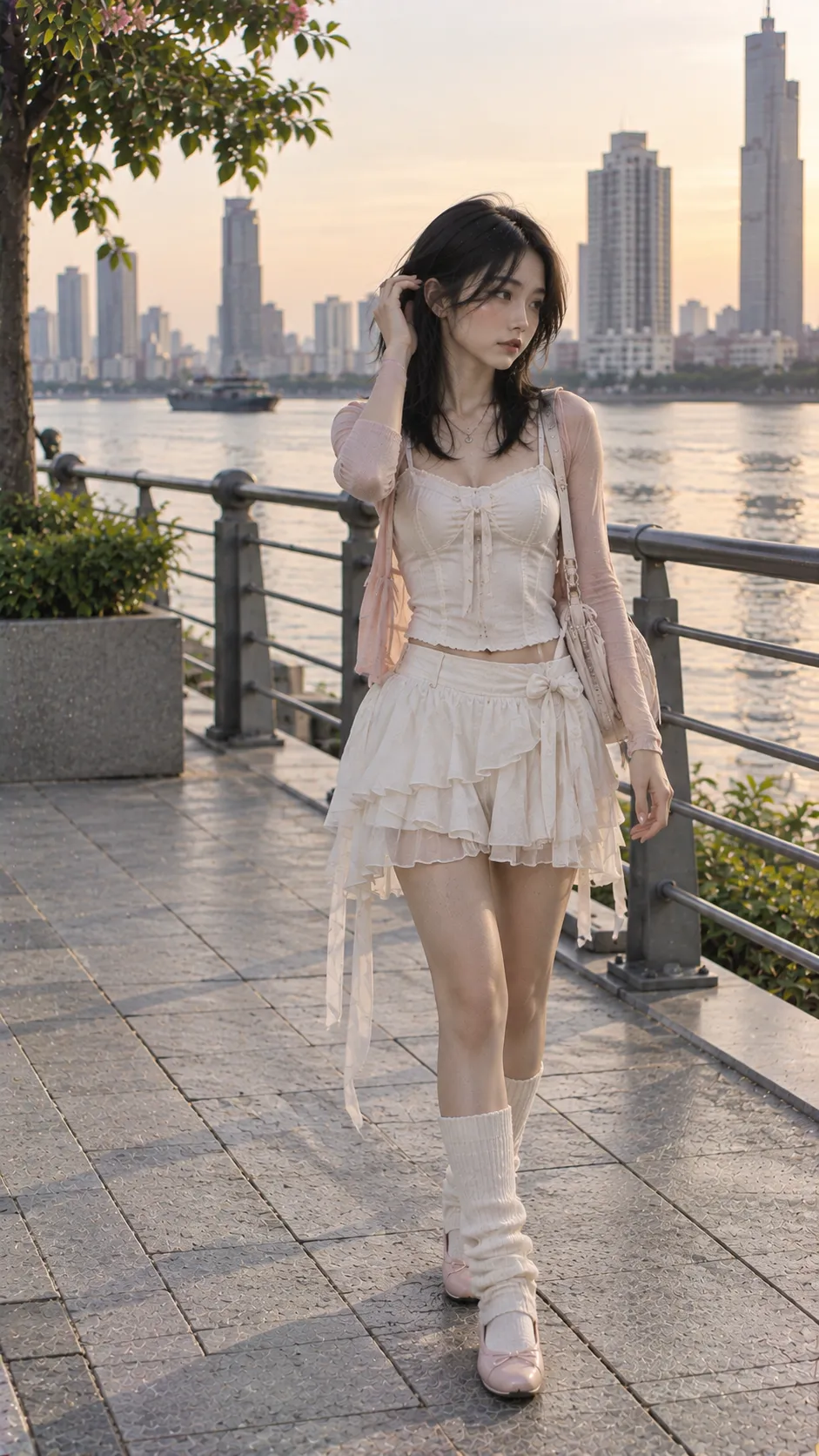
1. Softer casual: fitted top, moving skirt and flats
A square-neck top or tank defines the upper line while an A-line mini, slip skirt or sheer overlay adds movement. A corset is unnecessary. A strapped low Mary Jane is another visual option if its actual fit suits your walking; the strap alone does not guarantee comfort.
2. Dancer off duty: tank, wrap cardigan and slim or cropped trousers
The tank defines the shoulder, cardigan adds a diagonal and cropped trousers expose an ankle interval. This uses rehearsal-associated shapes with less literal stage imagery. In heat, omit leg warmers and inspect a finer cardigan's actual weight.
3. Dark Balletcore: black fitted top, sheer layer and lighter-looking shoes
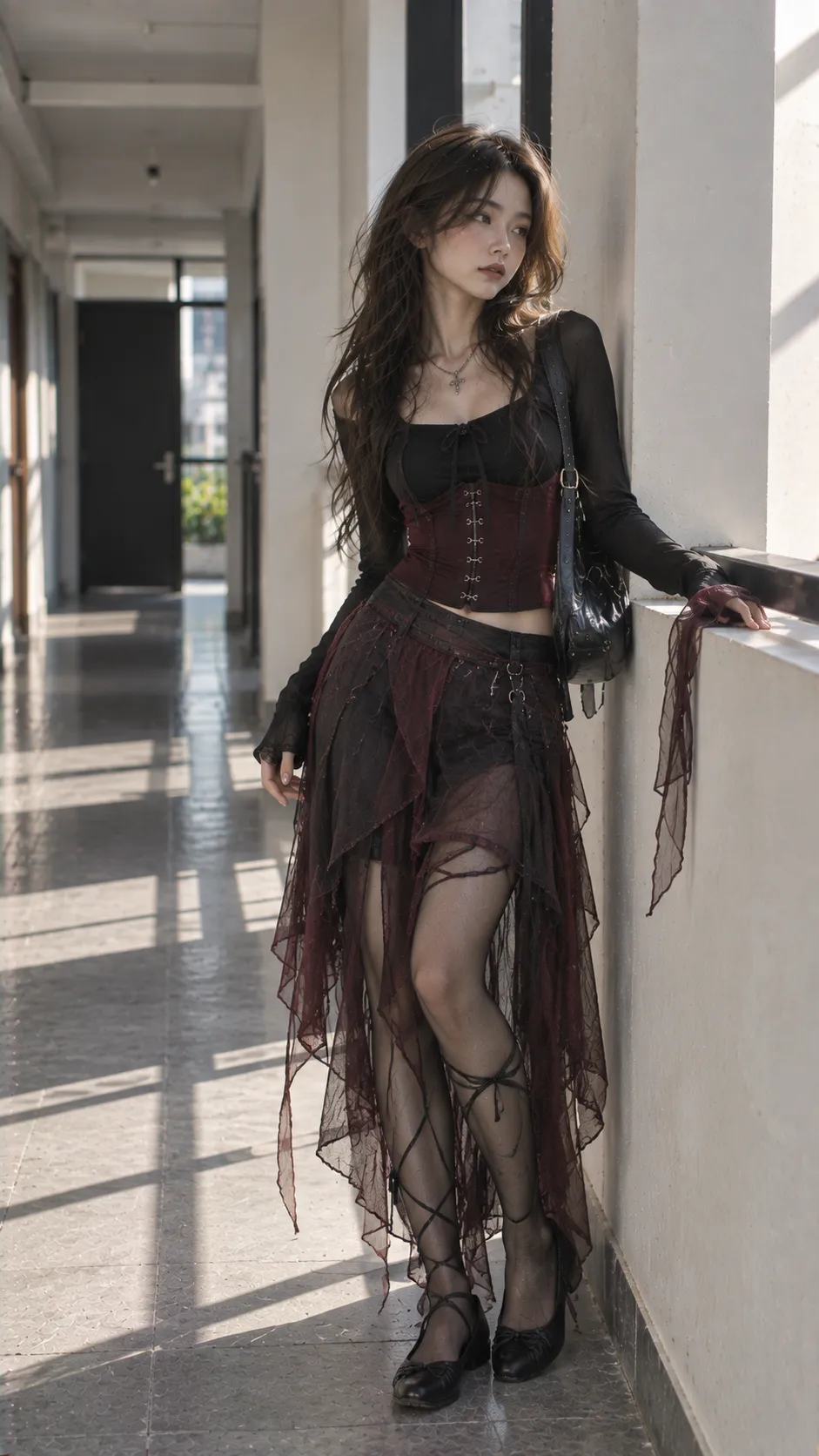
Try two softer surfaces such as mesh, fine knit, chiffon or satin. A more structured jacket can anchor them. Larger platforms, a corset and extensive hardware together create a heavier alternative hybrid; choose that intensity deliberately.
Hot weather and actual activities
Reference images may combine knit, tights and warmers. In Vietnam's heat, retain the cut and garment relationships rather than copying every layer: a square neckline, wrap detail, finer cardigan or moving skirt can suffice. Assess actual weave or knit, weight, lining and ease; cotton, jersey or a fine-knit label does not itself guarantee cooling.
For classes, work or motorcycle travel, check sitting coverage, freedom to step, loose ribbons and hem clearance. Tulle or long ties can catch; any skirt length should suit the activities and your preferences. For evening, adjust one layer, hosiery or bag where appropriate rather than replacing every garment.
Common styling mismatches
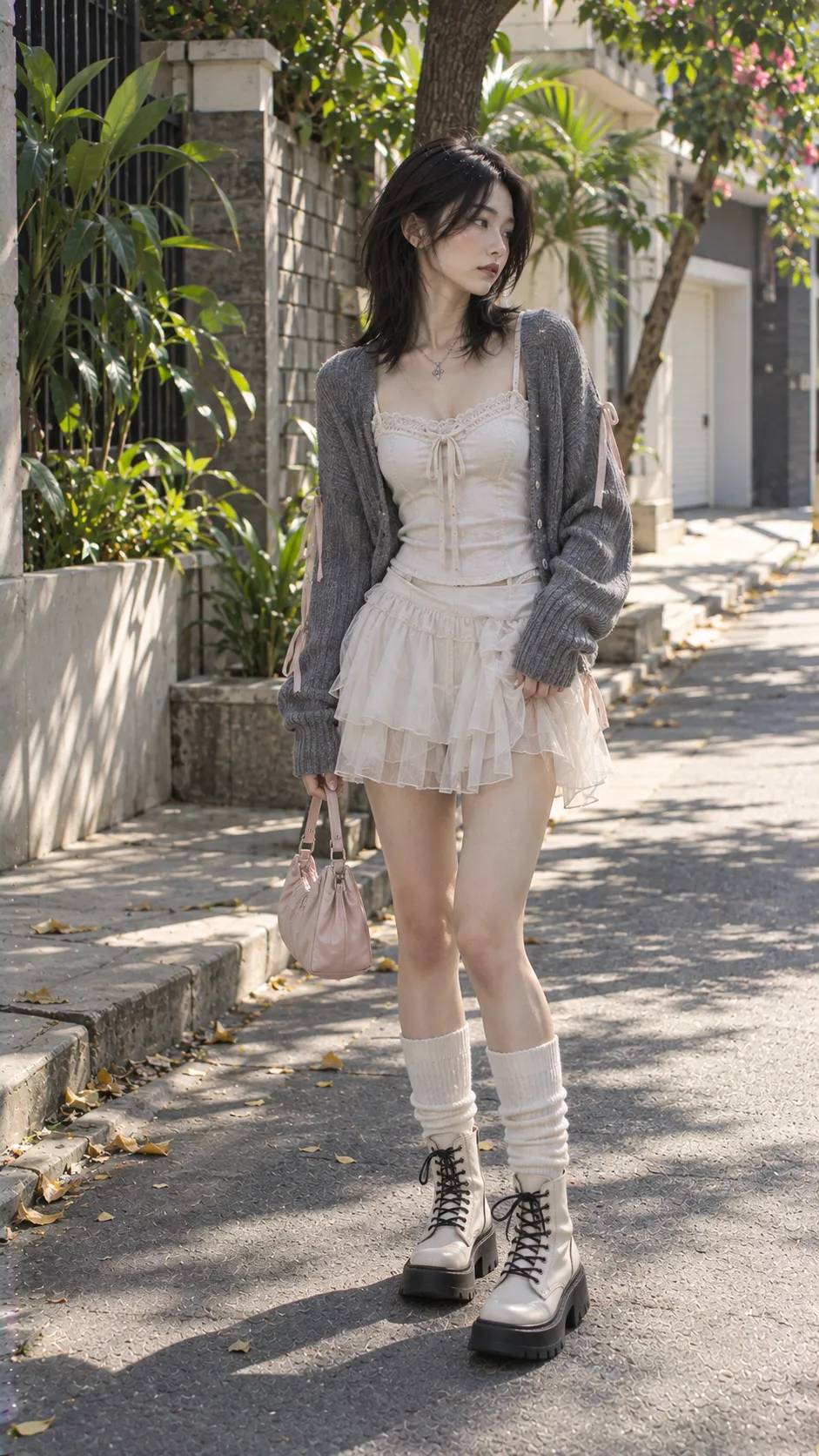
Numerous props are unnecessary. When silhouette, texture and footwear relate, the palette and degree of femininity can change while the ballet-associated references remain visible.
Conclusion: clothing and movement
The appeal is clothing that changes with the wearer, rather than claiming to make someone a ballerina. Neckline, ties, fabric and shoes can support a soft but defined composition without requiring fragility, a dancer's body or actual training equipment.
For related references, explore: Fairycore, Hime Gyaru (Vietnamese) and Mermaidcore.
References
The preserved sources provide historical discussion, dancer perspectives and dated fashion commentary. They do not establish that fashion garments are suitable training equipment or prove today's popularity:
- Vogue — Balletcore: How Designers Have Been Inspired by Dance — historical discussion of ballet's fashion influence and rehearsal references.
- Vogue — Ballerinas on Balletcore — dancers' perspectives on fashion interpretations and actual practice clothing.
- Who What Wear — This Viral TikTok Trend From 2022 Is Back — a dated editorial interpretation of darker styling, not a forecast adopted as a current fact here.
Outfit formulas and everyday adaptations are Apocalypse Closet's editorial guidance based on garment relationships.
Frequently Asked Questions
What is Balletcore?
An everyday fashion aesthetic drawing on ballet rehearsal or stage references through wraps, bodysuits, tulle, warmers, flats and movement-associated lines. These pieces are optional references, not necessarily actual dance equipment.
Is Balletcore the same as Coquette?
They can overlap. Balletcore puts more emphasis on ballet clothing and movement; Coquette more on decorative romantic details such as bows and lace. Neither label requires a particular body or gender.
Is a tulle skirt compulsory?
No. A wrap cardigan, square neckline, flats or another dancewear reference can contribute when the whole composition supports it. Tulle and pastels are optional.
Can ballet flats work for an entire day?
It depends on the actual shoe, fit, route and activities. Check toe room, heel hold, sole construction and cushioning needs rather than assuming a ballet-like appearance guarantees support or comfort.
Can Balletcore be too hot for Vietnam?
Copying several knit, tight and warmer layers can be unsuitable. Retain selected cuts and wraps while assessing lighter construction and fewer layers for the actual conditions; no fabric name guarantees cooling.