

What Is Minimalist Fashion? How to Style Intentional, Simple Outfits
Minimalist fashion uses silhouette, negative space and fabric to create impact, so minimalist style doesn't have to mean bland clothing.
Minimalism isn't simply wearing as few things as possible. It's about reducing visual noise so the shape, proportion, material and purpose of each piece stand out.
In this article: This guide explains women's minimalist style and how to apply it to a real wardrobe, without confusing minimalism with Clean Girl, Quiet Luxury or an exclusively white-and-beige palette.
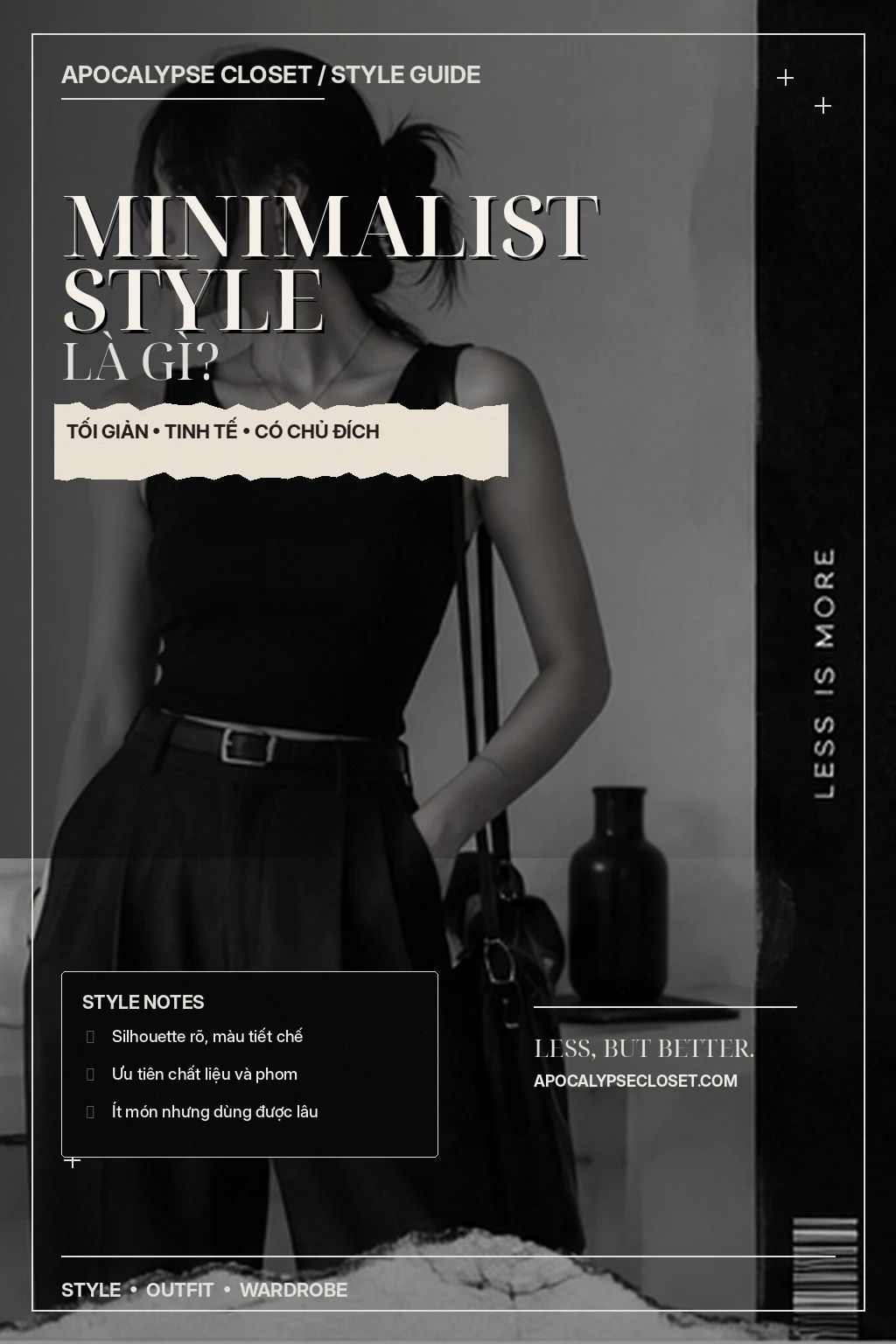
Guide collection: Aesthetic Dictionary: Fashion Style Terms (Vietnamese)
Minimalist style builds outfits with deliberately controlled visual information: fewer competing colors and details, clear silhouettes and a reason for every garment. Minimalism doesn't erase identity. It can feel dark, sharp or distinctive when proportion and materials carry enough presence.
What Is Minimalist Fashion?
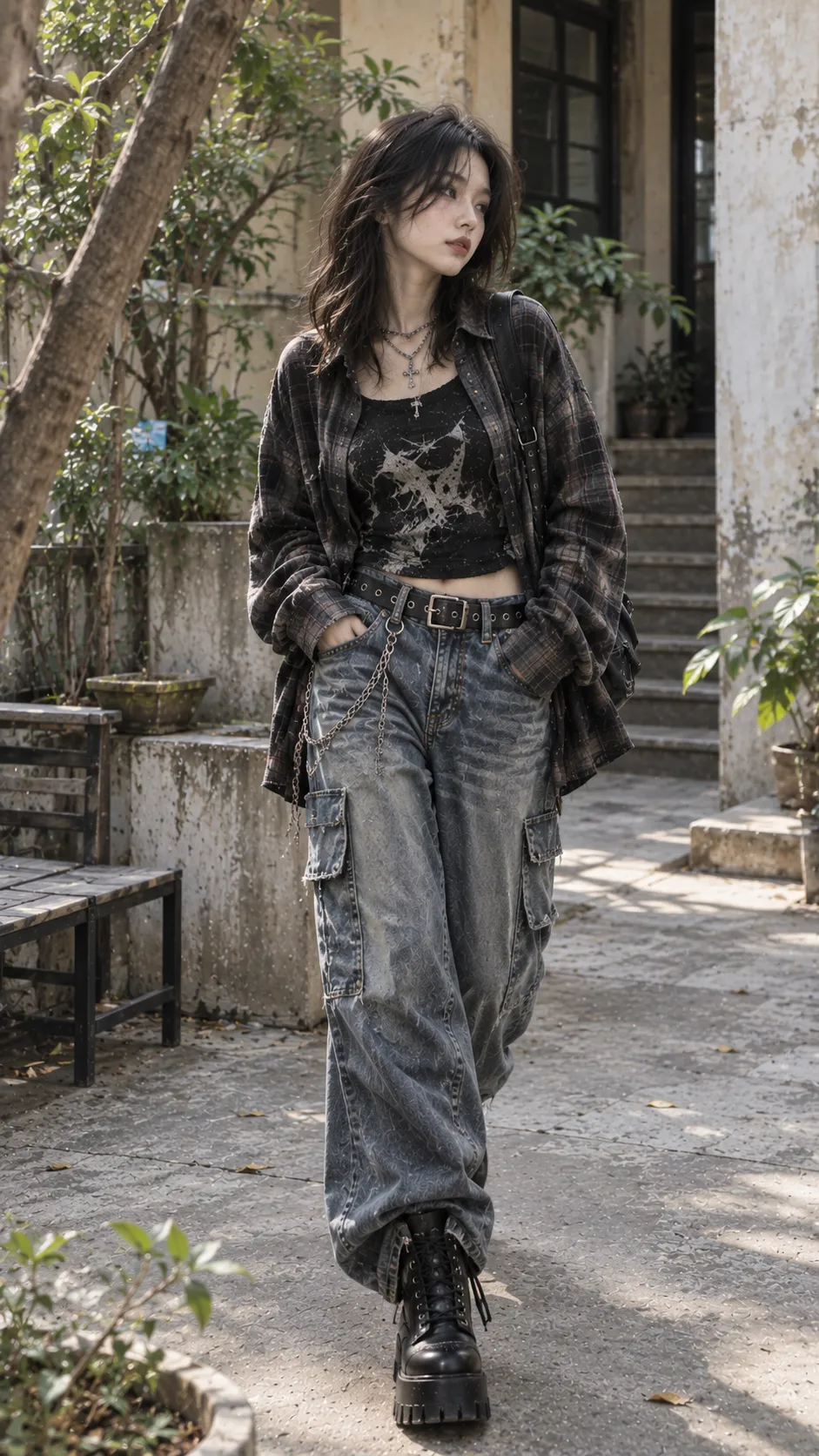
In clothing, minimalism prioritizes clarity. Looking at an outfit, the eye doesn't have to process countless prints, logos, layers, accessories or competing colors. Instead, attention falls on shoulder lines, shirt length, trouser drape, neckline space, surface texture and how shoes complete the silhouette.
That means a minimalist outfit isn't necessarily a white tee with black trousers. A charcoal off-shoulder top with straight black pants and pointed boots can be minimalist if the pieces form one coherent shape. Conversely, an all-beige ensemble with too many bows, trims, logos and accessories may still be visually busy.
Minimalist style suits people who want quicker outfit decisions, easier outfit repetition and fewer poor purchases. But it requires precision: when you're wearing three key pieces, a poor fit is more obvious than when eight layers conceal it.
Simple Doesn't Have to Mean Bland
The easiest way for minimalism to become boring is to remove every source of interest at once: pale colors, plain cuts, flat textures, lightweight shoes and no focal point. Good minimalism doesn't eliminate contrast; it chooses which contrast to keep. Emphasize one strong shoulder, dramatically wide trousers, substantial boots or a sharp neckline, and let everything else recede.
Think 'one hero, two foundations'. The hero might be the silhouette, material or accessory. A beautifully cut blazer can lead while a black tank and straight trousers support it. Or silver-washed wide denim can lead while a gray baby tee and black sneakers stay quiet. Once the focal piece is strong enough, three more statements aren't necessary.
Minimalism vs Clean Girl and Quiet Luxury
Clean Girl (Vietnamese) is a specific aesthetic built around neat styling, tidy hair, light makeup and often bright neutral palettes. Minimalism is much broader: it can be cold, dark, sporty or urban. Quiet Luxury (Vietnamese) puts more emphasis on fabric quality, finish and understated value. Minimalist outfits can also use affordable clothes when the cut and function are sound.
Model Off-Duty (Vietnamese) often applies minimalist logic with a more street-inspired, effortless look: fitted top, baggy jeans, sunglasses and sneakers. These approaches overlap but shouldn't all be treated as synonyms.
Four Elements of an Effective Minimalist Outfit
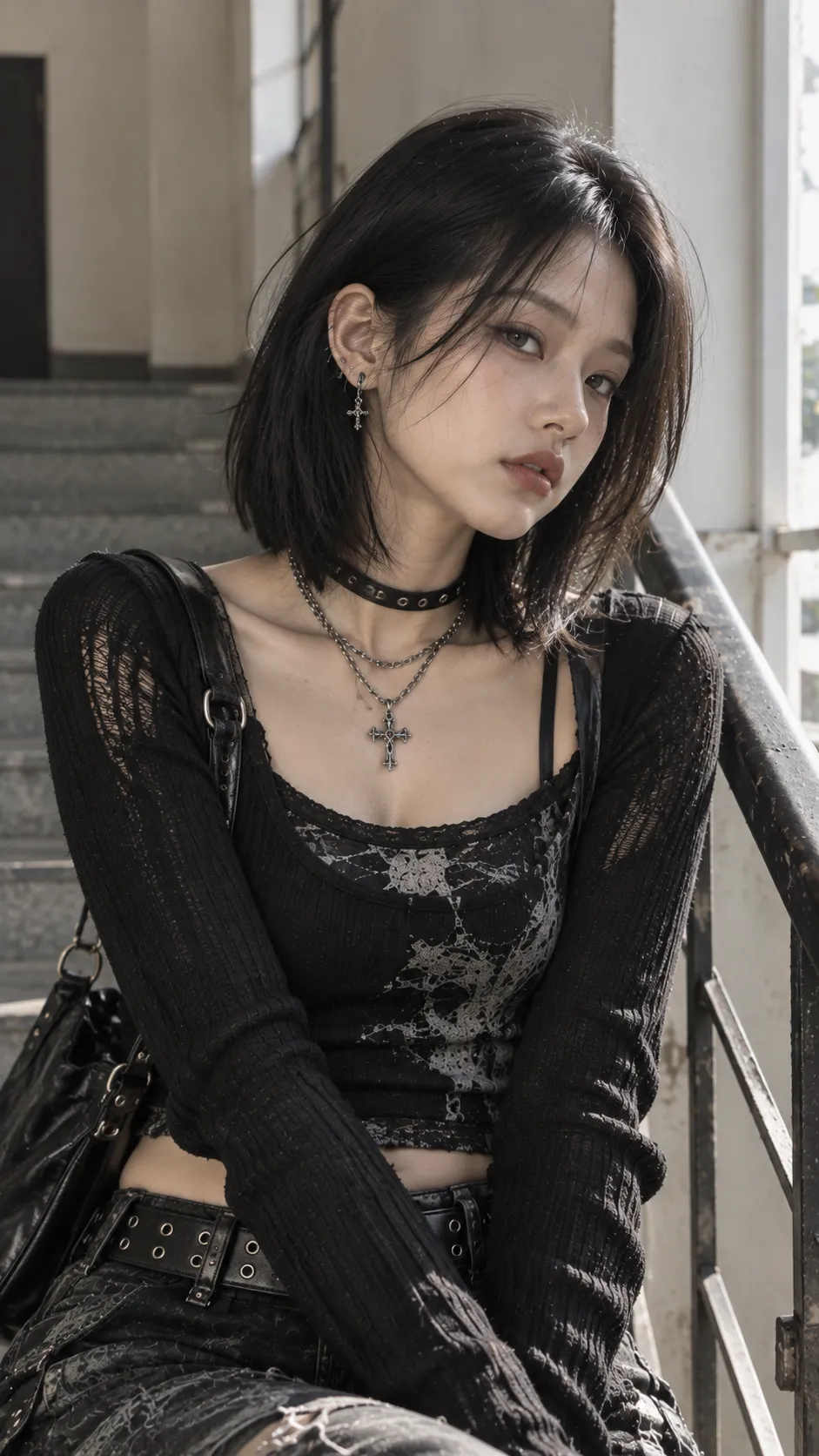
Silhouette: choose one dominant shape. Straight, column, fitted-top/wide-bottom and oversized-top/slim-bottom combinations can all work when intentional. Avoid layers that cut across the body at too many different heights.
Color palette: two or three colors are often enough. Monochrome isn't mandatory; blue denim, white and black can still look minimalist. A bold accent should read as one clear block rather than lots of scattered details.
Material: substantial cotton, denim, fine knits, leather, matte satin and technical nylon are all possibilities. When color is restrained, matte versus shiny, soft versus structured and smooth versus rough textures add dimension.
Negative space: don't cover every area with accessories. An open neckline, bare wrist or clear waistline can have more impact than another piece of jewelry.
Build a Minimalist Wardrobe as a System, Not a Ten-Item List
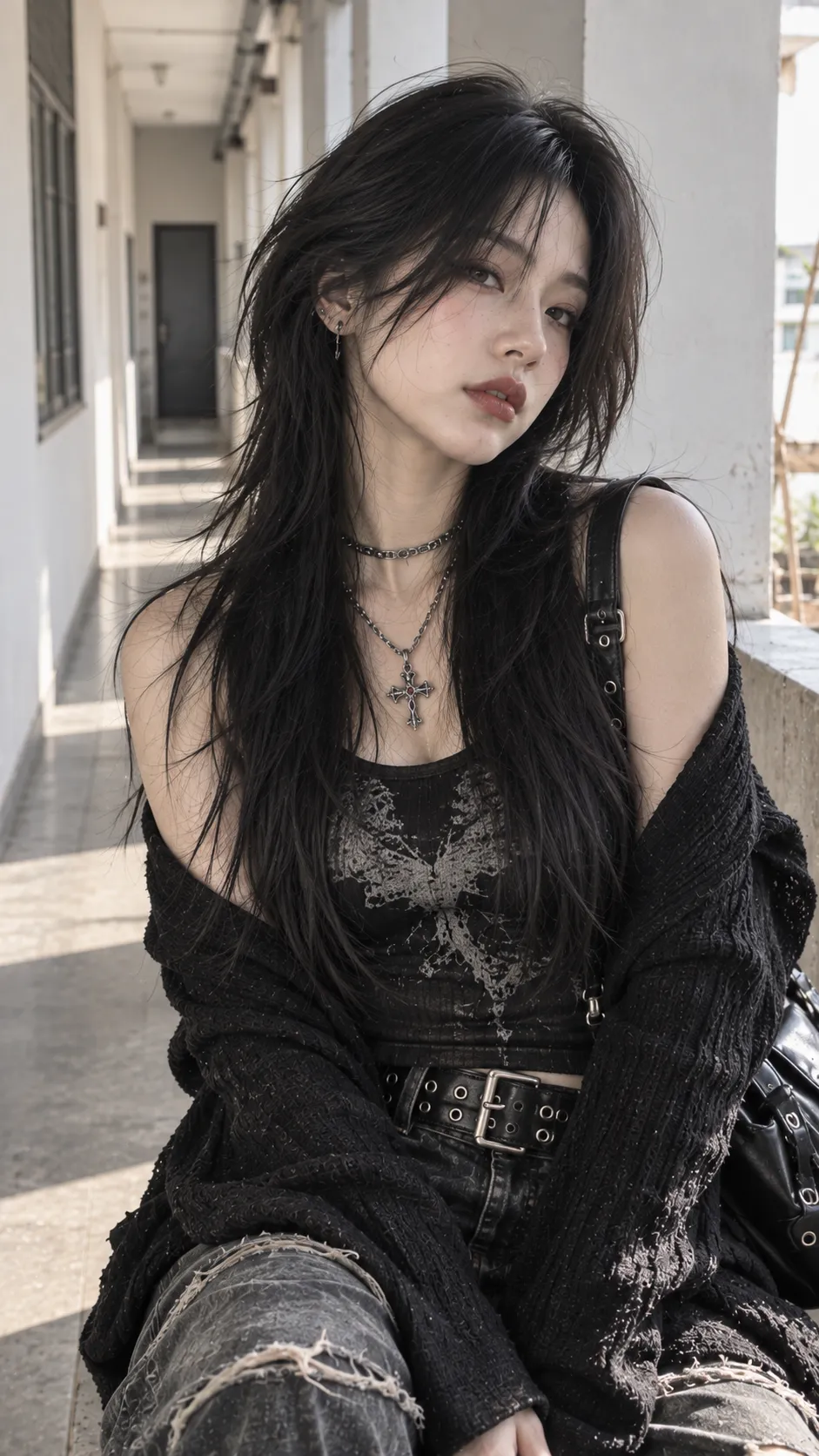
Capsule wardrobes often come up alongside minimalism, but don't turn the idea into a rule that you can only own 20 pieces. The appropriate number depends on work, climate, laundry and lifestyle. A more useful approach is to organize clothes into functional groups: foundational tops, bottoms, outer layers, shoes, bags and a small selection of focal pieces.
Items in each group should work well together. Three different bottoms that only pair with one top aren't an efficient system. Boots you can wear with trousers, skirts and dresses may be more useful than shoes suited to just one lookbook. Our guide to what a capsule wardrobe is explains how to reduce overlapping wardrobe roles.
Eight Repeatable Minimalist Outfit Formulas for Women
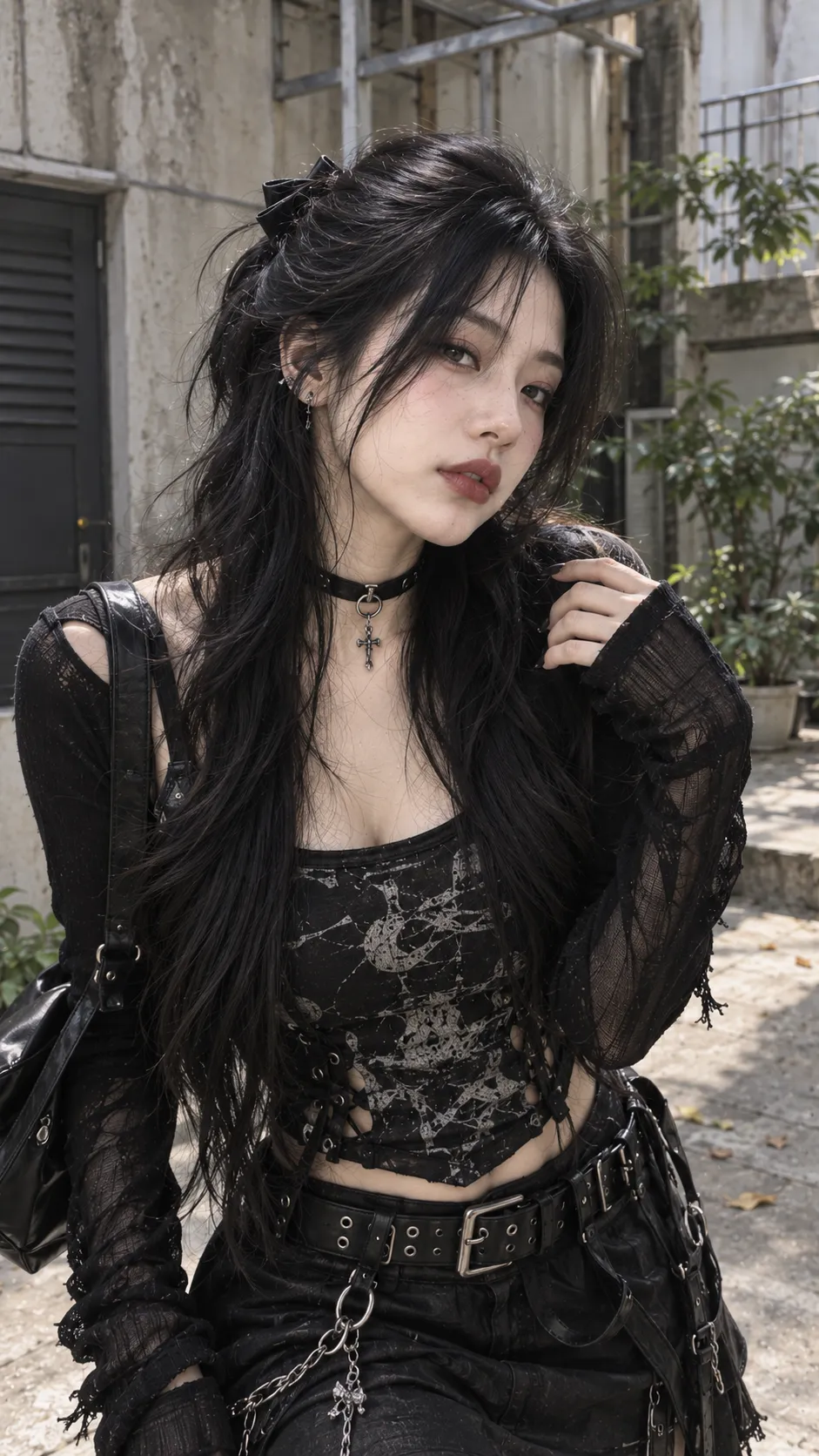
1. Baby tee + straight trousers + sneakers. Simple, but trouser hems should fall correctly and the tee shouldn't be too long. Add a slim belt to define the waist if needed.
2. Tank top + wide jeans + short jacket. A strong proportion: fitted underneath, roomy below and a jacket ending near the waist.
3. Turtleneck knit + long skirt + boots. Try black, gray or brown, using contrasting textures to avoid a flat look.
4. Oversized shirt + straight trousers + loafers. Roll the sleeves or partially tuck the shirt if the entire outfit feels too long.
5. Column dress + shoulder bag + understated shoes. When the dress forms one long shape, accessories should be smaller and deliberate.
6. Blazer + tank top + denim. An outfit that overlaps minimalism, Casual Chic (Vietnamese) and Model Off-Duty style.
7. Asymmetric top + plain black trousers + boots. For someone who likes restraint with a Dark Feminine edge, let the neckline be the focal point.
8. Structured oversized tee + mini skirt + sneakers or boots. Contrasting volume makes the outfit youthful and closer to alternative style.
Minimalist Fits for Different Proportions
Petite wearers may benefit from paying attention to hemlines and waist placement rather than reducing layers arbitrarily. Wide trousers still work if the hem falls neatly over the shoes and the top isn't overly long. For a short torso, a mid-rise may feel more balanced than an extreme high-rise. Fuller hips may suit trousers that fall straight from the hip rather than gripping and flaring suddenly.
Minimalism doesn't require a body to be 'slim' or 'tidy'. If anything, it reveals fit problems clearly. When tops pull across the bust, trousers strain at the thighs or shoulder seams fall awkwardly, look for another size or cut instead of covering the issue with extra layers.
Minimalist Accessories: Less, but Still Visible
One fine necklace, small hoops, a watch, belt, glasses or bag can be enough. But 'less' doesn't mean everything must be tiny. An oversized silver cuff or geometric handbag can be the hero when the rest is clean. Choose one area to emphasize: neck, ears, waist, wrist or bag.
Within Apocalypse Closet's darker palette, cool silver often pairs easily with black, gray and denim. But when you wear brown, cream or olive, muted gold can warm the look without breaking a minimalist direction.
Dark Minimalism: Keeping an Edge with Fewer Details
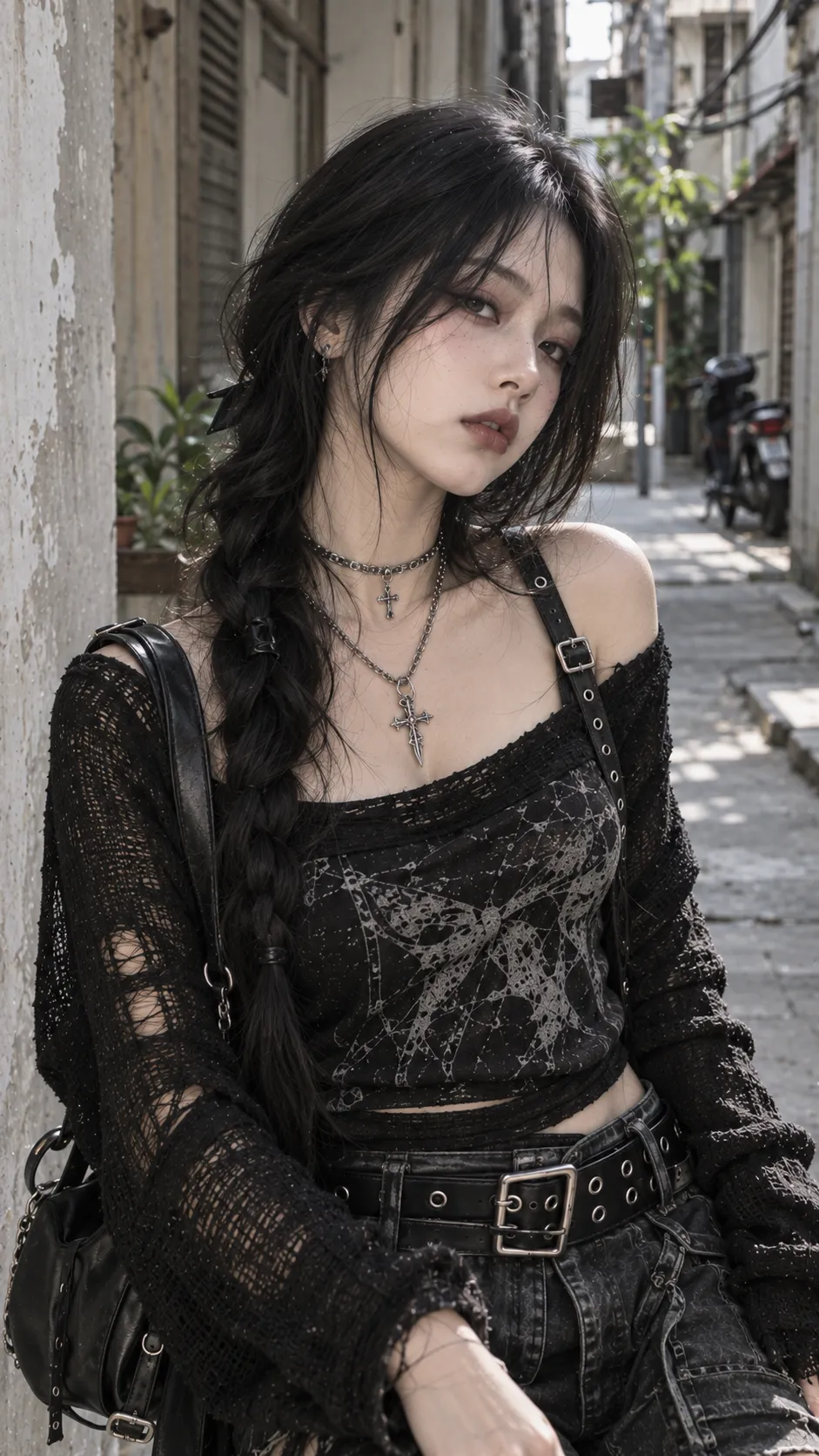
Dark Minimalism relies on strong cuts and textures. Instead of wearing chains, chokers, fishnets and multiple layers all at once, choose a distinctive neckline, well-shaped boots or perfectly fitting wide-leg trousers. Black, gray and silver make an easy base; add washed denim or very deep burgundy for contrast.
If you enjoy Dark Feminine (Vietnamese), keep deliberate waistlines, necklines and feminine footwear while reducing extra accessories. For E-Girl outfits, keep one signature detail such as a striped underlayer or chain belt while simplifying the rest. Minimalism doesn't reject other aesthetics; it filters out unnecessary details.
Shopping for Minimalist Pieces: Measurements Before Trend Names
When buying online, focus on shoulder, chest, waist, hip, rise, inseam and top length measurements. A 'minimal' item can still look wrong if its proportions don't fit you. Read fabric composition for drape, stretch and wrinkling, inspect close-up stitching photos and favor listings with real product images and clear size details.
Don't buy five nearly identical garments because they're all 'basics'. A square-neck tank and crew-neck tank may fill different roles, but five white tees in the same fit mostly add quantity, not outfit flexibility.
Seven Mistakes That Make Minimalism Look Unfinished
- Reducing colors without controlling silhouette.
- Buying lots of basics that don't coordinate with one another.
- Choosing fabric too thin or prone to wrinkles when nothing else in the outfit distracts from those flaws.
- Overlooking shoes, leaving the silhouette without a strong foundation.
- Treating oversized fit as the default for every piece.
- Equating minimalism with beige and avoiding colors you genuinely like.
- Removing every accessory until the outfit loses its personal signature.
Before going out, view your outfit at three distances: full-length mirror, a photo taken farther away and a close look at the details. The mirror reveals proportions, the photo reveals color blocks and the close view shows fabric, creases and accessories. If the outfit lacks impact, make one intentional adjustment: roll a sleeve, change shoes, add a belt, switch bags or open the neckline. Minimalism rarely needs three more items at once. Being able to improve the look with one small change shows the underlying combination already works.
Before buying, ask five questions. First, can I wear this with at least three pieces I already own? Second, if I remove the logo and lookbook photography, is the shape still appealing? Third, does the material have enough structure or drape for the silhouette I want? Fourth, do I truly need another near-duplicate? Fifth, are cleaning, ironing and care compatible with my routine? These questions prevent a minimalist wardrobe from becoming a closet full of basics with no purpose.
A 60-Second Outfit and Shopping Checklist
Minimalist Style Means Less Noise, Not Less Personality
A successful minimalist wardrobe makes it easier to see what you enjoy and actually use. Keep fewer visual signals but make each one more precise: a readable silhouette, cohesive palette, satisfying material and items you can restyle. Minimalism then becomes a useful system rather than another temporary aesthetic.
Frequently Asked Questions
What is minimalist fashion?
Minimalist style is an approach that removes unnecessary visual signals to highlight each piece's silhouette, proportions, material and function.
Does minimalist style mean wearing only black and white?
No. Denim, brown, olive, burgundy and stronger accents can all work. What matters is a controlled palette and garments that don't compete for attention.
Are Minimalist and Clean Girl the same style?
No. Clean Girl is one specific aesthetic; minimalism is a broader principle that can shape dark, sporty, urban and other kinds of outfits.
How can I make a minimalist outfit feel less boring?
Choose one strong feature—silhouette, texture, neckline, footwear or accessory—then let the other pieces support it.
How many pieces does a minimalist wardrobe need?
There's no fixed number. Organize by useful wardrobe roles and repeatable combinations instead of an arbitrary limit.
Further reading: Parisian Chic (Vietnamese) and Sustainable Fashion.
References
These sources inform definitions, terminology and background; the styling advice is Apocalypse Closet's editorial interpretation.
- Vogue — How to Master the Art of Minimalist Fashion — background on minimalist fashion and building a purposeful wardrobe.
- Merriam-Webster — Minimalism — the general definition of minimalism before applying it to clothing.