

What Does Aesthetic Mean in Fashion?
In fashion, an aesthetic is more than a judgment that something looks good. It is a recognizable visual language connecting colors, silhouettes, materials, accessories, hair, makeup, photographic setting and overall mood.
For the distinction between a garment, complete outfit and a broader visual direction, start with what an outfit is . A complete combination can communicate an idea beyond the individual pieces.
This guide: explains what aesthetic means, its relationship with style and how to explore personal preferences. For a directory of named aesthetics, use the Aesthetic Dictionary (Vietnamese).

Guide collection: Aesthetic Dictionary: A Guide to Fashion Styles (Vietnamese)
What does aesthetic mean?
Aesthetic relates to beauty, perception and artistic or visual qualities. In online fashion discussion it can also describe a named mood or visual identity built from recurring cues. This internet usage does not replace the word’s wider philosophical and everyday meanings.
The idea extends beyond one top. A plain black tee can join minimalist, Goth, Dark Feminine or streetwear combinations depending on bottoms, shoes, details, presentation and cultural context.
Aesthetic in fashion
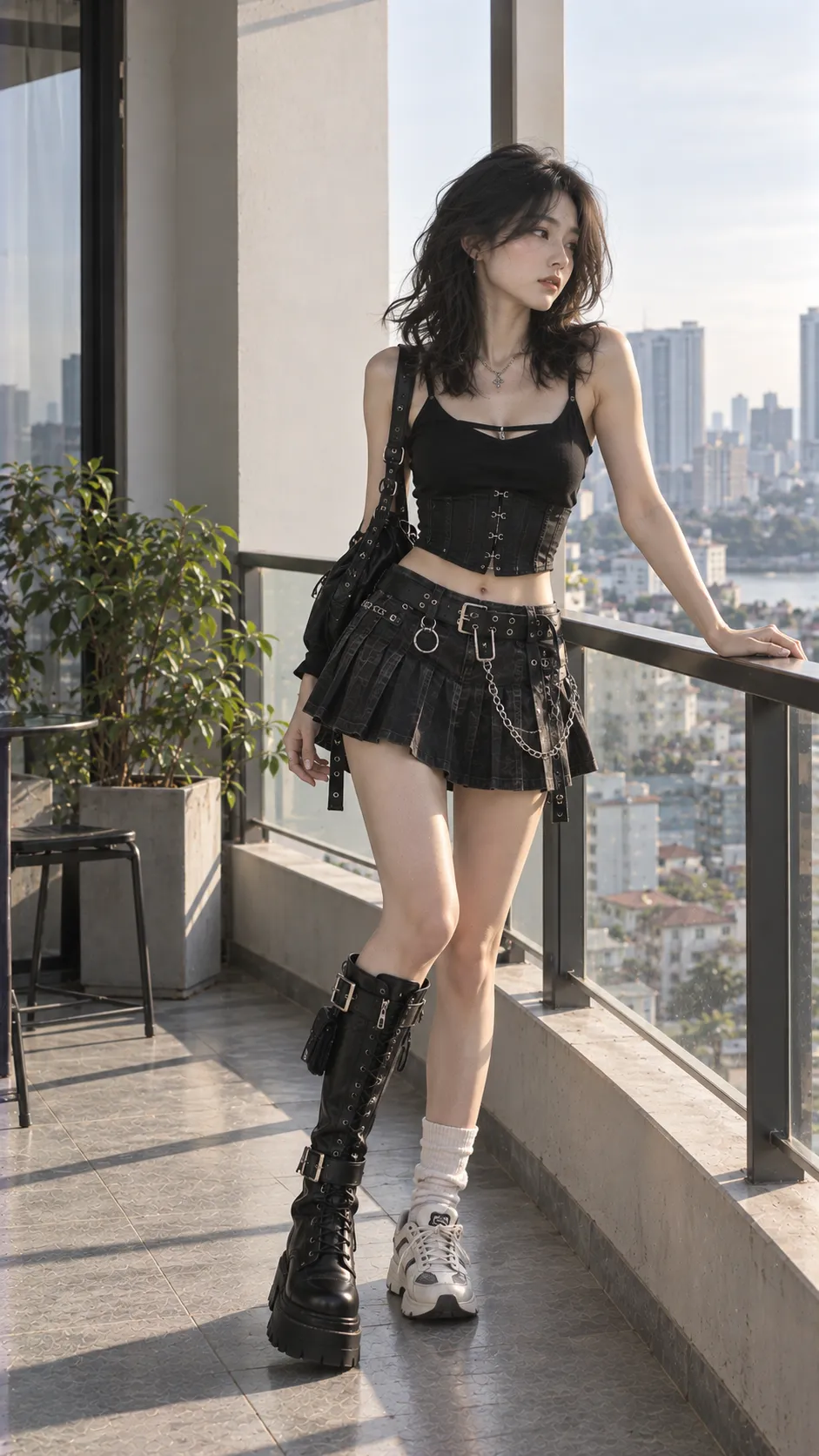
An outfit can communicate through relationships: roomy cargos, a black crop, substantial sneakers and a chain belt suggest one streetwear or Baddie direction; a structured top, black lace, boots and dark lip color suggest a different dark-romantic direction. These are visual interpretations, not proof of cultural membership.
A clear composition needs no high price. Deliberate color, volume and detail placement can connect its elements. Contrast, eclectic combinations and experimentation can also be intentional; consistency does not mean every piece must match a label.

Aesthetic and style
| Criterion | Style | Aesthetic |
|---|---|---|
| Scope in this guide | How someone selects and wears clothing | A broader visual framework that can also include imagery, mood, music and spaces |
| How it is read | Garments and their combinations | Recurring cues across a visual presentation |
| Examples | A crop, cargos and boots as components | Baddie Streetwear, dark aesthetic, Clean Girl or Coquette as named directions |
| Possible aim | Personal ways of dressing | A recognizable visual identity |
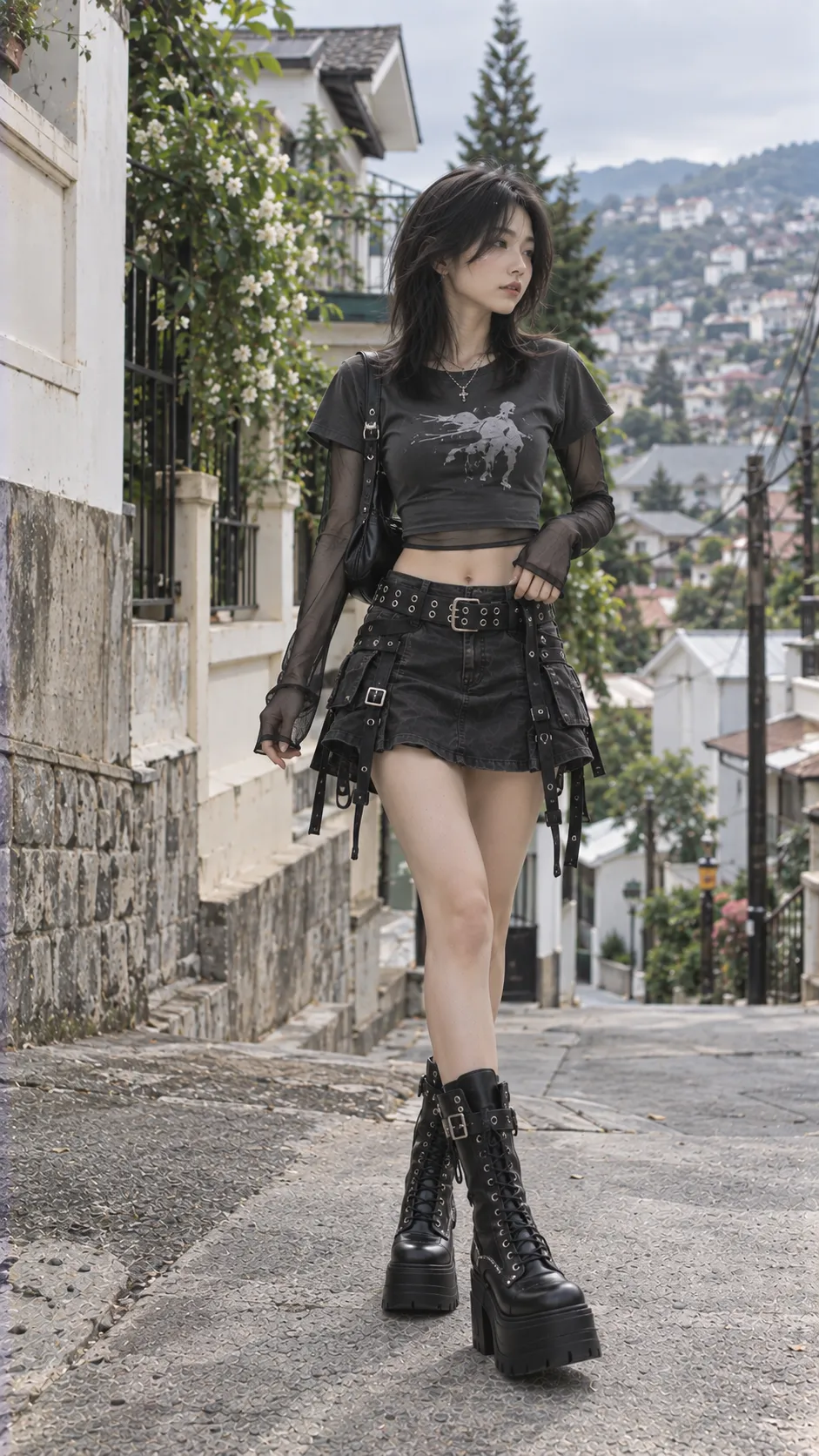
The terms overlap and are not a formal universal taxonomy. Minimal clothing can appear within a Clean Girl presentation with a particular hair, makeup and lighting approach; similar dark garments can communicate another mood through boots, texture and setting. Neither presentation proves lifestyle, character or social identity.
The term in online visual culture
Image-sharing platforms, short video and moodboards make named visual references easy to circulate. For some users, an aesthetic label groups related preferences and helps describe what they want to try. This does not mean all Gen Z users dress or think alike.
Clean Girl, Coquette, Dark Academia, Alt Girl and Baddie Streetwear are examples of searchable labels that communicate more than an isolated garment. Their meanings vary between communities and change over time; they are not permanent personality categories.
Examples of fashion aesthetics
Clean Girl often uses restrained clothing, polished hair and neutral palettes. A groomed appearance does not establish health, wealth or cleanliness. Coquette uses bows, lace and softer shapes; Dark Coquette can use black lace and corset-inspired details. Dark Academia draws on books, older academic imagery, deeper browns, black and tailoring. Clothing does not prove education or intellectual interests.
Y2K references late-1990s and early-2000s imagery through low-rise trousers, baby tees, denim, small glasses and playful details, with many variations. Grunge can use worn denim, flannel, band tees and boots, alongside its specific music and cultural context. Goth includes varied dark visual vocabularies with music and subcultural histories; black clothing, lace or silver tones alone do not define participation.

Dark aesthetic
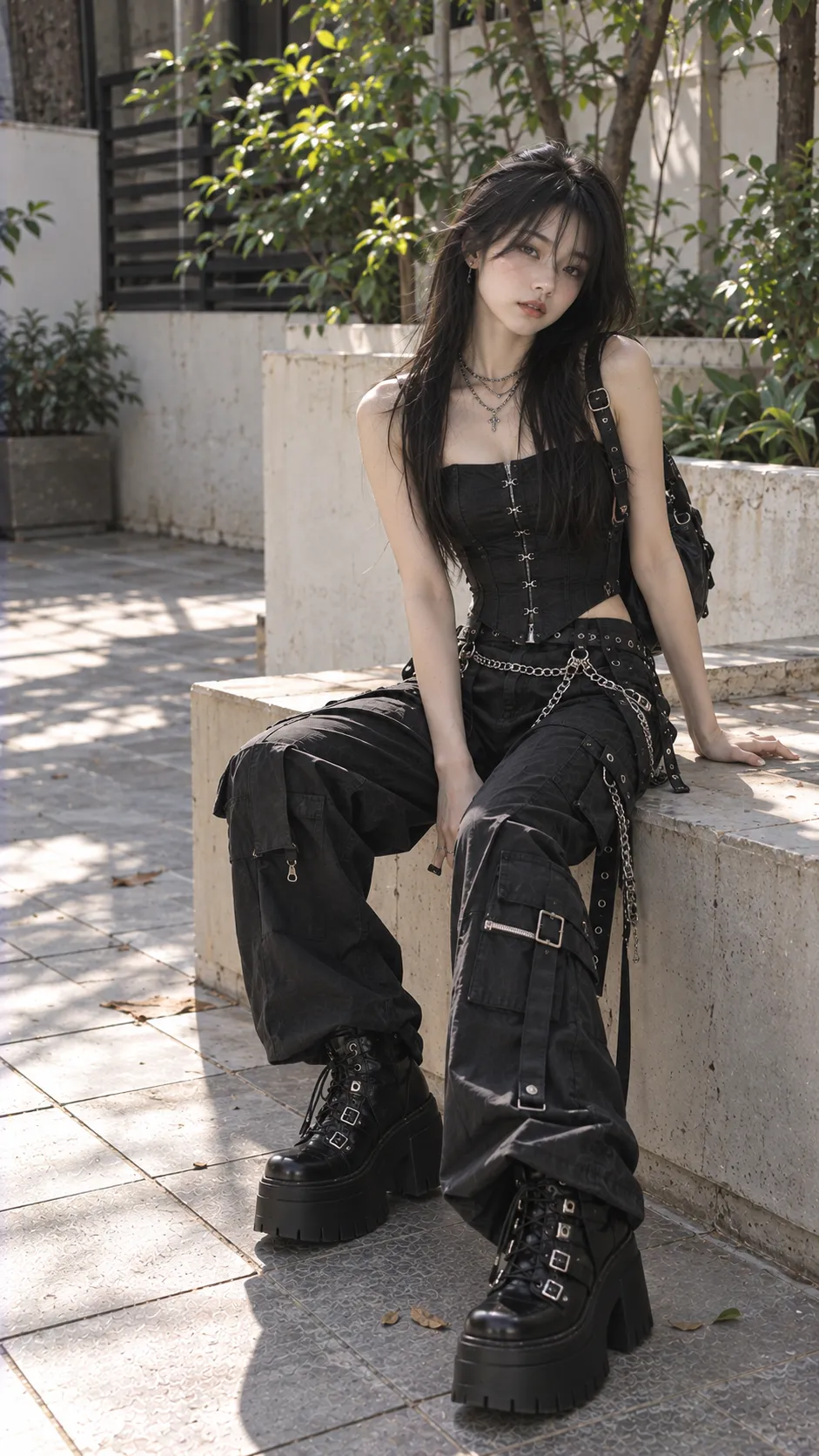
Dark aesthetic is a broad visual description involving dark colors, contrast or a moody setting. It is not one subculture or simply wearing all black. Goth, Dark Feminine, Punk, Grunge, Dark Academia, Dark Coquette and Dark Y2K have distinct contexts despite possible visual overlap.
For Apocalypse Closet’s outfit framework, a corset-inspired top, platform boot, dark cargo or chain belt can serve as an anchor: the element linking the chosen mood. This is a styling tool, not a required purchase or cultural credential.
Alternative fashion and aesthetic labels
Alternative fashion is a broad umbrella for clothing outside particular mainstream conventions. Aesthetic labels can describe some of its visual directions, while Goth and Punk also have cultural and musical histories beyond an image category. The umbrella-and-rooms analogy is a simplified navigation aid, not a fixed classification.
Start with the effect you enjoy—sharp, soft, rebellious, mysterious, streetwear-inspired or academic—before deciding whether a named direction is useful. You need not fit a category completely.
Explore your own preferences
Ask which images you repeatedly save, which garment proportions feel good and which visual mood you want to explore. Those questions are more useful than replacing a wardrobe solely because a label is circulating online.
For a sharper, dark-feminine reference, explore Dark Feminine (Vietnamese). For roomy shapes and everyday streetwear relationships, explore Streetwear. E-Girl offers internet-alt layering and makeup references; Goth requires attention to its wider context rather than assuming black clothes and platforms are the whole definition.
An aesthetic label can be a map, rather than a box that limits your choices.
Common mistakes
One mistake is buying isolated viral pieces without checking existing combinations. A saved dress may not fill a wardrobe mostly built around sneakers, cargos and oversized tops unless you actually want that new direction.
Another is copying a complete image without adapting it to comfort, climate and routine. In Vietnam’s heat, compare lighter constructions, fewer layers and useful local options while retaining the visual relationships you enjoy. A photograph does not reveal all its wearing conditions.
A third is treating an aesthetic as permanent. A dark base can take Y2K, streetwear or Coquette references on different days. Knowing your recurring basics can make this experimentation easier.
Build from existing clothes
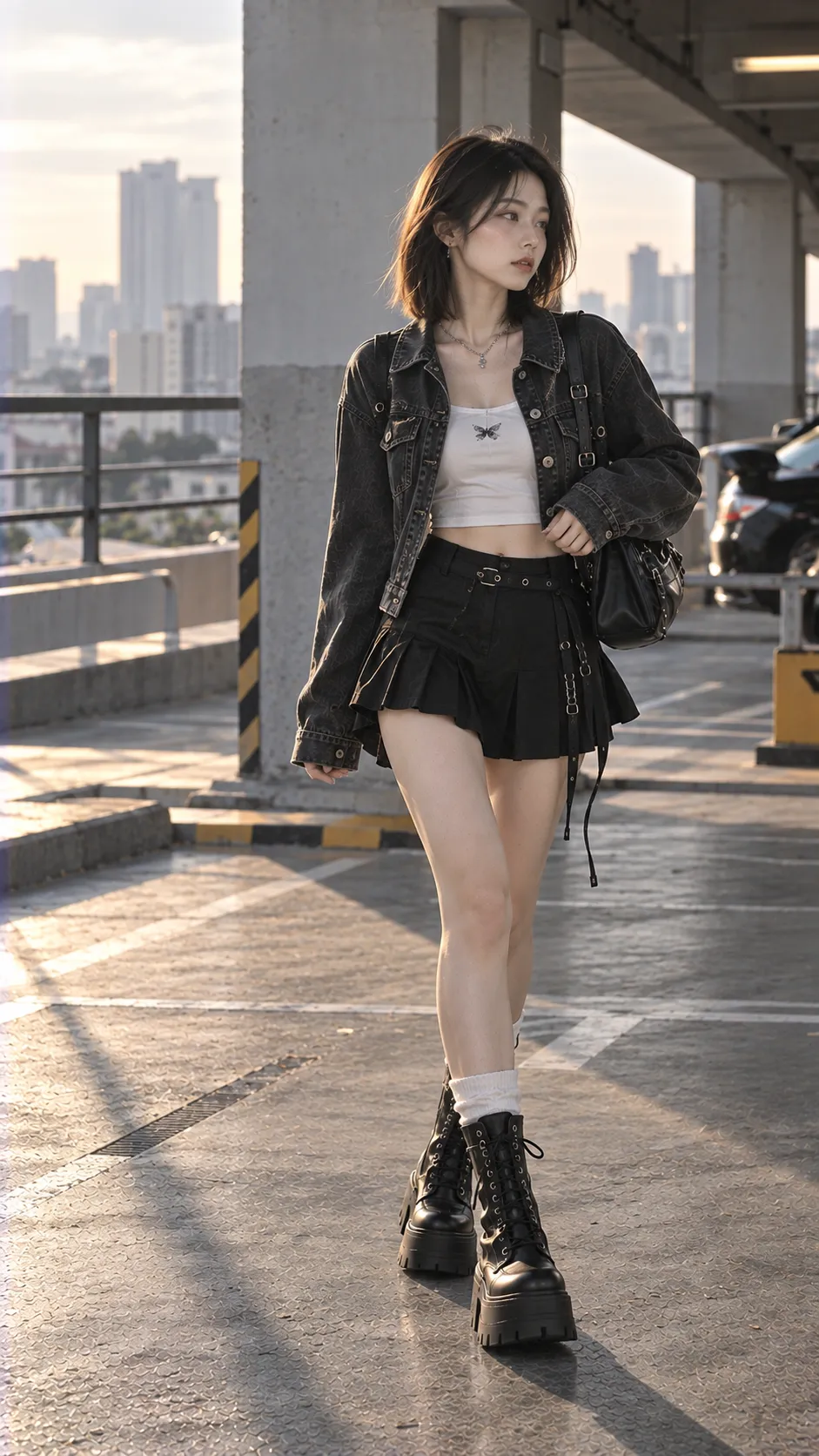
Choose a starting palette, such as black, charcoal, ivory, dark denim, burgundy, silver tones or cool browns for a dark direction. Then choose proportions—fitted waist, roomy shapes, minis, layers or wide legs—and add details afterward. These are optional examples rather than a uniform.
For a wardrobe plan, see building a dark-aesthetic wardrobe . For the Vietnamese domestic-label terminology and buying decision, see what local brand means to assess garments beyond a currently popular image.
Further aesthetic references
Further references: Barbiecore (Vietnamese), Cutecore (Vietnamese), Gyaru (Vietnamese), Harajuku Style (Vietnamese), Kidcore (Vietnamese), McBling (Vietnamese) and Ulzzang Style (Vietnamese).
References
The following sources provide terminology and published context; practical outfit applications remain editorial interpretations:
- Merriam-Webster — Aesthetic — definitions and usage of the term.
- Vogue — The Aesthetics, -Cores, and Microtrends That Defined 2023 — a dated account of online fashion labels, rather than a claim about current popularity.
Styling applications are Apocalypse Closet’s editorial suggestions using the site’s outfit references.
Three contrasting style systems
An aesthetic is more than a palette. These three systems illustrate contrasting ways of organizing an outfit: Preppy uses collegiate references and garment structure; Sporty Chic uses sports-inspired pieces and movement-oriented combinations; Techwear assesses functional materials, storage and weather protection rather than assuming a technical appearance proves performance.
- What is Preppy style? — compare blazers, knits, polos and loafers beyond a costume-like copy.
- What is Sporty Chic? — consider movement, setting and actual garment properties.
- What is Techwear? — distinguish functional construction from decorative cyberpunk cues.
Frequently Asked Questions
What does aesthetic mean?
It can refer to aesthetic qualities or, in online fashion usage, a visual framework recognizable through color, material, shape, setting and mood. The word also has wider meanings beyond internet labels.
What does aesthetic mean in fashion?
It describes visual relationships across clothing, proportions, details and presentation. Hair, makeup and setting can contribute, but a coherent outfit does not require every element to match one named category.
How does aesthetic differ from style?
This guide uses style mainly for ways of dressing and aesthetic for a broader visual framework. The terms overlap in everyday use; this is a practical distinction, not a universal rule.
How can a beginner choose an aesthetic?
Start with preferred mood, comfortable proportions and existing clothes. Try three to five useful basics or combinations before making several purchases. A label is optional and can change.