

What Is Classic Style? A Versatile Women's Wardrobe
Classic Style emphasizes balanced proportions, clear cuts and pieces that can be recombined across seasons. It offers a familiar base for changing preferences rather than requiring a new wardrobe for every trend.
In this guide: we explore Classic Style as a versatile garment system, distinguish it from Old Money, Quiet Luxury and Minimalism, and adapt it into a darker Apocalypse Closet palette. Versatility does not guarantee a garment's physical lifespan.
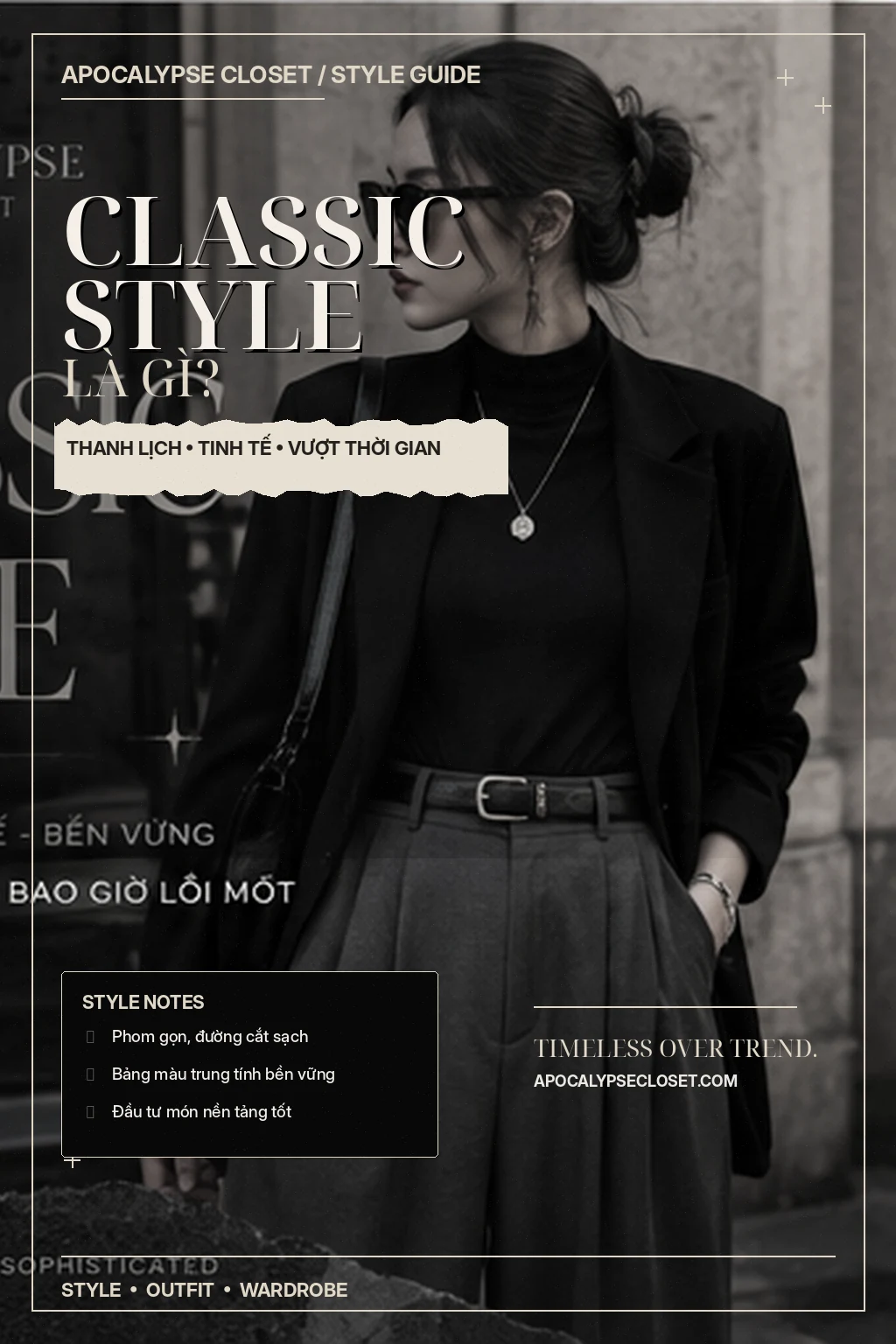
Guide collection: Aesthetic Dictionary: A Guide to Fashion Styles (Vietnamese)
Classic Style uses familiar, repeatedly adaptable silhouettes: blazers, shirts, knits, straight trousers or jeans, simple skirts and dresses, defined shoes and shaped bags. Trends can be accents on that base rather than replacing every piece.
What is Classic Style?
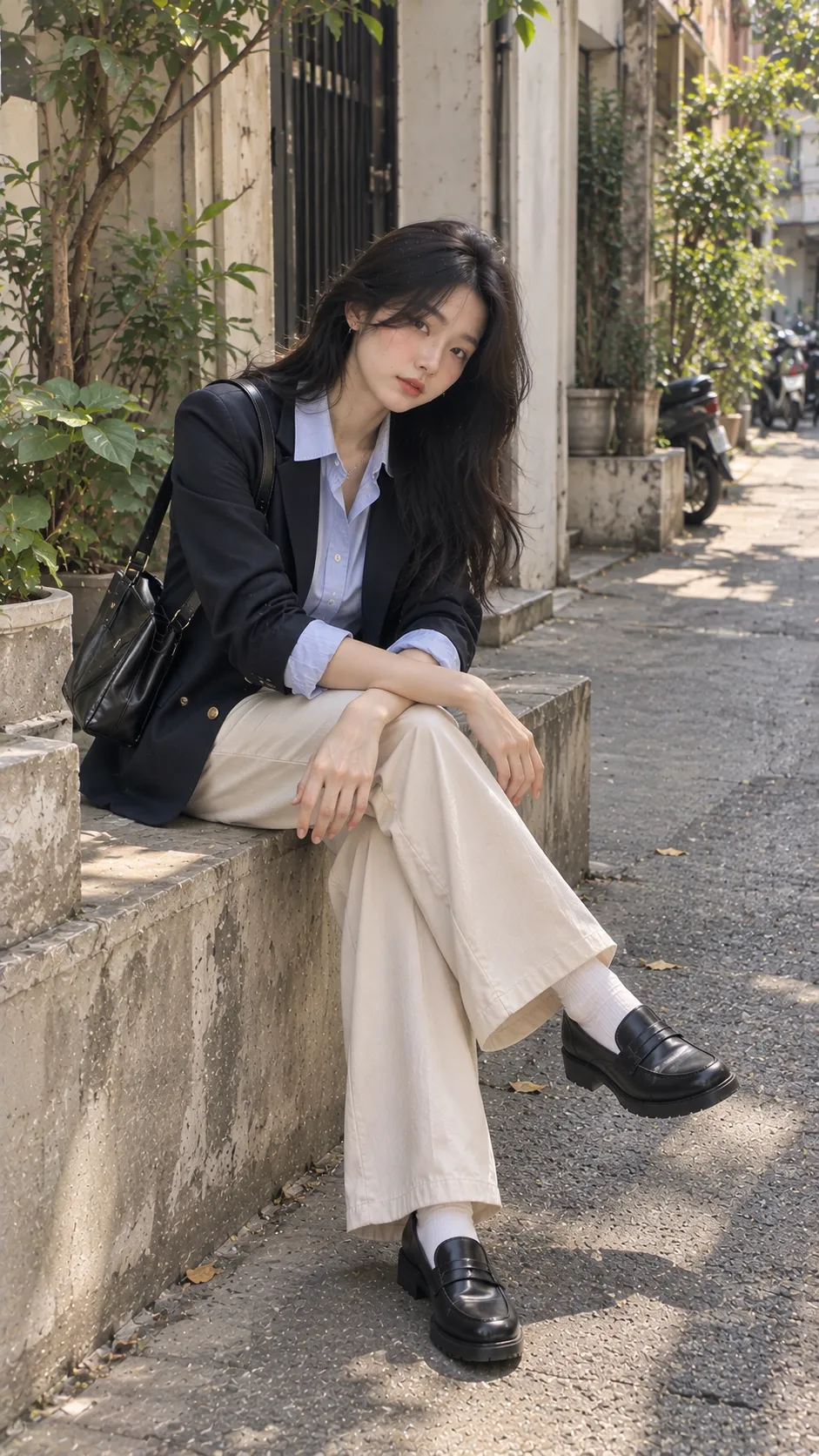
The approach favors choices less dependent on one season's detail. A blazer with deliberate shoulders, trousers with a suitable hem, a shirt or simply shaped dress can support several combinations and settings. No garment is literally timeless or suitable for everyone; usefulness depends on your routine and preferences.
Classic need not be formal. Jeans, knit and loafers can be casual; a tee, blazer and sneakers can provide a contemporary combination. The emphasis lies in cuts and relationships rather than always appearing ready for a meeting.
Classic is broader than Old Money
Old Money is a more specific internet aesthetic with its own social imagery. Classic Style is broader and can use denim, leather, sneakers, black or other references without suggesting inherited wealth.
Quiet Luxury emphasizes understated material and finishing cues, which still need to be assessed rather than inferred from price or branding. Minimalist Style emphasizes reducing visual noise. Classic can overlap both, but this guide centers familiar proportions and repeatable combinations.
Five ways to keep the composition current to your preferences
1. Fit before decoration. Assess shoulder, waist and hem placement before prioritizing ornate collars or gold-colored buttons. Appropriate ease matters more than one prescribed silhouette.
2. Select one prominent traditional reference. A strongly heritage-associated blazer can take simpler contemporary pieces if you want a less literal period effect.
3. Use footwear to change the emphasis. Sneakers, slingbacks or ankle boots can alter a shirt-and-trouser composition without replacing its base.
4. Connect the palette. Neutrals are optional. Burgundy, forest, cobalt or red can work as deliberate areas within a coherent palette.
5. Allow trends you actually like. A frame shape, bag, skirt length or shoe can change the mood without requiring new core garments. There is no obligation to follow current trends.
Reusable wardrobe roles
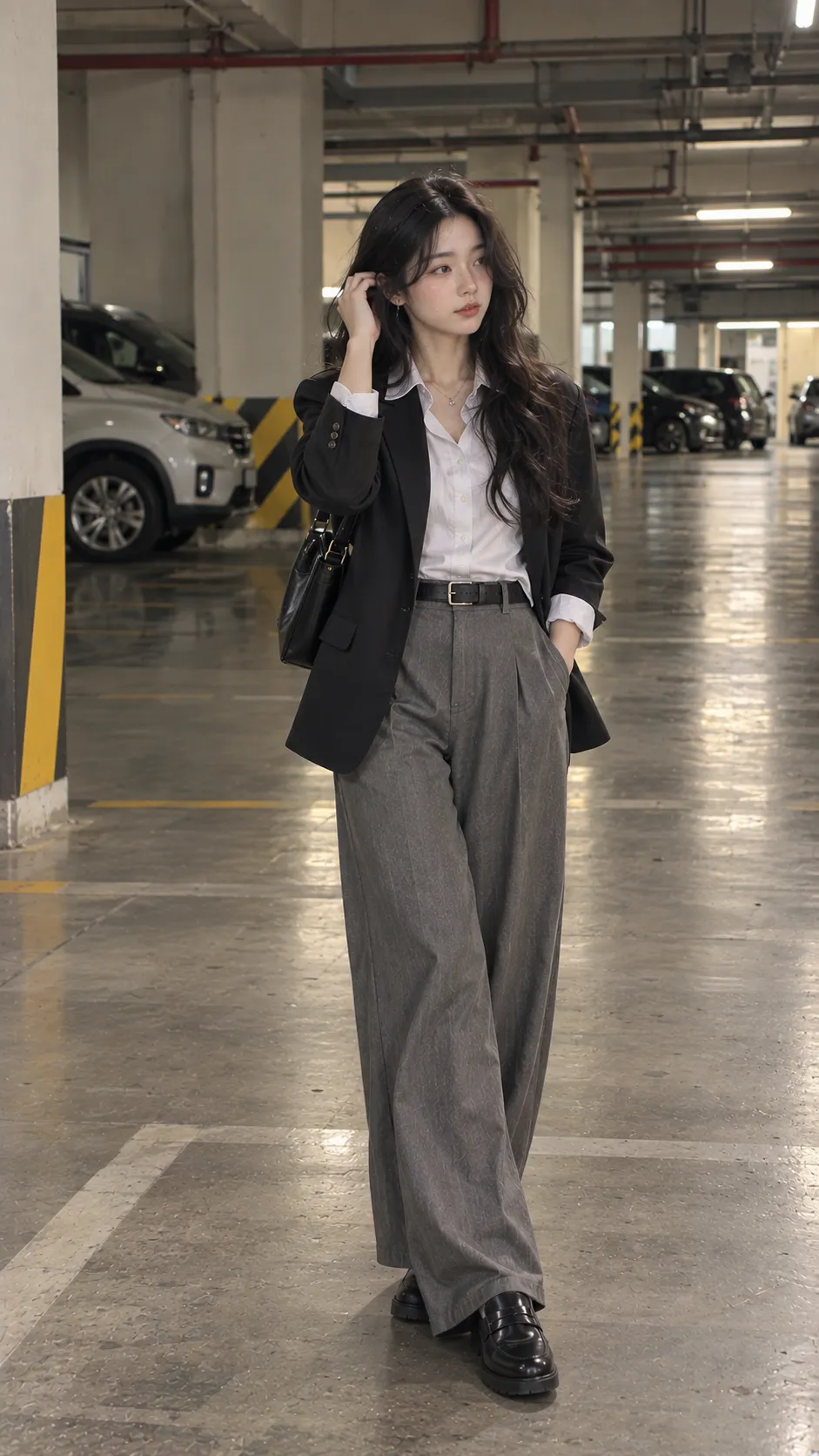
- A single-breasted blazer with shoulder placement you prefer.
- White, pale-blue or black shirts, according to your palette and actual use.
- A crewneck or turtleneck knit with suitable ease.
- Straight or lightly pleated trousers.
- Straight or moderately wide jeans.
- A cleanly cut mini or midi skirt.
- A solid-color or smaller-patterned dress with deliberate proportions.
- Loafers, ankle boots, simpler sneakers or slingbacks chosen for practical use.
- A moderately structured shoulder or crossbody bag.
This is a set of possible roles, not a shopping requirement. If shirts do not suit your routine, a knit or well-fitting tee may serve instead. A useful wardrobe supports actual wear rather than a mandatory Pinterest list.
Eight women's outfit formulas
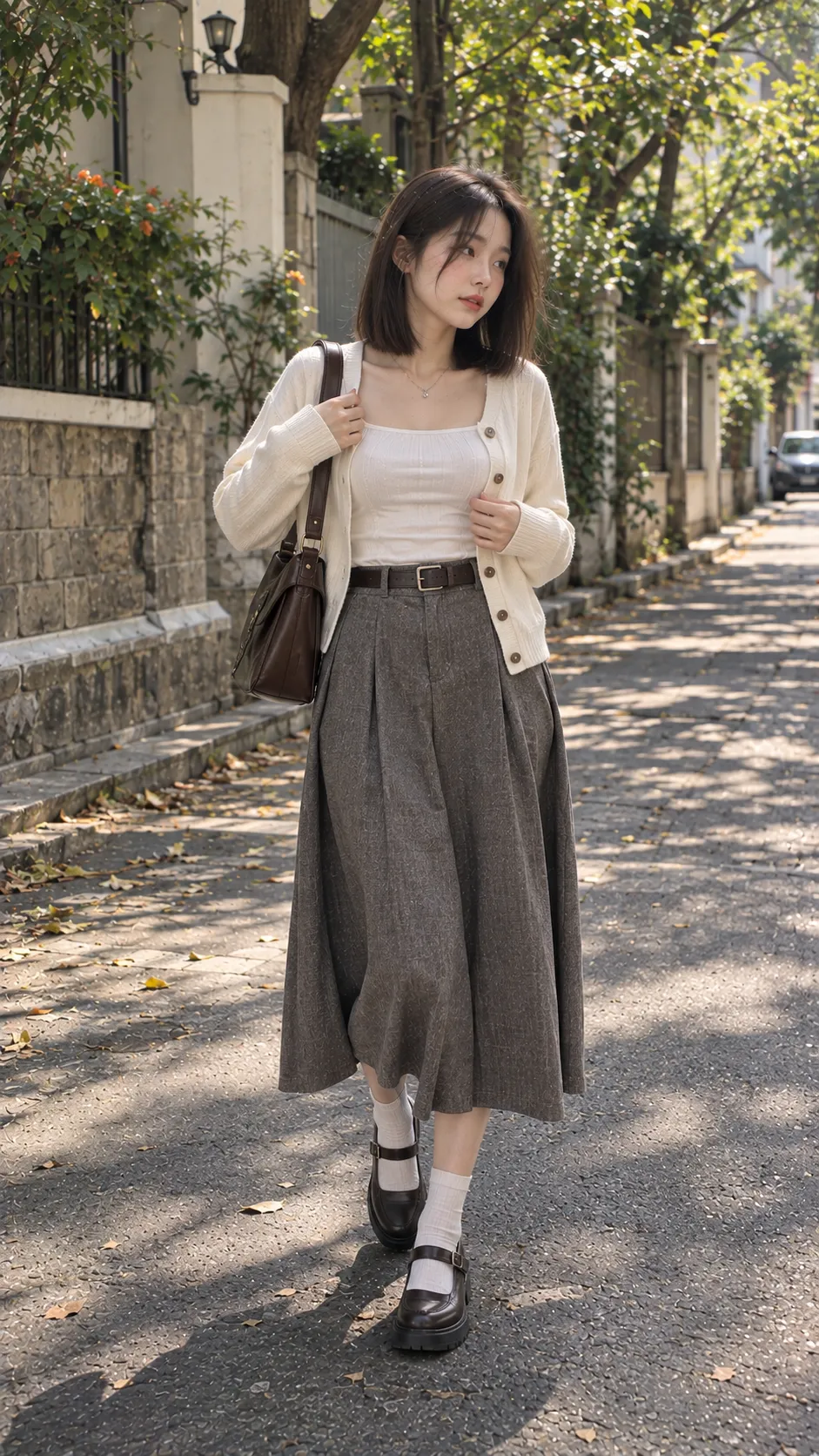
1. Blazer, tee, straight jeans and loafers. Balances formal and casual references; adapt it to the actual setting.
2. Moderately fitted knit, straight trousers and ankle boots. Creates a continuous line that can easily use a darker palette.
3. Shirt, mini skirt and loafers or Mary Janes. A shorter-skirt option; taller socks can add a Preppy reference. No skirt length is inherently tied to an age.
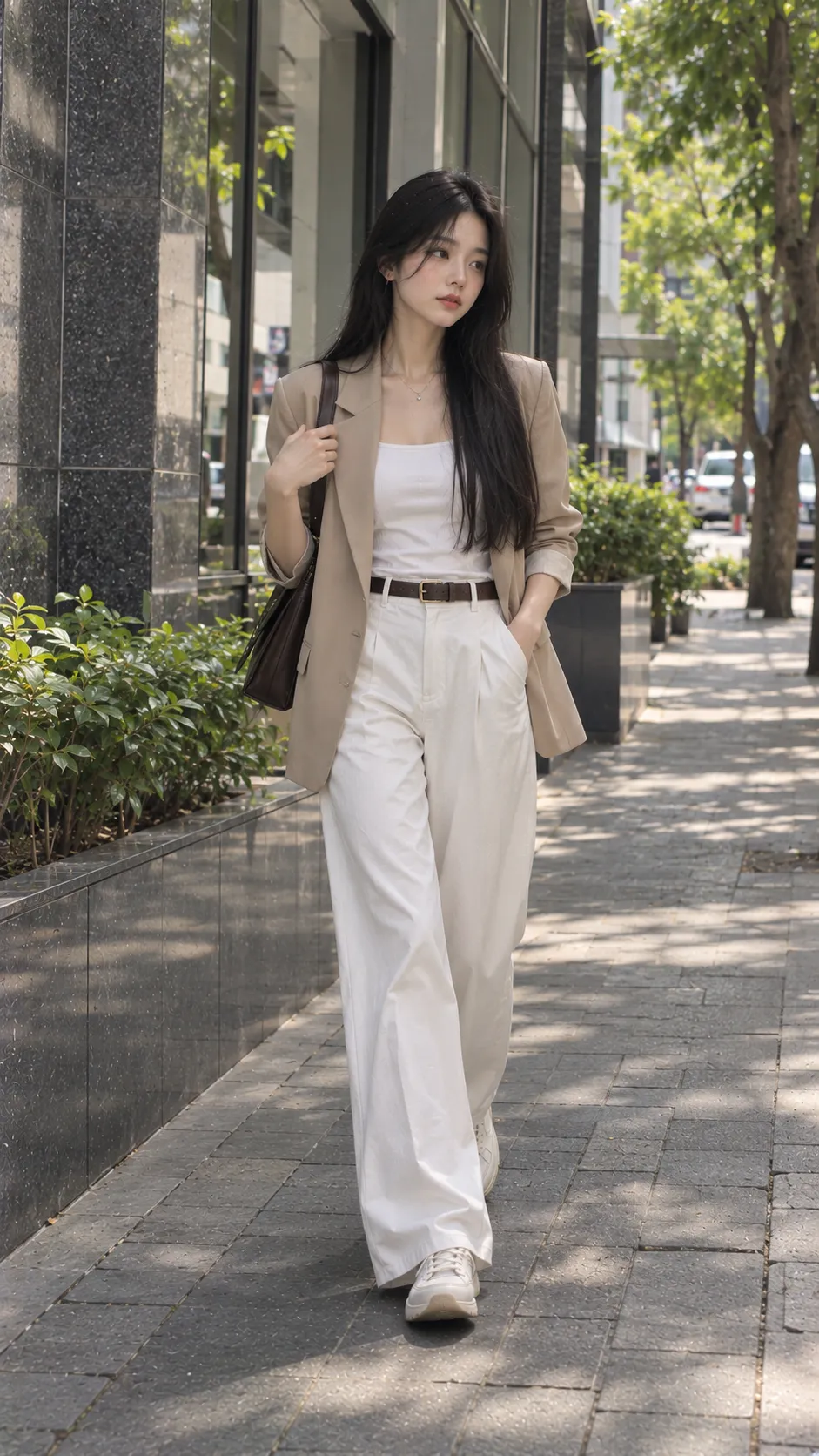
4. Tank, blazer, wider jeans and sneakers. A contemporary Classic combination close to Casual Chic or model-off-duty references.
5. Simple black dress, boots and shoulder bag. A small garment count emphasizes your preferred neckline, length and ease.
6. Cardigan, tee and trousers. A softer alternative to a blazer where less formality suits the day.
7. Relatively plain leather jacket, knit and black trousers. Introduces darker references while retaining defined garment lines.
8. Open shirt, tank, jeans and belt. Using the shirt as a layer reduces its officewear associations.
Colors beyond neutrals
Classic does not require neutrals. Navy, charcoal, cream, camel and black are useful bases, while a burgundy blazer over black, cobalt knit with jeans or olive skirt with cream can provide deliberate color blocks. Choose colors you expect to reuse rather than assuming one palette is universally superior.
Stripes, checks, houndstooth, small dots and florals are also options. A stronger pattern can take quieter accessories or simpler shoes if you want less visual competition.
Adjusting clothing proportions
Alterations can help when the underlying garment permits them. A trouser hem may be adjustable; a substantially different blazer shoulder can be more difficult and should be assessed before purchase. Choose midi endpoints according to your preferred composition rather than one compulsory length.
Optional adjustments include shorter jackets, higher rises or a continuous trouser crease for a different leg-to-torso relationship; a straighter drape or changed blazer length for a different hip emphasis; or more moderate lapels and shoulder volume. No height, hip or shoulder shape requires correction to wear Classic Style.
Accessories and finishing
A belt, watch, hoops, small pearl-like detail, scarf, defined bag or clean shoes can finish the outfit. Use only what serves it. A blazer and loafers may need little extra; a tee and jeans can take a belt or watch as a focal accent.
Traditional femininity is optional. Chunkier silver jewelry, black glasses, square-toed boots or a geometric bag can work within clear garment relationships.
Dark Classic
Dark Classic retains the garment base through black, charcoal, burgundy, navy, leather and silver accents. Try a black blazer, square-neck top, straight trousers and pointed boots, or gray knit, black skirt, leather jacket and loafers.
For a stronger Dark Feminine reference, adjust waist definition, neckline or lace and satin selectively. For Goth references, consider silver, footwear and dark texture combinations. The Classic base can organize these additions without requiring every signal at once.
Adapting to different occasions
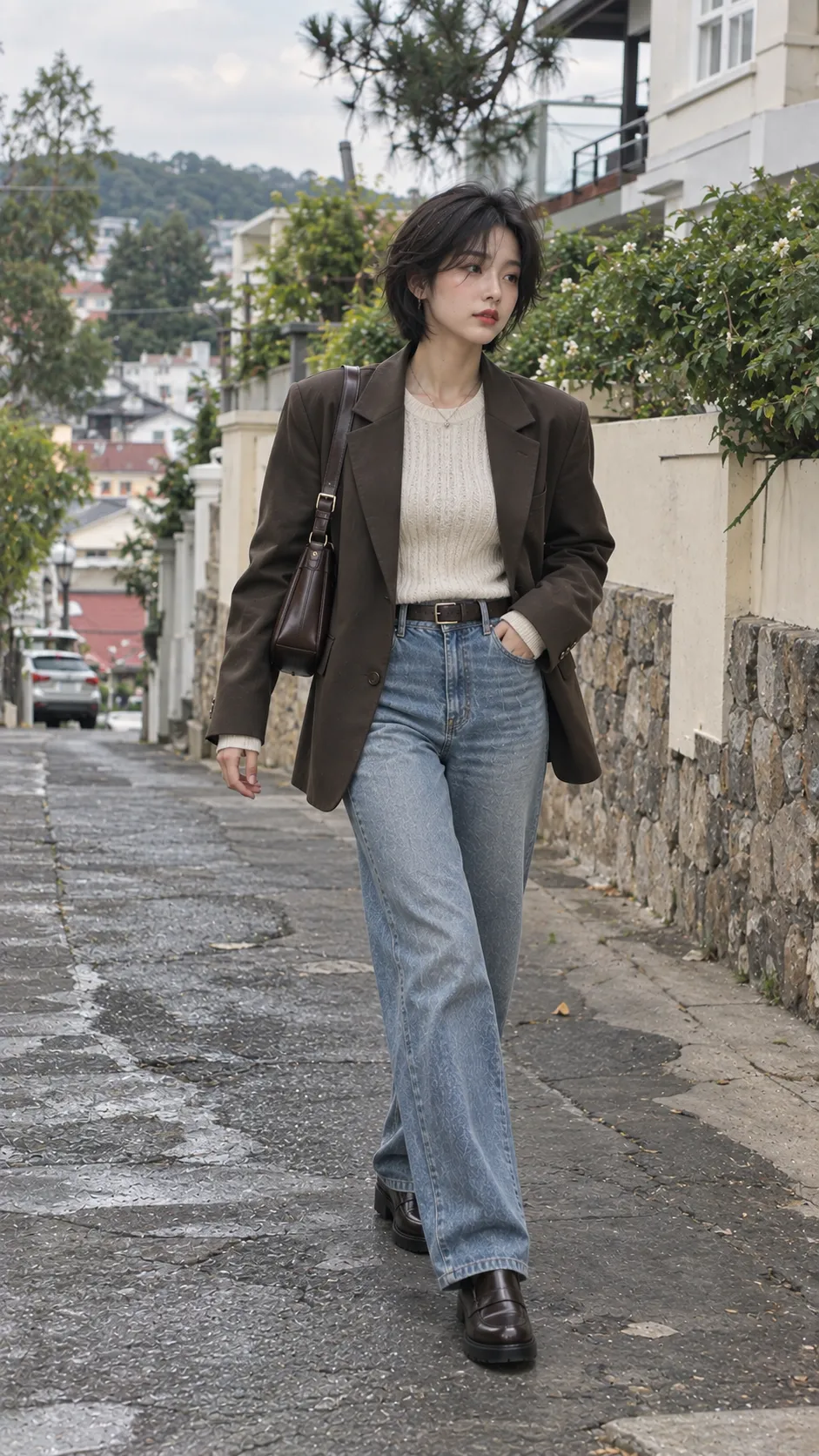
For work where permitted, try knit or blazer with trousers and loafers. For a café, use jeans, tee or knit and a jacket. For dinner, consider a dress or top-and-bottom combination with suitable shoes. For a more formal event, check the actual invitation before reducing denim or adding dressier surfaces.
One change can alter the emphasis: a blazer over a tee, or different shoes with a dress. Reusable pieces may offer a lower cost per wear if they are actually worn more, but price, category or a Classic label does not guarantee that outcome.
Measurements and construction before purchase
For blazers, inspect shoulder, sleeves, length and lining. For trousers, check rise, waist, hips, inseam and drape. For knits, inspect existing pilling, stretch, recovery and care requirements. For shoes, assess toe room, sole flexibility, construction and heel stability for your activities.
An expensive investment piece is unnecessary. Prioritize garments you will use and alterations that are feasible. A correct hip fit with an adjustable hem may be more practical than a blazer with unsuitable shoulders; confirm with an alterations professional where needed rather than assuming every fit can be repaired.
Seven styling mismatches
- Combining every traditional reference when you want a quieter or more contemporary composition.
- Choosing unwanted length or volume because timeless clothing is assumed to require maximum coverage.
- Restricting yourself to beige, white and navy despite preferring other colors.
- Following a must-have list unrelated to your actual routine.
- Overlooking feasible hem or fit adjustments.
- Treating Classic as interchangeable with Old Money and adding status symbols you do not want.
- Retaining a period-specific shoe, bag or proportion after your preferences have changed, simply because the label suggests it must be permanent.
You can keep familiar garments while changing frames, bags, shoes, jewelry, tucks or layering relationships. A blazer may work with loafers, chunkier sneakers or pointed boots as your preferences change. The value lies in adaptable combinations rather than looking a particular age or following every new trend.
Treat timeless as a question, not a guarantee. Imagine whether you would still want the garment in five years: is its appeal dependent on one detail, does its care suit your routine, and can it combine with several existing pieces? Check construction and care information rather than assuming future durability. This is a thought exercise, not a test proving five years of wear.
The five-year thought exercise
A familiar base for changing preferences
Choose shapes and combinations suited to your actual schedule, then add trends, darker references or accessories when useful. Classic Style can support changing preferences without requiring identical outfits or a complete restart each time.
Frequently Asked Questions
What is Classic Style?
An approach using familiar silhouettes and repeatable garment relationships, such as blazers, knits, trousers, jeans, simple dresses and defined shoes. The label does not guarantee a garment's lifespan.
Is Classic Style the same as Old Money?
No. Old Money has more specific social imagery, while Classic is broader and can include denim, leather, sneakers or darker colors without a wealth-associated theme.
Which pieces should a women's Classic wardrobe include?
Start with useful roles for your own life: a suitable layer, knit or tee, trousers or jeans, perhaps a skirt or dress, and practical shoes. There is no compulsory shopping checklist.
Can Classic Style use black?
Yes. Dark Classic can use black, charcoal, burgundy, navy, leather and silver accents, with optional Dark Feminine or Goth references.
How can I keep Classic Style aligned with my current preferences?
Assess fit, choose the traditional references you want and update shoes, bags or proportions when useful. Current-looking clothing is a personal preference rather than an age requirement.
Further reading: 1930s fashion (Vietnamese), Ivy Style, Light Academia, New Look (Vietnamese), Ouji Fashion and Parisian Chic (Vietnamese).