

Vintage Style: Period References and Wearable Modern Outfits
Vintage styling is more than combining everything that looks old. Choose an era, silhouette or historical garment as an anchor, then use modern pieces to support proportion and everyday function.
This guide distinguishes vintage, retro and secondhand, identifies broad decade references and builds outfits that use the past as one layer rather than a complete costume.
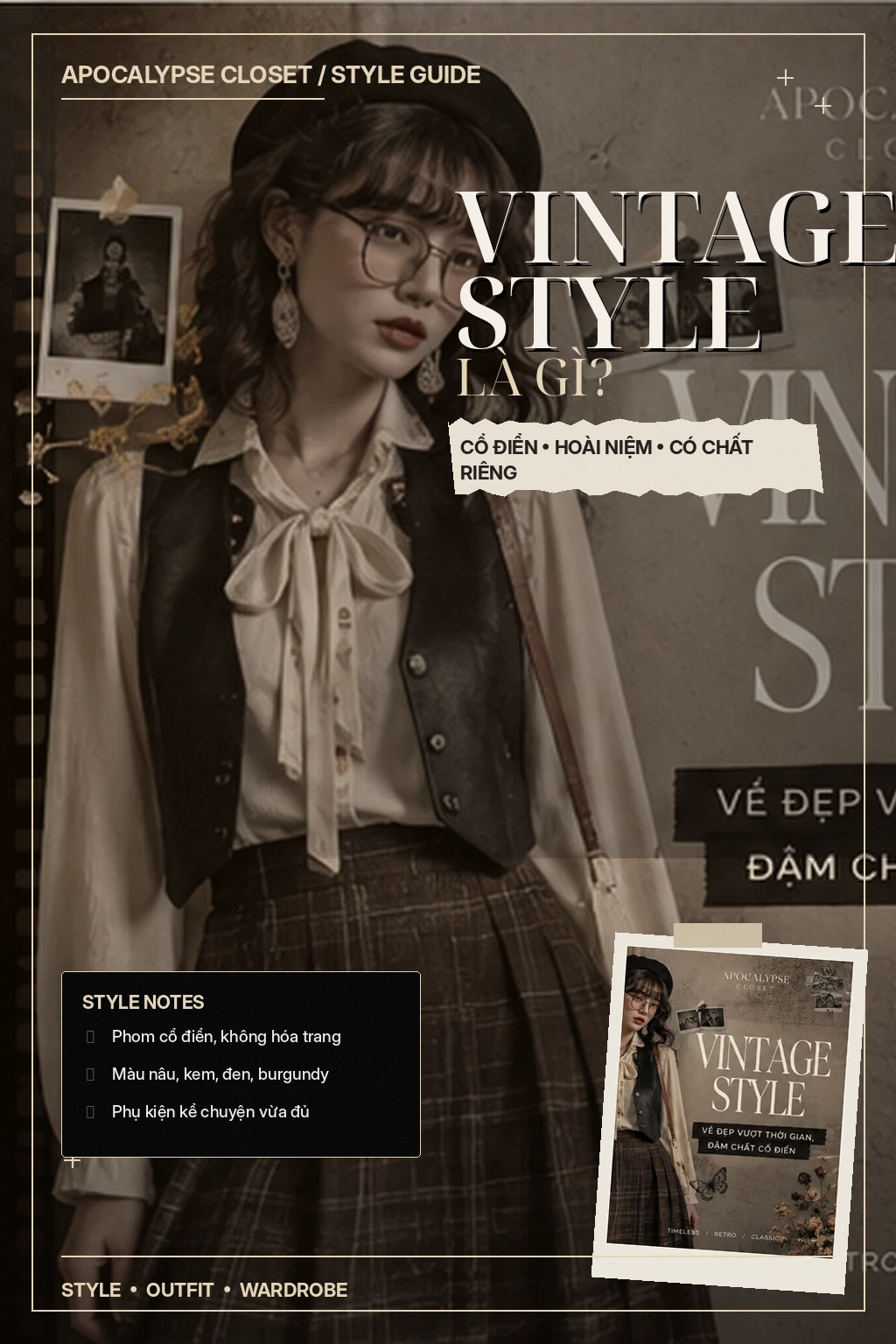
Guide collection: Aesthetic Dictionary: Fashion Style Reference
Vintage style uses garments, silhouettes, materials or details that reference an earlier fashion period. Actual older pieces, secondhand clothes and new retro-inspired products can all contribute to the look. Keep the reference coherent and the outfit practical today.
Vintage can describe an actual garment from an earlier period, while Vintage style as a styling approach uses historical silhouettes, materials, patterns or accessories in a present-day outfit. Start with an era or focal piece, prioritize suitable fit and avoid equating vintage with brown, tiny florals or all secondhand clothing.
What is vintage style?
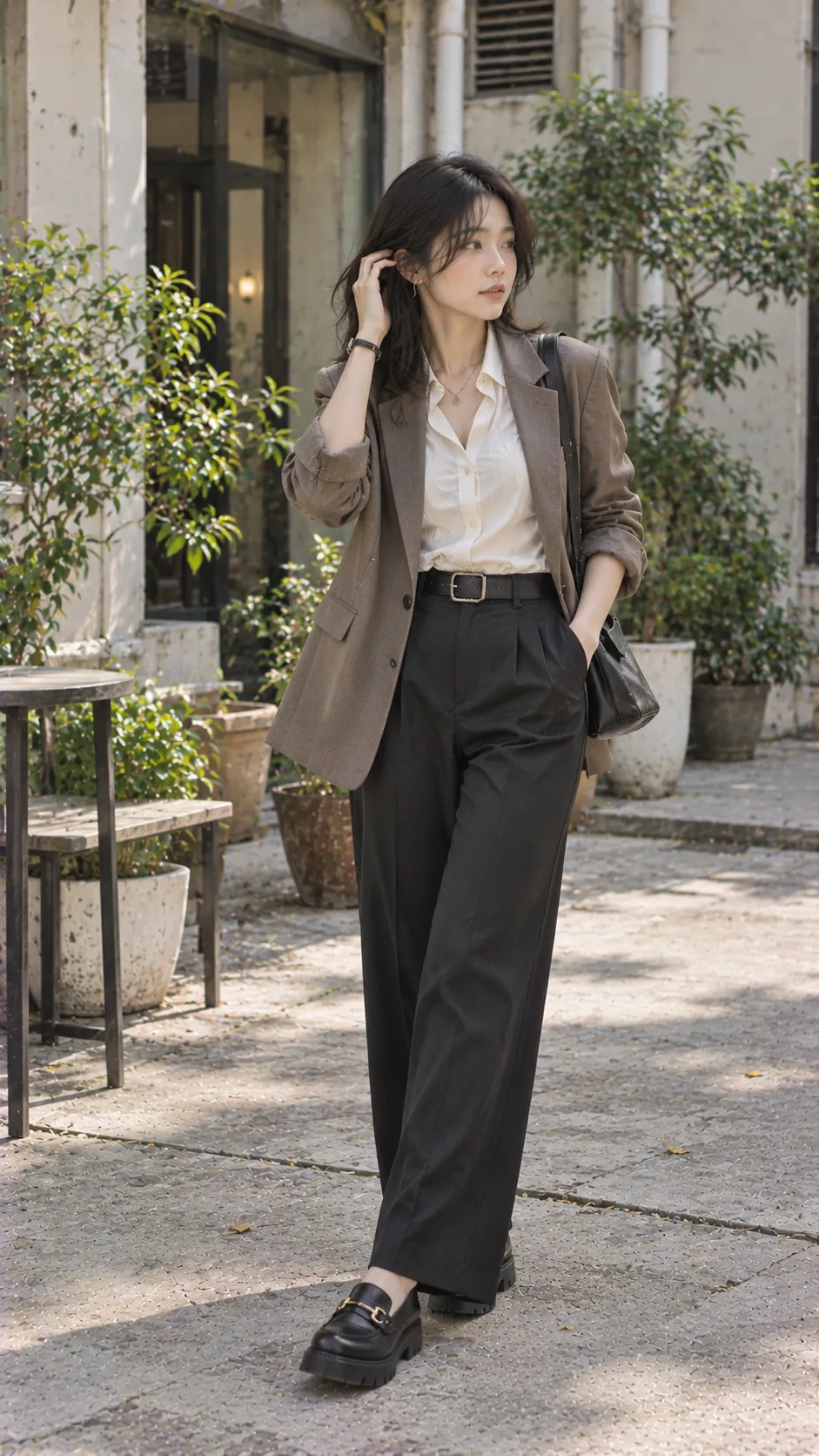
Strictly, vintage describes a garment from a significantly earlier period; precise age conventions vary. Vintage-inspired styling is broader: it can combine genuine vintage, newly made retro designs and historical silhouettes. Know which reference you are using.
Older is not automatically better. A well-shaped 1990s blazer can work with a modern tank and jeans. Combining unrelated period details without a connecting idea can instead create a theatrical effect.
Vintage, Retro, Secondhand and Antique
| Term | Describes | Example |
|---|---|---|
| Vintage | A garment’s actual age or historical period | A blazer, bag, dress or denim item made in an earlier era |
| Retro or retro-inspired | New products referencing older design languages | A newly made 1950s-inspired dress or 1970s-shaped sneaker |
| Secondhand | Previous ownership rather than necessarily age | A resold top made last year is secondhand but not necessarily vintage |
| Antique | Much older objects, often of historical or collecting interest | Historical clothing beyond customary vintage age ranges |
You need not prove a manufacture date to enjoy an outfit. The terms matter when buying: secondhand does not guarantee vintage value, and retro is not inherently counterfeit—it can simply mean new design inspired by the past.
Choose a reference period
Broad references include defined waists, full skirts and neat knits for the 1950s; flares, suede, crochet, soft blouses and earthy colors for the 1970s; stronger shoulders, denim, leather, minis and larger accessories for the 1980s; and slip dresses, straight jeans, leather jackets, restrained tailoring and Grunge for the 1990s. Early-2000s references include low rises, baby tees, cargo pants, lighter denim and small sunglasses. These are selected cues, not complete decade definitions.
You need not recreate a decade exactly. Choose a connecting reference: 1990s dark styling might combine a slip dress, leather jacket and boots; 1970s Boho, a soft blouse, flares and belt; early-2000s alternative styling, a baby tee, cargo pants and shoulder bag.
One vintage piece with modern companions
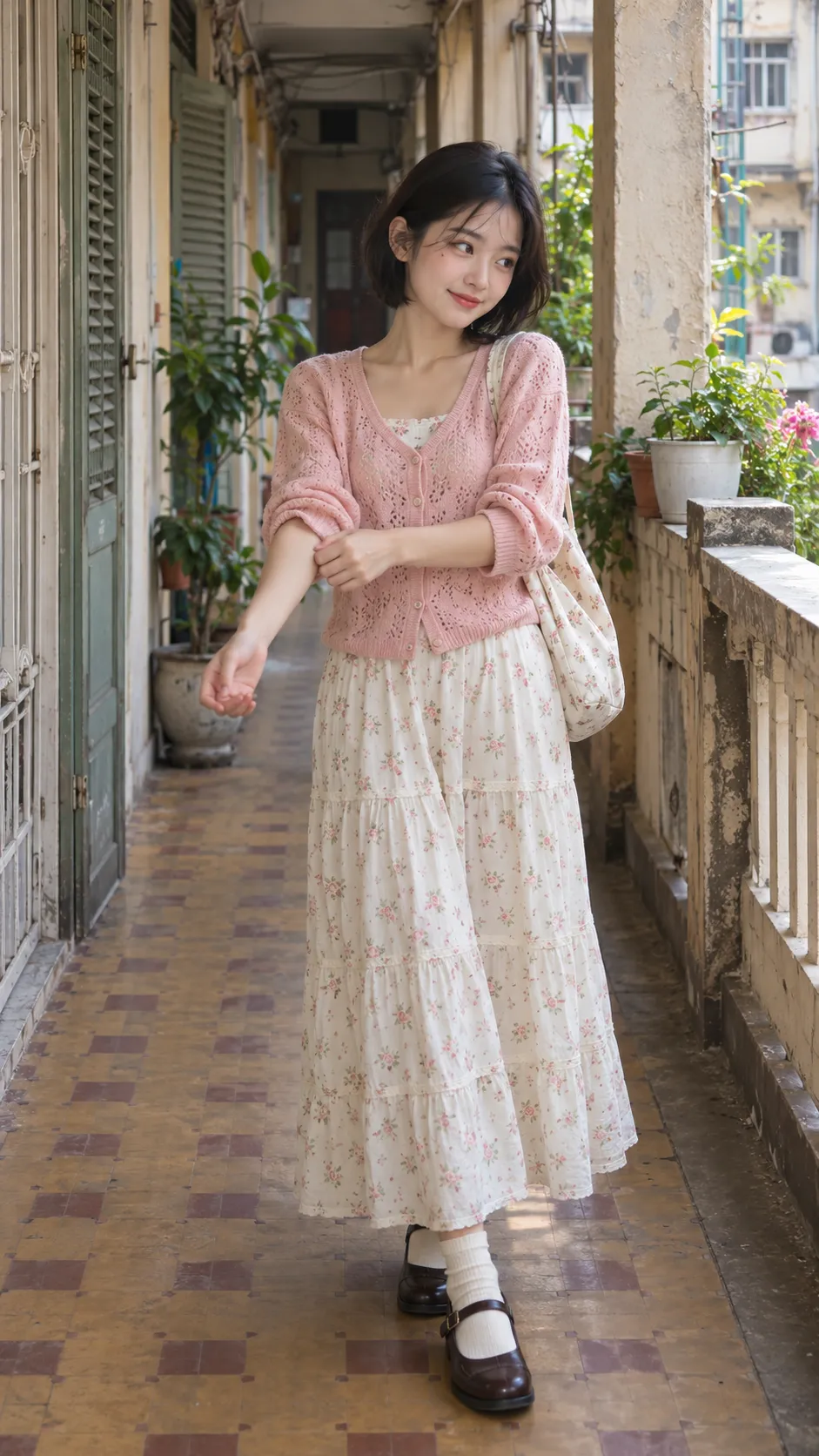
A useful starting point is one period-referencing focal piece with contemporary-fitting companions: a vintage blazer, modern tank and jeans; an older floral dress and simple boots; a secondhand graphic tee and clean-lined cargo pants; or a classic shoulder bag with monochrome clothes.
Once comfortable, combine more older pieces while retaining one clear modern element in footwear, hair, bag choice or proportion.
Eight outfit formulas
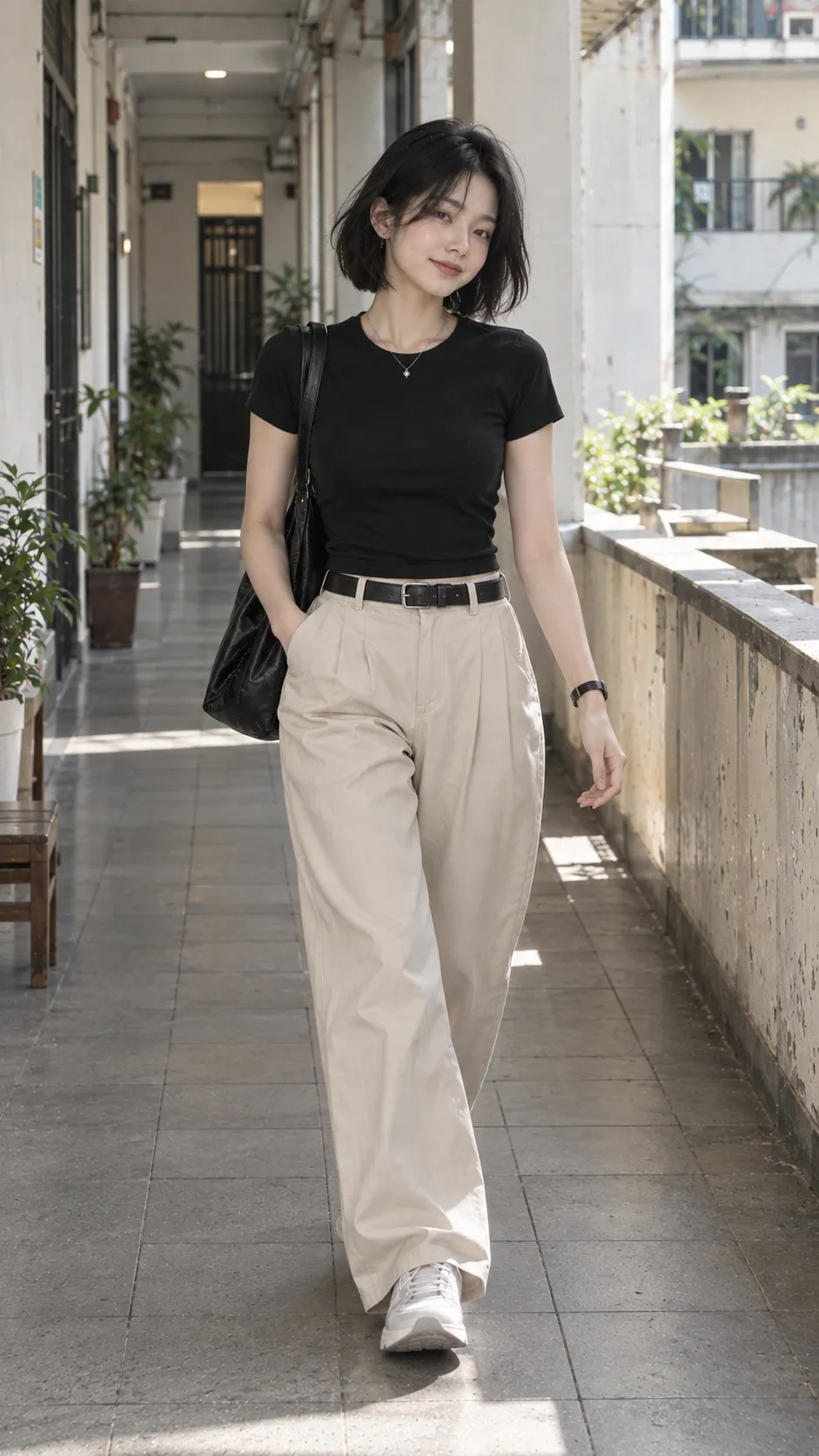
1. Vintage Blazer, Plain Tee, Straight Jeans and Loafers
The blazer supplies structure and period cues while the tee and jeans keep the outfit current. This can suit a cafe or a workplace that permits the combination without requiring a complete decade recreation.
2. Slip Dress, Cardigan and Boots
The dress and cardigan suggest a 1990s reference; boots add grounding. Contrast shiny satin with matte knitwear for surface variation.
3. Baby Tee, Flared Jeans and Leather Belt
A fitted upper half balances flares opening below the knee. Keep footwear visible beneath the hem and use a belt to connect the shapes. Rise, wash and accessories can move the reference toward the 1970s or Y2K.
4. Secondhand Graphic Tee, Mini Skirt and Combat Boots
A worn graphic supplies surface character, the mini reveals the leg line and combat boots add a Grunge influence. Extra period accessories may be unnecessary.
5. Period-Inspired Blouse, Dark Denim and Mary Janes
Distinctive collars or sleeves can become theatrical with matching period hair, skirt and bag. Dark denim provides a contemporary base; Mary Janes repeat a restrained historical cue.
6. Older Leather Jacket, Tank and Straight Trousers
The jacket’s patina provides the main texture. Simple companions let it stand out without artificial distressing. A defined shoulder and naturally aged surface can suggest 1980s or 1990s references.
7. Patterned Midi Dress and Retro Sneakers
The dress supplies pattern and movement; sneakers make it more casual. With a dense print, keep bags and jewelry simple.
8. Older Cardigan, Camisole and Modern Cargo Pants
Soft knitwear contrasts with structured utility pockets. Different period references can work together when silhouette provides a connecting idea rather than every detail matching.
Color and Texture Beyond Brown
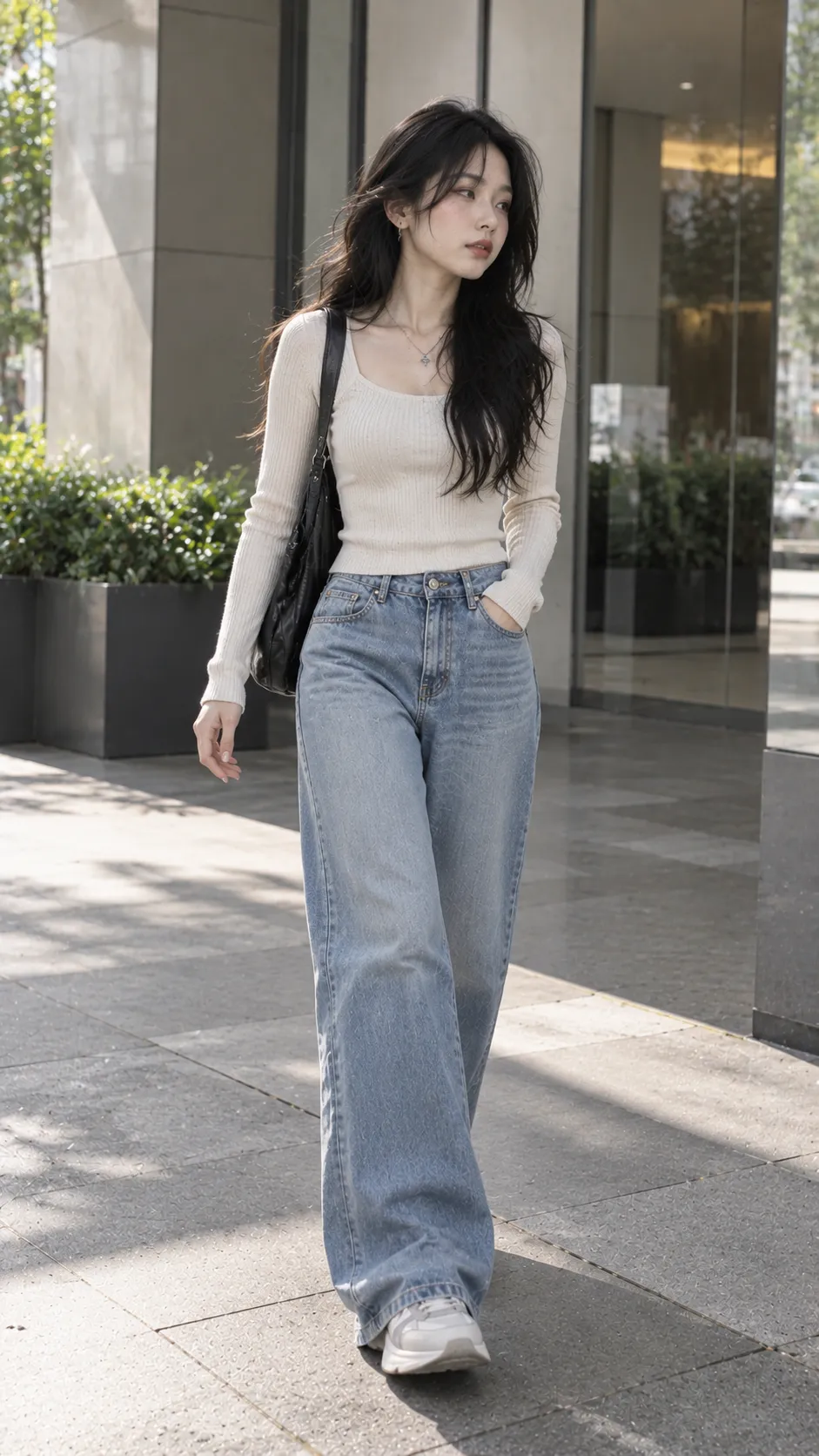
Burgundy, forest green, navy, mustard, cream, faded blue, washed black, chocolate and dusty pink can support period references. Black and silver-toned details can also work for 1990s or Gothic-inspired vintage styling.
Texture often matters more: softened denim, leather patina, knitwear, velvet, corduroy, lace, matte satin, substantial cotton and crochet.
In wet weather, consider the condition and care requirements of older leather and suede. Before buying secondhand, check cleanliness and whether you can provide appropriate care at home.
Vintage in Vietnam: Texture Without Heavy Layers
Heavy wool coats, thick knits and multiple layers can be impractical in humid heat. Retain period cues through textured cotton, suitable linen blends, manageable denim weights, light blouses, belts, bags or footwear. A breathable interpretation is more useful than a picture-perfect outfit that needs constant adjustment.
Buying Vintage and Secondhand: What to Check
Start with actual measurements rather than the tag: systems vary by brand and era. Ask for relevant shoulder, chest, waist, hip, length, rise and inseam measurements. Inspect seams, zippers, buttons, underarms, collars, hems and lining, then check odors and stains.
For leather, inspect cracking and peeling; for knits, small holes and pilling; for denim, the crotch and knees. Identify the material before deciding what wear is acceptable.
Adjust the Garment to Your Preferred Proportions
Older cuts reflect different sizing systems and wearing habits, so alterations can be useful. Decide whether you want to emphasize shoulders, waist, leg line or movement before changing hems, buttons, shoulder pads or waist placement. For historically important pieces, consider conservation before irreversible alterations.
For a longer visual leg line, try a shorter jacket, higher waist or flares meeting the shoes. For softer movement, try a longer cardigan, draped skirt or vertical layer. These are optional visual effects rather than rules for a particular height or body shape.
Vintage with Dark and Alternative Fashion
Many alternative styles draw from earlier decades. Grunge can use older band tees, cardigans, denim and leather. Dark Feminine can combine lace, velvet, corset-like seams, slip dresses or classic bags. Goth-influenced references might use high-neck blouses, velvet, oxidized-looking silver details and boots.
For a dreamier direction, Whimsigoth offers many vintage-feeling fabrics and accessories. For a rougher, worn effect, Grunge can retain natural signs of use.
Care for Patina Without Encouraging Damage
Follow a surviving care label and assess condition first. Cool, gentle washing may suit some washable fabrics, but handwashing is not safe for every old garment; seek specialist advice for uncertain fibers, dyes, embellishments or fragile pieces. Avoid harsh sun on dark colors, use material-appropriate leather care and store heavy knits folded rather than hanging.
Seven Vintage Styling Mistakes
- Mixing many decades without a connecting reference.
- Making every garment and accessory period-specific when you want an everyday outfit.
- Choosing only brown or small florals rather than considering silhouette and materials.
- Trusting the tag instead of measurements.
- Ignoring secondhand fabric condition.
- Keeping an unsuitable fit without considering appropriate alterations or the piece’s historical value.
- Confusing vintage and retro, then unnecessarily restricting where you shop.
A Beginner’s Anchor Piece
Start with one manageable reference rather than an entire decade outfit: a blazer, bag, belt, cardigan, graphic tee or retro-shaped shoe.
Use the Past as a Reference Layer
Choose an era or focal garment, keep the companions practical and prioritize fit.
Explore related topics: 1930s fashion, Mori Kei, New Look, Rockabilly and Slip Dresses.
References
These sources offer terminology and historical context:
- Vogue — What Is Considered Vintage? — how vintage is defined and discussed in fashion.
- Vogue — The Boom in Vintage Clothes — historical context for the vintage market and wearing older garments.
Styling suggestions are Apocalypse Closet editorial interpretations based on the website’s outfit collection.
Frequently Asked Questions
What is vintage style?
It uses garments, silhouettes, materials or details referencing an earlier fashion period while adapting the combination to present-day life.
How does vintage differ from retro?
Vintage generally describes an actual older piece; retro commonly describes a newly made item inspired by earlier styles.
How can I avoid a costume effect?
Use one vintage piece or decade reference as the focus, with two or three contemporary companions and suitable fit.
Should I rely on the size tag?
No. Check actual measurements because sizing varies by brand and era.
Does vintage work with dark fashion?
Yes. Leather, lace, velvet, worn denim, slip dresses, oxidized-looking silver details and band tees can connect period references with Goth, Grunge or Dark Feminine styling.