

What Is Visual Kei? Music, Hair, and Outfit References
Visual Kei is not simply Japanese Goth. It is closely connected with music, performance imagery, and artist personas built through hair, makeup, silhouette, and costume. Dark, romantic, Punk, and glam references can all appear within it.
This guide considers its visual language: outfit structure, hair, layers, and ways to adapt theatrical references for everyday wear while retaining their music-scene context.
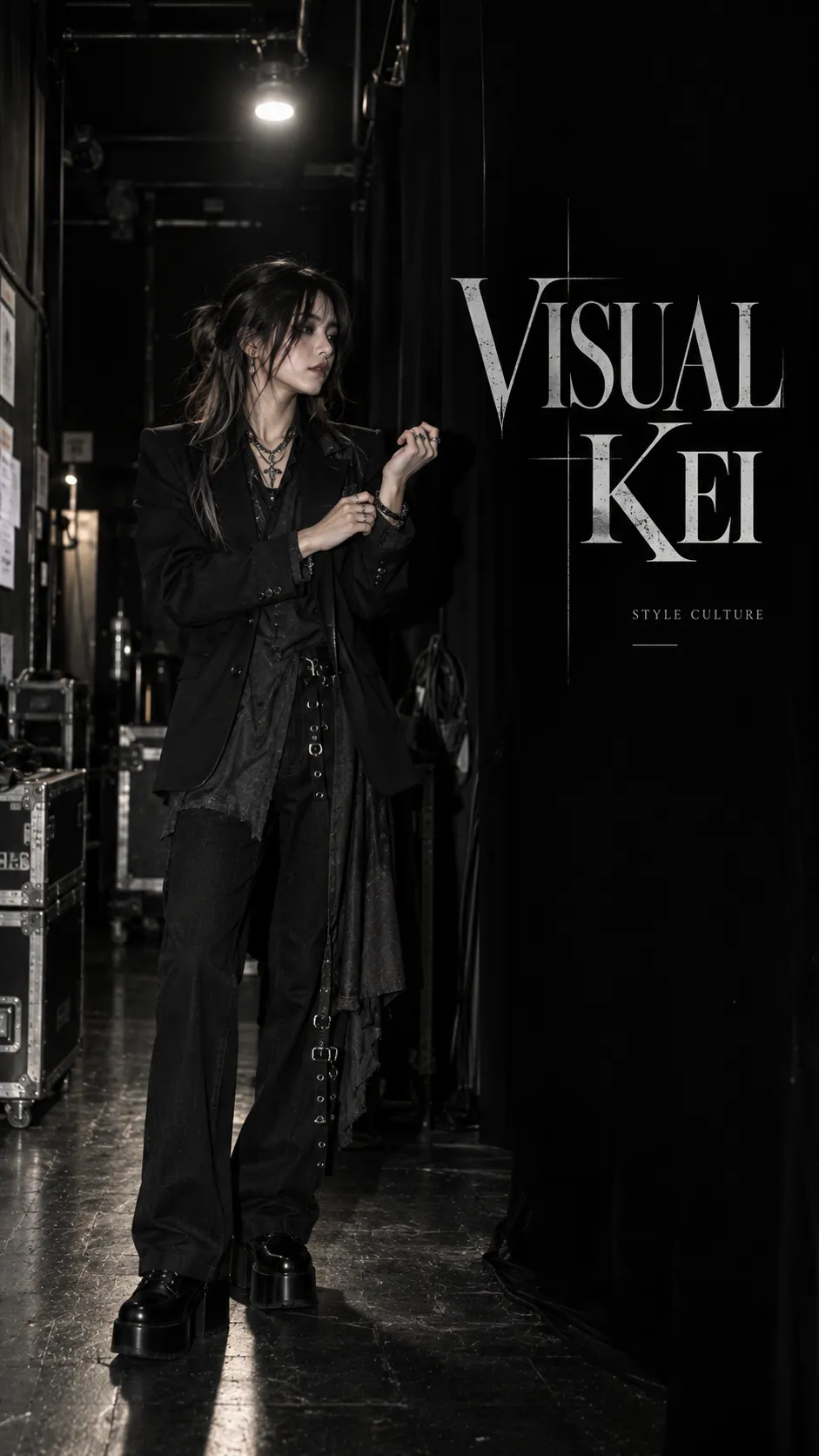
Guide collection: Aesthetic Dictionary: A Guide to Fashion Styles (Vietnamese)
What Is Visual Kei?
For Visual Kei, begin with Japanese popular music and the importance of artists' visual presentation: clothing, hair, makeup, gender presentation, and stage personas. Scholarly discussions examine image and music together rather than one compulsory fashion checklist.
Appearances can differ substantially between artists or phases of an artist's work: darker Gothic references, reflective glam, asymmetric Punk, high-neck romantic clothing, or brighter looks. Deliberate presentation is a more useful common thread than universal black clothing.
Calling it only a clothing aesthetic misses that context. In styling terms, clothes, hair, makeup, and expression can build a coherent visual identity. A black corset-inspired top and platforms alone may produce a dark outfit without communicating a particular Visual Kei reference.
Goth and Visual Kei can share black, lace, leather, or dramatic makeup without becoming identical. Each has music and cultural contexts; Visual Kei's range is not limited to Gothic imagery. The Goth style guide covers Goth separately; this article retains the Visual Kei context.
Four Visual Axes for Reading the Outfit
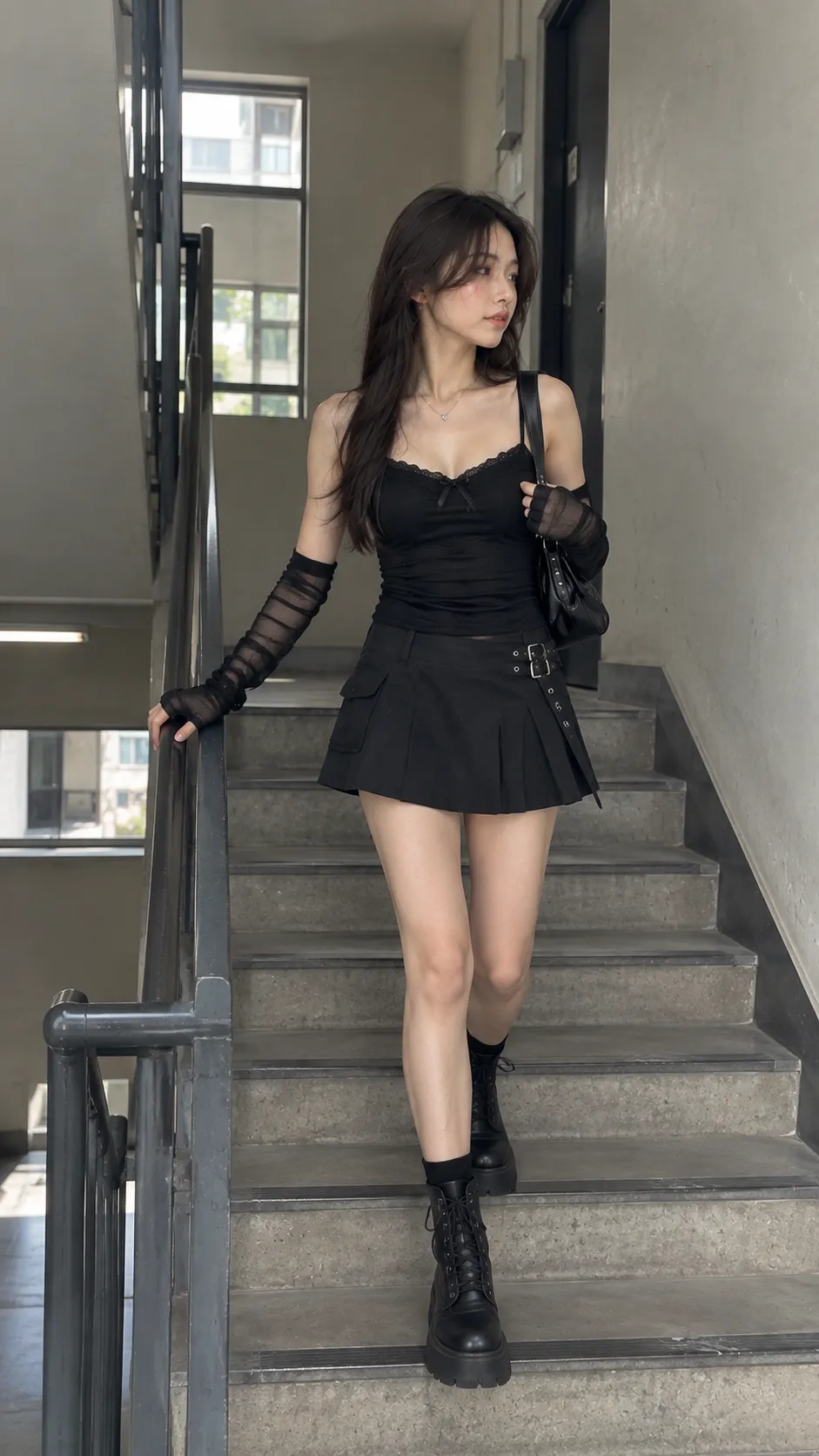
Instead of relying on a product label, assess four relationships. They help explain why a dark outfit may lack a specific reference, while a brighter combination can still echo an artist's visual language.
A long coat with defined shoulders, cropped jacket with slim trousers, or fitted top with lower volume establishes an outline. Extra chains or lace cannot resolve an unclear silhouette by themselves.
A base defines the body line, a middle layer adds texture, and an outer layer sets the larger outline. Harnesses, ties, chains, or scarves can connect areas rather than fill every space.
Leather beside lace, velvet beside metal, matte cotton beside satin, or soft knit beside firm hardware adds depth within a restricted palette.
Hair changes the volume around head and shoulders; liner changes the face's visual emphasis; lip and brow choices affect theatrical intensity. Consider them alongside the clothes rather than as unrelated additions.
Visual Kei Has No Single Uniform
Visual Kei style can combine different visual systems. Begin with romantic high collars, lace, and velvet; Punk leather and zippers; glam satin and metallics; or restrained dark clothes with more emphasis on hair, makeup, and hardware.
Choose a leading direction instead of asking which item is most authentic. Romantic softness can meet a firmer counterpoint; hardware needs visible space; strong shine benefits from quieter supporting surfaces.
A deliberate outfit can include:
- One clear silhouette at thumbnail scale: shoulders, waist structure, a long coat, asymmetric bottoms, or substantial footwear.
- A leading group of textures rather than many equally prominent materials.
- One theatrical emphasis at the hair, makeup, collar, sleeves, coat tails, or footwear rather than every area at maximum intensity.
- Repeated details connecting the combination, such as silver hardware at belt, boots, and jewelry.
Dark color can provide a foundation, but shape, texture, and visual persona do more work than all-black clothing alone.
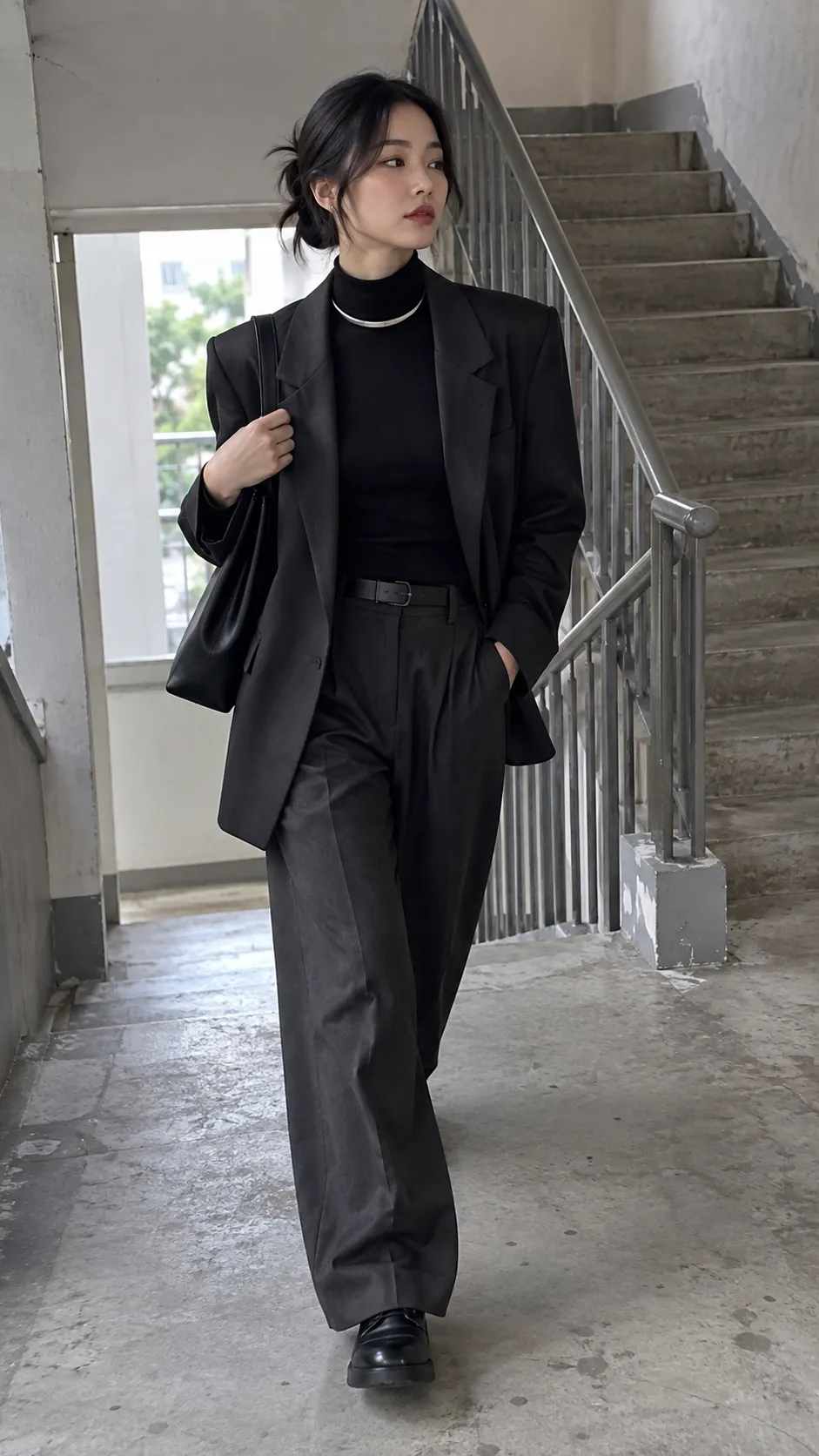
Eight Outfit Formulas: Stage References to Everyday Adaptations
Fitted Black Top, Long Coat, Slim Trousers, and Platforms
Let the coat carry the drama over a compact base. Removing it can leave a more practical everyday combination.
High-Neck Blouse, Corset-Inspired Belt, and Straight Black Trousers
The blouse provides romantic references, the belt a waist axis, and straighter trousers a quieter lower area. Streamlined boots can reduce emphasis compared with a larger platform design.
Graphic Top, Leather Jacket, and Slim Bottoms
An adaptable Punk-oriented route. Select a belt or chain rather than many equal hardware details, leaving hair or liner to carry another reference.
Sheer Layer, Tank, Tailored Trousers, and Boots
Mesh or sheer fabric introduces depth without necessarily adding heavy bulk. Tailoring provides a sharper outline distinct from a purely casual layering combination.
White Shirt, Black Vest, Narrow Tie, and Platforms
Begin with tailoring and alter a proportion: a longer shirt beneath the vest, a narrow tie, or more substantial boots. A restricted palette leaves room for hair and eye makeup.
Asymmetric Top, Wide Trousers, and Pointed Boots
Slim trousers are optional. Wider bottoms can work when the top's cut is clear and the footwear creates a deliberate ending beneath the hem.
Velvet Top, Leather Bottoms, and Silver Hardware
Two contrasting materials already provide depth. A simpler silhouette can keep velvet, leather, and metal from competing.
Monochrome Base, Distinctive Hair, and One Dramatic Layer
A familiar darker base can support shaped hair, liner, and one strong jacket or coat without buying many specialized garments.
These outfit formulas need not make every item exceptional. A clear leading piece, defined silhouette, and connecting details may communicate more than several competing statements.
Visual Kei Hair: Shape Before Color
Visual Kei hair is often associated with layered cuts, substantial volume, diagonal fringes, lifted crowns, or contrasting sections. Color alone does not establish its relationship with an outfit.
Treat hair as an extension of the shoulder area. Crown volume can connect with structured jackets; diagonal fringes can echo asymmetric zippers or hems; sharper layers and softer waves support different visual directions.
More voluminous hair
can meet distinct layers and substantial footwear, or lead over minimal clothes when makeup provides another connection.
More compact layers
can adapt for everyday use through a long fringe, side layers, or deliberate texture, completed by selected liner and clothing references.
Contrasting hair color
need not involve many shades. A light section, streak, or tonal contrast can create rhythm. A quieter outfit palette leaves stronger hair contrast readable.
Makeup follows the same hierarchy. Extended liner or lower-lash emphasis can sharpen the face; a quieter base or lip leaves room for prominent hair. Build a related visual persona rather than maximizing every feature.
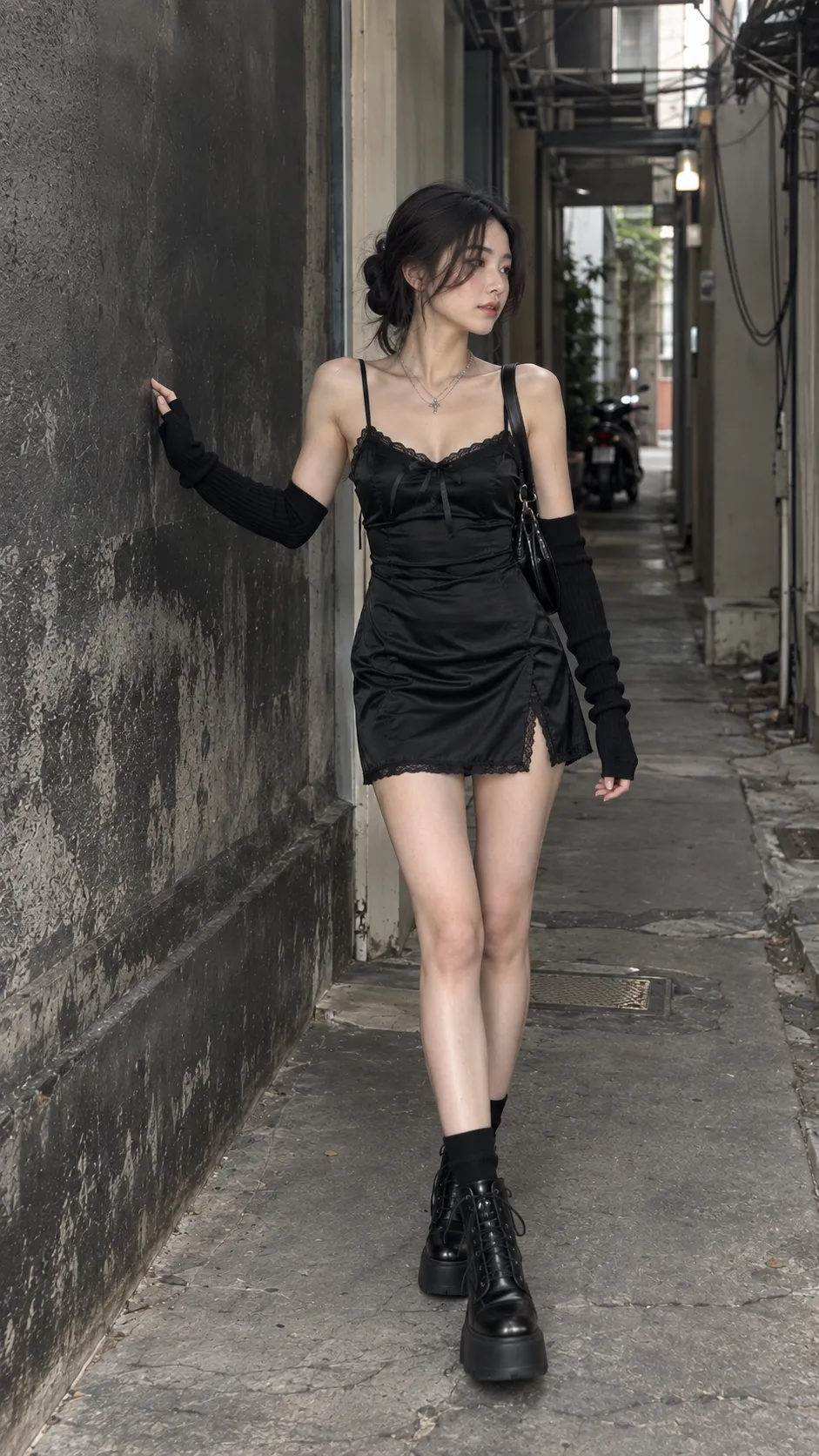
Visual Kei vs. Goth and Scene
Visual Kei
A Japanese music context with deliberate artist personas and diverse visual presentation. Gothic, romantic, Punk, glam, and other references can appear.
Goth
Has its own music, history, and subcultures. Shared dark palettes or theatrical makeup do not make it identical to Visual Kei.
Scene
Has distinct music and internet-era references, often involving prominent layered hair, bright graphics, and skinny bottoms. Hair overlap does not erase different cultural contexts.
Compare these directions through context and recognizable features. Goth Style covers Goth; What Is Scene Style? covers Scene. This article addresses Visual Kei's music and visual context alongside editorial outfit adaptations.
Use the Aesthetic Dictionary (Vietnamese) for broader navigation rather than treating every darker aesthetic as one category.
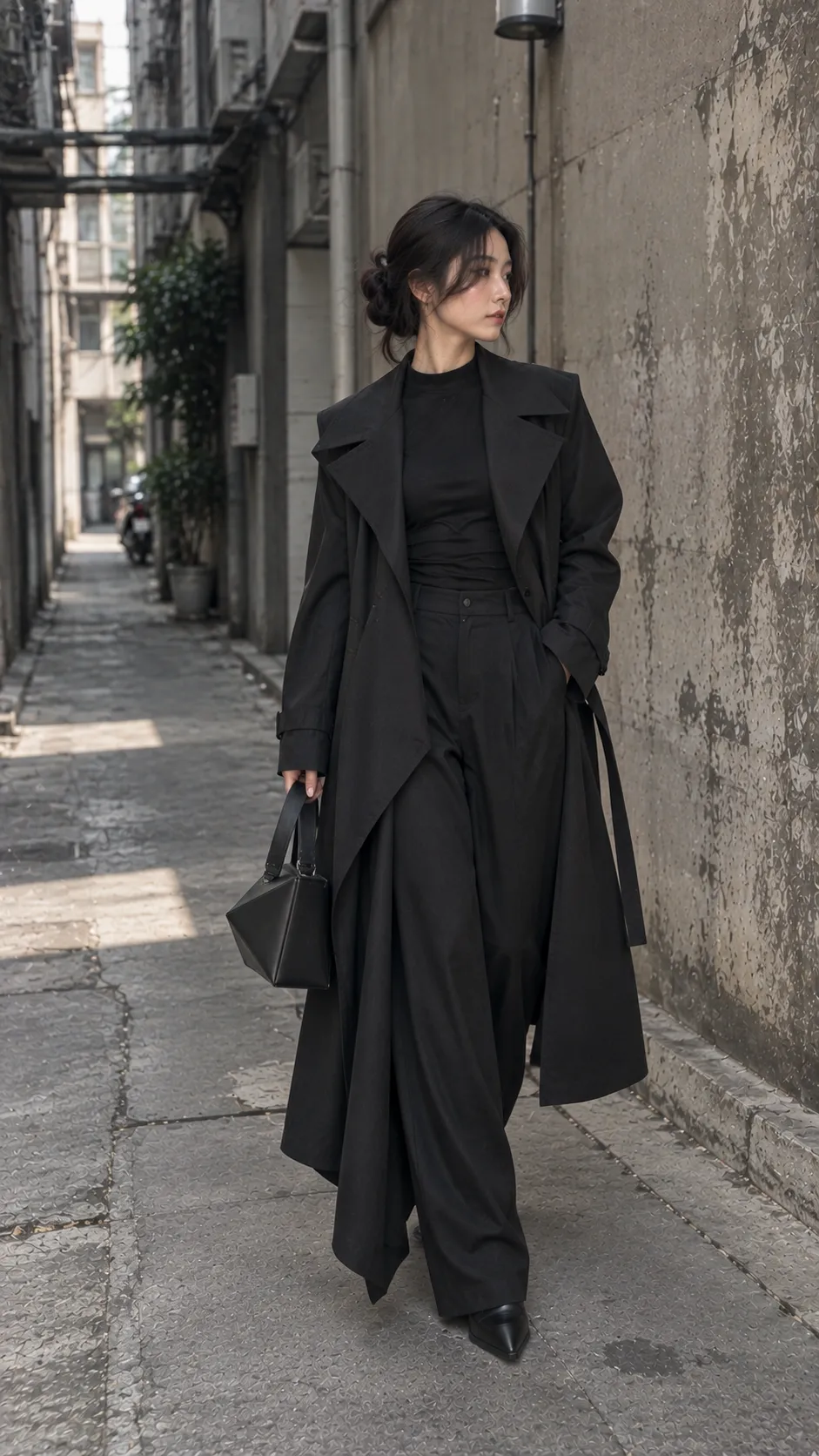
Everyday Visual Kei-Inspired Styling
Large hair, stage coats, and highly dramatic makeup are optional. Retain one or two theatrical references and use quieter supporting clothes for your setting.
Keep one leading piece
An asymmetric coat, corset-inspired belt, high-neck blouse, or platform boot can lead. Supporting tops and bottoms can stay simpler rather than competing equally.
Restrict color when keeping many details
A narrower palette can clarify layers, straps, and hardware. Black, charcoal, and silver form one foundation; burgundy or white can provide selected accents.
Move emphasis to hair or eyes
Restrained dark tailoring can carry a clearer artist-inspired reference through deliberate hair shape and liner. This can retain a practical wardrobe with less elaborate clothing.
Adapt the logic rather than copying every stage item
Keep silhouette, contrast, and visual character while reducing sleeve volume, trains, platform scale, or accessories for everyday movement.
Three Levels of Theatrical Emphasis
- Level 1: darker clothes, suitable boots, and selected liner references.
- Level 2: add hair shape, hardware, or one asymmetric layer.
- Level 3: consider a dramatic coat, corset-inspired structure, lace, or larger platforms where appropriate.
Five Common Styling Mistakes
1. Treating Visual Kei as Goth alone
Black clothes, lace, and platforms do not establish the entire context. Consider artist references, hair, visual character, contrast, and layers together.
2. Accessories before silhouette
Assess shoulders, waist, hems, and footwear before adding chains, chokers, harnesses, or rings.
3. Hair and clothing without a connection
Dramatic hair over basic clothes can work, but repeating a line, color, or texture can connect two otherwise separate visual areas.
4. Equal detail everywhere
Ruffles, lace, chains, buckles, print, and large platforms can compete. Choose a leading piece and supporting details.
5. Copying one look without its structure
Artists and periods vary. Reading silhouette, texture, hair, and persona can create a more coherent wardrobe than collecting isolated surface details.
References
The definition and music-scene context are cross-checked with these academic sources:
- Ken McLeod — Visual Kei: Hybridity and Gender in Japanese Popular Culture.
- Springer — Introduction: Destabilizing Gender, which discusses Visual Kei in relation to visual expression and music contexts.
Outfit formulas, proportions, and everyday adaptations are Apocalypse Closet editorial interpretations.
Frequently Asked Questions
What is Visual Kei?
Visual Kei relates to Japanese popular music and artists' deliberate visual personas through clothing, hair, makeup, and performance. It is not one fixed fashion uniform.
Is Visual Kei the same as Goth?
No. They can share dark colors, lace, leather, or theatrical makeup, but each has distinct music and cultural contexts. Visual Kei's visual range extends beyond Gothic references.
Which items are required for a Visual Kei-inspired outfit?
There is no compulsory shopping list. Begin with a clear silhouette, suitable footwear, a structured layer, and connecting details such as selected metal, lace, or straps, informed by the artist references you enjoy.
Does Visual Kei hair require bright dye?
No. Layering, fringe, crown volume, or deliberate texture can provide a strong shape with black or dark-brown hair. Color is one optional tool.
How can you adapt Visual Kei references for everyday wear?
Keep one or two theatrical references at hair, eyes, coat, or boots and simplify the rest. Adapt performance-inspired scale to the actual setting.