

What Is an Outfit? Understanding a Complete Personal Style Look
What is an outfit? Simply put, it's the complete combination you wear for a particular occasion: top, trousers or skirt, shoes, bag, accessories, hairstyle, makeup and the overall impression people see. An outfit isn't merely a collection of clothes; it's the finished expression of a fashion choice.
Understanding the word 'outfit' is more useful when you can see how pieces support one another through proportion, color, texture and focal points. That makes it easier to choose a coherent style instead of buying unrelated items.
This article focuses on an outfit as a complete clothing combination. If you're wondering what 'OOTD' means on TikTok, Instagram or Pinterest, read what OOTD means.

Guide collection: Aesthetic Dictionary: Fashion Terms (Vietnamese)
What Is an Outfit?
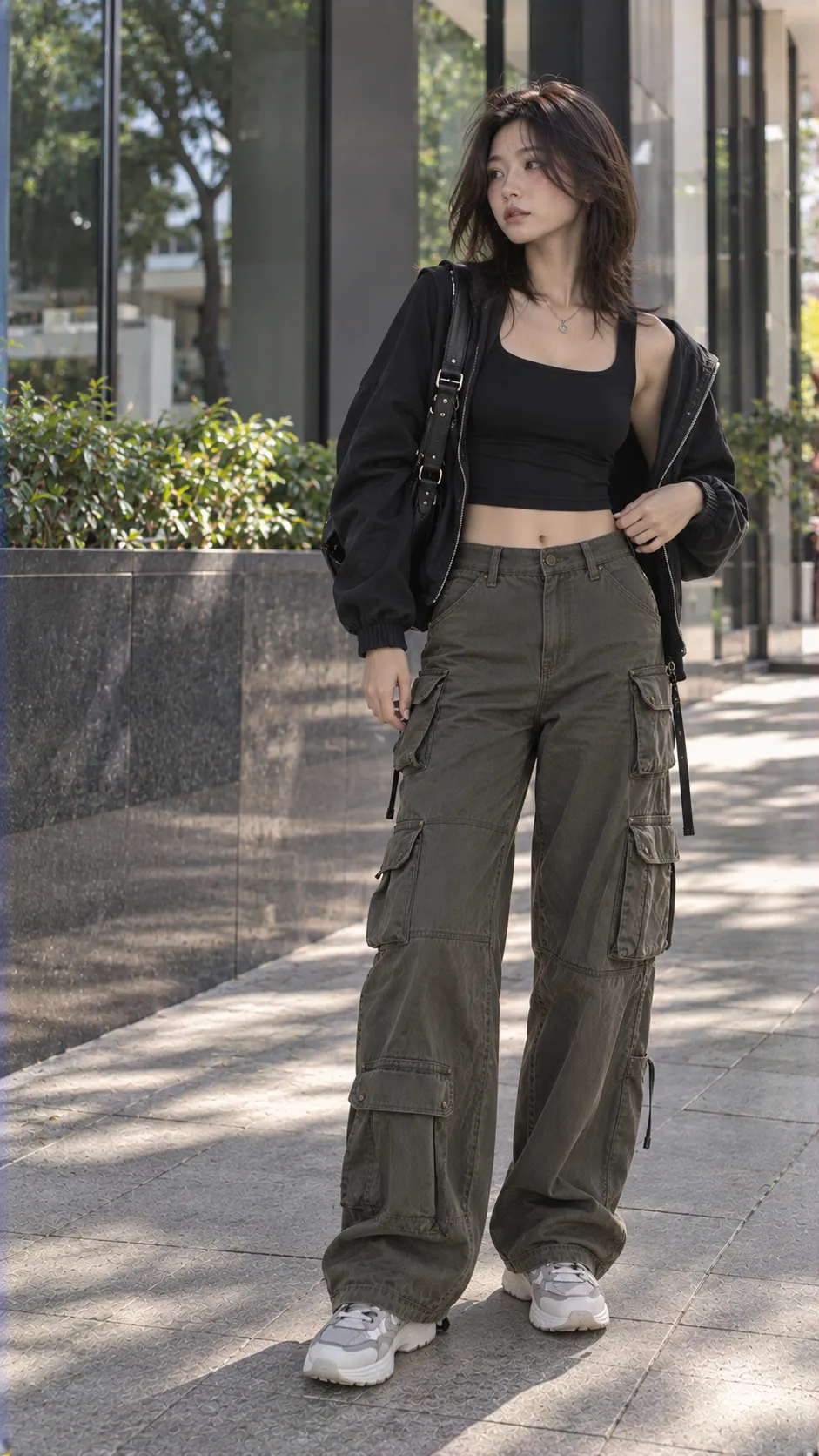
An outfit is a combination of garments chosen to make a complete visual impression. A great-looking shirt alone doesn't guarantee a good outfit, and statement boots won't necessarily rescue other pieces that clash. An outfit takes shape when its elements connect through colors, cuts, materials, occasion and mood.
For example, a black crop top, wide cargos, chunky sneakers, chain belt and small shoulder bag can form a Baddie Streetwear outfit. If you swap the sneakers for very delicate shoes, remove the silver accessories and choose badly fitting trousers, you may lose the visual connection among the pieces. The difference lies in how they work together.
An outfit looks considered not because every piece is expensive, but because every piece has a clear part in the whole.
Outfit vs Clothing: What's the Difference?
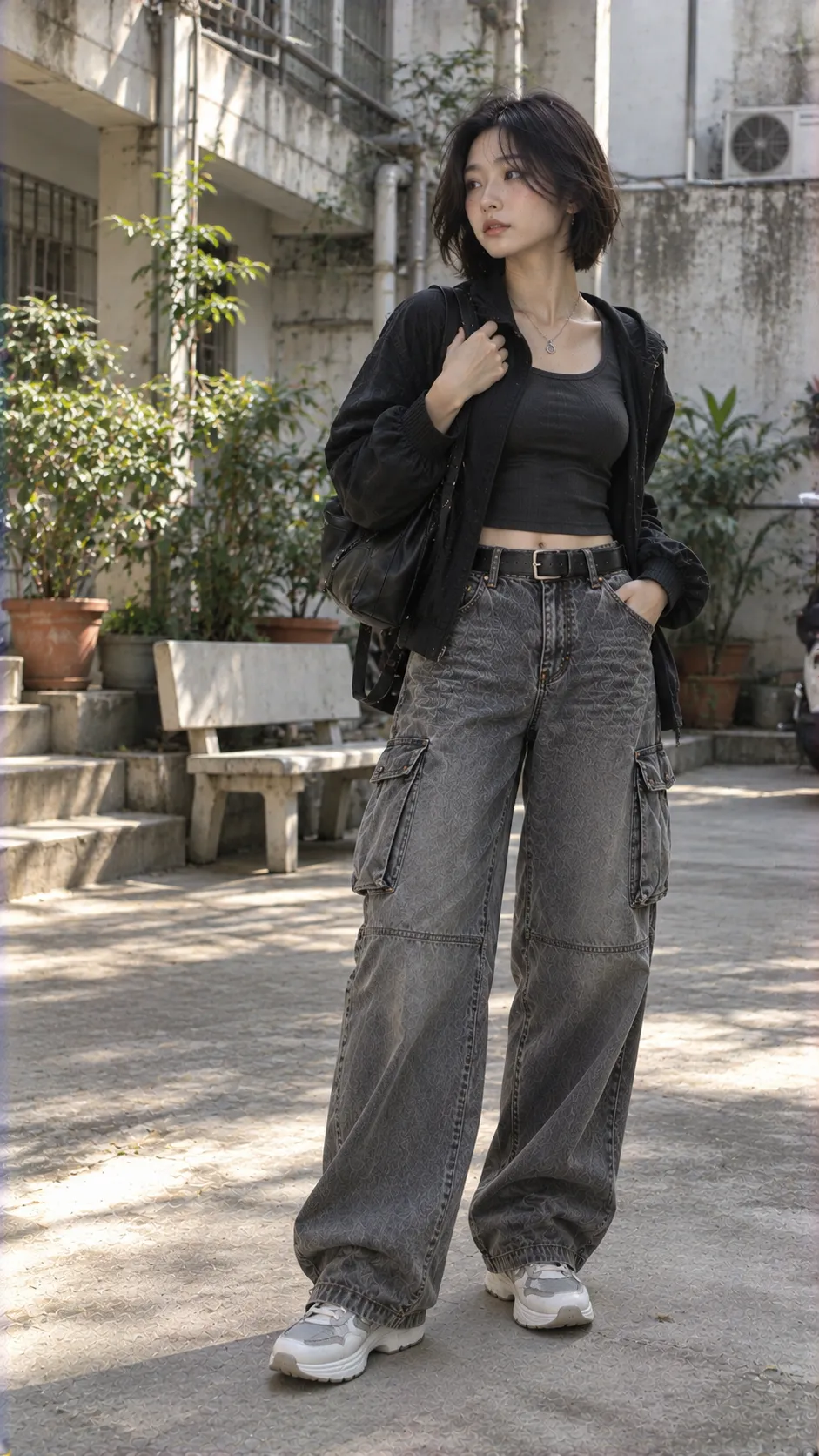
Clothes are individual items; an outfit is the overall combination. You can own plenty of garments yet feel you have nothing to wear if they don't work together. The problem isn't always how much is in your wardrobe, but how well the pieces connect.
A basic black top can belong to many outfits. With wide jeans and sneakers, it leans Streetwear. Add a mini skirt, tall boots and dark lipstick, and it moves toward Dark Feminine. Pair it with mesh, a studded belt and metal jewelry, and it can read as Punk or Grunge. The item stays the same; the surrounding context changes its effect.
| Term | Simple meaning | Wardrobe example |
|---|---|---|
| Item | One garment or accessory | Black tank top, cargos or boots |
| Outfit | A complete look | Tank top + cargos + boots + belt + bag |
| Style | A repeated way of dressing | Baddie Streetwear, Goth or Dark Feminine |
| Aesthetic | The overall visual mood | Dark Aesthetic, Dark Y2K or Soft Grunge |
What Is OOTD and How Does It Relate to Outfits?
OOTD stands for 'Outfit of the Day': the look you wear on a particular day. For details about OOTD meaning, where people post their looks and how daily outfit photos help develop personal style, see the dedicated guide what OOTD means. On Instagram, TikTok and Pinterest, an OOTD usually shows what someone actually wears for coffee, school, work, an evening out or a photo walk.
For fashion creators, OOTDs turn outfits into visual content. For people discovering their taste, OOTD images show what they genuinely wear and return to. If your photos from the last month repeatedly feature black, dark denim, boots, fitted tops and silver jewelry, you may be drawn to Dark Aesthetic without needing to adopt a specific label.

What Makes an Outfit Well-Styled?
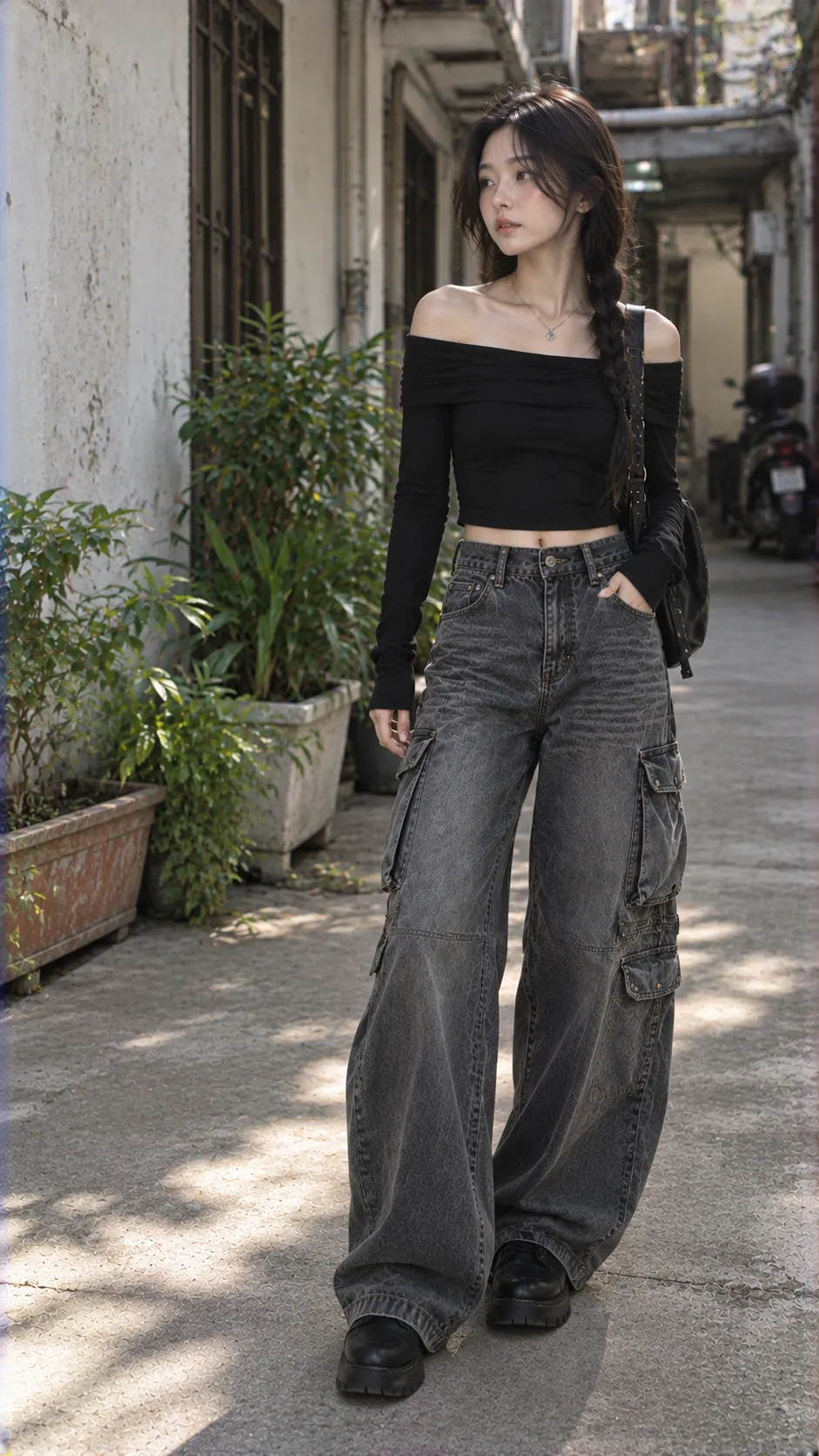
A stylish outfit communicates something before you explain it. It needn't be elaborate or follow the latest trend, but it should have a clear decision: which color leads, which silhouette matters, which accessory acts as the focal point and what feeling the look creates.
Three layers often define a cohesive outfit. First is silhouette: fitted top with wide bottoms, roomy upper body with slimmer lower body, or deliberate long draped lines. Second is palette: black, bone white, charcoal, dark denim, burgundy or metallic silver. Third is texture: leather, denim, mesh, lace, ribbed cotton, crinkled cloth and contrasting matte or glossy surfaces. Together they create depth.
Why Some Outfits Look More Expensive Than They Are
An expensive-looking outfit isn't necessarily made of expensive pieces. It often comes from deliberate proportions and clean styling: trousers at the right length, a top ending in the right place, shoes with enough weight to balance the silhouette, restrained accessories and colors that agree. Those details make the clothing appear carefully chosen.
By contrast, too many attention-grabbing pieces can make an outfit feel cluttered. A heavily detailed top, oversized cargo pockets, a brightly colored bag, shoes from a different aesthetic and competing accessories all demand attention. One or two strong focal points with quieter supporting pieces usually work better.
Outfit vs Aesthetic: What's the Difference?
An outfit is one specific combination; an aesthetic is a visual mood repeated across many looks. You can create one beautiful outfit without having an established aesthetic. As your clothes repeatedly share a palette, materials, footwear, hairstyle, photography style and mood, a recognizable personal aesthetic emerges.
Dark Feminine, for example, isn't simply wearing a black dress. It can mean a mysterious, sharp, feminine but purposeful feel expressed through corsets, lace, sheer fabrics, boots, deeper lipstick and clear body lines. Baddie Streetwear isn't just wide pants; it brings confident, urban attitude through cargos, baggy denim, crop tops, sneakers or boots, sunglasses, small bags and silver jewelry.
If you're unsure which aesthetic you gravitate toward, start with outfits you genuinely want to save or repeat. Ask yourself which colors, cuts and feelings you like and whether you prefer sharper or softer lines. Those answers often guide you better than following a trend name.
The Components of a Complete Outfit
Tops and upper layers shape much of the mood nearest the face. Fitted tops, asymmetric necklines, mesh, baby tees, tanks and hoodies all lead an outfit in different directions. Black tops don't have to be boring when necklines, textures and seams create interest.
Trousers and skirts establish proportions. Cargo pants, wide jeans, minis, flowing long skirts and leather trousers create very different silhouettes. This is often where an outfit loses balance if the bottom cut doesn't suit the top.
Shoes anchor the look. Platform boots can make basics feel bolder. Chunky sneakers push an outfit toward practical Streetwear. Platform Mary Janes can soften Dark Feminine styling while keeping some edge.
Accessories lock in the mood. Belts, bags, necklaces, rings, eyewear, chokers, fishnets and chains shouldn't be random. Ideally they echo an existing outfit theme through cool silver, black shine, leather, metal, lace or darker textures.
Does a Good Outfit Need to Follow Trends?
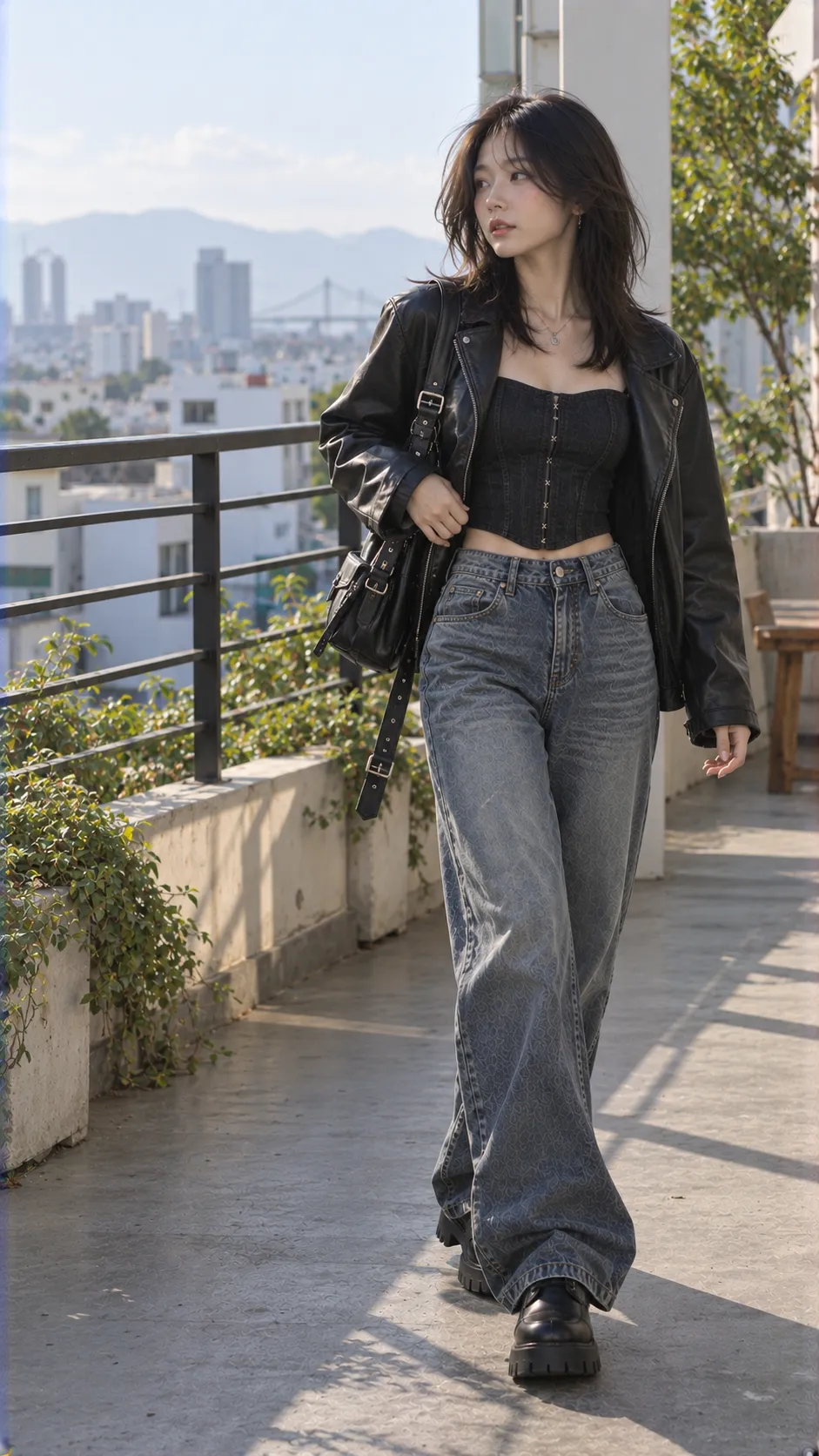
Not necessarily. Trends provide useful search terms for inspiration and pieces, but personal taste shouldn't depend entirely on them. When TikTok moves from Coquette to Indie Sleaze (Vietnamese)and then Dark Academia, chasing each look can fill your wardrobe with pieces suited only to a brief moment. A good outfit should remain useful longer than the trend.
A more practical approach is to keep reliable foundations and change just one trend accent. If your wardrobe is built on black, dark denim, boots and fitted tops, adding cargos and sunglasses introduces Baddie energy. A corset or lace turns it toward Dark Feminine. Studded belts, mesh layers or leather jackets add Punk/Grunge. You don't have to rebuild everything—just change the emphasis.
For outfit ideas designed around actual occasions, see alternative outfits for women (Vietnamese) for looks suited to cafés, walks, dinner and nighttime plans.
Conclusion: Your Outfits Make Your Taste Visible
So what is an outfit? It is a complete set of clothing and accessories, but more deeply it makes personal taste visible in everyday life. A good outfit doesn't require complication; it requires a readable logic of colors, proportions, mood, occasion and how you want to feel.
If you're building an alternative wardrobe, don't only ask, 'Is this item nice?' Ask, 'Which outfit will it belong to, which aesthetic will it reinforce and what can I wear it with again?' That question leads to fewer poor purchases and a more consistent personal closet.
Four Ways to Evaluate an Outfit
An outfit can be evaluated beyond a simple good-or-bad judgment. Consider it through fit, aesthetic, quality and dress code. These four directions help turn inspiration into more specific clothing decisions:
- What Are Baggy Pants? (Vietnamese) — read rise, crotch depth, thigh width and hem before picking a size.
- What Is Acubi Style? (Vietnamese) — understand Minimal Y2K through silhouette and layers.
- What Is Old Money Style? (Vietnamese) — judge construction, material and finish rather than buying a costume.
- What Does Smart Casual Mean? (Vietnamese) — dress for occasion, role and appropriate formality.
Frequently Asked Questions
What is an outfit?
An outfit is a coordinated combination of clothes, shoes and accessories chosen for a particular occasion, visual aesthetic or message.
What does a complete outfit need?
It doesn't require many pieces. It needs clear proportions, colors that relate to one another, suitable shoes and just enough focal detail to feel intentional.
How are an outfit and personal style different?
An outfit is one specific look; style is the repeated system of choices over time that reflects someone's taste, habits and way of presenting themselves.
How can you tell whether an outfit is balanced?
Check the silhouette from a distance, waist position, lengths of layers, shoe volume and number of focal points. If every piece demands attention, remove or simplify one detail.
References
The sources below inform terminology and context; styling applications and examples are Apocalypse Closet editorial guidance.
- Merriam-Webster — Outfit — English dictionary definition and usage of the term 'outfit'.
- Vogue — Do I Have an Aesthetic? — context for distinguishing individual outfits from a broader personal aesthetic.