

What Is Kogal? Gyaru and 1990s Japanese Schoolgirl Style
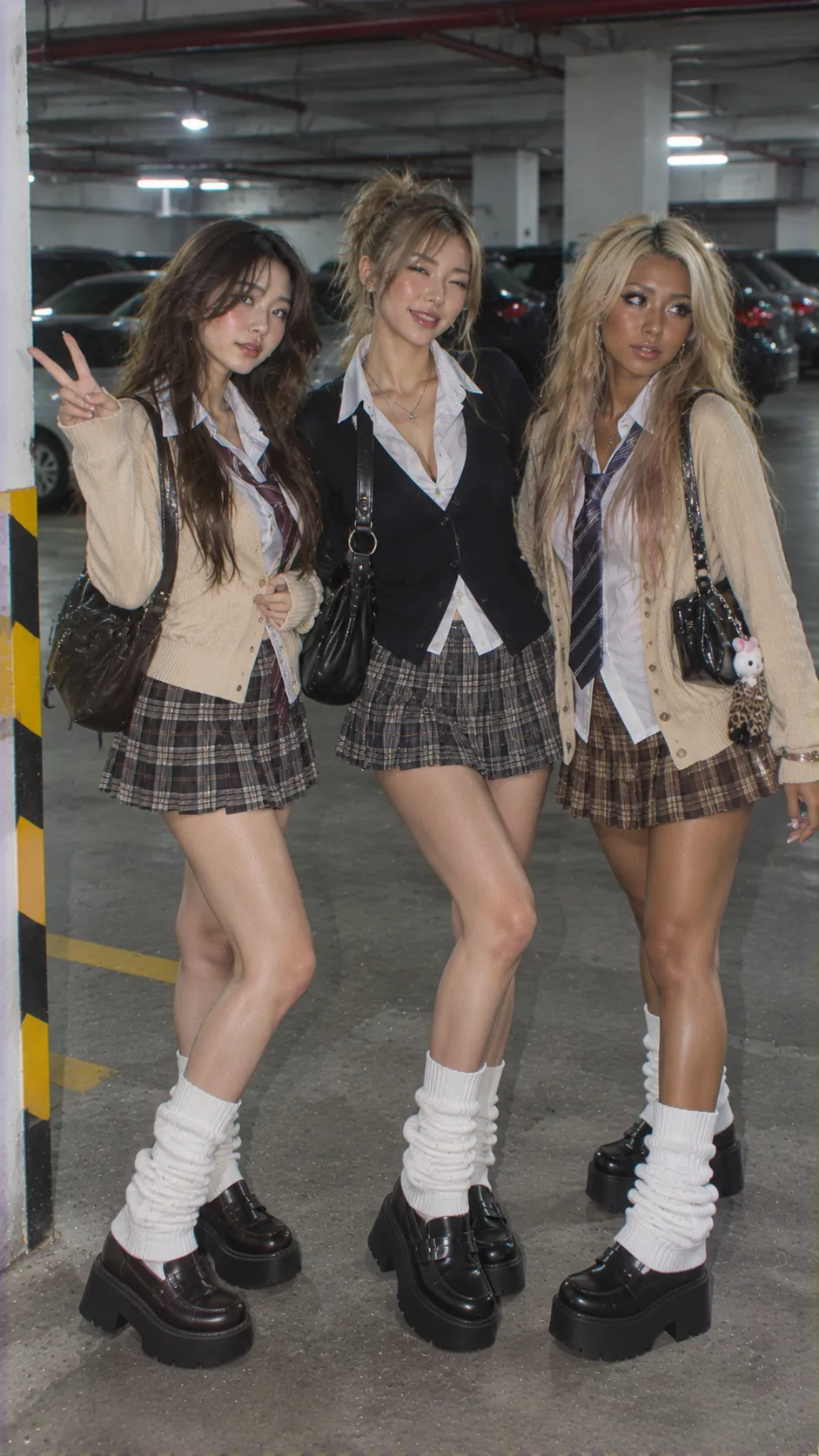
Kogal — also written as kogyaru — is a Gyaru-associated branch of 1990s Shibuya youth culture, recognizable through customized school-uniform codes: shortened pleated skirts, white loose socks, loafers or platforms, brown or light-dyed hair and personal accessories. More than wearing a Japanese uniform, it expressed individuality within restricted clothing choices.
This guide focuses on Kogal's history and fashion codes . Contemporary examples use adult models and uniform-inspired separates, rather than encouraging imitation of minors or fetishizing schoolgirl imagery.
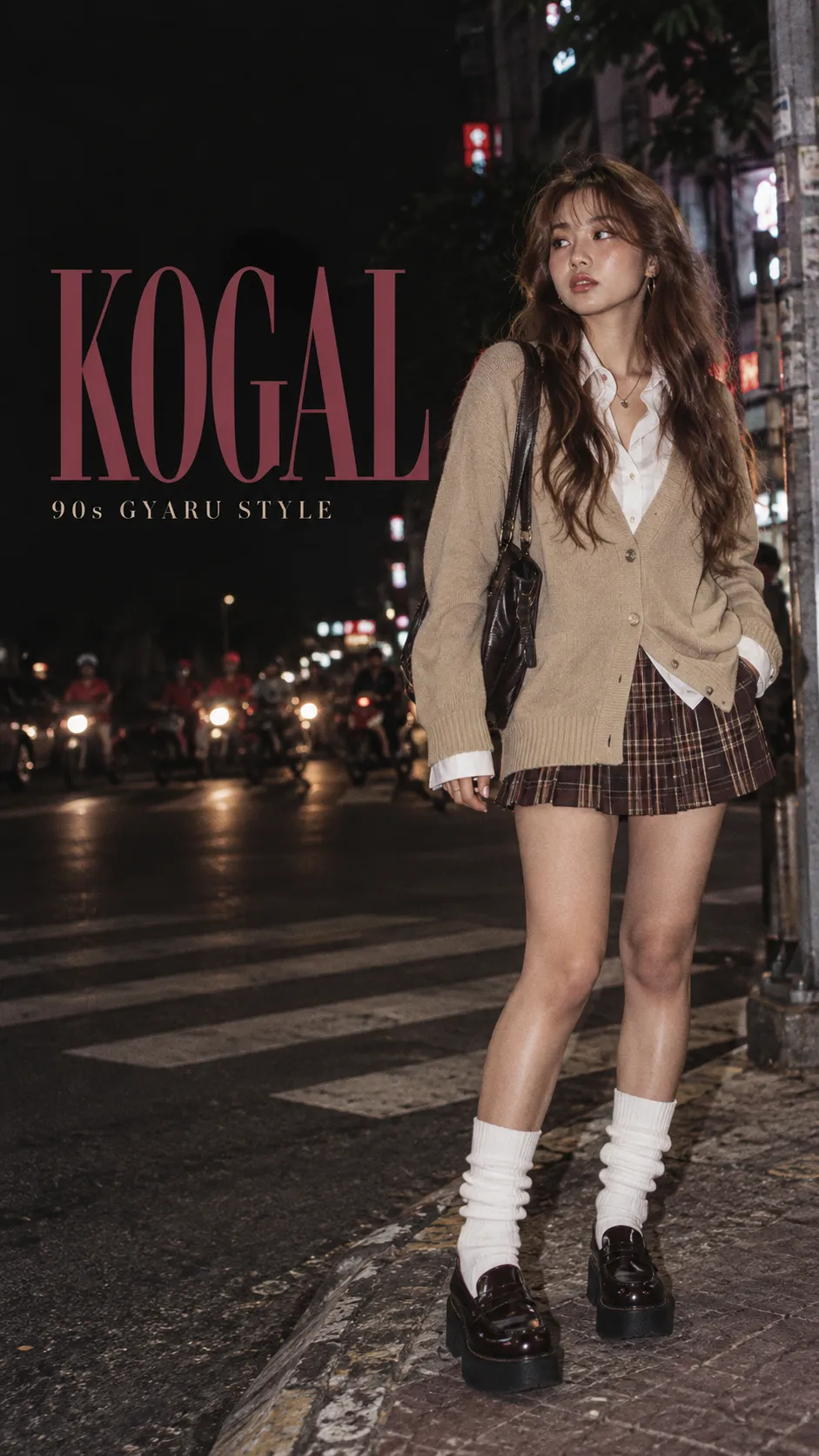
Guide collection: Aesthetic Dictionary: A Fashion Style Directory
What Is Kogal?
Kogal is a historical Gyaru branch that became prominent in early-1990s Tokyo, particularly Shibuya. English-language sources may use kogal or kogyaru. Etymological explanations vary, but the term belongs to the period's teenage schoolgirl and developing Japanese gal-culture context.
Kogal did not begin with a designer or formal collection. Cultural researcher W. David Marx describes early-1990s kogyaru gradually appearing on Shibuya streets with brown hair, shorter uniform skirts, lightly tanned skin and status-signaling goods or brands. The style emerged among young people before media framed it as a phenomenon.
If Gyaru provides the larger map, Kogal occupies a specific area: personalized school-uniform codes. A pleated skirt alone is insufficient; loose socks, footwear, beauty styling and accessories establish the direction.
How Did Kogal Develop in 1990s Shibuya?
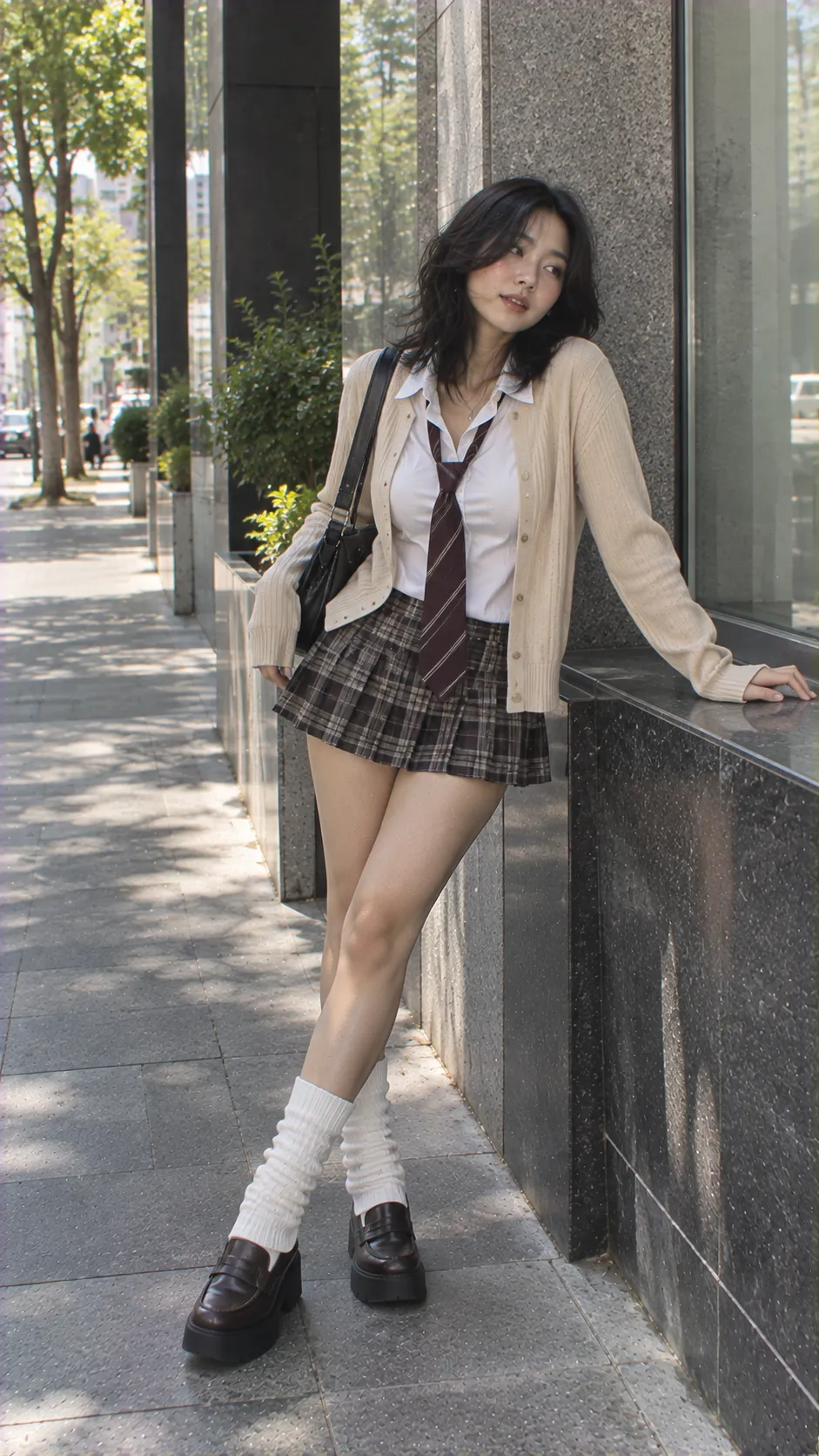
Shibuya's youth fashion, shopping and nightlife provide important context. Neojaponisme places growing recognition of brown-haired schoolgirl groups with shorter skirts and light tans around 1991–1993, connected with late-1980s gal culture, Shibuya's rise and uniform customization as identity.
Media and pop culture subsequently amplified the appearance. Namie Amuro's brown hair, tan and platforms became influential; egg launched in 1995 and became an important Gyaru street-snap platform. These influences spread its visual codes rather than single-handedly inventing Kogal.
Five Kogal Codes: How the Uniform Remix Works
Kogal created difference within standardized clothing. With shirts, blazers and skirts prescribed, individuality moved into lengths, folding, socks, shoes, hair, bags and accessories. Its street-fashion significance shows that a completely new wardrobe is unnecessary for a strong personal signal.
Why Did Loose Socks Become a Signature?
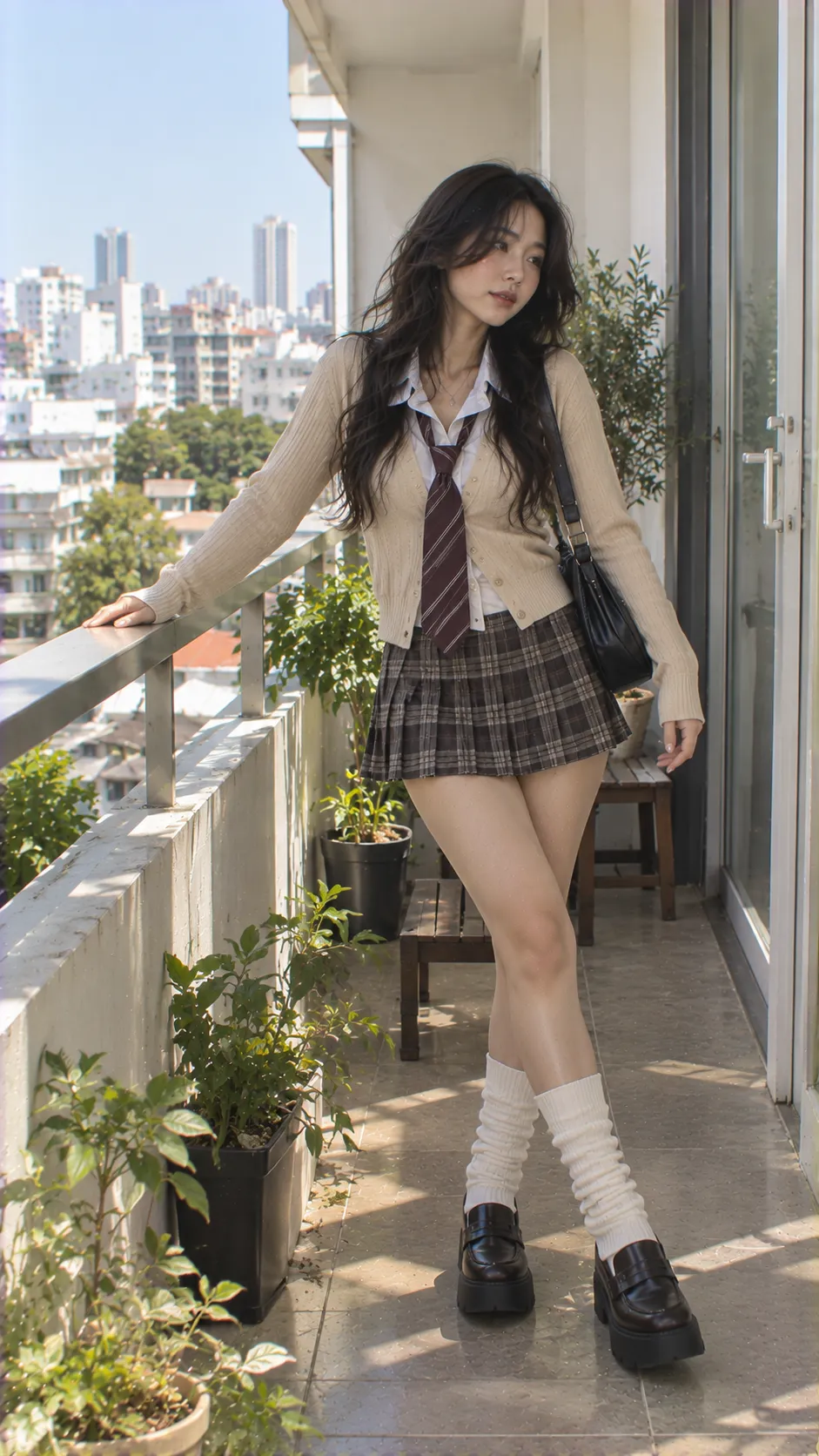
Web Japan's 1997 account describes baggy white knee socks pushed toward the ankles as a major multi-year trend, offering self-expression within restrictive uniforms. With a shortened skirt, their lower-leg volume creates strong proportional contrast.
Loose socks show how a small detail becomes an identifying signal. Replacing them with fitted knee socks can shift an outfit toward preppy, schoolcore or contemporary uniform-inspired dressing. Scrunched layers and platform loafers strengthen the Kogal reference.
Three Levels of Kogal References
A clear uniform reference without necessarily being Kogal. Useful for a restrained, non-costume interpretation.
Socks establish the lower-half signature; bags and accessories strengthen 1990s and 2000s youth-fashion references.
Brown or light hair, Gyaru makeup and platform shoes give a clearer Gyaru context than generic schoolcore.
Six Kogal-Inspired Outfits for Adults: Fashion References beyond a Schoolgirl Costume
1. Fitted cardigan + pleated mini + loose socks + platform loafers
Uniform base → sock volume → footwear anchor.
The closest historical reference here. Choose a grown-up cardigan shape, a plain top and a skirt without school insignia. A leather or small shoulder bag makes the combination a fashion interpretation.
2. Oversized blazer + knit top + plaid skirt + chunky loafers
Broad shoulders → defined waist and bottoms → substantial shoes.
An oversized blazer updates the uniform reference. Keep socks plain when plaid is prominent. This works without copying a complete uniform.
3. V-neck knit + white shirt + mini skirt + leg-warmer socks
Layered collar → mini line → soft calf volume.
Thick socks or leg-warmer-inspired pieces can replace extremely long loose socks, adapting the silhouette to an existing wardrobe.
4. Cropped cardigan + pleated skirt + platform sneakers
Short top → defined skirt → sporty footwear.
Platforms introduce streetwear. A bag charm, phone strap or hair clip adds youthful accessory references without a school badge.
5. Open-neck blouse + dark pleated skirt + loafers + tote
Minimal uniform references → one supporting signal.
This approaches contemporary preppy styling. Add loose socks or subtle Gyaru beauty for a Kogal direction; fitted knee socks keep it closer to preppy.
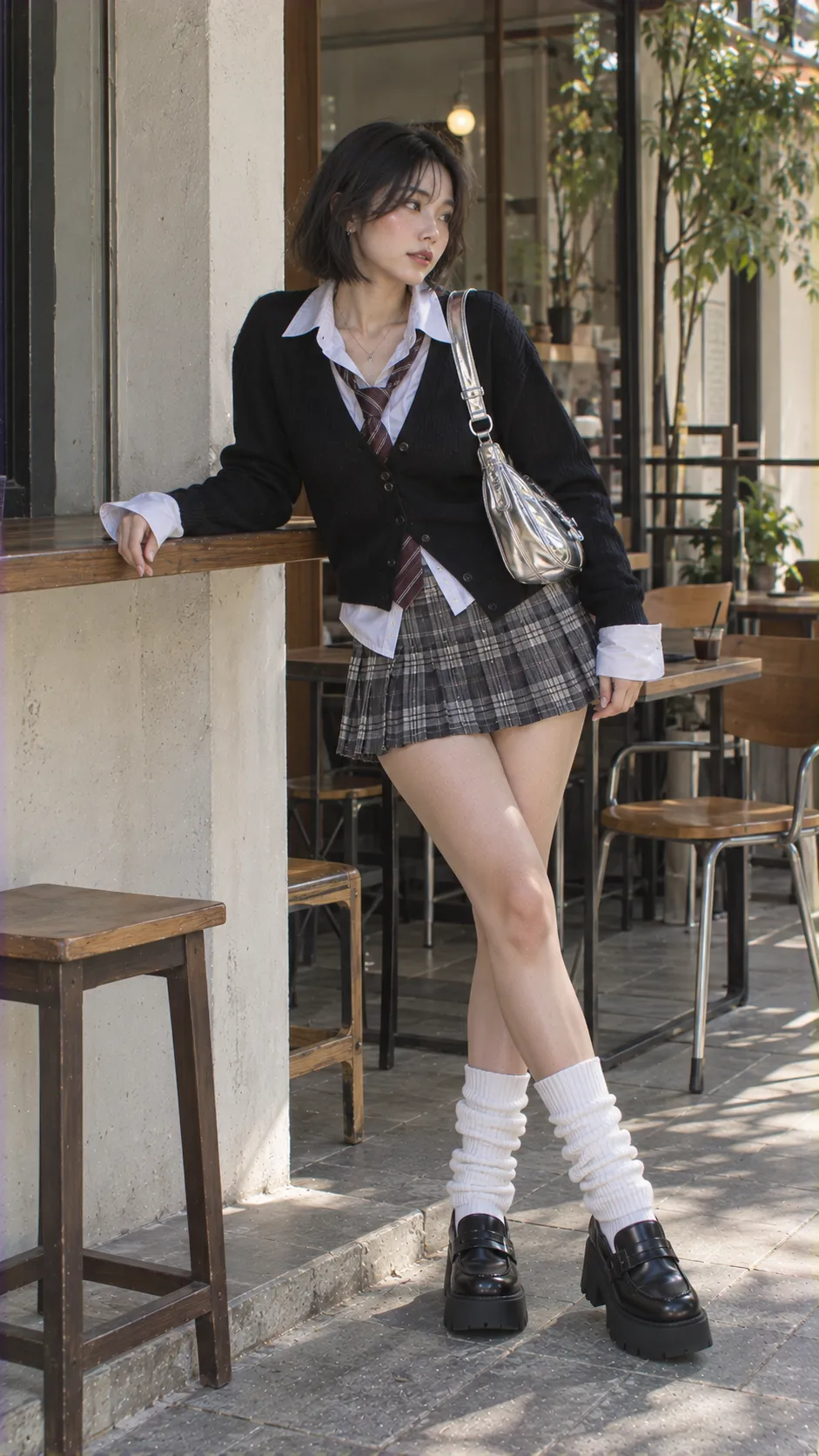
6. Black cardigan + gray mini + white socks + silver bag
Neutral base → bright socks → contemporary bag.
An accessible dark alternative interpretation suited to Apocalypse Closet. Retain pleats and chunky footwear; restrained silver hardware updates the outfit without erasing the silhouette.
Hair, Makeup and Accessories: Moving from Preppy toward Kogal Gyaru
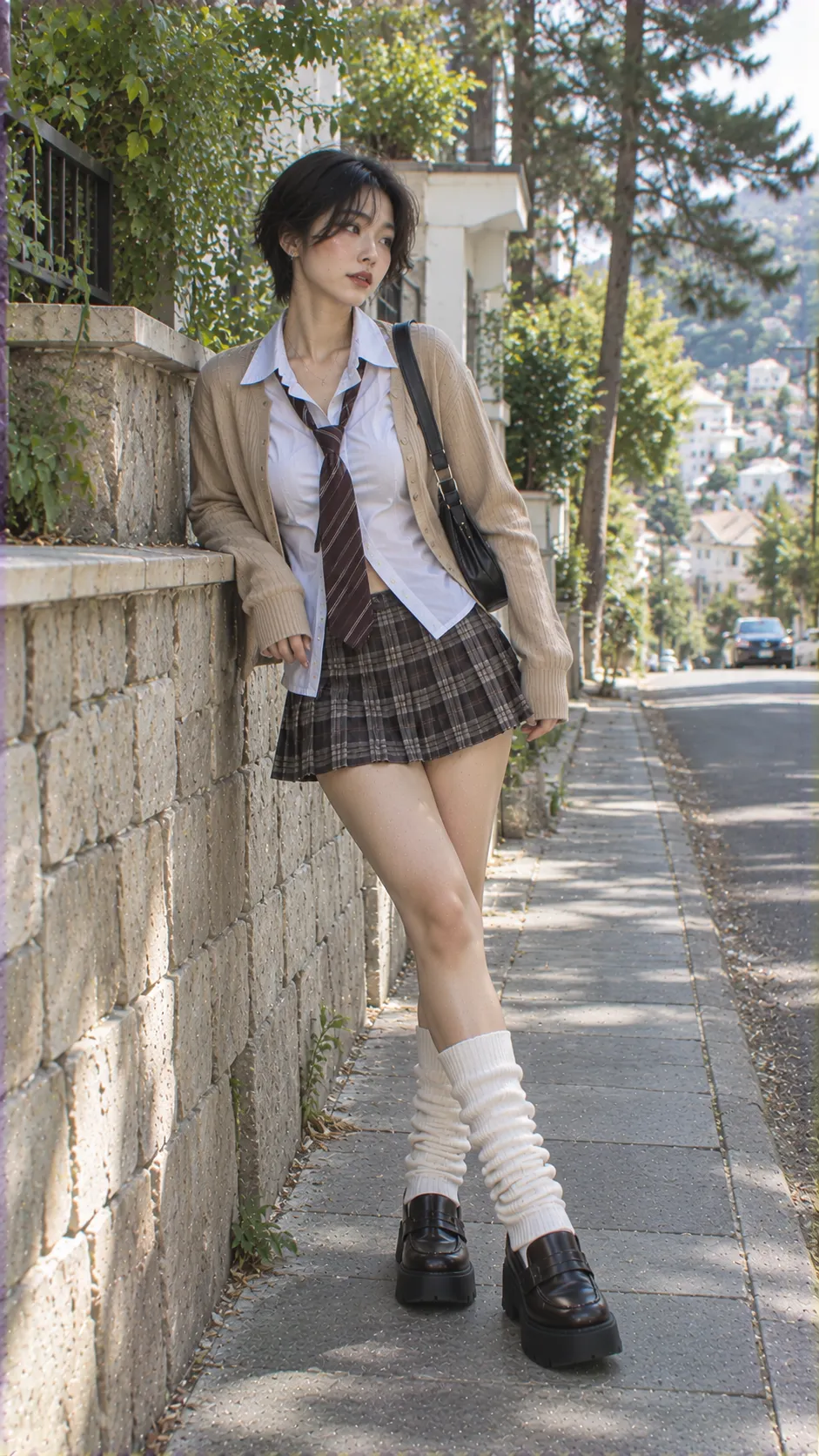
Historical Kogal often featured brown or light-dyed hair, brows thinner than then-traditional conventions, light tanning and gal-oriented makeup. Beauty varied over time; highly contrasting Ganguro makeup should not be projected onto every Kogal look.
Warm hair tones, defined liner, glossy lips or moderate lashes can suggest Gyaru today. Bag and phone charms, scarves, clips and jewelry supply personal detail. Historically, these accessories reflected urban Shibuya consumer and pop culture rather than generic cuteness.
Kogal Compared with Gyaru, Ganguro and Harajuku
Amekaji also appears within Gyaru but draws on American casual clothing such as denim, hoodies, varsity pieces and graphic tees. Explore What Is Amekaji? for comparison.
Five Common Interpretation and Styling Mistakes
1. Calling every pleated-skirt outfit Kogal
Pleated skirts also appear in preppy, schoolcore and other aesthetics. Kogal needs additional Gyaru signals through socks, shoes, beauty or accessories.
2. Treating Kogal and Ganguro as identical
They overlap in period and scene but emphasize different features: stronger complexion and makeup contrast for Ganguro, uniform remixing for Kogal.
3. Copying schoolgirl imagery without Shibuya context
Kogal matters as youth street fashion and customization, rather than merely a costume. Removing that context reduces it to empty imitation.
4. Sexualizing imagery of minors
This misrepresents the context and is unnecessary. Contemporary inspiration should use adult models and uniform-adjacent separates, focusing on clothing construction.
5. Combining every 1990s detail
Loose socks, platforms, plaid, charms, tanning, clips and graphics all carry weight. Select a few main references to preserve hierarchy.
Frequently Asked Questions
What is Kogal?
Kogal or kogyaru is a 1990s Shibuya-associated Gyaru branch that personalized uniform codes through short skirts, loose socks, platforms, dyed hair and accessories.
How does Kogal Gyaru differ from Ganguro?
Kogal centers uniform styling; Ganguro intensifies tanning, light hair and makeup contrast. They overlap without being interchangeable.
Are loose socks compulsory for Kogal?
Not absolutely, but they are a particularly strong historical signal. Without them, Gyaru beauty, shoes and accessories need to distinguish the outfit from ordinary preppy styling.
Can adults wear Kogal-inspired outfits?
Yes. Use cardigans or blazers, pleated skirts, socks and platforms as adult fashion references. Avoid copying specific school identities or sexualizing schoolgirl imagery.
References
Historical development is cross-checked against Neojaponisme — The History of the Gyaru, Part One. Contemporary documentation of socks and uniform styling comes from Web Japan — Baggy Socks (1997). Media framing of kogyaru is additionally contextualized by archived research from the University of Washington. Contemporary outfit suggestions are Apocalypse Closet's editorial interpretation.