

What Is Gorpcore? Outdoor References in Everyday Outfits
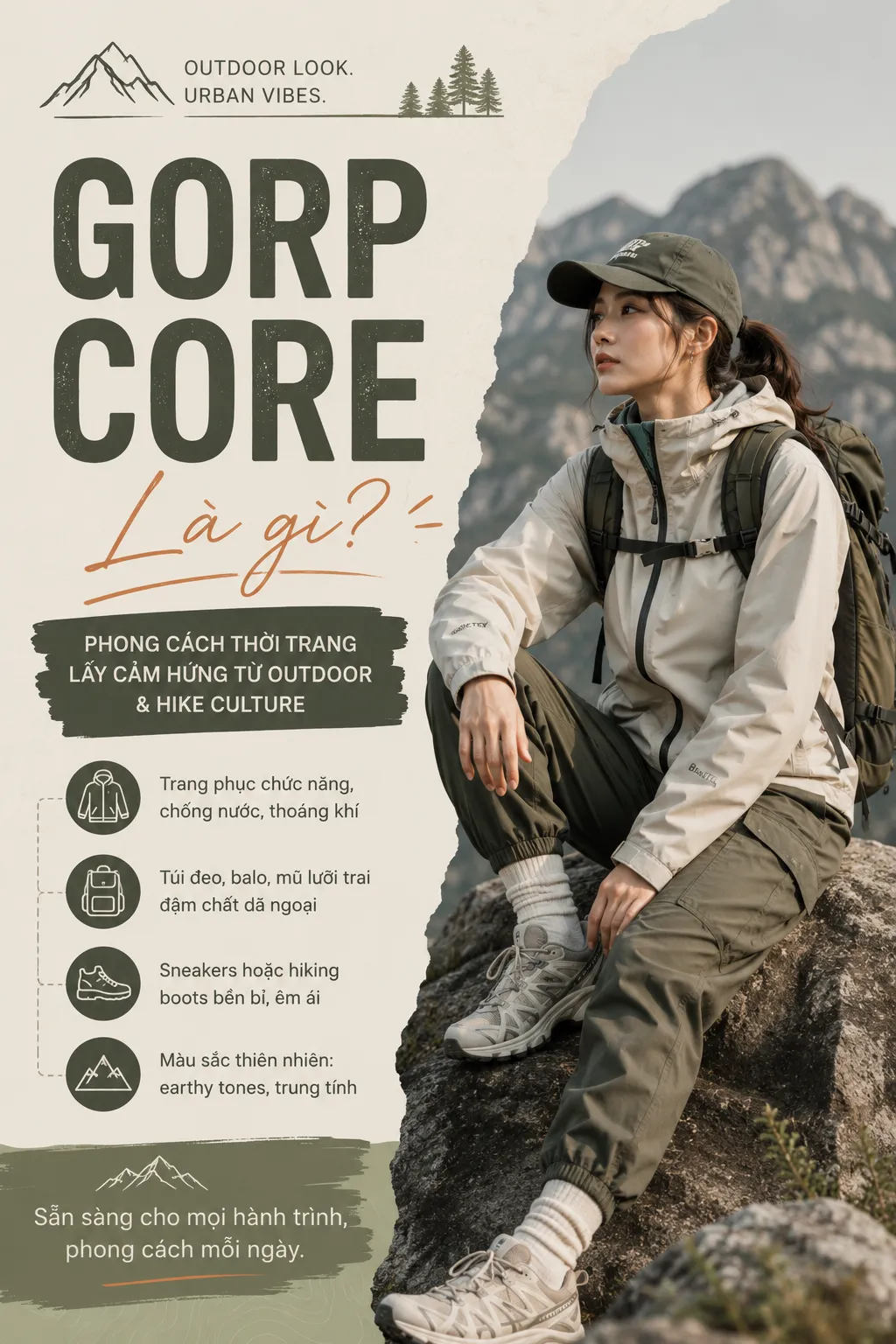
Gorpcore brings outdoor-associated garments and accessories into everyday urban clothing. Shells, fleece, hiking-style trousers, trail footwear, and practical bags supply visual references; their actual function depends on the specific construction and intended use.
More than one windbreaker, the styling comes from the relationship between the pieces: surfaces, room for movement, purposeful layers, pockets, hoods, zippers, and adjusters. In Vietnam's warmer conditions, reassess weight and layer count rather than copying a cold-weather image.
In this guide: understand what Gorpcore means through its context, visual vocabulary, and overlap with Techwear, Streetwear, and Athleisure. The women's outfit examples adapt those references to daily clothing. For a more urban utility-focused starting point, read what Techwear means.
Guide collection: Aesthetic Dictionary: Fashion Style References (Vietnamese)
Gorpcore relocates outdoor clothing references to commuting, cafés, study, and other daily settings. Hoods, adjusters, pocket shapes, and technical-looking surfaces become visible parts of the outfit. A weather-related appearance does not itself establish protection, and a trail-style sole does not guarantee grip on every surface.
The Term's Context
The term Gorpcore was used by journalist Jason Chen in The Cut in 2017 to describe outdoor-associated clothing worn as everyday fashion. Gorp is a colloquial name for trail mix; the familiar good ol' raisins and peanuts expansion is one common explanation of the name rather than a garment specification.
The term did not invent fleece, puffers, shells, or hiking shoes. What changes is their styling context: outdoor-associated pieces appear beside tees, denim, skirts, or roomy streetwear. This guide examines that visual translation; actual outdoor suitability remains a separate product-and-conditions question.
Beyond a Windbreaker and Trail Shoes
Earth colors and a puffer are one possible interpretation, not the definition. A simpler outer layer, suitable woven trousers, and footwear you have tested can provide a quieter version. Check function separately instead of using decorative features as evidence of performance.
Compare four connected areas: materials and surfaces (such as woven nylon, ripstop construction, fleece, or a specified membrane), construction (hoods, adjusters, zippers, panels, and pockets), silhouette (the intended room and movement) and footwear (trail-associated shapes or other shoes suited to the actual route). No single piece determines the whole style.
Read the Outfit by Layer
Read Layers as Roles
- Base: a suitable tee, tank, or longer sleeve that works without the outer layers.
- Adjustable warmth: a lighter fleece, vest, or overshirt if the actual conditions call for it.
- Outer layer: a windbreaker, anorak, or shell chosen according to its specified construction and the conditions; wind resistance and waterproofing are different claims.
- Lower section: cargo, parachute, hiking-associated trousers, or another pair with the movement and fabric behavior you need.
- Footwear: a trail-associated shoe or another pair tested for the actual surface and route. Heavy boots are not required for the styling reference.
These roles do not require wearing five layers or buying every category. One or two selected outdoor references can connect with existing clothing. Reassess weight and ventilation in warm conditions.

Gorpcore, Techwear, Streetwear, and Athleisure
| Style reference | Starting question | Typical visual features to compare |
|---|---|---|
| Gorpcore | Outdoor-associated clothing in everyday urban settings | Shells, fleece, hiking-style trousers, trail shapes, and practical bags |
| Techwear | Urban movement, storage, and a coordinated clothing system | Specified materials, pockets, adjustable or modular components, and layering |
| Streetwear | Street cultures and communities | Graphics, sneakers, roomier shapes, brands, and subcultural references |
| Athleisure | Sportswear-associated clothing in everyday life | Stretch knits, track layers, leggings, and practical daily-wear considerations |
Gorpcore and Techwear overlap in materials and utility. Here Gorpcore starts from more explicit outdoor references, while the Techwear specialist explores urban clothing systems. Neither needs to be limited to one color palette or a rigid list of products.
With Streetwear (Vietnamese), the overlap includes combining specialized-looking pieces with everyday clothing. A trail-associated shoe can sit beside baggy denim, while an anorak changes the upper silhouette. The guide to Athleisure starts instead from sportswear and general daily use. The categories may intersect in one outfit.
Adapt for Vietnam's Conditions
Many reference photographs use cold-weather layering. A puffer, dense fleece, shell, and warm socks can be unsuitable when copied into heat and humidity. Adapt the actual fabric weight, lining, ventilation, and number of layers to the outing.
Four Outfit Directions
There is no required women's Gorpcore uniform. These four directions increase or change the outdoor references without assuming you need an entirely technical wardrobe.
1. Defined Tee + Technical-Looking Trousers + Trail-Style Shoes
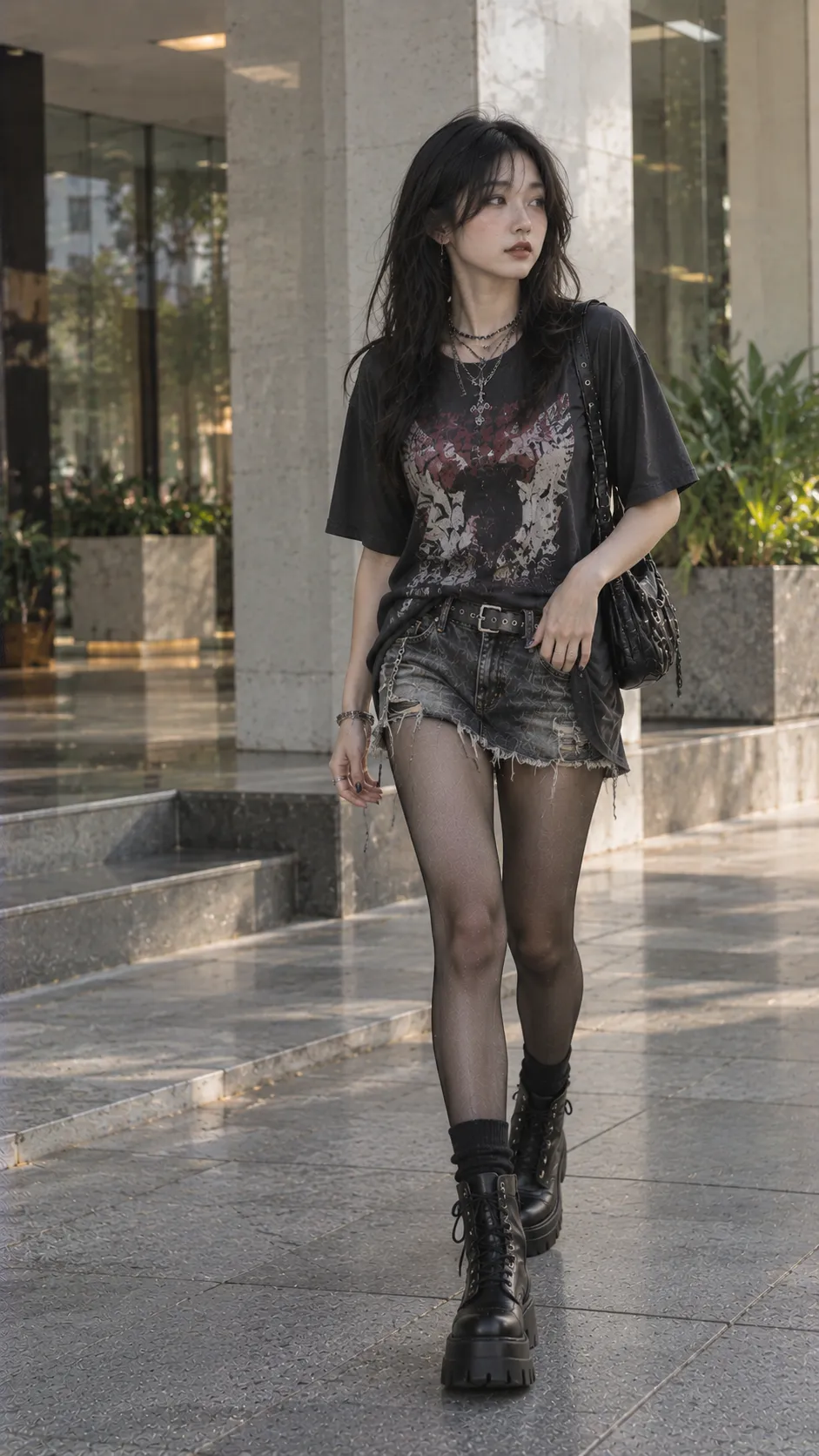
A tee or tank defines the upper section, while cargo or parachute trousers add lower volume. Compare the actual footwear against that shape and the route. A compact practical bag can add storage without another full garment.
2. Base + Light Outer Layer + Straighter Trousers
If the outer layer already carries a hood, adjusters, or panels, quieter trousers provide contrast. A straighter or simpler cargo shape offers possibilities for everyday plans where the actual clothing requirements allow.
3. Dark Gorpcore: Similar Colors, Different Surfaces
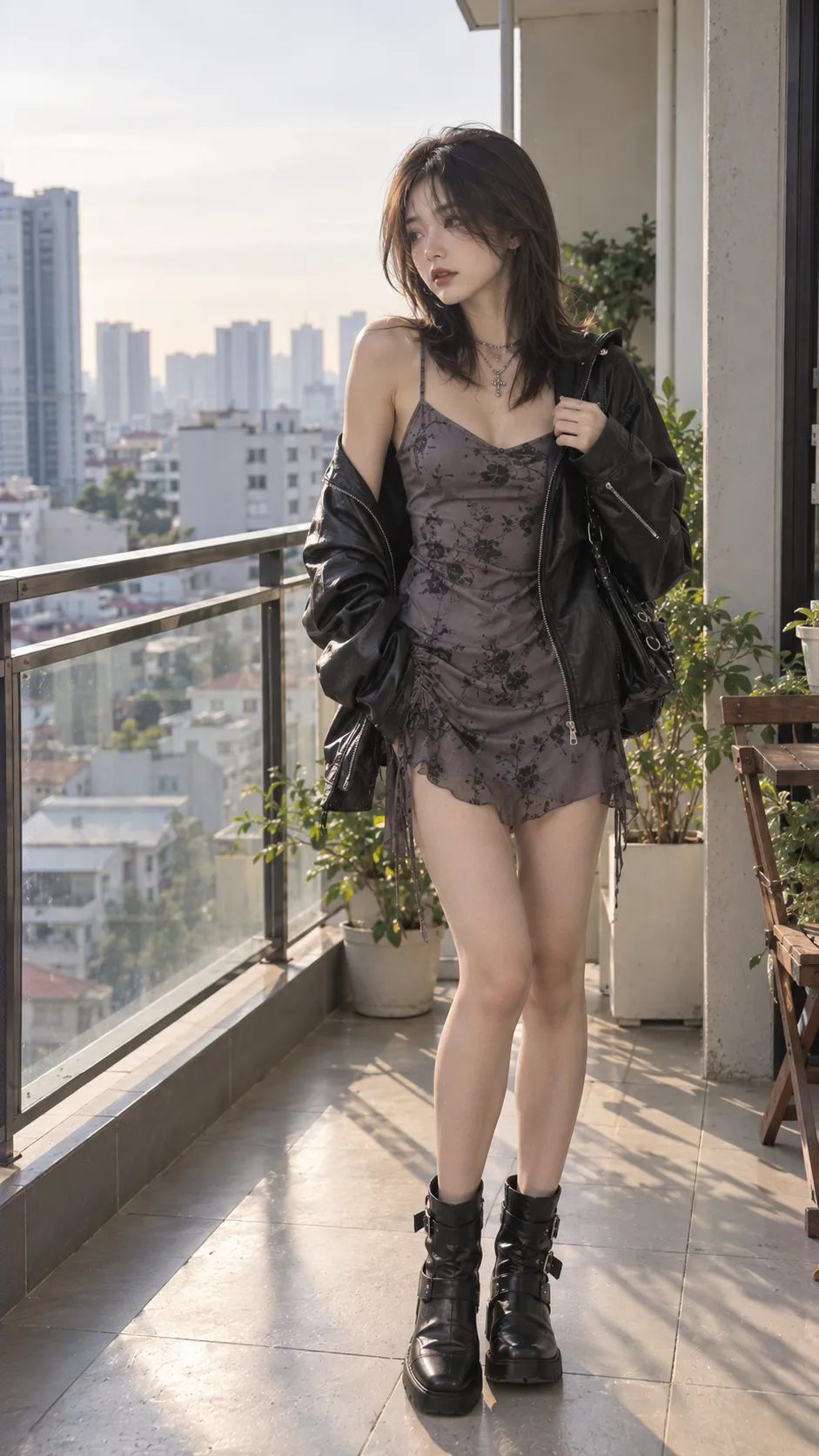
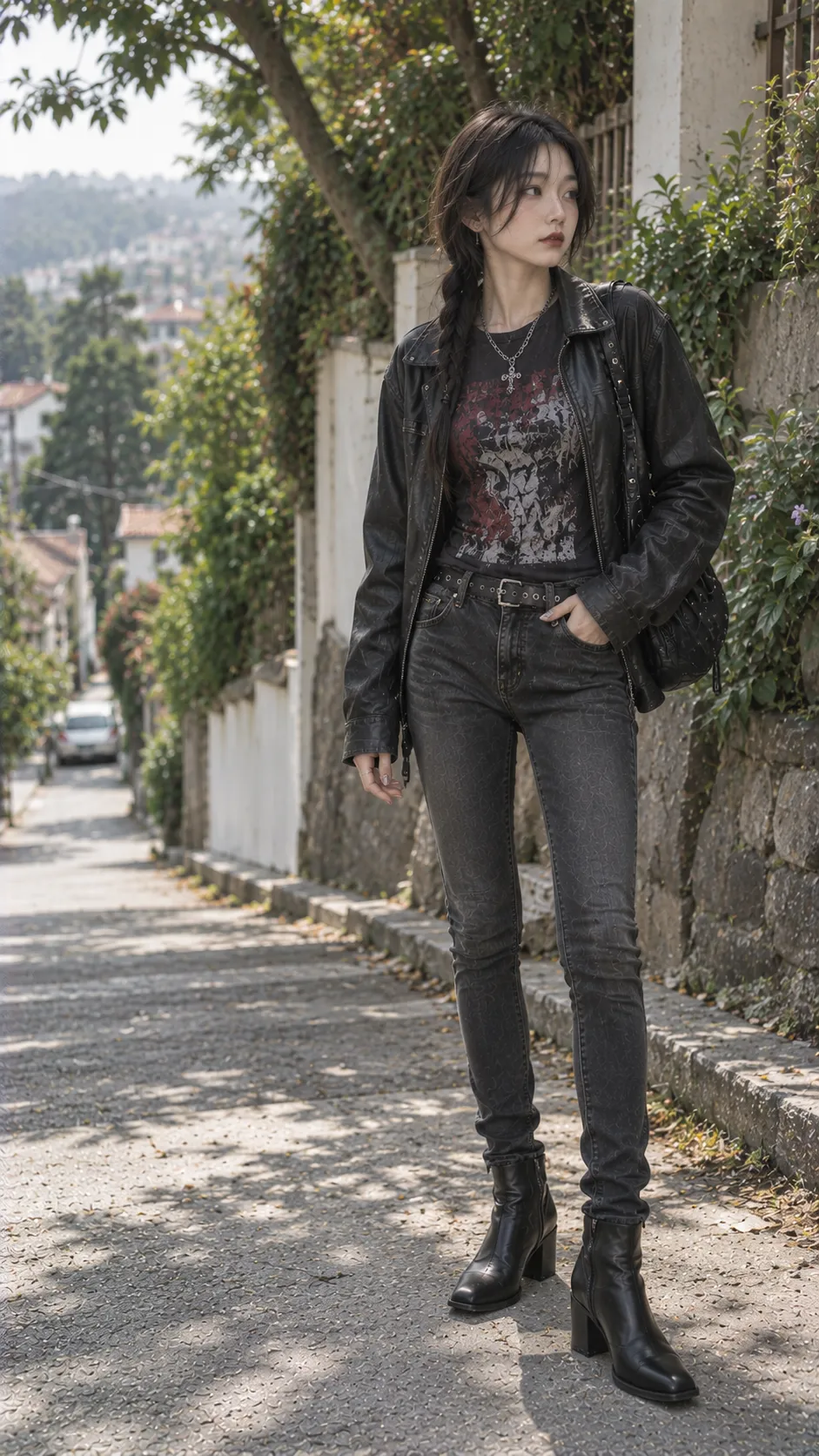
Black or gray pieces can separate through crinkled woven fabric, ripstop, mesh, or fleece. A boxier shell shape beside darker trousers and differently toned footwear provides one composition; actual layer suitability still depends on conditions.
4. Skirt or Dress + Outdoor-Associated Outer Layer
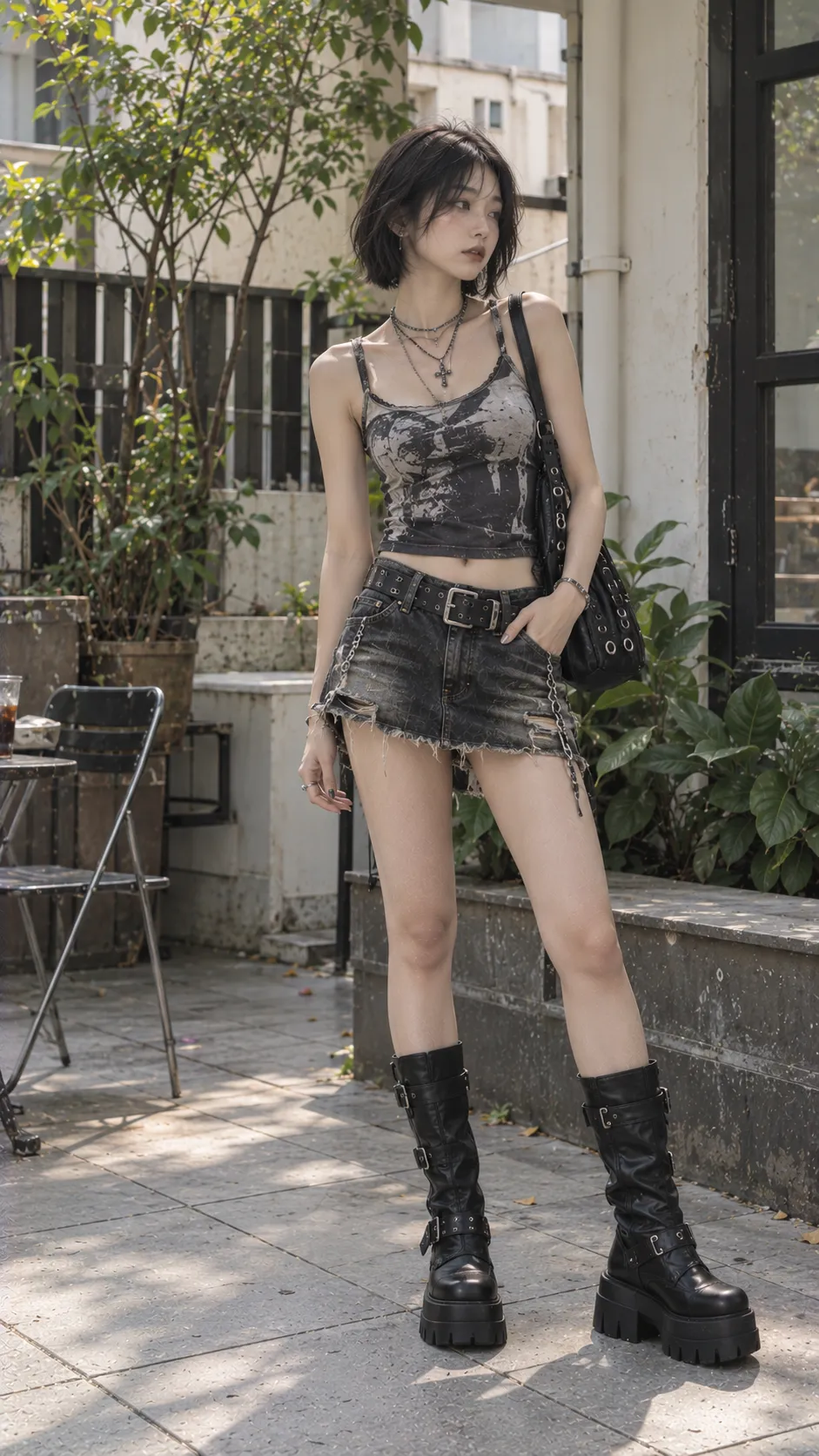
A mini, midi, or dress changes the lower shape beside a shell or windbreaker. Connect the jacket and footwear through their visible details if you want a deliberate outdoor contrast. Choose the actual shoe for movement rather than its appearance alone.
In warmer conditions, select the prominent reference deliberately: technical-looking trousers or an outer layer or or trail-associated footwear. Add further layers only when useful for the actual temperature, coverage, and itinerary.
Color beyond Earth Tones
Olive, earth brown, stone gray, and beige evoke outdoor palettes. Bright colors and color blocking are also familiar outdoor-clothing references. Black can work through construction and surface rather than requiring forest colors. Color alone does not establish a visibility or safety rating.
A darker existing wardrobe may only need a different surface or detail: ripstop, fleece, mesh, a woven outer layer, or an adjuster. There is no requirement to replace the whole palette.
Start with Trouser Construction
Trousers provide another starting point if you do not want a shell or trail-style shoes. Cargo pants add pocket construction; parachute pants add another fabric-and-volume relationship; hiking-associated trousers may offer specified panels or material features. Check sitting and stride rather than assuming durability or performance from the label.

Assess Function before a Logo
Begin with an actual use: rain exposure, drying needs, stable storage, or footwear for the route. Then inspect relevant construction and verified specifications. A logo is not evidence that the product meets those needs.
If a piece adds unwanted heat, weight, or restricted movement, reassess it against the actual purpose. The styling reference does not require you to retain an unsuitable garment.
Choose the Details You Need
Several carabiners, cords, pockets, gloves, glasses, and a large backpack can create more detail than you intended. Ask which features actually help with carrying, adjustment, exposure, or movement, and which are optional decoration you enjoy.
Three Reasons to Simplify
Accessories catch or restrict movement; layers mismatch the temperature; footwear adds unwanted weight. Adjust the pieces to your day rather than displaying every possible function at once.
Repeated Use and Care
Outdoor-associated products are not automatically durable or environmentally preferable. Long-term usefulness depends on their actual construction, repeated use, care, and repair possibilities. A technical label alone establishes none of those outcomes.
Start with a genuine wardrobe need rather than a complete new trend set: a suitable outer layer, trousers for the intended conditions, a manageable bag, or tested shoes. Connecting a useful item with existing pieces follows the logic of a capsule wardrobe with several combinations from fewer purchases.
Related Alternative Outfit References: explore Baddie Streetwear (Vietnamese) for trouser volume and layered silhouettes. Those looks are proportion studies rather than proof of outdoor-equipment performance.
Outdoor References in a New Setting
Gorpcore offers a way to place outdoor-associated design in everyday clothing. Choose the layers, surfaces, and proportions you enjoy, then assess actual function for the climate and itinerary. It does not require expensive equipment or establish that an outfit is ready for outdoor activity.
References
These sources provide context for the term and outdoor-clothing fashion history:
- Cambridge Dictionary — Gorpcore — a dictionary reference for the term and name.
- Bloomberg — America's Long Fashion History with Gorpcore — reporting on outdoor clothing and fashion history.
- FashionUnited — Tracing a Trend: Gorpcore — reporting on the term's 2017 context and later fashion interpretations.
Outfit formulas and adaptations for Vietnam are Apocalypse Closet editorial suggestions. Product performance must be checked against actual construction and specifications.
Frequently Asked Questions
What is Gorpcore?
Gorpcore brings outdoor-associated clothing into everyday urban outfits. Shells, fleece, hiking-style trousers, terrain-associated footwear, and practical bags supply references, but their real function depends on the specific products.
How does Gorpcore differ from Techwear?
This guide starts Gorpcore from outdoor-clothing references; the Techwear specialist starts from urban movement, storage, and clothing systems. They can overlap without being identical categories.
Can Gorpcore references work in warm, humid conditions?
Yes, if you choose suitable actual garments and reassess layer count, fabric, lining, and ventilation. Do not assume thin nylon or a technical label guarantees coolness, or copy insulation solely from a cold-weather image.
Do you need expensive hiking clothing?
No. An existing useful outdoor-associated piece can connect with everyday basics. Assess its actual fit, intended use, and rewear potential instead of treating price as a condition of the style.
What is a useful starting point for women's Gorpcore styling?
Compare an existing tee or tank with suitable cargo or parachute trousers. A practical bag or terrain-associated shoe shape provides other references where useful. You need not add several layers or buy every category.