

Building a Dark Wardrobe: Choosing Useful Pieces
Buying every item in one Pinterest outfit can leave you with pieces that do not combine well. A wardrobe is more than several isolated looks: its foundations, proportions and references need to work across outfits. Establish that structure before buying the most dramatic example you have saved.
This guide addresses what to choose, in what order and for what purpose when building a dark wardrobe, rather than providing another set of outfit formulas.
In this guide: we explain building a long-term dark wardrobe through foundations, footwear, texture and accessories. For a separate plan around a one-million-dong budget, see the VND 1 million alternative wardrobe guide (Vietnamese).

Guide collection: Aesthetic Dictionary: A Guide to Fashion Styles (Vietnamese)
For fewer pieces that combine repeatedly, read what a capsule wardrobe is (Vietnamese). That guide explains the broader idea; this one applies it to dark styling and purchase order.
First: Choose a Direction
Dark aesthetic is an umbrella rather than one fixed style. Search results may mix goth, dark feminine, e-girl, punk, nu goth and other references. Buying across all of them without an organizing preference can leave the wardrobe without a clear center.
Choose a direction that feels personally useful, rather than simply the most fashionable image. Dark feminine emphasizes controlled shape and darker femininity; goth has its own subcultural history; e-girl draws on internet culture; punk emphasizes attitude and DIY; baddie streetwear brings edge into casual clothing. Their foundations differ despite shared colors.
If uncertain, test one nearby direction for several months—six months is one possible experiment—while allowing your taste to change. A working starting point can make purchases more coherent without requiring a permanent identity.
Foundations to Choose First
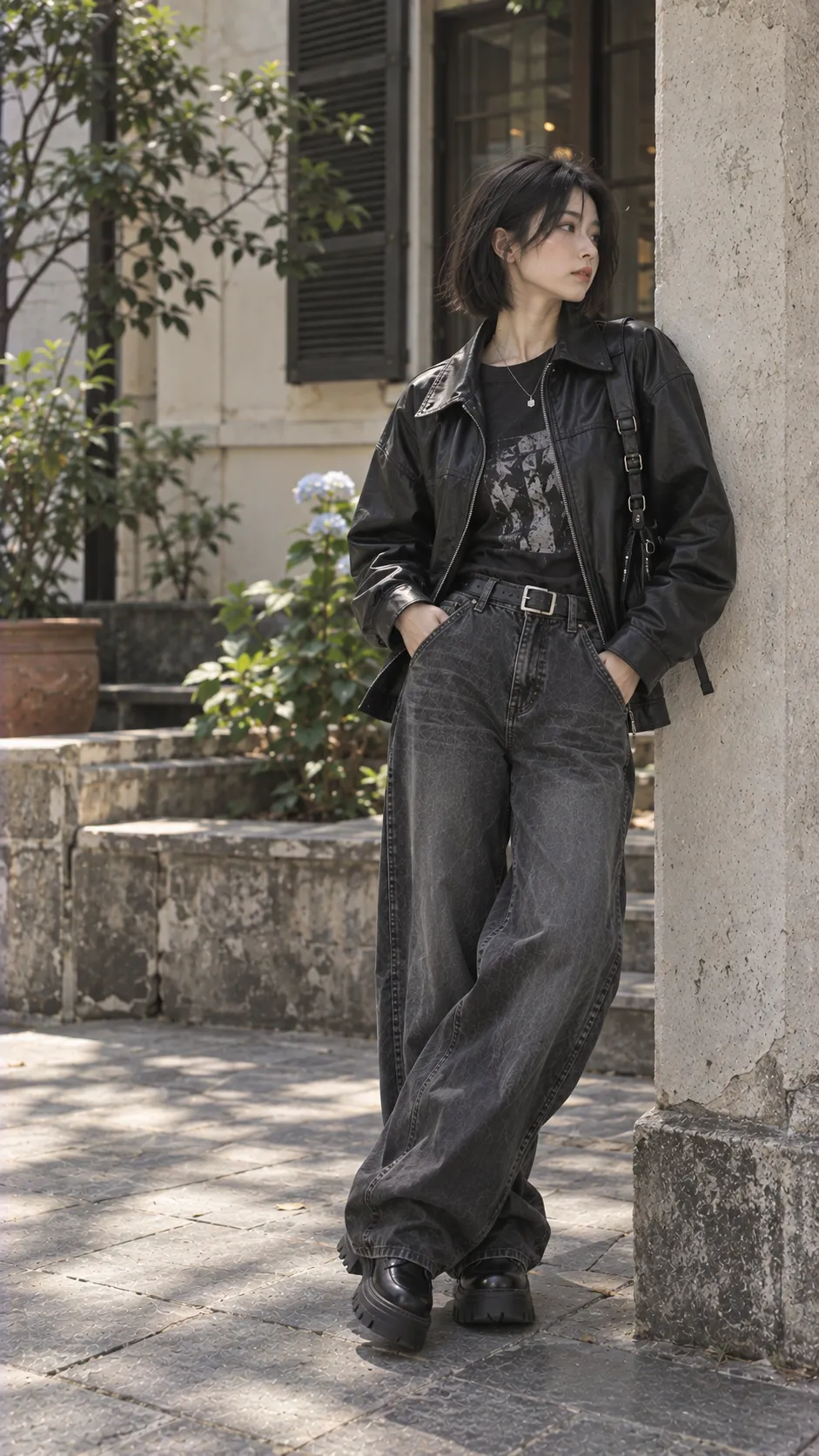
Foundations are pieces repeated through many outfits. Begin with useful dark tees, long sleeves or fitted tops, one or two versatile dark trousers, and an appropriate outer layer. Prioritize fit and construction where repeated use makes them valuable.
A leather-look or black denim jacket can cross several dark styles. Assess structure, material, seams, zips, odor and surface condition whether buying new or secondhand. A piece that wears well repeatedly may be more useful than one that only photographs well.
For leather jackets, use the women's leather-jacket shopping checklist (Vietnamese) to assess seller information, fit and materials before buying.

Considering Boots Before More Sneakers
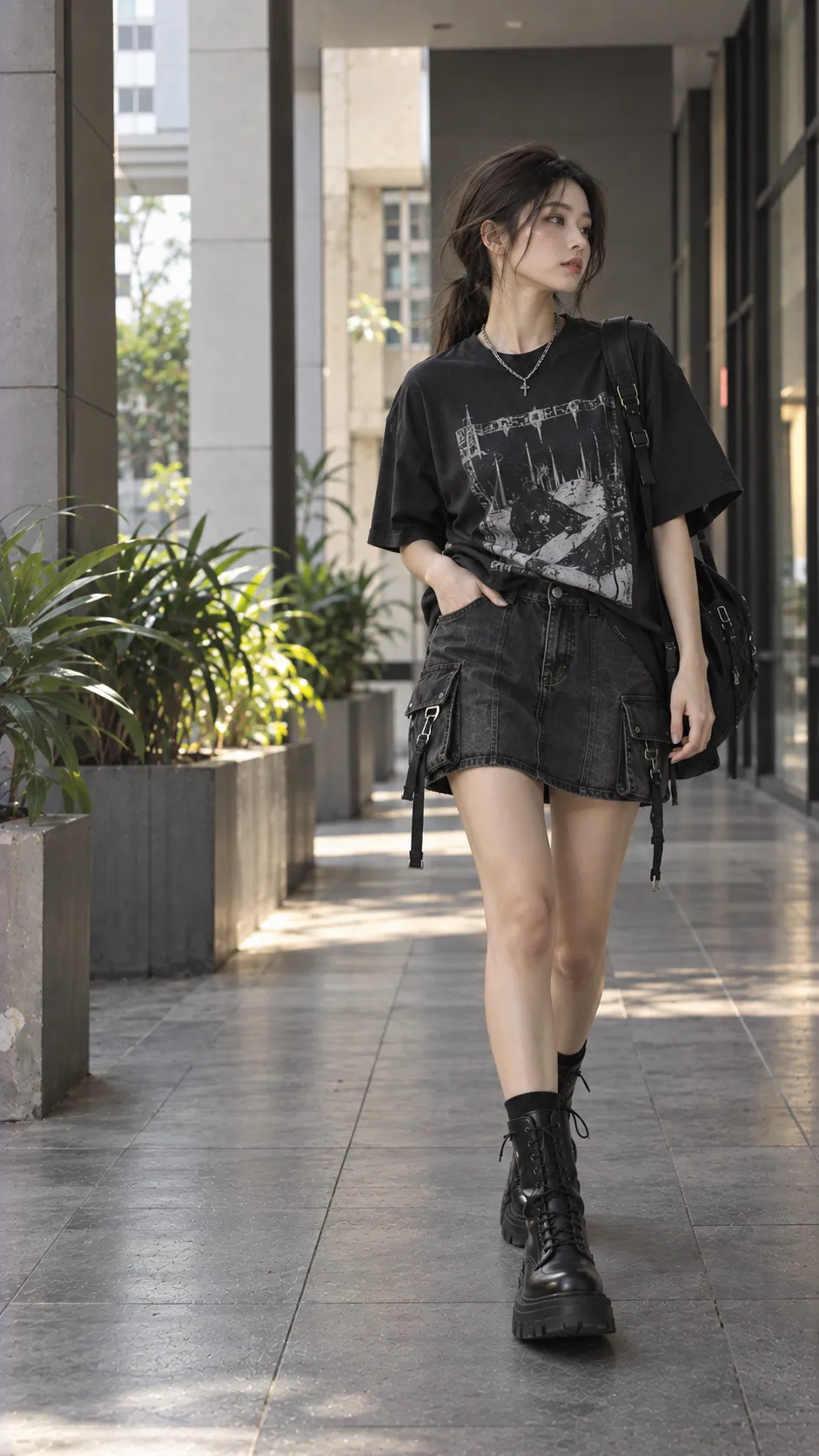
Existing sneakers remain useful. If buying another pair of shoes specifically to change the direction, consider whether boots fill a larger gap. A plain black tee can communicate a different mood with combat boots than with pristine white sneakers, even when other pieces remain unchanged.
Boots need not have ten-centimeter platforms or many buckles. Low combat boots, black Chelsea boots or streamlined ankle boots can provide a versatile foundation. Dark leather or suitable faux leather often connects with this wardrobe; fabric or mesh boots can serve more specific looks rather than being automatically unsuitable.
Where to Buy Secondhand and Where to Prioritize Quality
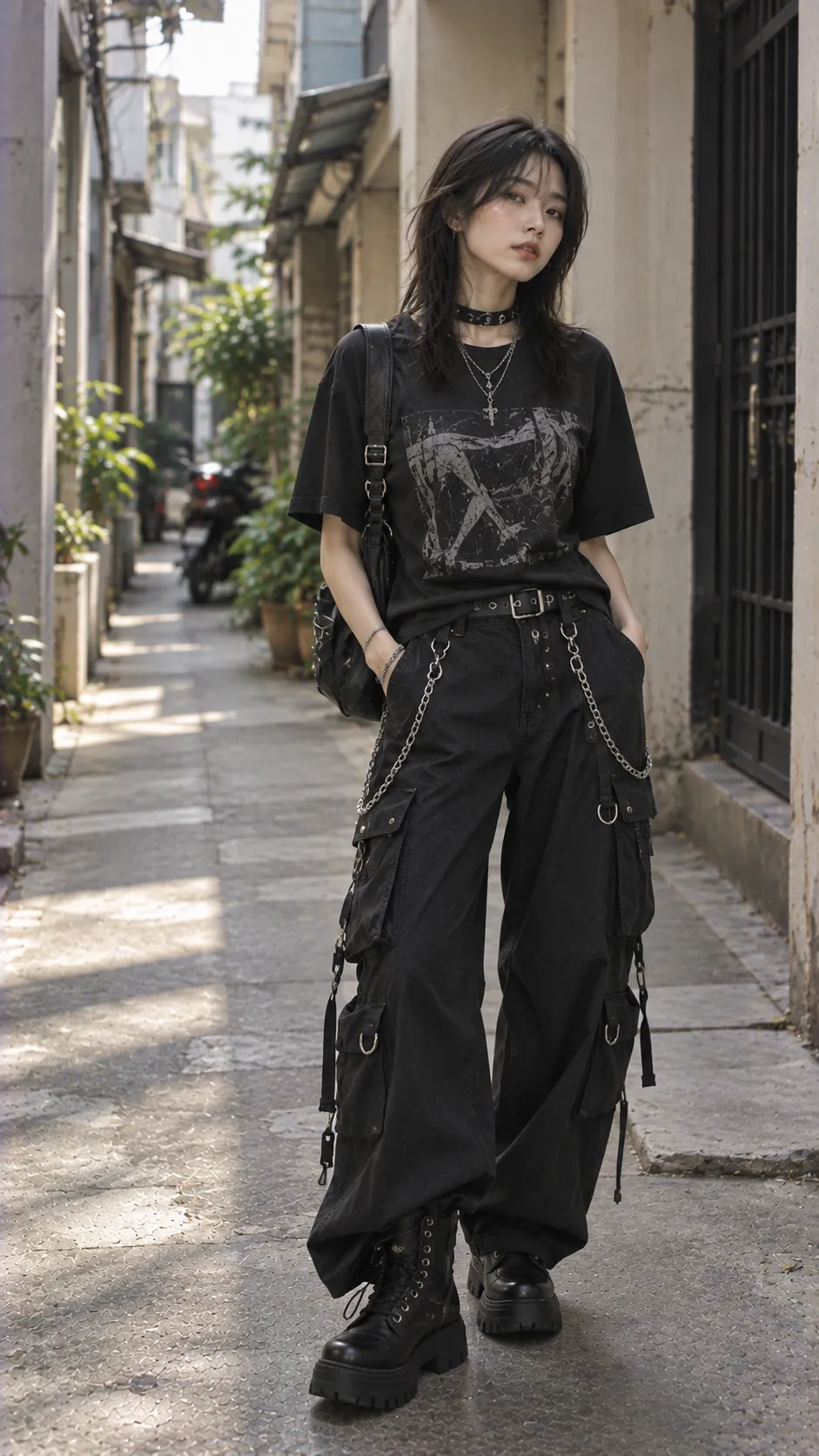
Secondhand jackets, boots, band tees and metal accessories can offer worn texture and individuality without a new-brand requirement. Compare actual condition and price rather than assuming every used piece is a bargain.
Choose new underwear and other intimate garments where appropriate to your comfort and hygiene preferences. Inspect used jackets for seams, zips and odors; boots for sole integrity, lining condition and mold; and metal accessories for finish, sharp edges or damage. Secondhand does not remove the need for inspection.
A useful wardrobe gives each piece a clear role rather than merely maximizing options.
Budget for Accessories Early
Plan accessories alongside the clothes. A choker can finish the neckline; a studded belt can define the waist. If they are considered only after other purchases, you may overlook details that help connect the outfit.
Reserve a deliberate part of the budget for a few compatible accessories. Three to five well-chosen pieces can be easier to use than twenty unrelated impulse purchases.

A Dark Palette Beyond Black
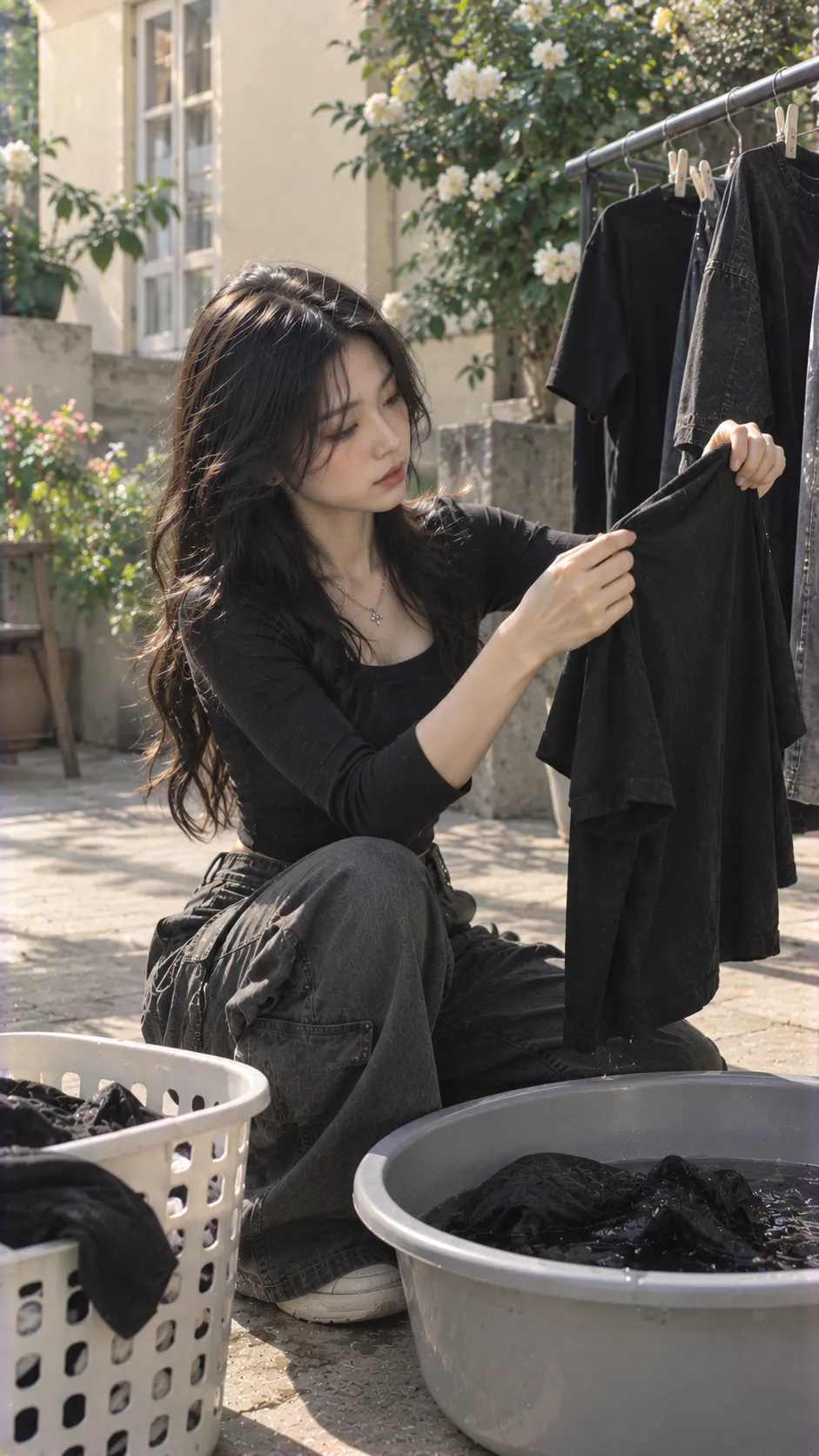
Black alone does not guarantee depth. Two black tops with different matte, reflective, thin or substantial surfaces can create more useful contrast than unrelated colors. Consider texture as well as the palette.
Deep red or burgundy can provide a controlled accent, charcoal a second neutral, and white or cream a sharper contrast. Navy or moss can soften intensity. One or two recurring accents may connect the wardrobe more easily than a different strong accent in every look.
Beginner Buying Mistakes
Buying only because an item is viral can be costly if it does not combine with your direction. Trends change, while a garment's usefulness depends on fit, preferences and repeat wear. Judge its place in your wardrobe before its visibility online.
Buying too much before wearing the first pieces can also obscure what you need. Buy slowly, wear the clothes and observe what works. Ten frequently used pieces may serve you better than forty barely worn ones.

Knowing When the Wardrobe Works
There is no fixed completion number. A useful sign is being able to assemble an appropriate outfit without every choice feeling difficult. Pieces have roles, get worn and connect with the same overall direction.
The wardrobe need not be large, perfect or permanently finished. It should support your preferences and daily life rather than continually chasing another saved image.
For help locating your interests first, explore what alternative fashion means (Vietnamese) . For a more focused accessory plan, read essential alternative-fashion accessories before adding more decorative pieces.
When the wardrobe works, outfit photographs can help record combinations. Our guide to phone outfit photography (Vietnamese) addresses how to capture the clothes you have assembled.
Related Outfits in the Closet
See these looks in the closet: Look #04 · Brown off-shoulder top + ripped, fringed jeans (Vietnamese) (darker statement styling), Look #44 · Black mesh top + chain-detail shorts (Vietnamese) (Goth: black mesh top and chain-detail shorts), Look #03 · White cropped graphic tee + wide black cargo pants (Vietnamese) (statement punk), Look #22 · Asymmetric crop top + black lace-detail jeans (Vietnamese) (an all-black combination), Look #52 · Black lace-up top + pleated skirt (Vietnamese) (Goth: black lace-up top and pleated skirt).
Frequently Asked Questions
What does a dark wardrobe need?
An illustrative foundation is three or four dark tops, two versatile trousers such as black jeans or cargos, an outer layer such as black denim or leather, suitable boots and three to five accessories. Adapt the numbers and pieces to your preferred style and actual use.
How much does it cost to build a dark wardrobe?
There is no fixed figure. Prioritize repeatedly worn pieces such as suitable outerwear and shoes, combine them with affordable basics and consider inspected secondhand accessories. Price and availability vary; coherence matters more than branding.
Where can I look in Vietnam?
Online marketplaces such as Shopee and TikTok Shop can be explored with terms including gothic, dark aesthetic, dark Y2K or punk fashion. Tan Binh Market in Ho Chi Minh City and Dong Xuan Market in Hanoi offer broader fabric-market contexts; check individual vendors for current services. Local secondhand shops and smaller vintage (Vietnamese) sellers on Instagram or Facebook may offer more individual pieces, with stock and condition requiring assessment.
How do I start if most of my clothes are light-colored?
Keep useful clothes and add one or two darker layers, such as a black jacket or dark cardigan. Replace basics gradually when needed rather than discarding the wardrobe. If boots fill a real gap, they can change the balance noticeably. Wear each addition before deciding what to buy next.