

What Is Gyaru? Gyaru Style and Its Substyles
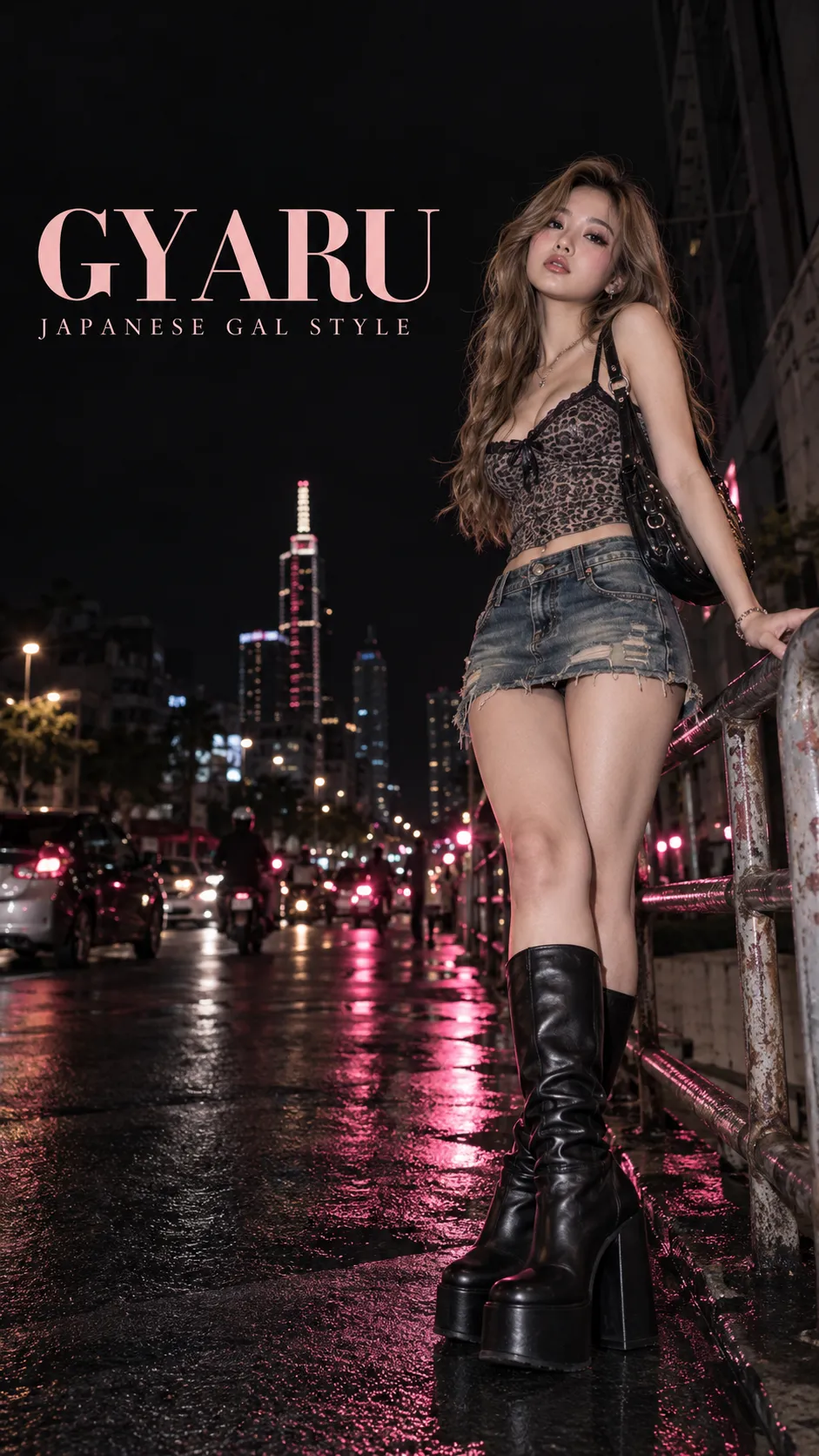
Gyaru is a Japanese fashion subculture built around a deliberately styled image: hair, makeup, nails, clothing, shoes and visual attitude work together. A mini skirt, platforms or light hair alone misses its central quality: an unmistakably finished overall look.
This introductory guide to gyaru style explains its meaning, the layers of an outfit and its major branches. Ganguro, Kogal, Amekaji and Hime Gyaru receive brief introductions so you can distinguish them before exploring their dedicated guides.
Guide collection: Aesthetic Dictionary: A Fashion Style Directory
What Is Gyaru?
In fashion, it describes a Japanese subculture with multiple branches rather than one dress code. Its meaning extends beyond “girls wearing eye-catching clothes.”
The same mini skirt could appear Preppy, Y2K or Gyaru. Hair, makeup, proportions, footwear and accessories establish the difference.
If you are asking what Gyaru means, think of a visual identity system rather than a shopping list. Carefully styled hair, prominent eye makeup, considered nails and accessories, and a clear clothing silhouette contribute to a deliberately constructed image.
Gyaru is associated with Japanese youth fashion, especially Shibuya. GO TOKYO describes SHIBUYA109 as an emblem of the subculture. For contemporary styling, preserve the relationship between the elements rather than reproducing an entire historical era.
For broader context on how a subculture can contain multiple visual codes within one identity, explore What Is an Aesthetic? and Aesthetic Dictionary. Those pages explain aesthetic systems; this guide concentrates on Gyaru's particular characteristics.
Five Layers of Gyaru Style
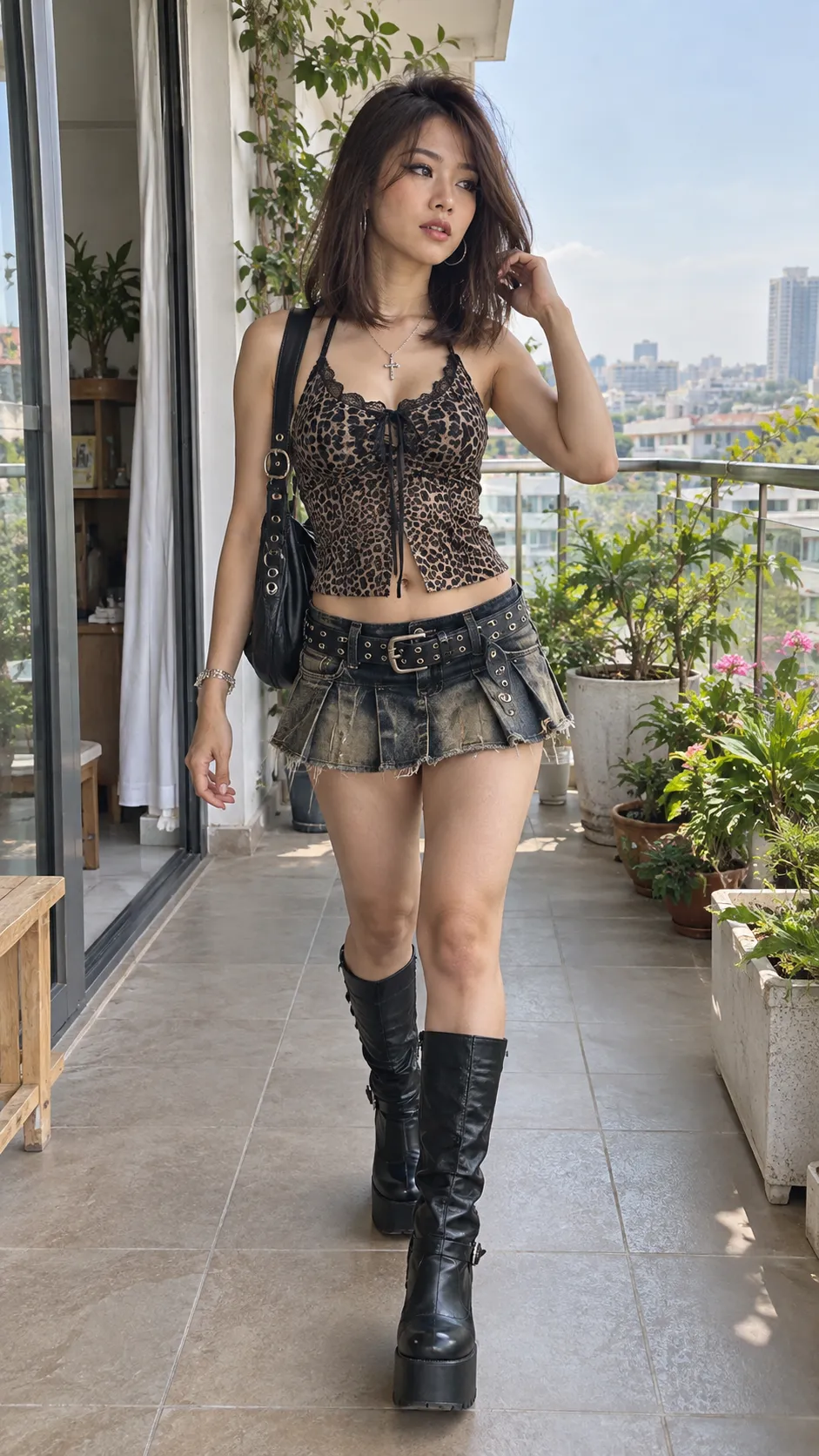
Before deciding what to buy, read gyaru style through five layers. This helps you build new combinations from existing clothes without treating the style as a costume.
Every layer need not be maximal. Strong hair and makeup can balance simpler clothing; quieter beauty styling may call for a stronger silhouette or shoes. Distribute visual weight around a focal point instead of making every detail compete.
Gyaru Substyles: A Spectrum Rather Than a Costume Checklist
Gyaru encompasses numerous branches. This table offers quick distinctions; the dedicated guides to Ganguro, Kogal, Amekaji and Hime Gyaru cover their history and individual characteristics in greater depth.
Kogal
Uses reworked Japanese school-uniform codes: short skirts, loose socks, cardigans or blazers, bags and Gyaru beauty styling. The uniform reference matters; a pleated skirt alone does not establish Kogal.
Ganguro
A high-contrast branch associated with deeply tanned skin, light hair and contrasting makeup. Reducing it to an isolated makeup look overlooks its wider Gyaru context.
Hime Gyaru
A princess-oriented branch with voluminous hair, feminine dresses or skirts, lace, bows, jewelry and substantial decoration. Its ornate finish matters more than simply wearing pink.
Amekaji
A casual direction drawing on American casual clothing: denim, tees, hoodies, varsity pieces, sneakers or boots. Relaxed clothing combines with distinctly Gyaru beauty and styling.
Onee Gyaru
More mature silhouettes and palettes: softly fitted dresses, knits, tailoring, heels or boots, compact bags and polished makeup. Youthful school references recede while a considered appearance remains central.
Classic / casual Gyaru
A useful starting point without reproducing an extreme substyle: fitted shapes, denim or minis, substantial footwear, hair, makeup and deliberately selected accessories.
Choose a Gyaru Direction for Your Outfit
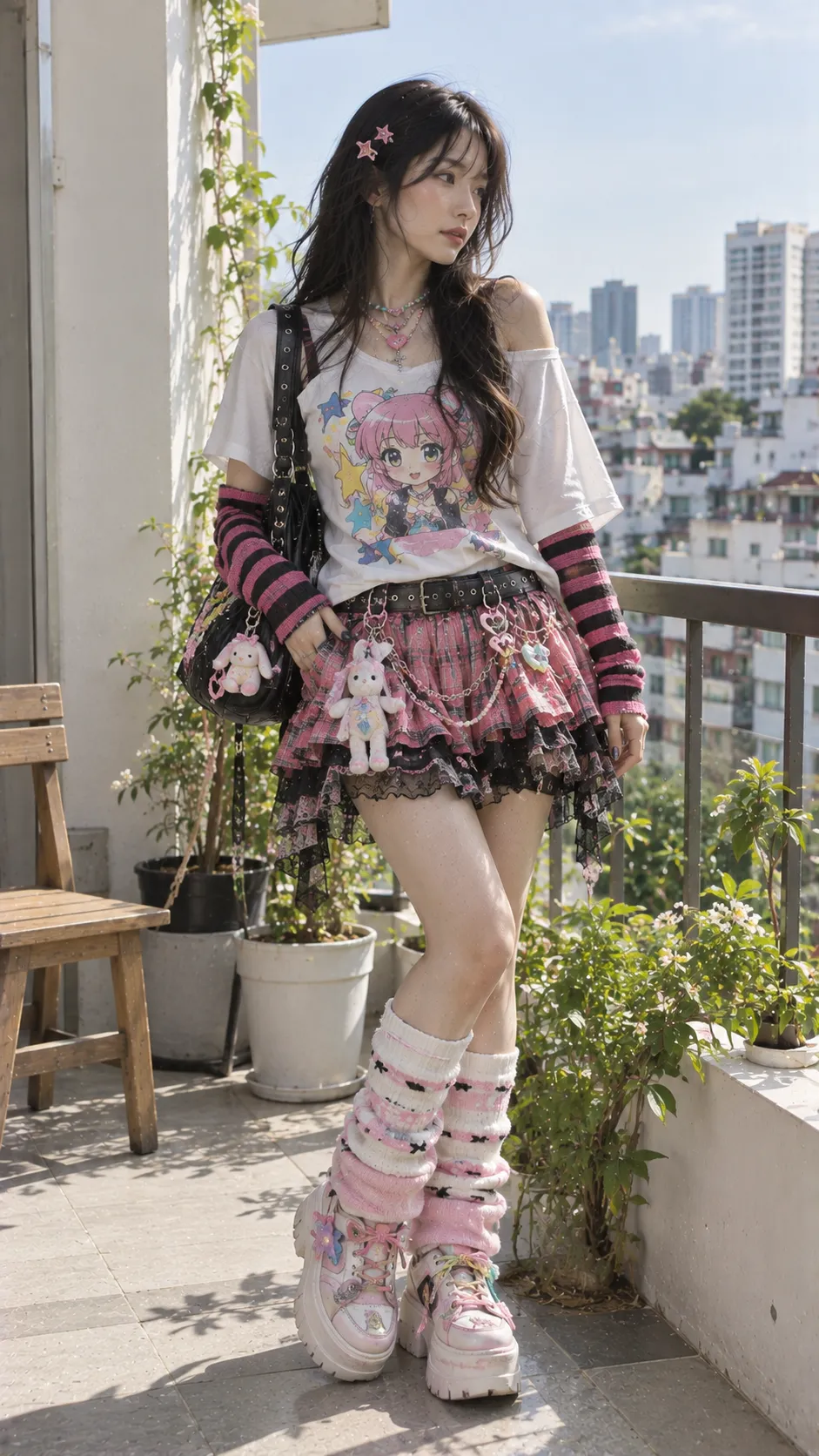
Choose a substyle for the appearance you want, rather than its appealing name. These three routes help avoid unsuitable purchases.
Use high contrast, substantial boots or platforms, defined eyes and one dominant surface such as washed denim, animal print or a faux-fur accent. This approaches Gyaru's more visually intense branches.
Prioritize a dress or skirt, waist definition, curled hair, jewelry and controlled lace or bows. Decoration should support the silhouette.
Start with a tee, fitted knit, denim, a mini, flares or a hoodie; use beauty styling, a bag, belt and footwear to establish the Gyaru direction.
If you already wear streetwear, casual styling provides a practical bridge. Keep jeans, tees or hoodies and reconsider the finish: a closer-fitting tee, low- or mid-rise denim, a prominent belt, boots instead of small sneakers and defined eyes can change the outfit without replacing your wardrobe.
Six Gyaru Outfit Formulas to Try
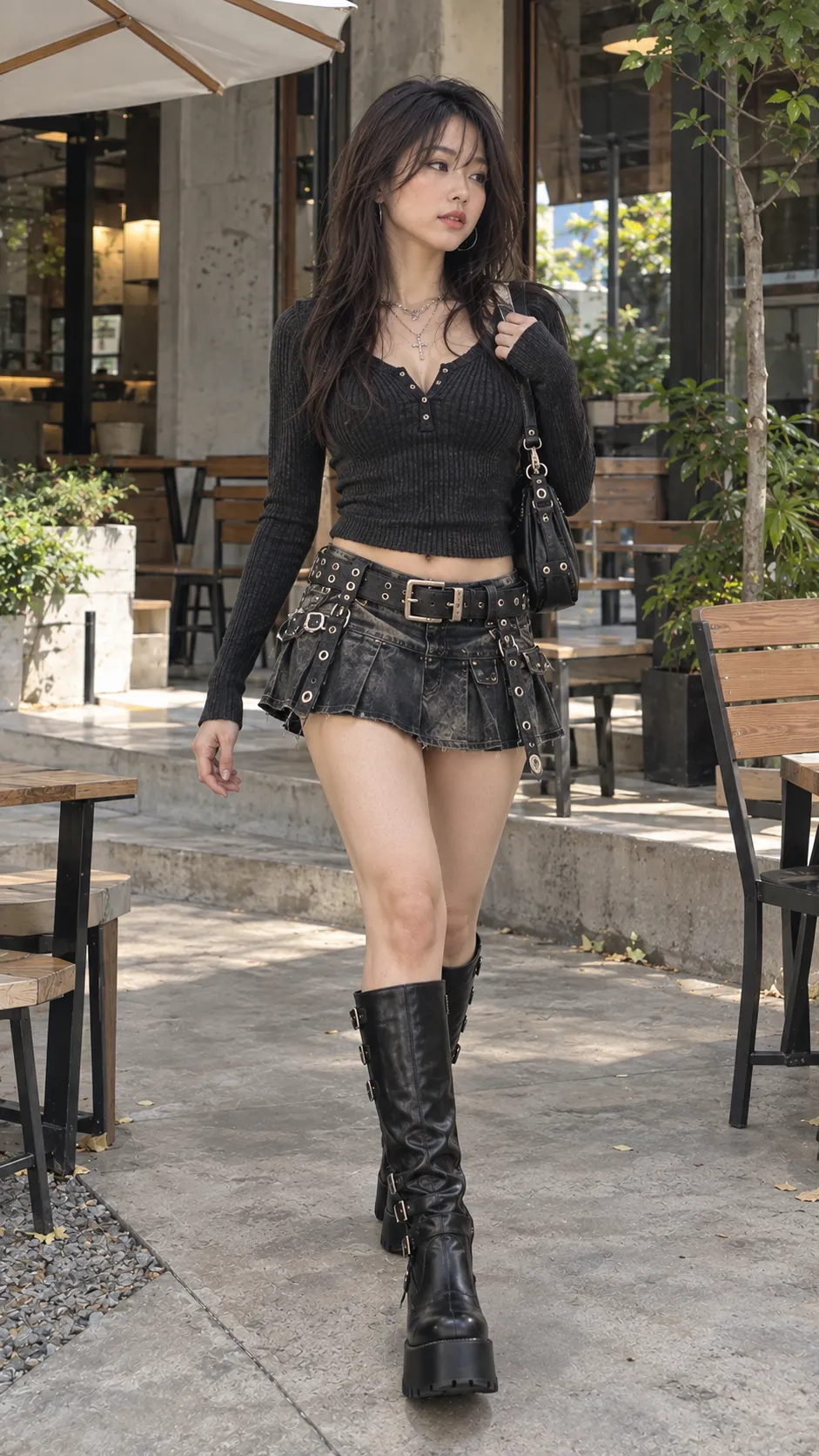
A fitted top defines the torso; a mini creates leg space; boots balance visual weight. Keep the bag compact so hair and shoes remain focal points.
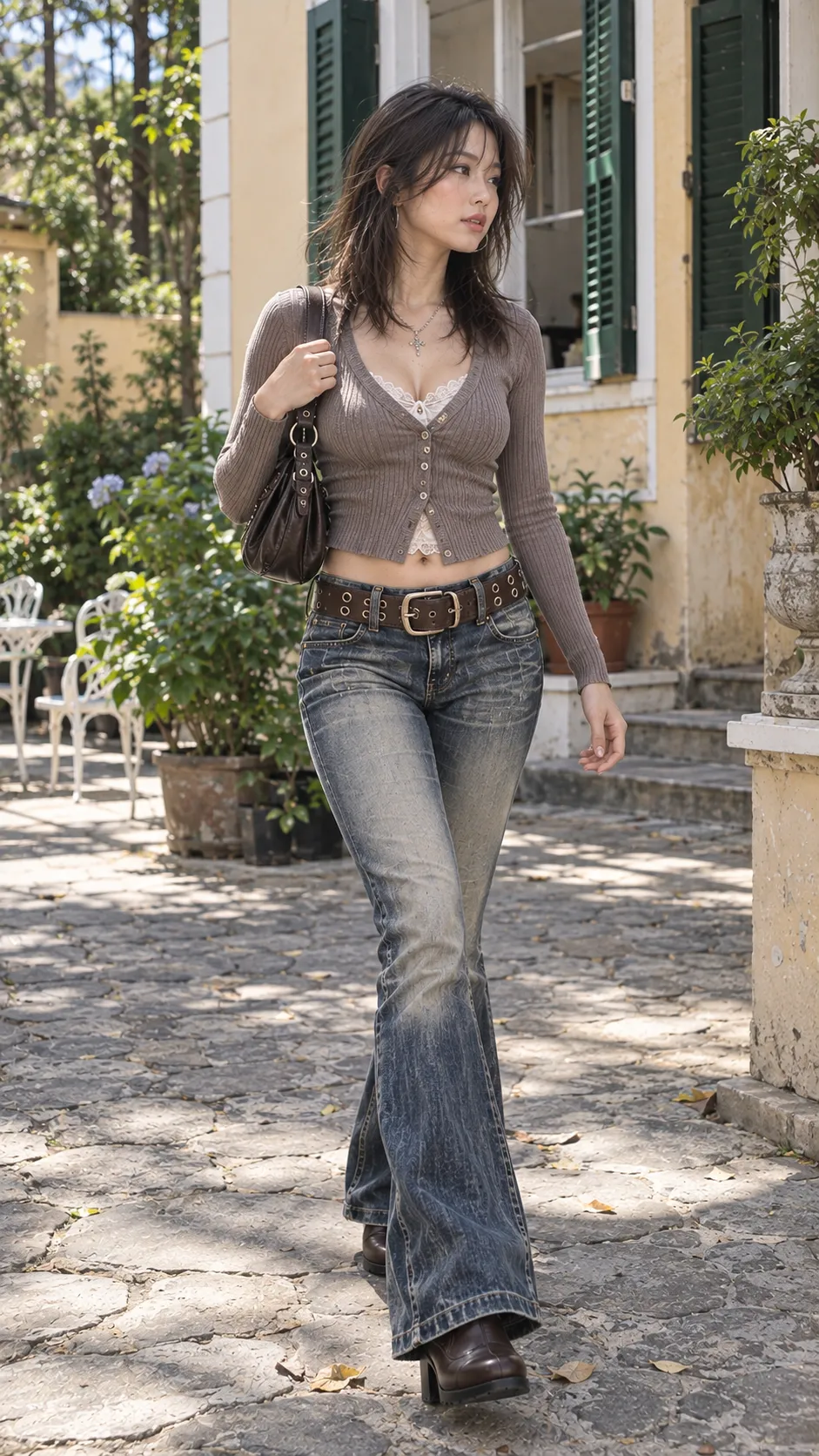
For cafés and outings. Swap the denim mini for a black A-line mini.Flares create a long leg line. The belt and beauty styling distinguish the outfit from a generic Y2K combination.
For everyday Gyaru. Swap the baby tee for a fitted knit.The cardigan and mini introduce school references; socks and shoes finish the lower half. Without Gyaru beauty styling, the combination can read as Preppy.
For Kogal-inspired styling, using school-uniform references thoughtfully.The dress creates a continuous line; the cropped jacket defines the waist; boots frame the legs. Earrings connect the face to the clothing.
For a city outing, dinner or a casual event.Make the graphic the focal point and keep denim casual. The bag and beauty styling establish Gyaru rather than straightforward streetwear.
For casual or Amekaji-adjacent city outfits.Clear proportions and restrained accessories give a more mature impression. Keep eyes defined without competing with every other element.
For Onee-inspired styling, dinner or meeting friends.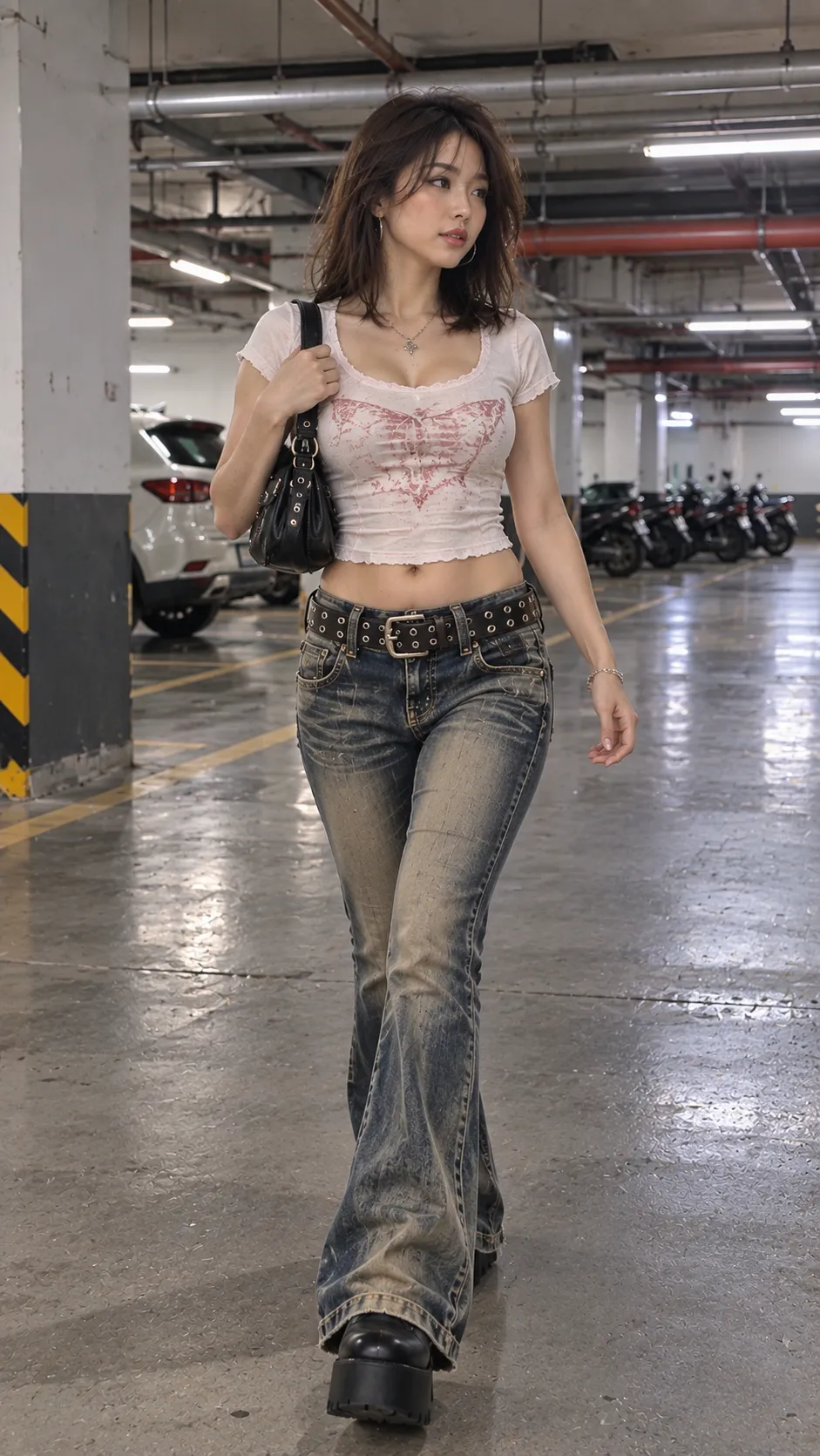
Hair, Makeup, Shoes and Accessories: Bringing the Outfit Together
Beauty styling often balances Gyaru clothing. You need not copy a particular era; liner, lashes or contrast around the eyes can give the face enough definition alongside a strong silhouette.
Light hair is optional. Shape matters more: a blowout, curls, a half-up style or face-framing layers can all look intentional.
Footwear controls the lower half's visual weight. Tall boots or platforms with a mini can balance voluminous hair; flares need a visible toe and sole rather than shoes disappearing under the hem.
Give accessories a purpose: a belt marks the waist or hips, a shoulder bag connects the torso, and earrings draw attention upward. Nails are an optional finishing layer.
How Does Gyaru Differ from Y2K, Harajuku and E-Girl?
| Style system | Focus | Why they overlap | Quick distinction |
|---|---|---|---|
| Gyaru | Subculture, beauty styling and fashion identity | Uses many late-1990s and 2000s items | Hair, makeup, nails and finishing details play substantial roles across its multiple substyles. |
| Y2K | Broad turn-of-the-millennium fashion vocabulary | Baby tees, low-rise bottoms, minis and platforms | Can be worn without Gyaru beauty codes. |
| Harajuku | A place and a broad street-fashion culture | Both belong within Japanese street fashion | Contains many different systems and silhouettes; it is not synonymous with Gyaru. |
| E-Girl | Internet-born alternative styling | Eye makeup, minis, platforms and accessories | Graphic imagery, striped layers, chains and digital alternative references often stand out. |
A common mistake is treating Gyaru as a Japanese Y2K mood board. Their periods and items overlap, but their identities differ. For a broader introduction to styles outside the mainstream, see Alt Style / Alt Fashion ; interpret Gyaru through its own cultural and beauty context.
Gyaru Starter Wardrobe: Build a System Rather Than a Costume
Begin with a fitted top, a mini or flared jeans, boots or platforms and a shoulder bag. Then use hair, makeup and accessories to choose your direction, rather than buying a complete substyle costume.
A fitted tee, baby tee, fitted cardigan or knit with a defined neckline.
A structured mini, flared jeans, slim or straight denim, or casual bottoms suited to your chosen branch.
Knee-high boots, heeled boots, platforms or loafers with appropriate visual weight.
Lashes or liner, a considered hairstyle, a belt, hoops, a shoulder bag and optional nails.
Give each item at least two uses. Knee-high boots work with minis and dresses; a fitted cardigan can support school references or Onee-inspired styling; flares suit casual Gyaru and adjacent Y2K looks. This keeps the wardrobe reusable.
Light hair, tanned skin and long nails are not requirements. Adjust the balance between layers to suit your routine while retaining a focal point.
Five Gyaru Styling Mistakes That Distract from the Look
1. Copying only one recognizable item
A mini, loose socks or platforms cannot establish Gyaru alone. Check hair, makeup and finishing details first.
2. Combining every signal at once
Too many prints, fur accents, rhinestones, bows and platforms obscure hierarchy. Choose one dominant surface and one footwear anchor.
3. Reducing substyles to colors
Hime Gyaru is more than pink; Amekaji is more than a graphic tee; Ganguro is more than tanning makeup. Each has its own silhouettes and finishing conventions.
4. Letting footwear look too slight
Voluminous hair and strong makeup need balanced footwear. Consider a taller boot shaft, thicker sole or fuller shoe shape when the lower half feels visually weak.
5. Shopping from photos without considering daily use
A photogenic look can be inconvenient in practice. Preserve its visual references while adjusting materials, lengths and heel heights to the occasion.
- An overview of Gyaru, Gyaru style and the term's meaning.
- Ganguro, Kogal, Amekaji and Hime Gyaru receive identification-level introductions rather than complete guides here.
- The focus is reading and applying the visual system, rather than an extensive history or brand directory.
References
These sources provide terminology and cultural context. The styling framework and outfit formulas are Apocalypse Closet's editorial interpretation.
- GO TOKYO — SHIBUYA109: context on SHIBUYA109's association with Gyaru subculture.
- Wikipedia — Gyaru: an overview of the term, its branches and development.
- White Rose eTheses — research on gender identity through Japanese clothing: discussion of Gyaru in relation to individuality, makeup, hair and Shibuya 109.
Frequently Asked Questions
What does Gyaru mean?
Gyaru is a Japanese rendering of “gal” and describes a Japanese fashion subculture with multiple branches. Hair, makeup, clothing, footwear and accessories usually work together.
Does Gyaru require blonde hair and tanned skin?
No. Some branches are associated with light hair or tanning, but dark hair can work when shape, makeup, silhouette and finishing details are clear.
How is Gyaru different from Y2K?
Y2K is a broad aesthetic vocabulary; Gyaru is a Japanese subculture with distinct beauty codes and multiple substyles. They may share minis, low-rise bottoms, flares and platforms without being interchangeable.
Where should a beginner start with Gyaru?
Choose a direction close to your existing wardrobe and address silhouette, eye makeup and footwear first. Then add hair styling, a bag, belt, jewelry or nails as desired.