

Outfit Guides by Occasion and Destination
An outfit that works for an indoor cafe may become inconvenient during a full day on foot or a reception spent standing. Choose for what you will do before choosing for a photograph of the destination. These guides separate weather, movement, formality and the ability to add or remove layers, then lead to a more specific outfit plan. You can keep an alternative style while adapting to the journey, the people you will meet and the actual setting. Start with the part of the day that will ask the most of your clothes.
Start with a real day, not a place name
Write a short itinerary from leaving home to returning: transport, walking time, changes of setting and somewhere to put a coat. A city name does not answer those questions. A Da Lat visit might revolve around cafes or involve long outdoor slopes; those plans call for different shoes and outer layers. Once the main activity is clear, choosing a base outfit and adjusting accessories becomes easier than buying a separate look for every photo location. Include the less photogenic parts of the day, such as waiting, carrying a bag and sitting in a vehicle.
Without a particular occasion in mind, casual alternative outing ideas provide a broad starting point. Keep one piece you enjoy at the center, then check sitting, stepping and carrying your bag. If something does not suit the activity, try a version with a more convenient construction before abandoning the style altogether. Character can come from proportion, a graphic or one metal detail. It does not depend on wearing many layers or very high shoes. The useful question is which details you want to preserve while making the outfit work for the day.

Alternative Cafe Outfits for Women: Seven Formulas
Choose alternative café outfits by seating, interiors, light and visit duration, with seven adaptable formulas and practical checks.

Seven Badgirl Outfits for an Evening Out
Adapt seven alternative night-out formulas to venue type, lighting, movement and coverage, with practical pre-outing checks.
Multi-stop travel: choose a reusable base
For journeys involving several forms of transport, choose clothes you have tested while sitting for a while. A rigid waistband, straps that need constant attention or a hem that catches on your shoes may be less comfortable than they seemed during a standing try-on. Your bag should let you reach frequently used items without dismantling the outfit. An easy-to-remove outer layer helps between a vehicle, an airport and the outdoors. Avoid relying on that single layer to provide all the coverage you personally want, because you may need to take it off.
The guides to dressing for airport travel focus on flexibility, while destination-specific articles add questions about terrain and activities. Check the forecast and accommodation information close to departure: an outfit article cannot supply the weather you will actually encounter. For a day spent mainly in transit, keep the outfit manageable and save demanding pieces for a time when you can change, prepare and store them properly. A trip does not need the same level of outfit preparation at every stop.
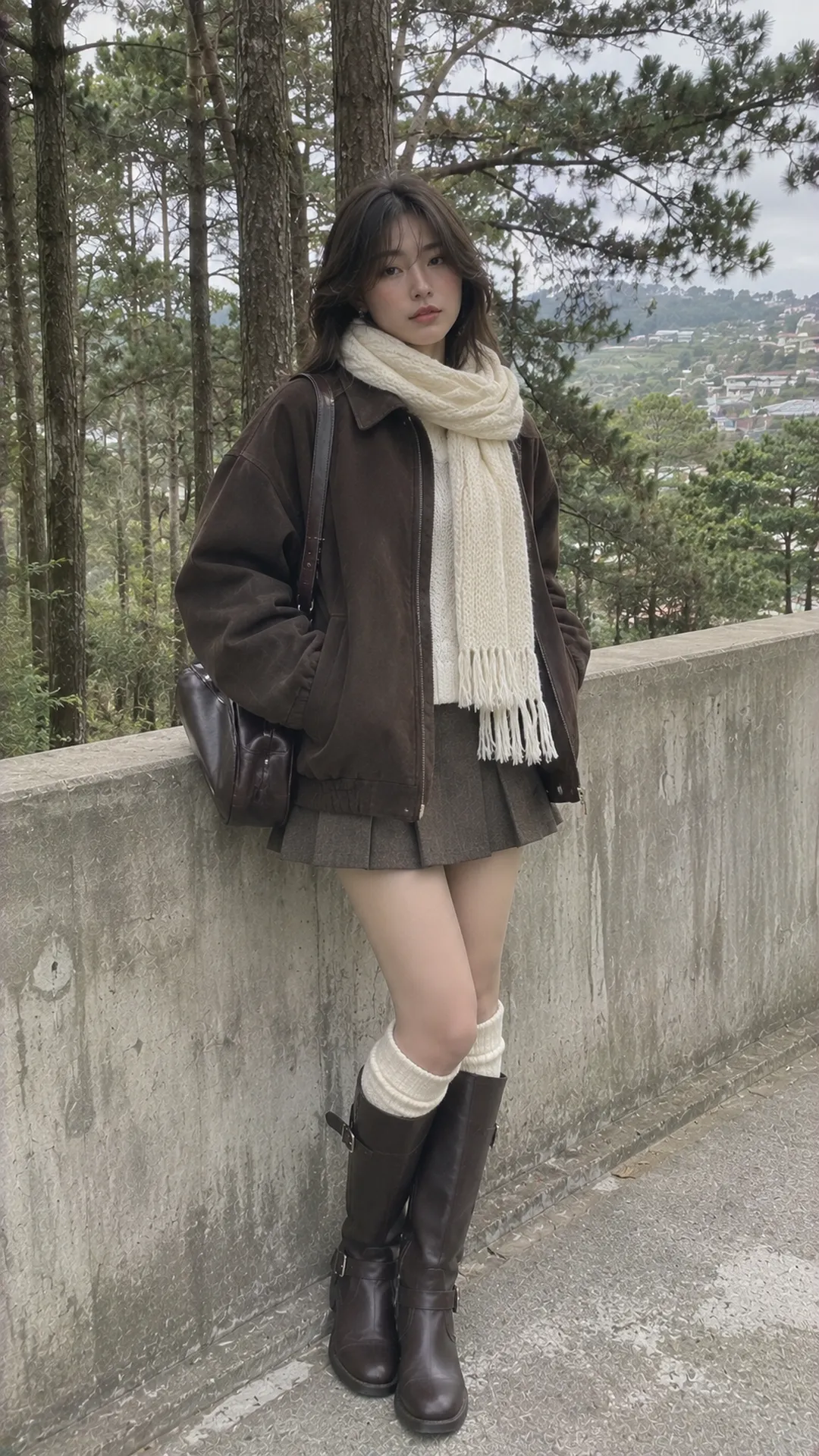
What to Wear in Da Lat: Women’s Outfits for Your Trip
Plan women’s outfits for Da Lat around the forecast, layers, and walking. Try four combinations and pack pieces you can wear more than one way.
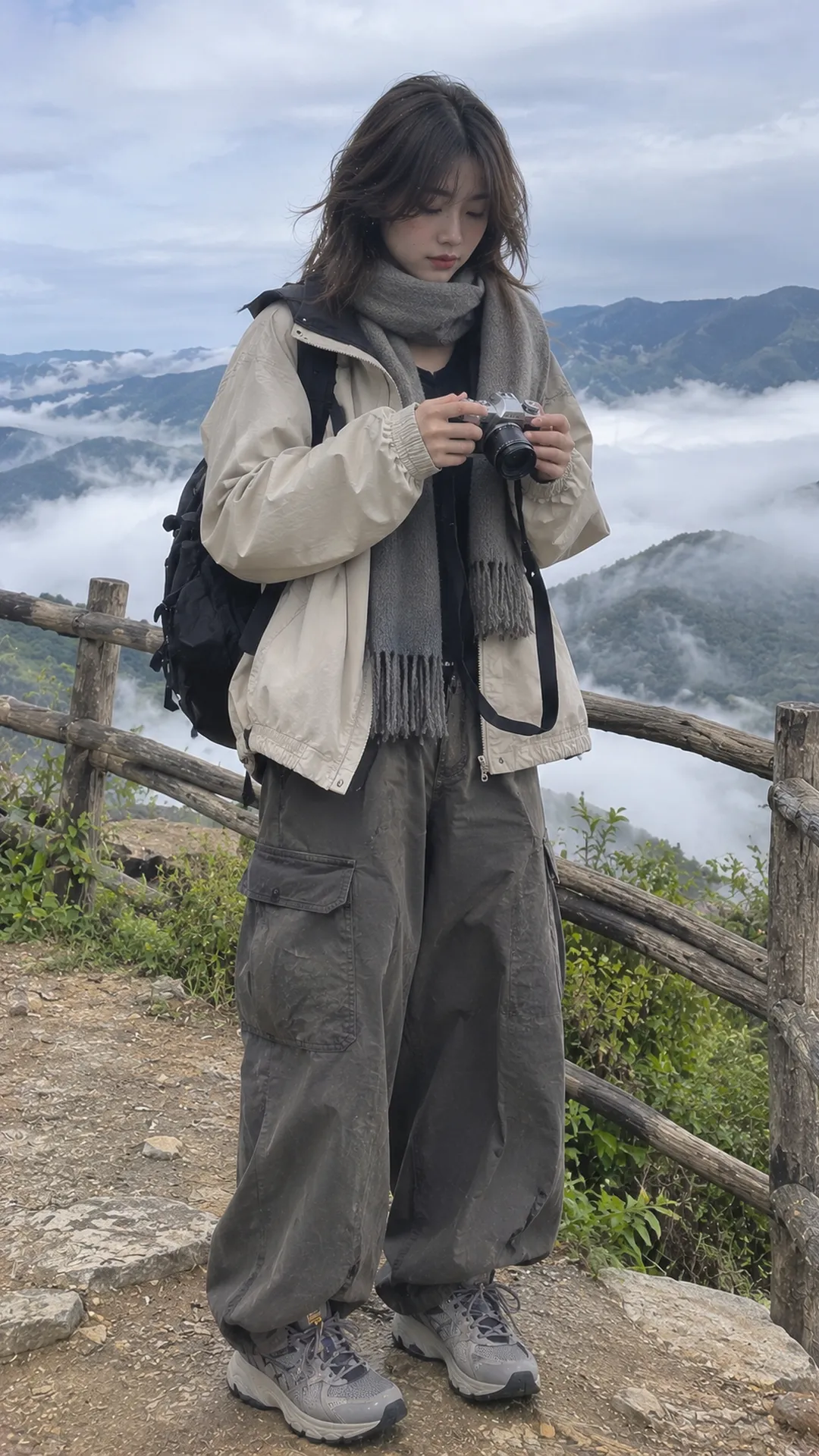
Ta Xua Outfits: Women's Layers and Shoes for the Trip
Plan Ta Xua clothing around actual weather, transport and walking. Choose removable layers, suitable hems and footwear, then adapt three formulas and pack for reuse.
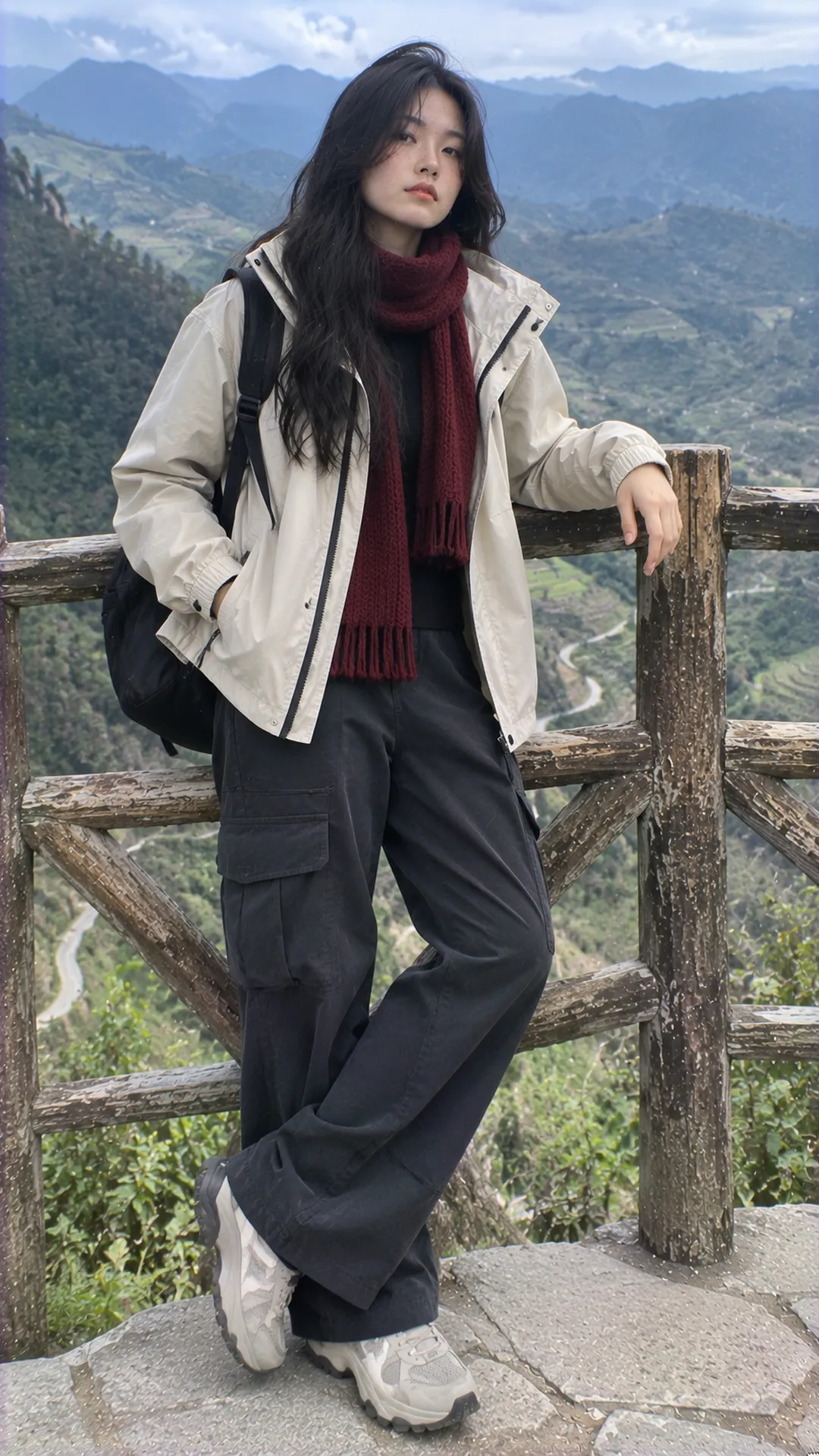
What to Wear in Ha Giang: Women’s Outfits by Season and Activity
Plan what to wear in Ha Giang for the season and how you’ll travel. Choose flexible layers, practical pants, footwear, and a separate photo outfit if needed.
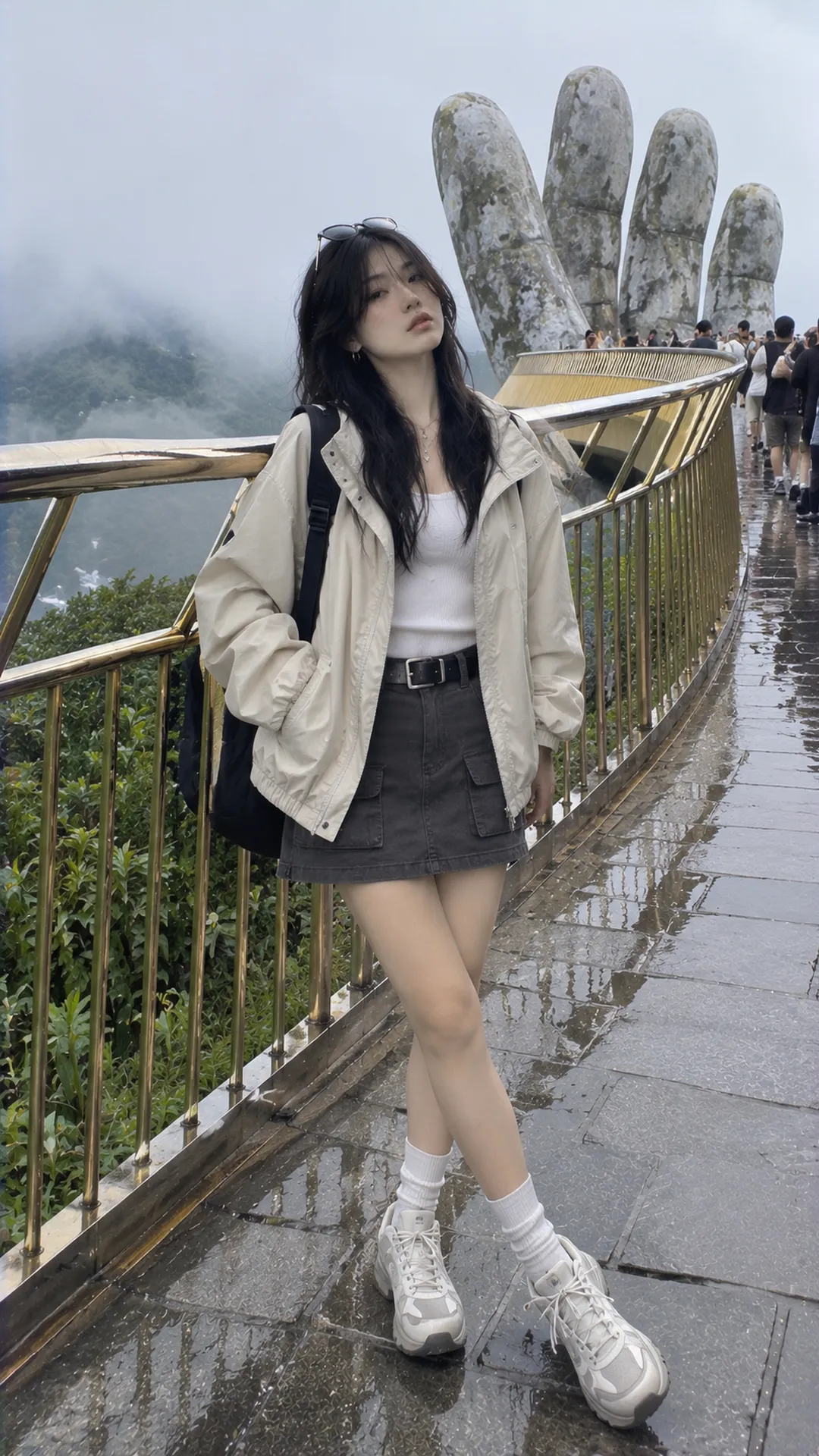
What to Wear to Ba Na Hills: Outfit Ideas for Women
Plan a Ba Na Hills outfit around the forecast, walking, and photos. Try three combinations and check your jacket, shoes, and bag before leaving.
Hot days, cooler weather and outdoor stretches
Consider fabric thickness, lining and fit together. A dress that looks thin in a photograph may still have a substantial lining; a loose top can feel awkward if its fabric is heavy or the underarm area is tight. Test a layered outfit both with and without the jacket. The base should function independently, especially when the day moves between outdoors and air-conditioned rooms. You do not need an extra layer solely to reproduce every detail in an inspiration image. Keep the elements that contribute something useful to your own plan.
If you prefer darker clothing, wearing black in hot weather helps you consider color alongside construction and fit, rather than judging the shade alone. For a beach day, account for time on shore, travel and somewhere to change, as well as the beach itself. Cold-weather outfits need room for the layers underneath, not just a long coat. Adjust the seasonal examples below using your own wearing experience and the conditions of the trip. An outfit should still work when the day becomes more active than the reference photograph suggests.
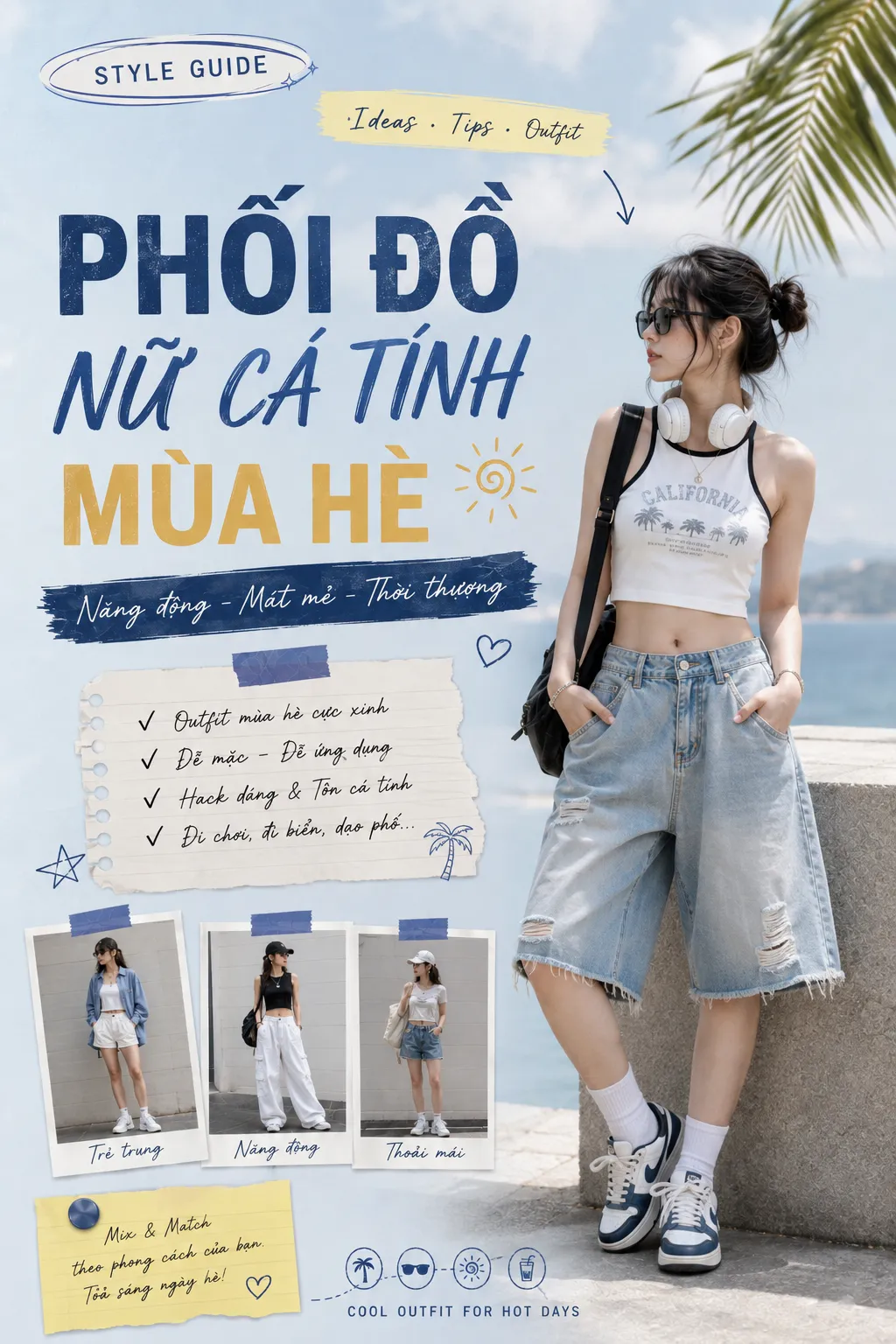
Women's Alternative Summer Outfits: Fabric, Fit, and Weather
Build alternative summer outfits with suitable fabric, deliberate proportions and selected details across six style routes.
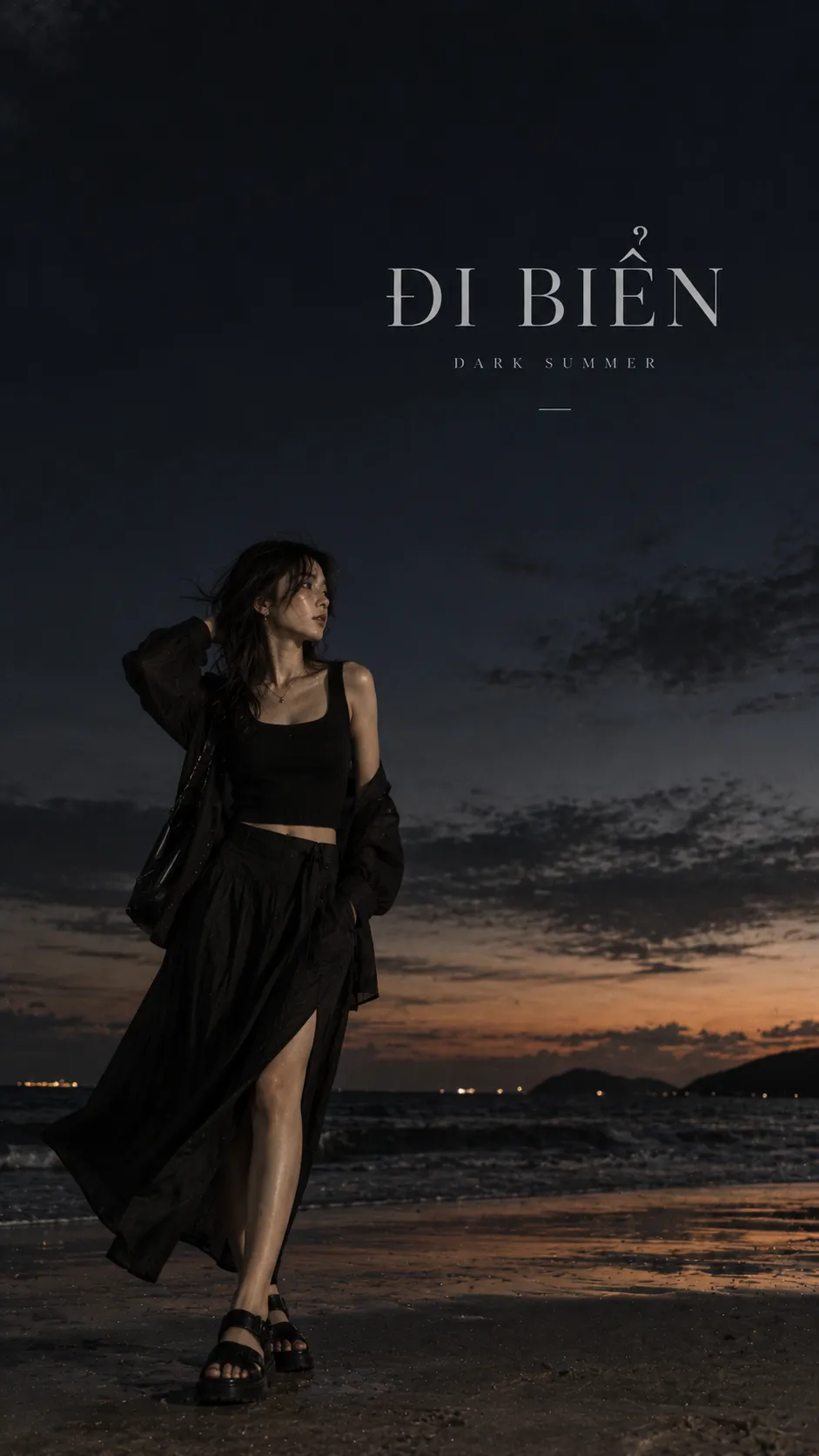
Alternative Beach Outfits for Women: Twelve Formulas
Plan alternative beach outfits for walking, changing, cafés and evening stops through fabric, footwear, coverage and packing choices.
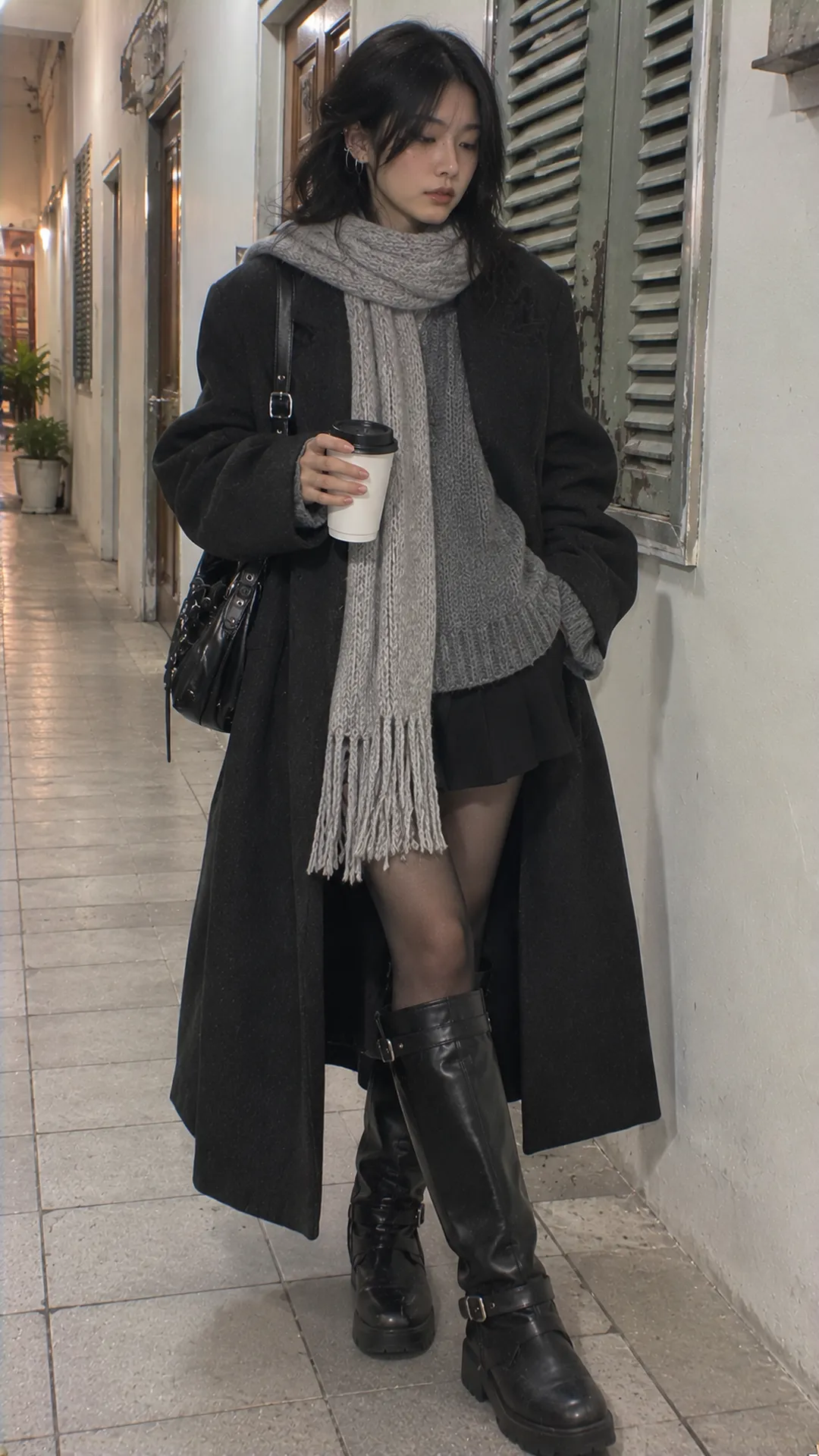
Women’s Winter Outfits: How to Layer for Your Day
Build winter outfits around the weather and your plans. Balance layers with trousers or skirts, and check coat, hem, and shoe proportions.
Old towns, monuments and venue dress requirements
A day in Hoi An or Hue may involve pedestrian streets, restaurants, sightseeing and places with their own clothing requirements. Check the official requirements of each venue before choosing what to wear. A scarf or additional layer is useful only if it meets the rules and is practical to use; photographs of other visitors are not a reliable substitute for that information. Wear familiar shoes for the walking sections, and leave space in the bag if you expect to store a layer. Separate venue requirements from your own visual preferences.
For an outfit that serves more than one setting, keep a versatile base and adjust smaller accessories to the activity. Walls and lighting can change how the clothes appear in photographs, but that should not be the sole reason for selecting something you will wear all day. Destination articles offer ways to adapt; the real itinerary remains the deciding reference. If a photo session occupies only a small part of the trip, consider a separate change rather than accepting inconvenience for the rest of the day.
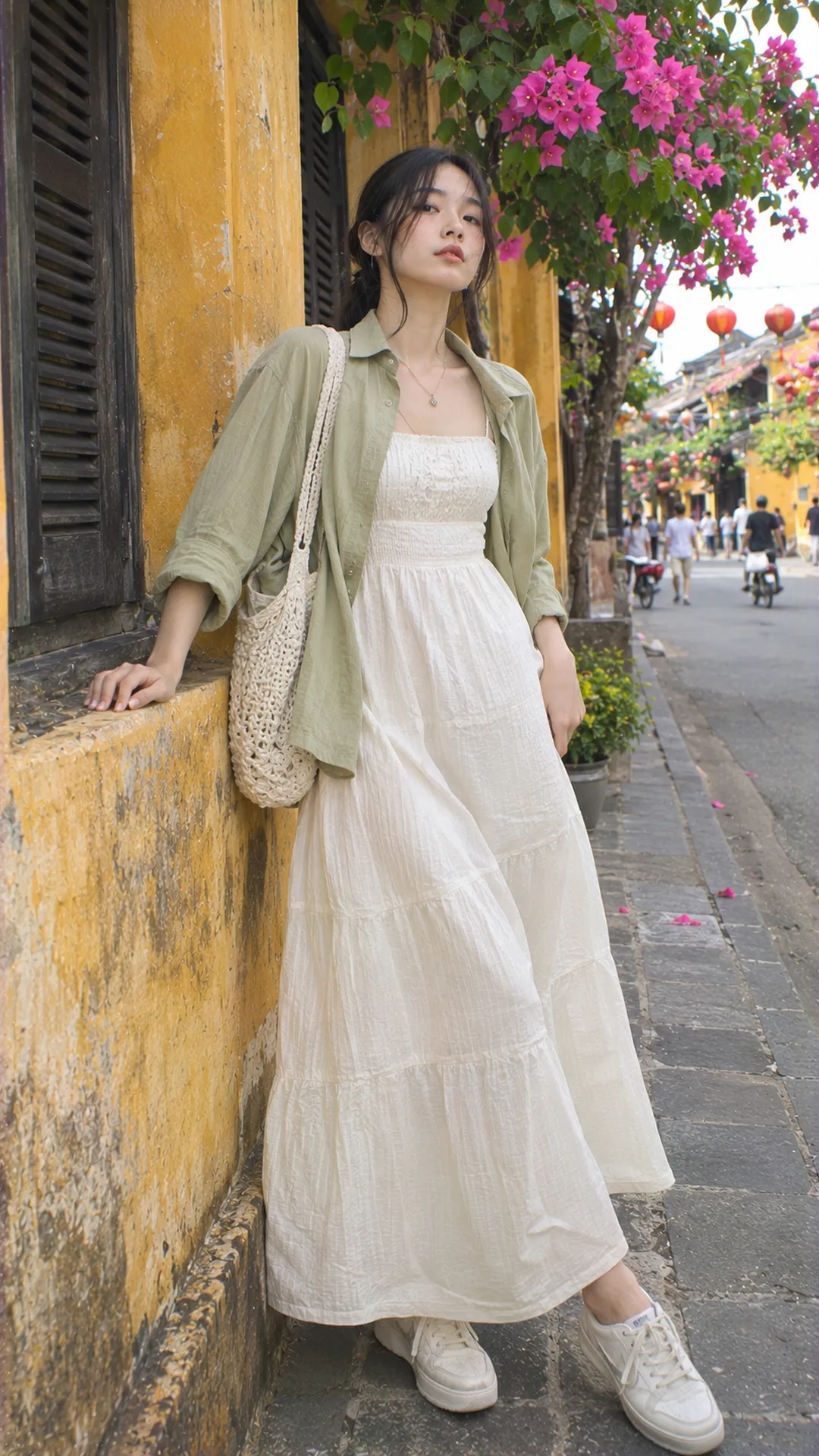
What to Wear in Hoi An: Women’s Outfits and Colors for Photos
Choose what to wear in Hoi An for photos and long walks. Compare colors, dresses, pants, shoes, and layers for sun, rain, and evening plans.
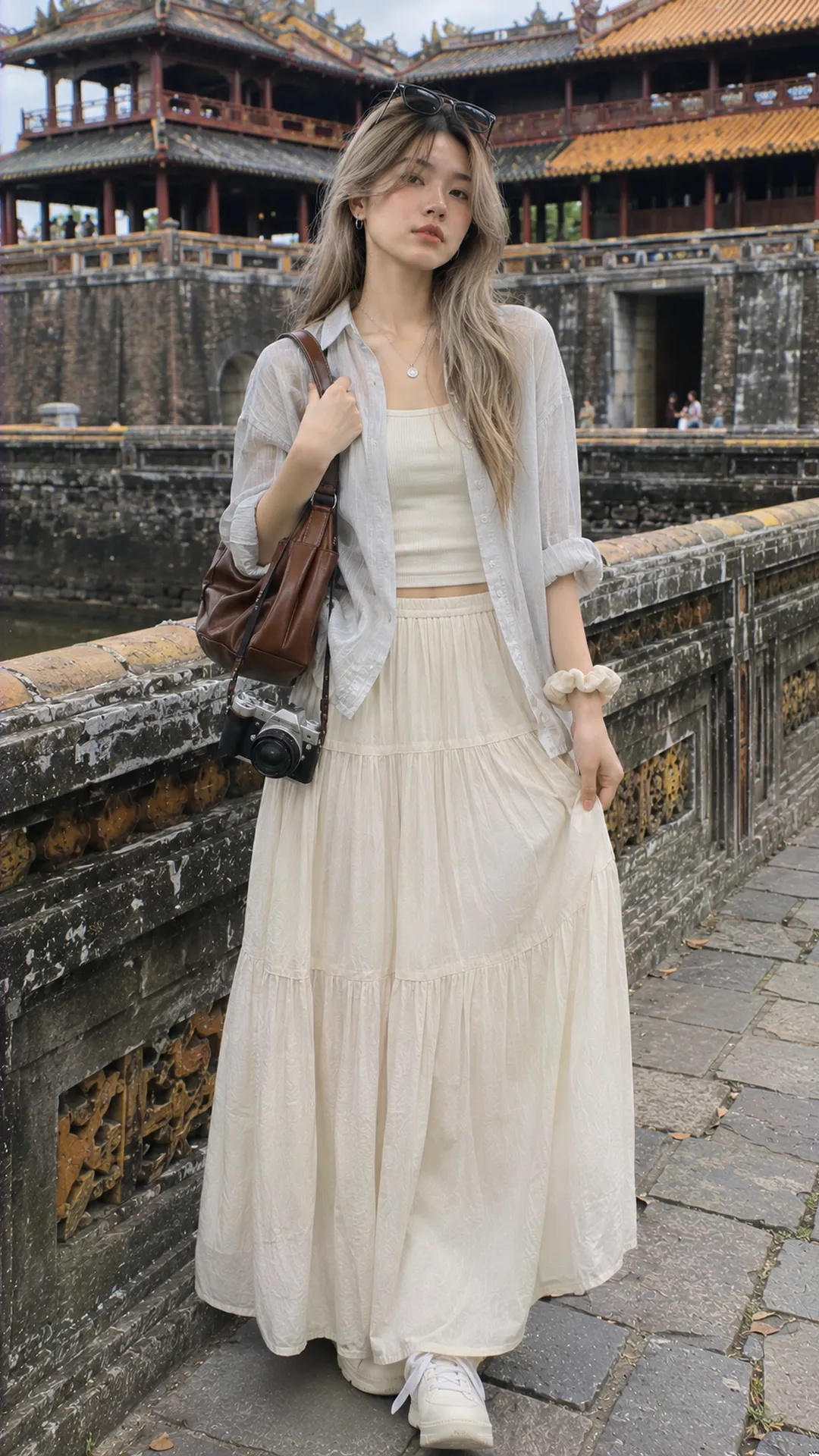
What to Wear in Hue: Women’s Outfits by Occasion and Weather
Plan what to wear in Hue for the Imperial City, cafés, walking, and ao dai photos. Choose comfortable shoes, practical layers, and colors for your plans.
Engagement parties and weddings: read the invitation
Read the invitation for color requests, formality, location and the type of reception. An outdoor event, a standing reception and a seated meal place different demands on shoes, skirt length and carrying a bag. Ask the organizer when an important requirement is unclear. A single color rule should not be assumed to apply to every wedding. Try new clothing with the intended underwear, shoes and outer layer before the event. That gives you a chance to notice a fit or movement problem while there is still time to adjust the plan.
To keep a darker personal style, start with alternative wedding guest outfitsand adapt the details to the invitation. An interesting neckline or a distinct fabric surface may already provide enough emphasis; you do not need large accessories in every area. Sit down, stand up and step onto a low rise to check the hem, panels and fit. An appropriate outfit should let you take part in the occasion, rather than only look composed while standing for a photograph. Keep the movements you expect to make in mind during the try-on.
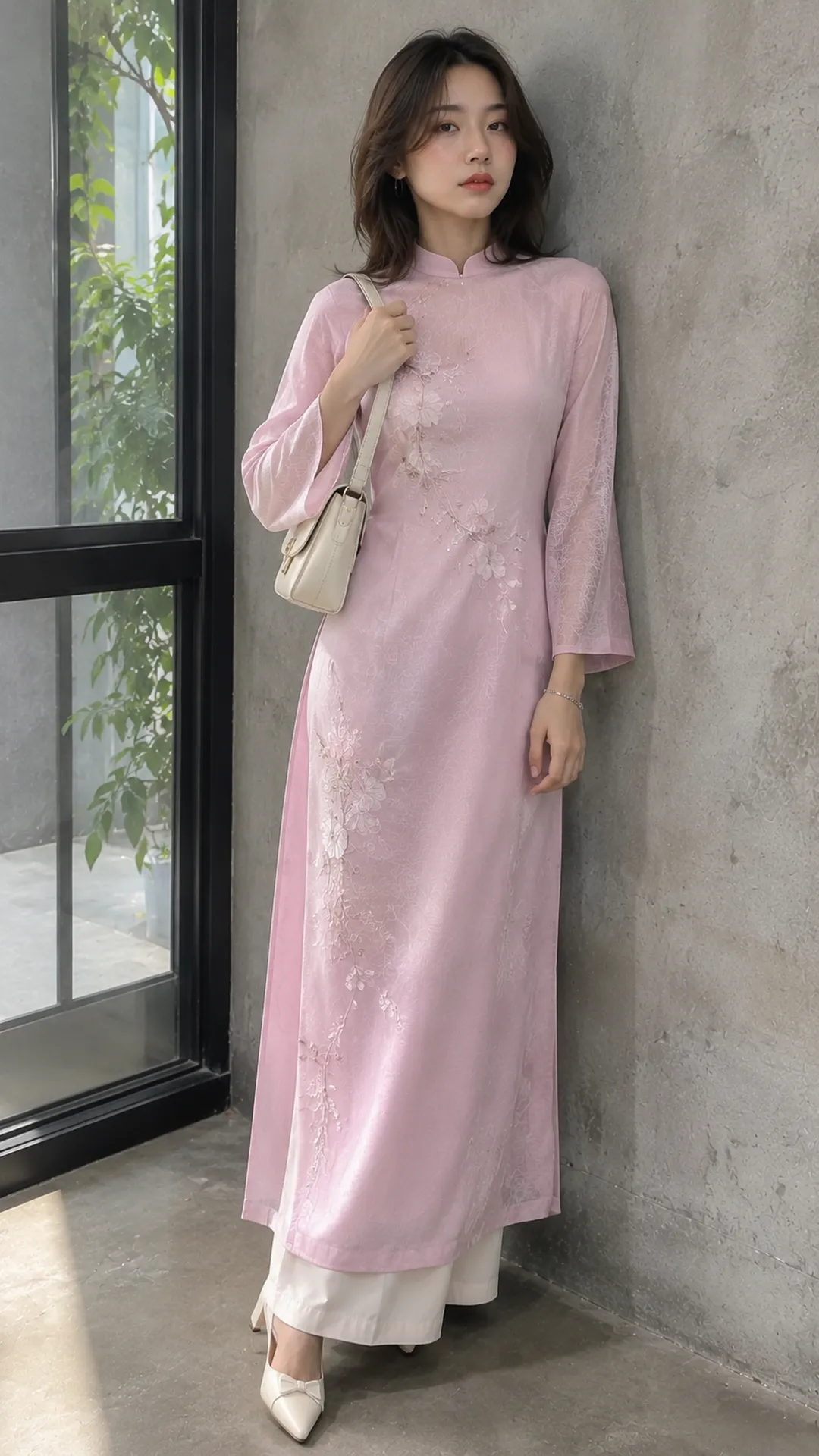
What to Wear to a Vietnamese Engagement Ceremony: Women’s Guest Outfits
Choose an ao dai, midi dress, skirt outfit, or tailored pants for a Vietnamese engagement ceremony. Dress for your role, the venue, and the host’s guidance.
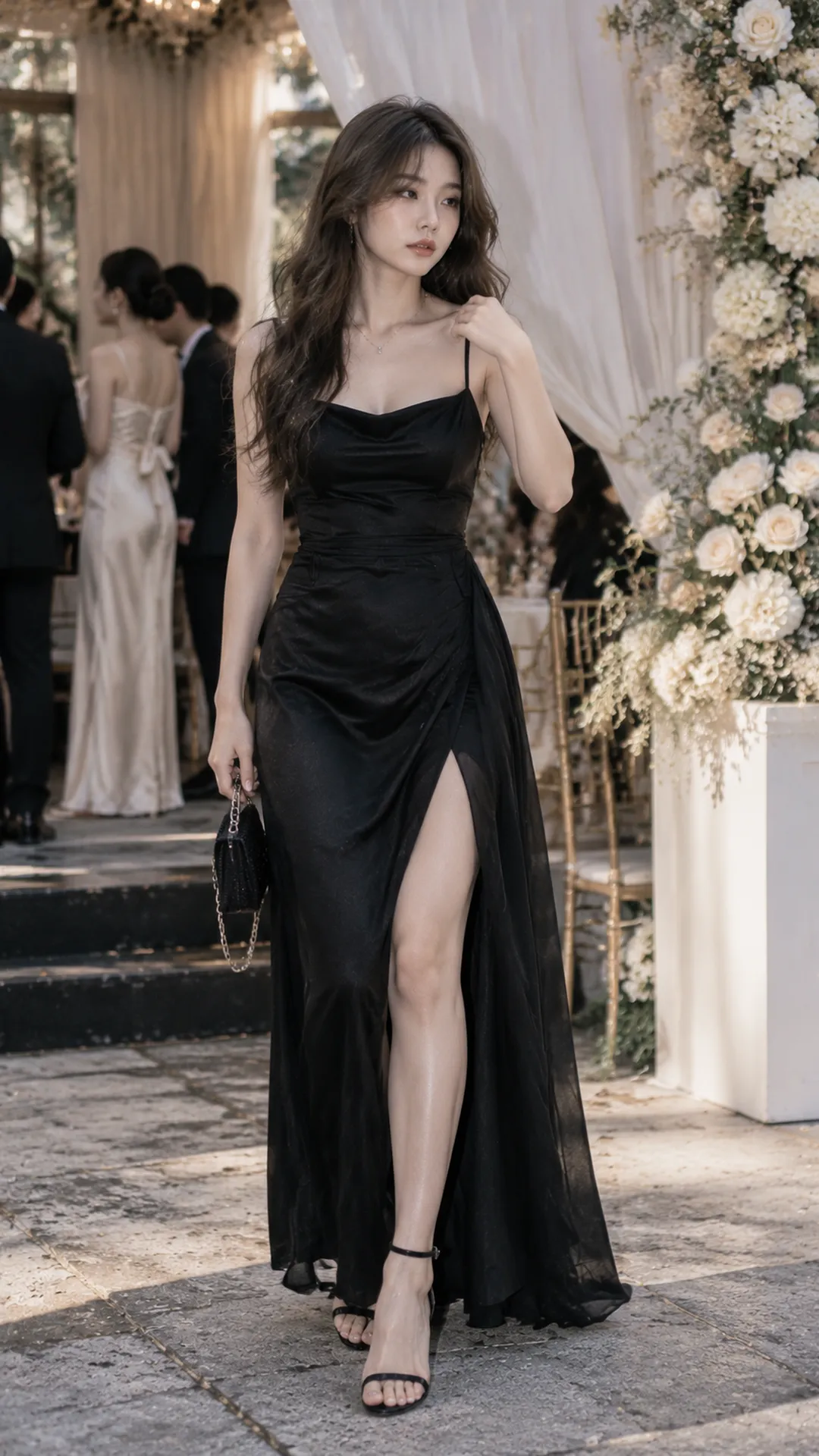
Elegant Wedding Guest Dresses: Start with the Dress Code
Choose a wedding guest dress through the invitation, fit and finishing. Compare silhouettes, fabrics and accessories, then test sitting, walking and coverage.
Concerts and raves: plan for movement
Before a crowded event, check the organizer's rules for bags, clothing and items you can bring. Then choose familiar footwear, clothes that do not require continual adjustment and accessories that are unlikely to catch. Something comfortable at a cafe may feel very different when you stand for a long time or raise your arms. Rehearse the expected movements at home to see where straps, hems and layers settle. The entrance to the event is a poor place to discover how a new shoe or unfamiliar fastening works.
With outfit ideas for concerts, a graphic, a dark palette or one prominent detail can carry your personal style. Plan a rave outfit around the activity and the actual event rules, rather than treating performance costumes as an everyday template. Know where a removed outer layer will go: avoid bringing a piece that becomes difficult to carry once you take it off. Once the practical choices are settled, adjust shine, pattern and accessories to the level of expression you enjoy.
Tet and ao dai: include the journey
Try an ao dai with the trousers and shoes you intend to wear so you can assess the panel length. A higher shoe changes where a hem falls, but heel height should not be expected to solve every sizing problem. For photographs, consider changing facilities and the journey between locations. An outfit suited to a short standing session may need a different plan if you will also walk, eat and spend time in a vehicle. Keep the garment away from dirty ground and surfaces likely to snag the fabric.
Tet clothing beyond ao dai should also suit the people and places on your itinerary. Choosing pieces you can wear again after the holiday makes a purchase easier to assess. When you return, deal with dust, moisture and storage according to the label instead of immediately folding worn clothes into the wardrobe. The guide to caring for clothes after travel helps you distinguish washing, airing and simply resetting folds, so the outfit is ready for its next use. Your plan should include bringing the clothes home in a condition you can realistically manage.
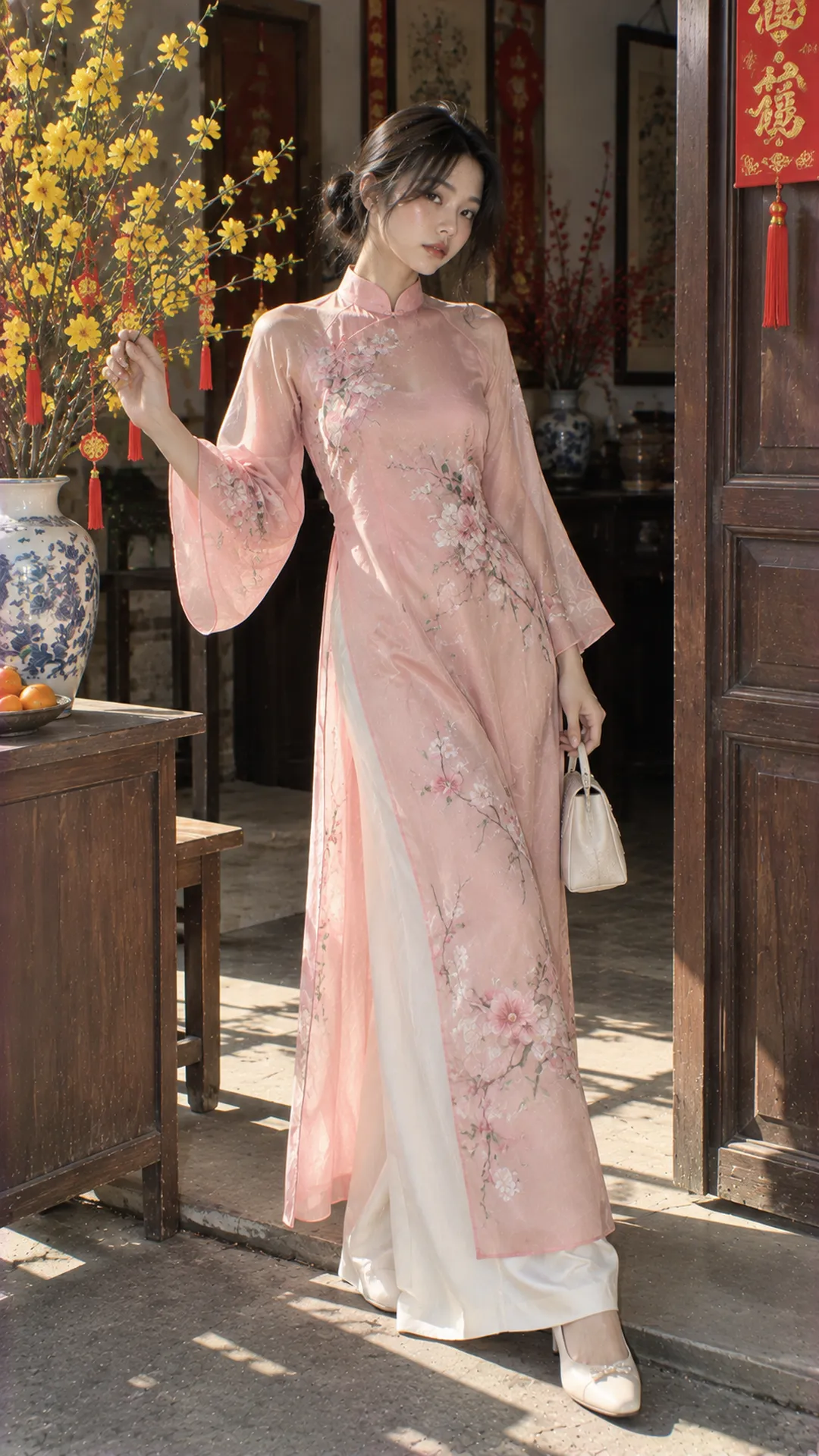
Women's Ao Dai for Tet: Choose Shape, Fabric and Accessories
Choose an ao dai for Tet around your schedule, shoulder and bust fit, panel length and shoes. Compare silhouettes, fabrics, trousers and practical accessories.
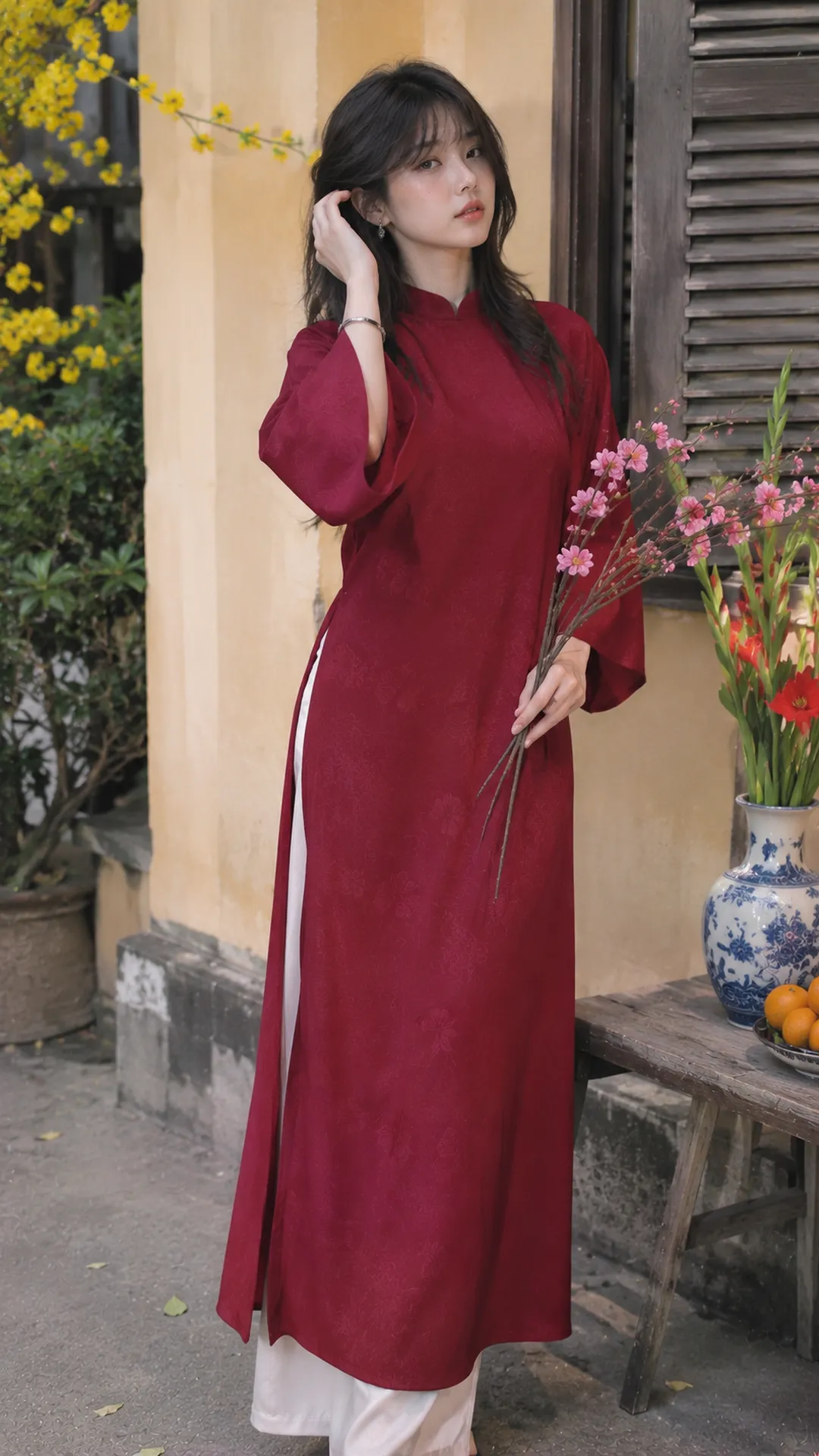
Tet Ao Dai Photos: Posing and Outfit Preparation
Plan Tet ao dai photos with simple poses, comfortable outfits, balanced light and natural movement. Includes couple and family photo preparation.
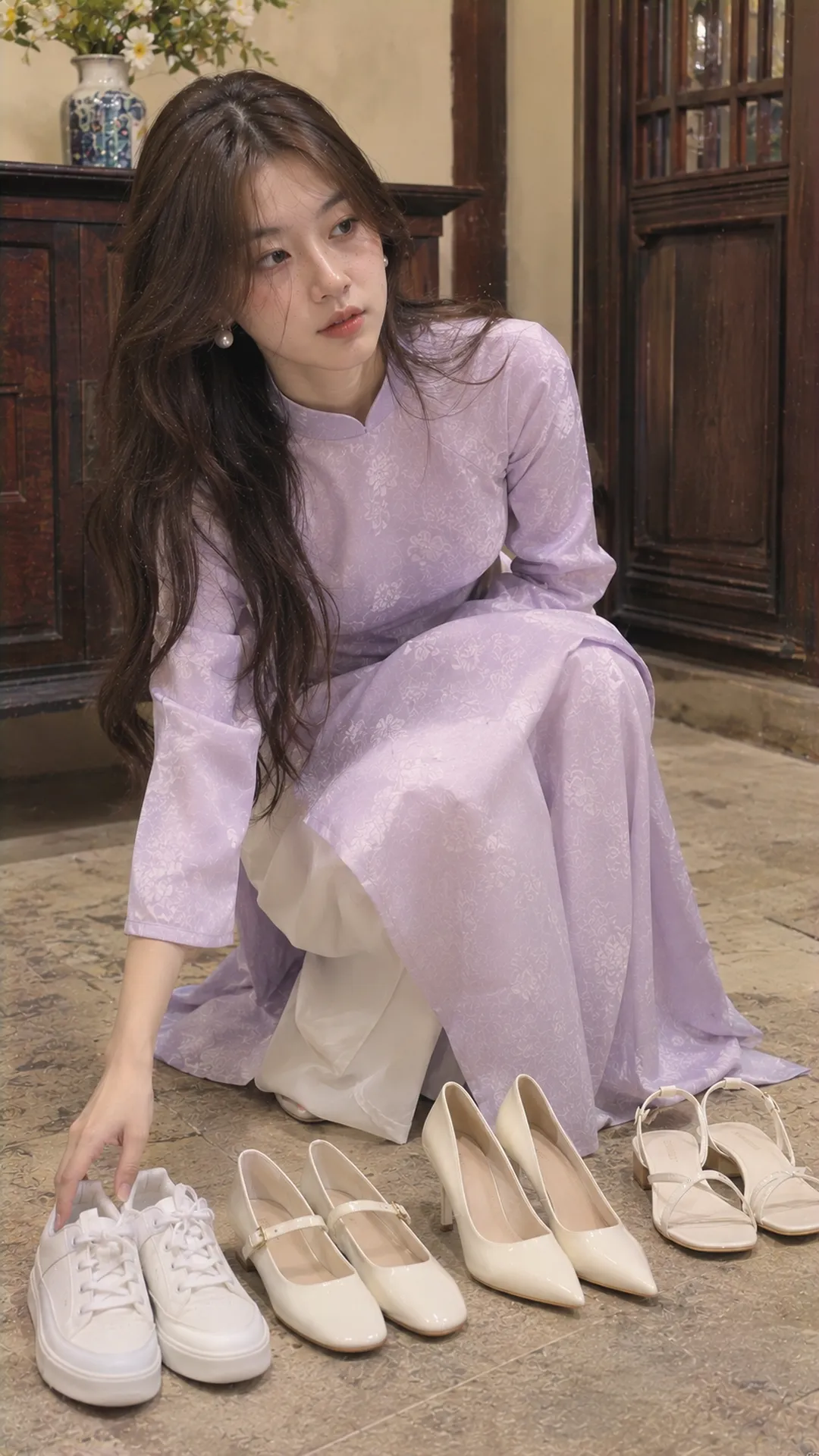
What Shoes to Wear with an Ao Dai: Flats, Heels, or Sandals
Choose shoes for an ao dai by checking the tunic panels, trouser hems, walking surface, and dress code. Try flats, heels, sandals, or sneakers.
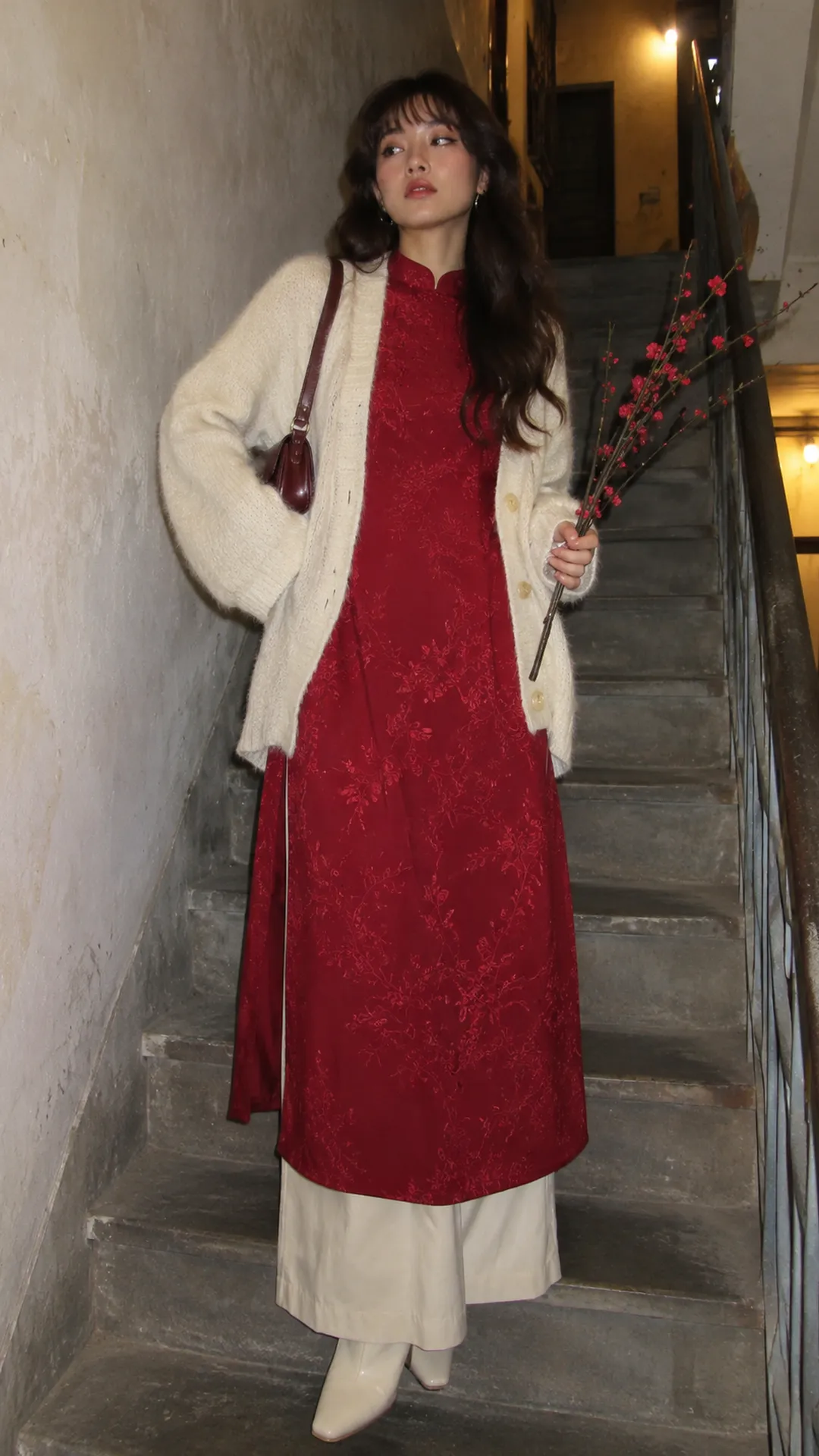
Women's Tet Outfits: Holiday Looks with Personal Style
Plan Tet clothing for family visits, cafés and photos using existing pieces. Add one accent, adapt layers to weather and test shoes, bags and movement.
More situations to plan around
These additional situations connect the practical checks above with a more specific day out, season or destination. Use the actual itinerary to choose which guide to open.
Airport Outfits for Women: Ten Adaptable Formulas
Choose airport clothing for luggage, layers, seated fit and easy access, with ten formulas and checks for short or longer journeys.
Concert Outfits for Women: Alternative Style and Movement
Plan alternative concert outfits around venue, weather, movement, footwear and bags, with graphic tee and dark-fashion routes.
Alternative Going-Out Outfits for Different Plans
Choose alternative outfits for cafés, walking, cinema, dinner and afternoon-to-evening plans by movement and duration.
Alternative Wedding-Guest Outfits: Personal Style and Dress Codes
Adapt personal alternative style to the actual wedding invitation, setting and activities through six garment and footwear formulas.
Is Black Clothing Hotter in Summer? Fabric, Fit and Sun Exposure
Understand black clothing in summer through solar heating, fabric structure, airflow and fit, while keeping comfort separate from tested UV protection.