

Women's Clothing Care Guides
Clothing care begins by identifying the problem: dirt, remaining moisture, odor, lost folds or an awkward fit. Those situations call for different responses. It makes little sense to wash every garment on the same schedule or apply one household trick to every fabric. Read the label on the actual product, examine its construction and begin with the least disruptive suitable action. The guides below help you find the task that matches the item in front of you, from storing knitwear to assessing a new pair of boots. Care should respond to the garment rather than to a general promise that one method fixes everything.
Read the label before choosing a treatment
Check the fiber label and care instructions, then look at the lining, embellishment, fastenings and any coating. A sheer section, such as those discussed in understanding chiffon construction , needs to be considered with the lining and the other materials before you choose a care method. One garment can combine several materials, so the name of the outer fabric does not describe the whole product. Follow a requirement for specialist care instead of substituting a popular online formula. If the label conflicts with a shop description, ask the seller before trying a different wash or cleaning product. Keep the instructions with the garment if you remove a label for comfort.
Before an action that is difficult to reverse, record the condition and test a concealed area only when the manufacturer permits it. Not every problem needs to be solved at home. A broken seam, jammed zip, peeling finish or damaged sole may need an appropriate repairer. Separating construction damage from dust and wrinkles helps you avoid scrubbing an area that actually needs repair. With a recent purchase that does not match its description, check the return conditions before washing it, removing tags or making alterations. Start by understanding your options rather than immediately changing the item.
Washing black clothes: sort by surface as well
Black clothes do not form a single fabric category. A printed cotton top, denim trousers and a coated garment can all be black while requiring different care. Sort according to the labels and the amount of dirt, and notice details that may snag or surfaces that rub against each other. Check pockets, fastenings and small forgotten items before loading a machine. Color alone is not enough reason to put everything into the same load; thickness and construction affect contact between garments too. A useful sorting decision considers the whole item, including its print and trim.
The guide to washing black clothes thoughtfully helps you organize cleaning and drying around the actual products. Avoiding unnecessary handling can be more useful than adding detergent in an attempt to refresh every surface. Read the detergent dosage and the clothing instructions; do not combine treatments by guesswork. If a color has changed through wear, distinguish that from residue or dust before deciding on another treatment. A realistic care routine also includes checking the result before repeating a process, rather than assuming that another wash will always improve the appearance.
Leather and boots: check outside and inside
Leather jackets, faux leather and other leather-look finishes should not automatically receive the same conditioner. Find out what the particular material and finish are first. For light dust, following the manufacturer's instructions is often simpler than wetting the entire garment. Avoid high heat as a shortcut to drying, and do not spread an improvised mixture across a surface before you understand its response. A small visible mark can become more difficult to address after an aggressive first attempt. When the finish is uncertain, pause and seek product-specific information instead of treating appearance as proof of composition.
The section on storing leather clothing properly covers longer-term use and storage, while shoe odor also requires attention to the lining, dryness and rotation between wears. Fragrance is not a substitute for dealing with moisture before boots go into an enclosed cupboard. After wearing them, check for trapped debris and leave them in conditions suitable for the materials. If odor persists or the inside is damaged, reconsider the cleaning method and the condition of the insole rather than continually increasing the amount of spray. The inside and outside of a boot may need different care.

Folding and storage: support the garment properly
Choose storage according to construction and weight, not just color. When checking linen labels and shape, consider the folds you are willing to accept and the storage space you actually have, rather than looking for a fabric name that promises no wrinkles. A heavy knitted top may be better supported folded than left on a narrow hanger. Creased trousers or a layered skirt need a position that does not introduce awkward new folds. Measure both the drawer and a folded garment before buying dividers. An overfilled compartment pulls neighboring items out of place each time you reach for one piece, undoing the organization soon after you put it away.
When folding knitwear to retain shape, support the body of the garment rather than lifting it by one shoulder. An item described as tweed with its actual composition does not automatically need the same folding method as a wool sweater: check its weight and structure before choosing a hanger or shelf. General folding should make garments visible and easy to retrieve. In a small wardrobe, organize by frequently used activities before subdividing everything by color. Put items away for longer periods only when they are suitably dry. Clothes worn on a humid day deserve a check before they sit beside clean pieces. A storage bag cannot replace drying and cleaning, and hiding an item from view does not resolve a moisture problem.

New and loose shoes: stiffness is not poor fit
A new shoe that feels slightly stiff is different from a shoe with an excessively tight toe box, a persistently slipping heel or a bend that does not follow your foot. Try the socks you expect to wear and test the shoes only within the conditions allowed for a return. Continuing discomfort should not be treated as a compulsory stage in making footwear look better. If an exchange is still possible, check the rules before attempting to change the material. Different lacing, an insert or longer wear cannot correct every mismatch between a shoe shape and your foot.
The guide to Getting used to new boots focuses on gradual use, while the heel-insert guide helps you consider the limits of a fit accessory. Laces should hold the foot without creating an uncomfortable pressure point. After an adjustment, check both standing and moving, rather than judging the shoe while seated. If an insert makes the toe area tighter or changes where the heel sits, reassess the whole pair instead of adding more layers to hold the foot in place. The aim is a usable fit, not simply keeping a shoe on at any cost.

Heel Grips for Loose Shoes: How to Choose and Use Them
Find out when heel grips can help with slightly loose shoes, how they differ from insoles, and how to fit and test them.
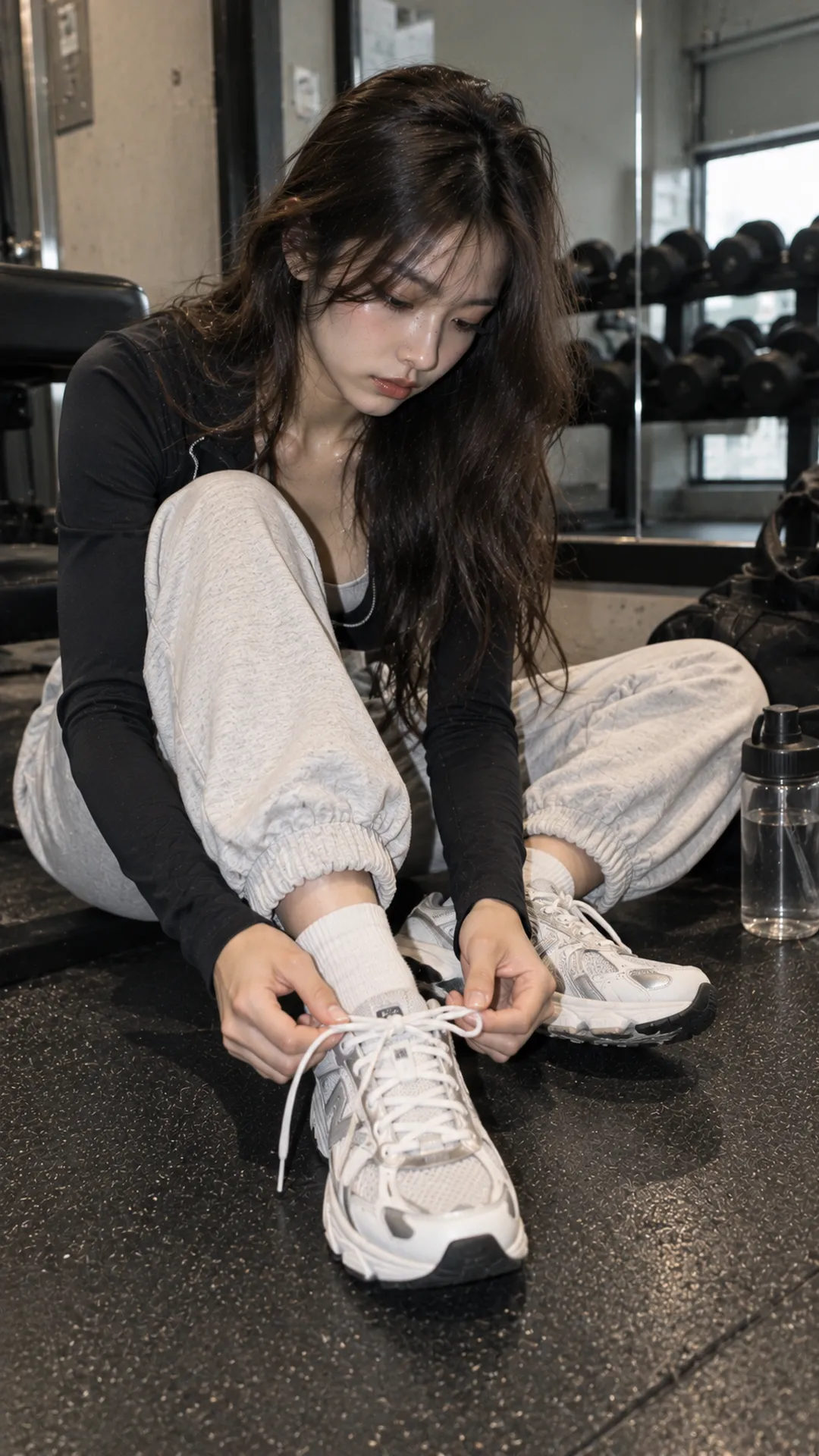
How to Lace and Tie Sneakers Neatly: Easy Steps to Follow
Follow criss-cross and six-pair straight-bar lacing, then adjust fit and tie a neat bow. Fix uneven ends, twisted laces and pressure points before styling.
Hemming, tucking and rolling by construction
A mirror check should be followed by a movement check. A tuck that looks neat while standing can pull across the body when you sit; a rolled sleeve can tighten around a bent elbow. Check the underlying fit before choosing a styling adjustment. If a shirt already strains across the shoulders or between buttons, pushing more fabric into the waistband will not solve the cause. Similarly, a trouser hem touching the ground because of excess length differs from fabric bunching above footwear because the leg opening is too narrow. Identify the source of the problem before changing the finish.
When considering altering a denim hem, try the jeans with the shoes you will wear most often and mark the length while the fabric hangs naturally. Commit to cutting or alteration only after checking the real length, rather than estimating from a photograph. For tucking and rolling, choose a fold that stays reasonably settled without constant attention. These are ways to finish the clothes you have, not a demand to force every top and every pair of trousers into the same proportions. Keep the intended use and your preferred outline as the reference.

How to Tuck In a Shirt: Full, Front, and One-Sided Tucks
Learn three ways to tuck in a shirt. Control bulk at the waistband, prevent the shirt from coming loose, and check the tuck as you move.

How to Roll Up Women’s Shirt Sleeves Three Ways
Try three ways to roll up shirt sleeves. Choose a fold for the cuff and fabric, fix slipping or bulk, and check that you can move comfortably.
Build a routine that fits your habits
Set aside a place for items that need attention: a loose button, shoes awaiting cleaning or trousers waiting for a hem adjustment. Returning them immediately to the wardrobe makes it easy to meet the same problem when you need to dress quickly. Write a short note about the task and prioritize pieces you use often. You do not need many products at once. Choose for materials you actually own and instructions you can understand. A small routine you can repeat is often more practical than a large kit with no storage space and no clear purpose for each item.
Once cleaning, storage and repairs are manageable, save outfit combinations that help you wear each piece more often. The guide to coordinating colors from existing clothes opens up options before you buy anything else. A top that stays unworn because its care requirements are inconvenient also tells you something useful for your next purchase. Choosing clothes that suit your current washing, drying and storage arrangements makes care more realistic than trying to maintain a standard your available time cannot support. Let what you learn from wearing and looking after an item inform the next decision.
Everyday adjustments and care tasks
The remaining guides focus on the small adjustments mentioned in the text, from a stable tuck to a useful lace pattern. Choose the task after checking whether the item already fits.
How to Fold Sweaters Neatly Without Stretching the Shoulders
Fold sweaters flat in six steps. Adjust for bulky knits, turtlenecks, and cardigans, and store them neatly in a drawer or suitcase.
How to Hem Jeans by Hand with a New or Original Hem
Measure jeans in the shoes you’ll wear, then sew a new hem or keep the original. Learn how to baste, stitch, and check the fit before cutting.
How to Break In New Boots: Fit and Gradual Wear
Check boot fit before gradual wear, assess rubbing and material limits, and avoid heat or soaking shortcuts when breaking in new boots.
How to Wash Black Clothes Without Fading
Care for black tees, hoodies and denim through label-led washing, measured detergent, gentle cycles and suitable drying, ironing and storage.
Leather Jacket and Clothing Care: Cleaning, Drying, and Storage
Identify leather, PU and suede before choosing suitable cleaning, drying and storage, with material-specific guidance for jackets, trousers and boots.