

Is Black Clothing Hotter in Summer? Fabric, Fit and Sun Exposure
In direct sunlight, black fabric generally absorbs more solar radiation than lighter fabric, which can make its surface hotter. That does not mean every black outfit feels hotter than every white outfit. Thickness, weave, breathability, moisture handling and space between fabric and skin strongly influence practical comfort.
A more useful question is when black noticeably increases heat and how to reduce heat buildup through clothing choices. This guide focuses on heat, materials, fit and ultraviolet protection rather than outfit formulas.
In this guide: we explain whether black clothing feels hotter in summer and how fabric structure, airflow and fit affect comfort. For color care after washing, see how to wash black clothes without fading.

Guide collection: Alternative Fashion Shopping: Sizing, Budgets and Evaluating Shops (Vietnamese)
Is Black Hotter Than White?
In direct sunlight, its surface often is. Black fabric generally reflects less solar radiation and absorbs more energy than white or light-colored fabric. Its surface can therefore heat up more, explaining why a sunlit black shirt may feel hot to the touch even when air temperature is unchanged.
However, fabric surface temperature is not identical to heat reaching the body. Air gaps, ventilation, wind, thickness, moisture handling and activity all affect comfort. In shade or indoors, where direct solar load is lower, the advantage of lighter colors also becomes less important.
When Is the Difference Most Noticeable?
Color-related heating is more noticeable in direct sun with little wind, especially with dark fabric close to the skin or thick layers. The fabric absorbs solar energy with less opportunity for heat to dissipate before reaching the skin.
Conversely, a thin, breathable, slightly loose black shirt may feel more comfortable than a thick, tight white one that traps moisture. Color matters, but it should be considered alongside the garment's whole structure.
Look Beyond Fiber Names: Thickness, Weave and Moisture
There is no universal rule that cotton is always cool and polyester always hot. Dense, heavy cotton can feel less ventilated than a thin technical polyester designed for moisture transport; thick fashion polyester may feel less comfortable than lightweight linen or cotton. Consider fabric weight, openness, surface and intended activity.
| Material or construction | When it may suit | Considerations |
|---|---|---|
| Lightweight Linen or Linen Blend | Outdoor casual wear where airflow matters | Often breathable; wrinkles readily, and UV protection depends on thickness and construction |
| Lightweight Cotton | Everyday wear | Can feel comfortable when dry but may retain moisture during heavy sweating |
| Lyocell or Modal Blend | Fluid tops, dresses and trousers | Softness and moisture behavior depend on the blend, weight and construction |
| Lightweight Technical Polyester or Nylon | Walking or exercise where faster drying matters | Can work well when designed for moisture transport and ventilation; judge the garment rather than the fiber name alone |
| Heavy Denim, Fleece, PU Leather or Multiple Layers | Less practical for prolonged direct sun | Weight and limited ventilation can hinder heat loss regardless of color |
With comparable thickness, construction and fit, lighter colors often have an advantage in direct sun. When structures differ substantially, color alone cannot predict which garment feels better.
Looser Fits Can Reduce Direct Heat Transfer
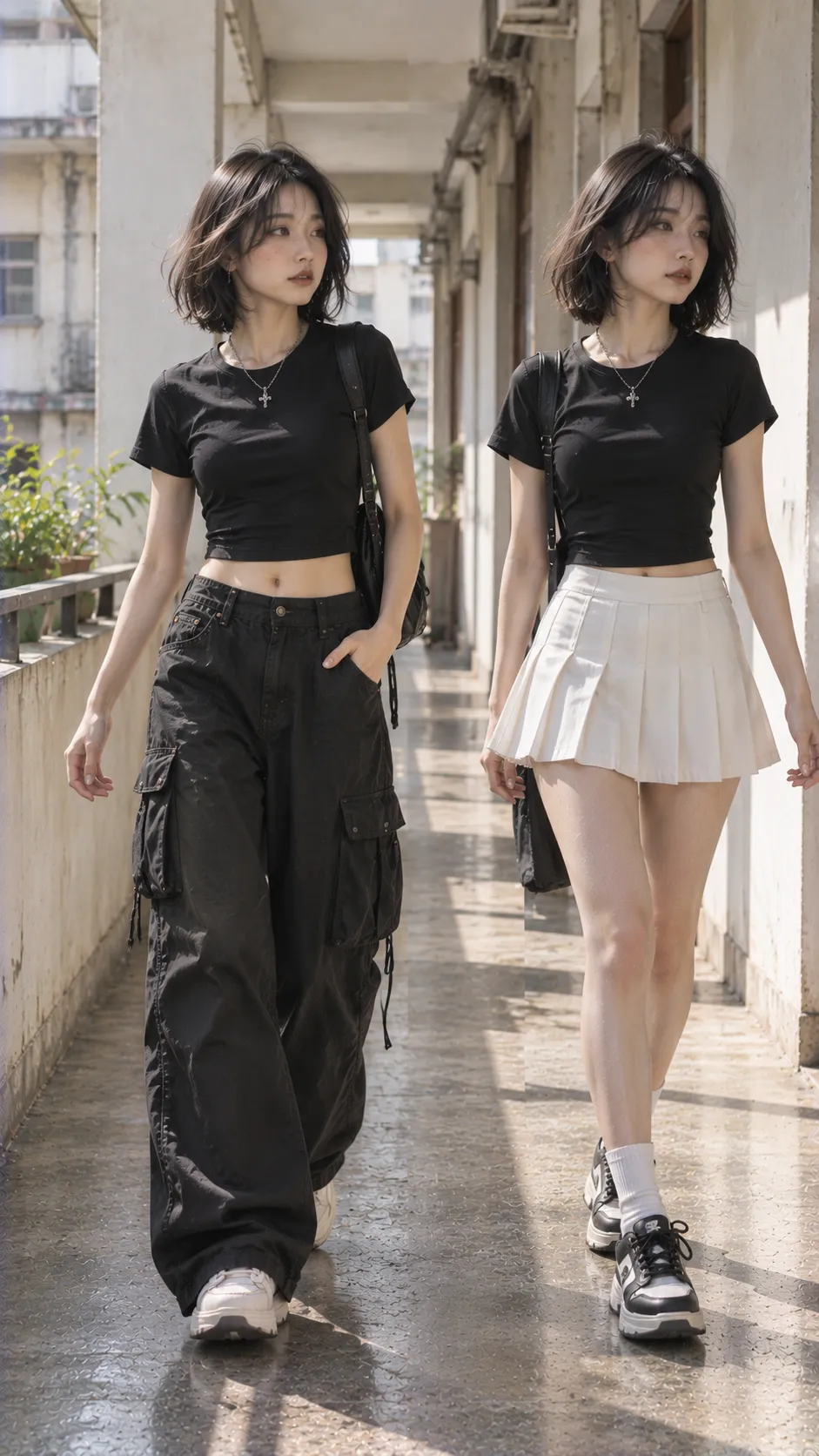
A slightly loose garment creates an air gap between fabric and skin, allowing more ventilation than the same material stretched tightly against the body. A dark surface may heat in the sun without all that additional heat necessarily reaching the skin when airflow and spacing allow it to dissipate.
A study published in Nature in 1980 examined Bedouin robes under desert conditions. It found similar heat gain for the wearer in black and white robes: extra heat absorbed by the black robe was dissipated before reaching the skin. This illustrates the importance of loose robe design and heat transfer. It does not establish that every black shirt is as comfortable as a white one.

Does Black Clothing Provide Better UV Protection?
With other factors comparable, darker colors often block more UV than pale colors because darker dyes can absorb more ultraviolet radiation. Color is only one factor: thickness, construction, stretch, wetness and fiber structure can all substantially affect ultraviolet protection factor, or UPF.
For dependable sun protection, prioritize clearly labelled UPF and adequate coverage, rather than assuming a thin black tee is protective clothing. Fabric construction is a major influence; dark dye can provide an additional benefit but is not a guarantee.
Keep color, fabric and fit in the same decision rather than treating black as a universal summer problem.
Choosing More Comfortable Black Clothes for Summer
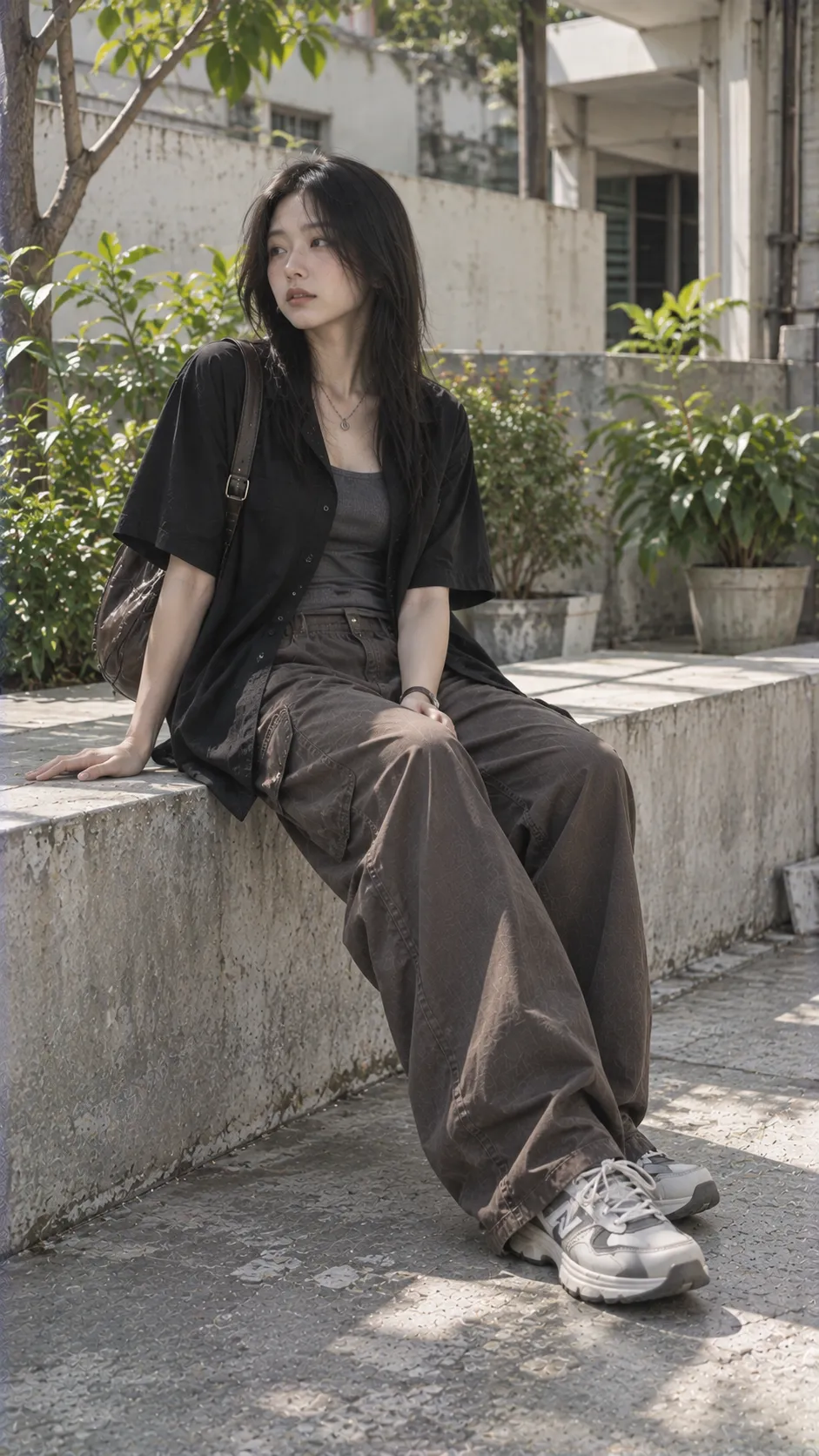
Charcoal, navy or dark brown can retain a dark palette, but their names alone do not guarantee lower heat absorption than black: actual reflectance and garment structure matter. In shade, air conditioning or short journeys, fabric and fit may deserve more attention than replacing a whole wardrobe with light colors.
Four Common Mistakes in Hot Weather
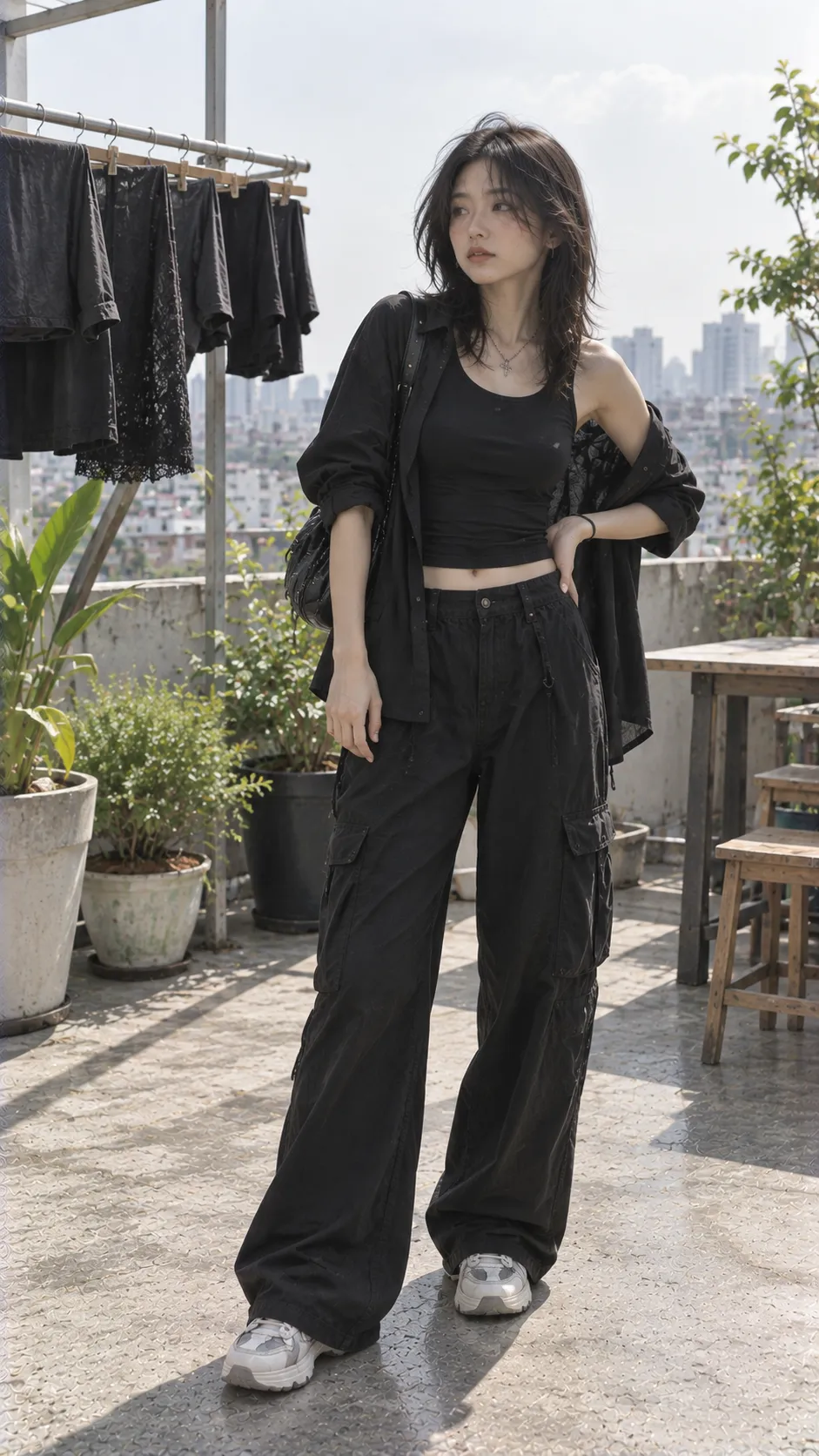
1. Judging Only the Fiber Percentage Two 100% cotton shirts can differ substantially in weight and density. Feel the weight and examine the actual construction and airflow.
2. Wearing Heavy, Tight Black Layers in Prolonged Sun This is where increased solar absorption can become most noticeable. Consider lighter construction or a more ventilated fit appropriate to the activity.
3. Assuming All Polyester or Nylon Traps Heat Light technical synthetics can dry faster and manage moisture better than some cotton garments during activity. Structure and purpose matter alongside fiber content.
4. Treating Black as a Substitute for Tested UPF Dark dyes may improve protection within comparable fabric, but thinness, stretching or wetness can reduce it. Consider rated UPF and coverage for prolonged exposure.
Related Reading
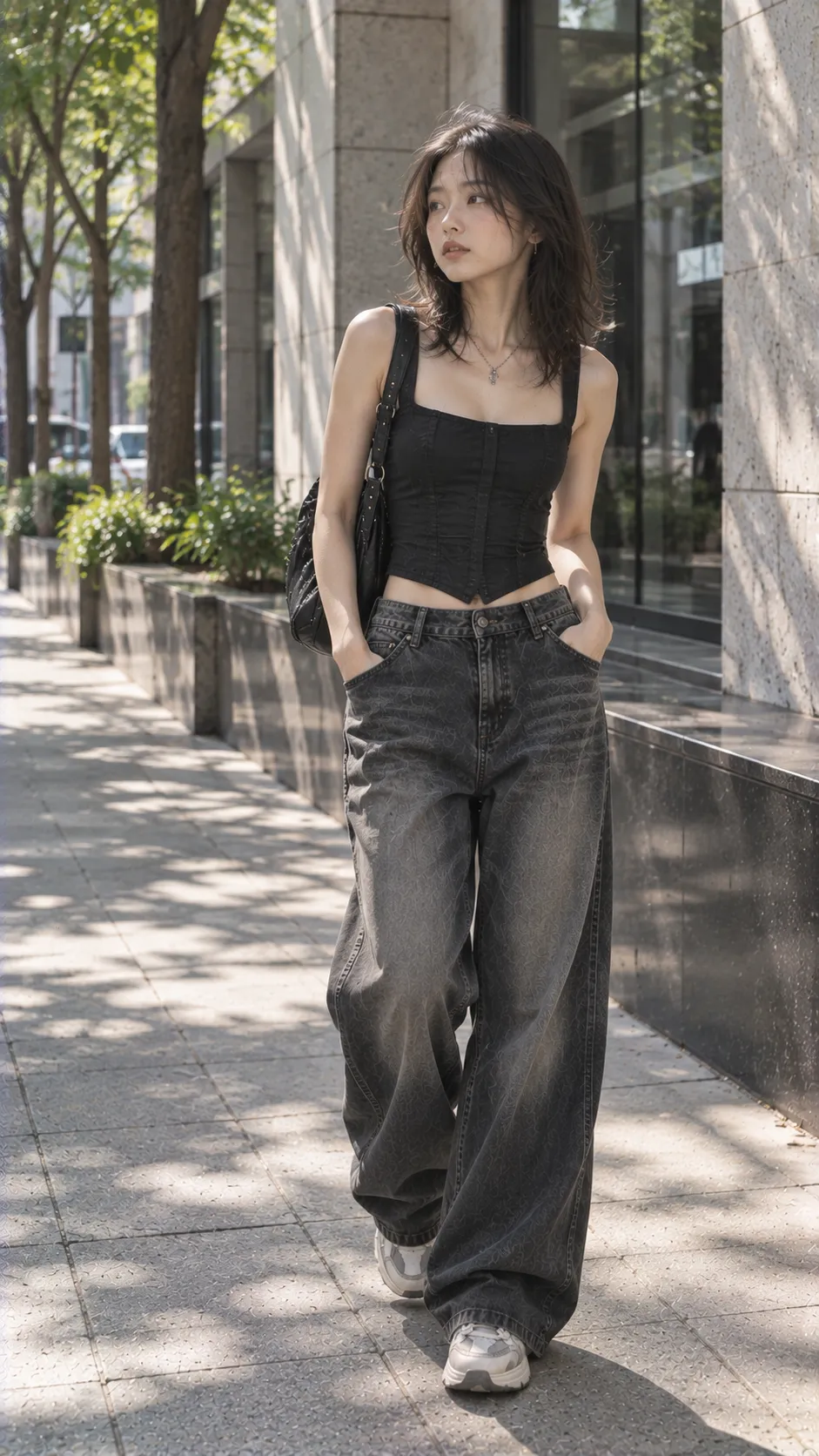
To help preserve the color of clothes you already own, read how to wash black clothes without fading . Summer wear, perspiration and sunlight can affect garments over time. For looser summer silhouettes, explore women's wide-leg jeans outfits (Vietnamese) and women's shorts outfits (Vietnamese) as starting points.
A dark wardrobe and summer comfort can coexist. Read material information and assess fabric weight, ventilation and fit instead of avoiding an entire color.
Sources and Further Reading
The original guide references these sources for heat transfer, convection and UV protection:
- Nature — Why do Bedouins wear black robes in hot deserts? — the study of black and white robes and heat transfer in desert conditions.
- Slip versus Slop: A Head-to-Head Comparison of UV-Protective Clothing to Sunscreen (PMC) — a review of color, construction, materials and UPF in ultraviolet protection.
These are practical clothing considerations, not a substitute for medical guidance on sun protection or heat illness.
Frequently Asked Questions
Are black clothes really hotter than white in summer?
In direct sun with other factors comparable, black fabric often reaches a higher surface temperature through greater solar absorption. Comfort also depends on thickness, construction, airflow, fit, wind and moisture handling.
Which fabric is coolest for black summer clothes?
No fabric wins in every setting. Lightweight linen blends and cotton can suit daily wear, while lyocell or modal blends may feel soft and fluid. For activity, thin technical polyester or nylon designed for moisture transport and quick drying can be useful.
Do black clothes protect better from sunlight?
Darker colors often block more UV within comparable fabric, but UPF also depends on construction, material, stretching, wetness and thickness. Use tested UPF information and adequate coverage rather than color alone.
Can a looser fit make black clothes feel cooler?
It can. Space between fabric and skin enables airflow and may reduce direct heat transfer. The Bedouin-robe study illustrates this within a particular loose garment design; it should not be generalized to every black top.