

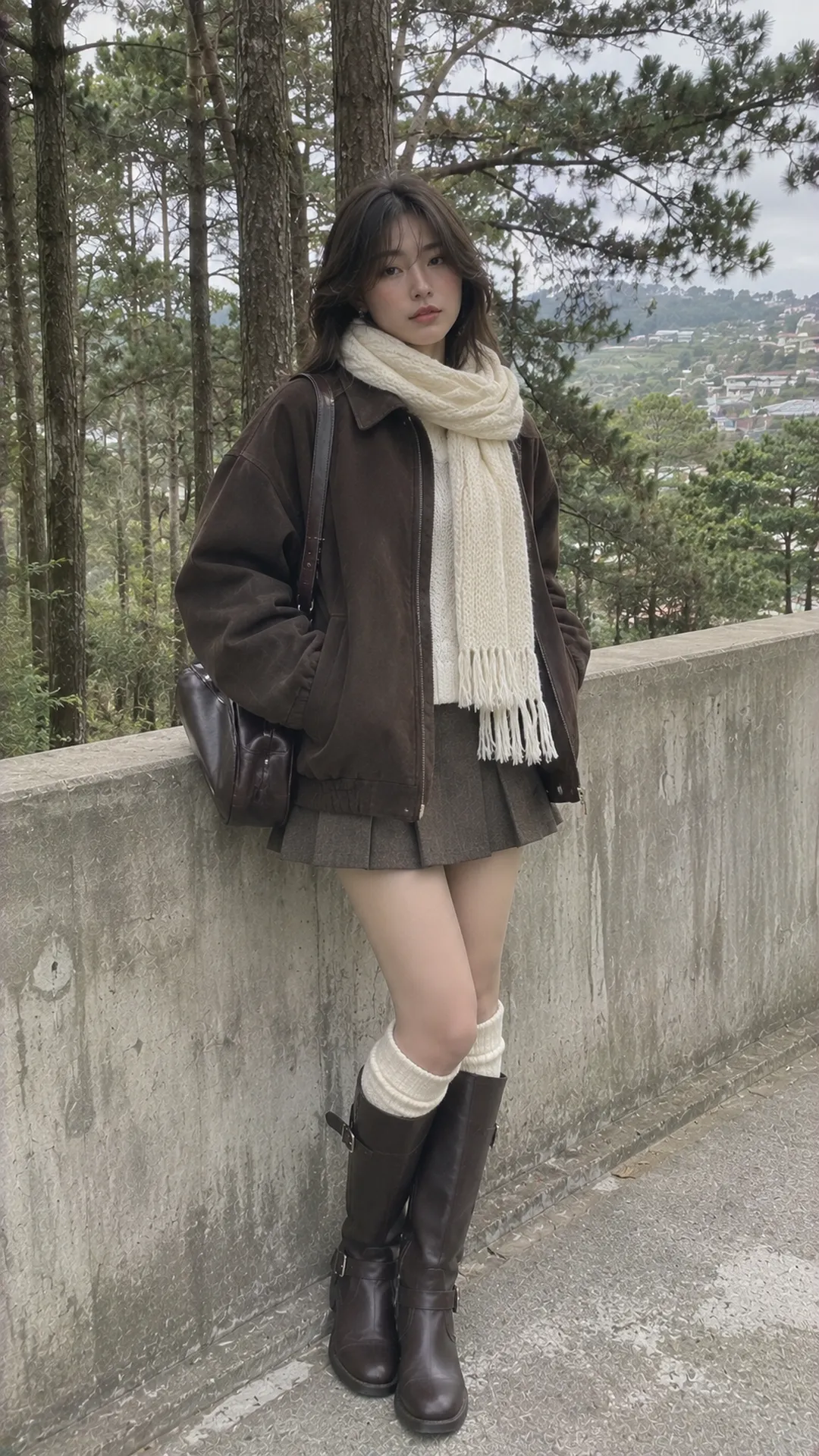
Turn the forecast into clothing decisions
Check the forecast close to departure and again during the trip. A rain icon doesn’t tell you it will rain all day, and the high temperature tells you little about the evening. Use the details to decide when you need a jacket, what to keep as a backup, and which shoes suit the day.
List the three main activities, such as sitting in a vehicle, walking, or spending time indoors. A long walk and an afternoon in a café can call for different layers in the same weather. Consider how long you’ll be outside and how warm or cool you tend to feel.
For several stops, pick a layer you can reach and put away easily. A jacket packed at the bottom of your luggage won’t help when the weather changes mid-trip. Leave room in your day bag to carry a layer after you take it off.
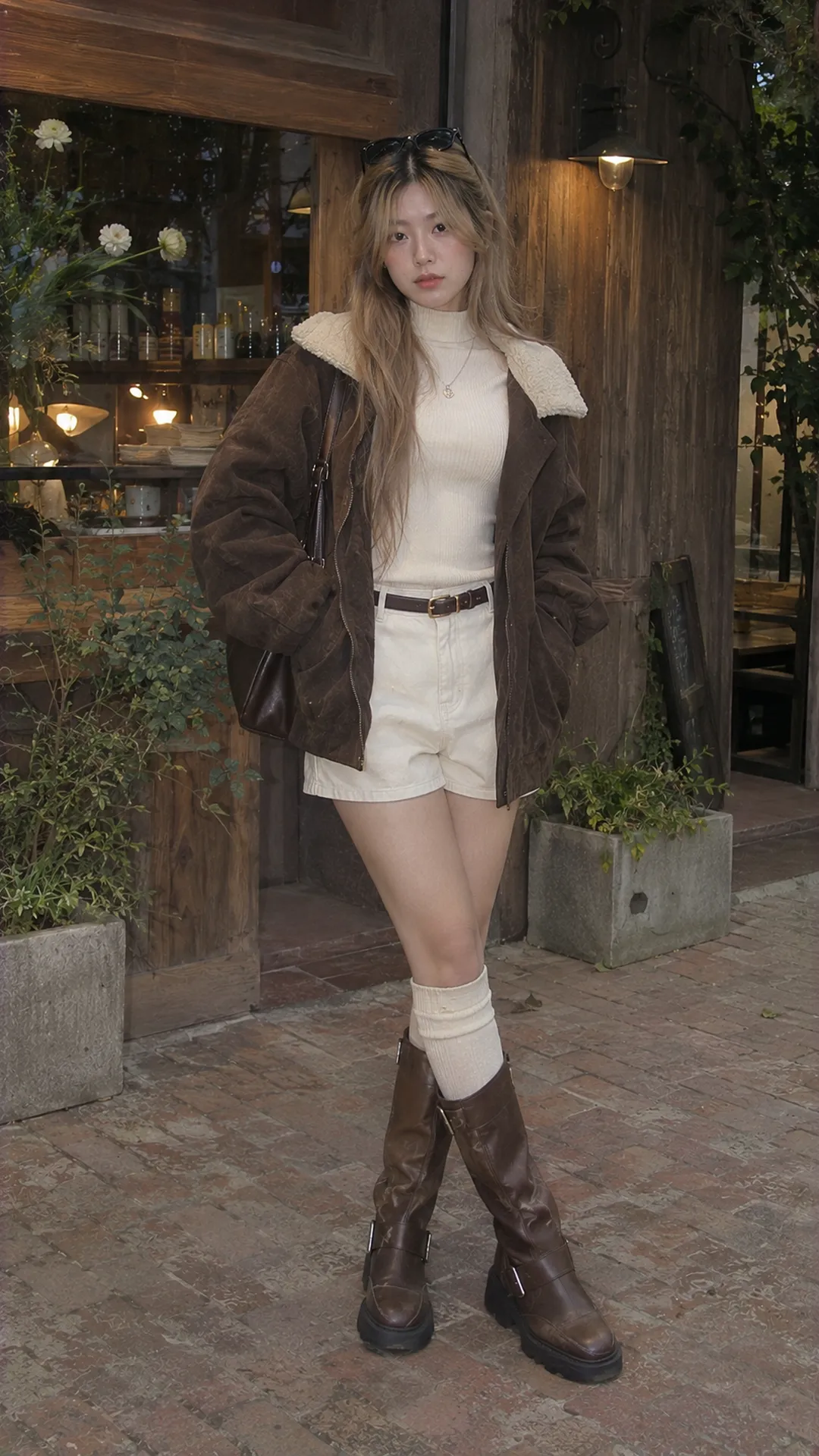
Build an outfit that works without the jacket
Start with a tee, a lightweight long-sleeved top, or a shirt you’ve worn comfortably before. Choose for the day and your preferences. Check that the fit, underlayer, and hems work on their own when you remove the jacket to sit or travel.
Pair the top with straight trousers, relaxed pants, or a skirt that gives you room to walk. Sit and reach forward before packing it. A tight waistband, shifting neckline, or hem that catches can become more distracting on a busy day than during a quick fitting.
For a flight or several hours in a vehicle, see our guide to women’s airport outfits for ways to dress comfortably in transit. Keep that base outfit and change the outer layer on arrival if needed.
On warmer days with light activity
Try a fitted top, straight trousers with a manageable hem, and a removable outer layer. If you prefer a dress or skirt, pick a length and flare you can sit and walk in. Choose the number of layers from the forecast and how you feel when you try them on.
For a summer trip to Đà Lạt, check the specific conditions before leaving all outer layers behind. A lightweight jacket may be useful for only part of the day, in air conditioning, or when conditions shift. Pack it somewhere you can reach without unloading your bag.
Cream, gray, denim, or another familiar color can make an easy base. For an accent, choose the top or bag and keep the rest simple. Take a photo in daylight to check the fabric finish and whether a layer underneath shows through, especially with pale clothing.
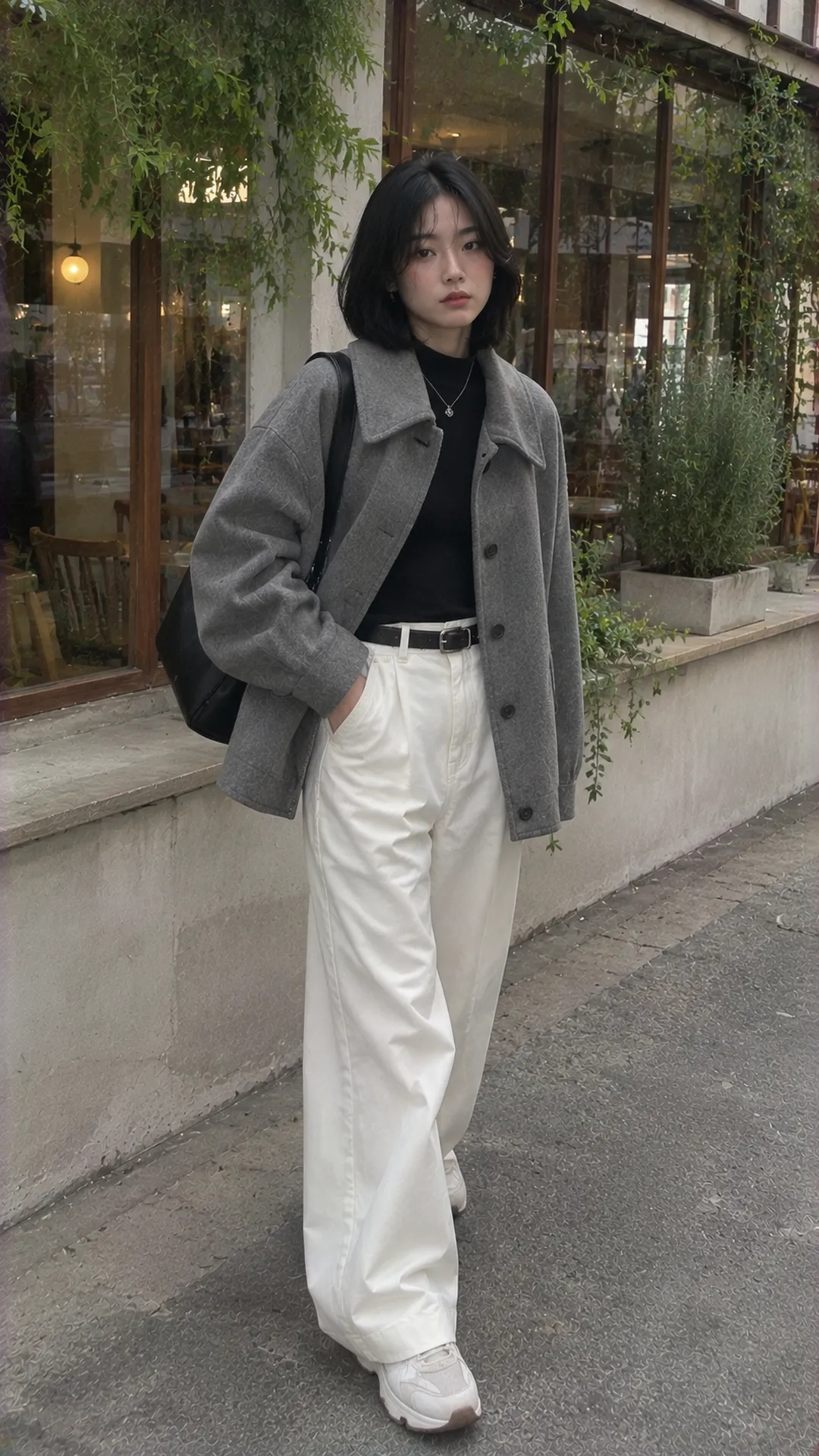
On cool days, give a midlayer a purpose
Add a cardigan, sweatshirt, or knit if it fits the activity and feels comfortable. Try everything together. A top that fits on its own may feel tight once layered, even if you can still close the zipper. Check room at the shoulders, armholes, and elbows.
A cropped cardigan leaves more of the waist visible, while a long cardigan frames the base outfit with vertical lines. A banded sweatshirt hem can add more volume than a free-hanging one. Pick the shape you want and check it after sitting, since fabric can bunch at the waist or ride up.
Our guide to layering women’s outfits explains how to balance the pieces. Let one hem show deliberately if you like the effect. Several layers ending at the same spot around the hips can make the outfit feel busier than you want.
When you need more protection from cold or rain
If your plans and forecast call for weather protection, check the specifications for the exact jacket. A windbreaker label or a smooth surface doesn’t establish rain protection. Choose a layer with the features you need before settling on the color.
Try the outer layer over your intended midlayer. Zip it, reach, sit, and wear your bag to see whether anything gets squeezed or pulled out of place. For more warmth, try a combination that leaves room through the shoulders and armholes.
If rain is possible, think about long hems, shoes, and how you’ll keep spare clothes dry. Pants close to the ground are harder to manage on wet surfaces. Follow the care instructions when drying damp clothes instead of using high heat to get them ready for the next day.
Four outfits to adapt to your itinerary
Straight jeans, a plain top, and a cardigan
Try this for a café stop and light walking. The cardigan is easy to remove, and straight-leg jeans have a hem you can manage. If the cardigan is bright, let the plain top sit underneath. Choose the fabric weight for the day.
A dress with a cropped jacket
A one-piece dress gives the outfit fewer color breaks, while a cropped jacket can show the waist or the skirt beneath it. Try the hem with your shoes and take a few steps. If the dress has a busy print, a simple jacket helps it read clearly in a full-length photo.
Dark straight-leg pants and a light top
The light top draws the eye upward and the dark pants give the shoes a base. Add a plain jacket when needed and choose a bag that fits what you’ll carry. For an alternative look, try one defined detail, such as a distinctive cut or pair of shoes.
A dark base with a textured outer layer
Add a knitted jacket or another textured layer to a dark top and pants. See whether the pieces merge into one block. If you want more definition, change a hem length or add a small light area. Choose the fabric for the fit and conditions as well as its appearance.
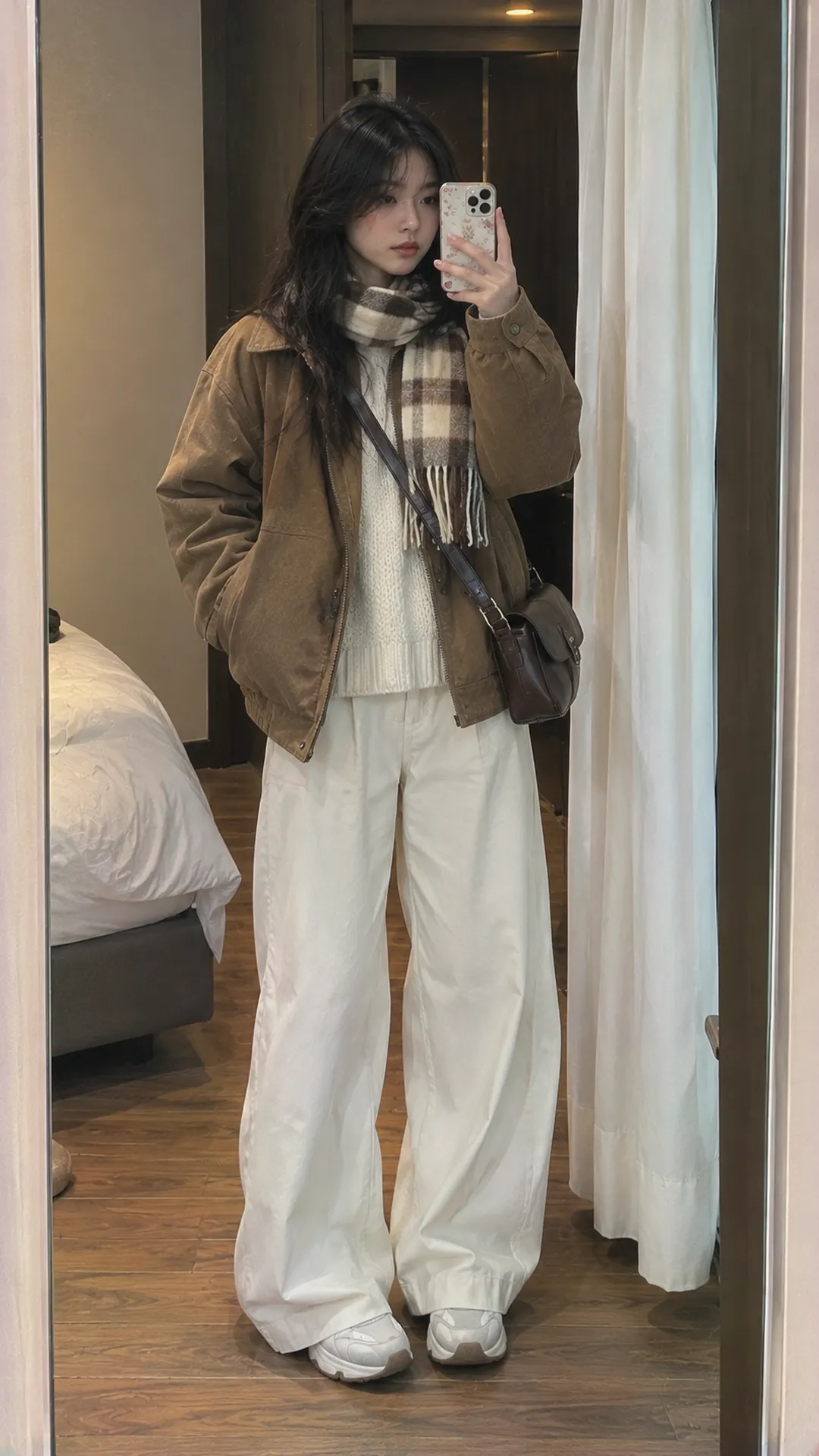
Check shoes and hems for walking
Choose shoes you’ve tried for about as long as you expect to wear them. Sneakers, boots, and other shoes all need to suit the surface and activity. Check the fit with the socks you’ll bring. Sole thickness and a streamlined shape tell you little about whether the shoes suit your feet.
Try long pants with the exact shoes. A hem that works with a taller pair may drag in lower shoes. If you pack two pairs for different settings, choose a length that works with both or pack different bottoms.
Our women’s footwear guide helps you compare shaft height, volume, and the gap between the shoe and hem. For a trip with lots of walking, start with a comfortable pair and build your colors and silhouettes around it.
Choose accessories for photos and getting around
Choose a bag that holds what you need and stays secure as you walk. A small bag can leave you carrying several items in your hands. Load it as you normally would and see whether the strap pulls the top out of place or presses where the fabric already bunches.
Check scarves, hats, and jewelry with your layers. A large scarf around a high, bulky collar can need constant adjustment. When traveling by motorbike, stow accessories you don’t need and choose clothing that lets you wear your helmet as intended. Keep a fashion hat out from underneath it.
For more outfit ideas, see our guide to alternative outfits for going out. Keep the feature you like, such as a dark palette, loose cut, or soft texture, and adapt it to what you’ll be doing.
Pack clothes you can wear more than one way
Lay out the tops, bottoms, and outer layers. Pair each main piece with at least one other outfit. Related colors make it easier to swap layers during the trip. If one top only works with a garment you don’t have, consider packing a combination you already wear.
For bottoms, prioritize a comfortable seated fit and check that they work with your main shoes. Our women’s pants guide by style helps you choose a cut before packing. Bring pieces with distinct uses if several similar pairs would serve the same purpose.
Pack changes of clothes based on trip length, activity, and what care you can manage where you’re staying. Keep clean, dry clothes apart from used items. Put anything you’ll need in transit where you can reach it quickly.
Do one last check against your itinerary
Put on the full outfit, wear the bag, sit, and take a few steps before closing your suitcase. Take off the jacket to check the base outfit, then put it back on and move your shoulders and arms. Swap out anything you have to hold or adjust repeatedly.
Check the forecast again for the dates and times you expect to be outdoors. Pack a clear way to adjust if conditions change. An outfit for Đà Lạt works best when it fits the weather, what you’ll do, and how you like to dress.