

Alternative Wedding-Guest Outfits: Personal Style and Dress Codes
An alternative wedding-guest wardrobe can start with a midi or slip dress, suit, tailored jumpsuit, or blazer and trousers, adding personal references through silhouette, footwear, texture, and selected accessories. Start with the invitation, venue, and timing before choosing an aesthetic direction.
Choose a base that meets the actual event's expectations, then consider a streamlined ankle boot, Mary Jane, structured shoulder, light sheer detail, small hardware, or darker palette. The aim is to dress for the celebration while retaining details you enjoy.
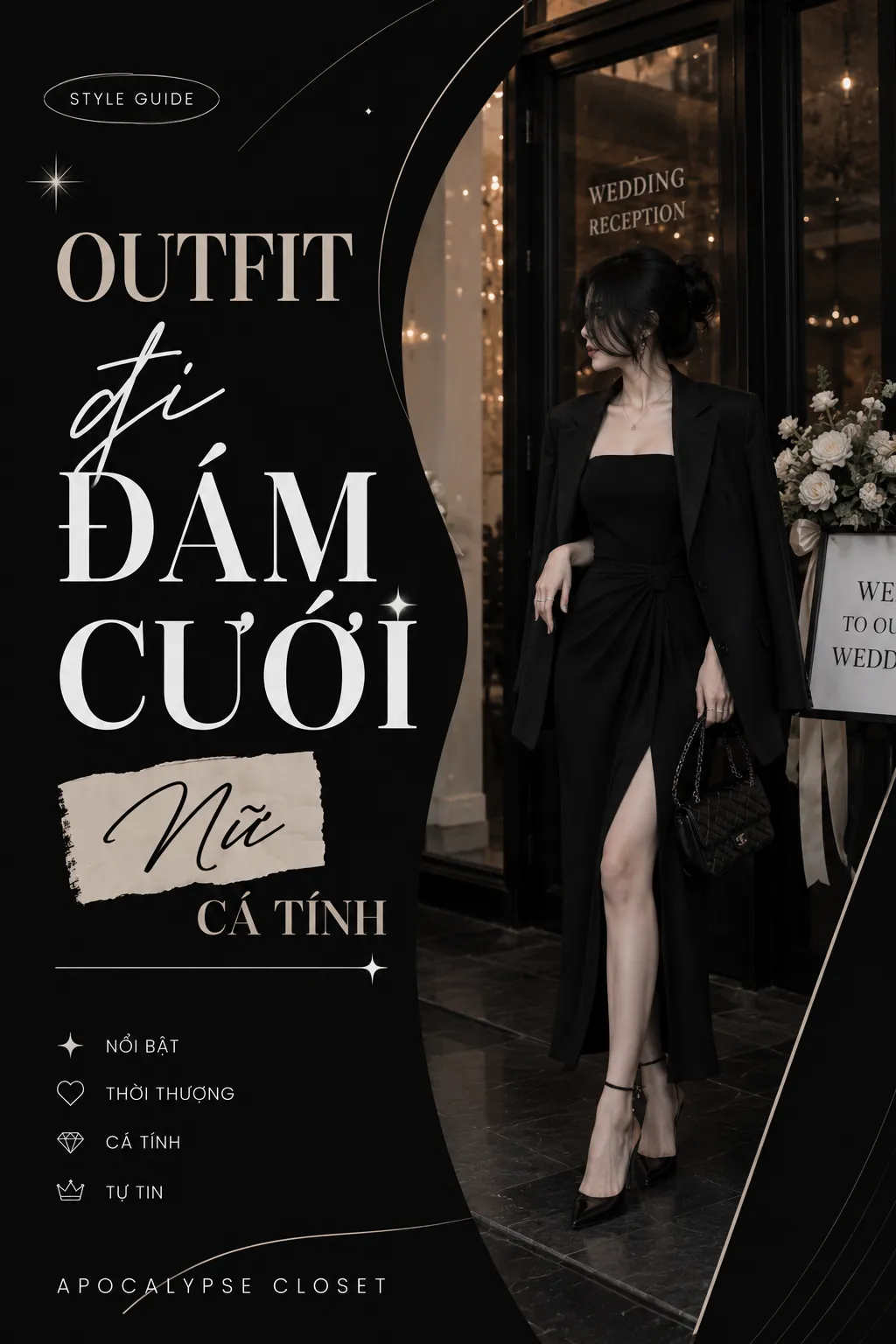
Guide collection: Women's Alternative Outfits: E-Girl, Baddie, Goth, and Grunge (Vietnamese)
Decision framework: read the invitation → check the setting and timing → choose a base at the requested formality → add a personal detail. A midi or slip dress, suit, tailored jumpsuit, or blazer-and-trouser combination offers several possibilities. Confirm color expectations with the hosts when unclear, especially for bridal-looking whites or ivory. Do not infer the dress code from the venue alone.
On this page
Start with the Invitation, Then Add Personal Style
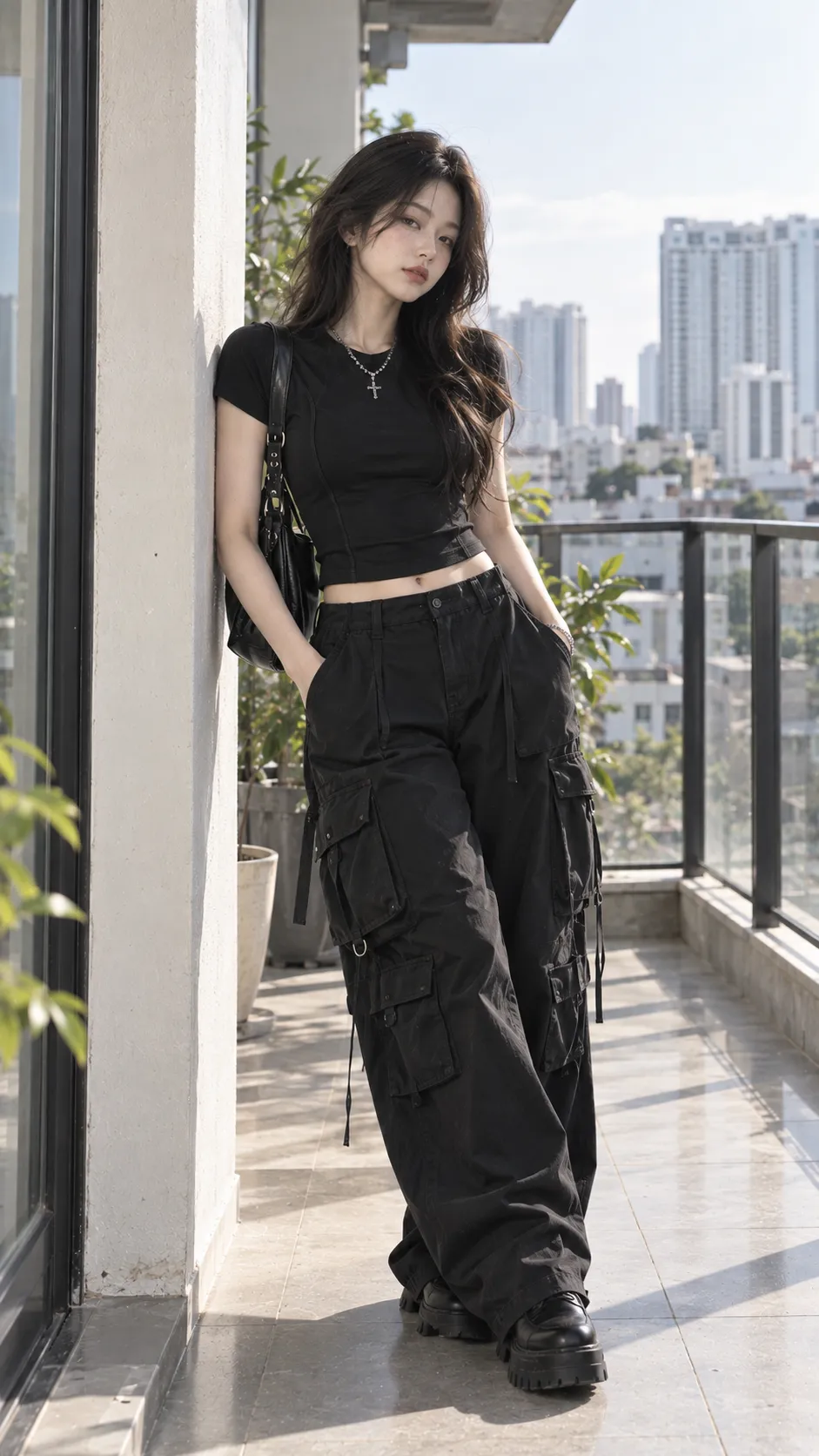
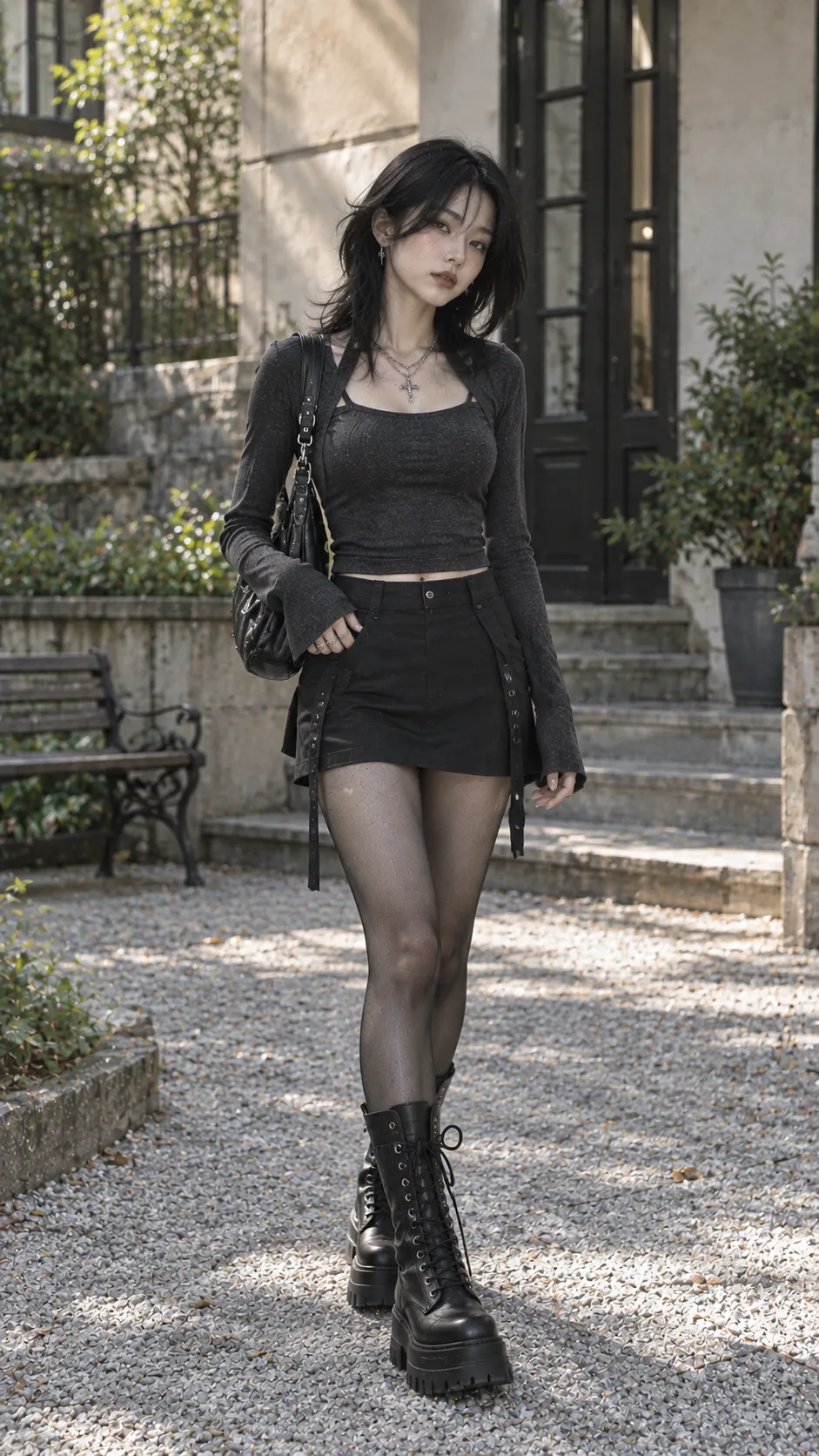
Treat a stated formality, theme, or color palette as the starting brief. A dark slip midi with refined boots might suit one cocktail reception, while tailored separates might suit another city wedding. Neither formula automatically meets every event's requirements. Distressed denim, band tees, and substantial combat boots need particular consideration where the requested dress is formal.
If instructions are absent, use the setting and time as questions to investigate rather than a definitive answer. Ask the hosts or organizer about expectations instead of relying on venue photographs.
| Setting | Possible starting base | Personal detail | What to check |
|---|---|---|---|
| Cocktail or evening reception | Slip or midi dress, jumpsuit, softly structured suit | Streamlined boots or small hardware | Actual dress requirements, fabric finish, and garment fit |
| Daytime or garden celebration | A-line or fluid midi, lighter separates | A softer dark palette or Mary Janes | Fabric suitability and tested footing on grass |
| Hotel or ballroom reception | Suit, fitted blazer and trousers, longer midi | A light sheer detail or silver-toned jewelry | Requested formality, seams, drape, and footwear |
| Intimate celebration | A midi, jumpsuit, or host-approved shorter dress or separates | Low boots, blazer, or belt | Whether casual or distressed pieces fit the hosts' plans |
Choose a Main Silhouette Rather Than Every Style Reference
Midi skirts and dresses offer several lengths and shapes that can be adjusted through footwear and layers, subject to the dress code. A slip dress provides a simple line for a blazer or suitable light layer. Tailoring uses shoulders, seams, and trouser proportions to create structure. An A-line or mermaid shape adds a different kind of hem movement; a darker palette and selected accessories can connect it to Dark Feminine styling.
If one piece already has a prominent surface or shape — leather-look fabric, a corset-inspired neckline, or sheer sleeves — consider quieter supporting pieces. You do not need to include every alternative reference in one guest outfit.
Six Alternative Wedding-Guest Formulas
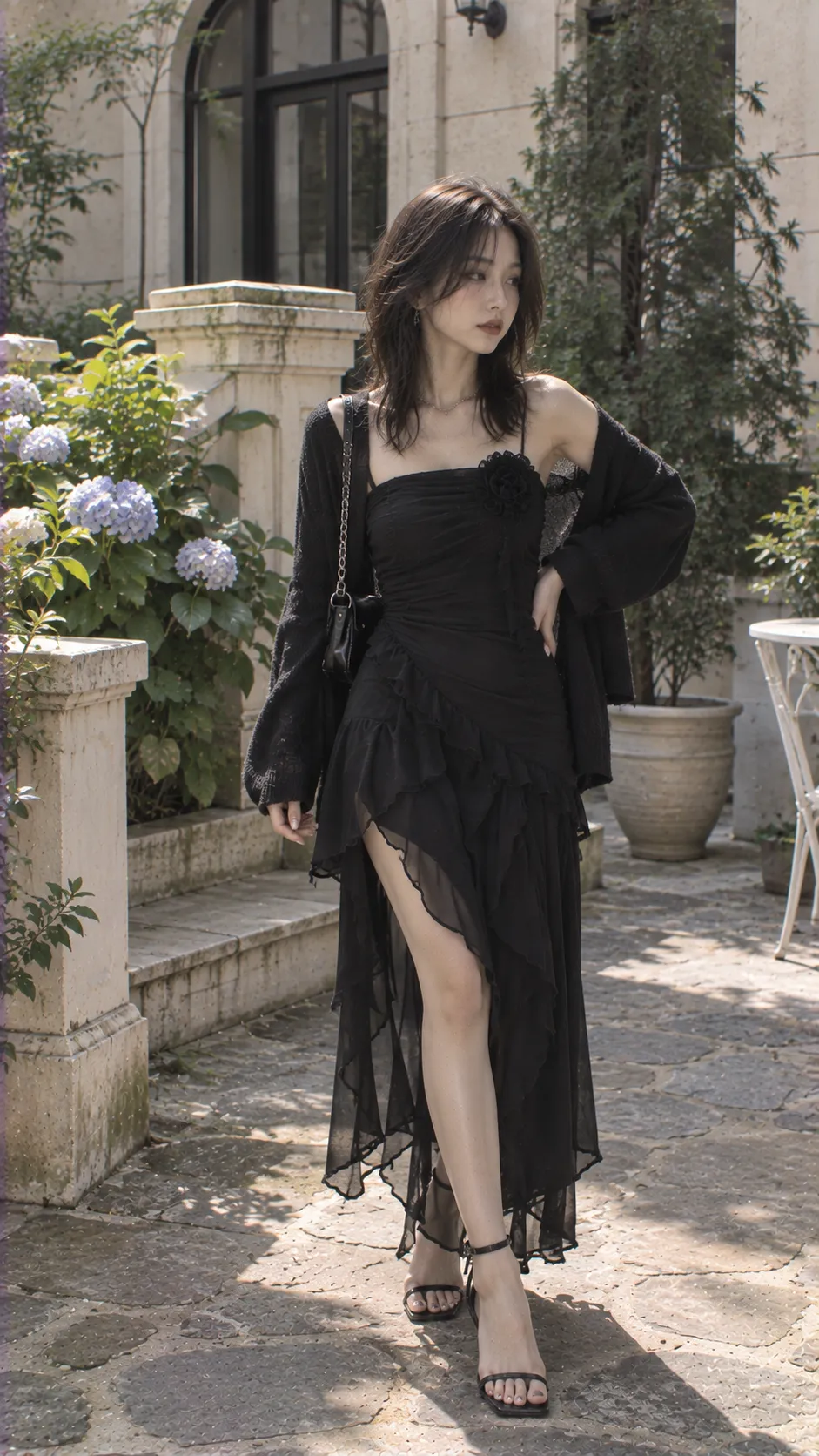
1. Slip Midi + Light Blazer + Streamlined Ankle Boots
A slip dress supplies a continuous line, the blazer frames the shoulders, and boots introduce a different reference from dress heels. Check that the exact combination suits the invitation. If the fabric is highly reflective, a quieter bag and jewelry let that surface lead.
2. Tonal Suit + Fitted Top + Small Clutch
A suit is an option if you prefer trousers. Similar tones connect the blazer and trousers. A square-neck top, satin camisole, or simple bodysuit can change the office associations of a buttoned shirt. Consider slingbacks, Mary Janes, or streamlined boots according to the actual formality and fit.
3. Tailored Jumpsuit + Narrow Belt + Statement Earrings
A jumpsuit joins the upper and lower silhouette. Compare shoulder and neckline structure, leg shape, opacity, and drape rather than assuming all jumpsuits are formal. A narrow belt can define the waist if desired; one prominent piece of jewelry may provide enough detail.
4. Fitted Top + Fluid Midi Skirt + Mary Janes
A defined upper section, moving skirt, and strap-front shoe can suggest softer Dark Feminine styling. Burgundy, chocolate, plum, or charcoal offer alternatives to black. Check the actual garment finish and the hosts' palette.
5. Cropped Blazer + Straight Tailored Trousers + Satin Top
The shorter blazer makes the waistband and leg line more visible, while satin contrasts with the tailoring. This can provide a city-reception direction when the actual event permits it. Its visual interest comes from proportion and cut rather than requiring large cutouts or heavy hardware.
6. A-Line or Midi Dress + Low Boots + Small Silver-Toned Details
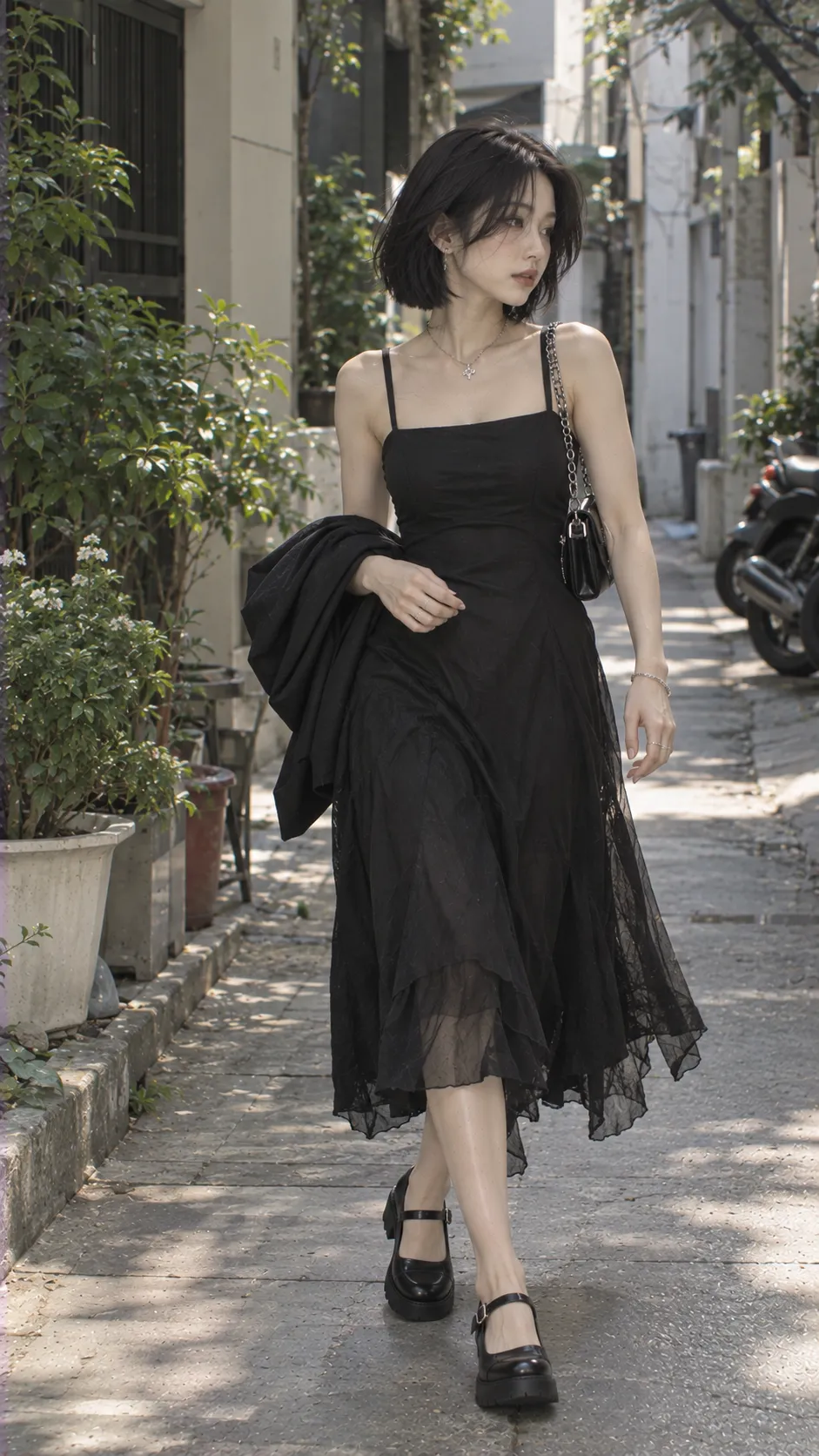
For a daytime or garden event, test the dress while sitting and walking. Broad soles or lower heels are possibilities to assess on the actual ground; no shoe category guarantees stability or comfort. If the dress already has a strong print or surface, a small metal accent can be sufficient.
Dark Feminine: Depth Without Excess Weight
A square or boat neckline, fluid midi, and ankle boots or Mary Janes offer one direction. Add a light blazer if needed. Burgundy, chocolate, charcoal, navy, and black create different dark palettes. With black, compare satin against matte knit, or a small sheer detail against opaque fabric.
The Dark Feminine outfit guide explores softer and more structured contrasts. For skirt length, the midi-length guide compares hem positions and footwear without imposing a single length on every body.
Tailoring / Office Siren: Interest Through Cut
A fitted or cropped blazer, straight tailored trousers, and tank or satin top offers another trouser-based route. Opening the blazer or choosing a softer neckline changes its office associations. Streamlined boots or Mary Janes are options if they meet the dress expectations. A narrow belt or silver-toned earrings may be enough.
For a black blazer, see the blazer silhouette guide. Set the trouser hem against the footwear you plan to wear; the straight tailored trouser guide explains rise, pleats, and hem break in more detail.
Shoes Must Work Beyond the Photograph
Streamlined ankle boots, Mary Janes, moderate platforms, and block heels create different effects. Assess each actual pair on the planned surfaces. Narrow heels can sink into soft ground, but a wider heel is not automatically stable or comfortable. Test walking and standing before the event rather than making the wedding its first outing.
Mary Janes can connect with a midi or darker preppy reference; women's leather boots can support a Dark Feminine or tailored direction, provided their shaft, sole, and finish suit the event and your movement.
Color and Texture: Separate Dark Pieces
There is no universal wedding color rule that replaces the hosts' instructions or family customs. Ask about black if uncertain. Charcoal, navy, burgundy, plum, or chocolate provide other darker choices, but still need to meet the brief. Compare satin with matte fabric or a small reflective detail with quieter surfaces.
For white, ivory, or very pale cream, confirm expectations instead of assuming that a non-bridal garment is automatically appropriate. Follow any requested palette and the hosts' guidance.
A Dress-Code Stress Test Across Four Activities
Check the outfit while sitting through a ceremony, eating, posing, and moving. The three Closet looks below are references for tailoring, shoulders, and dark textures; they are not complete wedding-guest recommendations.
Scope of these examples: Closet style references, not three ready-to-copy wedding outfits.
Compare Actual Closet Looks

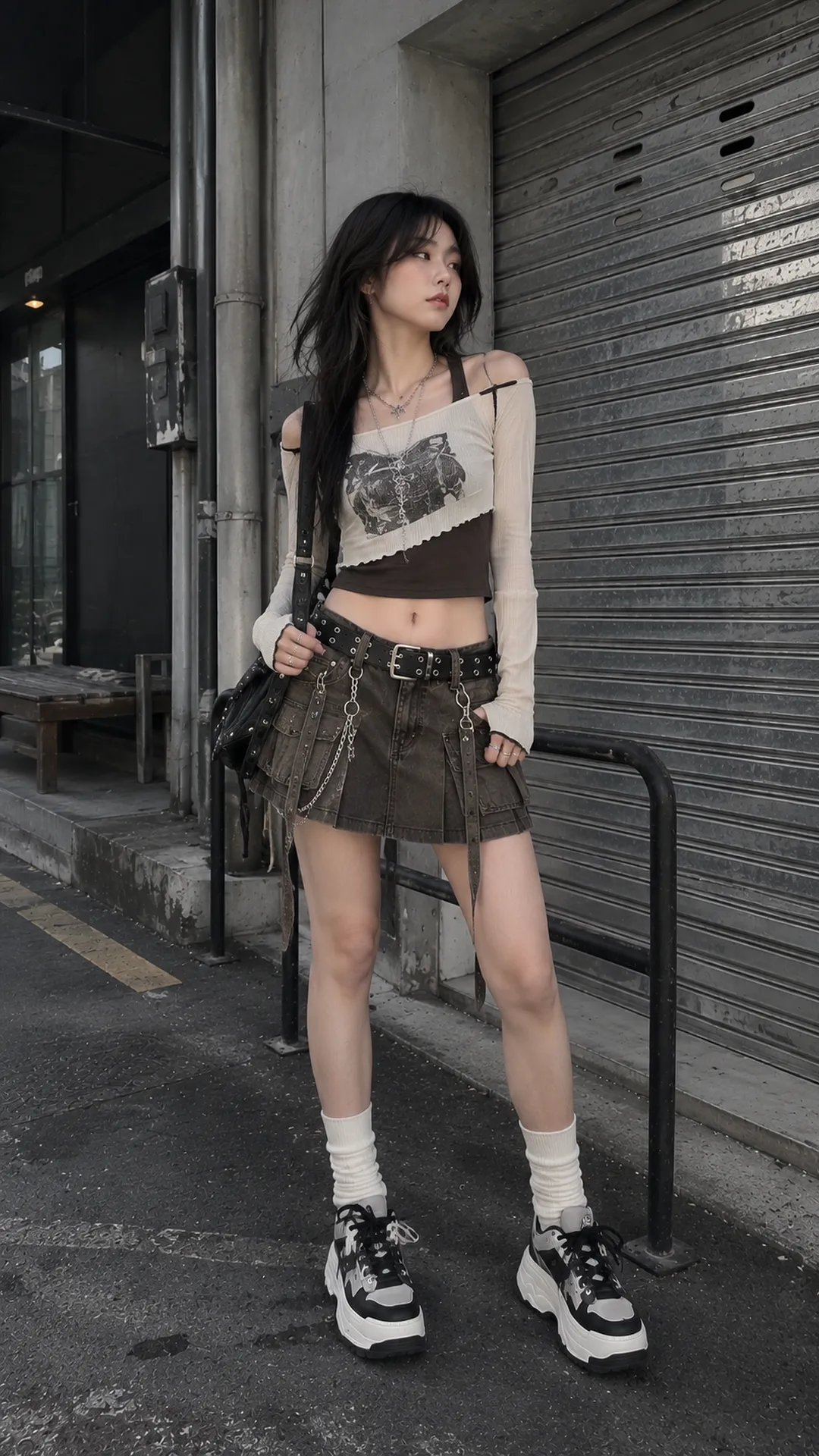
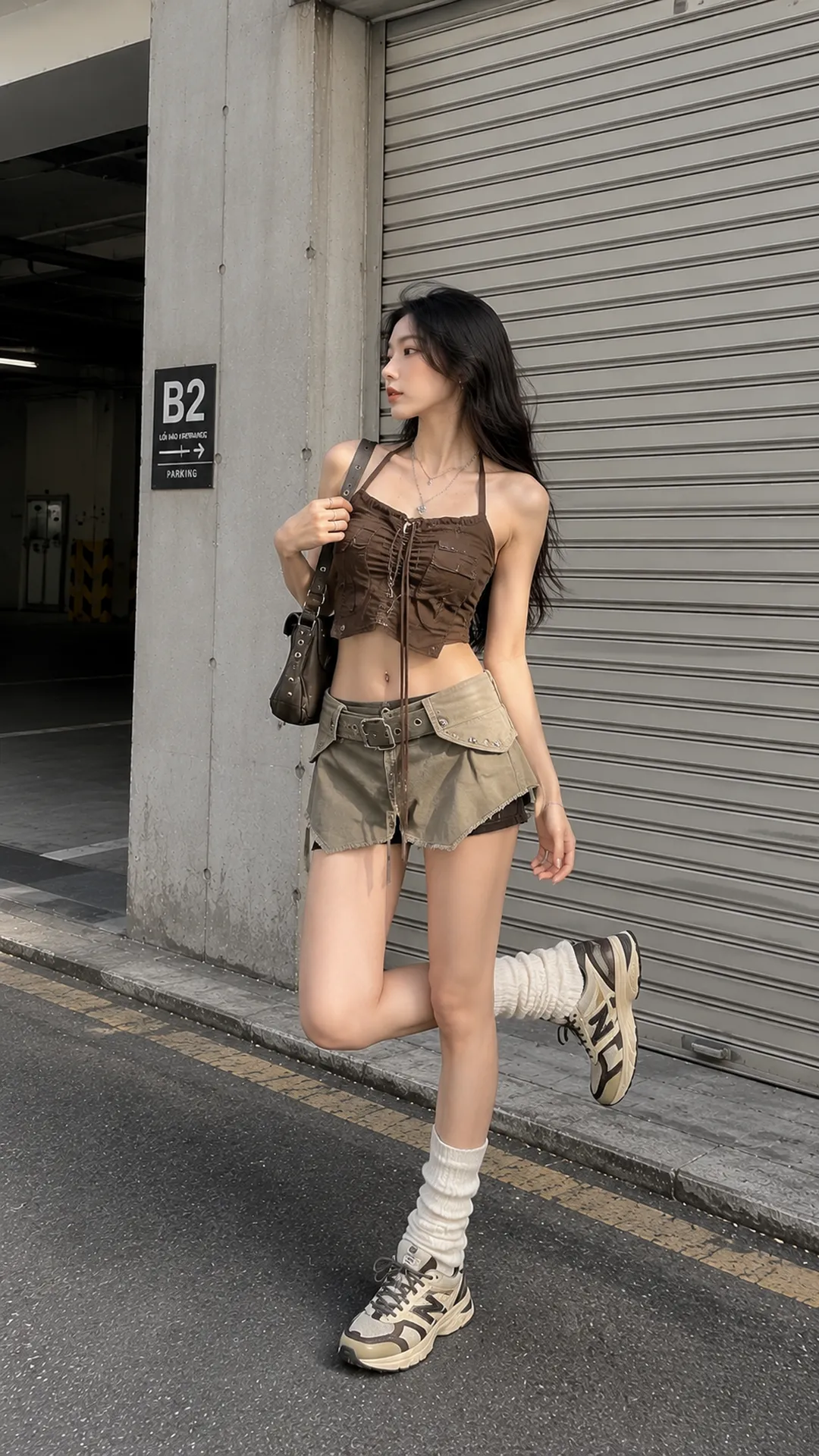
- LOOK #37 (Vietnamese): the trousers, cropped tank, and jacket show a tailored alternative direction. A wedding adaptation needs its own assessment of fabric, coverage, footwear, and accessories.
- LOOK #108 (Vietnamese): the asymmetric top and brown skirt illustrate shoulder shape and earthy colors. Those features alone do not establish semi-formal suitability.
- LOOK #113 (Vietnamese): the structured upper section provides a focal point. For a wedding, reassess the fabric finish, hem length, coverage, and requested formality.
| Activity | Potential problem | Practical test |
|---|---|---|
| Sitting through the ceremony | A restrictive waistband, top structure, or short or tight hem | Sit for ten minutes and check whether repeated adjustment is needed |
| Eating | A tight upper section or pressing straps and fastenings | Sit upright and lean forward slightly |
| Photographs | Dark pieces lose visual separation | Photograph the outfit in comparable lighting if possible |
| Moving around | Shoes work in a pose but restrict movement | Test stairs and a period of standing, stopping if discomfort develops |
Venue and Timing Affect Fabric, Formality, and Footwear
Indoor evening reception: compare satin, crepe, lighter velvet, or tailoring against the actual temperature and dress instructions. Daytime or garden event: consider suitable garment weight, hems clear of the ground, and footwear tested for the surface. Hotel or ballroom reception: seam finish, drape, and overall garment condition deserve attention before adding accessories.
In warm conditions, a dense corset-inspired top, lined blazer, and tall boots can become uncomfortable. Choose one statement layer and reassess the weight of the supporting pieces. If travelling by motorbike, plan hems, loose layers, bag straps, and footwear for the journey as well as the reception.
Before Leaving: Sit, Eat, Raise Your Arms, and Photograph
Check how the skirt hem moves when seated and whether the neckline or armholes shift when you raise your arms. Walk with the actual bag to see whether its strap catches mesh or creases satin. A flash photograph can reveal stronger reflection from satin, sequins, coated fabrics, or metallic surfaces.
A small backup item may be useful: suitable fashion tape for a neckline, a heel protector, or a spare hair clip. Test any product beforehand and do not use it to compensate for a garment or shoe that causes discomfort or restricts movement.
Choose by the Styling Direction You Want
- Dark Feminine: a midi or slip, defined neckline, ankle boots or Mary Janes, and selected jewelry.
- Streamlined Baddie: a suit or blazer with straight trousers and a fitted top; reconsider chunky sneakers or large chains where formality requires it.
- Softer Alt or Goth: black or burgundy, a small sheer section, velvet, or restrained hardware; select the references that suit the invitation.
- If you prefer trousers: a suit or tailored jumpsuit offers a direct starting point; compare drape, finish, and actual fit.
The shared principle: one guest outfit need not demonstrate your entire aesthetic. One or two personal references can sit within the hosts' brief and your own wearability needs.
Choices to Reconsider
- Ignoring the dress code: personal styling still needs to fit the celebration's stated requirements.
- An unrequested bridal-looking white outfit: clarify the hosts' expectations instead of assuming.
- Competing hardware and details: chains, spikes, fishnet, a corset-inspired top, and large platforms can all compete. Select the references you want to carry into this event.
- Footwear unsuited to the setting: soft ground, long standing periods, and the requested formality can change which pair works.
- An outfit tested only while standing: receptions also involve sitting, eating, walking, and photographs.
Frequently Asked Questions
What can an alternative dresser wear to a wedding?
Consider a midi or slip dress, suit, tailored jumpsuit, blazer with trousers, or suitable A-line dress. Read the actual dress code first, then choose personal details in the cut, fabric, footwear, or accessories.
Can you wear black to a wedding?
Ask the hosts if the invitation and customs leave this unclear. There is no universal answer. Other darker colors are possibilities only if they also meet the event's expectations.
Can you wear boots to a wedding?
Possibly, depending on the event. A streamlined ankle boot may work with some tailored or Dark Feminine outfits, but the exact design, setting, and requested formality matter.
Can you wear an all-white wedding-guest outfit?
Follow the invitation and hosts' guidance. If white or ivory has not been requested, clarify before choosing a look that might be read as bridal.