

How to Remove Boot Odor: Drying, Linings and Insoles
Boot odor often involves moisture, perspiration and slowly drying linings, rather than a shortage of perfume or scented spray.
Start with appropriate drying and cleaning of foot-contact areas, then consider a removable odor absorber and habits that let the inside dry between wears. Results depend on the materials and source of the smell.

Guide collection: Women’s Footwear Guides: Shoes for Your Outfits
Why Do Boots Develop Odor?

Odor does not necessarily come from the leather or outsole itself. A common combination is moisture, perspiration, skin debris and slow drying. Enclosed boots, especially taller designs with substantial linings, may retain moisture around toes, heels and footbeds after prolonged wear. Construction varies between boots and sneakers.
Perfume or fragrance can temporarily mask a smell while leaving moisture behind. Wearing boots again before the lining dries can allow the smell to return. A useful sequence for removing boot odor is: absorb moisture → clean compatible contact surfaces → use an optional odor absorber → dry fully → adjust the wearing cycle.
Check the Condition Before Deodorizing
Assess the smell and dampness before applying products. Light post-wear odor may only need airing, while persistent insole odor calls for more than scent. Smell alone does not identify a specific cause.
| Condition | What you notice | First priority |
|---|---|---|
| Light odor after a day’s wear | Most apparent just after removal | Air dry, remove detachable insoles and use clean socks |
| Odor persists after cooling | Smell remains around footbed and heel | Clean compatible inner surfaces and insoles, then consider a dry absorber |
| Boots have been wet in rain | Damp lining and a musty or sour smell | Blot and dry gradually before additional odor care |
| Smell returns within hours | Dry-looking boots quickly smell again | Recheck insoles, socks and drying time between wears |
| Persistent smell despite cleaning | Old, compressed or previously soaked insoles | Consider compatible replacement insoles or professional cleaning |
If new boots feel stiff or rub at the heel, see how to break in new boots instead. Deodorizing does not solve fit.
Step-by-Step Boot Odor Care
1. Loosen Laces and Remove Only Detachable Insoles
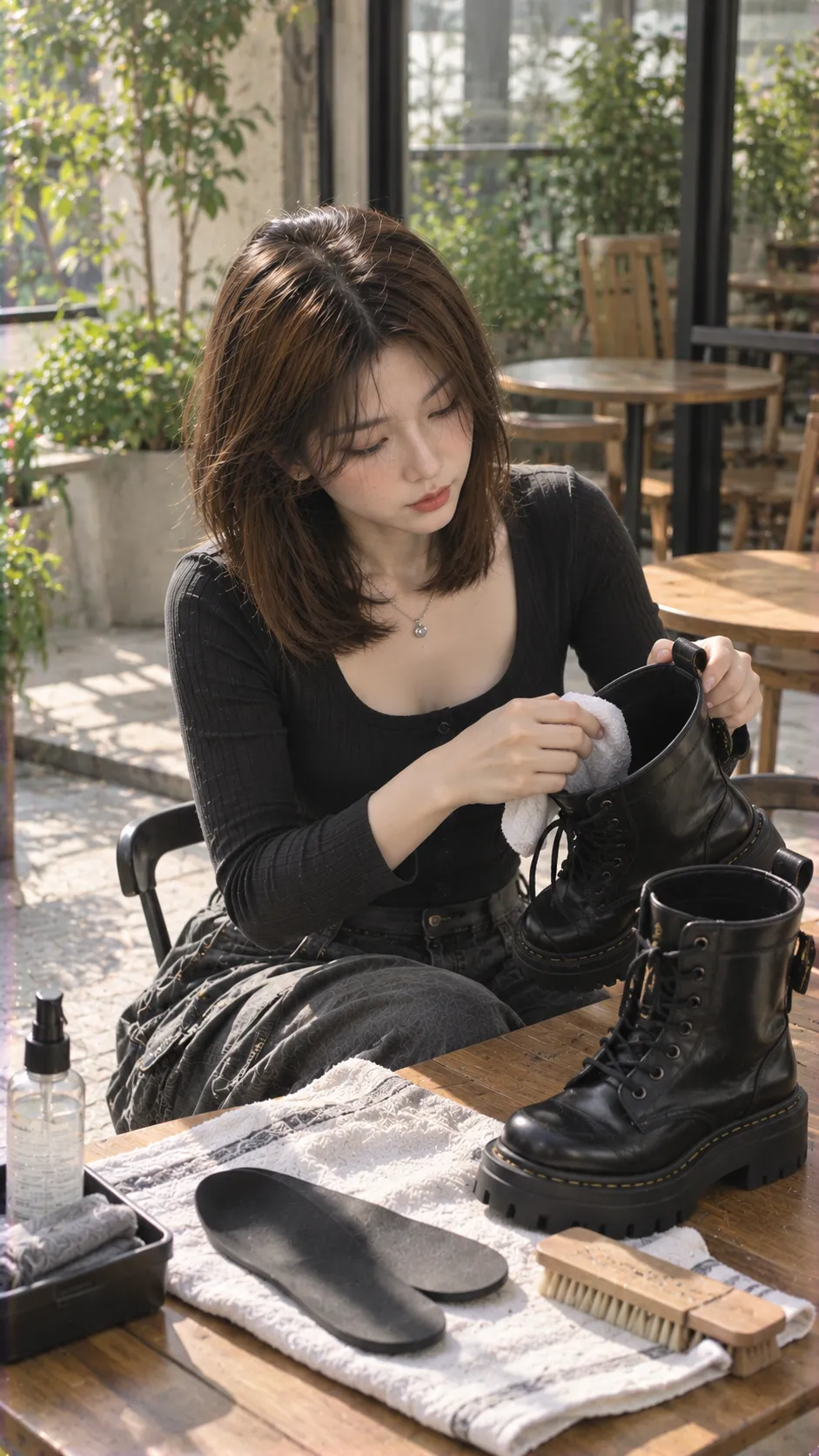
Insoles contact the feet and can retain perspiration. Remove them only if designed to detach; this also exposes more of the inside to airflow. Do not pull out glued footbeds, which can tear the lining or disturb the adhesive.
2. Address Dampness Before Adding a Deodorizer
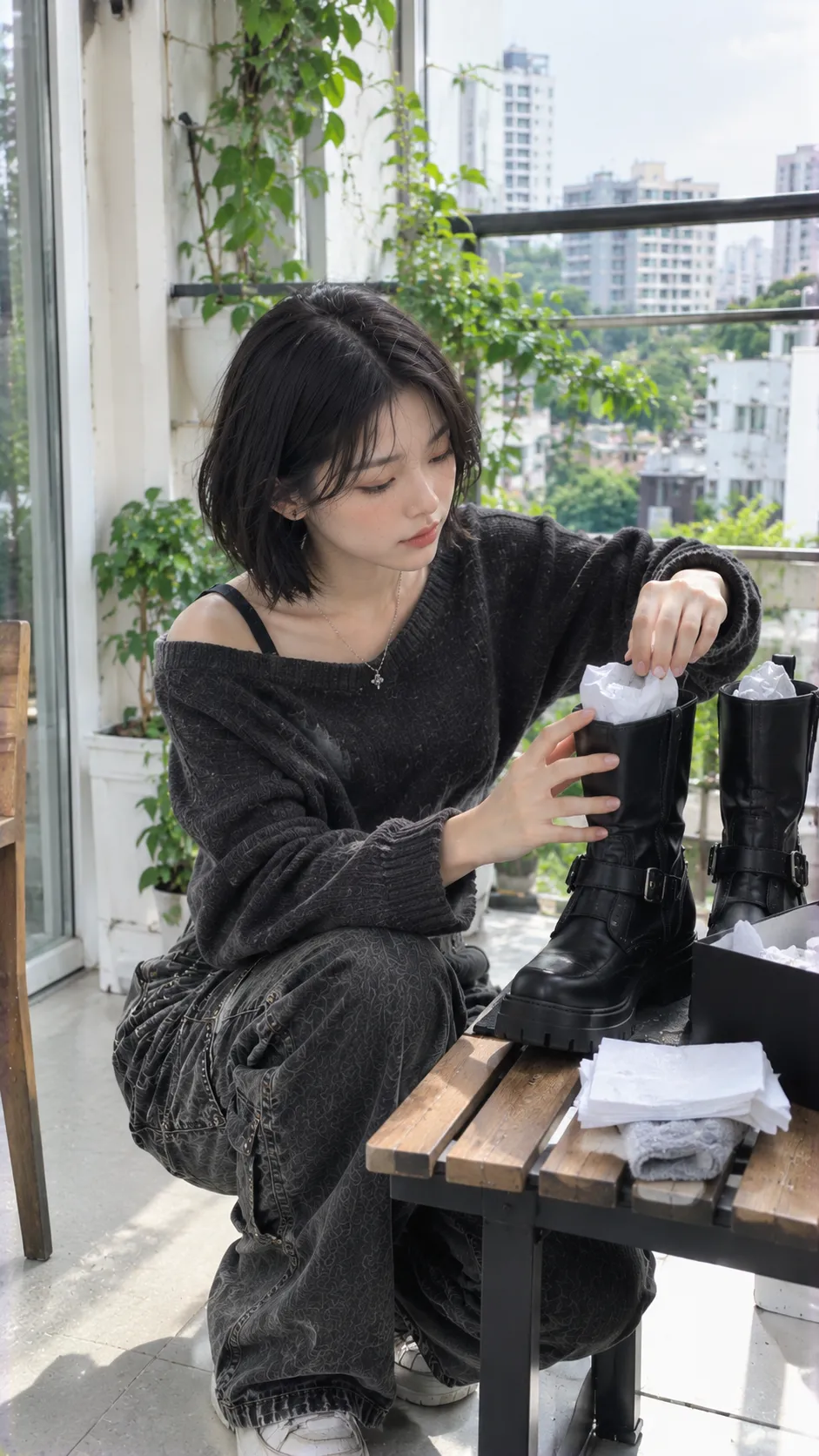
If the inside is wet, loosely insert clean absorbent paper to take up initial moisture. Avoid tight packing that distorts the shape. Replace damp paper, open the shaft and leave the boots in a ventilated place at room temperature, following their care instructions.
3. Clean Compatible Contact Areas Without Soaking
Where the care label permits, patch-test a barely damp soft cloth with a small amount of suitable mild cleaner, then wipe the foot-contact area, heel and inner shaft. Remove residue with a clean barely damp cloth. Local cleaning gives better control of water than immersing glued or layered boots; some leather linings require a specific product instead.
Follow the manufacturer’s material-specific care instructions. One cleaning solution does not suit every leather, suede, PU surface or textile lining.
4. Clean Detachable Insoles Separately
Use the method allowed for the insole material and let them dry completely before replacing them. Do not put slightly damp insoles back into boots and seal them in a box.
5. Consider a Contained Dry Odor Absorber After Drying
A shoe-safe activated-charcoal pouch or compatible moisture absorber may help between wears. A sealed, removable baking-soda sachet is another optional aid if allowed by the care instructions. These products differ in function and do not disinfect the boots; contained materials are easier to remove than powder in seams.
6. Allow Enough Rest Between Wears
A dry upper does not establish a dry lining. A tall boot with a thick lining may dry slowly. Rotating footwear can give the interior more time, rather than relying on increasing amounts of deodorizing spray.
7. Recheck the Insoles and Interior When Fully Dry
If odor is mainly in an old insole, a compatible replacement may be more useful than repeated whole-boot treatment. If the interior still smells, reassess the care method or seek a material specialist rather than immediately using stronger chemicals.
Baking Soda for Boot Odor: Keep It Contained and Optional
Baking soda appears in many guides to shoe odor care as an odor-reduction aid. It is not a substitute for drying and cleaning, a disinfectant or a reliable solution for saturated footwear. Material compatibility matters.
A cleaner approach: if permitted, place a modest amount in a securely closed breathable sachet that cannot spill, put it inside a dry boot for a few hours or overnight, then remove it completely and continue airing. Keep loose powder away from seams and foot-contact surfaces.
Baking soda is only an optional follow-up after appropriate drying and cleaning. It does not resolve a wet lining or pooled water.
Adjust Odor Care to the Boot Material
| Boot material | Preferred approach | Avoid |
|---|---|---|
| Smooth genuine leather | Minimal water, compatible spot cleaning and room-temperature drying; condition the upper only as directed | Strong sun, soaking or improvised alcohol and harsh-cleaner use |
| PU or synthetic surfaces | Compatible local wiping, ventilation and removable pouches | High heat that can affect coatings or adhesives |
| Suede or nubuck | Minimize moisture and use the correct material-specific cleaning method | Wet mixtures or aggressive scrubbing without care approval |
| Canvas or textile | Clean the lining only as allowed and dry thoroughly | Damp storage or drying conditions that distort the material |
| Thick-lined boots | Allow more drying time, remove detachable insoles and open the shaft | Repeated wear before the interior dries |
Treat upper care separately from interior odor. The guide to leather clothing care covers general material care and storage; this article focuses on boot interiors. Boot-specific instructions take priority over clothing-care examples.
Common Odor Situations
Rain-Wet Boots with a Musty Smell
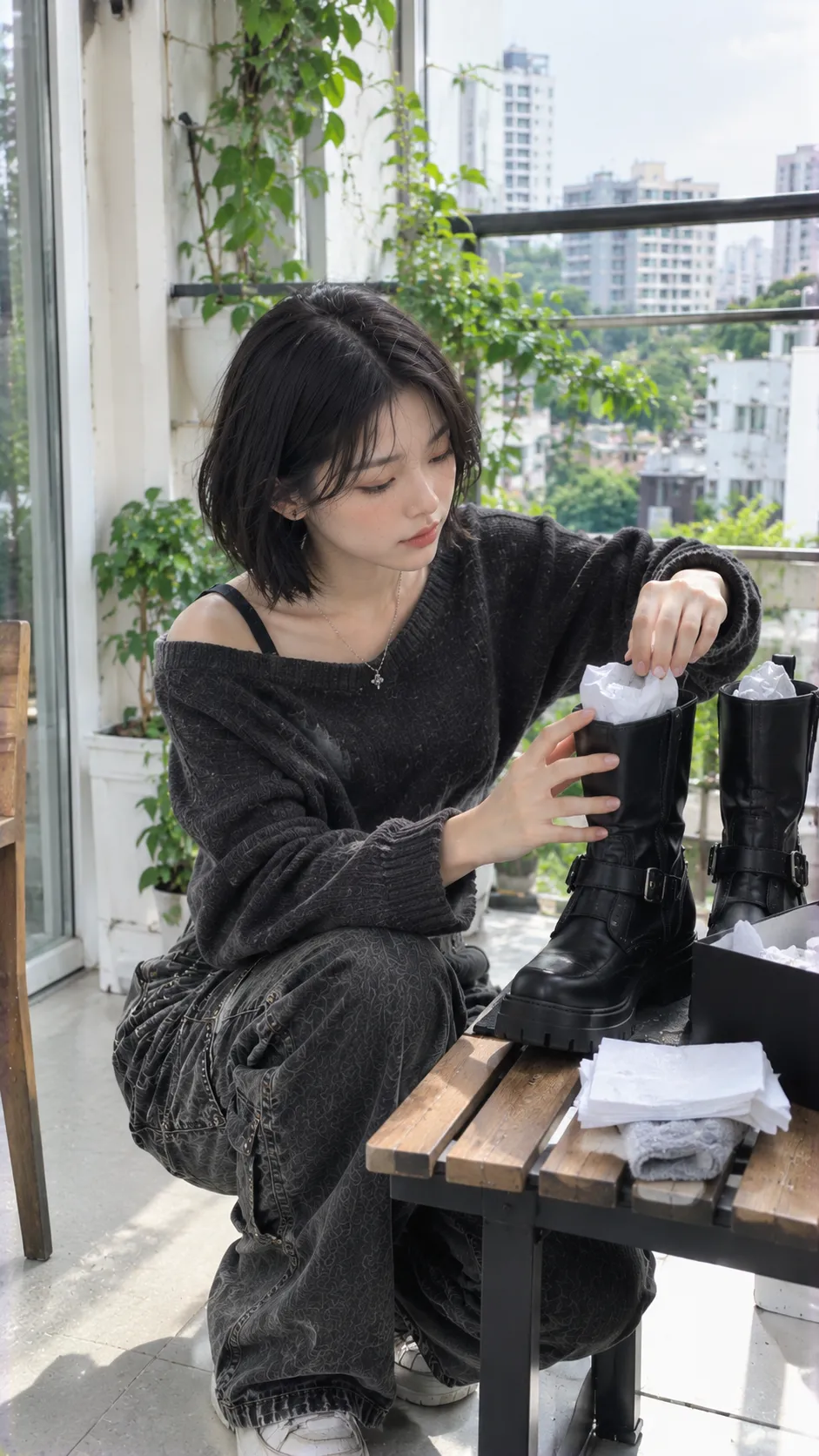
Blot the outside, remove detachable insoles and loosely insert absorbent paper, replacing it when wet. Keep away from stoves, heaters and hot airflow. Follow compatible cleaning instructions once the initial moisture is addressed, then dry fully before using any dry absorber. Fragrance applied to wet boots does not resolve their dampness.
Clean Boots Smell Again Within Hours
Recheck the complete cycle: clean dry socks, insole condition and rest between wears. An interior that has not fully dried can smell again even after surface cleaning.
Only the Insole Smells
Clean or replace a detachable insole before treating the whole upper. A flattened, distorted insole retaining odor after appropriate cleaning may be a better replacement candidate than another layer of fragrance.
Odor Appears After Cleaning
Slow interior drying or cleaner residue may be involved. If compatible, remove residue with a clean barely damp cloth and allow further ventilation. Do not keep adding scent to a damp lining. Persistent unusual odor warrants a care specialist’s assessment.
Reduce Recurring Boot Odor

- Use clean socks each wear: dry socks suited to moisture management reduce damp material against the lining.
- Do not rewear damp footwear: allow drying after hot days, long walks or rain.
- Open the shaft while airing: loosen laces or open zips so air can reach further inside.
- Avoid immediate sealed storage: let moisture escape before putting boots away.
- Clean insoles as directed: do not wait for strong odor before checking their condition.
- Use removable pouches if suitable: they are easier to remove than accumulated loose powder.
- Rotate footwear: an alternative pair gives daily boots more drying time.
For a footwear-choice comparison, see Combat Boots versus Platform Boots for weight, stability and intended use. Neither label alone guarantees comfort.
Seven Methods to Avoid Overusing
- Perfume sprayed inside: mainly masks smell without addressing moisture or dirty insoles.
- Immersing the whole boot: can affect adhesives, internal structure and some leathers.
- Close-range hot drying: can stiffen, distort or damage materials and bonded parts.
- Prolonged strong sunlight: is not a default care method for genuine or synthetic leather.
- Improvised harsh cleaners: can damage finishes or leave residue in the lining.
- Large amounts of loose powder: can collect in seams and under insoles and be difficult to remove.
- Combining several household treatments: makes it harder to identify what caused a stain, odor or material reaction.
When to Seek Deeper Cleaning or Replace Insoles
Light post-wear odor may improve with thorough drying and compatible insole care. Persistent odor after complete drying, a previously soaked lining or a distorted insole calls for reassessment rather than a quick deodorizing claim.
For valuable boots, delicate suede or nubuck, or layered construction, a professional footwear cleaner may be preferable to repeated household experiments. The aim is an interior that is clean, dry and free of retained odor sources.
After care, see women’s boot outfit ideas for styling. Maintenance and outfit styling remain separate guides.
Frequently Asked Questions
How can you address boot odor without washing the whole pair?
Remove only detachable insoles, address dampness, clean compatible contact areas according to the maker’s instructions and let everything dry. A removable shoe-safe absorber is optional afterward. Material-specific local care controls water better than soaking.
Should baking soda go directly into boots?
A securely closed removable sachet is easier to clear out than loose powder, especially around leather linings and seams. Use it only as a compatible optional aid in dry boots; it does not replace cleaning or disinfect the interior.
Should you put boots in strong sun to remove odor?
Do not treat strong sun as a default, particularly for genuine or synthetic leather. Ventilation and room-temperature drying generally give more control over the material, adhesives and shape.
Why does boot odor keep returning?
Check incomplete lining drying, retained insole odor, damp socks and repeated wear without rest. Addressing the use-and-drying cycle can be more useful than scent alone. Smell by itself does not identify a medical condition.
When should boot insoles be replaced?
A detachable insole that is flattened, distorted or retains odor after appropriate cleaning and complete drying may merit replacement. Choose a compatible size and thickness that do not compromise boot fit.