

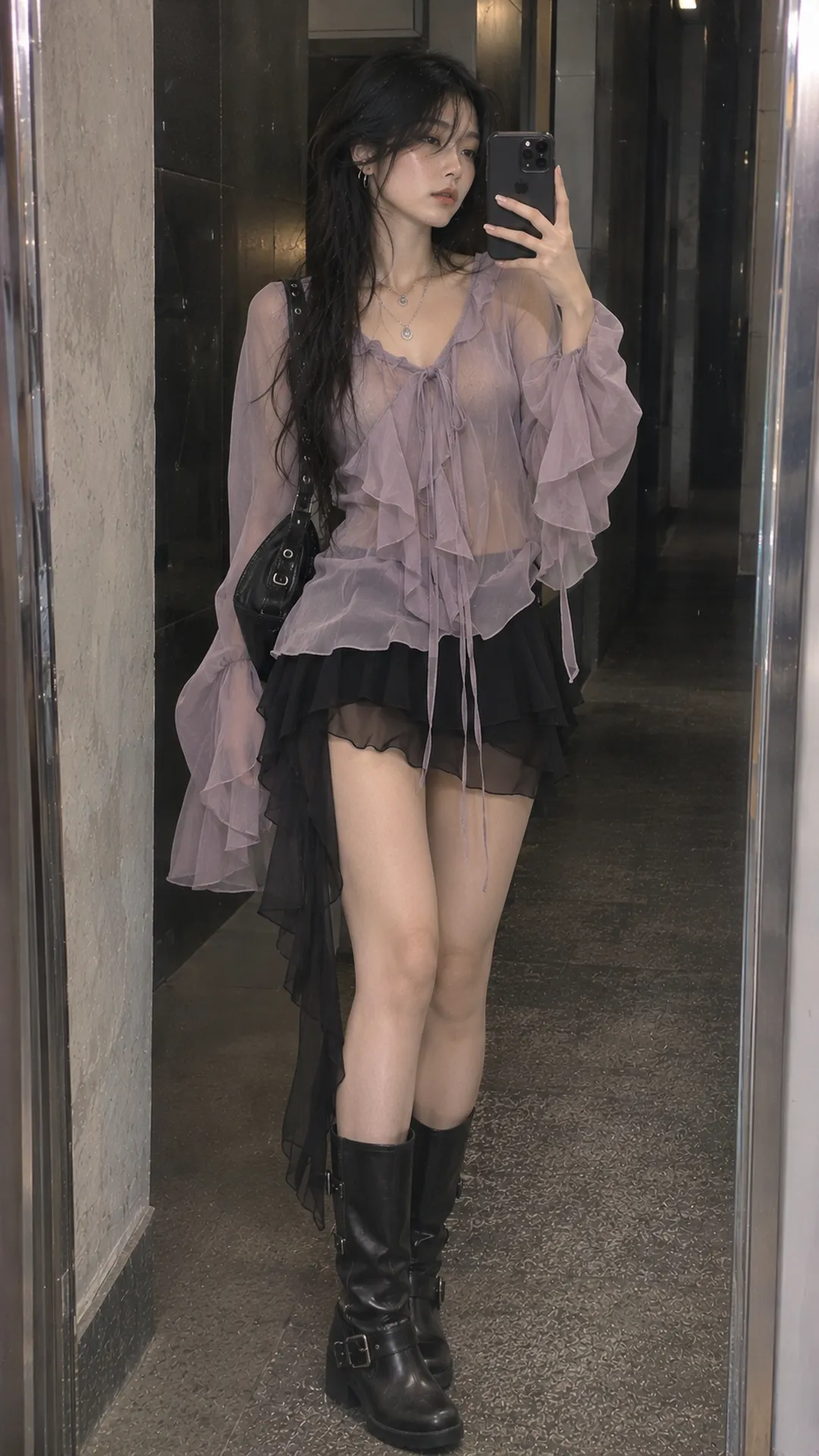
Chiffon, voan, and silk chiffon describe different things
Vietnamese listings often use terms such as “voan chiffon,” “chiffon top,” or “chiffon dress.” They tell you something about the surface or how the fabric is used. Check the composition separately. A chiffon top may use chiffon only on the sleeves or as an overlay.
For example, a silk chiffon from Mood Fabrics is listed as 100% silk, while the same supplier’s ivory Netta chiffon is listed as 100% polyester. The two examples show why the fabric name and the fiber name need separate checks.
A soft surface alone won’t establish that chiffon is silk, and Vietnamese fabrics sold as “voan” can differ. If a seller combines several terms, ask what the fabric contains and which part of the garment uses it.
A label that only says “silk chiffon” may leave you without the fiber information you need for care. Feel, sheen, and price won’t establish composition. A clear photo of the label tells you more than terms such as “premium” or “cool to the touch.”
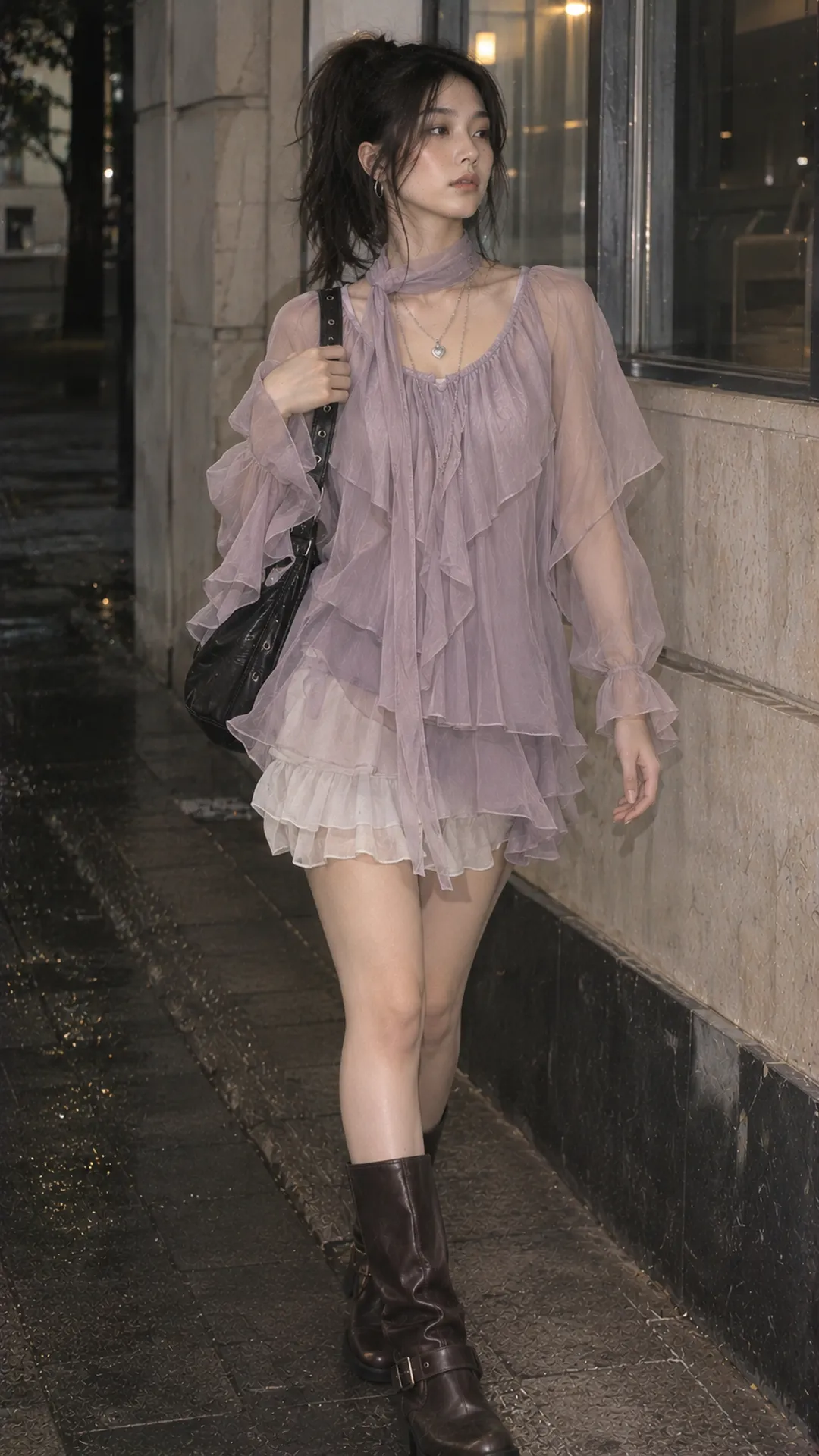
Look at sheerness, drape, and surface texture
How much can you see through it?
Hold the fabric against a light and a dark background to see what shows. For a finished top, try it with the underlayer you’ll wear. Fitting-room lights and daylight by a window can reveal different levels of sheerness.
Printed chiffon can still be sheer. Check between the printed motifs and around the placket and side seams. Decide how much coverage you want for the occasion and check it before leaving.
Does it drape or hold its shape?
Hold up part of the fabric and let it fall naturally. For a layered skirt, walk to see how each layer moves. Gathering, pleats, and ruffles give chiffon a different silhouette from a plain cut.
Extra layers can add volume at the waist, shoulders, or sleeves. If you want a light silhouette, check how much fabric collects where the layers join.
Look and feel where the garment touches you
Check the seams, rolled edges, closures, and embellishments. If you see a pulled thread or distorted edge, ask the seller about it before accepting the item. A small irregularity on lightweight fabric can be visible when worn.
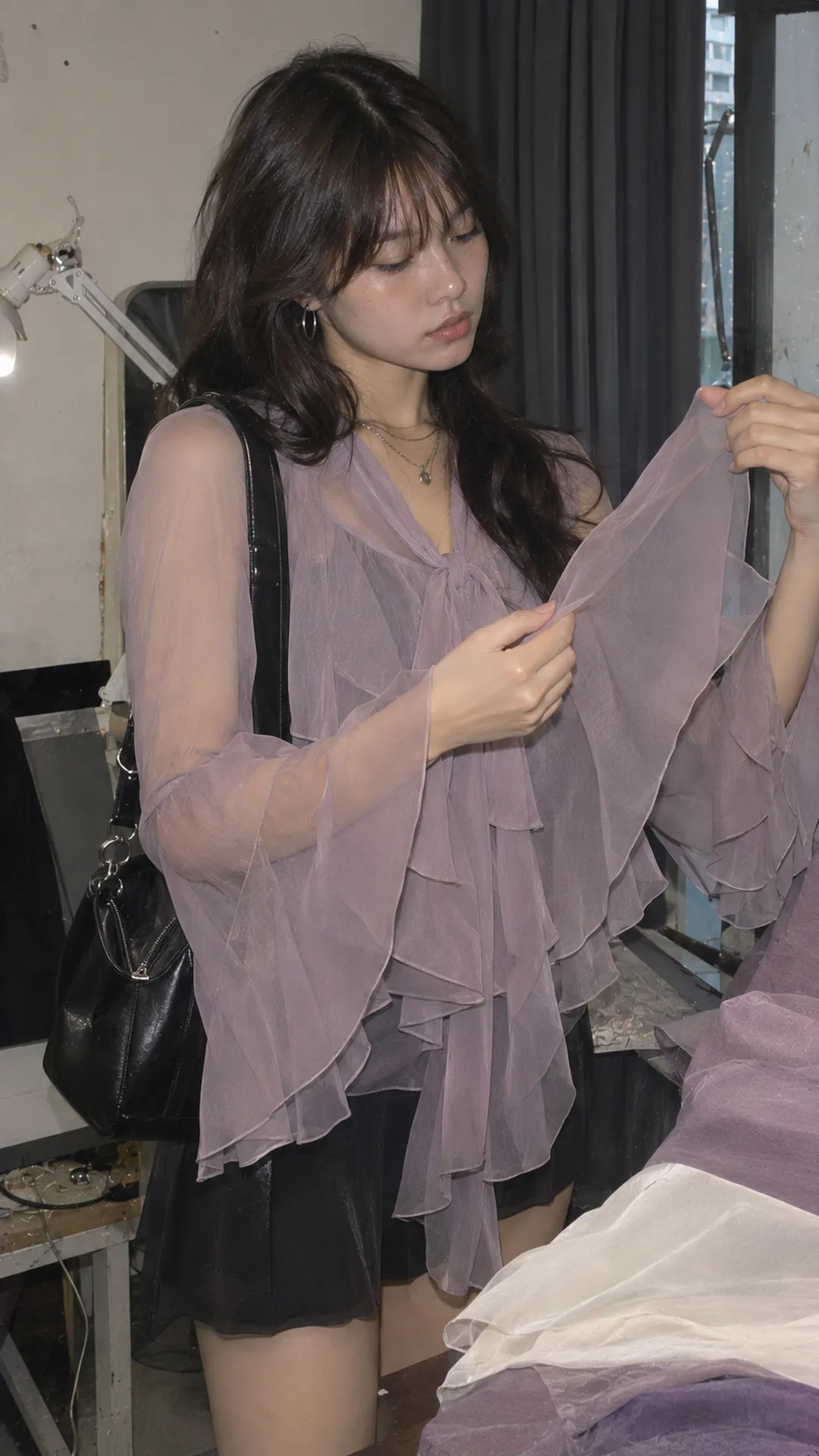
Check what the lining changes
With a chiffon dress, see where the lining starts and ends. A long outer layer may come with a shorter lining. Try sitting and walking to see how the two layers shift.
A chiffon top can have an attached liner or work with a separate layer underneath. Choose a neckline and straps that suit the outer top. If the underlayer has a visible edge, decide whether you want it to show.
A shade close to your skin and a shade close to the top give different effects. Compare them under the actual top, since the contrast depends on its color and sheerness. White underneath white may still be visible.
Check whether the straps, side seams, or hems catch on each other. If you keep adjusting them, try an underlayer with a different length or finish. Keep the combination light and easy to move in if that’s the goal.
Choose chiffon tops by neckline, sleeves, and placket
Loose blouse: Try structured trousers to contrast with the soft fabric. Check the hem tucked and untucked. If the fabric bunches at the waist, try another tuck or a shorter top.
Chiffon button-front shirt: Watch the placket as you raise your arms and sit. If it gaps, check the fit at the bust and shoulders and how the underlayer sits. Fastening another button won’t give you more room to move.
Puff sleeves or layered sleeves: Try them with a jacket and bag. Sleeves that fall nicely on their own can bunch in a narrow jacket. Test the layers together if that’s how you’ll dress.
If chiffon appears only on the sleeves or shoulders, check the label for the main fabric and trim. Follow care instructions that account for the whole garment. Our women’s tops guide helps you choose a silhouette once you understand the construction.
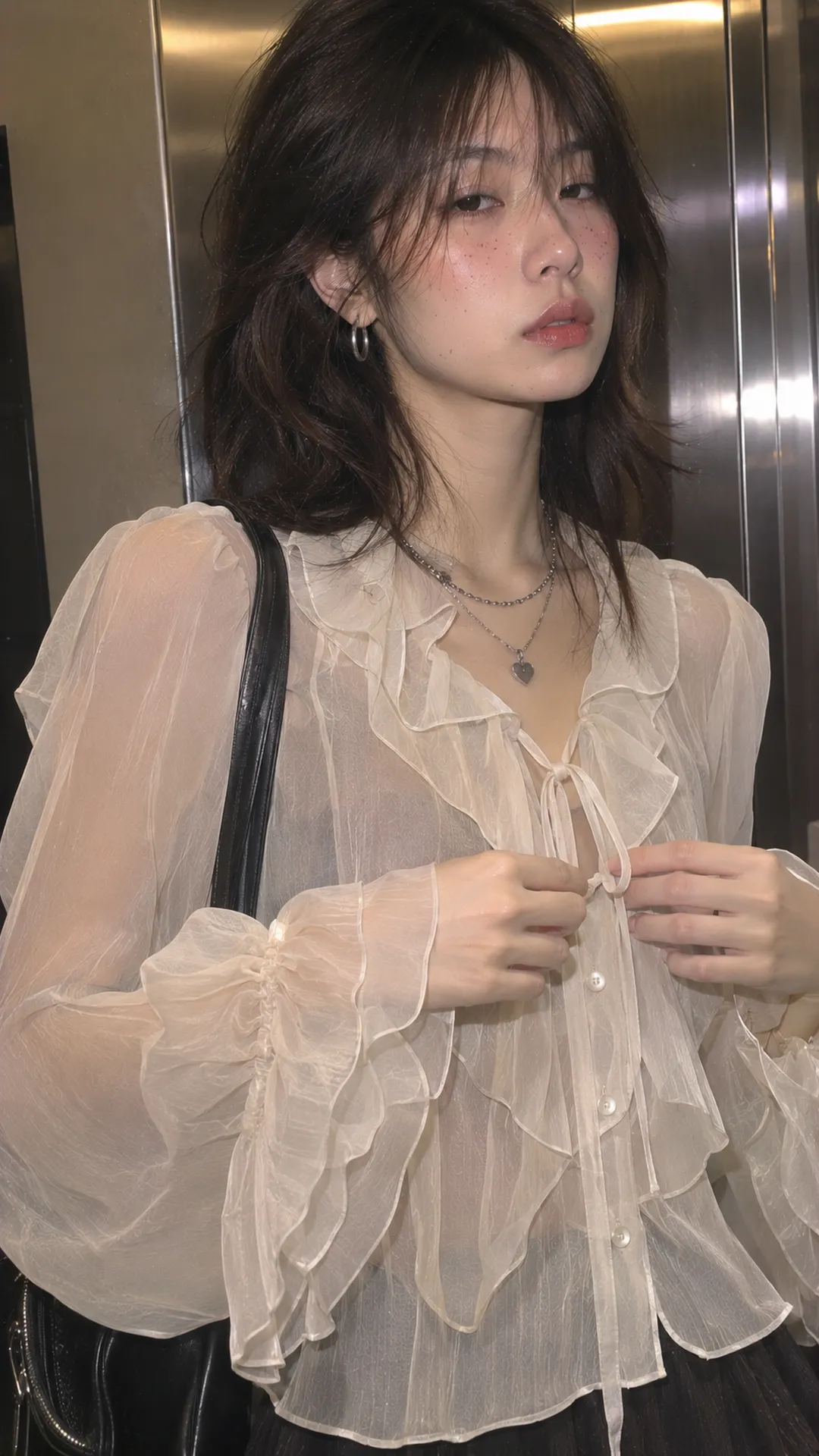
Choose chiffon skirts and dresses by layers and movement
An A-line or straight skirt moves differently from a tiered skirt. Take a long step, sit, and stand to check the lining and hem. A narrow lining can limit your stride even under a roomy outer layer.
Try a long skirt or dress with the shoes you’ll wear. Check that you don’t step on the outer hem and that the lining stays where you want it. If you’re having it altered, discuss both layers so shortening the outer one doesn’t leave the lining exposed.
Sit down to test an elastic waist. With a zipper, check that the seam lies flat and there’s enough room around it. Choose the size that fits comfortably. A fluid fabric can still be cut too close.
For help comparing flare and length, see our women’s skirts and dresses guide. The fabric affects the feel, while the cut and construction determine how the skirt sits on your body.
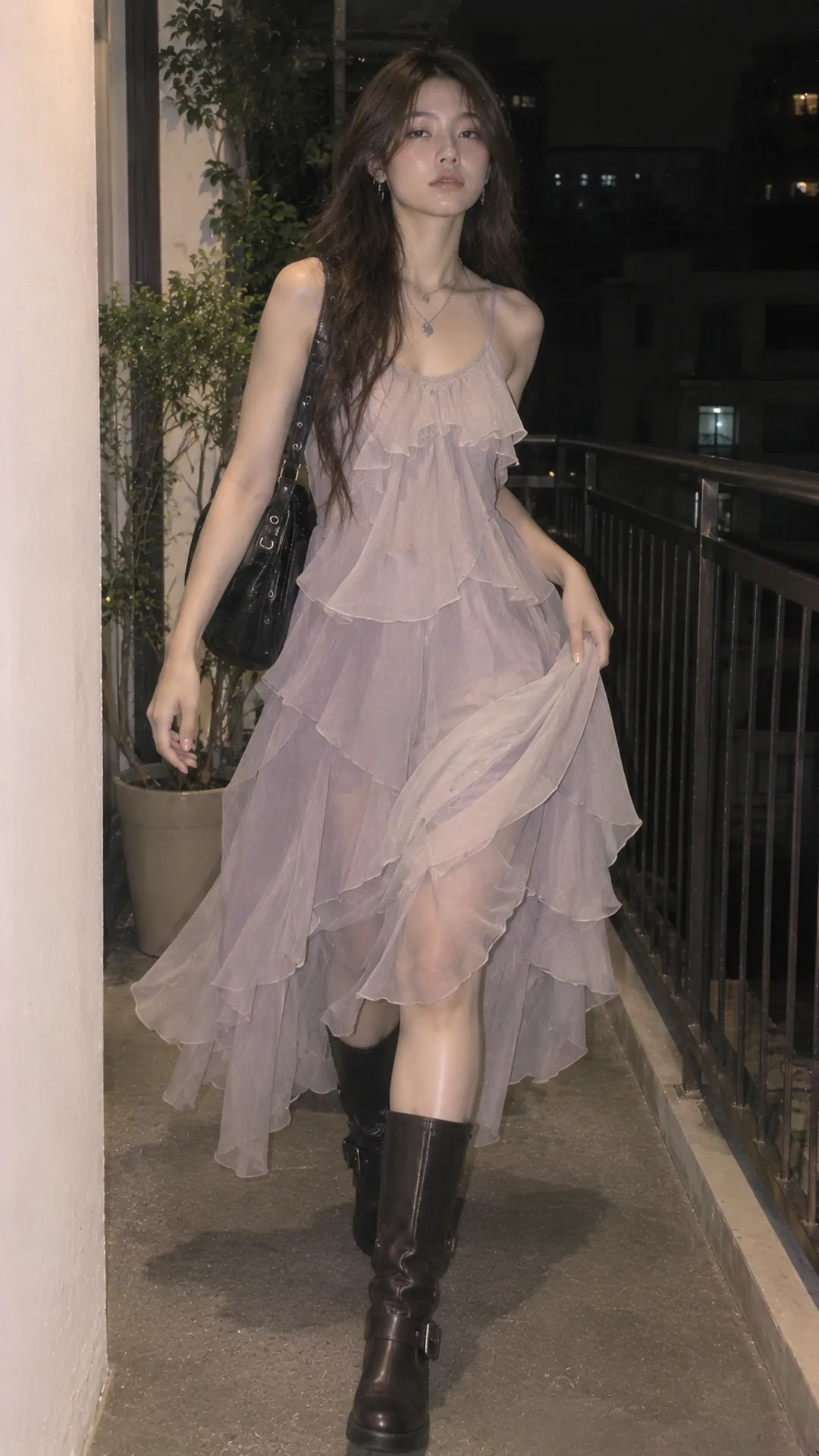
Three ways to give chiffon a role in an outfit
Chiffon blouse and tailored trousers: Choose a blouse with the coverage you want, straight trousers, and streamlined shoes. Soft chiffon contrasts with pleated trousers. If the blouse has several ruffles, start with a simple bag and jewelry.
Chiffon skirt and tee: A plain tee lets a print or tiered skirt stand out. Check where the top meets the waist so it leaves the area you want visible. Sneakers or flats can work if the skirt hem clears them.
Chiffon dress and compact outer layer: A cropped jacket or comfortably fitted cardigan can help when temperatures change. Check whether the shoulders, sleeves, or embellishments catch. Choose a layer you can wear for the outing.
With black chiffon, use texture and sheerness for contrast. With floral chiffon, try picking up one small color in the shoes or bag. The accessories can echo the print without repeating every shade.
Does thin chiffon always feel cool?
Thickness is one factor alongside fiber content, construction, lining, fit, and activity. A multilayer chiffon garment can feel different from a loose top with a single sheer layer and a light base layer.
In hot, humid weather, try the full outfit while sitting and moving. If you’ll wear it to school or work, think about both indoor and outdoor conditions. Check the actual lining even if the listing calls it a summer fabric.
Our guide to choosing fabrics for black outfits in summer explains why construction matters. With chiffon, judge how the specific garment fits your routine and the layers you’ll wear with it.
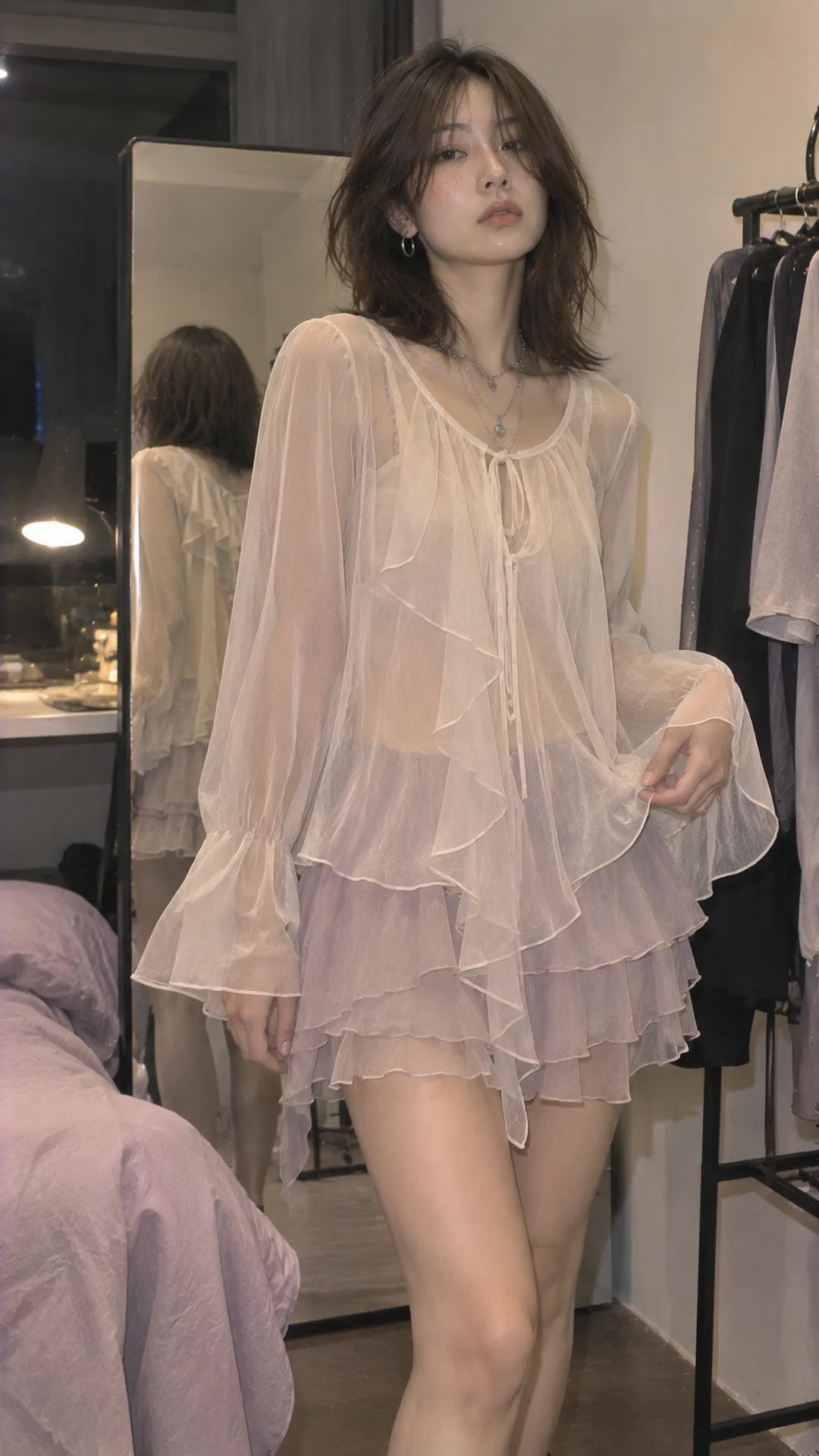
Follow the care label for the whole garment
Read the washing instructions before buying, especially if specialist cleaning would be inconvenient. Polyester chiffon, silk chiffon, and embellished dresses can need different care. Trim or decoration may need gentler treatment than the main fabric.
If home washing is allowed, use the recommended cycle and products. Avoid reaching for a stronger cleaner or high heat for a small stain. If the item is still returnable, ask the seller before treating it in a way that could change its condition.
Watch for bag buckles, jewelry hooks, and surfaces that can snag. Store the garment without stretching delicate details or pressing embellishments into the fabric. If a thread pulls, check what repair the fabric can take before tugging or cutting it.
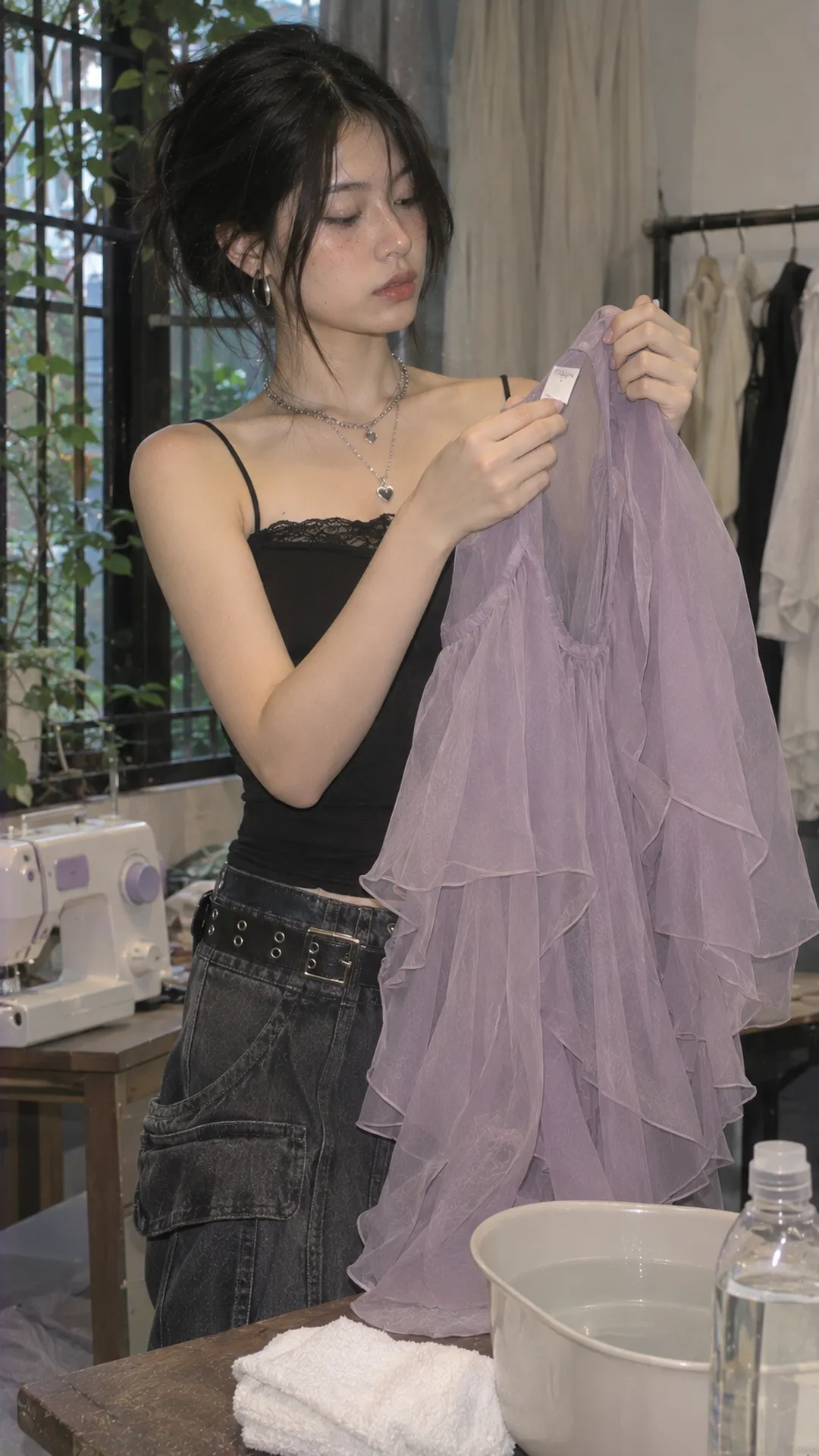
Do a full try-on before buying
Confirm the fiber content, lining, sheerness, measurements, and care instructions. Try the outfit with your underlayer, shoes, and bag. Ask for the specific detail you still need before deciding.
Picture at least two occasions when you’ll wear it. A chiffon blouse you can pair with several things may get more use than a dress that needs new accessories. Our guide to sustainable fashion looks at how long you can use and care for a garment alongside the fiber it contains.
Chiffon works when you want a light feel, visible movement, or a sheer overlay. Choose by the composition and construction of the top or dress you’ll actually wear.