What Is Streetwear? Culture, Silhouette and Everyday Style
Streetwear grew from street cultures, including skateboarding and hip-hop, with sneakers and casual clothing that express identity. Wearing everything oversized is only one approach: silhouette, garment choices and cultural context matter more.
This guide treats streetwear as a distinct style, then explains its boundaries with casual clothing, sportswear, street style and Baddie Streetwear.
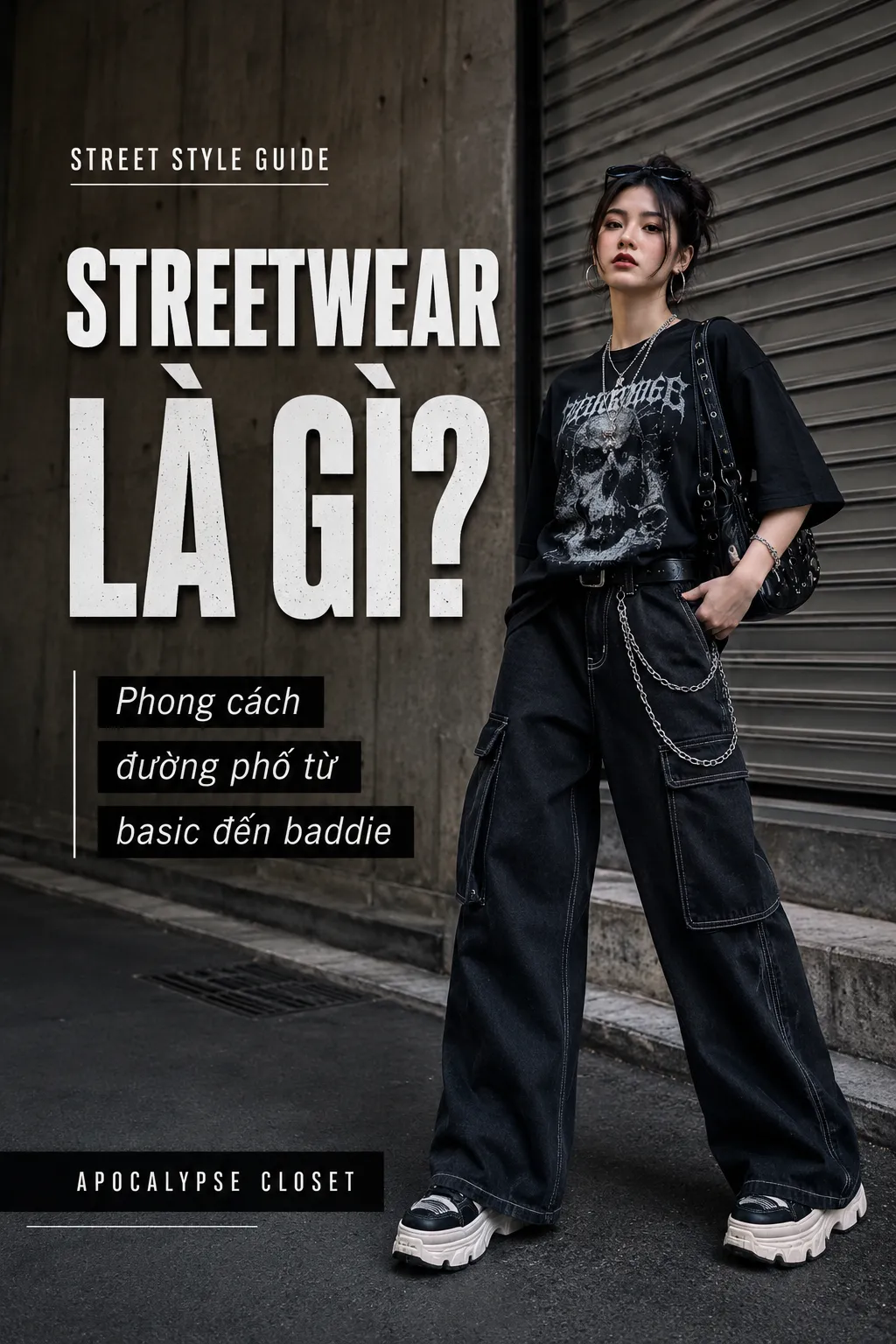
Guide collection: Baddie Streetwear: Outfits, Styling and Guides
Streetwear is clothing rooted in communities such as skateboarding and hip-hop, emphasizing practical use, personal identity and intentional silhouettes. Graphic tees, hoodies, bombers, cargo pants, baggy jeans and sneakers are familiar, but none is compulsory. Balance loose and fitted shapes, footwear and one recognizable cue rather than making every piece oversized.
What Is Streetwear?
Streetwear developed through everyday communities and street culture rather than beginning solely on the runway. Its clothes accommodate real movement and daily life while showing a connection to particular cultural influences.
Graphic tees, hoodies, jackets, cargo pants, wide jeans and sneakers are familiar pieces. Their deliberate combination matters more than the checklist. Comfort alone does not distinguish streetwear from basic casual clothing; proportion, texture and cultural references help establish its character.
Streetwear Origins: Skateboarding, Hip-Hop and Global Fashion
Modern streetwear is often traced to American communities in the late 1970s and 1980s, particularly California’s surf and skate scenes and New York hip-hop. Graphic tees, sneakers, sportswear, workwear and loose fits served lifestyles, movement and community identity before becoming global fashion trends.
Streetwear also absorbed influences from punk, Japanese fashion, sneaker culture and luxury fashion. That makes a single uniform inadequate. These branches share connections between community, utility and identity: simple pieces can carry considered choices of fit, graphics, footwear and brand or cultural references.
Streetwear, Street Style, Casual and Sportswear Compared
| Term | Main emphasis | Common elements |
|---|---|---|
| Street style | How people dress in everyday settings; a broad category | May include minimalism, vintage, workwear, streetwear and tailoring |
| Casual | Practical everyday clothing without a required cultural code | Tees, jeans, sneakers, knitwear and simple shirts |
| Sportswear | Comfort and influences from sport or physical activity | Track jackets, joggers, jerseys and technical fabrics |
| Streetwear | Street culture, identity and silhouette | Graphics, hoodies, bombers, cargo pants, baggy denim and sneakers |
| Baddie Streetwear | A more fitted, feminine or sharply styled streetwear direction | Cropped or fitted tops, loose bottoms, sunglasses, hardware and substantial footwear |
Street style is the broadest term here: many forms of personal dressing outside the runway can appear in street-style coverage. Streetwear is more specific, with its own history and visual vocabulary. Casual clothing and sportswear supply pieces for streetwear, while Baddie Streetwear (Vietnamese) is one sharper styling direction rather than a definition of the whole category.
Why Women’s Streetwear Is Adaptable
Start with basics and increase intensity gradually. A tee, loose jeans and sneakers form a base; stronger graphics, pocketed cargo pants, a bomber, belt or platforms can move it toward alternative or Baddie styling without replacing your wardrobe.
Proportions offer several routes: fitted top with baggy bottoms, boxy tee with straight jeans, hoodie with a mini skirt, or an oversized outfit anchored by a cropped length or crossbody bag. Balance depends on silhouette rather than the garment’s gender label.
Streetwear Goes Beyond Oversized Clothing
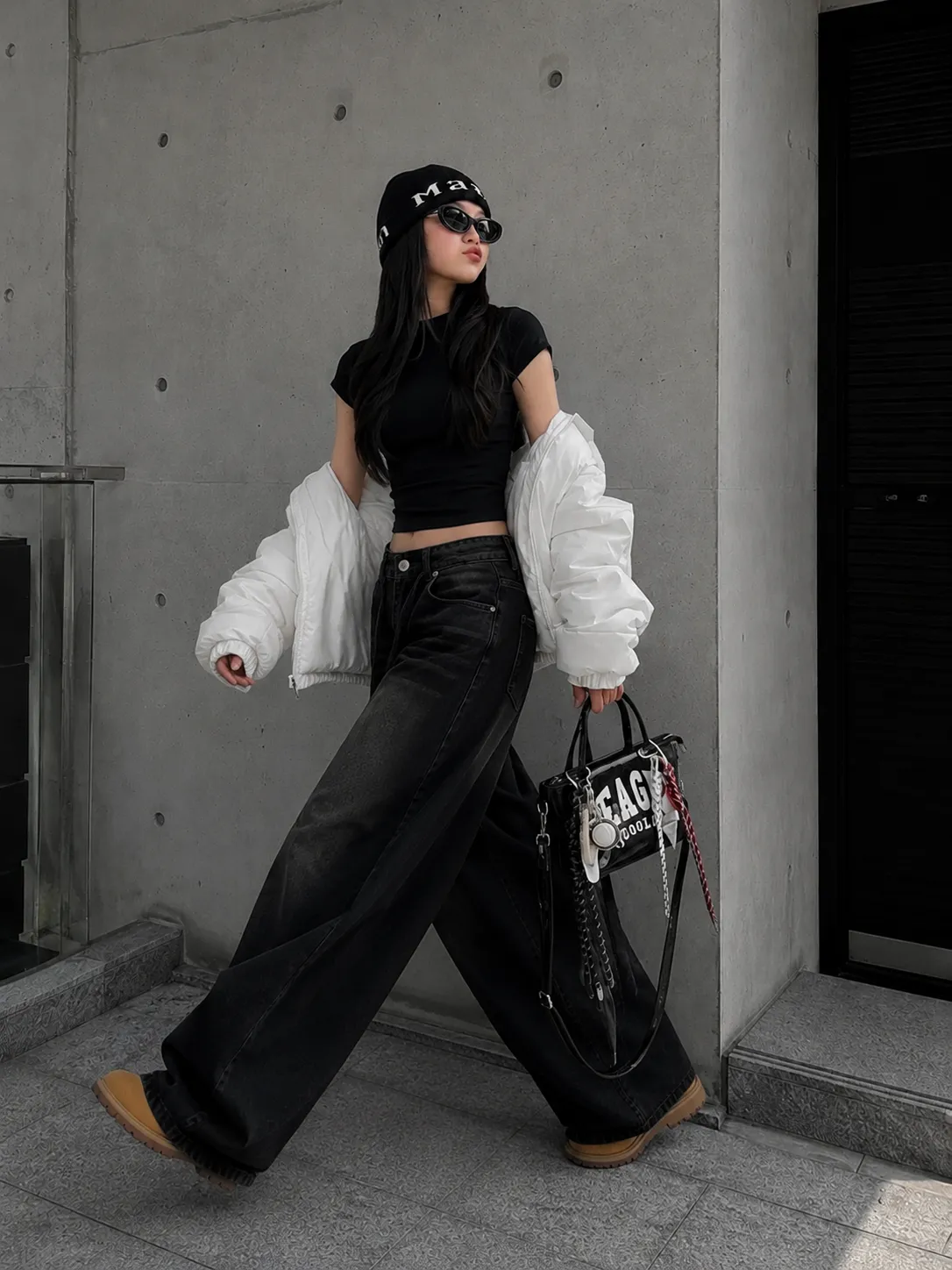
Oversized is one option. If the top, trousers and outerwear are all large without an anchor, the structure becomes hard to read. Choose a contrast: boxy top and straight bottoms, fitted or cropped top and baggy cargo pants, or loose layers with clear hems, belt, shoulders and footwear.
In the mirror, assess the shoulders, top hem, trouser width and shoe size. If all four add volume, reduce one before adding accessories.
For an oversized outfit, organize lengths: let the tee remain visible without covering the jacket, avoid ending the jacket at the bulkiest cargo pockets, and keep trouser hems from swallowing the shoes. Relaxed clothing still benefits from a clear lead layer.
Read the Silhouette Before Adding Accessories
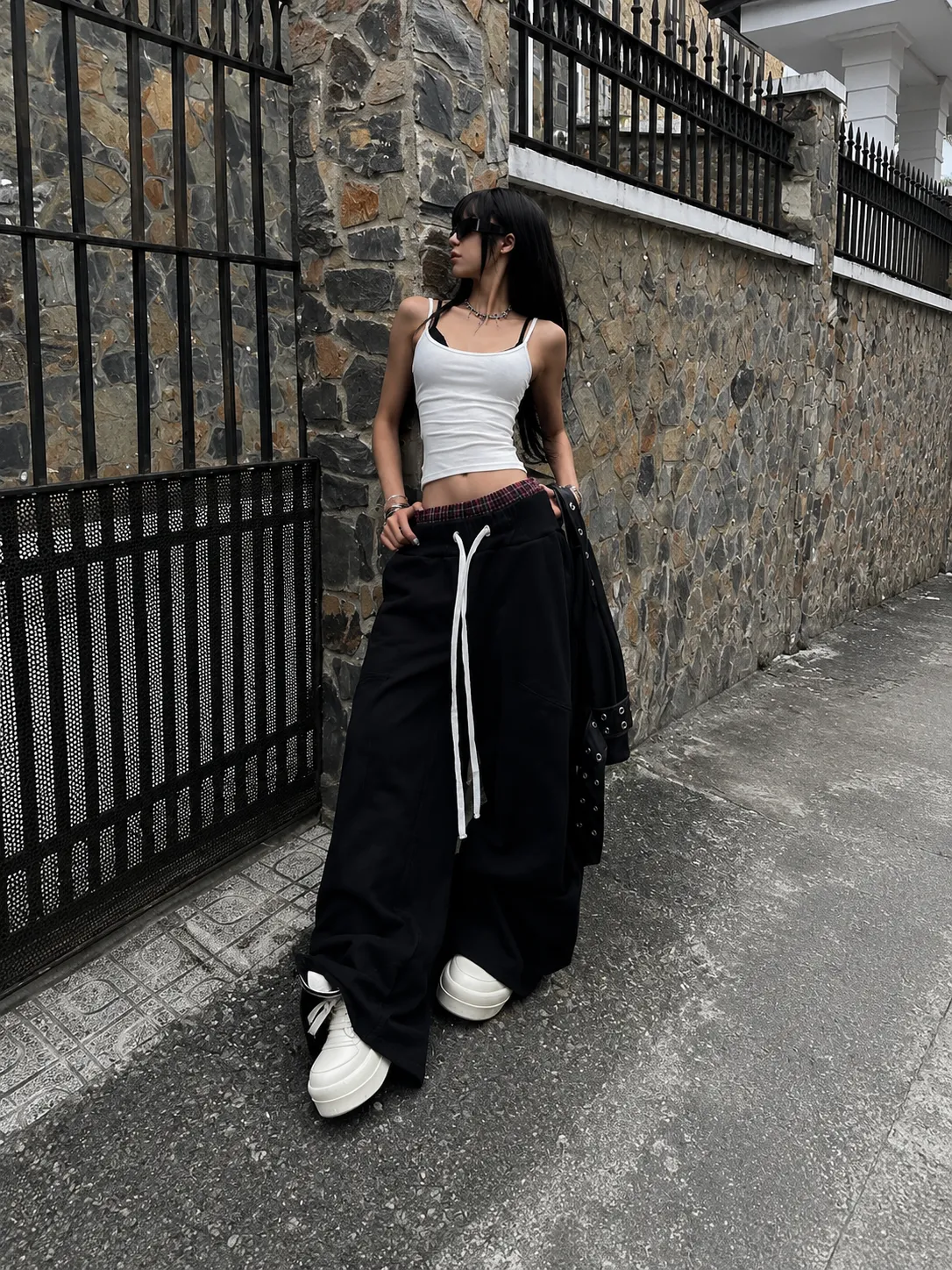
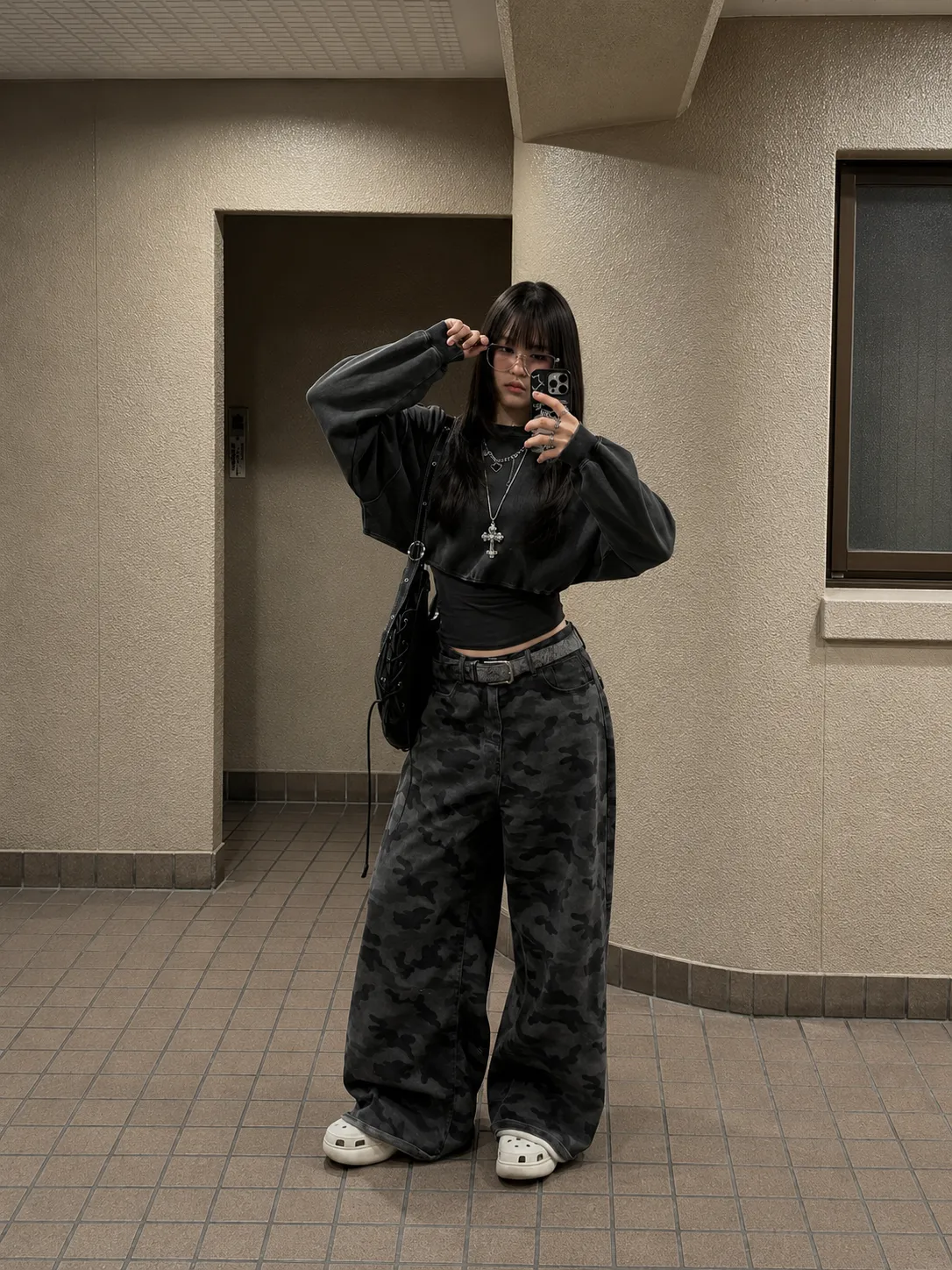
Fitted and baggy is an accessible formula: a neat tank, baby tee or crop top with cargo pants or wide jeans makes lower-body volume intentional. Boxy and straight pairs square-shouldered tees or jackets with straight jeans for a more unisex silhouette. Layered and short combines a hoodie, bomber or overshirt with a mini skirt or shorts, keeping the leg line visible and reducing overall visual weight.
Where Does Baddie Streetwear Fit?
Baddie Streetwear retains cargo pants, denim, sneakers and jackets while emphasizing shape and presentation through fitted or cropped tops, waist definition, sharper hair or makeup, sunglasses and hardware. It is one styling route, rather than a standard for all streetwear outfits.
You do not need platforms, chains or a crop top to wear streetwear. For the specific Baddie direction, use the Baddie Streetwear hub; this overview does not treat streetwear as synonymous with Badgirl styling.
Streetwear can feel relaxed while still showing that its proportions and choices were intentional.
Core Streetwear Pieces
Graphic tees and hoodies offer accessible casual bases. Cargo pants and baggy denim add lower-body volume; bombers, varsity jackets and boxy jackets shape the shoulders. Sneakers add a sporty note, while boots or platforms move closer to alternative styling. Crossbody bags, caps, sunglasses and jewelry should support the silhouette rather than become requirements.
For a dark palette, use washed denim, canvas, nylon, ribbing and hardware to vary surfaces instead of combining identical black textures. Our guide to wearing black in summer can help adapt a dark wardrobe to Vietnam’s climate.
Five Women’s Streetwear Formulas by Proportion
1. Baby Tee, Loose Cargo Pants and Sneakers
A fitted top defines the waist against the volume of cargo pockets and wide legs. Moderately substantial sneakers ground the outfit without making a Baddie presentation compulsory. This is a practical starting point for warm daytime conditions.
2. Boxy Graphic Tee, Straight or Wide Jeans and a Cap
A boxy tee establishes a broad shoulder line, so straight or moderately baggy jeans can balance it. A cap or crossbody bag adds upper-body detail. With a large graphic, simplify jewelry to leave some visual space.
3. Cropped or Regular Hoodie, Mini Skirt or Shorts and Sneakers
A hoodie adds upper-body volume while a short bottom reveals the leg line. A cropped hem looks sharper; a regular length feels more relaxed. This combination suits evenings or air-conditioned spaces better than a hot midday outing.
4. Tank or Fitted Tee, Baggy Jeans and a Bomber
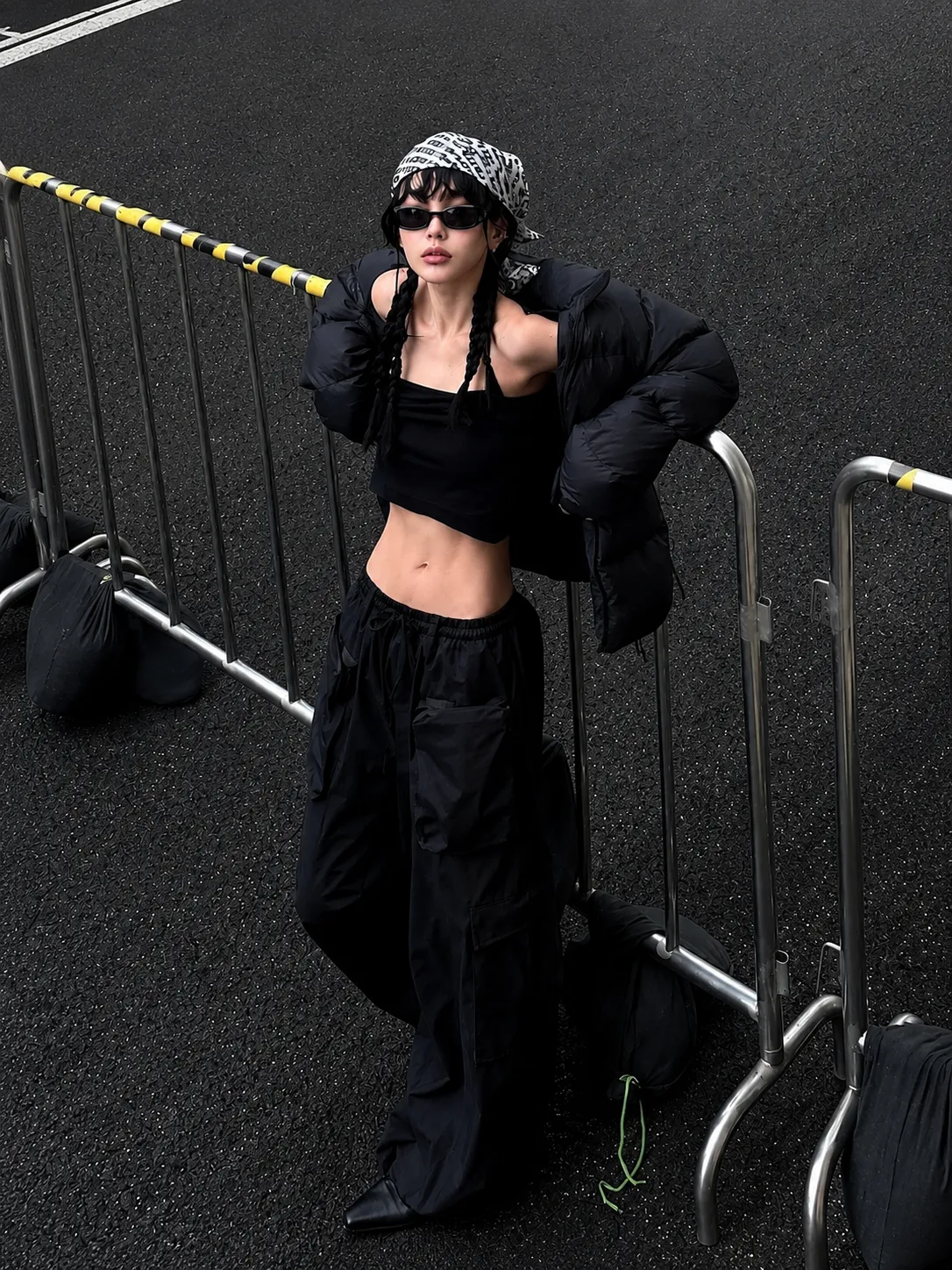
A fitted inner layer prevents the bomber and wide trousers from stacking volume directly. An open jacket adds a central vertical line; closed, it becomes the main piece. Choose shoulder fit and body length rather than automatically sizing up.
5. Jersey or Oversized Tee, Parachute or Cargo Pants and Compact Footwear
This is a high-volume outfit. Keep one element compact: lower-profile shoes, a smaller bag or a top hem above the bulkiest pockets. For jersey-based looks, see Blokecore to understand the football-inspired direction within the wider streetwear landscape.
Streetwear in Vietnam: Layers Without Excess Heat
Although streetwear images often show hoodies, bombers and many layers, humid weather calls for adaptation. Try a tee or tank with lighter cargo pants or jeans, adding texture through washes, pockets and footwear. A light bomber or overshirt can serve evenings and air-conditioned rooms instead of staying on all day.
On rainy days, keep hems off the ground and choose footwear you can clean easily. Check ventilation in parachute or nylon garments: a technical label does not guarantee coolness. Adapt the outfit to riding, walking, long periods seated and temperature changes.
How Should Beginners Start?
Begin with silhouette before accessories. Choose frequently wearable bottoms—cargo pants, straight or wide jeans, or parachute trousers—and pair them with a tee, tank or hoodie you own. Once proportions work, add graphics, a cap, bag or footwear to strengthen the direction.
Try removing sunglasses, chains and the bag. If the outfit retains a clear shape and suits the setting, its foundation works. If accessories supply all its character, adjust proportions before buying more.
Related reading: Amekaji (Vietnamese), Avant-Garde Fashion, Chicano Style (Vietnamese), Harajuku Style (Vietnamese) and Japanese Streetwear (Vietnamese).
References
These sources provide context for definitions, history and cultural influences:
- Museum at FIT — Fresh, Fly, and Fabulous: Fifty Years of Hip Hop Style — hip-hop style history and its relationship with streetwear.
- Google Arts & Culture / Museum at FIT — High Fashion Does Hip Hop — connections among hip-hop, streetwear and high fashion.
Styling suggestions are Apocalypse Closet editorial interpretations based on the website’s outfit collection.
Frequently Asked Questions
What is streetwear?
Streetwear grew from street cultures such as skateboarding and hip-hop. It emphasizes practical clothing, personal identity and intentional silhouettes.
How does streetwear differ from casual clothing?
Casual is a broad everyday category without a required visual code. Streetwear has more specific cultural histories and references, often expressed through graphics, hoodies, cargo pants, baggy denim, sneakers and proportion.
What is Baddie Streetwear?
Baddie Streetwear is a sharper, often feminine styling direction using combinations such as crop tops, loose trousers, metal accessories, dark sunglasses, sneakers or platform boots.
Is streetwear accessible to alternative-fashion beginners?
Yes. Begin with a tee, cargo pants or wide jeans and sneakers, then increase intensity through graphics, jackets, footwear or accessories. You do not need to replace your whole wardrobe at once.
Outfit references from the Look collection
Use these Looks as complete outfit references. Open an individual Look to see its pieces and combinations.