

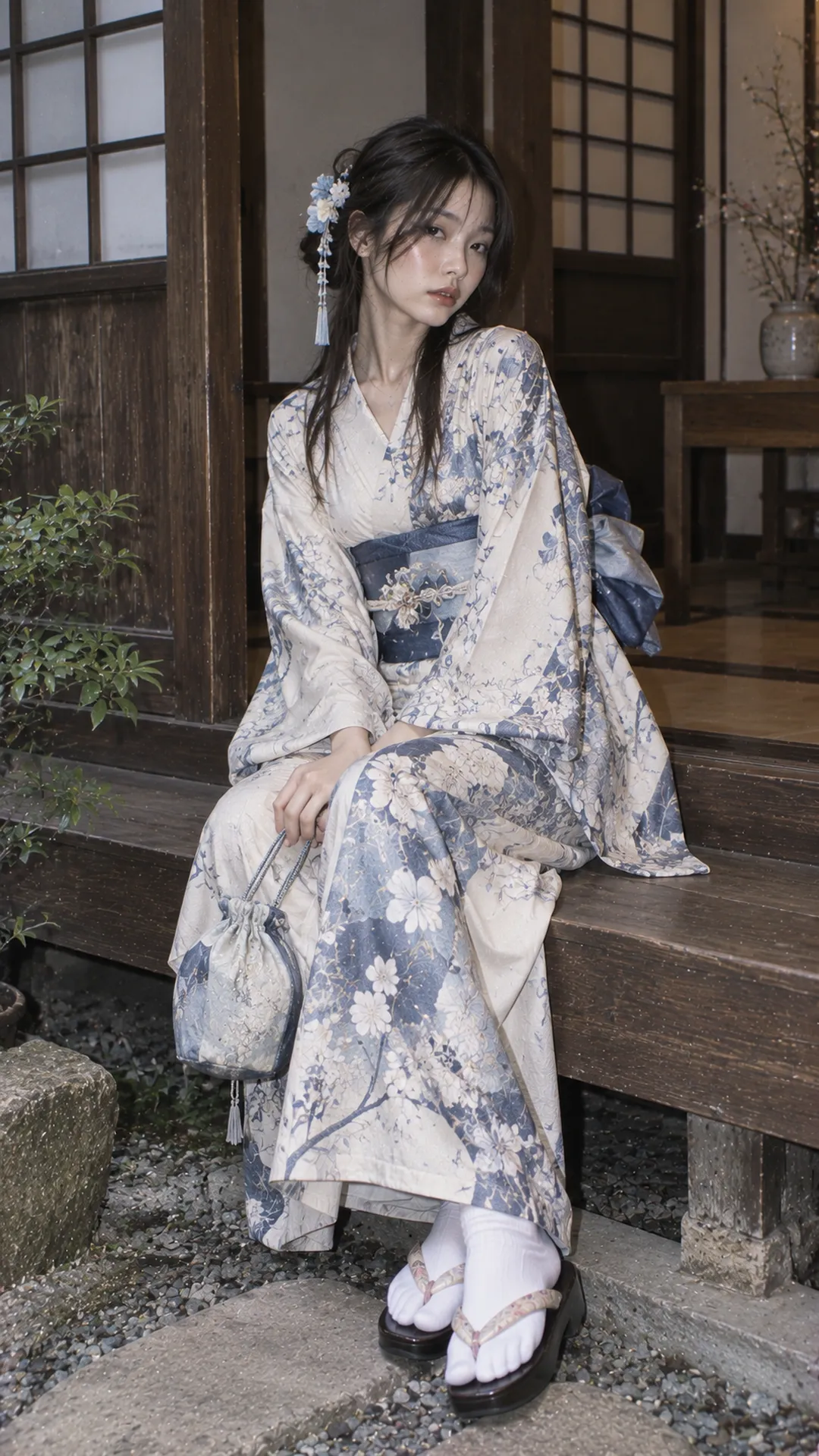
What is wafuku, and is it synonymous with kimono?
According to the entry for Wafuku in the Japanese Wiki Corpus, the term distinguishes Japanese from Western clothing in a context associated with the Meiji period. In ordinary usage, wafuku and kimono can be close in meaning when both refer to traditional dress. Do not impose a rigid boundary claiming they are always separate.
For identification, it still helps to move from the general term to specific pieces. A haori is not an entire kimono ensemble; an obi is part of the dressing system, not the robe. Distinguishing by role helps more than calling everything with wide sleeves or Japanese motifs a kimono.
Here, wafuku is the overarching subject for exploring traditional clothes and their presence in modern life. The outfit suggestions focus on everyday choices. For ceremonial clothing, establish the event's requirements before choosing a design and accessories.
Basic garment names to distinguish
Kimono: a long garment wrapped around the body
The V&A describes kimono as a straight-seamed garment worn wrapped around the body and secured with an obi. Patterns, colors and accessories play significant roles in meaning and occasion. A long robe shape alone cannot establish an ensemble's formality.
When browsing products, ask whether you are buying the main garment alone or a complete ensemble. A promotional image may combine several components sold separately. Knowing what the order includes prevents assuming one garment provides everything shown in the photograph.
Yukata: a lighter, less formal direction
Japan House London introduces yukata as casual summer kimono. The page also presents connections between traditional dyeing and contemporary design through RumiRock's work. A yukata should therefore not be understood simply as a ceremonial kimono made thinner.
If you are new to the subject, study yukata separately to learn about fabrics, patterns and dressing. The summer label, however, does not guarantee that every product suits hot, humid weather. Check the specific item's weight, inner layers and care instructions.
Haori, hakama and obi have different roles
In its introduction to dressing, Kids Web Japan mentions haori as a jacket and hakama as a lower-body garment, alongside obi and kimono underlayers. Distinguish these components rather than calling them all a type of Japanese jacket.
When shopping, remember three questions: where is this worn on the body, what does it accompany, and what is the ensemble for? The answers explain its construction better than a long product title containing kimono, haori and cardigan together.
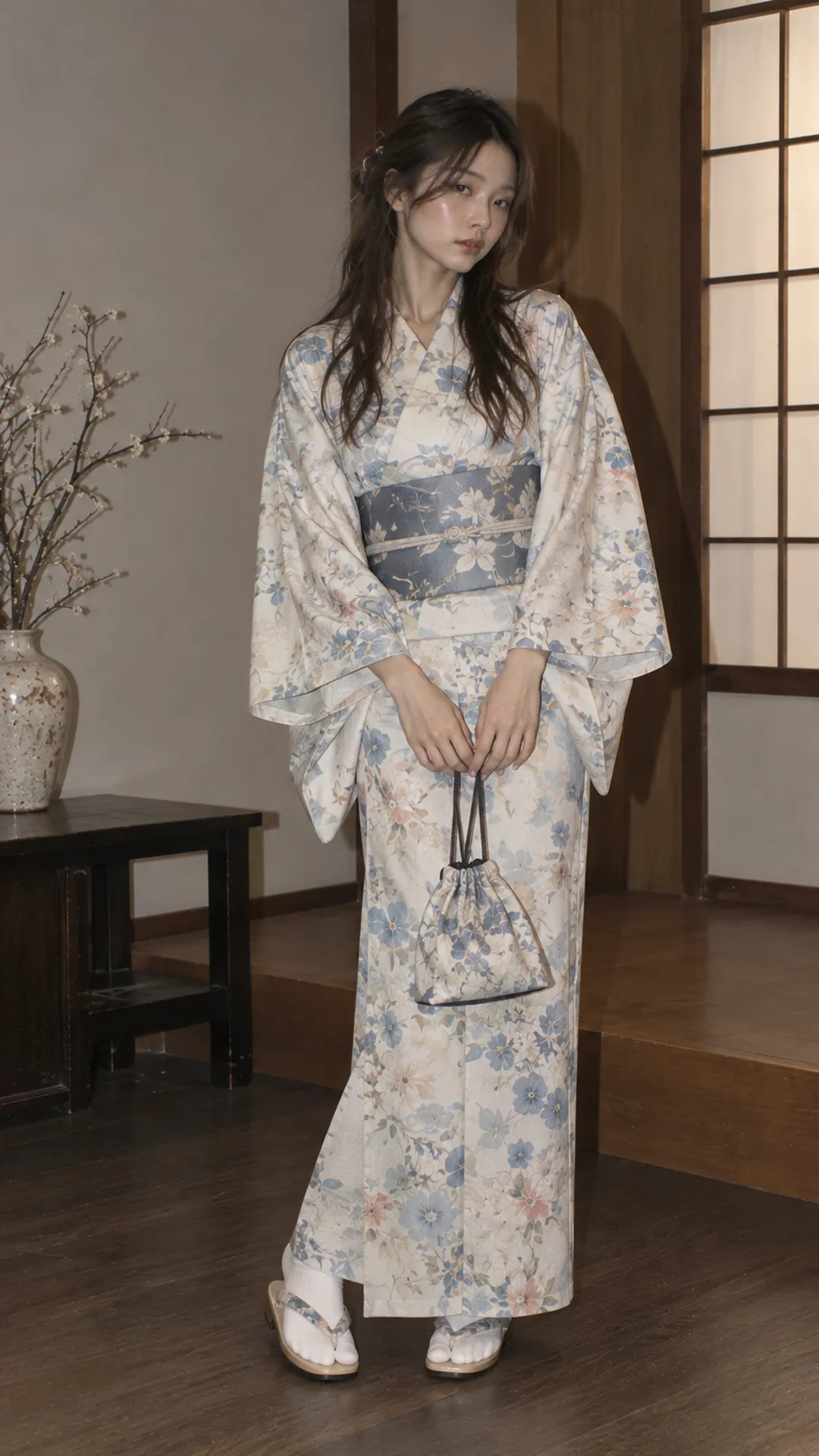
Tradition and modern interpretations coexist
The article Enjoying Kimono More Easily with New-Style Japanese Clothing on Web Japan introduces adaptations such as easier-to-use obi and combinations with Western accessories. It also gives the example of hakama with boots at graduation ceremonies. These context-specific examples show that ways of dressing change over time.
This does not make every combination suitable for every occasion. Creative clothing for meeting friends may follow different criteria from a formal-event ensemble. Read an image's purpose and setting before turning it into general advice.
For Japanese fashion's incorporation of varied influences, explore Japanese Streetwear. That guide discusses organizing silhouettes, layers and streetwear references. It provides a useful connection, but wafuku is not synonymous with all Japanese street fashion.
Choose your approach before choosing the piece
To learn to wear a traditional ensemble
Choose the garment type and occasion first, then list the required components. Ask a seller or instructor about measurements, securing the clothes and suitable accessories. Allow time to try the entire ensemble: a beautiful photograph does not reveal how it feels to sit, step onto a stair or carry a bag.
For the usual way of wearing kimono, the V&A describes the wearer's left side overlapping the right. Selfies may be mirrored, so take care when using them as references. This checks one basic dressing detail; it does not replace learning how to choose and wear the complete ensemble for a particular occasion.
To bring one piece into an everyday wardrobe
Start with a clearly identified outer garment rather than immediately buying everything. Choose a simple inner top and familiar bottoms. First understand its length, sleeve width and movement on your body, then decide whether related pieces are needed.
If a product merely draws on Japanese clothing, call it a Japanese-inspired design. A fashion jacket with wave or floral motifs is not automatically a traditional haori. Clear names help set expectations about construction, use and value.
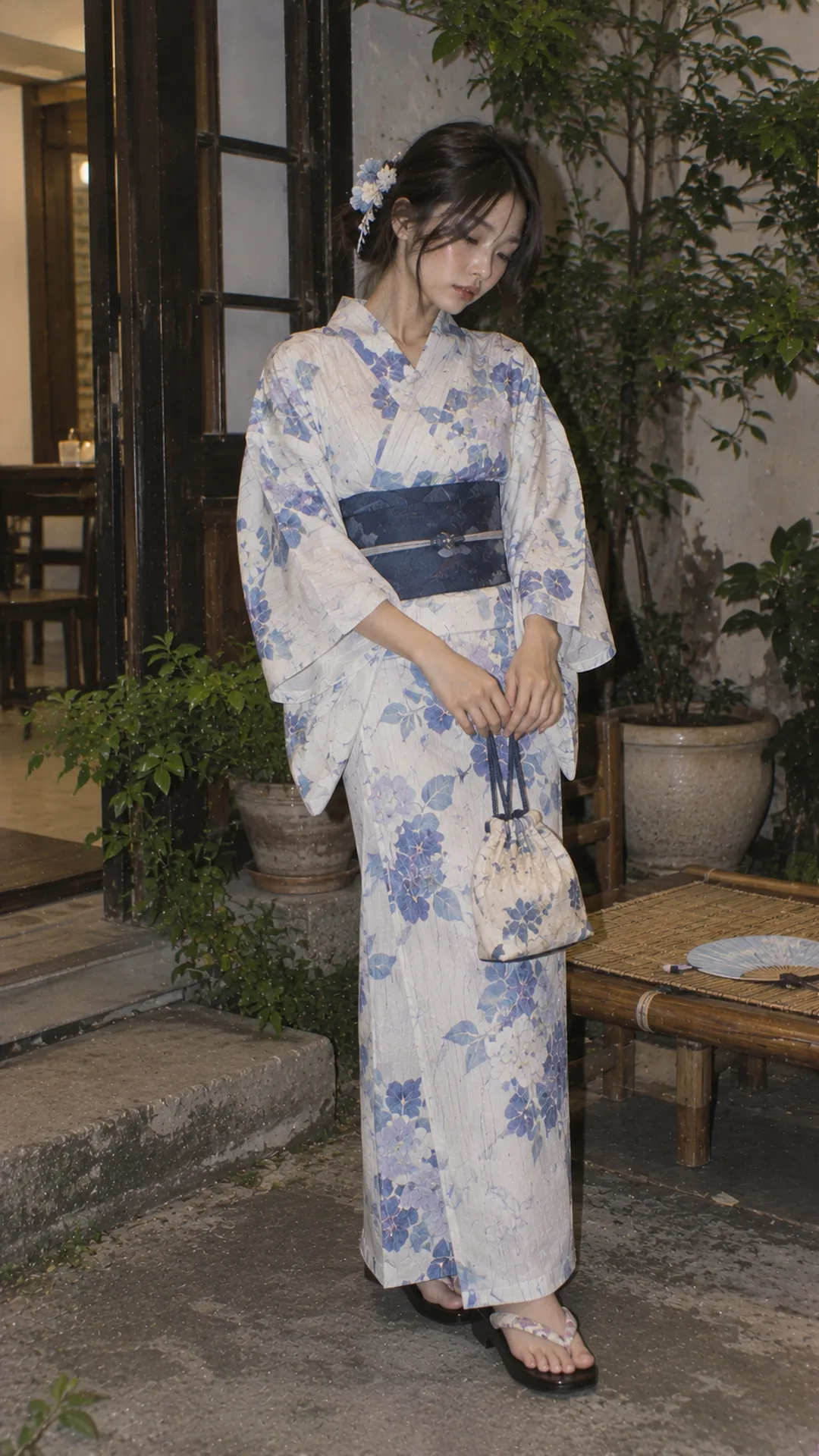
Style a haori with existing clothes: start with one outer layer
For everyday wear, try a haori with a plain tee and straight-leg trousers. Leave it open and observe the vertical lines formed by its fronts. If it has a large pattern, keep the inner top simple so the motif stays visible. This is a modern styling suggestion, not a description of a complete ceremonial ensemble.
Test the length with your actual trousers and shoes. A hip-length layer feels different from a much longer one. Photograph the front and side to see whether the sleeves make the whole outfit wider than you want. Adjust the base before deciding the outer garment does not suit you.
With a skirt, try a simple streamlined or straight shape. If both jacket and skirt are heavily patterned, find a shared color or reduce one dominant surface. You do not need all black; choose a base color from a small detail on the outer garment.
The approach to managing layer lengths in the guide to layering outfits for women can help with this experiment. Keep one clear accent and check the outfit with the outer layer removed: the base should still be something you feel comfortable wearing.
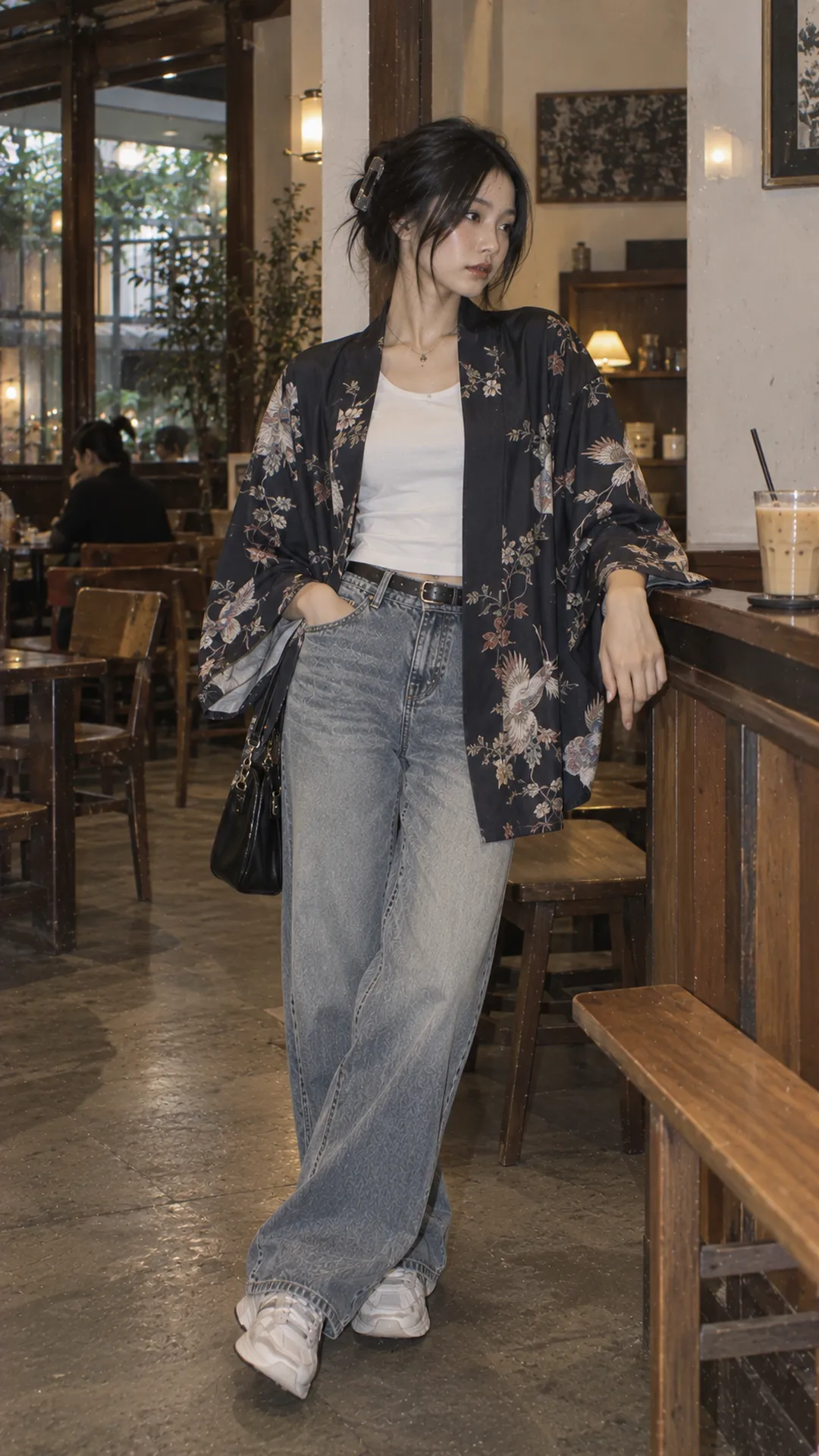
Read patterns and materials before buying
Do not assign meaning to a motif merely because it resembles a Japanese symbol. If its story is your main attraction, ask for the pattern name, production technique and information source. Without identification, describing shapes or colors is more accurate than an appealing but unsupported story.
Similarly, shine does not establish silk content, and thin fabric is not always breathable. Inspect fiber labels, the interior, lining and care instructions. For used pieces, request photographs of the collar, sleeve edges, folds and friction-prone areas. These details directly affect regular wear.
Do not rely only on a listed height for sizing. Ask for garment length, body width and the measurement from the center back to the sleeve end if the seller provides it. Stores may measure differently, so ask them to explain the measuring points rather than comparing numbers based on different conventions.
If you want to alter a traditional piece's length or construction, discuss it with someone experienced in that garment type. First try changes without cutting or sewing, such as replacing the inner top or trousers. This preserves options while you determine which proportions you like.
Wearing it in Vietnam: test practicality before a long day
Start with a short period somewhere convenient to change clothes. Sit on a chair, carry your bag and raise your arms to check pulling or sleeve interference. With wide sleeves, pay attention while eating or working at a desk. A stationary photographic outfit may need adjustments for real activity.
In hot weather, check the lining and number of required layers first. Do not assume traditional Japanese clothing automatically suits Vietnamese summers. Keep one main piece and reduce base layers, or choose a cooler time to try a complete ensemble. Actual comfort is useful information before buying more.
Try shoes and bags with the clothes. For modern styling, choose items you can use confidently rather than finding shoes solely to match a photograph. For a ceremony, confirm suitable accessories with your instructor instead of treating casual-outfit suggestions as the standard.
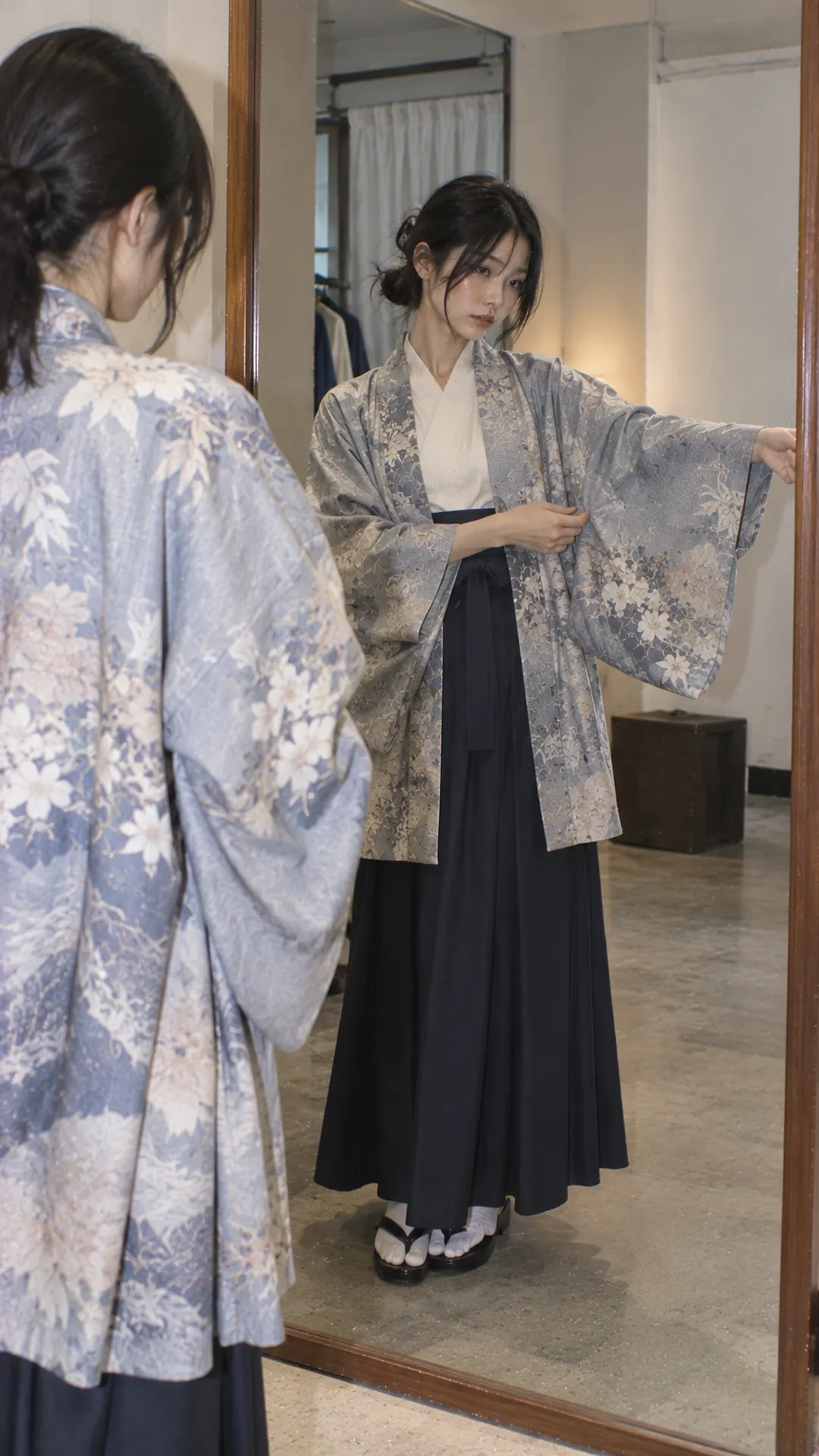
How does wafuku relate to Harajuku?
Harajuku Style encompasses many communities and fashion experiments. An outfit there may use traditional elements without turning every Harajuku style into wafuku. One term concerns traditional clothing; the other relates to a diverse street-fashion context.
On a mood board, note the traditional piece's name separately from the new combination. Record which outer garment appears, the inner top and why you like the proportions. Specific notes help you find the right product without letting a broad label stand in for every detail.
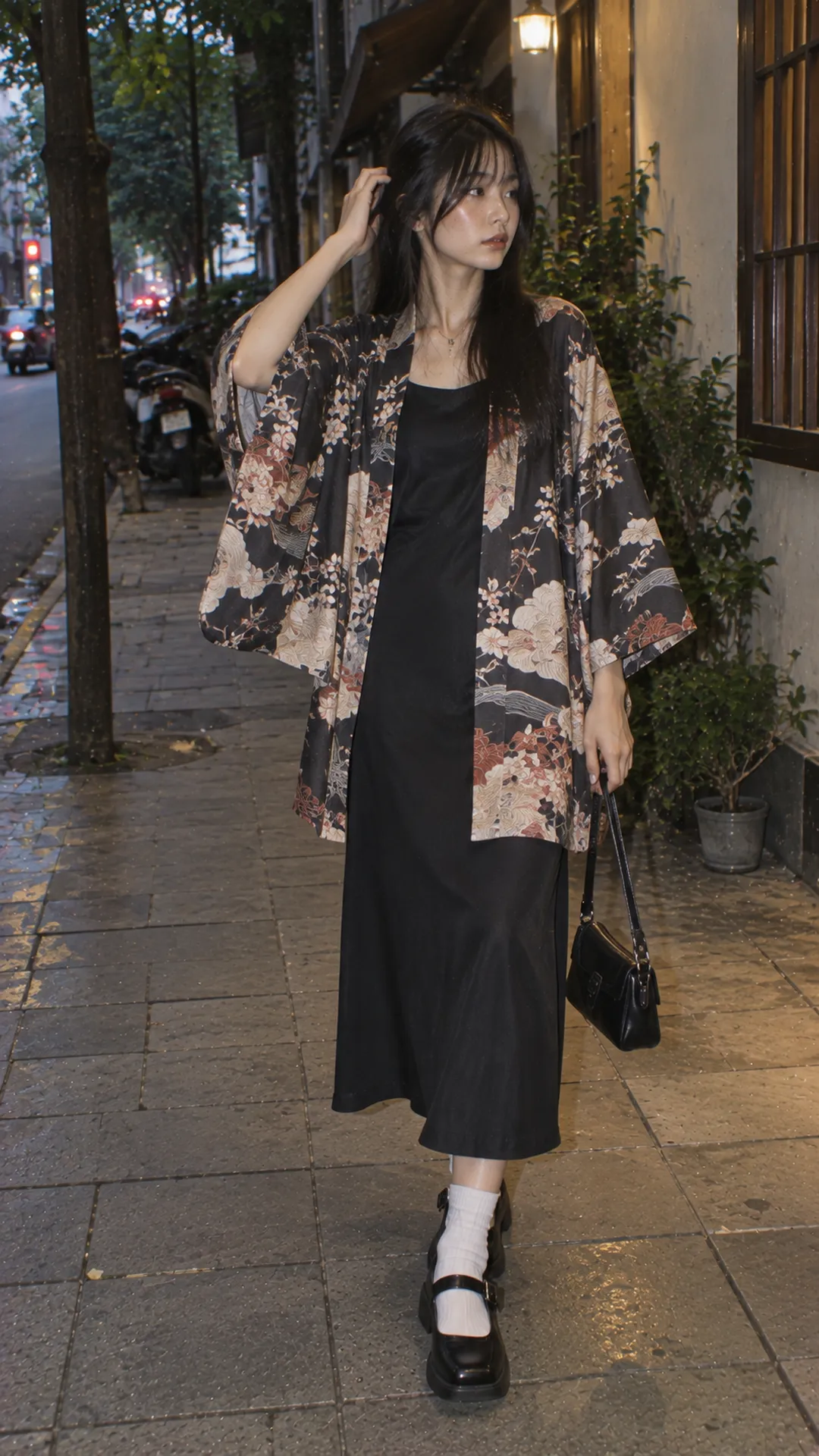
Frequently asked questions about wafuku
Is wafuku only for women?
No. The subject includes clothing for different wearers and situations. Assess construction, measurements and purpose rather than assuming every product uses the same dressing method or accessory set.
Can I wear a haori with jeans?
You can try it in modern everyday styling. Check the outer garment's proportions with the jeans, sleeve width and comfort in motion. This combination does not automatically become a complete ceremonial ensemble.
Where should I learn more?
Choose the piece that interests you most and learn its name, construction and use. To compare other fashion directions, the Aesthetic Dictionary is a further reference. You do not need to buy a whole ensemble to begin understanding and appreciating a clothing tradition.