

Alternative Hair and Makeup Guides
Hair and makeup are part of an outfit rather than decoration added in isolation. A neckline, the volume of a shoulder, a top color and accessories near the face all change how a hairstyle appears. Begin with what you want to keep: your current hair, a particular garment or a style you are trying. Then choose an adjustment that fits your time and activities. There is no need to change your haircut, color, makeup and wardrobe together just to resemble one reference photograph. A smaller change can make it easier to see what you actually enjoy.
Separate cutting, styling and changing color
These three hair decisions involve different levels of commitment. Tying your hair, changing the part or adding an accessory lets you explore a proportion for a day. Cutting a fringe, adding layers or changing color calls for a decision based on your actual hair and the care you can give it. When saving a reference, note what appeals to you: the framing around the face, height at the crown or contrast with the top. One photograph may combine several effects, and not all of them are produced by the cut itself. Separate those effects before choosing what to change.
Before an appointment, prepare a photograph of your hair in its usual state and explain how much time you can spend on it in the morning. Discuss texture, the length you want to retain and how the result will be maintained. A carefully styled reference does not show how the hair will automatically settle after each wash. If you only want a different mood for one outing, experiment with tying it back or switching accessories before choosing a harder-to-reverse change. The plan should make sense beyond the time spent in the salon chair.
Necklines and shoulders frame the space around your face
Put on the intended top before testing your hair. With a high neckline and a strong shoulder shape, thick loose hair may fill more of the area around your face than you want. A low tie or tucking one side back gives you alternatives to compare. At an open neckline, hair can follow the clothing line or create a contrast with it. No fixed rule assigns one hairstyle to every collar. Look at the open space, the direction of the lines and whether the arrangement remains convenient when you move, rather than judging only a still front view.
Change one thing at a time. Keep makeup and accessories simple while comparing hairstyles, then introduce earrings or a necklace. If hair, glasses, long earrings and the collar all carry strong details, choosing one focal area can make the whole outfit easier to read. Take a front and side photograph to see whether the hair hides the feature you want to show. If a style works only from one stationary angle, check its hold and the real activity before committing to it for an entire afternoon or evening.
Butterfly and hime: understand the cut
Two face-framing cuts can create quite different shapes. The layers of a butterfly haircut need to be considered through the lengths, transitions and styling of the actual hair, not just the ends visible in a photograph. Compare references taken from similar angles and with the hair in similar conditions. A curled image and a straight-haired image show a styling difference as well as a cutting difference. Look for which part of the outline would remain after changing the styling. That makes it easier to explain to a stylist what you hope the cut itself will contribute.
With the structure of a hime cut, notice the separation between the sections around the face and the longer hair behind them. A defined cutting line can provide a large visual accent even over a plain top, so accessories do not have to be numerous. Before deciding, discuss tying the hair back for work, wearing a hat and the time needed to reset it after travel. A choice that suits everyday life needs to function when it is not arranged exactly like the reference image. Think about the less styled version as part of the decision.
Goth and punk: choose your level of expression
Dark hair alone does not make an outfit goth, just as upright hair does not fully describe punk. Consider the relationship with the clothing: what are the lace, leather surface, shoulder line, graphic and accessories suggesting? In goth-inspired hairstyles for women, compare different amounts of shape around the head, from restrained to more conspicuous, and choose a version that fits ordinary days. Trying one detail you like does not require copying an entire stage presentation. Keep the reference specific so the hair and garments contribute to the same direction.
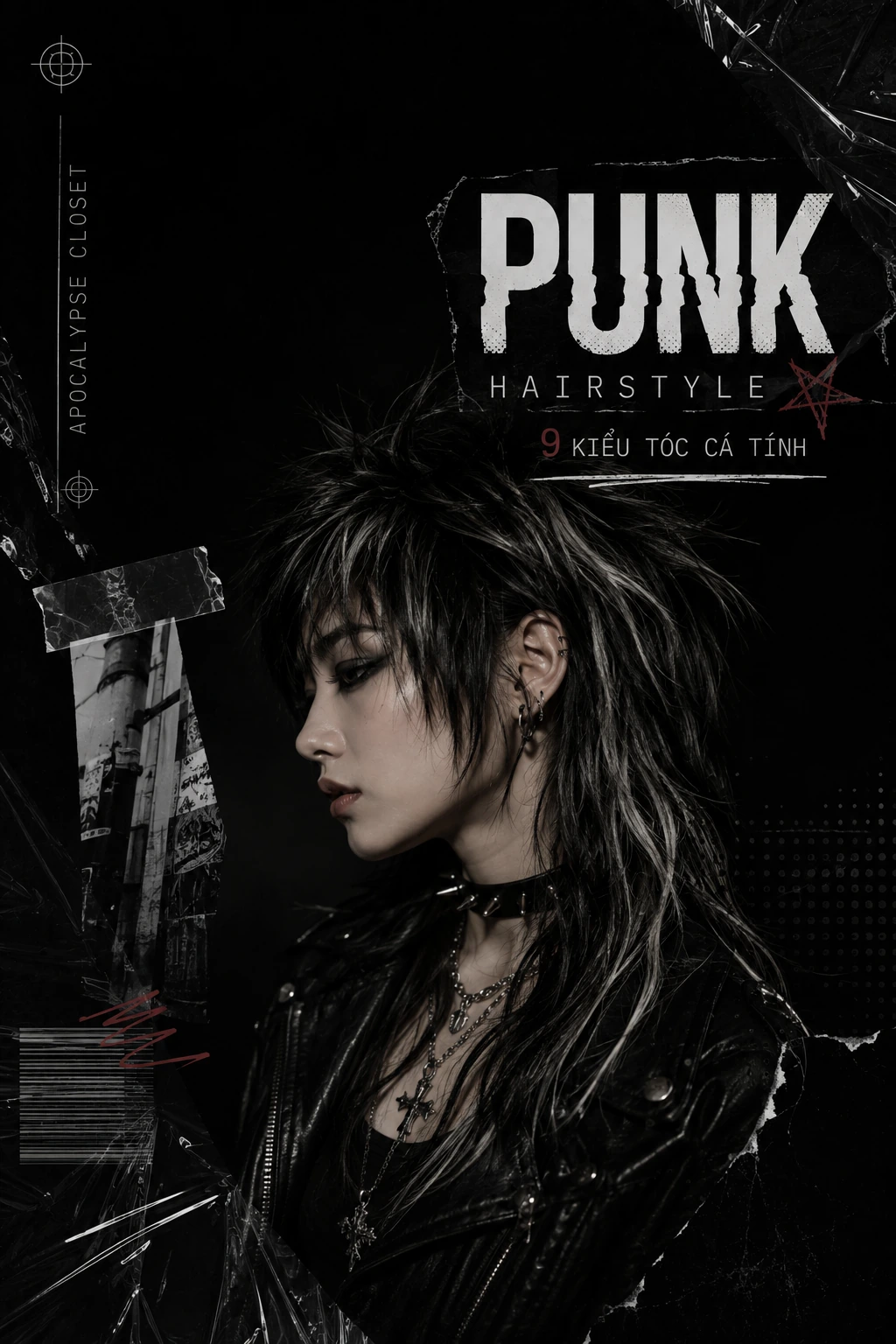
Punk can also be expressed through different outlines and levels of contrast. For a smaller experiment, retain your current cut and change the part, volume or accessories. For a more pronounced change, gather references and discuss upkeep first. The degree of emphasis should suit you and the day's activities. An outfit already rich in texture and metal details may benefit from simpler hair that leaves those lines visible, rather than another layer of complexity. Decide where you want attention to settle instead of assuming every area must be intensified.
Consider hair color with your clothing palette
Hair color sits close to the face and appears across many successive outfits, so compare it with the tops you genuinely wear most. Look at references under different lighting to understand how a shade changes, and ask the stylist about the process and maintenance involved. A screen color does not establish the result on your own hair. Before a lasting change, you can explore contrast by changing the top near your face or using a hair accessory. This helps you test the visual relationship without treating a reference photograph as a guaranteed outcome.
Ideas for dark aesthetic hair colors can narrow your inspiration, but a style name cannot replace an assessment of your actual hair. If you usually dress in black, consider whether the hair will blend into the darker outline or create a clear boundary. If you favor colorful tops, compare how much the hair and clothing compete. Record the combinations that feel easiest to use. That turns the color decision into a choice grounded in your wardrobe and habits, rather than in one unusually lit image that may be difficult to reproduce in daily life.
Makeup and nails: decide what leads
Before adding a strong makeup accent, identify what is already prominent: glasses, earrings, the neckline or the hair color. The guide to punk-inspired makeup and contrast looks at lines and contrast within the clothing as a whole. Try one idea while keeping the other areas simple. You do not need every feature from an inspiration image at the same time. Judge the result by your preference and the amount of time you will be wearing it. A detail that you enjoy briefly may call for a different plan at a long event.
For nails, consider shape and daily activities as well as color. These goth-inspired nail design ideas suggest ways to repeat a small color or pattern without putting it across the entire outfit. Think about work, buttons, phone use and the accessories you expect to handle. If you are uncertain, a more manageable version gives you a chance to learn what you enjoy through actual use before changing the design further. The aim is a finish you can live with, not just a detail that looks striking in a close-up photograph.
Ao dai and parties: try the complete outfit
With an ao dai, test the hair alongside the actual collar, earrings and movement of the panels, rather than pairing it with an unrelated tee for a trial. Tied hair can expose the neckline more clearly; loose hair needs to be checked while turning and moving to see whether it hides a detail you want to keep visible. The guide to hairstyles worn with ao dai helps compare options as part of the complete outfit. If you use a hair accessory, check its stability and removal as well as its appearance in a single frame. A practical fastening matters when the day includes travel between locations.
For a wedding or a longer party, choose something you can keep settled through travel, changing arrangements and preparation time. These wedding guest hairstyle options are best tested with the real clothes and accessories you intend to wear. The guide to dressing for different occasions helps establish the setting before you finish the hair and makeup. Photograph the outfit you have tried, and note the order of preparation so you do not have to decide every detail again on the day. Include enough time to get dressed without disturbing the work you have already done. A complete rehearsal reveals practical interactions that separate references for hair, makeup and clothes cannot show.
Cuts, color and finishing details
Browse the individual cuts, color ideas and finishing options discussed above. Each guide addresses a different choice, so you can keep the rest of the outfit settled while exploring one change.
What Is a Butterfly Haircut? Choose Layers for Your Length
Compare long and short butterfly layers. Plan for hair density, tying and natural drying, prepare references and practice manageable styling.
Dark Aesthetic Hair Color: Shades, Maintenance, and Salon Decisions
Compare black, wine, violet and other dark hair colors, realistic maintenance, strand and skin tests, and decisions about lightening or salon help.
Goth Hairstyles for Women: Eight Traditional and Modern Ideas
Explore eight Goth hairstyle directions, from Trad backcombing and romantic waves to bobs and sleek hair, with proportion and maintenance advice.
Goth Nails: Twelve Designs to Pair with Outfits
Choose Goth nail shapes and twelve wearable designs, from black French tips and burgundy to chrome, lace and negative space, with outfit pairings.
What Is a Hime Cut? Choose Length and Face-Framing Sections
Understand the hime cut’s side sections, fringe and longer back. Choose length, density and upkeep for your hair; discuss references with a stylist.
Wedding Guest Hairstyles for Long, Short and Shoulder-Length Hair
Try half-up hair, low ponytails, buns, braids and short-hair details. Choose around neckline and travel, follow practical steps and test hold before the wedding.
Hairstyles for an Ao Dai: Choose for Your Face and Hair Length
Try loose hair, half-up styles, low buns and side braids with an ao dai. Balance hair length, collar details and accessories, with a practical low-bun tutorial.
Punk Makeup: Six Looks for Dark Alternative Style
Learn six punk makeup looks, from smudged black kohl and sharp wings to burgundy eyes and dark lips, plus outfit pairing and humid-weather tips.