

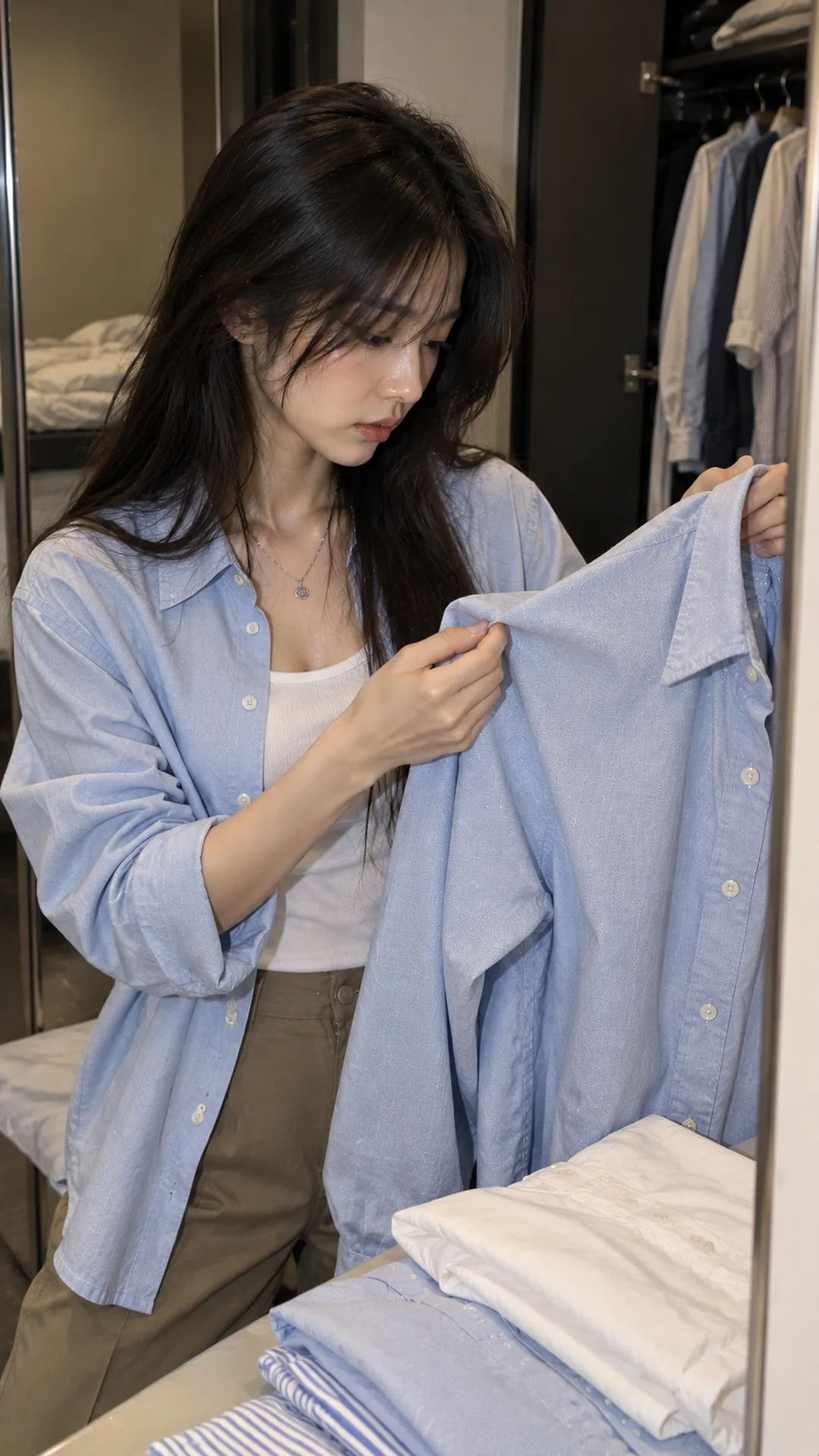
Understand Oxford construction before reading claims
CottonWorks explains Oxford weave as a plain-weave variation often called a 2×1 basket weave: two warp yarns travel together over individual weft yarns. It is commonly used for shirting.
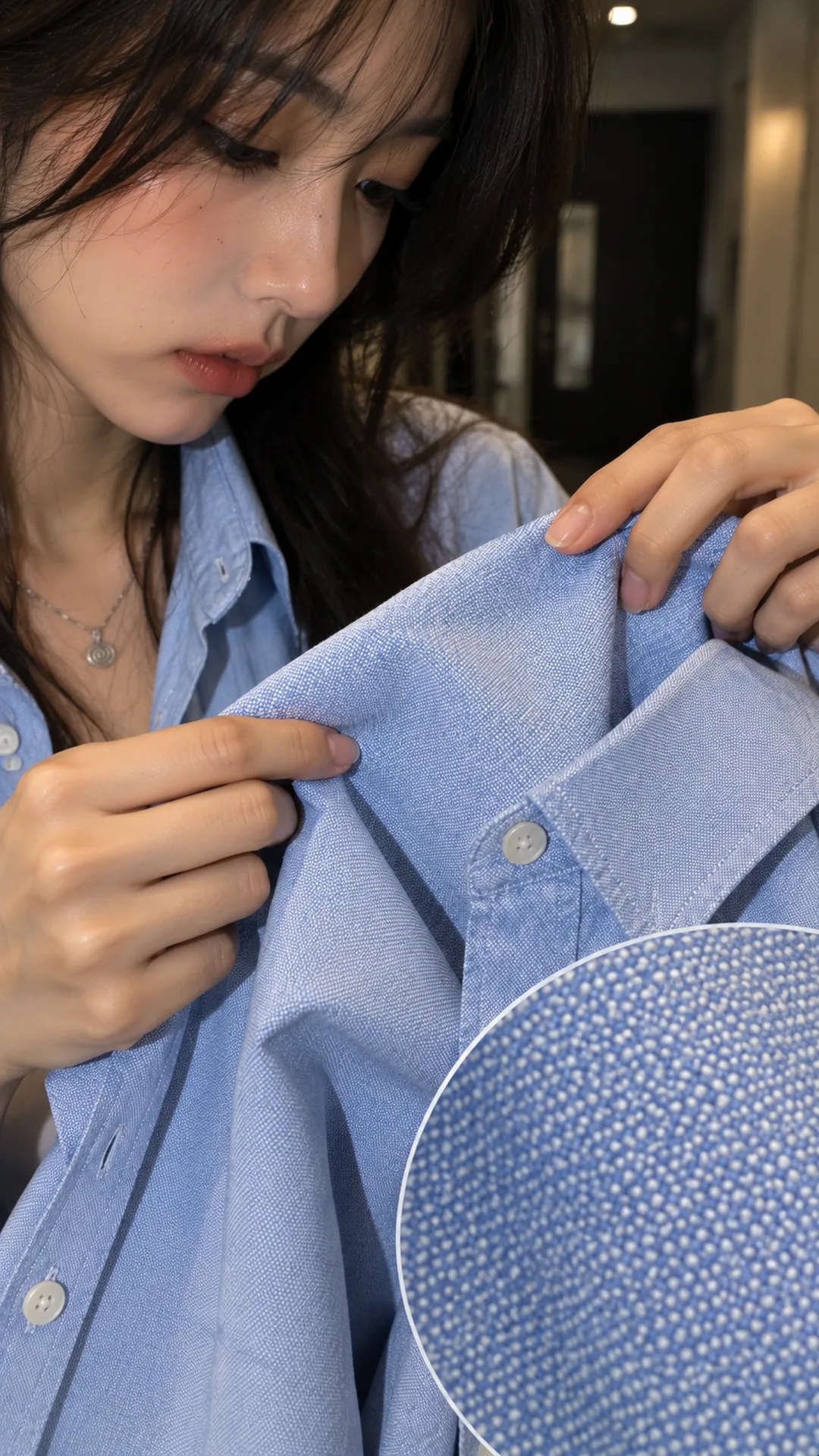
For buyers, Oxford describes how the surface forms, not an independent fiber. Close up, it may appear more textured than a very smooth surface, but a screen image cannot confirm construction without seller information.
A small grid-like surface is not proof by itself. Lighting, resolution, prints and other constructions can look similar. Ask for fabric name, composition and close-ups of both sides if you need certainty before buying.
Oxford is not a collar type either. Button-down collars have buttons securing their tips; Oxford here refers to fabric. Oxford cloth can use other collars, so read neck, sleeve and placket details separately.
Is Oxford always cotton?
Do not infer composition from the name alone. For example, the Proper Cloth Natural White Oxford Cloth page separately lists Oxford weave, 100% cotton content and the weight category of that sample. It illustrates the information to read independently.
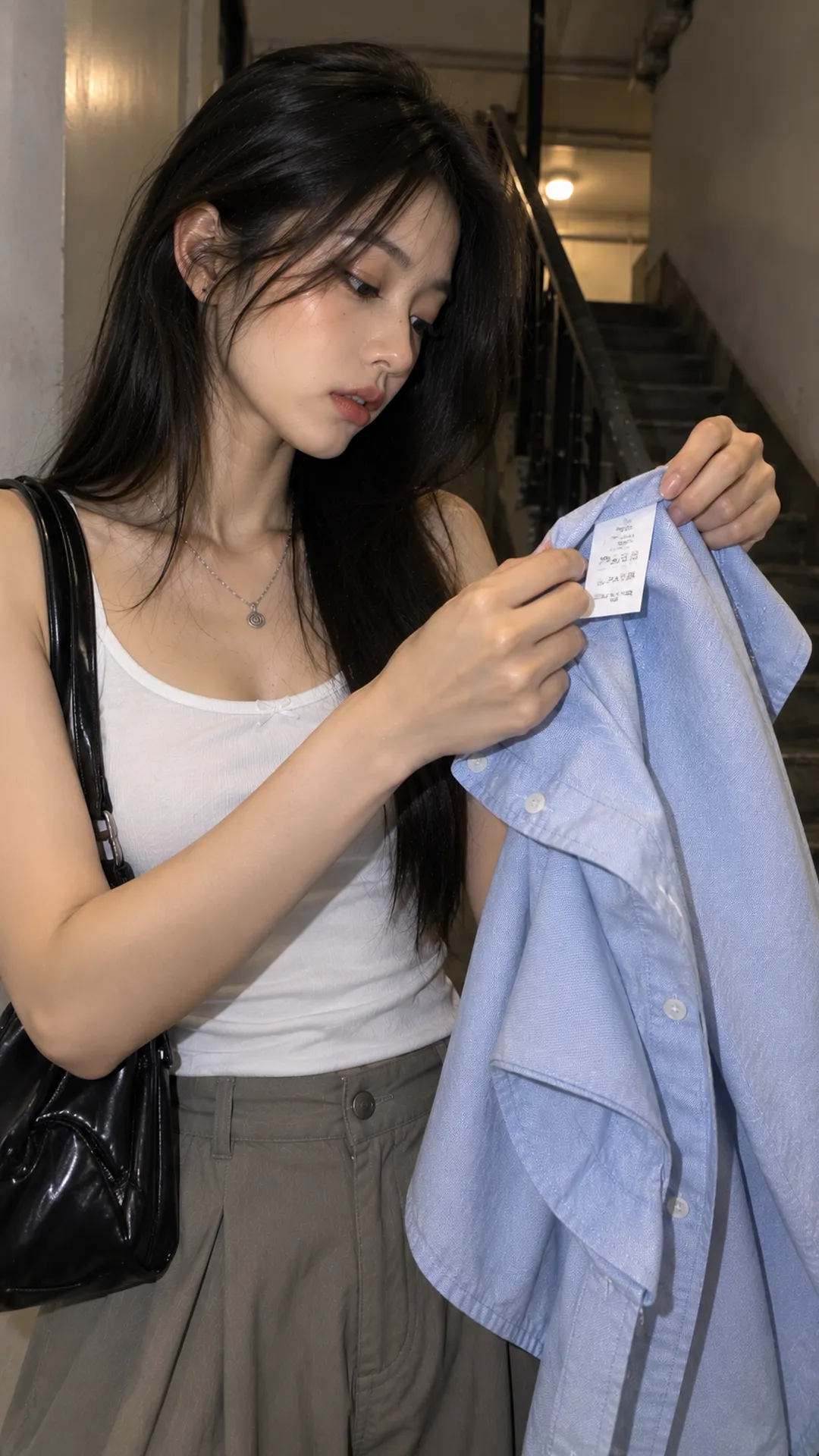
'Premium Oxford material' still leaves fiber percentages unknown. Ask for label photos or a composition table. For blends, read the actual proportions rather than treating blended as automatically good or bad.
Composition does not explain all wearing feel. Equal fiber percentages can differ in thickness, density, finish and cut. Comparing finished shirts through the same questions is more practical than ranking raw-material names.
If Oxford appears on bags or technical materials, do not transfer shirt observations wholesale. Read intended use, construction and individual specifications. In particular, not all Oxford materials are coated or waterproof.
Look, touch and try in sequence
View the surface in ordinary light
Check close-ups, then the whole shirt. Texture pronounced at close range may be subtle full-length. For a versatile base, its appearance at conversational distance matters more than magnified yarn definition.
For white or pale shirts, check transparency with your intended underlayer. A hand behind the fabric is only an initial observation; try it in good light standing and under gentle tension from ordinary movement.
Touch the areas that will contact your skin
If fitting is permitted, assess neck, wrists and body. A surface pleasant to the hand may not give your desired neck feel. Do not ignore discomfort because the description calls it soft or suitable all day.
Test drape rather than only pulling
Let the shirt hang to observe body fall, sleeve volume and hem placement. Hard stretching is unnecessary. For movement room, inspect the cut and stated stretch information, then try familiar actions.
Comparing Oxford, pinpoint and poplin
CottonWorks distinguishes pinpoint Oxford through finer yarns producing a finer construction than basic Oxford. Pinpoint does not establish size or suitability for every workday; still assess fit and coverage.
Compare real poplin and Oxford samples rather than declaring one always better. The poplin fabric guide separately explains construction and composition. Preferred Oxford texture or a more suitable poplin surface concerns purpose, not a contest between names.
For wearing beneath a blazer, test combined shoulder, armhole and sleeve thickness. For an overshirt over a tee, allow enough body and sleeve room. Success in one role does not guarantee convenience in another.
Compare under the same light, with the same underlayer and wearing method. A freshly ironed sample versus one wrinkled from shipping does not justify a conclusion about the entire fabric type.
Choose an Oxford shirt from shoulder to hem
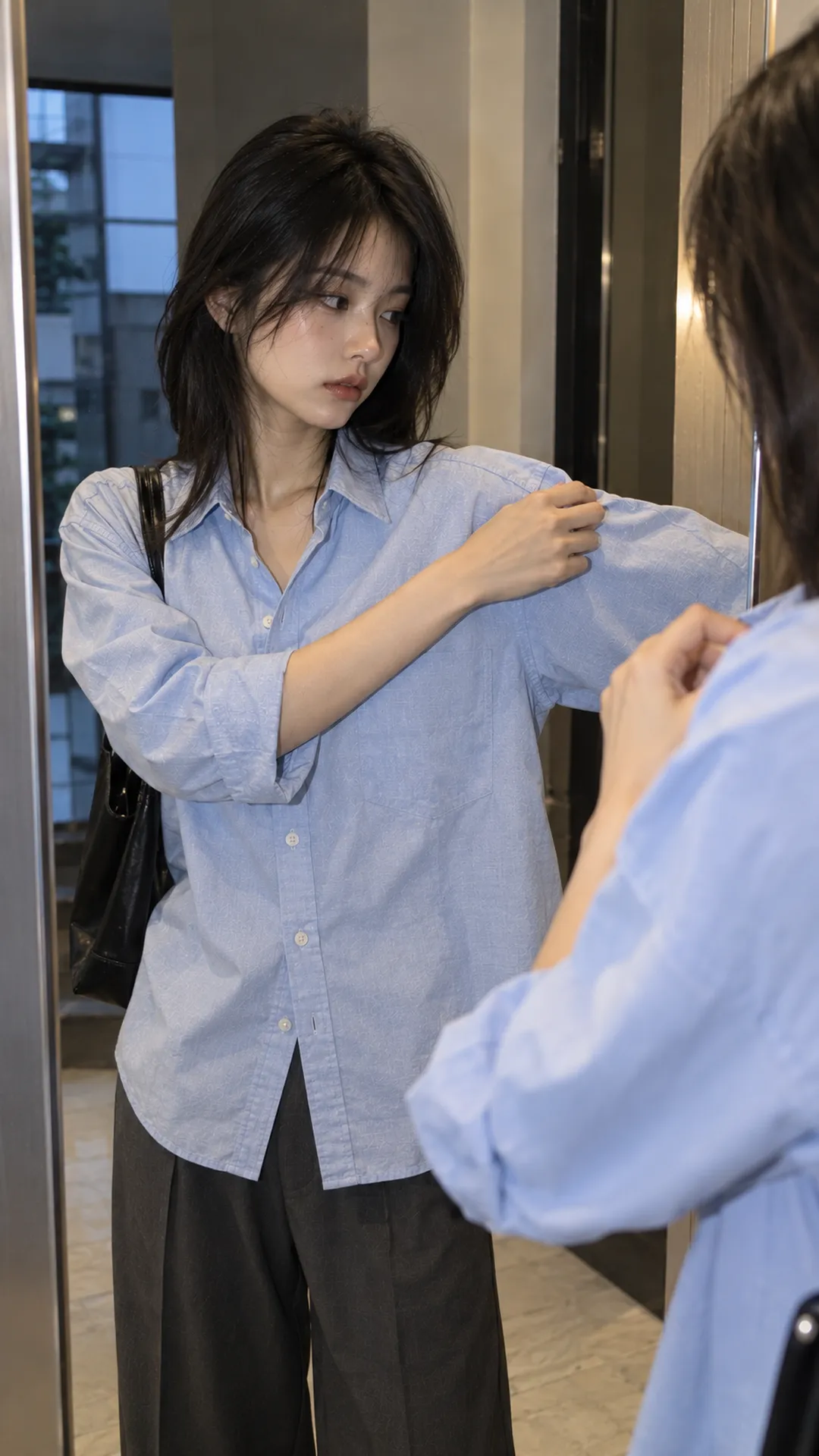
Shoulders should reflect the cut's intention. Fitted and dropped shoulders create different lines, and either can work. For width, choose a controlled roomy cut rather than sizing up and accepting overlong sleeves or a wide collar.
Reach forward, sit and button as intended. If the placket gaps, review chest and body fit. Attractive texture cannot solve strained buttons, and a jacket should not merely hide continued discomfort.
Consider a long curved hem for either tucking or leaving out. Tucked, check fabric volume at the trouser or skirt waist; untucked, check coverage and how much bottom remains visible. The right length depends on your outfit.
Chest pockets, collar and placket already add lines. With strong texture, simple versions can make styling easier. Decoration need not disappear; establish whether it supports the effect you want.
Three uses based on fabric structure
A main top with straight trousers
Try ivory or pale-blue Oxford with minimally detailed straight trousers. Tuck for a visible waist if fabric and width allow, or choose a neat untucked hem. Select shoes and bag for movement needs without forcing an office aesthetic.
A light outer layer over a plain top
A sufficiently roomy shirt can open over a tee or sleeveless top. Keep the inner layer simple so texture and buttons show. Check total thickness for extended outdoor wear, since another shirt changes practical use.
A neat shirt with a moving skirt
Against a soft skirt, defined collar and body construction create contrast. If both are wide, adjust one area such as hem or neck opening first. One change is easier to judge than changing color, shoes and bag together.
The item-by-item guide starts styling from your existing top or bottom. Use Oxford as information about surface and construction, not a required aesthetic.
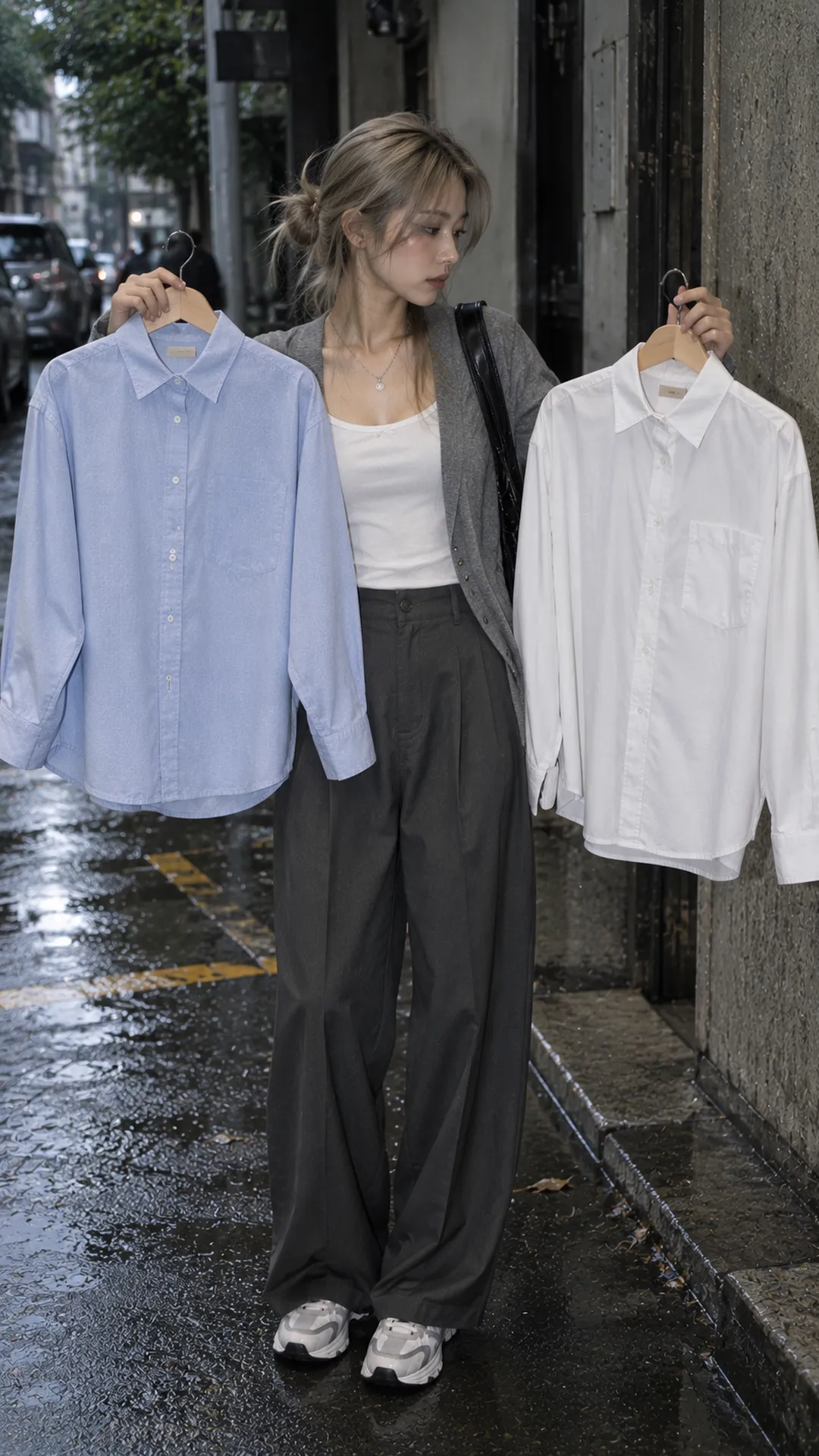
Hot, humid days: assess the whole shirt
Before asking whether Oxford is hot, establish the setting: outdoor walking, air-conditioned sitting or alternating. One shirt may suit one situation and feel too thick in another. The entire fabric name needs no absolute verdict.
Check thickness, coverage, underlayers and movement room. If several layers are needed for desired coverage, evaluate the combination. A light color cannot compensate for too many layers for the day's activity.
The guide to balancing color, fabric and fit in hot weather explains why color or fiber names alone are insufficient. With Oxford, testing the particular product matters more than a generic breathable claim.
Online, request fabric weight when available, close-ups and hanging-movement footage. Do not turn a weight figure into a usable temperature. It compares samples alongside construction and wearing context.

Wash, iron and store by the finished garment's label
Read the shirt label before choosing wash settings, temperature or drying. One cotton Oxford's guidance does not automatically suit a blend or another finish. Ask the manufacturer if unclear rather than using high heat for quick smoothing.
Oxford does not guarantee wrinkle or shrink resistance. Use only the specific product's claims and their conditions. For frequent wear, assess whether you can meet the care requirements as part of suitability.
Before storage, ensure it is clean and dry and arrange collar and placket as directed. Repair loose buttons or seams promptly for easier reuse rather than repeatedly straining a weak button.
Sustainable fashion needs lifecycle evidence rather than fabric names alone. Repeat wear, proper care and repairability are practical questions; Oxford itself does not prove low environmental impact.
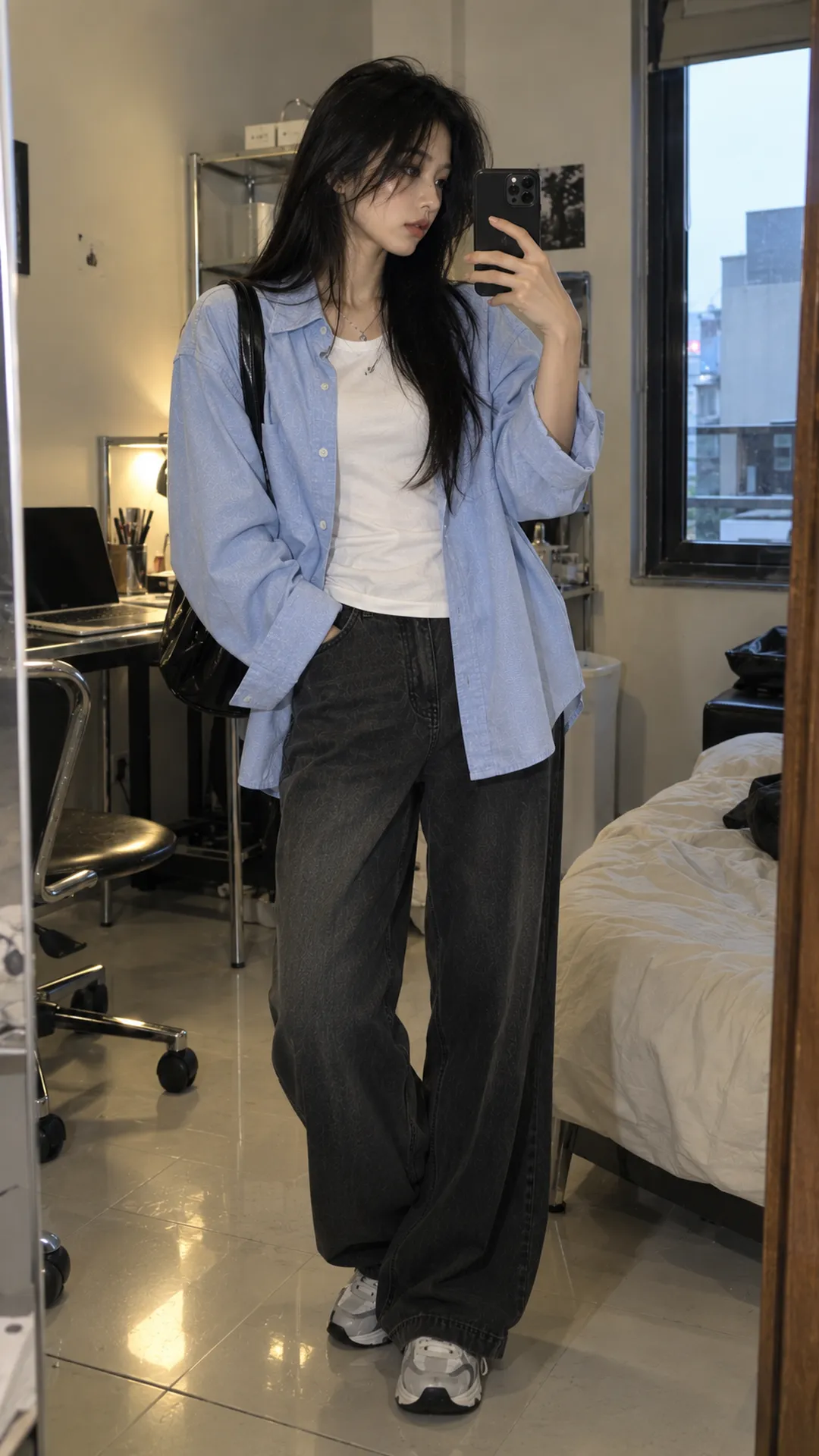
One final check before deciding
Ask whether composition is clear, coverage suits you, shoulders and placket move comfortably and the hem works with existing clothes. Then inspect care and exchange terms. Resolve important missing information before comparing price.
A suitable Oxford shirt need not be the thickest, finest or most elaborately named. Its construction, fit and care should meet your needs. Understanding the name helps ask the right questions; the final choice rests on the actual product.