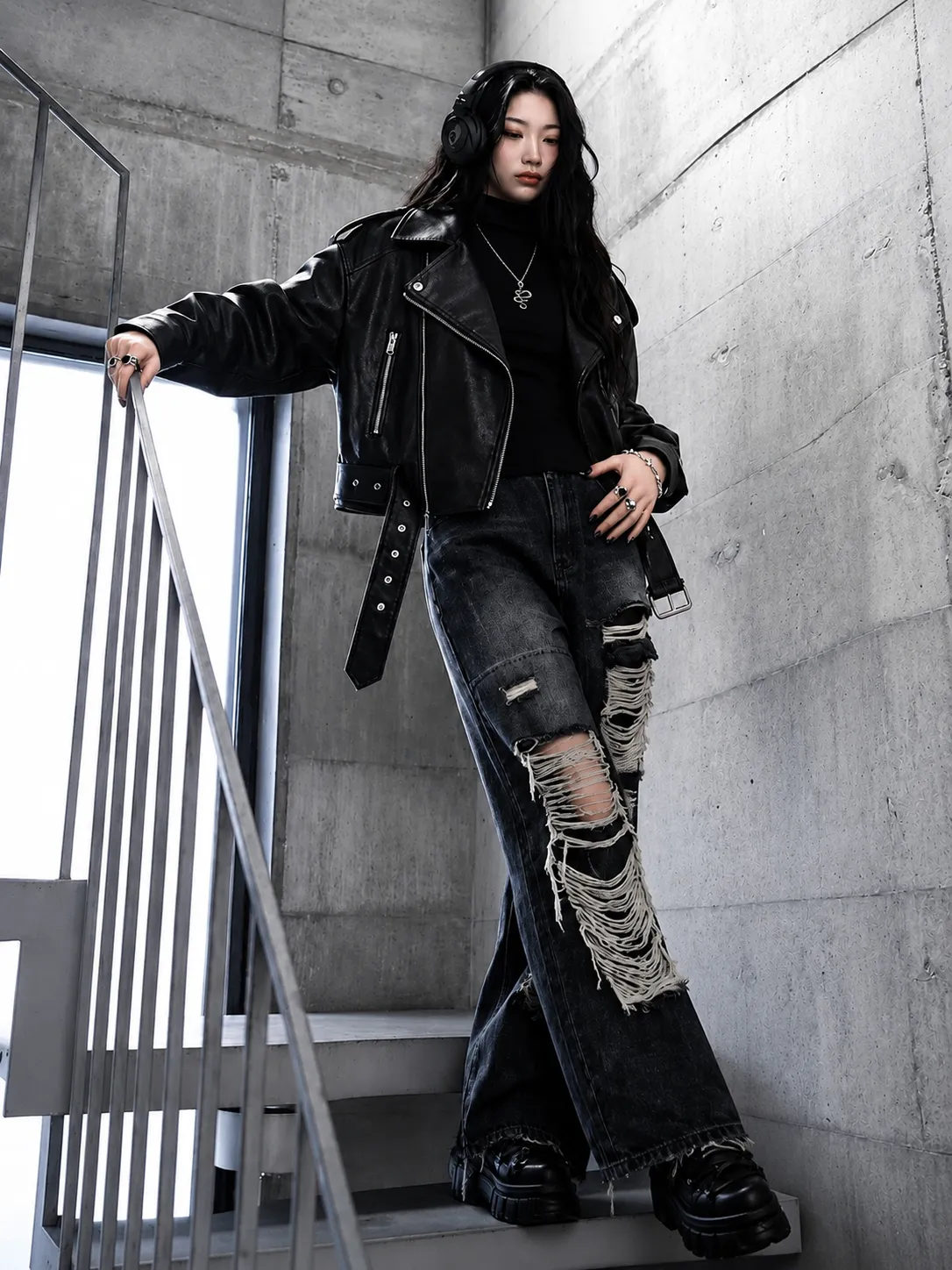
Women’s Platform Boots Below VND 500,000: Buying Checks

Guide collection: Women’s Footwear Guides: Shoes for Your Outfits
For women’s raised-sole boots on a VND 500,000 budget, prioritize information about side profile, sizing convention, toe shape, seams, zips, customer experience and current exchange terms. Assess fit and stability before decorative buckles or maximum height. This is a buying framework, not a verified list of currently available boots.
Set expectations for the budget
A price ceiling does not establish the quality or suitability of a boot. More height, shaft panels, fastenings and hardware introduce more details to assess. Choose one main purpose: added height, walking, a Goth or E-Girl outfit, or a short photographic use. Then assess sole stability, foot shape, shaft rubbing and the actual exchange terms. Neither photographs nor price can prove walking comfort.
Choose a boot shape for its use

Raised-sole boots cover several constructions. Combat-style, continuous-platform and tall-shaft designs can feel and look different at the same stated height. Compare construction before decoration; the title emphasizes platforms while the guide also evaluates other raised-sole options.
| Intended use | A starting shape to compare | What to check | Potential problems |
|---|---|---|---|
| Study, coffee or moderate movement | Moderate-soled combat or ankle boots | Adjustable laces, toe room and a comfortable shaft edge | Rigid rubbing areas or unsuitable outsole grip |
| Added height or E-Girl/Goth styling | A continuous platform | Heel-to-toe pitch, weight and base width | Excess weight, instability or crowded toes |
| A continuous lower-leg line | Mid- or tall-shaft boots | Ankle and calf circumference, zip and shaft length | An unsuitable shaft width compared with the photographs |
| Photographs or short outings | A more pronounced statement shape if comfortable | Stable standing and adequate toe room remain necessary | Buying for the image but rarely using the boots |
For the broader construction comparison, see Combat Boots versus Platform Boots for weight, stability, height and recombination. This article retains the specific budget-and-listing decision.
A 90-second listing check
- Look at the complete side profile.
Compare heel-to-toe pitch, platform thickness and the upper’s shape rather than only a front view.
- Find an outsole photograph.
Inspect contact area and tread. A small base under a tall sole may feel less stable, but images cannot establish tested grip or safety.
- Inspect toes, zips and the sole attachment.
A pointed shape must still allow toe room. Check aligned zips and visible separation at the upper-to-sole join in actual images.
- Read measurements in centimeters.
Identify whether the chart describes foot length or internal length; these are different. A claim of standard sizing without its measurement basis leaves uncertainty.
- Look for customer walking views.
A photograph on a table shows surfaces. A short walking video may reveal heel movement, shaft flex or gait, though it does not establish all-day comfort.
- Read return conditions before ordering.
Check terms while choosing rather than after discovering an unsuitable fit.
Read the model’s size information
Your sneaker size does not automatically predict boot fit. Also consider forefoot width, heel hold, instep room, socks and shaft dimensions. Suitable length does not compensate for strong instep pressure or pronounced heel slip.
Compare your measurements with the chart for the exact boot model. Treat a seller’s size-up suggestion as model-specific advice, not a universal rule. The alternative-fashion online size guide provides a separate measuring workflow.
Inspect materials and finishing

Broad terms such as premium PU or soft leather are not sufficient. Inspect the surface, lining, flex areas, sole join and zip surrounds using actual product evidence rather than only studio images.
For synthetic or leather upper care after purchase, use the appropriate material instructions. The general guide to leather clothing care covers cleaning and storage principles; your boot maker’s specific directions take priority, especially for PU or coated surfaces.
Read Reviews for Repeated Issues, Beyond Star Ratings
Attractive appearance and fast delivery do not establish fit. Look for foot measurements, purchased size and observations after wear, including: excess weight, slipping, toe pressure, shaft rubbing, heel movement, stuck zips, sole separation and unusually narrow or roomy fit. Repeated observations are more informative than a single comment, but still need context about the wearer and model.
Prioritize harder-to-change features
Below VND 500,000 is a ceiling rather than a spending target. Prioritize harder-to-change features such as construction, shape, fastenings and sizing before decorative hardware. Actual prices and availability need checking at purchase.
| Priority | Useful evidence or feature | What not to compromise |
|---|---|---|
| Main construction | Sole, toe shape, upper and fastenings | Comfortable, stable standing and movement for the intended use |
| Fit | Clear model-specific sizing, relevant images and acceptable exchange terms | Do not rely solely on a standard-fit claim |
| Decoration | Straps, buckles, chains and studs | Extra hardware should not replace fit or function |
| Reserve | Suitable socks, a compatible thin insole if needed and possible exchange costs | Do not use added insoles to force an unsuitable boot shape to fit |
Combat and platform choices

Combat-style boots may allow more adjustment when laced, but comfort still depends on the particular construction and foot. Platforms add height and visual weight. Check pitch, mass and base width rather than assuming all platforms are difficult or all combat boots easy. For your first pair, compare actual wardrobe use; the guide to women’s alternative boot outfits covers outfit proportions separately.
Check the delivered boots indoors
Try the intended socks and a clean indoor surface within the seller’s return conditions. Stand, walk and turn before outdoor wear. Only try a low step if the boots already feel stable and comfortable.
- Stand comfortably.
The pair should feel even, without obvious tilting or wobbling.
- Check toes and instep.
Toes should not be forced together or pushed hard into the front; the upper and zip should not compress the instep painfully.
- Walk a few short circuits.
Check heel slipping, repeated shaft rubbing and unusual sole movement or sound. This brief check cannot establish extended comfort or durability.
- Compare the finishing.
Check that both boots match in size, height, seams, fastenings, buckles and sole attachment.
Before deciding to keep them: confirm appropriate room, manageable heel movement, comfortable toes, a stable sole and working zips, and name two or three outfits you will actually use. A short try-on remains an initial assessment.
Match the Boot to Wearing Frequency

A short photographic outing may allow a different aesthetic choice from a long day, but should still feel comfortable and stable. For study, concerts, long walks or standing, prioritize a suitable base, manageable pitch, adequate toe room and a shaft that does not rub during ankle movement provides a separate measuring workflow.
. Taller shafts and thick linings can feel warm in humid conditions, depending on construction. A simpler black ankle or combat-style boot can still lead a Goth, E-Girl or Punk outfit without much hardware.
Care after deciding to keep the boots
New stiffness is not a reason to sharply bend or heat the boot. With appropriate fit, increase comfortable wear gradually; compressed toes or substantial heel slip require reassessment. See how to break in new boots for that distinction. Dry the interior before storage; for persistent interior odor, see boot odor care provides a separate measuring workflow.
Frequently Asked Questions
Can raised-sole boots below VND 500,000 be worth considering?
Assess the specific fit, construction, stability, fastenings and exchange terms. This guide does not verify that a currently offered pair meets those criteria at this price. Prioritize the main structure over decoration.
Should you size up for platform boots?
There is no universal rule. Compare the exact model’s chart, foot length and width, intended socks and relevant customer evidence.
What sole height is comfortable for everyday wear?
Centimeters alone cannot answer that. Pitch, contact area, weight, rigidity, foot shape and intended movement all affect feel. Choose based on a comfortable actual try-on where possible.
Which images matter when buying boots online?
Side profile, outsole, toe, zip, lining, rear heel and relevant worn views are useful. A front photograph alone cannot establish fit, stability or grip.
Should you keep wearing painful new boots until they soften?
No. Mild material stiffness with adequate room may settle through gradual comfortable wear. Compressed toes, marked heel slip, pain or numbness call for stopping and reassessing fit.
Outfit references
Looks illustrate garment combinations. They do not verify a boot listing, current price or performance.