

Combat Boots vs. Platform Boots: Fit, Weight, and Everyday Use
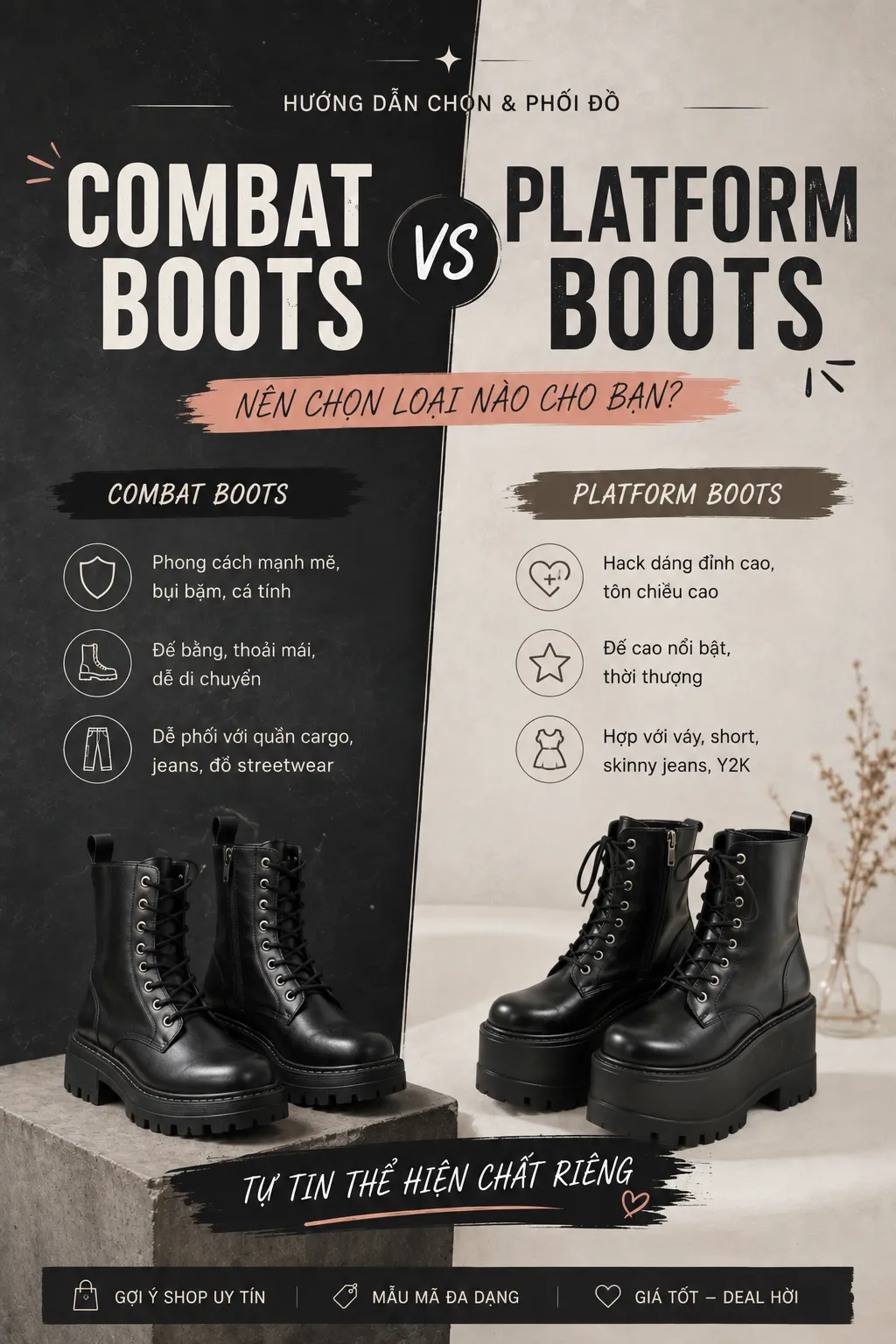
Platforms describe a raised sole, while combat styling describes the upper's structure. Assessing those separately makes the comparison more useful than choosing by height alone.
Guide collection: Women's Footwear Guide: Choose Shoes to Match Your Outfit (Vietnamese)
Consider Combat Boots for adjustable lacing and a potentially versatile everyday pair across Punk, Grunge, and streetwear. Actual comfort still depends on the design and fit. Consider Platform Boots for added height and a stronger lower-body anchor in Goth, E-Girl, or Dark Y2K outfits. The categories overlap: one pair can be both combat and platform boots.
Combat and Platform Are Not Opposites
A common misunderstanding when comparing combat and platform boots is treating them as mutually exclusive. Combat mainly describes the upper construction: shaft, laces, eyelets, toe shape, and military-inspired styling. Platform describes the sole construction: substantial elevation beneath all or much of the foot.
You may find lower-soled combat boots, laceless Chelsea platforms, or platform combat boots combining laces and raised soles. Ask two separate questions: does the upper suit my foot and intended outfits? and does the sole suit my actual movement needs?
A Quick Combat and Platform Comparison

| Criterion | Combat boots | Platform boots |
|---|---|---|
| Typical purpose | An adjustable structured upper for varied everyday outfits | Added height and substantial visual weight |
| Frequent walking | Consider moderate soles, secure heels, and manageable weight | Check weight, stiffness, balance, and sole flexibility carefully |
| Fit adjustment | Lacing commonly offers several adjustment points | Depends on the upper; Chelsea or zip-only designs may offer fewer |
| Wardrobe references | Punk, Grunge, Goth, cargos, denim, streetwear | Goth, E-Girl, Dark Y2K, minis, wide trousers |
| Height | Varies with the actual sole rather than the combat label | Raised soles are the defining feature |
| A first pair | A manageable design may be easier to introduce gradually | Useful when you understand the weight and elevation you enjoy |
Sole pitch and weight beyond height
A listed heel height does not describe the whole wearing experience. Compare forefoot elevation, heel elevation, and weight per boot.
1. A High Platform Is Not Necessarily Steep
A raised forefoot can reduce the heel-to-toe difference compared with a high heel and low toe. Examine side photographs rather than heel height alone.
2. Thick Soles Need a Weight Check
Equal-height boots may differ in sole density and hardware weight. Look for stated weights, useful reviews, or walking videos rather than assuming thickness means heaviness or comfort.
3. Inspect the Outsole
For school, work, or concerts, consider grip and a stable-feeling fit alongside extra centimeters. Appearance alone cannot establish traction.
Uppers, Laces, and Fit Adjustment
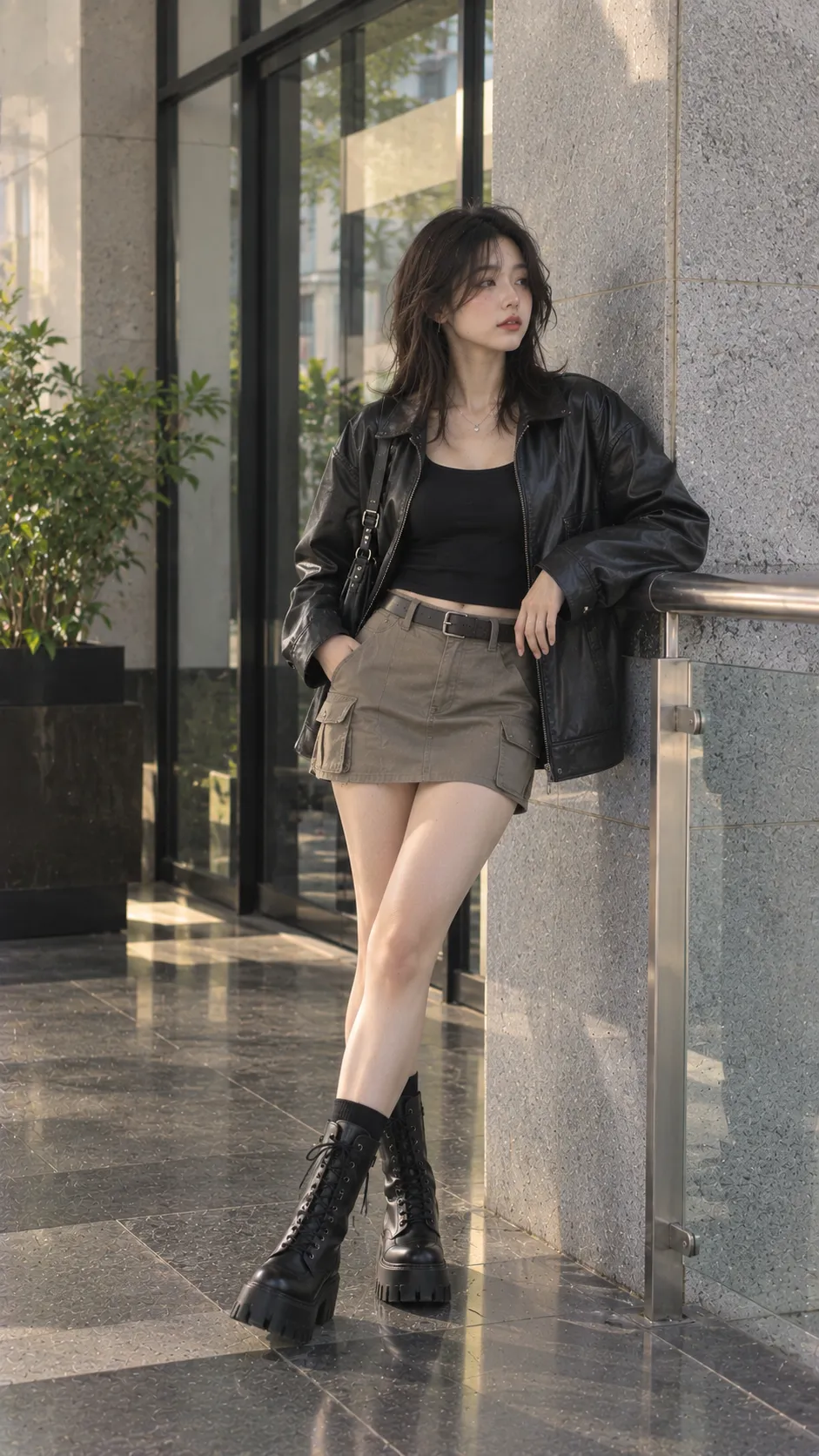
Multiple eyelets can adjust the instep, ankle, and shaft separately. You can loosen one area without making the whole upper equally loose, then retain a useful setting once the fit is established.
Laces with a side zip can combine adjustment with convenient daily removal.
Chelsea or pull-on platforms offer a simpler outline but usually fewer adjustments. Lacing can be helpful when fit at the instep, heel, or shaft needs closer control.
Fit checks before buying
Do not automatically size up because chunky boots look large. Start with foot length, width, and intended socks.
- Measure Toward the End of the Day.
Actual length and width are more useful than assuming your sneaker size transfers.
- Compare Centimeter Measurements.
An EU or US label without a clear measurement chart leaves more uncertainty. Distinguish foot-length guidance from insole length.
- Check Toe Space.
A narrow toe can compress, while excess room may allow unwanted movement.
- Check Heel Hold.
Assess movement while walking; thicker socks do not resolve every slipping heel.
- Distinguish Stiffness from Poor Fit.
Break-in may soften a suitable upper, but clear pressure at toes, sides, or instep calls for reassessment rather than endurance.
For a suitably fitting but stiff pair, read Breaking In New Boots (Vietnamese) for gradual introduction rather than aggressive heat or bending.
Matching your existing wardrobe
A useful pair connects with existing trousers, skirts, and outerwear. Test it mentally against three frequently worn outfits.
Cargos, Wide Jeans, and Jackets
Moderate-soled combat designs can provide a clear trouser finish without extreme elevation. Adjust wide hems so the boot shape remains part of the outfit.
Minis, Leg Warmers, Corset Tops, or Mesh
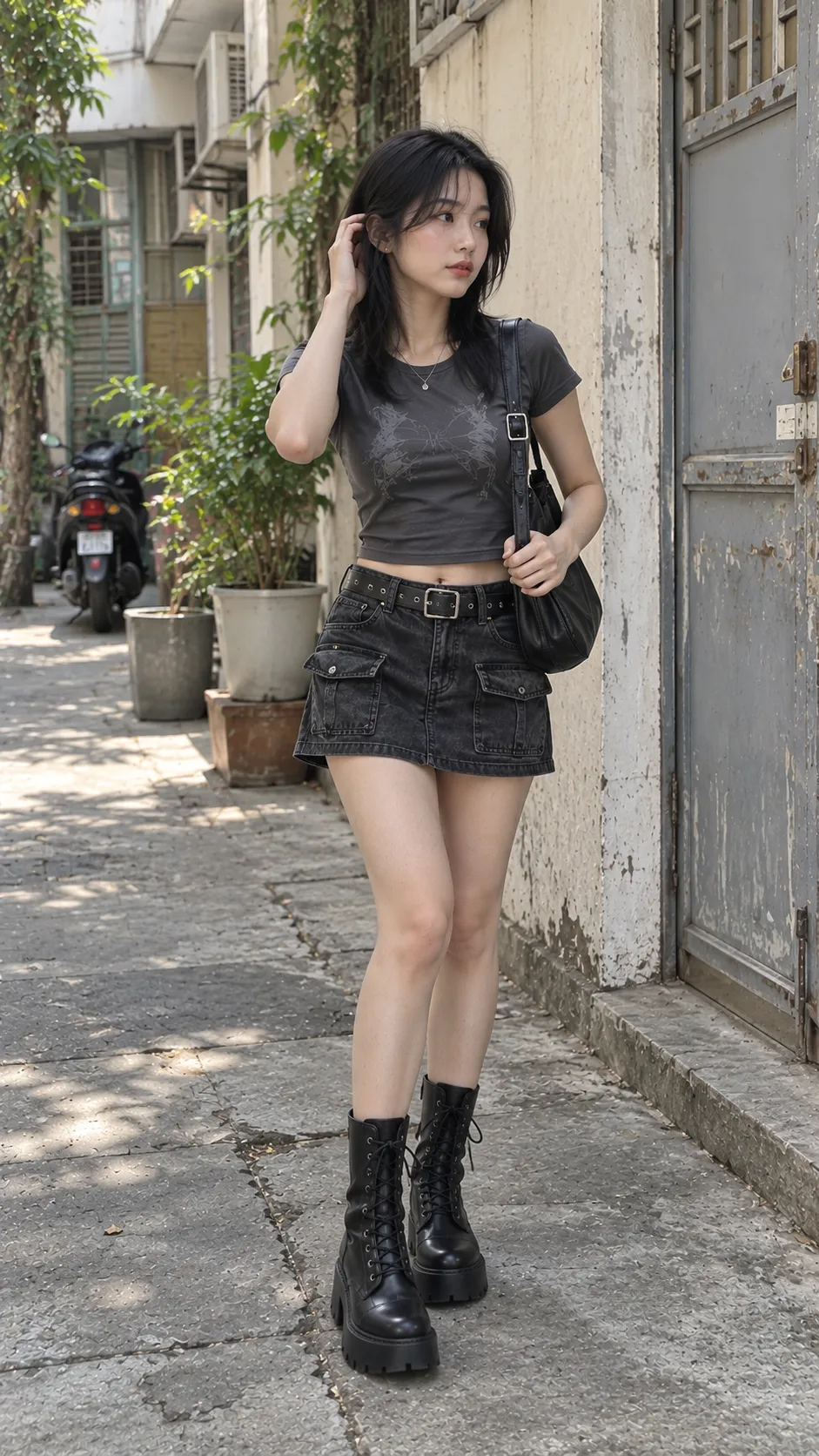
Platforms can anchor a compact top or open leg area. Their substantial lower shape can reinforce an alternative proportion when that is the desired effect.
Frequently Changing Aesthetics
Black combat boots with restrained hardware may mix readily. A clearly Goth or E-Girl wardrobe may leave more room for statement platforms. Read Women's Boot Outfit Ideas for specific styling formulas.
School, cafés, and concerts

For the broader event outfit, see Women's Concert Outfits (Vietnamese) to consider bags, layers, and movement alongside footwear.
Boots in Vietnam's Climate
Wear duration, socks, lining, and drying between uses affect comfort in humid conditions.
- Hot daytime conditions: consider manageable shaft height, lighter lining, and suitable socks. An ankle platform can provide elevation without a calf-height upper.
- Rainy weather: inspect outsole, seams, adhesive joins, and upper material. A higher sole does not make the boot waterproof.
- After Rain or Heavy Perspiration: allow appropriate complete drying before storage. For persistent lining odor, read Removing Boot Odor (Vietnamese) rather than simply masking it with fragrance.
Online Buying Checklist
With a small budget, prioritize fit and sole construction before decoration. The Women's Platforms Under VND 500,000 Guide (Vietnamese) covers shopping checks rather than assuming a low price guarantees value.
Six common buying mistakes
- Choosing Only by Sole Height: weight, pitch, and flexibility also matter.
- Assuming Combat Means Easy Walking: fashion combat designs can still be heavy or rigid.
- Sizing Up Automatically: excess length can increase slipping and reduce control.
- Buying Only the Seller's Styled Outfit: compare the pair with three outfits you actually wear.
- Wearing New Boots for a Long Standing Day: introduce them through shorter outings first.
- Ignoring Climate and Care: a pair that remains damp or difficult to maintain may receive little use.
A Practical Choice: for regular use, begin with fit, weight, and balance before aesthetic labels. If everyday footwear is already covered and you want a stronger Goth, E-Girl, or Dark Y2K statement, consider platforms. The two can meet in platform combat boots with adjustable lacing and a sole you can actually use comfortably.
Frequently Asked Questions
How do combat boots differ from platform boots?
Combat describes a typically laced, military-inspired upper; platform describes an elevated sole. A pair can have both features.
Which is easier for walking?
The names alone cannot decide. Compare fit, weight, pitch, heel hold, outsole, and flexibility. A moderate combat design may be easier to introduce, while some lighter balanced platforms can also suit everyday use.
Which gives more height?
A platform adds a clear raised sole. Check both heel and forefoot elevation to understand pitch, alongside weight and practicality.
What should wider feet or higher insteps look for?
Adequate toe room, clear measurements, and adjustable uppers can help assess fit. Do not automatically add length when width or instep room is the actual issue.
Which should I choose as my first boots?
For frequent use, prioritize manageable weight, secure fit, and a suitable sole. For a statement pair, consider platforms you have tested. Platform combat boots combine both categories when their fit and construction work for you.
Closet outfit references
Use these looks as outfit references. Open each to explore its pieces and combinations.


