

High fashion: dictionary meaning and visual description
Collins directs high fashion to haute couture in its entry. This matters in translation: the terms cannot always be treated as unrelated. In collection writing or style commentary, still establish whether the author means a specialist category or a broader description.
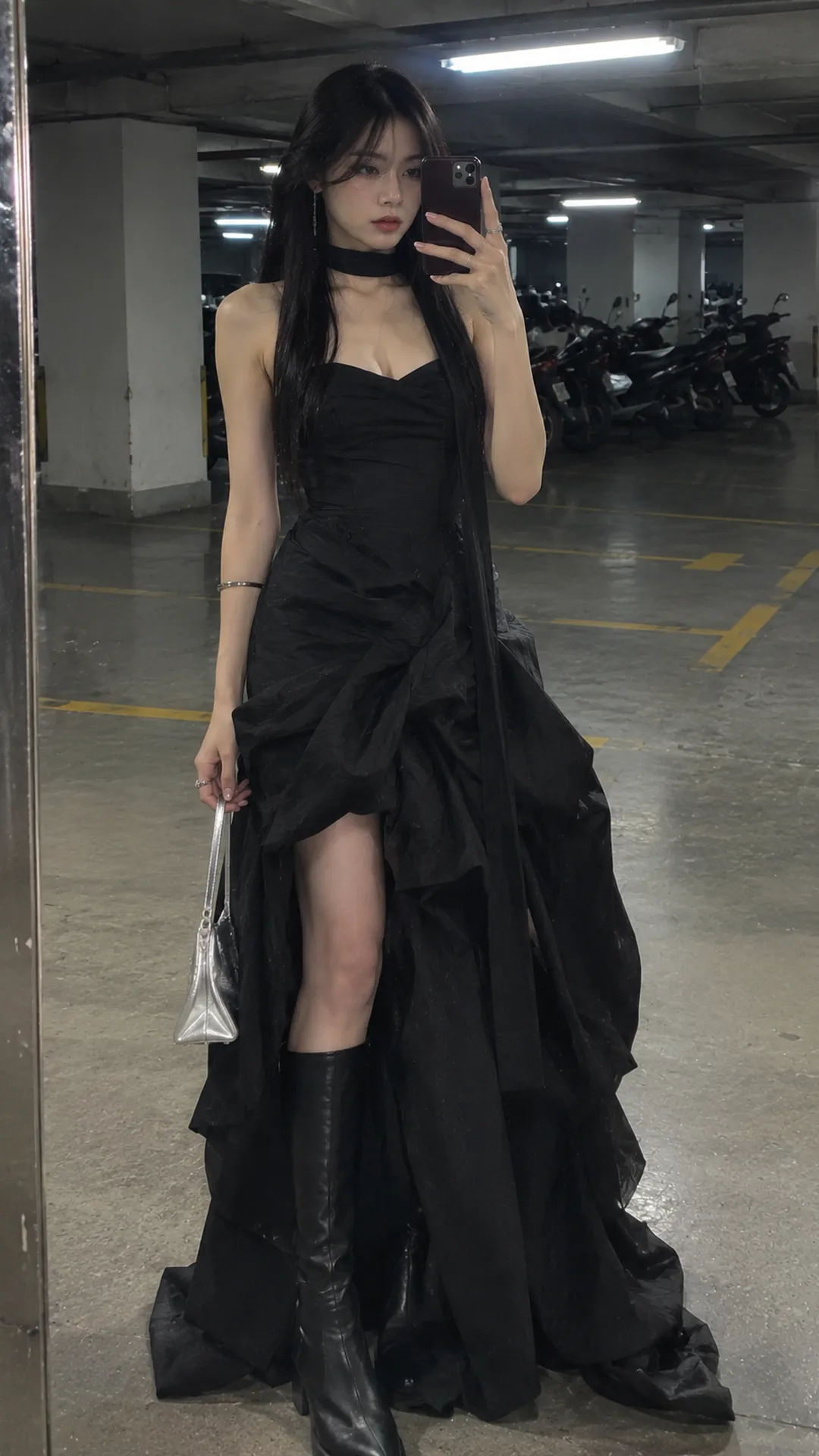
A comment that a photo shoot feels high fashion may concern proportions, lighting, posing and styling. It does not establish official couture garments. If the point is visual effect, describe imagery with an upscale fashion sensibility clearly.
High fashion is not one aesthetic with a fixed uniform. It can be minimal, embellished, softly draped or strongly structured. For a specific style to apply, the fashion aesthetic dictionary explores visual languages rather than attempting to wear an overly broad conceptual label.
Why not call every expensive item Haute Couture?
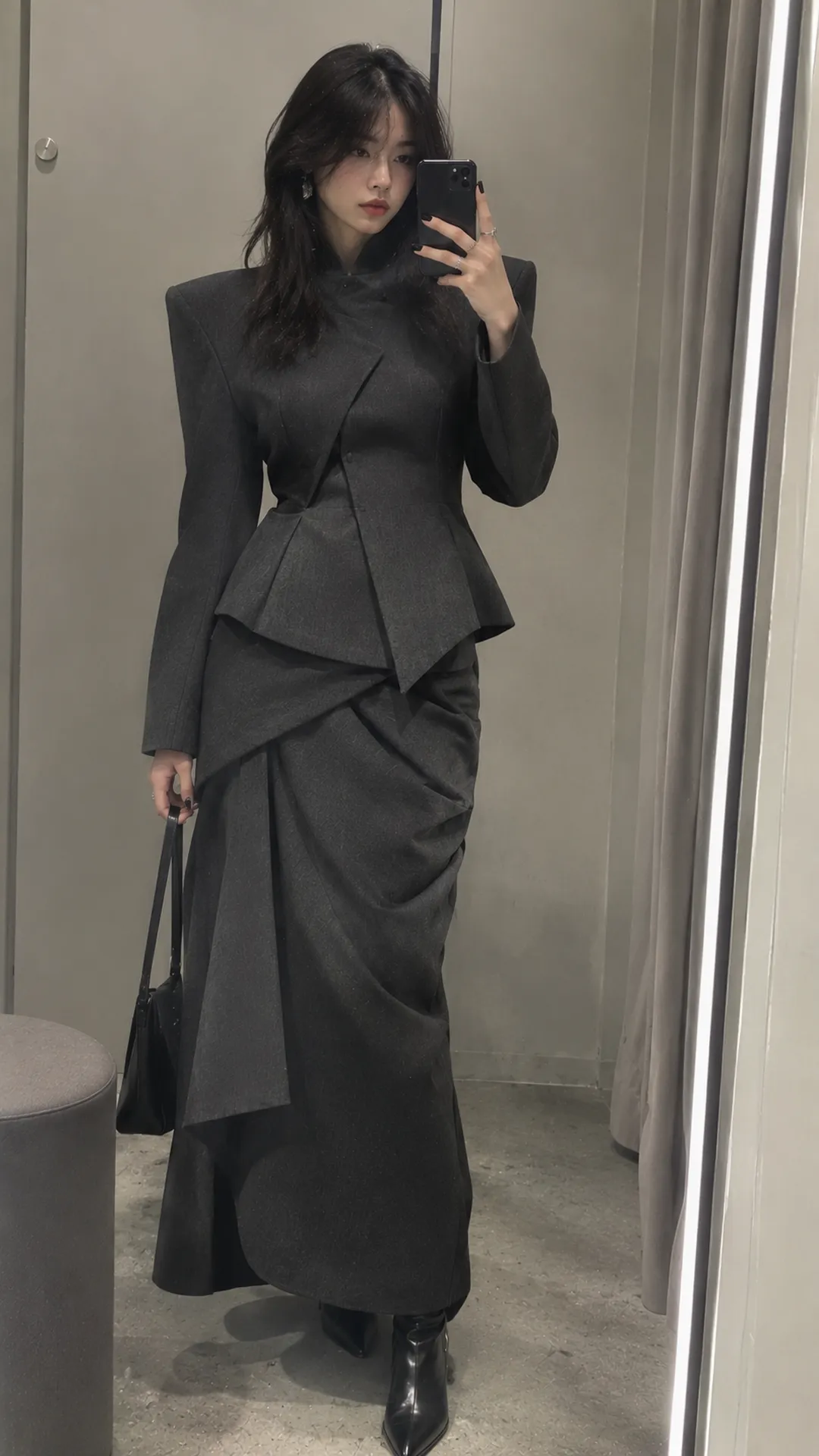
FHCM's published history describes Haute Couture as a designation established through a specific French system with approval of eligible houses. Price, custom fitting or extensive handwork alone does not establish entitlement to the official designation.
Check the product line and presentation context. A house may operate in several categories, so a brand label cannot identify a particular garment's category. Inspect collection name, official description and availability rather than infer from a red-carpet image.
FHCM describes separate Haute Couture, womenswear and menswear activities, with craft expertise, personalization and atelier capabilities in couture. This division shows an ecosystem of activities rather than one price label.
General readers need not memorize the entire organization. Avoid two leaps: expensive to couture, and made-to-order to officially recognized. Without evidence, describe observed cut, decoration or commissioning method instead.
Is high fashion opposed to wearable or ready-to-wear clothing?
Do not treat these as sealed opposing boxes. Wearability emphasizes everyday use, while ready-to-wear concerns production and supply. The Minneapolis Institute of Art explains ready-to-wear as clothing made in standardized sizes for sale rather than created individually for a customer.
A ready-to-wear collection can therefore have strong design and upscale positioning. Conversely, bespoke clothing need not be experimental or difficult to wear. Compare how it is made, whom it serves and where it is used as separate axes.
For a hypothetical example, a broad-shouldered jacket sold by size may have a striking visual language yet work daily with simpler pairings. An individually made event dress may look restrained. The difference is not which appears stranger in one image.
Assess wearability by whether someone can sit, walk, store and care for the piece within their routine. This concerns design-user relationships rather than disparaging showpieces. A stage-focused garment can fulfill its role well without suiting a daily bus trip.
Read a look through four layers
Silhouette: what is enlarged or reduced?
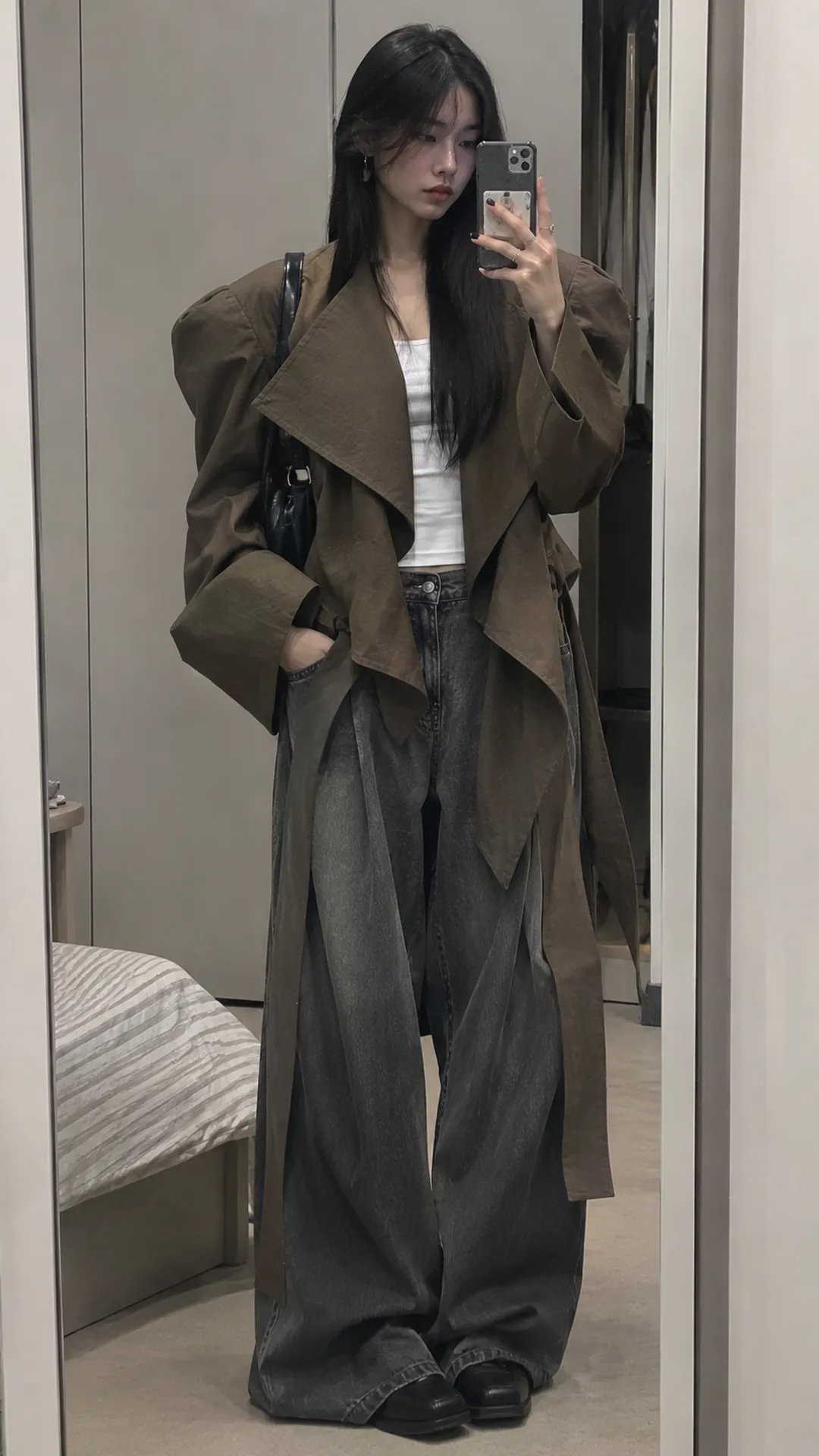
Look at the outline before small details. Are shoulders unusually broad, where is the waist, does the hem open or narrow, is the body enclosed as one volume? One clear sentence explains the idea better than calling it fashionable. Observe how proportions are organized.
Then look for counterpoints: broad shoulders with a neat skirt, or a voluminous lower half with a simple top? Not every look seeks familiar balance; imbalance may attract attention. Distinguish observation from speculation about the designer's intention.
Surface: how are materials placed together?
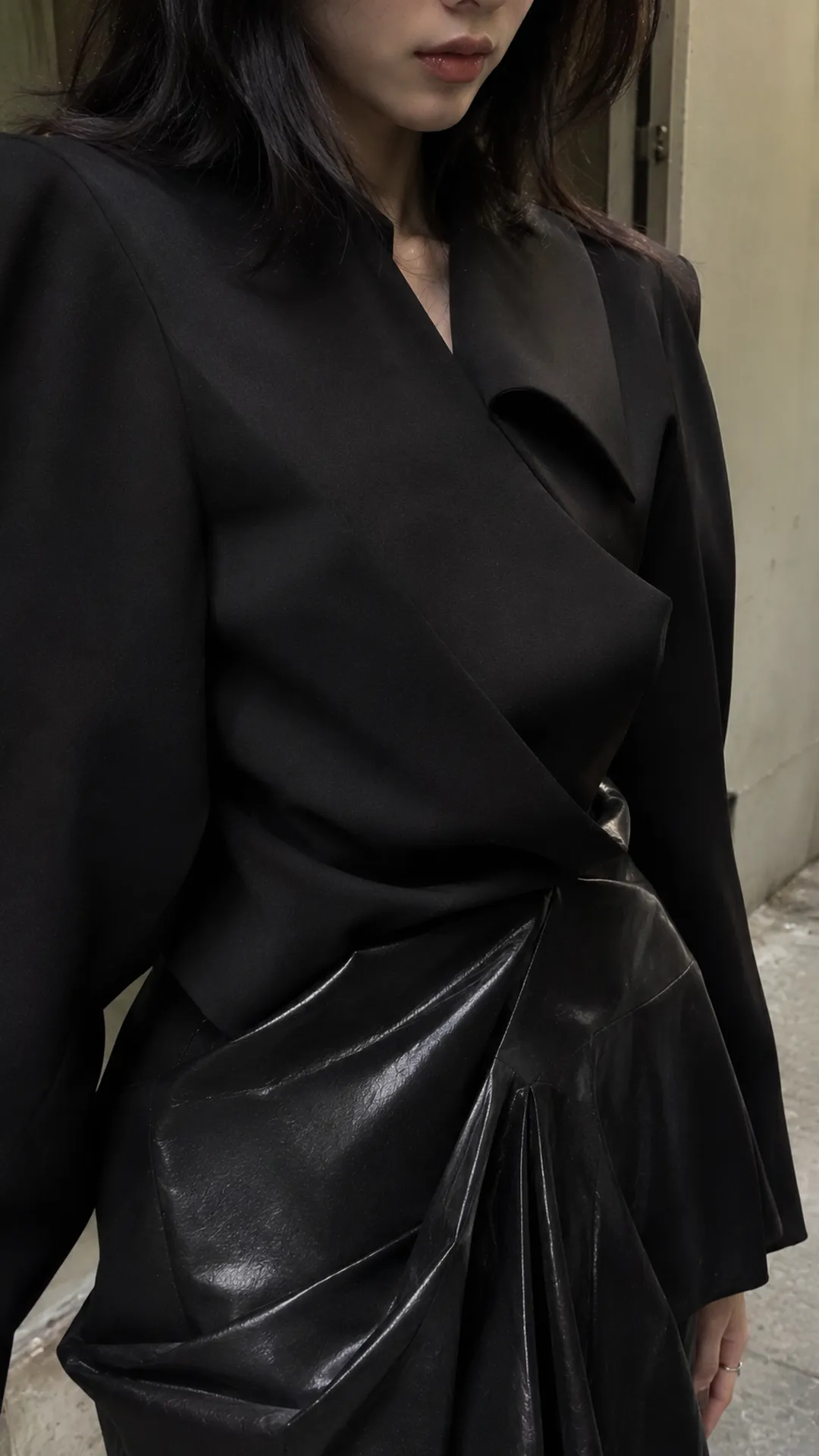
Observe matte beside shine, softness beside rigidity, transparency beside opacity or smoothness beside detail. Without composition information, describe surface rather than assert silk, genuine leather or a special technique. Images suggest material feel but cannot replace collection information.
Monochrome can retain layers through different light responses. Many colors cannot ensure depth when everything competes. This applies to high-fashion images and daily wardrobes, shifting attention from brand names to relationships.
Detail: what actually leads?
Identify the detail whose removal would change the image most: collar, cut, accessory or sleeve proportion. Then assess whether the rest supports it or creates deliberate conflict. Listing everything is unnecessary; a focused observation often explains more.
Presentation: what does the image add?
Lighting, background, hair, makeup and pose alter clothing perception. Imagine the item alone on a neutral background: what remains and disappears? This separates garment impact from the full styling process instead of crediting everything to the product.
Understand high fashion model and high fashion pose
Read high fashion model within the project: runway, editorial photographs or brand imagery. It does not name one face or body type. Requirements depend on the brief, clothes and visual story.
Likewise, a high fashion pose is not a short list guaranteeing success. It may open shoulders, create space beside the body, reveal a garment's side or move fabric. Hiding a key detail may fail to serve the clothes despite looking unusual.
For your own photos, choose a small aim: show sleeves, back or hem flare. Use a simple movement and quiet background, then review. Uncomfortable poses are unnecessary for professionalism. This practices garment observation rather than judging appearance value.
Explore fashion houses without ranking them
A house name starts research; continue to the collection and line. Brands can change directions across periods. Logos alone do not reveal which cuts, materials or combinations you enjoy.
FHCM's house directory includes names such as Chanel, Christian Dior, Loewe and Maison Margiela. These can start exploration, but open the actual line and season. Shared directory membership does not mean every product is Haute Couture or shares one design language.
Instead of asking which brand is most high fashion, compare two looks through the four layers above. You may enjoy one shoulder treatment or surface contrast without liking every item from the house. Specific features clarify taste.
Price alone cannot establish suitability or value within your budget. The guide to Alt Fashion shopping by size and budget translates interest into fit, restyling, care and product-information criteria.
Bring one idea into your wardrobe without copying the look
Choose exactly one experiment. For broad shoulders, try a structured jacket and neater lower half. For matte-gloss contrast, retain familiar shapes and change one surface. For asymmetry, try layer placement or an uneven cut suited to your routine.
Save images with notes on what attracts you in a fashion moodboard. Across references, find repeating features rather than count brands. Learn a styling principle without owning the exact photographed product.
Adapt layers, lengths and weight to climate and daily travel. The women's layering guide checks each layer's function. One clear idea is easier to test than every accessory in a show image.
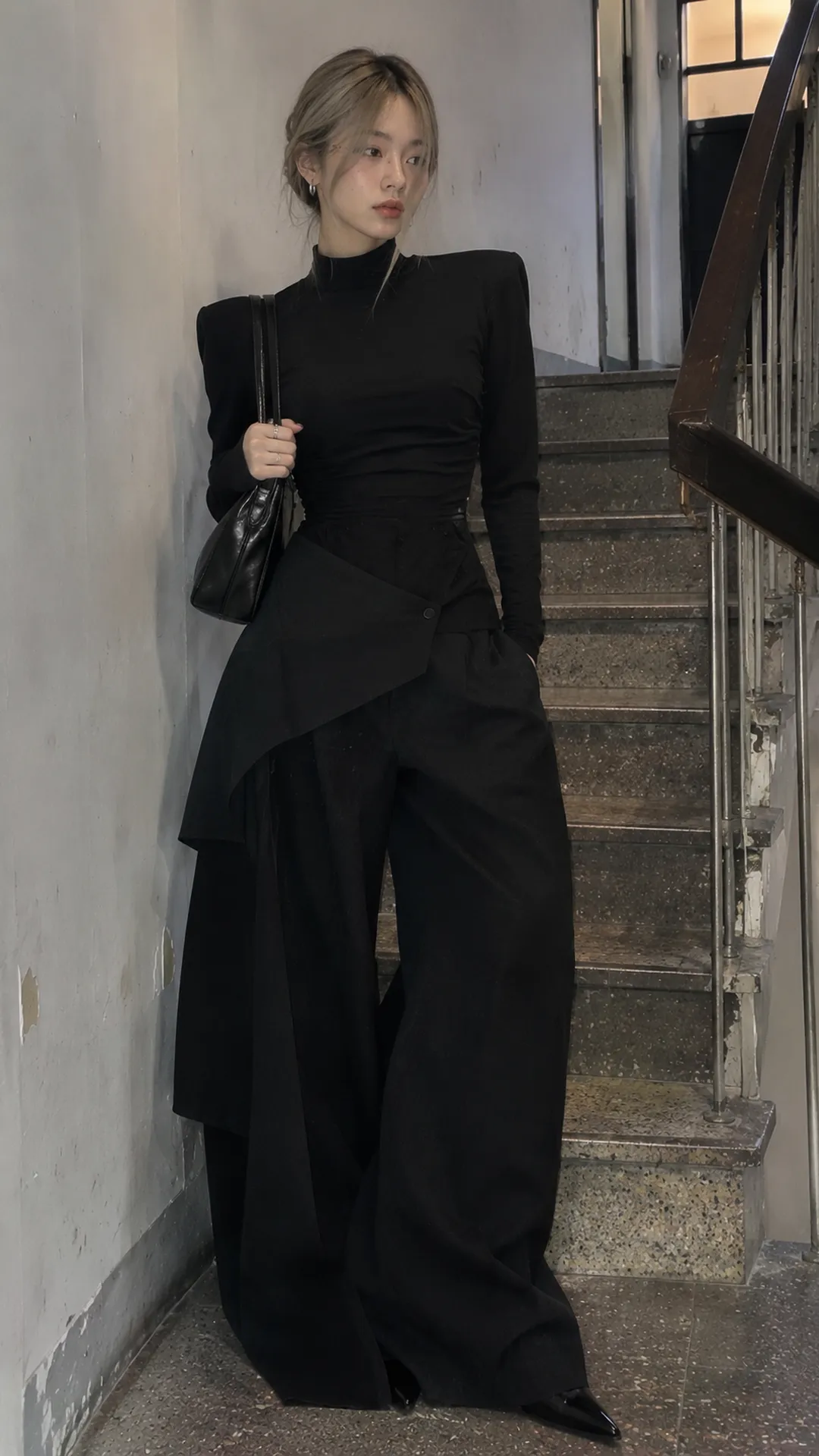
Understanding high fashion does not require liking every design or treating cost as taste. Read context, distinguish designations from descriptions and see how imagery is built. Then choose what to learn, what to appreciate and what belongs in your wardrobe.