

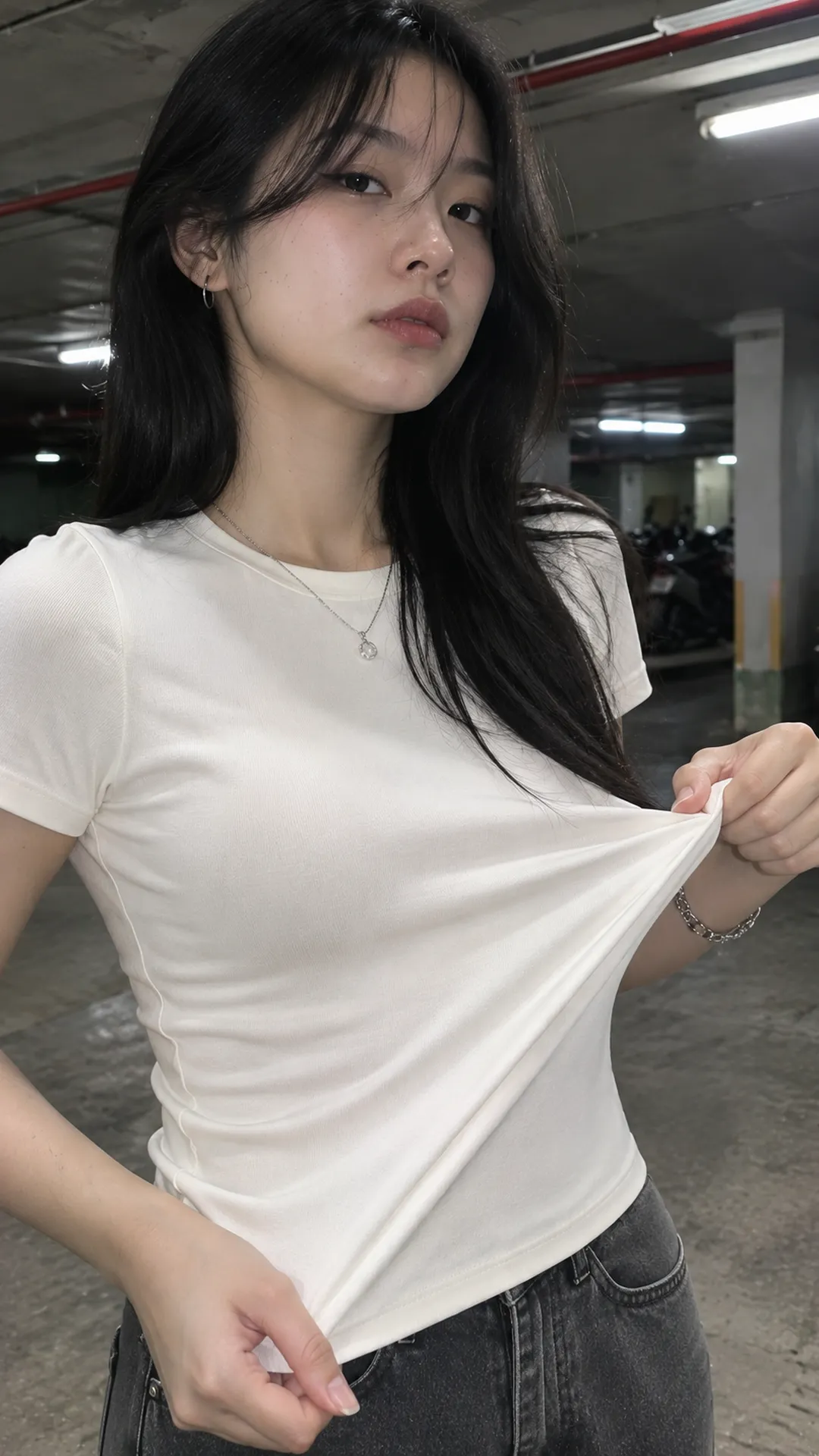
What suppliers mean by Umi fabric
In its overview, PILI describes Umi fabric as a double knit often made with rayon or viscose, polyester, and spandex. This describes the fabric covered by that source. Products sold as Umi can have different compositions.
If a listing gives the name Umi without percentages, ask for a photo of the composition label, the details for that product code, and the care instructions. Use those details for the garment you’re buying instead of taking percentages from a general article.
The trade name doesn’t establish where the fabric was made. If “Korean Umi” or “premium Umi” matters to your choice, look for documentation of origin or an explanation of the grade. Check the label, construction, measurements, and return policy for the specific product.
Read the composition separately from the feel
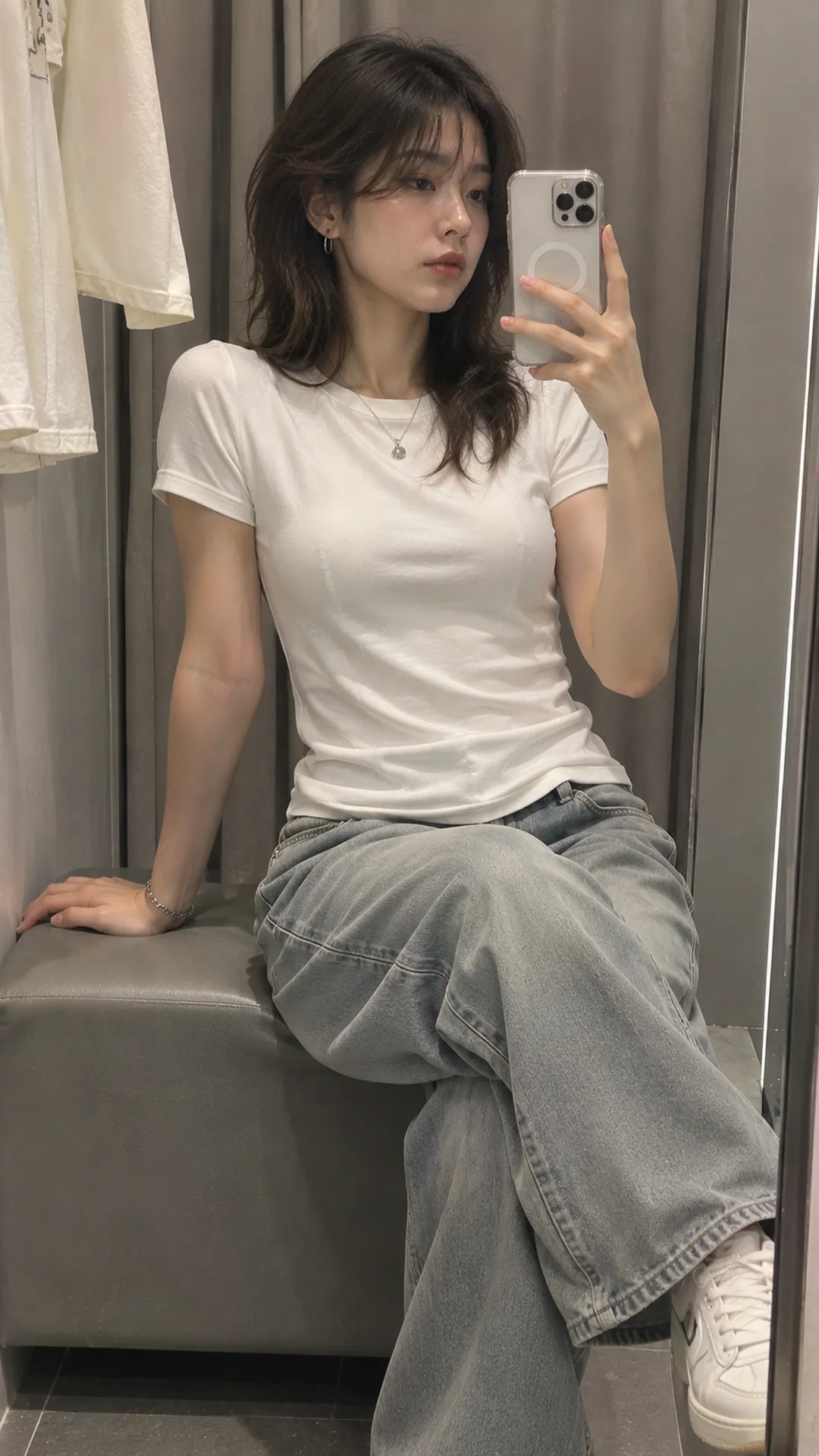
Fiber content tells you what the fabric is made from. Knit construction describes how it is formed. Softness, weight, and smoothness are useful observations, but they won’t identify either detail on their own.
If several fibers are listed, record the percentages and check that the full composition is clear. A fiber highlighted in an advertisement may only make up part of the fabric.
Stretch also depends on construction, thickness, and finish. If you can handle a sample, gently stretch a small area in different directions and see how it returns to shape. Avoid pulling it to its limit.
When shopping online, ask whether the label photo is for the exact color and product code or a general illustration. Clarify any differences between listings before ordering. Save the details so you can care for the trousers when they arrive.
Check drape, thickness, and shape retention
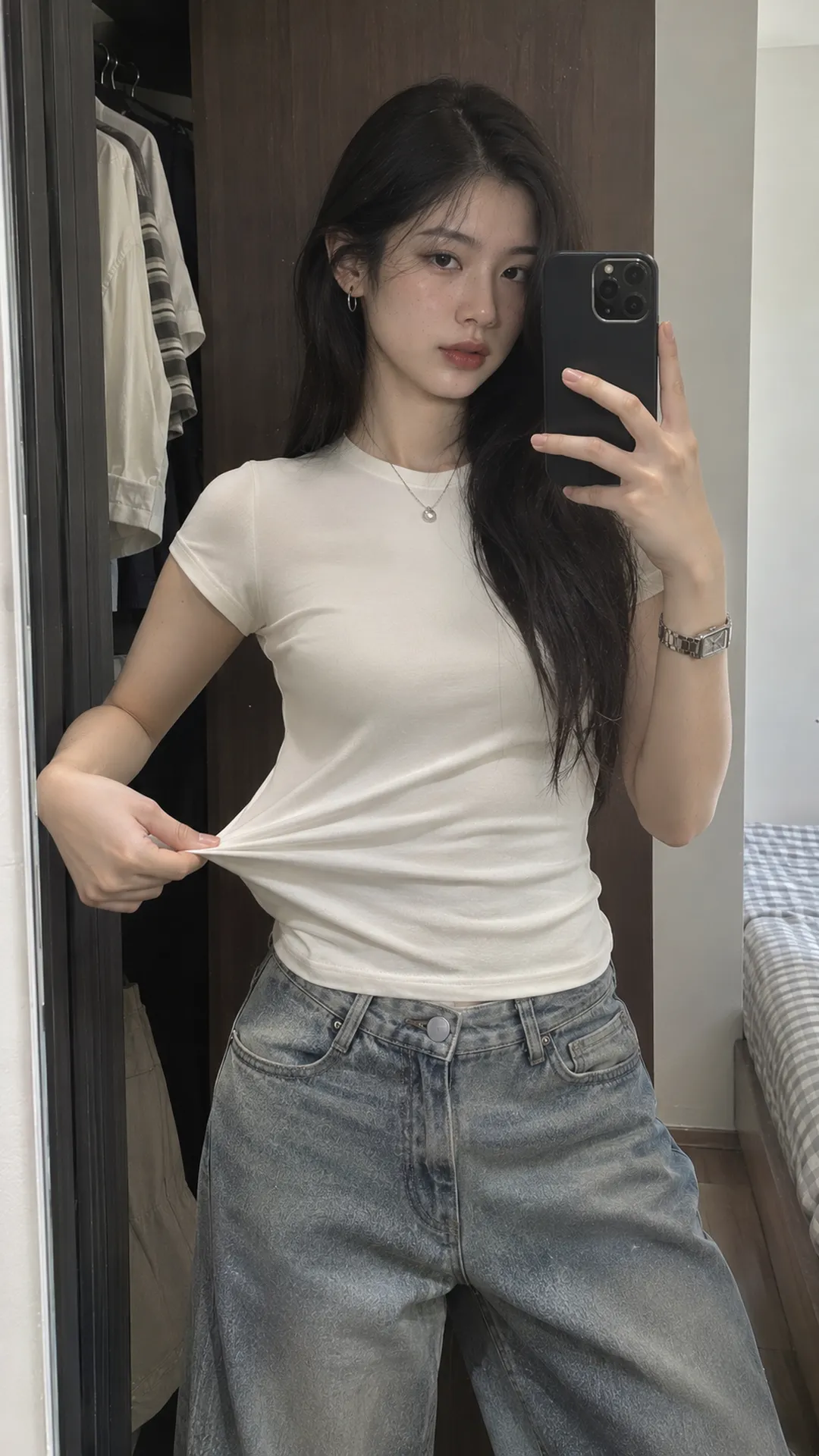
Lift the fabric and let it fall naturally. You may prefer fluid drape in wide-leg trousers or a crisper line in pleated or structured trousers. Compare the drape with the cut you want.
Look at the front and back while the trousers hang. Pulling seams, twisted hems, and visible pocket outlines can change the silhouette. Check the whole garment as well as how a small patch of fabric feels.
Choose thickness for where you’ll wear the trousers. Fabric that holds its shape in a fitting room can feel different when you walk outside. Our guide to wearing black in summer explains how material, fit, and surroundings can affect comfort.
Check stretch and recovery as you move
Fabric that stretches easily can still fit too tightly. Constant tension can change the appearance of pockets, seams, and the surface. Leave enough room for your daily movements as well as fastening the waistband.
Sit, stand, and take a few steps. Look at the knees, hips, and rise afterward and notice whether you keep adjusting the trousers. If you’ll sit for much of the day, check that position during the fitting. A short try-on can reveal obvious problems, though it won’t predict every change after repeated wear.
If a listing says four-way stretch, ask how you can check it on the sample and how much the fabric stretches in each direction. Product details and a clear return policy are more useful than an unsupported promise that the fabric will never bag out.
Choose Umi trousers from waist to hem
Start at the waistband. Stand and sit to see whether it rolls, slips, or presses. Check elastic at the tension you’ll wear it. A zip or button should fasten without pulling the front taut or making you hold your stomach in.
Next, check the hips and thighs. Gaping pockets, diagonal pull lines, or obvious tension may point to a size or cut issue. If the waist fits but the thighs are tight, another cut may work better than a larger waist.
Choose straight, wide, or close-fitting legs based on the silhouette you want and the shoes you’ll wear. Our women’s trousers styling guide helps you compare rise, leg shape, and length together.
Check the hems as you walk and sit. A long hem can drag, while one that catches on the leg or shoe can make fabric bunch. If you plan to shorten the trousers, ask about the hem allowance and construction, especially when the leg opening has a special finish.
Check opacity and finish in suitable light
With light colors, try smooth underwear and look from the front, back, and side in a well-lit fitting area. Trousers that look opaque when standing may show more where the fabric stretches when you sit or bend.
If there is a lining, check where it ends and how it moves. A short lining or a visible lining hem can affect the surface. For an unlined pair, assess coverage and the intended design of the garment itself.
Inspect pockets, fastenings, side seams, and places that rub during wear. They can show how well the trousers are finished. Check the evidence and care instructions behind claims that fabric never pills, wrinkles, or fades.
What to ask before ordering online
Ask for the composition and care label, garment measurements, and photos or video showing the fabric in motion. Include the product code, color, and size so the seller can answer for the exact pair.
Ask whether the waist is measured relaxed or stretched, where the hips are measured, and where the length starts. Our online sizing guide shows how to compare with a garment you own. Compare similar cuts and account for differences such as elastic and fixed waistbands.
If information is missing, check the return policy and decide whether the risk is worth it. A model’s weight alone won’t tell you what size to choose. Height, proportions, rise, and how the trousers are worn can change the fit.
Style the trousers according to how they hang
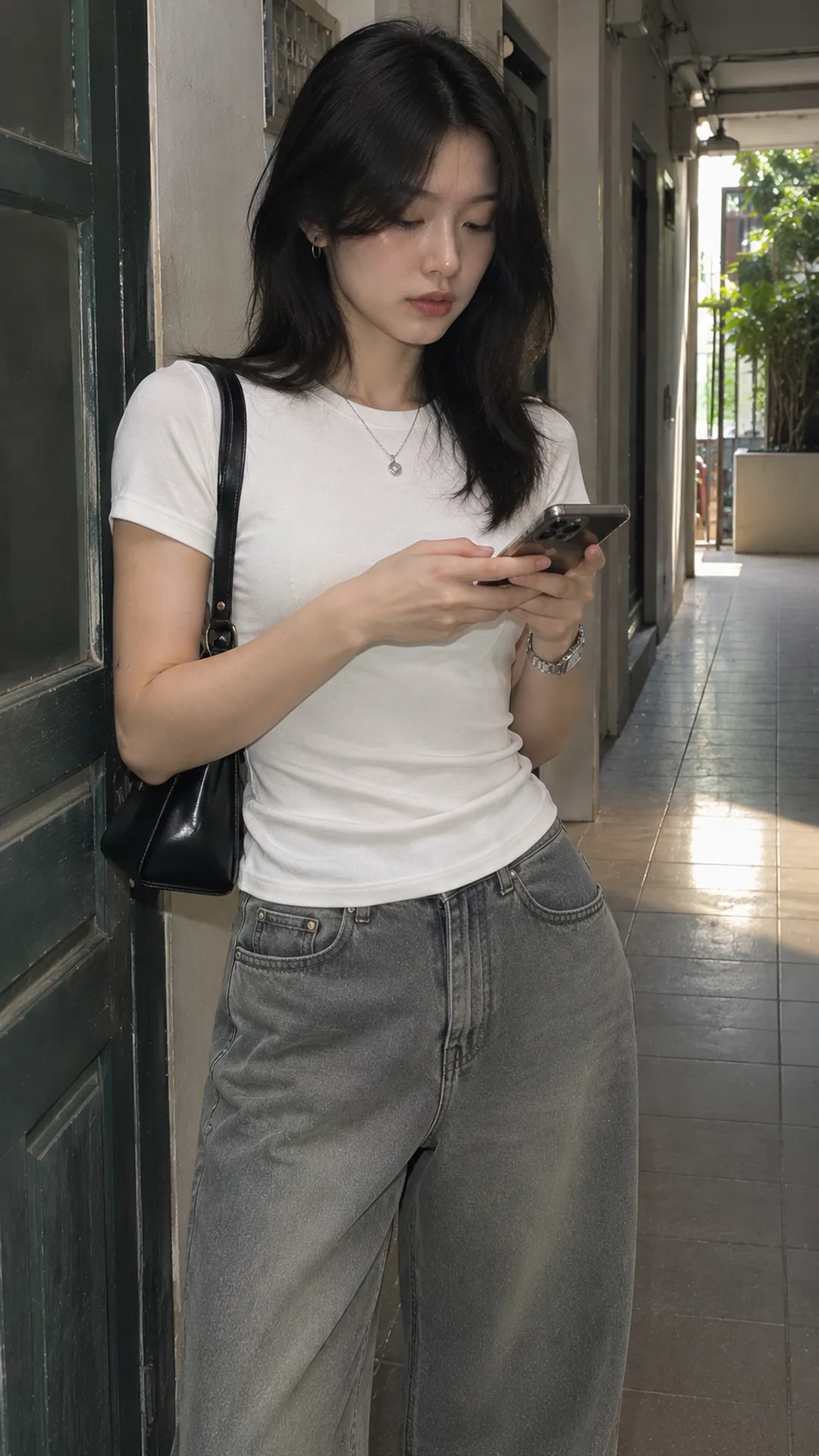
Fluid trousers can contrast with a fitted or structured top. Crisp trousers can go with a softer top if you want a lighter outline. Try the combination on the trousers you own.
When layering, check how much fabric sits at the waist and pockets. A long top and jacket ending at the same point can make the hips look fuller than you want. Our layering guide explains how to choose where each layer ends and what it adds.
Try carrying the items you normally keep in your pockets. A phone or keys can pull on the fabric and change the shape. If the pockets work best with lighter items, carry the rest in a bag.
Follow the care label for the specific garment
Read the washing, drying, and ironing instructions before the first wash. Ask the seller if the label is missing or unclear. Garments sold as Umi can require different temperatures, detergents, or dryer settings.
Check pockets, fastenings, and trim before washing and follow the care instructions. When drying or storing, support the waistband, shoulders, or any part that can stretch under the garment’s weight. If ironing is allowed, check the heat setting and test a hidden spot as directed.
Our guide to sustainable fashion discusses a garment’s life cycle and how often it gets used. When choosing Umi trousers or a top, look for a clear label, a cut that fits, a fabric you find comfortable, and care you can manage.