

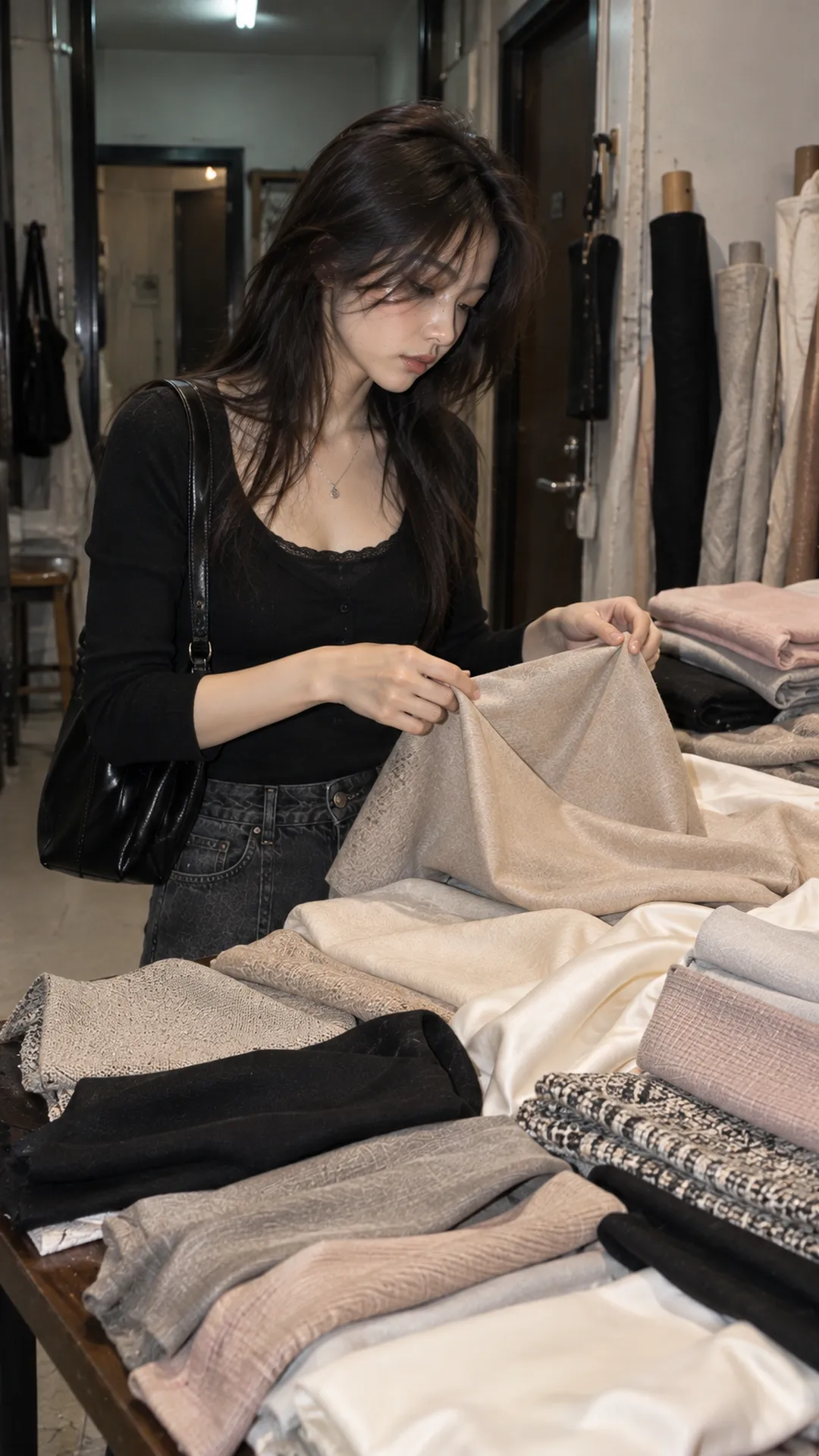
Read fabric names: fiber content differs from construction and surface
Trousers can simultaneously be cotton, twill-woven and khaki-colored. These descriptions do not conflict: cotton identifies fiber, twill identifies construction and khaki identifies color. 'Premium fabric' alone leaves composition and care unknown.
Likewise, satin does not automatically mean silk. A glossy surface can use different fibers. A stretch or knit fabric label also leaves composition open: the top may use cotton, synthetics or a blend. Shine, softness and visible stretch cannot precisely identify material.
The CottonWorks material library includes woven, knitted and blended cotton samples with varied constructions. This shows that fiber name is only part of product information. Compare composition alongside construction and thickness rather than selecting by one prominent label word.
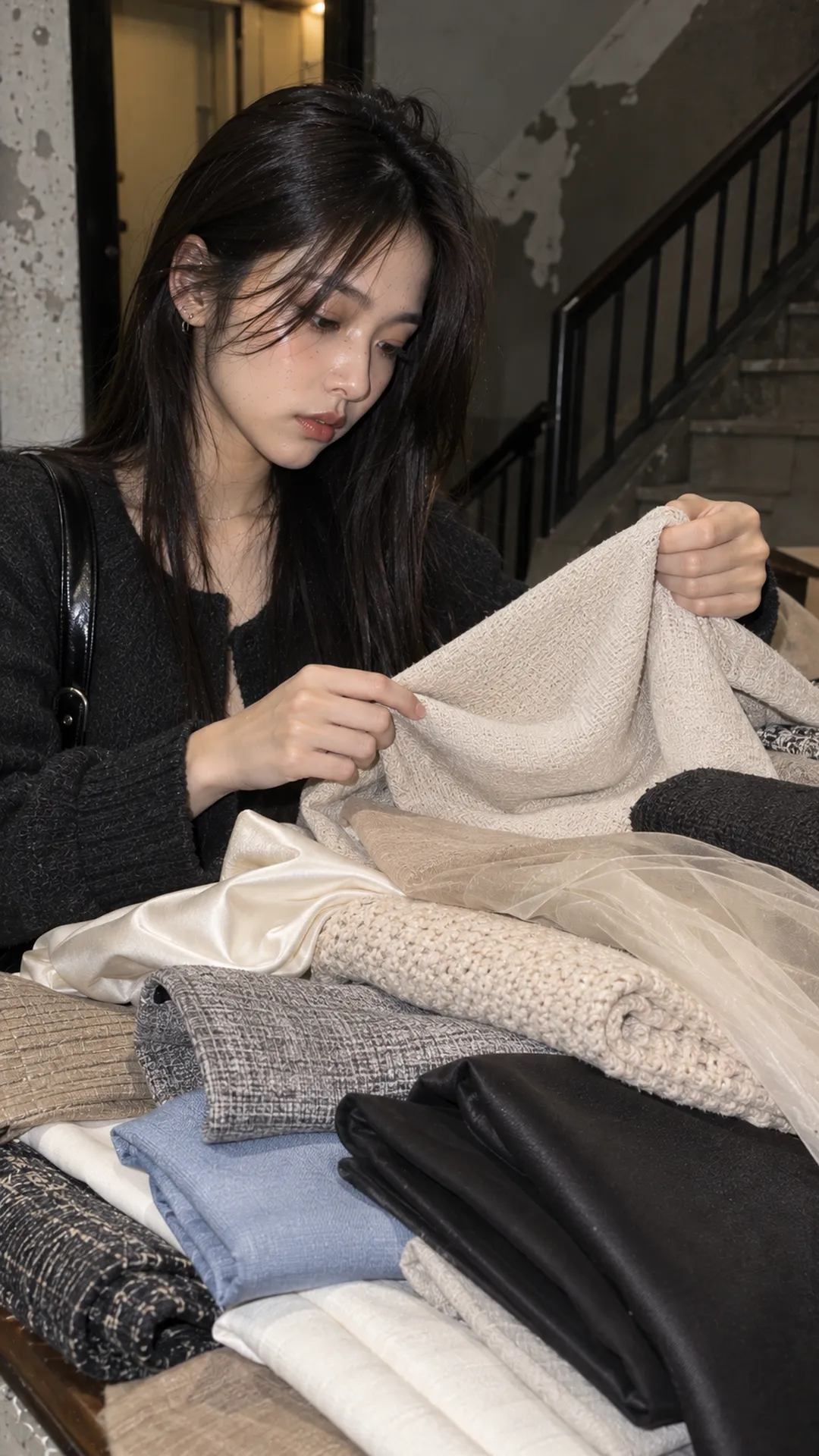
Common clothing fiber groups
Natural fibers: cotton, linen, wool and silk
Cotton comes from cotton plants; linen uses flax; wool and silk are animal-origin fibers. This classifies origin rather than ranking quality. A poorly made garment can remain uncomfortable despite high natural-fiber content, while a suitable blend may meet your needs.
For everyday cotton tops, check structure, transparency and shape recovery after gentle stretching. With linen, decide whether you like the actual surface and natural wrinkles. If you do not want to iron, do not buy solely from a carefully pressed product photo.
Test wool at the neck and wrists for contact comfort and read its washing label. For advertised silk fabrics, ask whether the listed content is actually silk. Trade names, softness and price cannot establish silk percentage; seek specific product information.
Synthetic and regenerated cellulose fibers
Polyester and nylon are common synthetics. Viscose, modal and lyocell are regenerated cellulose fibers. Grouping everything as man-made can obscure construction and processing differences. Retaining exact fiber names is more useful than assuming all manufactured fibers are stuffy or easy-care.
For activewear, do not choose by polyester percentage alone. Check the intended activity, friction against skin, seam placement and manufacturer care guidance. A fashion top and workout top sharing a fiber name need not perform alike.
Blends: read percentages before judging
Blends combine two or more components. Cotton/polyester or cotton/elastane identifies a combination, but percentages provide more detail. Elastane commonly appears where stretch is needed, yet movement also depends on cut. Stretch fiber cannot fix a too-short rise or insufficient thigh room.
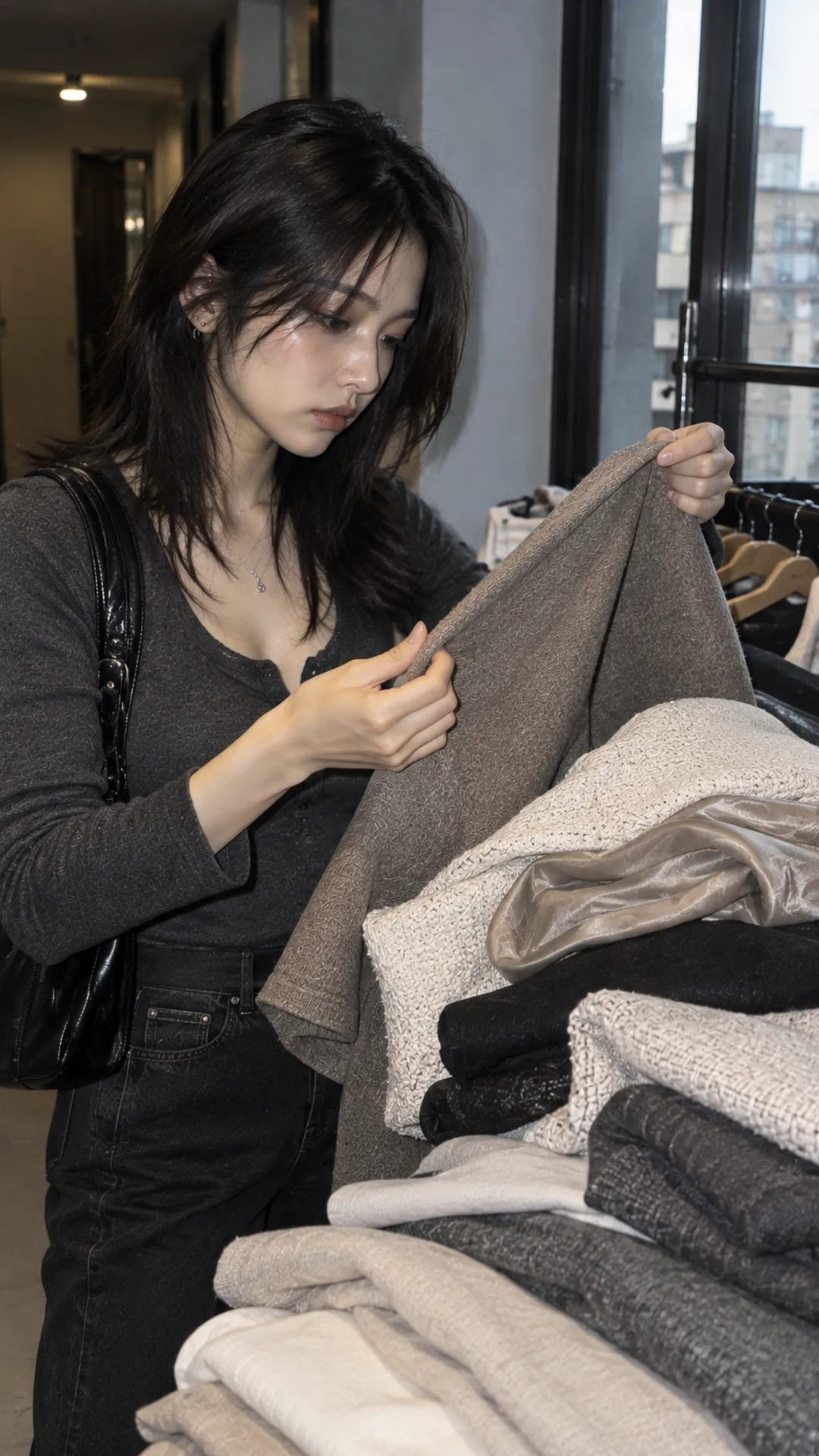
Fabric names to read alongside the composition label
Denim is recognizable through the characteristic surface and construction of jeans, but varies in thickness, softness and stretch. Check knee tension while seated, leg drape and suitability for your wearing time. Denim does not predetermine stiffness or softness.
Poplin, twill and satin commonly describe woven constructions; jersey and rib commonly describe knits. If you cannot remember every term, ask simple questions: structured or draping, stretchy or not, lined or unlined, and what does the composition label say? Specific answers beat a long list of names.
Sweatshirt and fleece categories need an inside check too. Looped interiors differ from brushed surfaces, and garments vary in thickness and lining. For a hoodie in air conditioning, test neck, armholes and wrists during extended sitting. Not every such fabric is only for cold weather or too warm indoors.
For lace, chiffon and sheer surfaces, assess lining with the outer fabric. A dress looking light in photos may have thick, close-fitting lining. A thin unlined top may require an underlayer, changing comfort and the outfit's total cost.
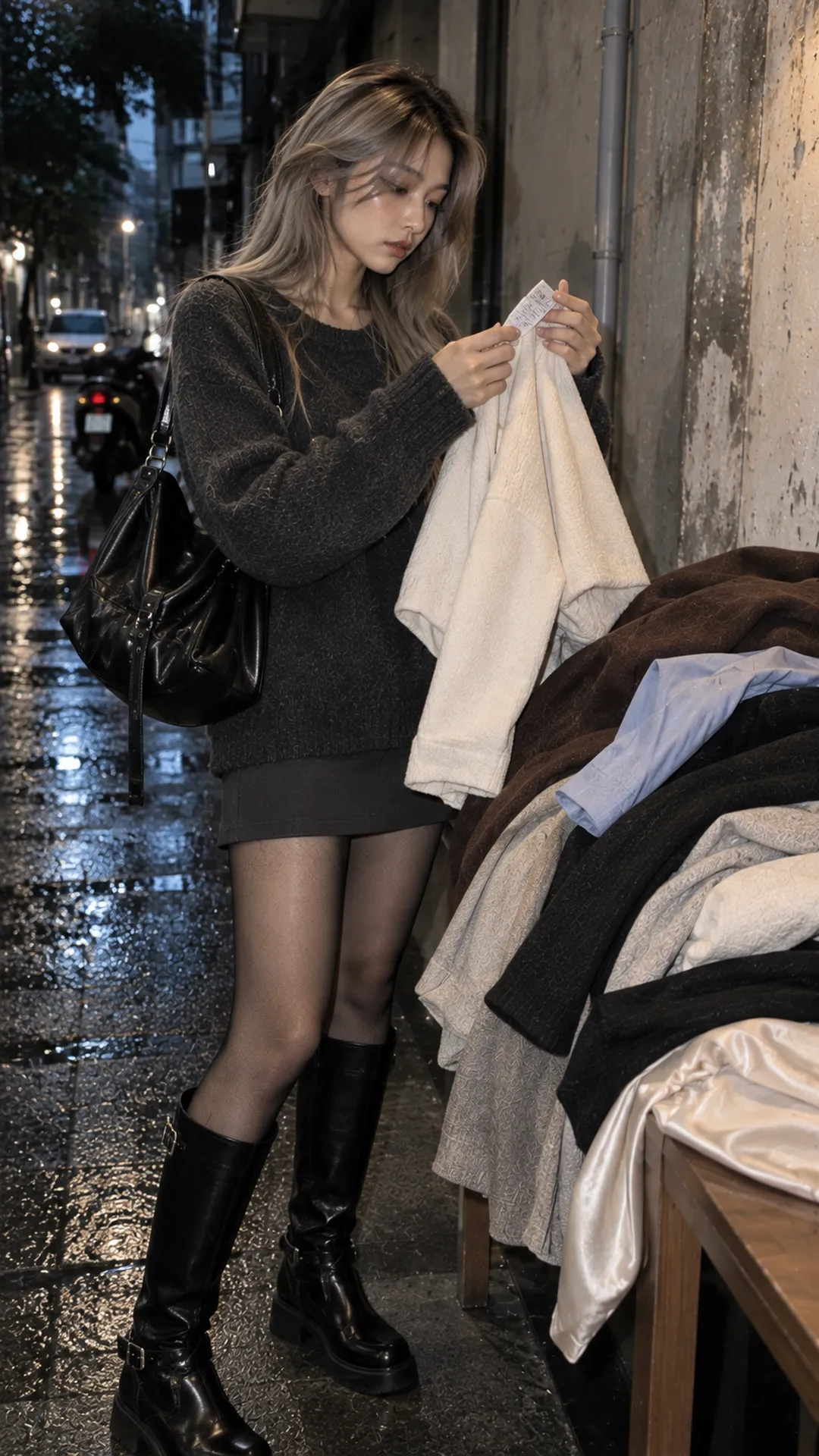
Choose fabric for what you will actually do
School or work: check while seated
Prioritize a top that does not pull at the shoulders when reaching and trousers that do not compress the stomach while seated. Lean back and stand to assess acceptable shirt wrinkles. With pale trousers, check pocket bags and transparency in good light. These tests relate directly to a day of wear.
For moving between outdoors and air conditioning, a removable outer layer can offer more flexibility than an overly thick entire outfit. See women's layering by length and fabric to assign each layer a role rather than adding clothing just for an image.
Hot-day outings: examine cut and lining together
Compare two dresses by total layers, closeness and openings at neck, sleeves and hem. A longer but roomy dress may be easier to wear than a short, tight, fully lined one. Light colors are not compulsory; choosing fabrics for black summer outfits separately explains color, construction and fit.
Occasions: assess fabric in motion
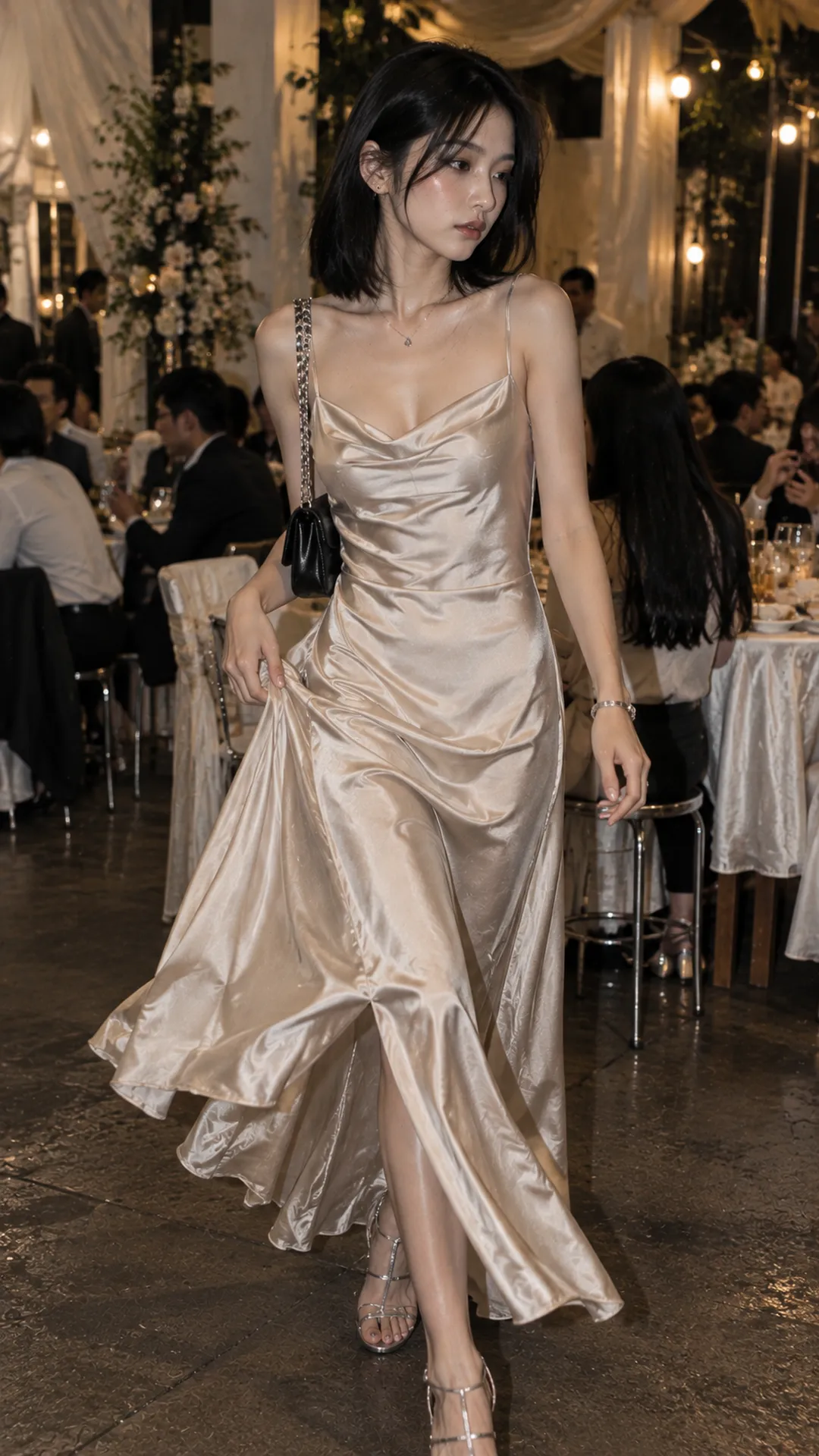
Check satin or shiny surfaces in both direct and soft light. Stomach tension, puckered seams or bunched lining may become more evident in movement. Draping fabric gives soft lines; firmer fabric holds volume. Choose for a fitted, flared or straight shape rather than declaring one inherently more luxurious.
Five checks before buying
- Read the label: note composition, care and lining information. If an online description differs from the label, ask before paying.
- Look in the light: check transparency and actual color. Place suitable underwear behind the fabric if needed when evaluating light trousers or skirts.
- Gently fold a corner: observe creasing and recovery without pulling hard or damaging merchandise.
- Test movement: sit, take a longer step, raise your arms and bend. Notice tension points rather than only the standing silhouette.
- Inspect the inside: check seams, lining joins, zippers and skin-contact areas. An attractive surface cannot compensate for irritating seams.
Online, request surface close-ups and movement video if information is unclear. A professional test is unnecessary; ordinary footage can show structure or drape. It cannot verify fiber content, however, so rely on labeling and trustworthy descriptions for that.
Record a comfortable garment's measurements and composition as a future reference, not a guarantee. Identical fiber percentages can still have different constructions. The online clothing sizing guide combines fabric information with dimensions instead of relying only on size names.
Care and buying for long-term use
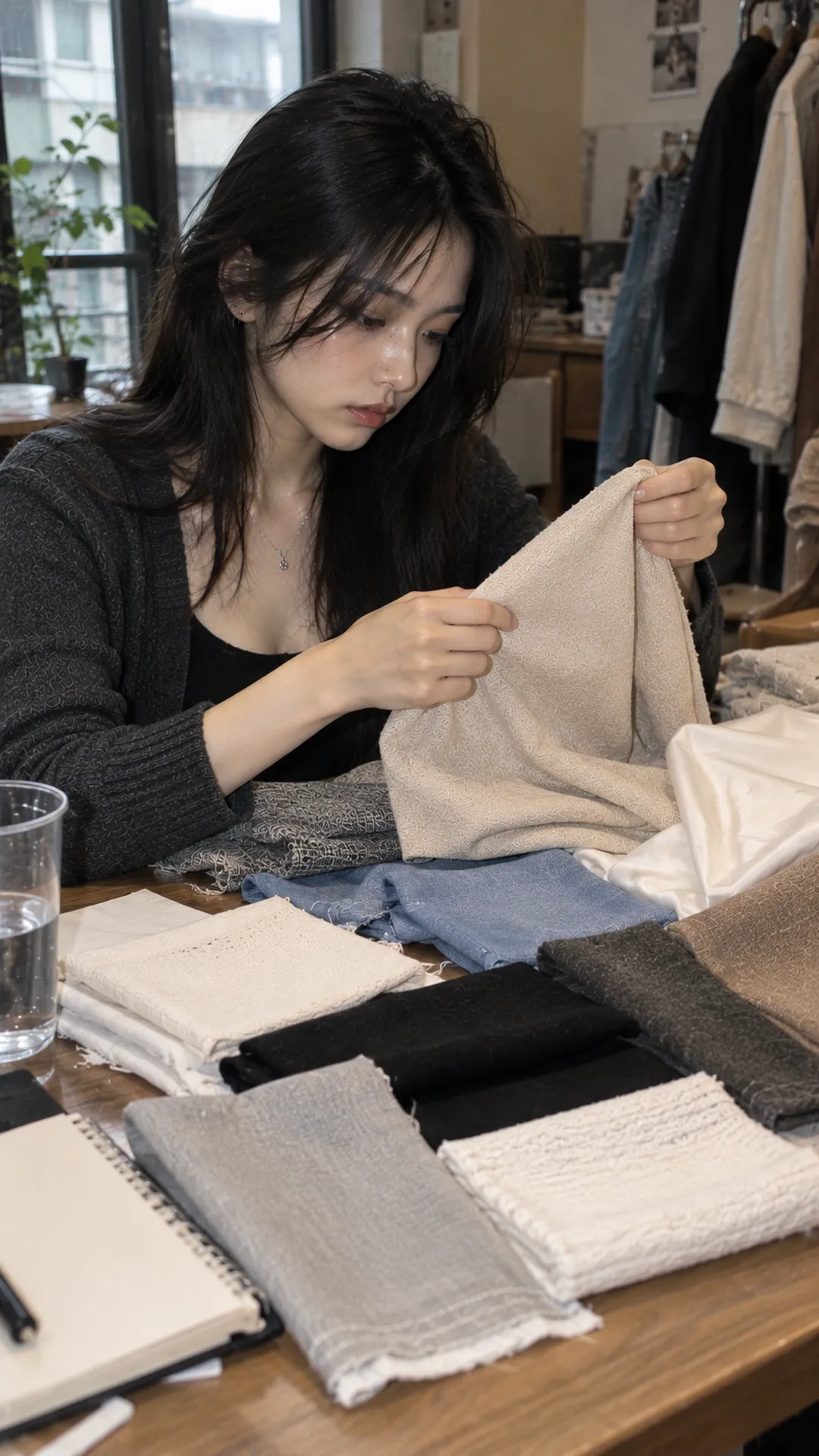
Before buying, consider whether you can wash and dry it appropriately. A beautiful top with care beyond your habits may get little use. Read its specific temperatures and washing, drying and ironing methods; do not use one formula for everything sharing a fabric name.
Distinguish stains, odors and wrinkles to address the actual issue. Do not scrub every surface, particularly decoration, coatings or delicate constructions. Follow specialized label requirements. Test a cleaning product in a concealed area only when compatible with manufacturer recommendations.
Repeat wear matters as much as composition. Trousers working with three existing tops are more useful than an appealingly named fabric unsuited to your life. The sustainable fashion guide expands the lifecycle perspective; natural fibers alone do not establish sustainability.
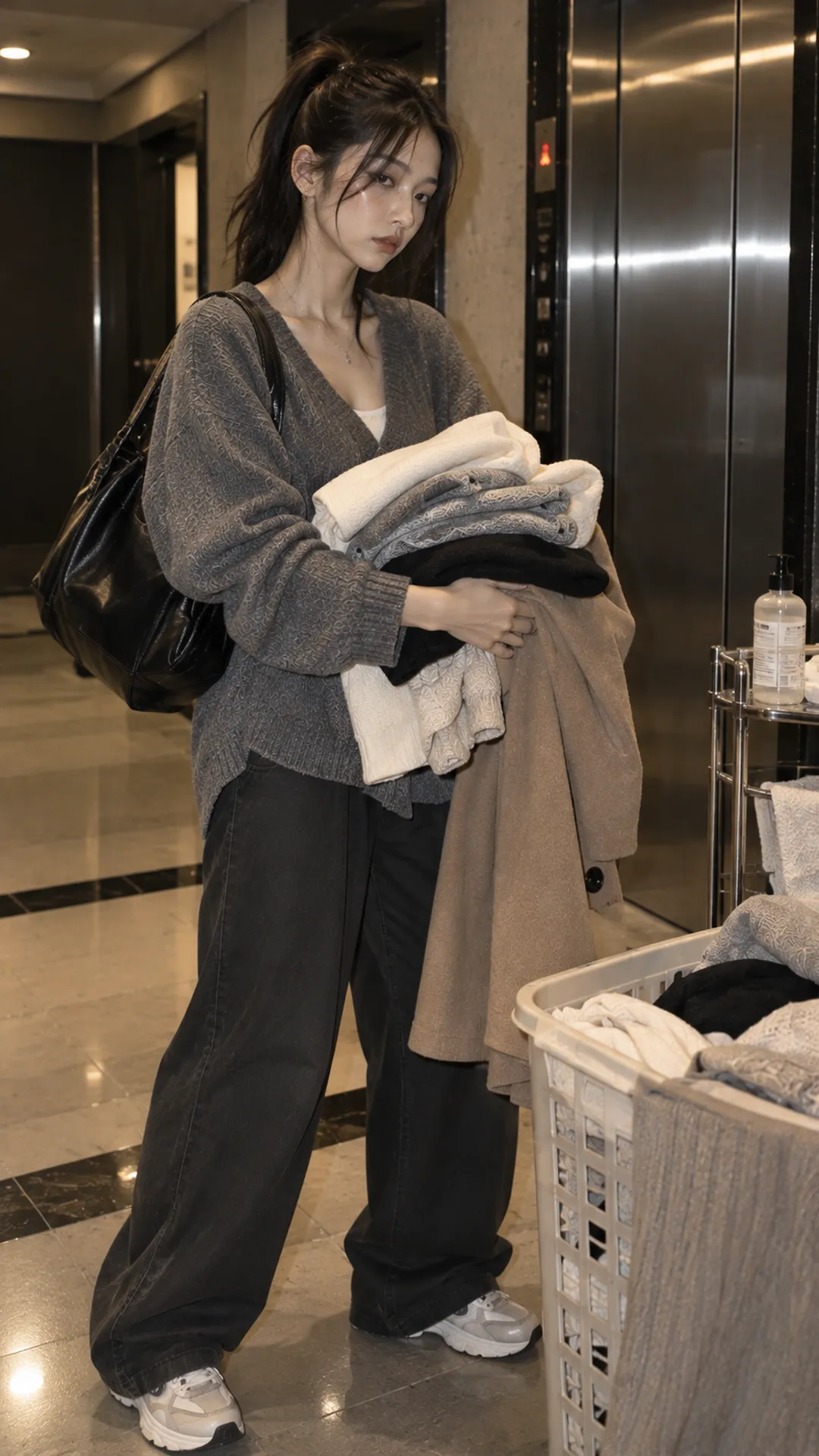
Before the next purchase, settle three requirements: setting, desired structure or drape, and achievable care. Then compare composition, fit and finish. This turns fabric knowledge into suitable choices rather than a need to memorize every market name.