

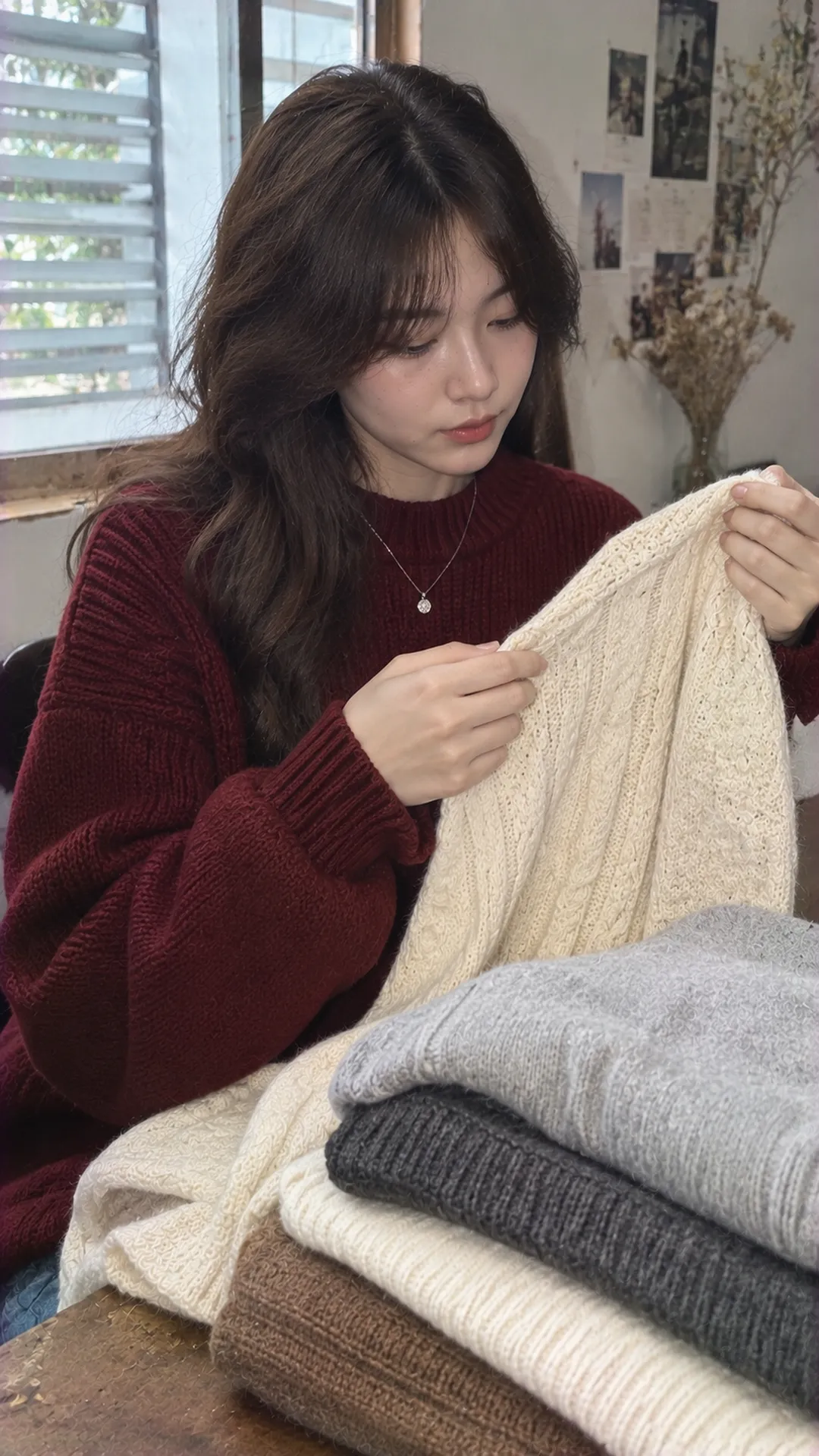
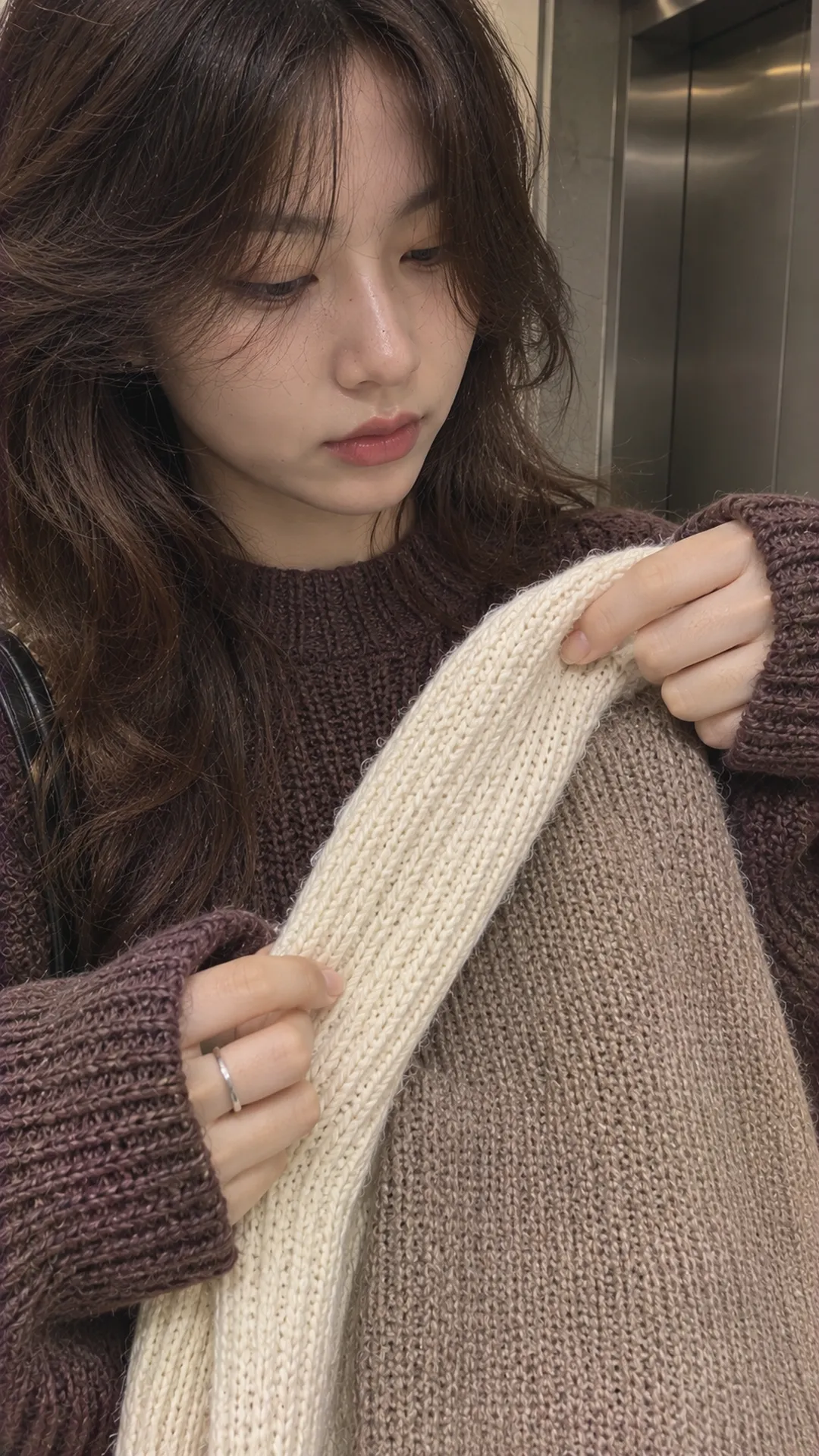
Distinguish fiber, fabric, and product names
Fibers are the raw material for fabric. The construction determines how the yarns come together. A knitted top can contain wool, cotton, acrylic, or several fibers. Visible stitches alone don’t establish that it’s made from sheep’s wool.
The Vietnamese term “áo len” can refer to knitted tops with many different fiber contents. Ask what fibers the piece contains and in what proportions. That information makes it easier to compare garments and understand their care instructions.
For example, a sweater labeled 30% wool and 70% acrylic has a different composition from one labeled 100% wool. Those figures alone can’t tell you which sweater feels softer or warmer in every setting. Look at the structure, thickness, and how you’ll wear it too.
Wool and Merino: Understand what the names mean
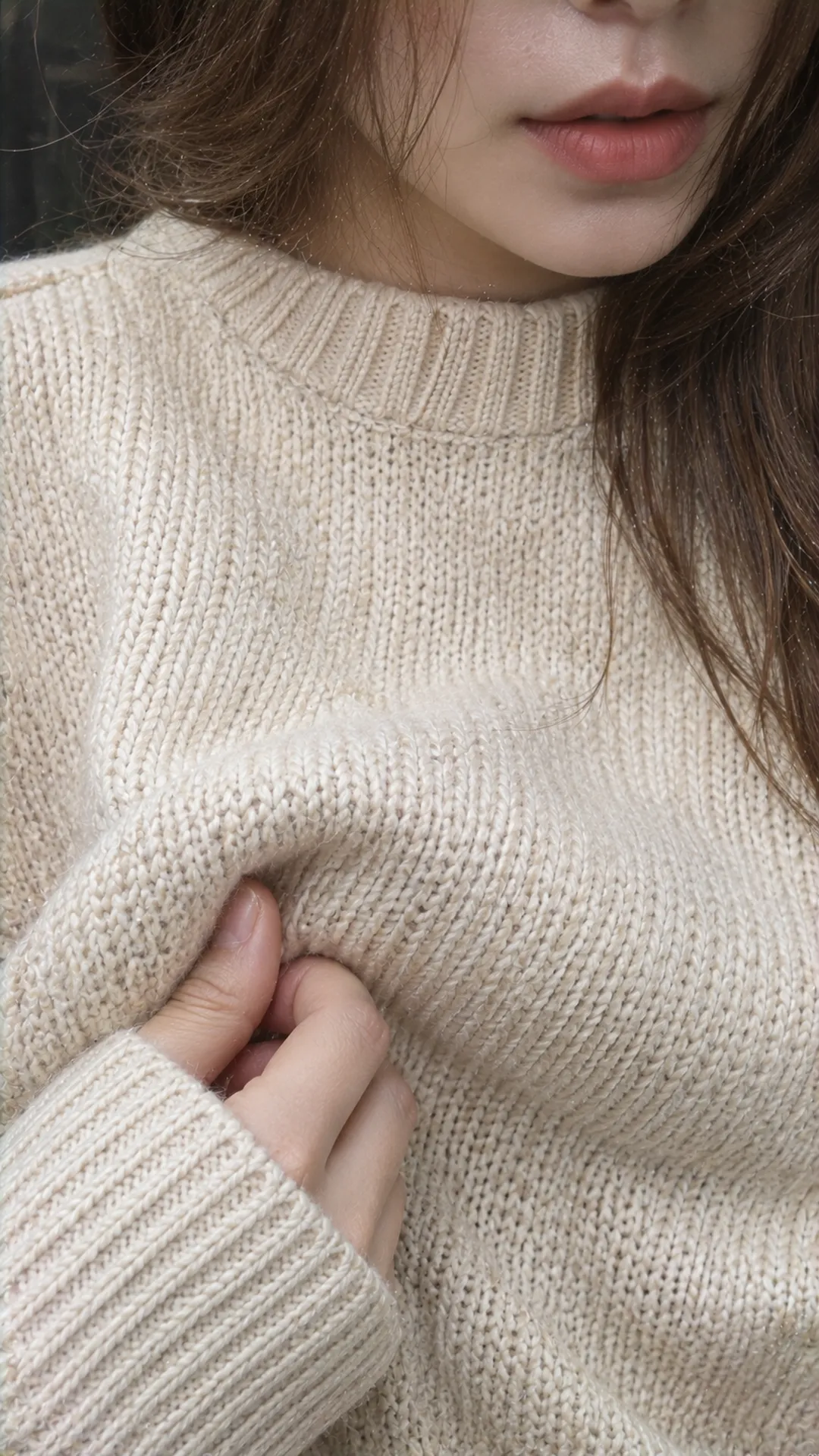
Woolmark explains that Merino comes from Merino sheep. It uses fiber diameter to distinguish finer wool from coarser grades. Fineness can influence feel and suitability for different uses, but the Merino name alone won’t tell you how the finished garment is built or how thick it is.
If you’ll wear the garment next to your skin, try it where it will actually touch you if the shop allows it. Fabric can feel different on the neck or arms than it does in your hand. Trust how the garment feels on you even if the fiber is described as soft.
For an outer layer, you may want a different amount of structure or drape. Read the composition and check the shoulders, neckline, and hem. Two wool garments can suit quite different roles in your wardrobe.
Cashmere: Check the actual percentage
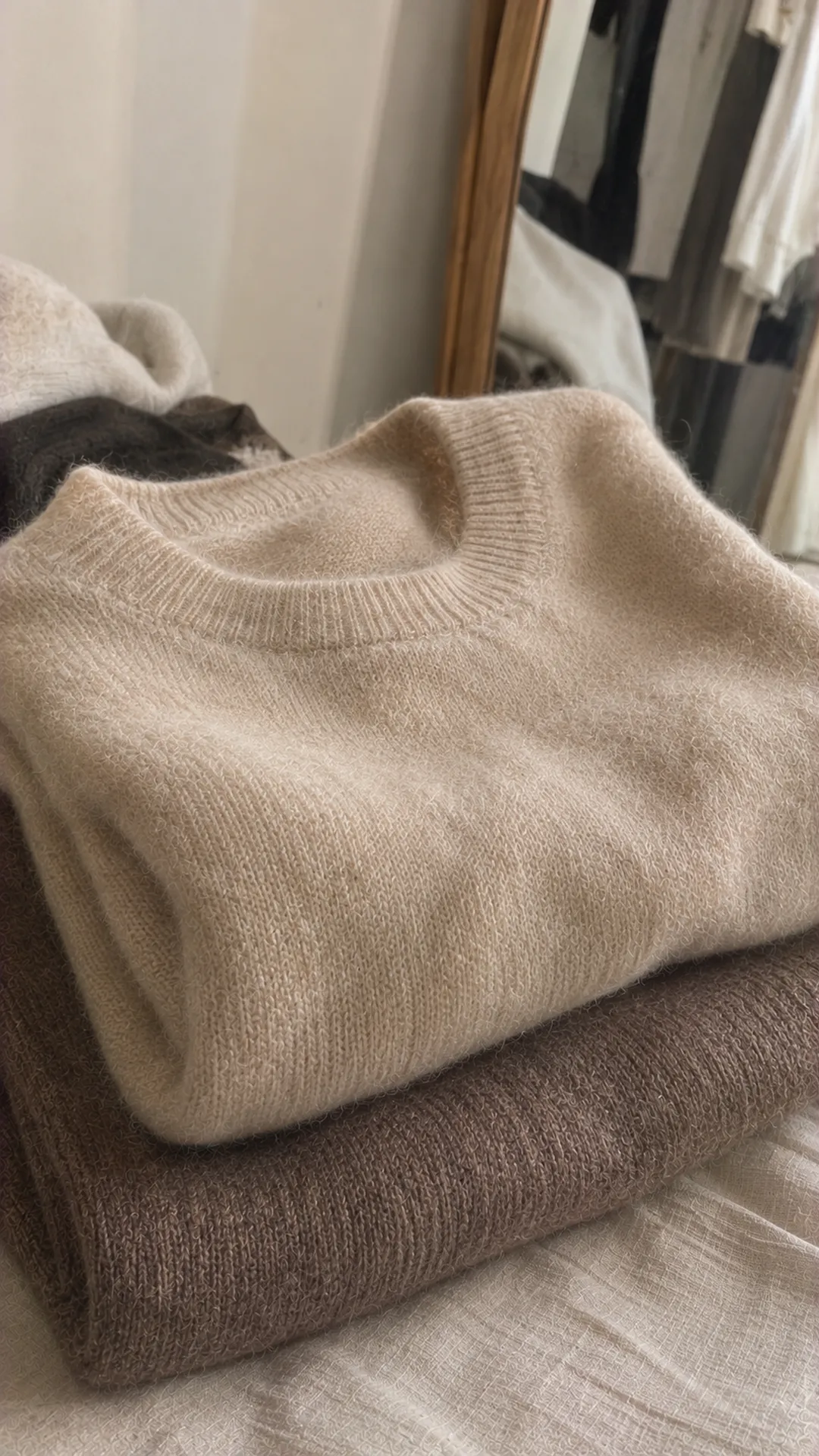
Cashmere comes from cashmere goats. If a product name mentions cashmere, check the composition label to see whether it’s all cashmere or a blend. “Cashmere blend” alone doesn’t tell you the percentage.
The U.S. Federal Trade Commission’s guide to cashmere distinguishes the marketing term “pashmina” from fiber content and gives examples of cashmere and silk blends. The guide helps clarify the terminology. Labeling requirements can differ between the United States and Vietnam.
Check whether the garment gives you the weight, coverage, and shape you want. A thin piece may layer easily under a jacket, while a thicker one takes up more room. Price and cashmere content alone won’t tell you how well it holds its shape, how readily it pills, or how to wash it.
Alpaca and mohair come from different animals
Alpaca
The Alpaca Owners Association describes alpaca as an animal protein fiber and distinguishes Huacaya and Suri alpacas. Fiber properties can vary by type and grade, so garments labeled alpaca can differ in softness and warmth.
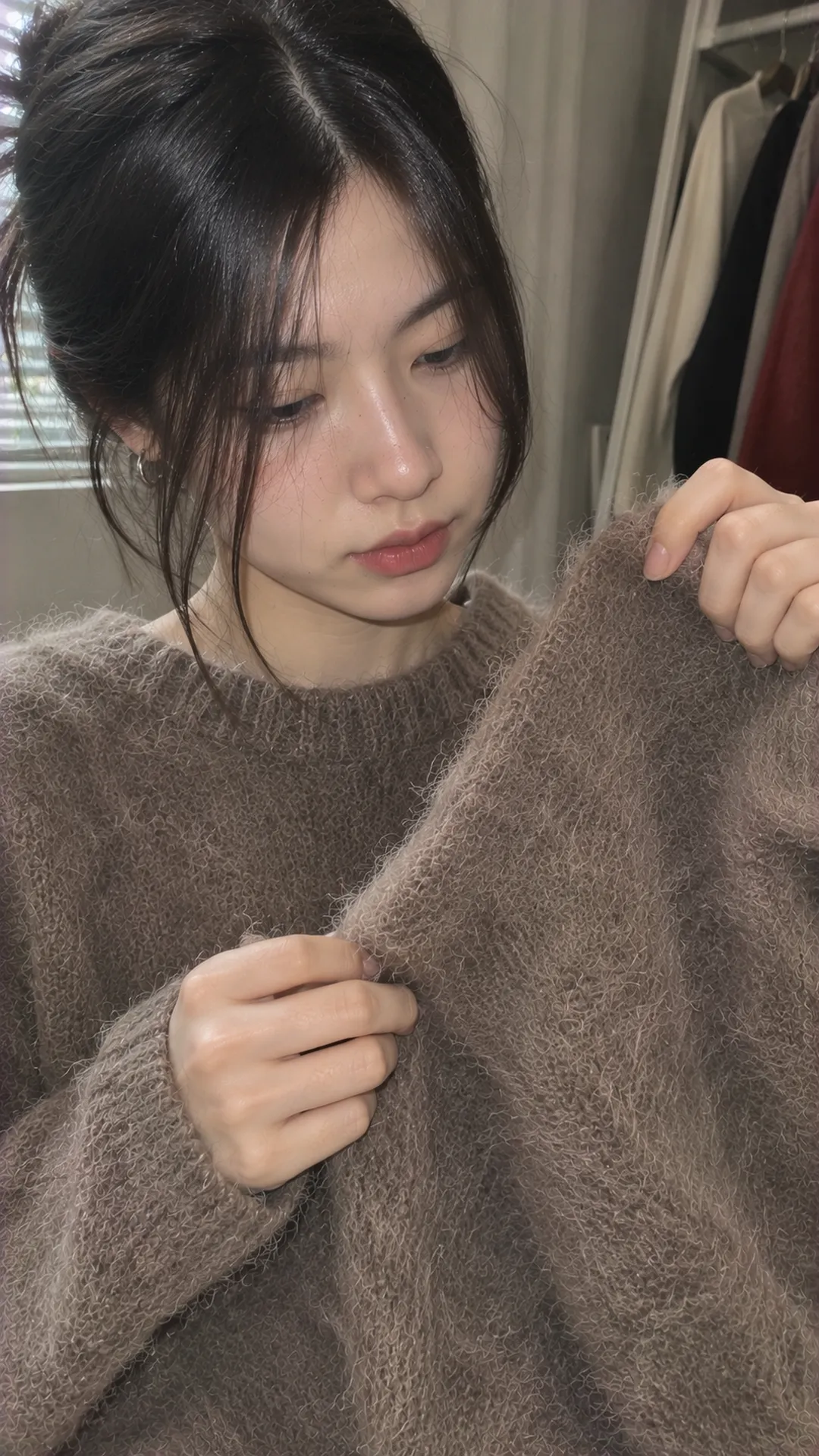
Check the alpaca percentage, fabric construction, and lining if present. A fluffy surface can behave differently from a smooth one. If you like a raised texture, try the garment with your usual bag and outer layer to see whether it catches on anything.
Mohair
According to Mohair South Africa, mohair comes from Angora goats. It can be finished to create a fluffy appearance. The source and finish are separate details. A fuzzy surface alone won’t establish that a garment contains mohair.
For a garment with a raised pile, think about how you’ll wear it: with a structured bag, under a close-fitting jacket, or as an outer layer. Read the label and try it on to see how the texture fits your routine.
Blends, acrylic, and cotton in garments sold as knitwear
Acrylic and polyester are synthetic fibers. Cotton comes from a plant. All can appear in knitwear with or without wool. If you want wool specifically, check the composition rather than relying on softness, stitch shape, or the product name.
Judge blends by their proportions, intended use, and how the actual piece feels. A change in fiber content can affect price, texture, and care, but check what the maker says about the garment before drawing conclusions about how it will perform.
Compare the same things across garments. Which one feels comfortable against your skin? Which holds the shape you want? Which has care instructions you can follow? A soft hand is one factor alongside the seams and fit.
What to ask about “velvet wool”
A listing that says “velvet wool” may be describing the feel or surface. Ask for a close-up of both sides, the fiber label, and a description of the fabric construction. You need those details to identify what it contains.
Check whether the seller is referring to finished fabric or yarn for knitting. Similar names can describe products intended for different uses. If you’re buying fabric to sew, ask about width, stretch, and handling. For clothing, check the seams and lining too.
A surface can look lighter or darker as the lighting changes. Ask for unfiltered photos or a short video from several angles if that matters to you. Color and texture on a screen don’t establish fiber content or warmth.
Compare warmth across the whole garment
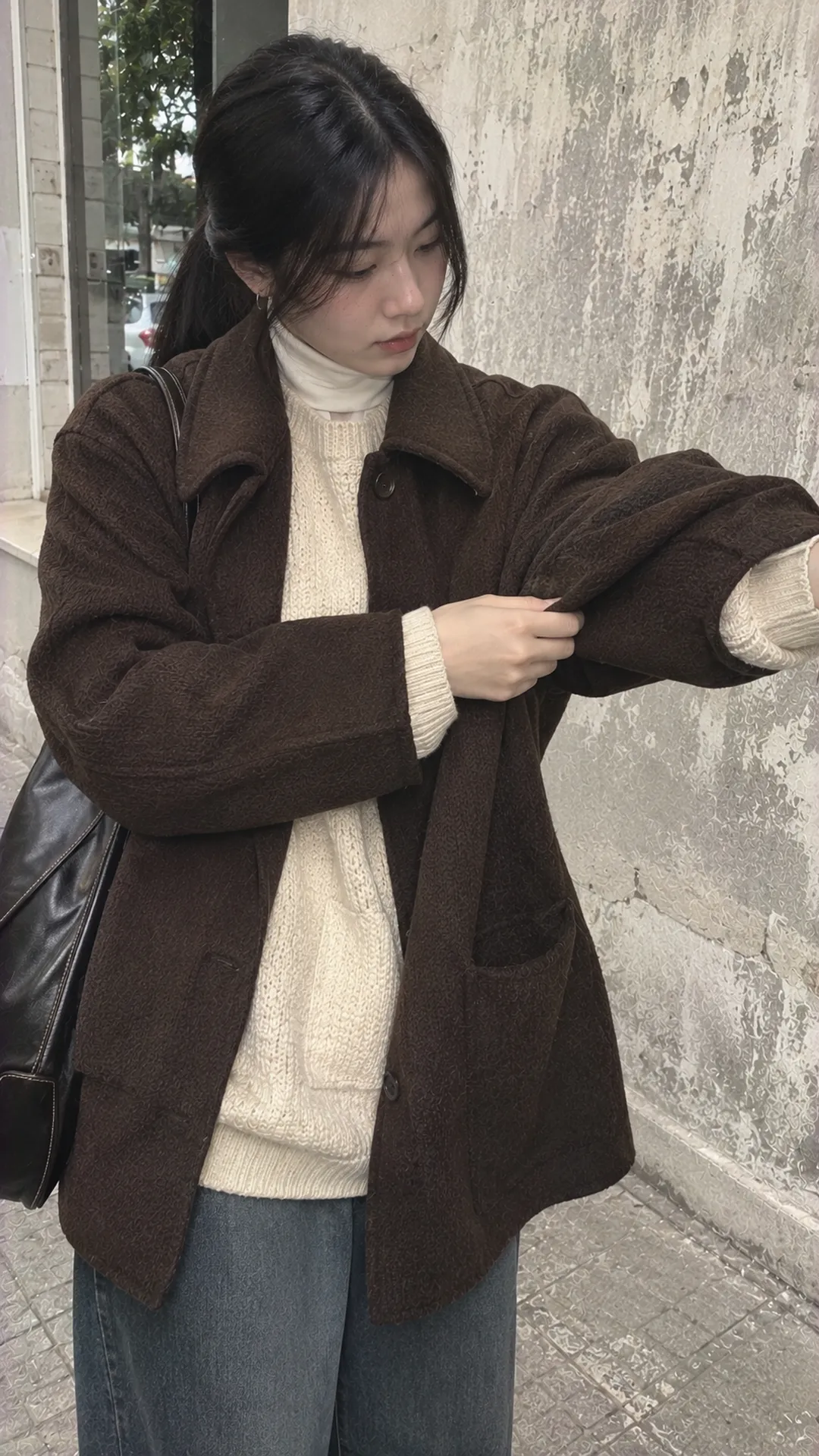
Compare two garments under similar conditions. Will you wear them on their own or under a coat? Indoors or outdoors? Mostly sitting or moving? A thin knit indoors gives you little basis for judging how a thick garment feels outdoors in the wind.
Look at thickness, fabric density, gaps at the neck and cuffs, and room in the fit. If layers are tight at the shoulders or armholes, try another combination. Choose layers that suit the activity as well as the temperature.
Our guide to layering women’s outfits shows how to balance thickness and room to move. Decide whether the wool piece will be a base, middle, or outer layer. A garment that fits a clear role and works with your existing jacket is easier to wear often.
For warm conditions, see our guide to balancing fabric, thickness, and fit in hot weather. A light color can still feel warm in a thick fabric. The cut and construction affect comfort along with the color.
Check fit and read the care label together
Reach forward, sit, and try a jacket over the garment. Check for pulling, rolling, or bunching around the hem. If it stretches, see how it sits after you release it. For online purchases, use our guide to reading size charts and check how the seller measured the garment.
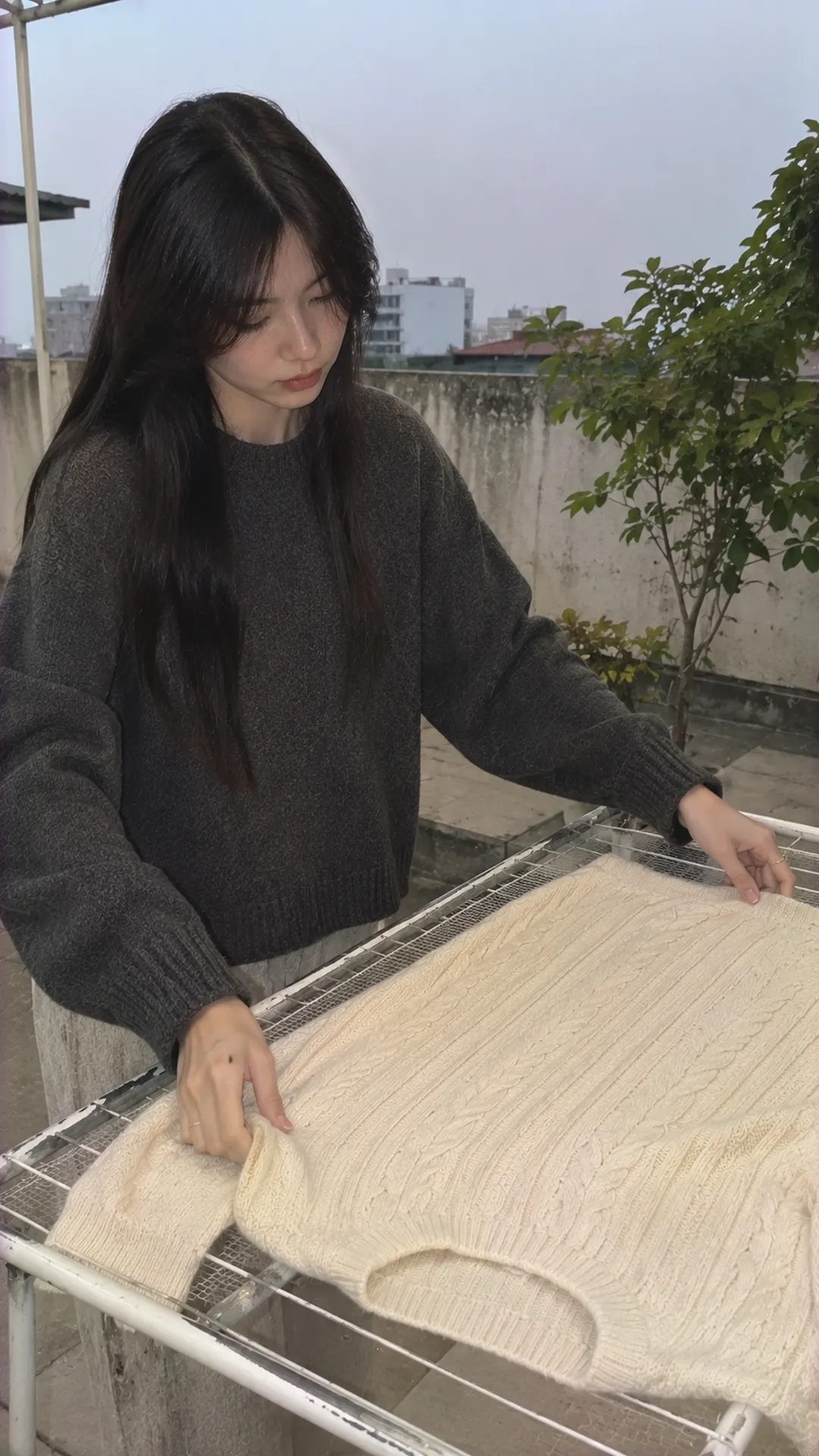
Woolmark’s wool care guide emphasizes reading the garment instructions when choosing between machine and hand washing and discusses drying flat. Wool, cashmere, mohair, and blends can need different care. Start with the label on the garment you own.
If the care routine would be hard to maintain, factor that into the purchase. A piece you’ll rarely wear because it’s hard to care for may be less useful than one you can wash and store easily. Ask about any unclear instructions before paying.
Choose for how often you’ll wear it
Decide where you’ll wear the piece, whether it will touch your skin, and how you want to care for it. Use those answers to narrow down the fabric, then compare color and price. A few garments with distinct uses can cover several settings.
For environmental claims, look at the scope and evidence behind words such as “natural.” Our guide to sustainable fashion considers the full life of a garment. Fiber sourcing, production, time in use, care, and repair all contribute.
Once you’ve chosen a piece, keep a record of the fiber and care labels. They give you something concrete to compare with future purchases. Look for the fabric that suits how you want the garment to feel and how you’ll use it.