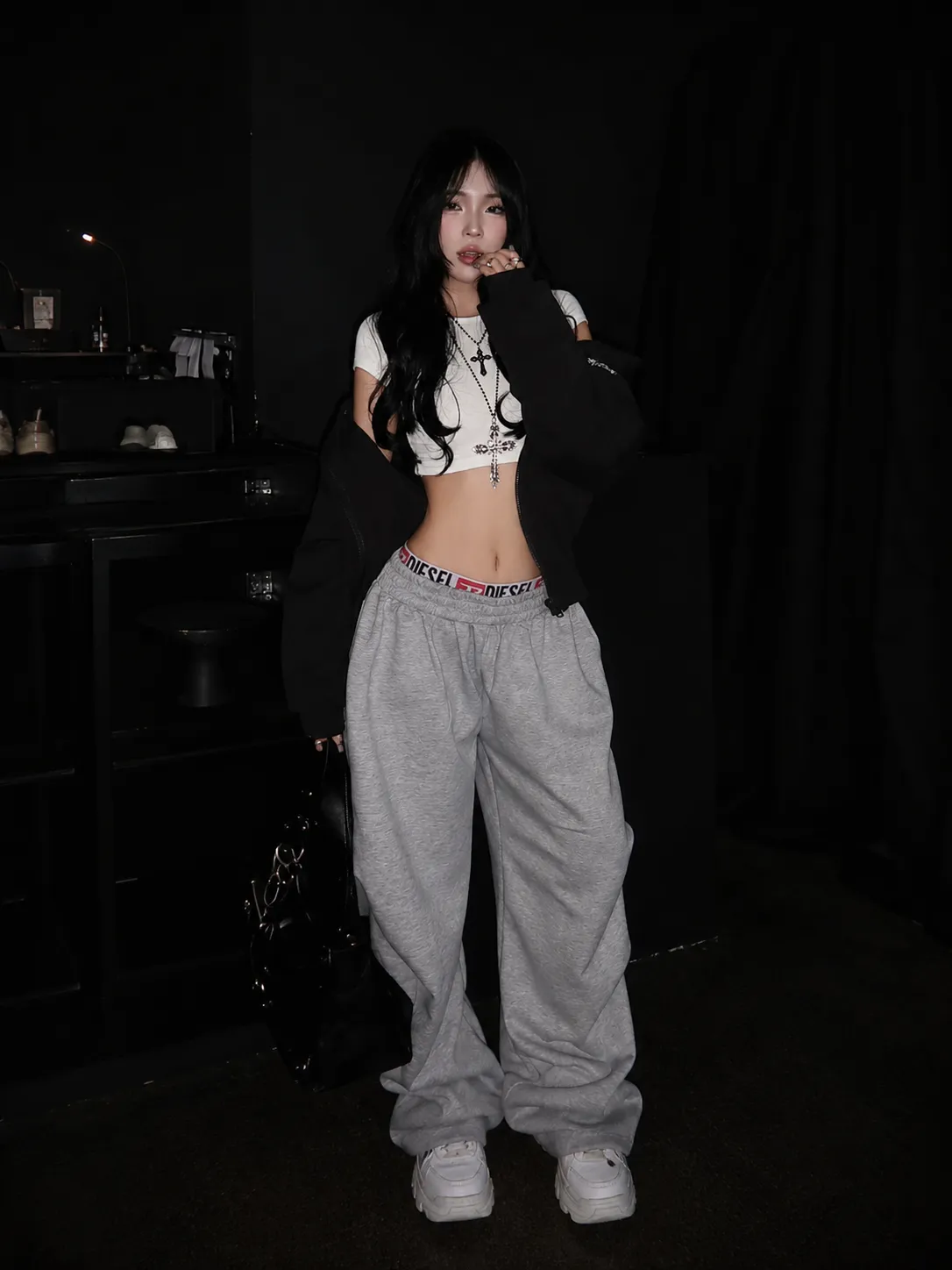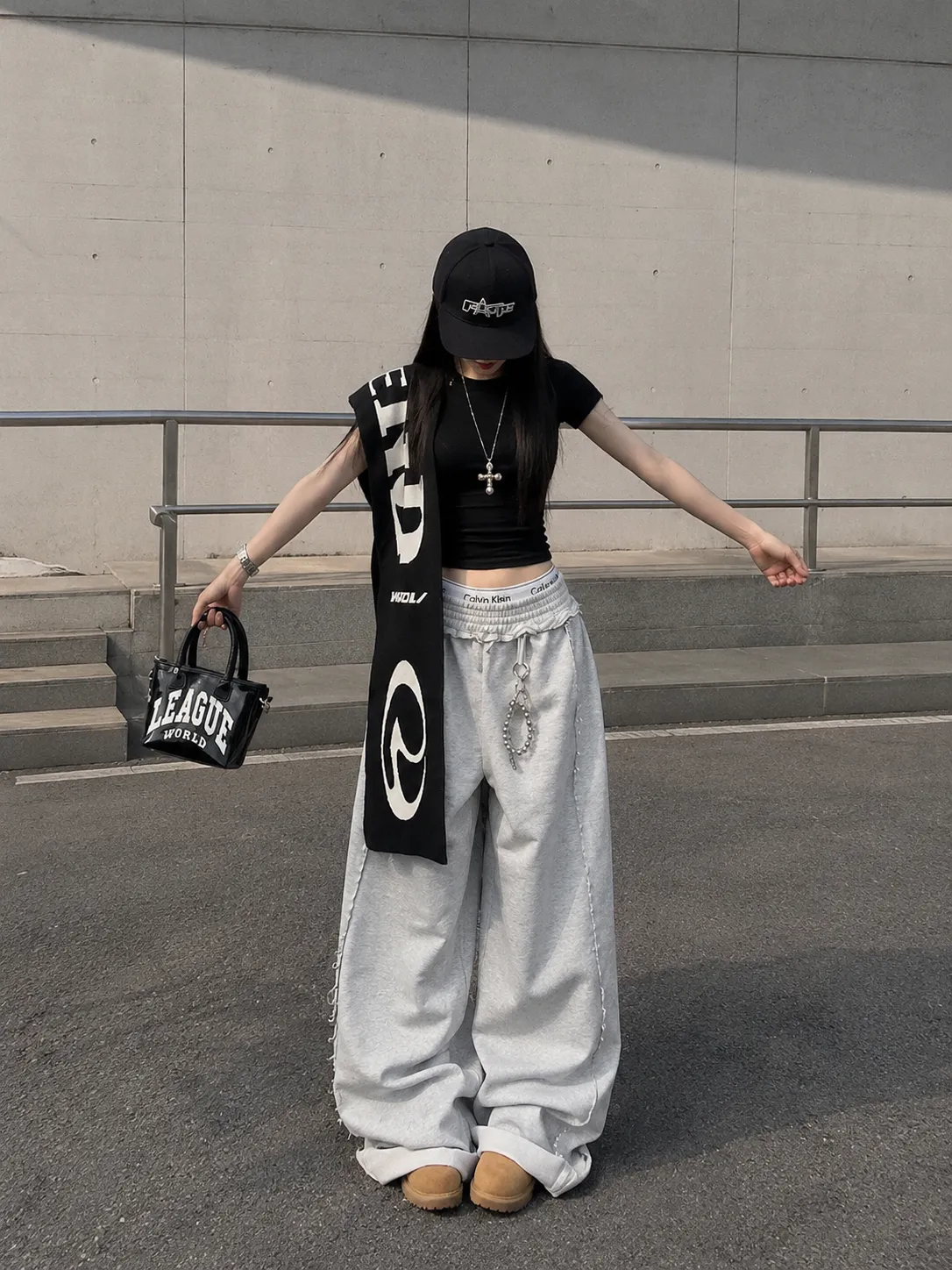
What Are Jogger Pants? Cuffs, Fabric, and Fit
Identify joggers through their waistband, taper, ankle finish, and fabric behavior rather than a generally sporty appearance.
Joggers can use fleece, lighter woven nylon, cargo pockets, denim, or twill. Two pairs with the same label may drape differently: one soft and roomy above a sneaker, another closer at the ankle with a stronger taper. Inspect the actual pattern and material.
This is a guide to garment construction rather than fixed outfit formulas: read the components, test movement, and compare dimensions before choosing a pair.
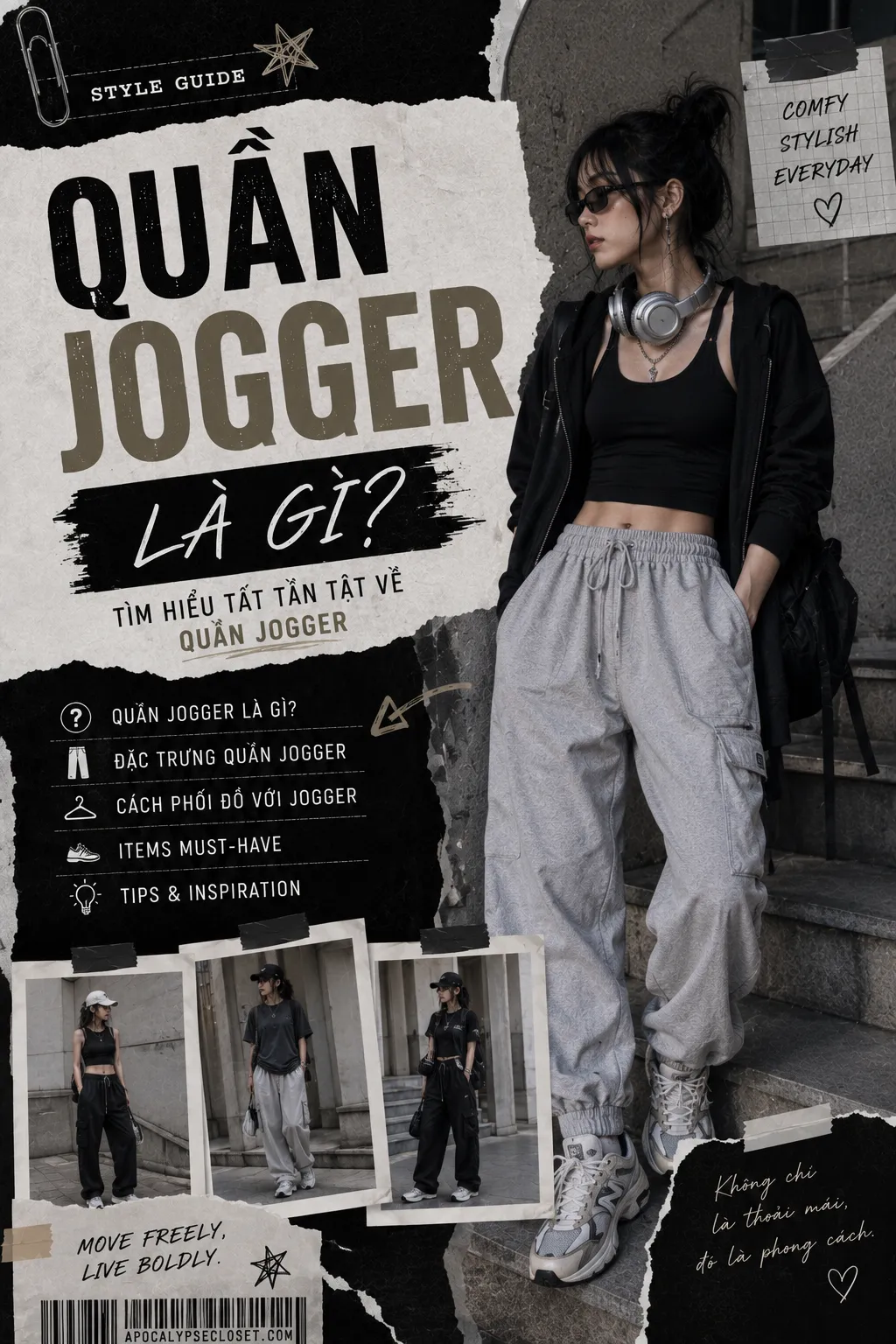
Guide collection: Women's Trouser Guides: Shape, Rise, and Styling
Jogger pants usually combine an elastic or drawstring waistband with legs narrowing toward a cuffed or closer ankle opening. Assess taper, thigh room, rise, fabric recovery, and cuff pressure together rather than relying on the name alone.
Read the Jogger's Construction
From Sportswear References to Everyday Pants
The jogger silhouette retains several movement-oriented features: an adjustable waistband that accommodates changes in posture, a narrowing lower leg that controls fabric around the calf, and an ankle endpoint that can keep the hem gathered. Everyday interpretations vary in fabric and width, so these are common construction clues rather than proof of running performance.
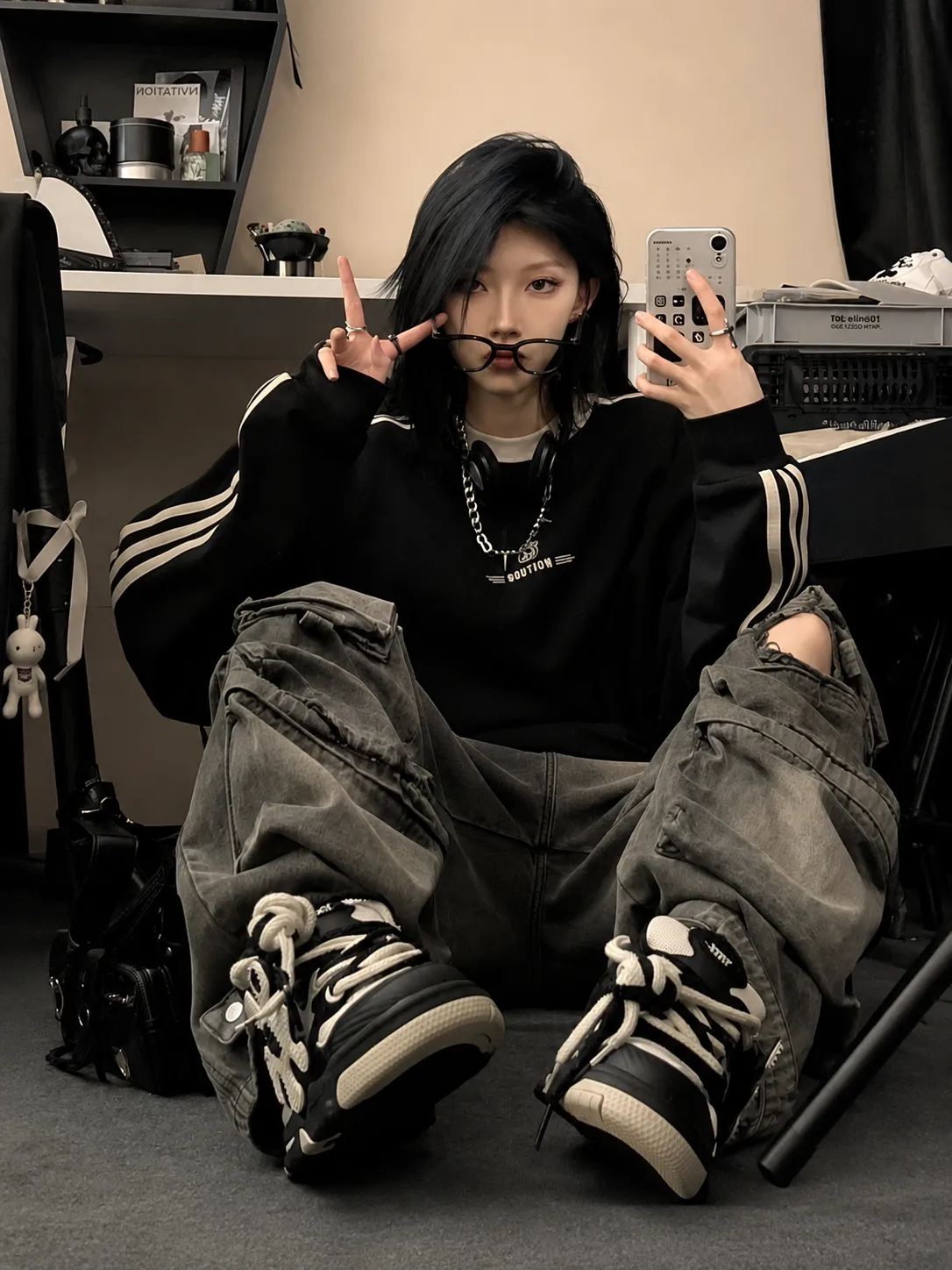
Fleece or French terry offers a different drape from woven nylon or twill. Denim versions combine a jeans surface with jogger-like waistband or hems. Read how those features work together; neither the label nor a sporty appearance establishes comfort, breathability, or suitability for exercise.
Joggers, Sweatpants, Track Pants, Cargo, and Parachute
| Category | Main description | Possible overlap |
|---|---|---|
| Jogger | Usually an adjustable waist, tapered leg, and closer or cuffed ankle | Can be made from sweatshirt fabric and therefore also called sweatpants |
| Sweatpants | A sportswear trouser group commonly using sweatshirt-type knit fabrics | Can have jogger, straight, or wider-leg construction |
| Track pants | Sportswear references, often with smoother woven fabric or stripe details | May have open or cuffed hems |
| Cargo | Utility-pocket construction | Cargo pockets can be added to a tapered, cuffed jogger shape |
| Parachute | Roomier volume, comparatively light fabrics, and often adjusters | Gathered hems can overlap with a roomier jogger outline |
A cargo jogger combines pocket and silhouette descriptions; nylon jogger combines material and silhouette. Inspect the garment rather than treating overlapping names as contradictory.
Three Ankle Finishes
Gathers the ankle area and controls the hem. Check circumference, ease over the foot, and whether it presses or leaves uncomfortable marks.
Changes between a more open and gathered shape. Inspect cord length, toggles, and whether they catch the shoes or create unwanted bulk.
Narrows through the cut without elastic. It creates another visual finish but will not hold the ankle position in the same way as a gathered cuff.
Fabric and Drape
Check Fabric Recovery as Well as Feel
With the seller's permission, gently compress a small area and release it to observe creasing and recovery. This is a rough comparison, not a standardized performance test or a prediction of all-day comfort. Combine it with sitting and walking checks.
Five Useful Measurements
| Measurement | How to compare it | Common mismatch |
|---|---|---|
| Relaxed and stretched waistband | Check the wearing circumference and passage over the hips | A one-size label hides limits or excessive pressure |
| Thigh circumference | Compare a known pair and the additional ease you want | A suitable waist but restrictive thighs |
| Front and back rise | Compare seated room, crotch placement, and wearing position | A lower crotch than intended |
| Inseam | Measure along the inner leg from crotch seam to hem using the stated method | Choosing by height alone leaves unwanted stacking |
| Ankle-opening circumference | Allow access over the foot and the intended ankle fit | A cuff that looks suitable but restricts movement or presses |
Women's, Men's, or Unisex: Compare the Actual Measurements
These labels do not predict how a pair will drape on your body. Similar waist dimensions can coexist with different back rise, hips, thighs, and inseam. If you need more hip room without a larger waistband, look for a different pattern or a detailed chart rather than automatically sizing up.
A unisex label does not identify one consistent grading system. Check rise and inseam for the actual product. Choose the volume and ankle endpoint you want instead of trying to conform to a labelled standard body.
Do Not Size Up Automatically
A larger size changes more than thigh volume: it can alter waistband, crotch, and length together. If you want wider legs, compare an intentionally roomier jogger pattern rather than assuming a much larger tapered pair will create the same result.
A Short Movement Test
Assess waistband rolling, crotch tension, cuff movement, and pocket gaping. Repeated pulling may indicate insufficient room or unsuitable construction.
Check that the leg can move without strong pulling between knee and crotch. A sporty appearance does not establish mobility.
Inspect where the hem ends and how much fabric gathers. Choose that relationship deliberately while keeping hems and cords clear of catching points.
Does the garment return to its intended position? Repeated waistband, knee, or hem adjustment is a reason to reassess fit.
Choose for the Intended Use
Reasons to Request More Information
- A one-size description without relaxed and maximum waistband dimensions.
- No thigh, rise, or inseam information despite an oversized claim.
- Only one standing pose, with ankles or the back hidden.
- A cuff that appears twisted, strained, or already poorly recovered.
- A waterproof claim without clear construction, coating, testing, or intended-use information.
A useful jogger need not be the tightest or roomiest. It should remain where intended during movement, provide the space you need, and create the ankle finish you want. Reading waistband, rise, thighs, taper, and cuffs gives a stronger basis than photographs alone.
After choosing a suitable construction and fit, read women's jogger outfit ideas for tops, footwear, and layers matched to that silhouette.
Comparing Trouser Categories? Read what cargo pants are, what parachute pants are and what baggy pants are for construction-based distinctions beyond listing names.
Frequently Asked Questions
What are jogger pants?
Joggers usually combine an adjustable waistband, tapered legs, and a closer or cuffed ankle. Everyday versions use several materials, including knits, nylon, twill, or denim. Their appearance does not establish running performance.
Are joggers only sportswear?
No. Jogger-style construction appears in casual clothing, athleisure, and streetwear. Fabric, thigh room, taper, and hem finish change the sportswear associations.
Are joggers and sweatpants the same?
They overlap. Sweatpants commonly describes sweatshirt-fabric trousers, while jogger describes a silhouette. Sweatpants may have open hems, and joggers may use materials other than fleece or terry.
Should you choose your usual size or size up?
Compare actual relaxed and stretched waistband, thighs, rise, inseam, and cuff dimensions. A larger size can change every area, so assess whether another pattern would better provide the room you want.
Can shorter people wear wide joggers?
Yes. Compare rise, inseam, ankle endpoint, and the stacking you want with your actual footwear. Height alone neither determines fit nor excludes a silhouette.
Complete-Outfit References
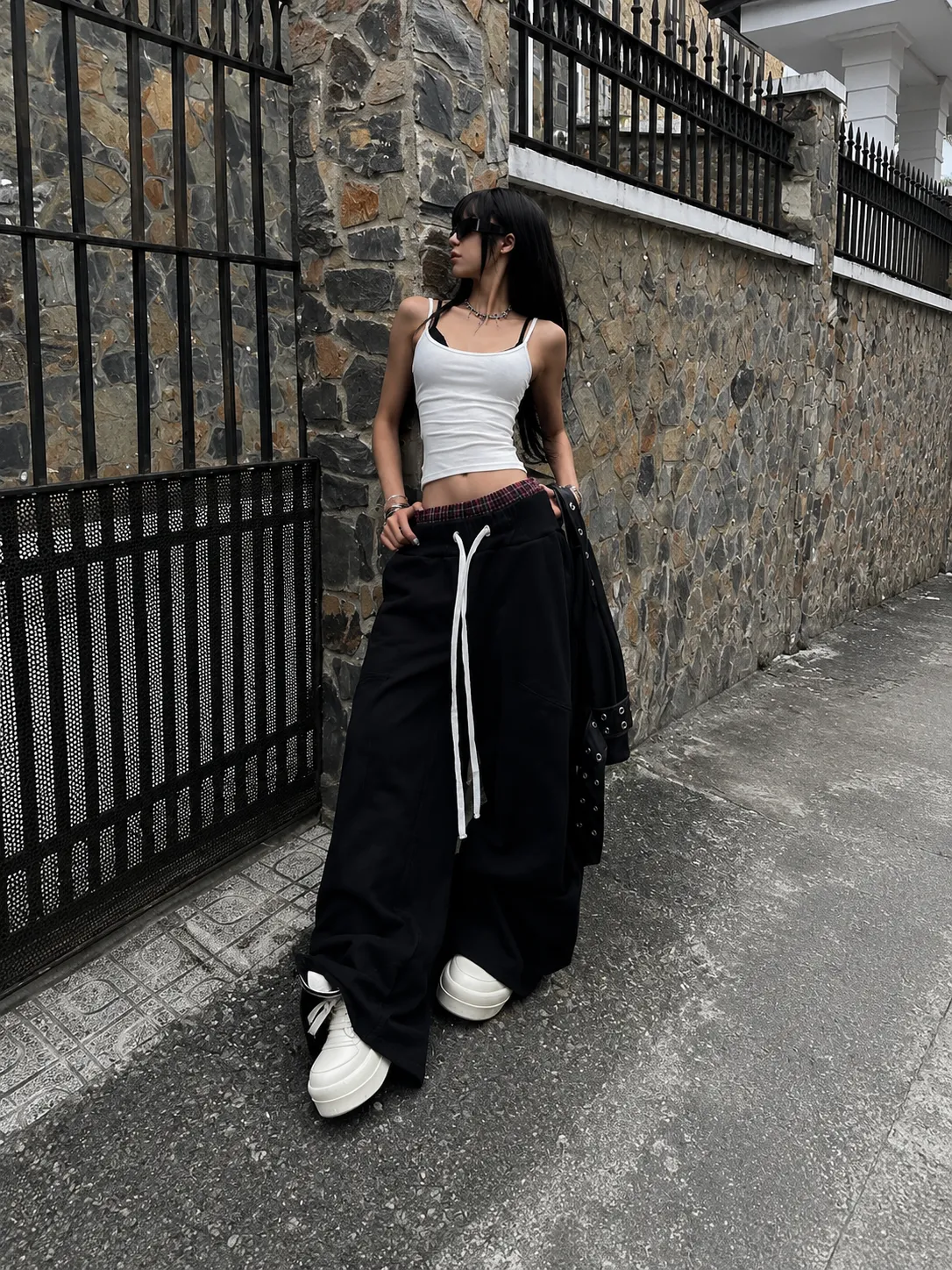
Use the looks as proportion references. A jeans or drawstring-trouser example does not by itself demonstrate jogger cuffs or measured fit.