Decide what you want the dress to emphasize
Pick one feature, such as a defined shoulder, a relaxed waist, a straight skirt, or an open neckline. That makes it easier to compare dresses by how they look and feel on you. Two people with similar measurements can prefer different silhouettes.
Step back from the mirror to see the whole outfit. Look at the length, shoes, and shoulder line along with any folds at the waist. For tops, trousers, and layers too, see our guide to styling outfits for a fuller midsection. Here, the focus is dresses and skirts.
Note two or three details you like about a dress you own: a waistband that stays flat, room when you sit, fabric that doesn’t cling, or a length that’s easy to walk in. Look for those details when you shop. Keep wearing the styles you enjoy even if they’re missing from a list of petite dressing rules.
Try three waist placements
If the dress has a waist seam, check whether it sits under the bust, near your natural waist, or lower. Each changes the proportions. A moderately raised seam can make the skirt look longer. A very high seam may shorten the look of the bodice and make fabric flare forward more than you want.
Sit down to see whether the seam presses into your midsection or rides up. If the bust fits but the waist seam sits in the wrong place, a larger size may do little. Try a different bodice length and check the fit from the side.
For a skirt, put the waistband where it feels comfortable, then see where the hem lands. If you pull the waist up to copy a photo and it slides down after a few steps, start the fitting where it stays in everyday movement.
Test an elastic waistband standing and sitting. Stretch doesn’t always make a waistband comfortable. With a fixed waist, check the zipper, seams, and ease. Make sure you can breathe, sit, and eat comfortably.
Four dress silhouettes to try
A shift dress gives a fairly continuous line from top to bottom. Choose shoulders and a neckline that give it the shape you want. If a wide cut in thick fabric feels overwhelming, try less volume in the sleeves or a softer drape.
An A-line dress widens toward the hem and adds room through the skirt. Check where the flare starts. Fabric gathered around the waist gives a different shape from a gradual opening from waist to hip.
A wrap or faux-wrap dress creates a diagonal line and shifts the focus. In a true wrap, check coverage while sitting and walking. In a faux wrap, look at the zipper and seams to see how it fastens and whether the waist adjusts.
A fitted dress works if you enjoy showing your shape. Check the fit, seam placement, and feel of the fabric. If the hem keeps riding up or the fabric pulls across several areas, try another size or cut that lets you move the way you want.
For skirts, choose the waistband before the flare
With a straight skirt, check the hips and front while standing and sitting. Look for the drape you want without prominent strain lines. If the waist fits but the hips feel tight, try another cut or ask about alterations. Stretch alone may not fix the fit.
With an A-line skirt, try a top that ends at the waistband so you can see where the skirt opens out. A long top can cover the waist and upper skirt. Keep it if you like the proportion you see with both pieces on.
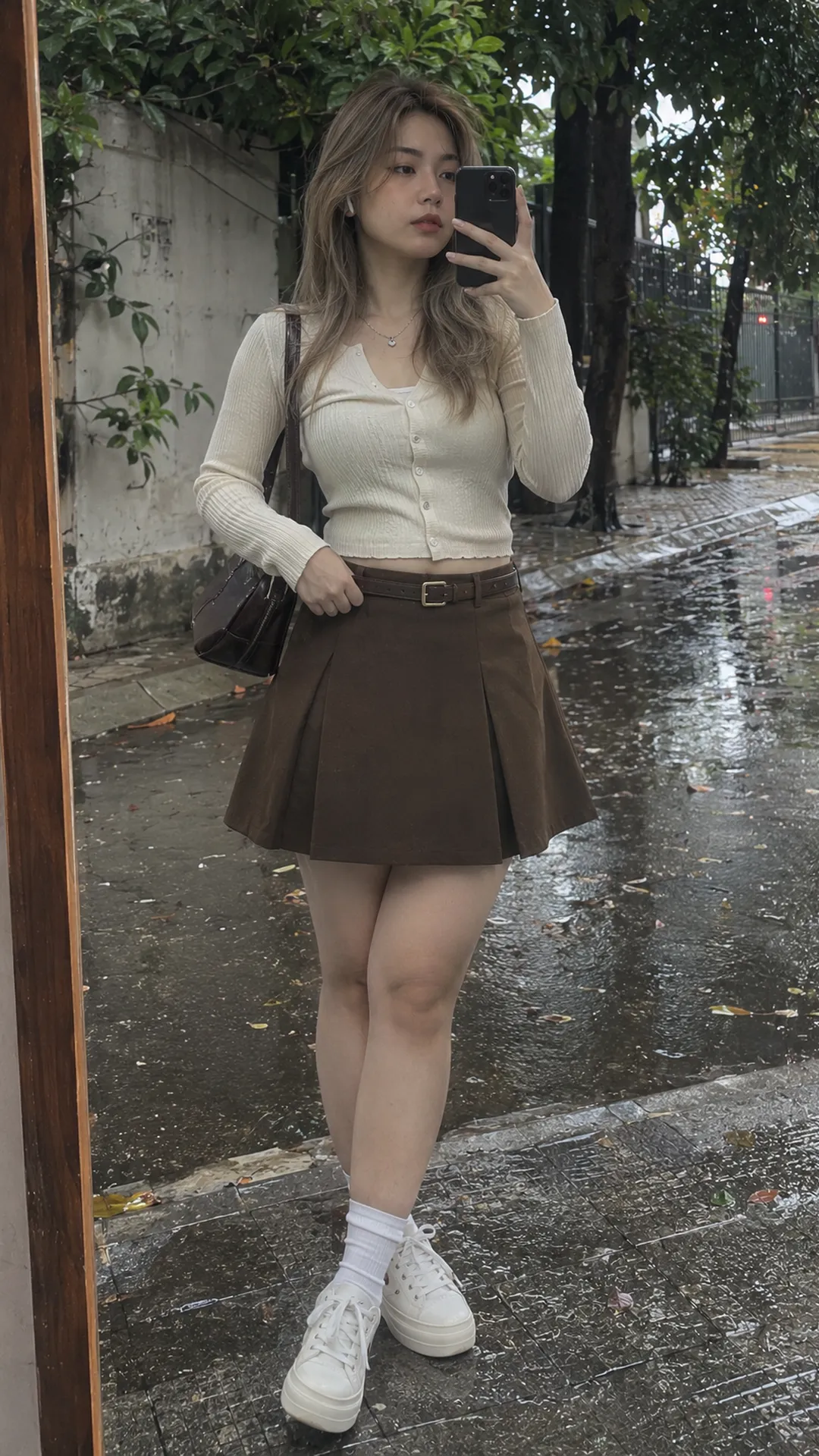
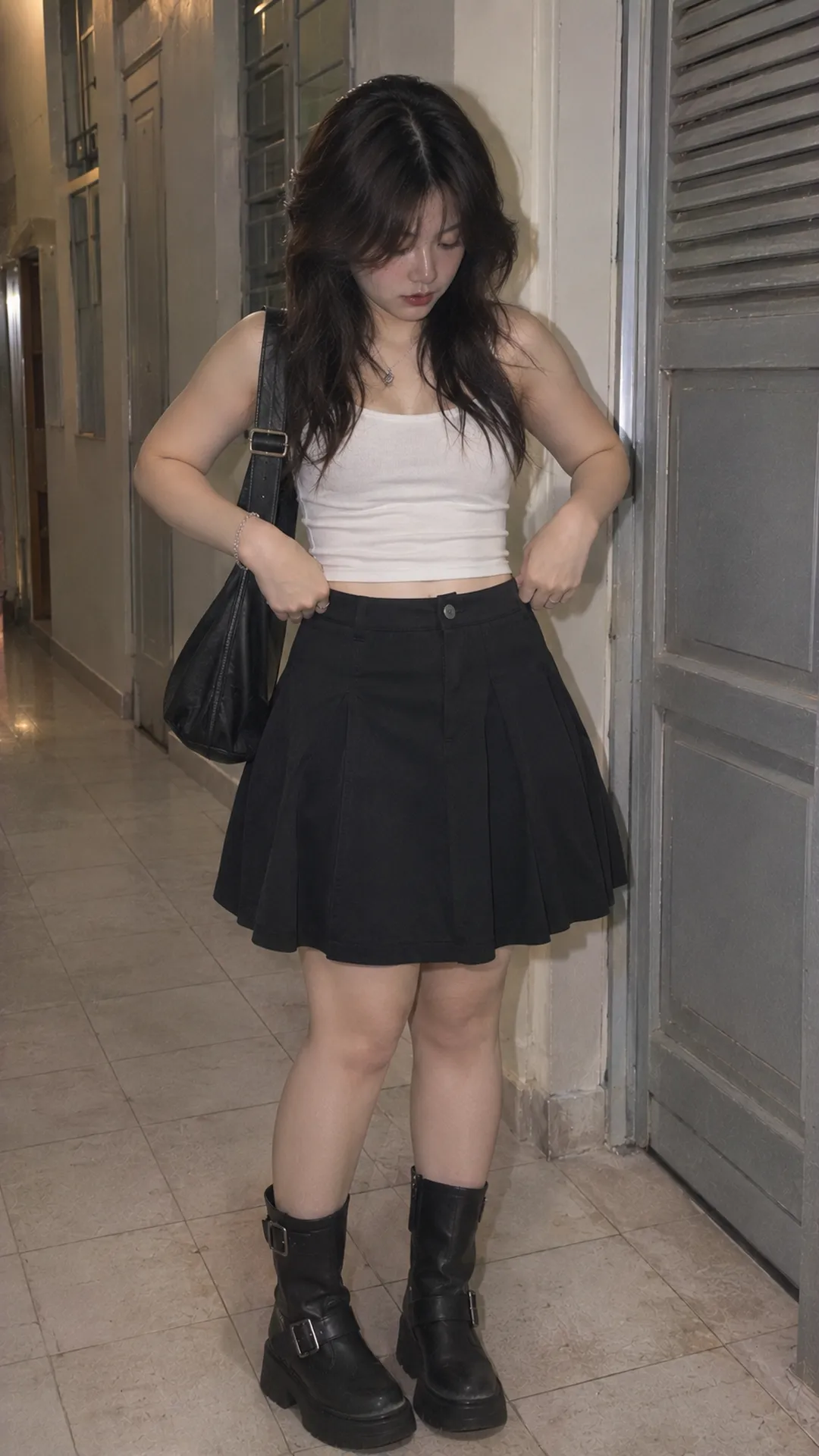
For a pleated skirt, see where the pleats begin and how widely they open near the waist. A flat upper panel with pleats below gives a different shape from pleats starting at the waistband. Try the specific design and see how it moves on you.
For a fitted knit skirt, try your usual underlayer and check sheerness where the fabric stretches. Shapewear is optional. Choose an underlayer you find comfortable and use a top or jacket if you want to shift the outfit’s focus.
Which lengths are practical for a petite frame?
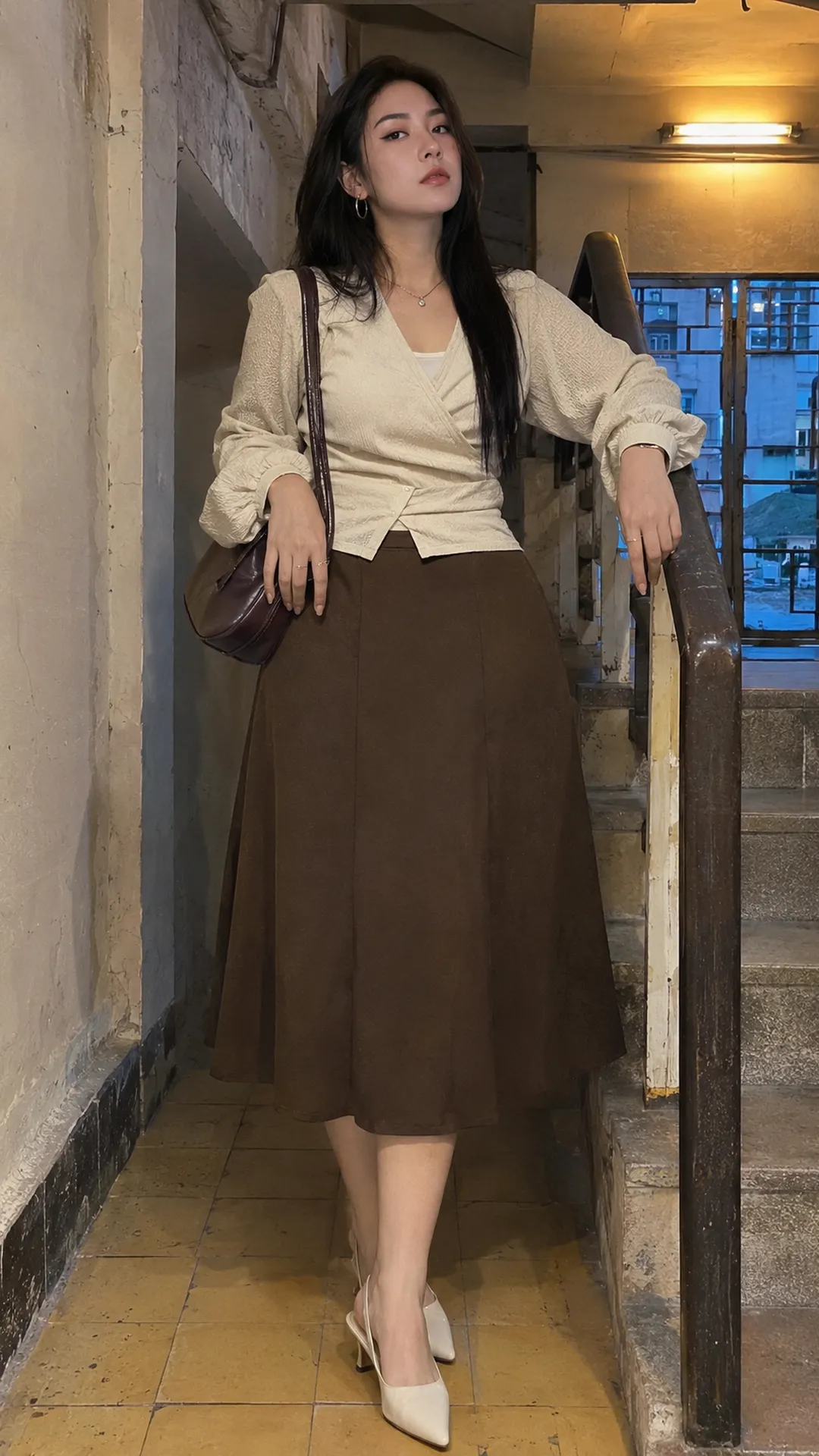
Short, midi, and maxi lengths can all work. Look at where the hem falls in the outfit. Try a few nearby midi lengths if you can, because a small change can make a visible difference to the gap above the shoes. Choose the length for your own height and leg proportions.
With a maxi, walk and step up to see whether the hem drags. If styles you like run long, hemming may help. Ask a tailor how shortening will affect the flare, slit, or decorative border before cutting anything.
Our guide to styling outfits for petite women covers horizontal breaks and shoe volume. For a dress or skirt, shoes close in color to the lower leg can create a longer-looking line. A strong contrast can bring attention to the shoes if that’s what you want.
Check fabric in motion
A very thin fabric may cling more than you want, while a stiff one can add volume. Check how it hangs. Sit and stand and see whether the dress settles back into place without repeated smoothing.
Check the lining, pockets, and seams in ordinary light. A raised line can come from a pocket underneath. For a light color, try the underlayer you plan to wear and check coverage where the fabric stretches when you sit.
When buying online, use our sizing guide to distinguish body and garment measurements. Ask about bodice length, hip room, or waistband width if the chart is missing a detail. Height and weight alone won’t tell you whether the whole garment fits.
Build an outfit with tops, shoes, and layers
With a skirt and a defined waistband, try a top that reaches the waist or a partial tuck if it doesn’t bunch. If you like an untucked top, check where it ends and whether you want a horizontal line there. Try a different top length before moving the waistband to a position you find less comfortable.
An open jacket over a dress creates two vertical lines and can change the volume at the shoulders. Try different jacket lengths against the hem. Our guide to layering women’s outfits helps you compare layers without adding bulk you don’t need.
Choose shoes for the distance and activity. A long dress can work with sneakers, flats, or boots. Try them with the same dress and compare the gap, color, and sole size. Pick a pair you can walk naturally in before considering the effect on height.
Three outfits to try with clothes you own
For work, try a straight knee-length or midi skirt, a plain top with a slight tuck, and streamlined shoes. Check the waist while sitting and the hem when walking. Similar colors for the top and skirt can create a quieter transition if you want earrings or the neckline to stand out.
For coffee, try a solid A-line dress, an open cropped jacket, and familiar sneakers. The cut of the dress can define the waist on its own. If the jacket adds more volume than you want, try a thinner inner layer or a less bulky jacket.
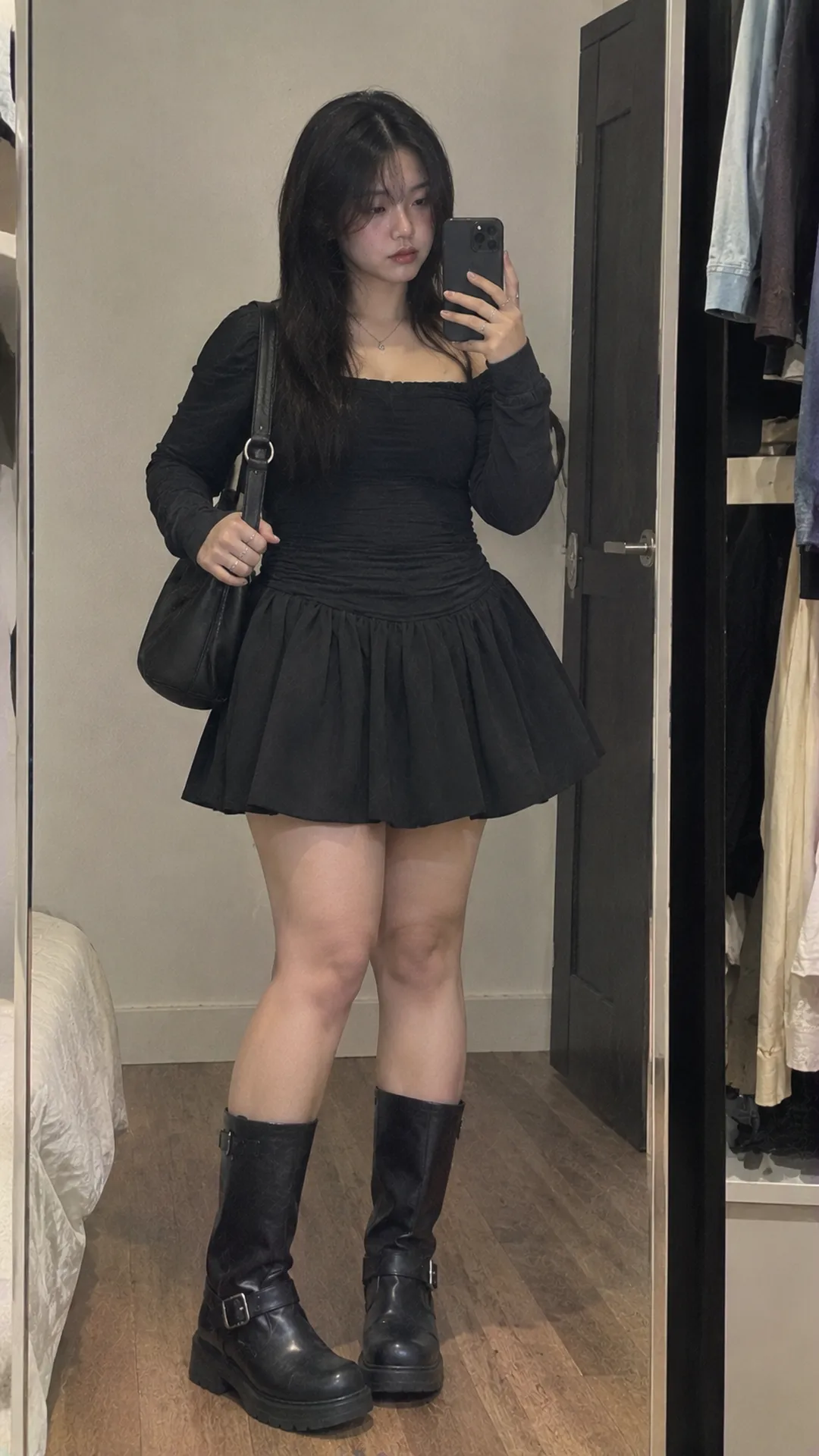
For an evening out, try a comfortably fitted dress or faux wrap, a small bag, and boots you like. Sit down to check any slit before leaving. Our women’s going-out outfit guide helps you adjust for how long you’ll be out and what you’ll do.
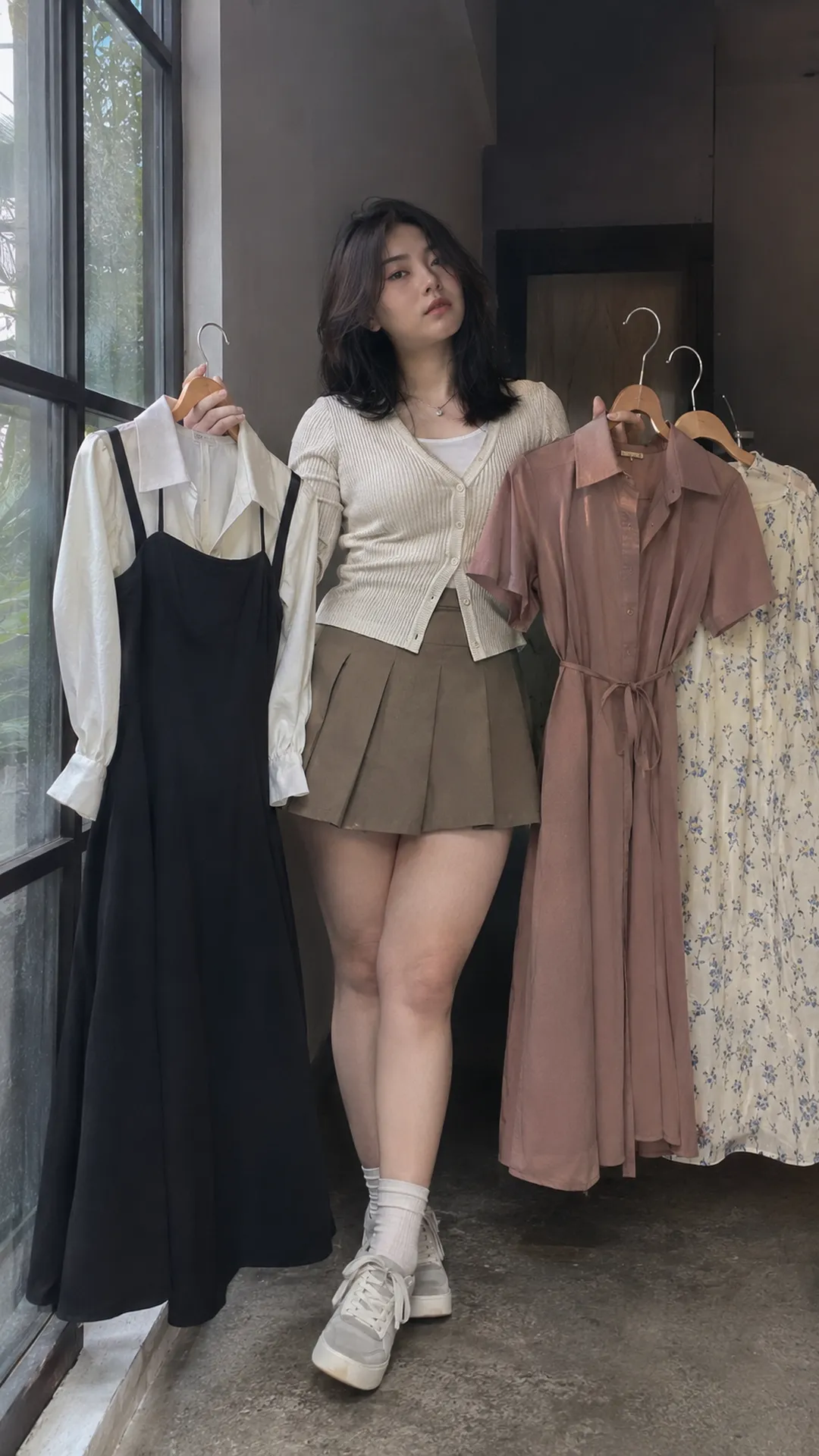
Keep the dress you can wear without constant adjustments
When comparing dresses, photograph them from the same distance and wear the same shoes. Note how each one feels while seated, where the waist sits, and how easy the hem is to manage. Those details will matter when you decide what to wear again.
Walk a few steps, sit down, reach up, then check the waist, neckline, and hem. If something doesn’t feel right, look at the size, seam placement, and styling. Choose a cut that works for your body and change an outfit detail if you want a different effect.