

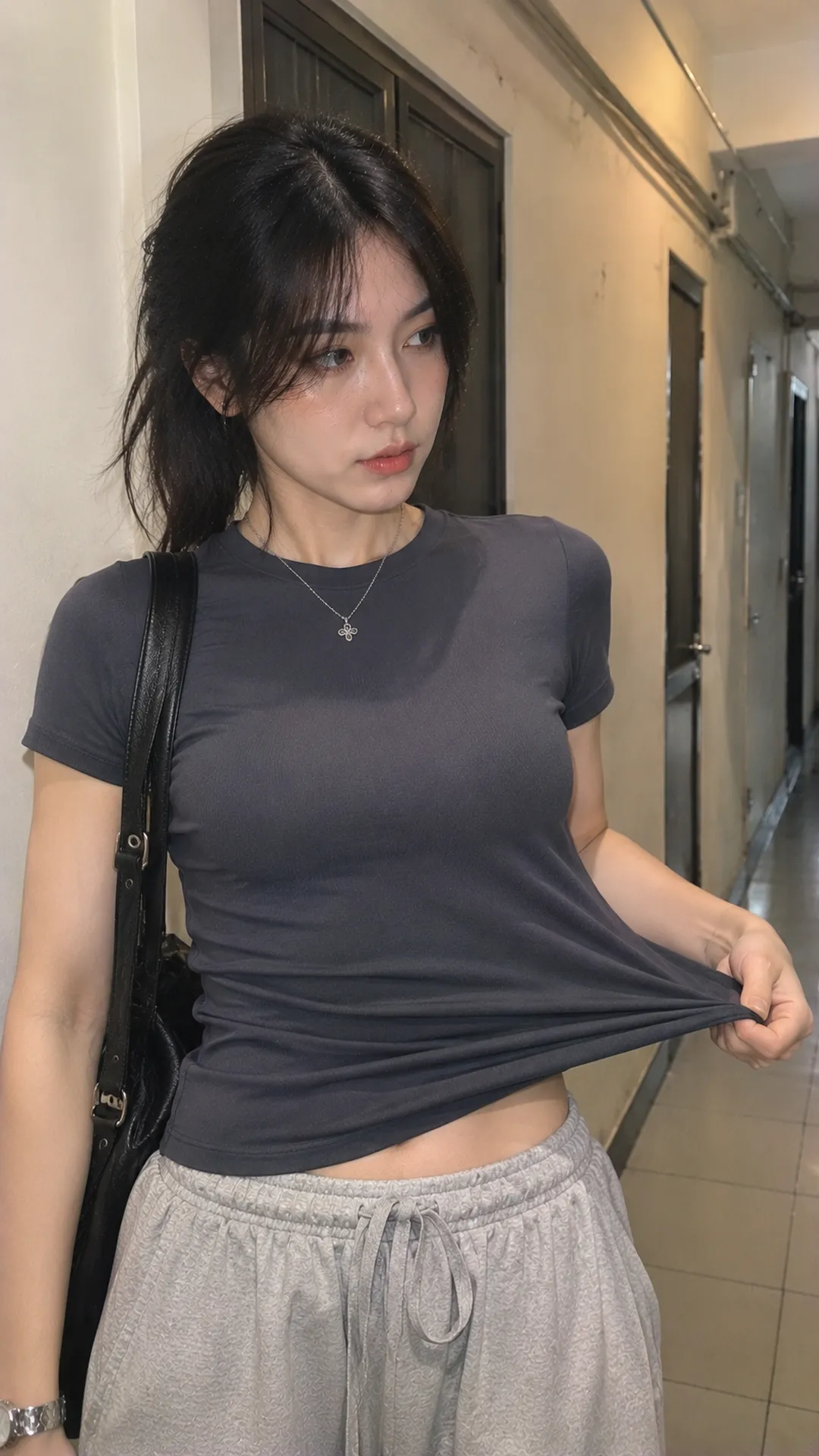
What’s the difference between spandex, elastane, and LYCRA?
The LYCRA Company explains that spandex and elastane are generic names for the same kind of elastic fiber. LYCRA is a brand name. Elastane on a label refers to the same fiber category as spandex, while the LYCRA name applies to fibers sold under that brand.
Spandex can be combined with other fibers in a knit or woven fabric. Read fiber content separately from construction. Denim pants and a T-shirt can both contain spandex and still differ in structure, drape, and care needs.
If a seller uses “lycra” as a general fabric name, check the fiber label and ask about the brand if it matters to you. A familiar name gives you less information than the specifications for the garment you’re considering.
What does 95% polyester and 5% spandex mean?
These are the declared fiber proportions for the part of the garment the label describes: 95% polyester and 5% spandex. They don’t indicate how far the fabric stretches or how much room to allow when choosing a size.
Check whether the composition applies to the main fabric, lining, or another part. A multilayer garment may list several fiber blends. The outer fabric alone won’t tell you how the layer next to your skin feels.
For a cotton-spandex blend, look for the percentage of each fiber. Two tops made with cotton and spandex can still feel different. Compare fabric weight, structure, finish, and the cut of each top.
A higher spandex percentage alone doesn’t make a garment a better choice. A structured top, pants you can move in, and a base layer that sits smoothly under a jacket call for different qualities.
Understand stretch and recovery
Stretch describes how far fabric extends under tension. Recovery is how well it returns to shape after the tension is released. Pants can stretch readily and still bag at the knees, so check both qualities when you try them on.
With a top, move your arms, sit, stand, and check the hem, shoulders, and elbows. With pants, take a few steps and sit as you would normally. See whether the waistband returns to its usual position, whether the knees bag, and whether you need to keep adjusting the garment. This tells you how it fits during the try-on. Long-term performance needs more evidence.
If you can handle a fabric sample, pull gently in the directions the seller allows. Avoid stretching it to its limit or distorting it. Stretch can vary by direction, and seams can restrict movement even when a panel of fabric stretches easily.
Ask what the manufacturer means by descriptions such as two-way or four-way stretch. If you need a specific level for an activity, look for test data for the exact product. A video of fabric being pulled gives you a visual reference without a measured result.
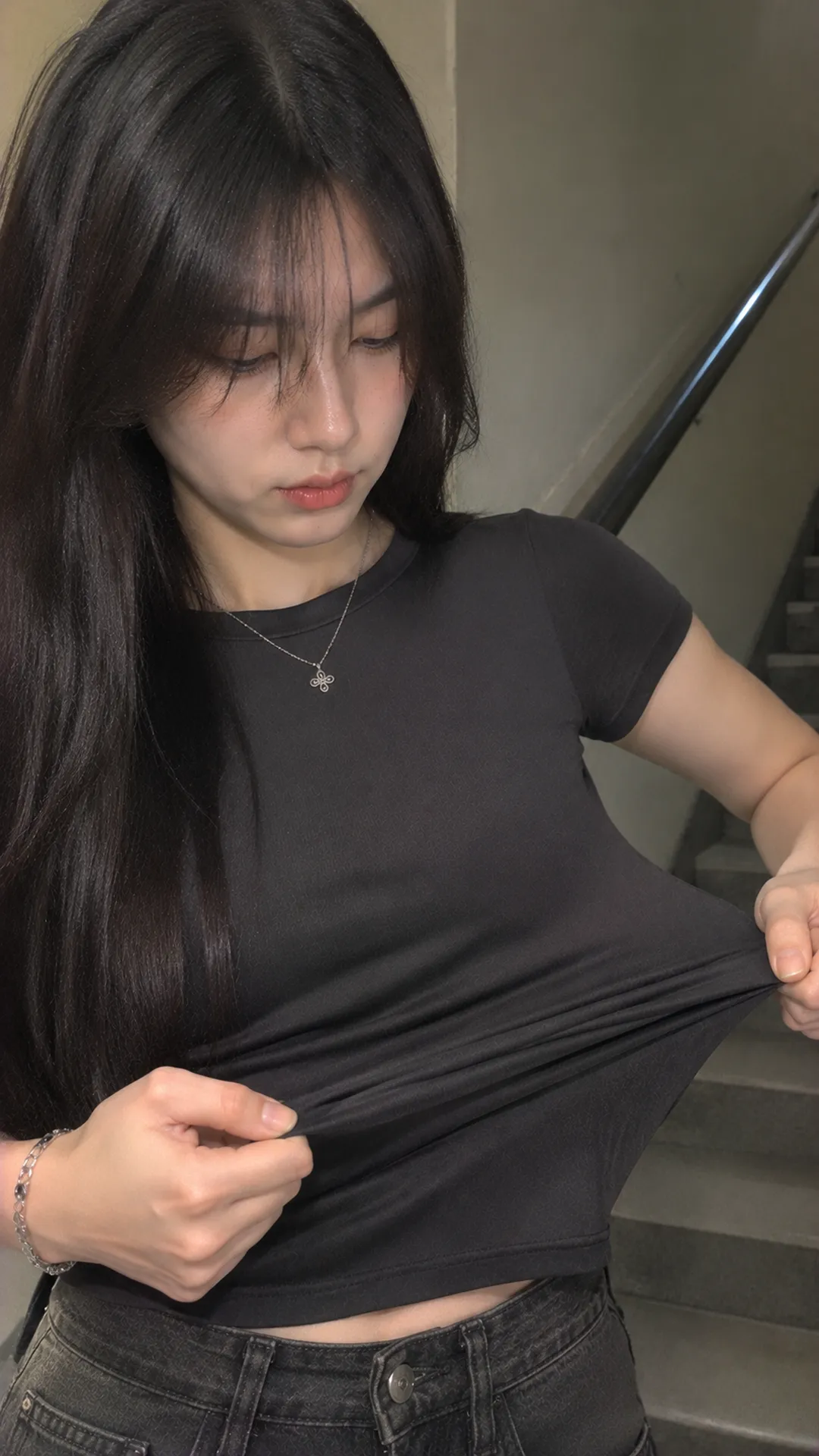
Choose the right size even when the fabric stretches
Check how the garment sits once it’s on. A top that strains across the bust, armholes, or shoulders may pull the seams out of place and ride up as you move. In pants, a secure waistband tells you little about how the hips, thighs, and rise fit. Check the whole garment.
Read the product’s size chart and see whether it gives body or garment measurements. A close-fitting style is designed with different ease from a loose style. Our online sizing guide explains the two kinds of measurements before you compare them with a garment you own.
If you’re between sizes, try them with your usual base layer and in the positions you’ll use. The smaller size may give you the close fit you like but need constant adjustment. The larger size may feel comfortable and still sit differently from what the design intended. If neither works, try another cut.
A one-size garment can contain spandex and still fit a limited range. Ask about the intended body measurements, how far it adjusts, and the exchange policy. Those details are more useful than a claim that it stretches to fit everyone.
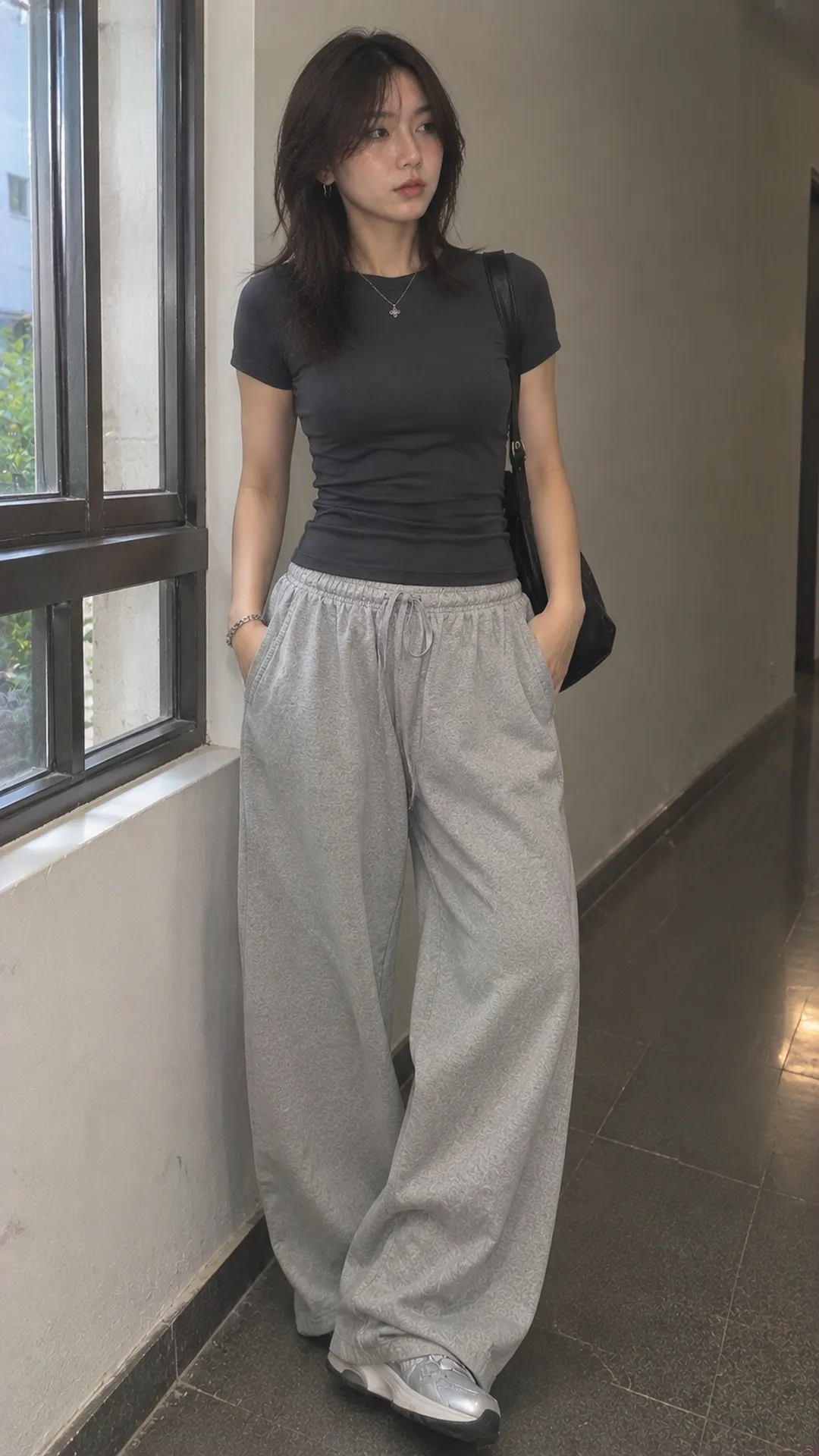
Choose for the top or pants you need
With a fitted tee, check how sheer the stretched areas look and whether the neckline stays in place as you move. To wear it as a base layer, try it under your usual jacket. Check for bunching at the armholes and hem, which may be hard to spot with the tee on its own.
Stretch won’t always stop a button-front shirt from gaping. Check body width and seam placement. Our women’s tops styling guide explains how to choose a length, neckline, and cut before you compare fabric blends.
For pants you’ll spend hours sitting in, check the waist, rise, and knees after changing positions a few times. Put your phone in a pocket if you normally carry it there. A pocket can pull even on soft, stretchy pants if it doesn’t have enough support.
For activewear, look for manufacturer information relevant to the specific activity. Spandex content alone doesn’t establish support, moisture management, UV protection, or suitability for swimming. Look for separate specifications for those features.
Does fabric with spandex feel hot?
Consider the other fibers, fabric construction, thickness, lining, fit, and where you’ll wear it. A top for an air-conditioned room and one for a long outdoor walk can need different qualities, even when they have the same fiber percentages.
Check areas where layers often bunch, such as the armholes, waist, and lower back. If you plan to tuck in the top, try it that way. Several layers of fabric in one spot may be what feels uncomfortable.
Our guide to wearing black in summer explains why color and warmth should be considered alongside fit, fabric structure, and surroundings. Assess the whole garment the same way when it contains spandex. Two tops with the same blend can feel quite different.
What to ask when shopping online
Ask for a photo of the fiber label, an inside view, and a video of the exact style in motion. If coverage matters, ask for photos in ordinary light and check the try-on policy. A product video that stretches the fabric in one direction won’t show how it fits on your body.
For pants, ask for the relaxed waistband measurement and the manufacturer’s sizing advice. For a top, ask for its width and length laid flat. Compare it with something you own and account for differences in shape and fabric structure.
If a product makes a claim about shape retention or durability, read the conditions and what the warranty covers. Other shoppers’ reviews can add context. Your own measurements and the product details will help you decide whether it fits your needs.
Follow the care instructions for the whole garment
Use the finished garment’s care label for washing, drying, and ironing. Consider all its fibers, print, fastenings, and finishes before choosing a temperature. If the label is unclear, ask the seller before using a harsher method.
Prepare the garment as directed and avoid stretching it while arranging it to dry or folding it. If the trim or waistband uses another material, check those parts separately after washing. A single distorted area can change the fit even if the rest of the fabric holds its shape.
If the garment bags out, avoid trying to shrink it back to size with hot water or high heat. Find out whether the problem is with the fabric, waistband, or seam and see whether it can be repaired. A change in washing method may not restore a damaged structure.
Choose the stretch you need
Look for a cut that fits, lets you move comfortably, and has a care routine you can follow. Sit, walk, try the garment with another layer, and check areas that tend to pull before deciding to keep it. The highest spandex percentage may have little to do with which garment feels best.
Our life-cycle guide to sustainable fashion considers how clothes are used and cared for along with what they’re made of. Read the label and choose a garment that fits your routine so you’re more likely to wear it often.