

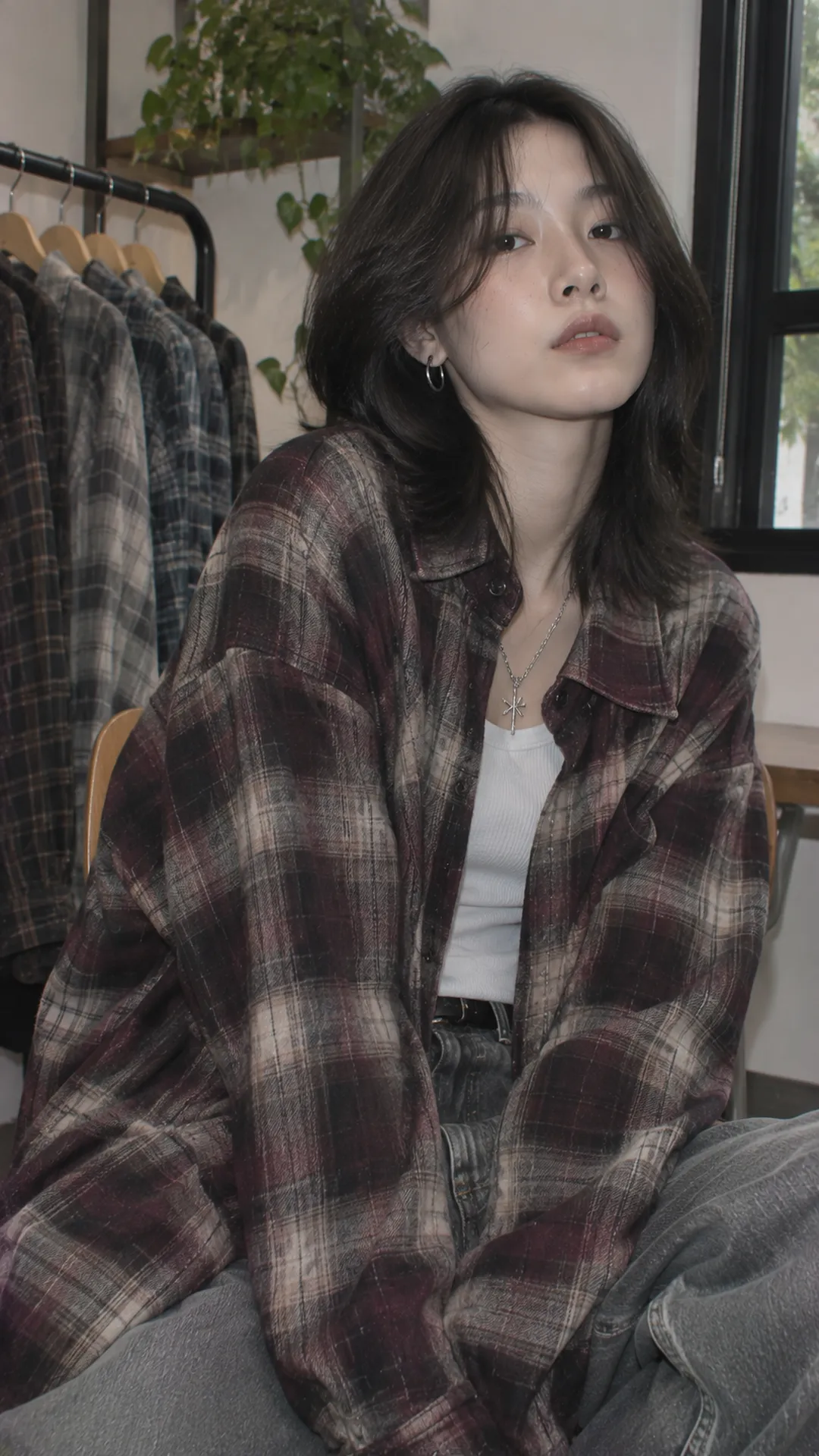
What is flannel fabric?
CottonWorks describes flannel as woven fabric brushed to raise surface fibers, creating coverage and softness. The short nap is a finish, not a printed motif.
The Association for Contract Textiles dictionary also describes common plain or twill constructions using wool, wool blends or cotton. This explains significant feel and care differences between products sharing the name.
Buyers need not memorize factory processes. Separate fiber, construction/thickness and finish. Those answers are clearer than an isolated premium-flannel claim.
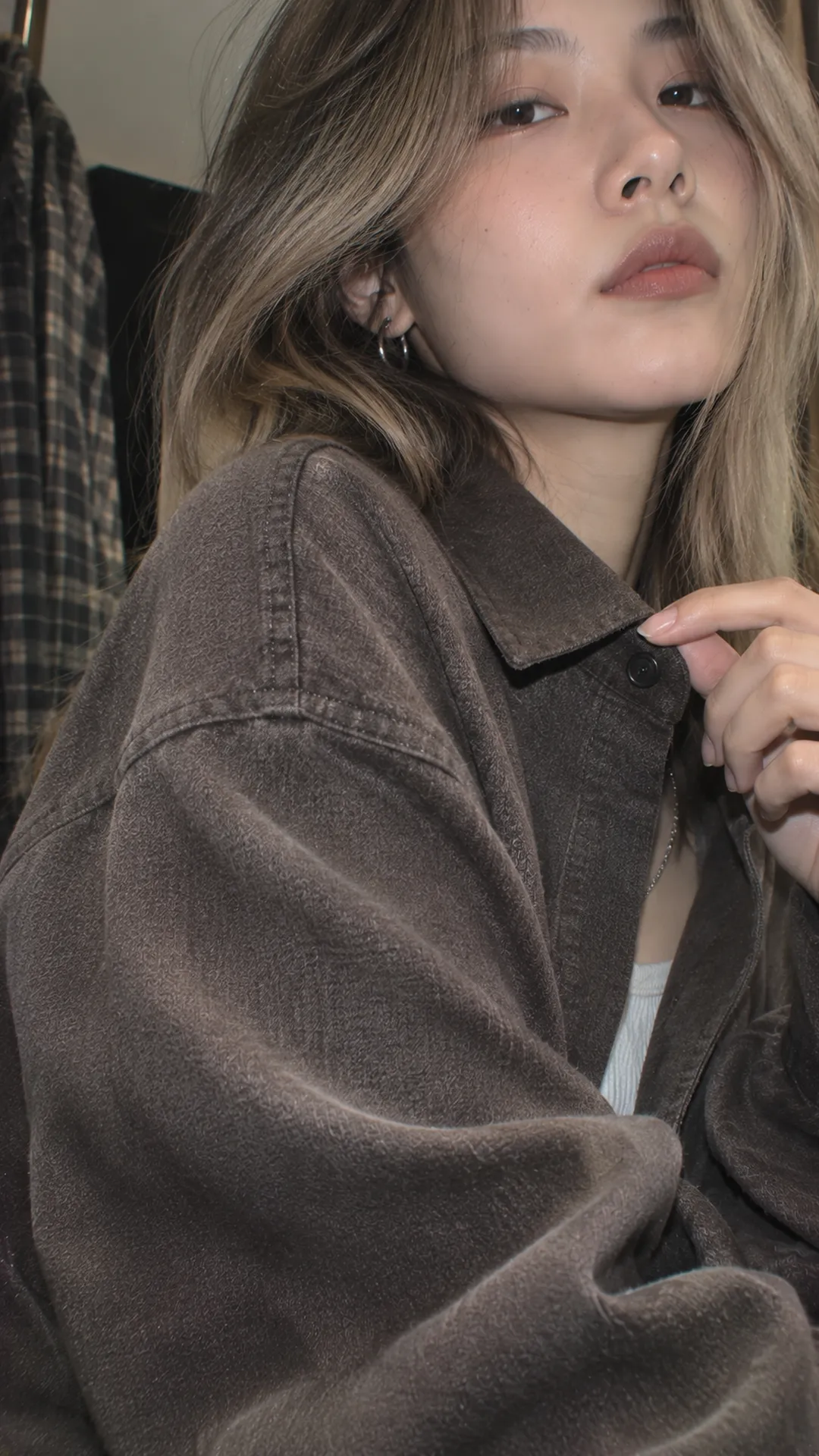
Flannel, plaid and flannel shirts
| Name | What it describes | What it does not establish |
|---|---|---|
| Flannel | A fabric group and surface characteristics | One exclusive fiber composition |
| Checks or plaid | An intersecting-line pattern | Whether the surface is brushed |
| Flannel shirt | A garment named after its fabric | Size, thickness, lining or washing |
A thin flat-surfaced plaid shirt may resemble your flannel association but wear differently. Plain trousers and jackets can also use flannel. Pattern and material require separate reading.
Online, request surface close-ups and fiber labels if descriptions are vague. One photo cannot identify fibers: lighting changes apparent softness and filters can hide texture. Clear seller answers beat advertising adjectives.
Fibers and both surfaces change the experience
Read the fiber label first
For cotton, confirm percentages rather than infer from flannel. Wool or blends may require different care. For preferred contact feel, test at neck and inner sleeves rather than only touch the exterior.
Composition is still incomplete. Thin and thick cotton garments differ in shape, weight and weather suitability. Check the exact product code, especially several versions sold under one name.
Do not assume identical sides
One example is a Proper Cloth cotton flannel described with a brushed exterior and unbrushed interior. This illustrates one construction, not every flannel. Inspect the skin-facing side.
For an overshirt, the inside affects sliding over your base. Put it on and remove it over your usual tee, checking lifted sleeves and bunched shoulders. Hand-softness does not guarantee convenient layering with every base.
Is flannel warm, and when should you wear it?
Flannel suggests warmth and softness, but no temperature range covers all products. Consider thickness, construction, lining, room and layer count together. Choose for actual conditions rather than material name alone.
For mainly hot outdoor days, thick heavily brushed garments may be impractical. Moving between heat and cold rooms can favor removable outerwear, with a complete base for wearing alone.
The guide to wearing black in summer considers fabric and cut rather than color alone. Likewise, light color cannot turn thick flannel into a lightweight hot-day choice.
Thickness or nap also cannot establish wind or rain protection. For particular weather needs, seek manufacturer specifications. A soft daily flannel is not automatically protective outerwear.
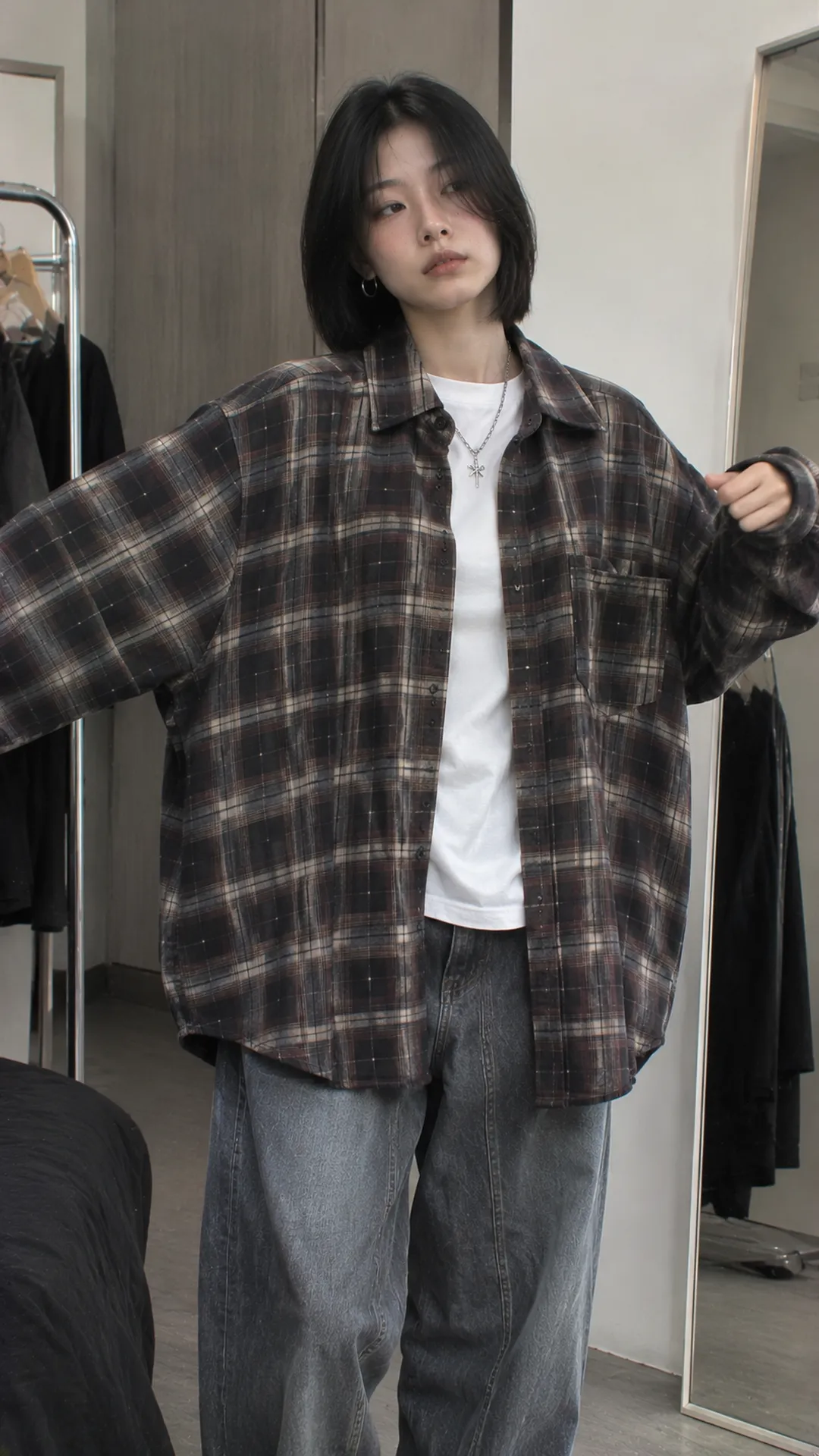
A product-based fabric checklist
- Touch both sides: assess softness and feel at frequent contact areas.
- Observe the surface: distinguish even short nap from clumps or unusual wear.
- Test movement: reach forward, sit and add your intended base.
- Inspect construction: check collar, placket, cuffs, joins and any lining.
- Read care: consider whether you can maintain it routinely.
For overshirts, chest width alone cannot choose size. Shoulders, upper arms and sleeve length need room for layers. For trousers, inspect thighs and knees seated for tension or distorted creases.
The guide to choosing Alt Fashion sizes online compares measurements with comfortable clothes. Without touching fabric, size can at least be assessed through actual dimensions rather than a model image.
If information is incomplete, compare options using composition, dimensions, lining and care. The Alt Fashion shopping hub gathers pre-purchase checks.
Care according to garment construction
Before washing
Read permissions for water, machine washing, drying and ironing. Cotton-shirt guidance cannot transfer to wool trousers merely because both are flannel. Ask about unclear or missing labels before a new cycle.
Inspect pockets, buttons and hardware; sort by stated color and material requirements. Avoid casually combining snagging or abrasive pieces. Reduce unnecessary stress on the soft surface.
During and after cleaning
Use instructed settings and products. Thickness does not justify more heat. Inspect shape and lay or hang as directed; avoid forcefully stretching wet sleeves or body to remove every fold.
If ironing is allowed, follow temperature guidance and consider a concealed test. The aim is not to flatten the nap completely. Preserve specialist or professional care requirements instead of using a generic online formula.
For pilling or lint
Do not pull clumps by hand and drag fibers with them. Check maker guidance before surface tools and gently test an appropriate method out of sight. Stop on thin surfaces or weak seams rather than remove everything in one session.
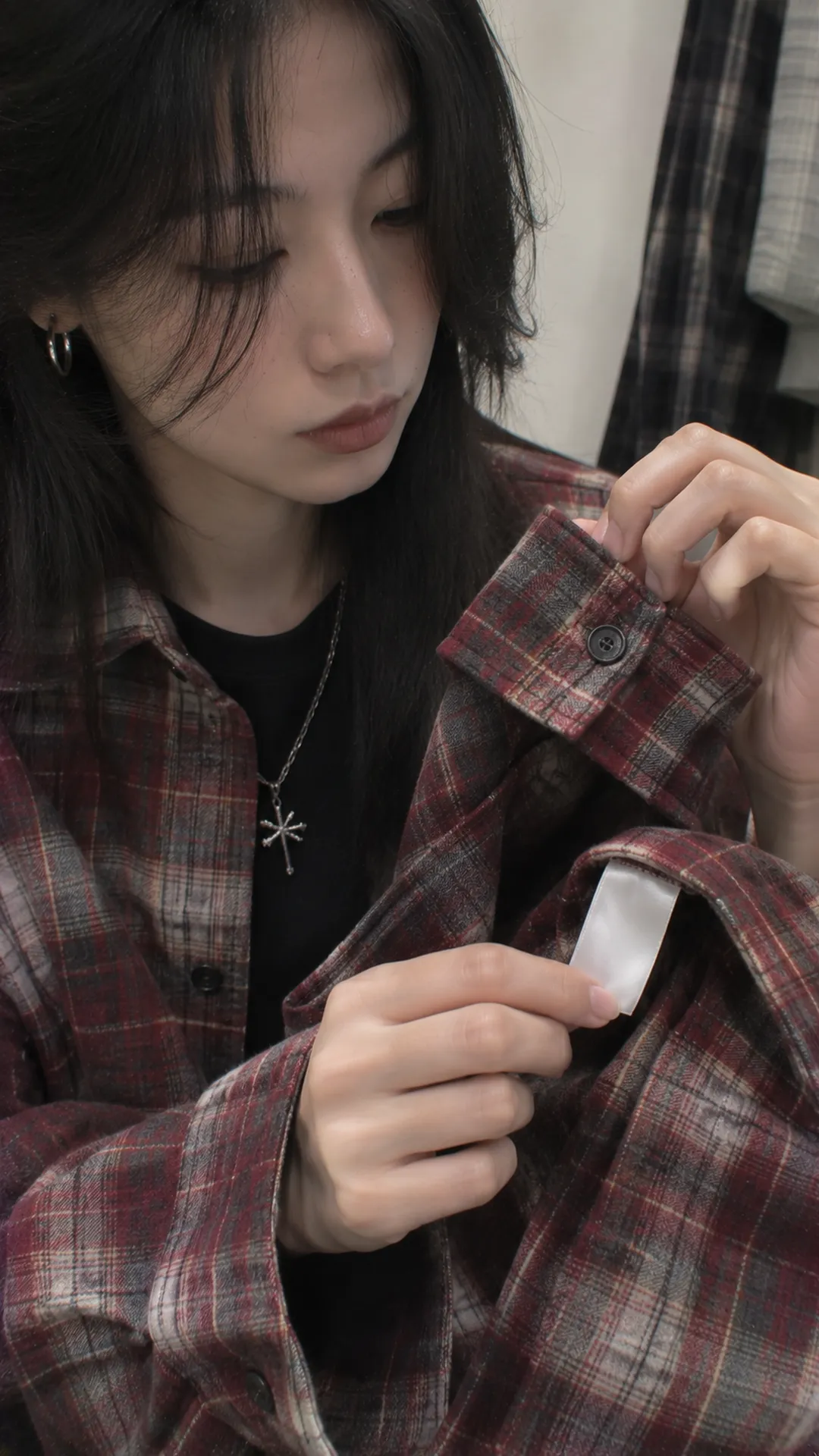
Buy something likely to receive long use
Imagine three real uses: cold rooms, evening outerwear or cool conditions. Without these in your routine, a thick photogenic garment may remain unworn. Lifestyle compatibility matters alongside pattern.
Keep spare buttons, repair minor seams promptly and store clean and dry as required. This can serve better than replacing a similar neglected garment. For environmental claims, Sustainable Fashion examines the lifecycle beyond fiber names.
For second-hand items, request cuffs, armholes and bag-contact areas. Compare high- and low-friction sections for wear and ask whether care labels remain readable. A good front still needs seam and interior inspection.
Frequently asked questions
Is flannel always cotton?
No. Confirm exact composition on the product label. The fabric and surface name cannot replace percentages or care.
Is every plaid fabric flannel?
No. Plaid describes pattern; flannel describes fabric. Check surface and material information rather than checks or shirt shape alone.
Can flannel shrink or pill?
It can, depending on construction, finish and use, without one universal degree of change. Ask exact-product information, follow labels and assess actual behavior rather than assume a blanket promise.
Should I choose the thickest for maximum durability?
Thickness alone cannot establish durability. Suitable use, good seams and proper care offer clearer utility than excessive thickness you rarely wear.