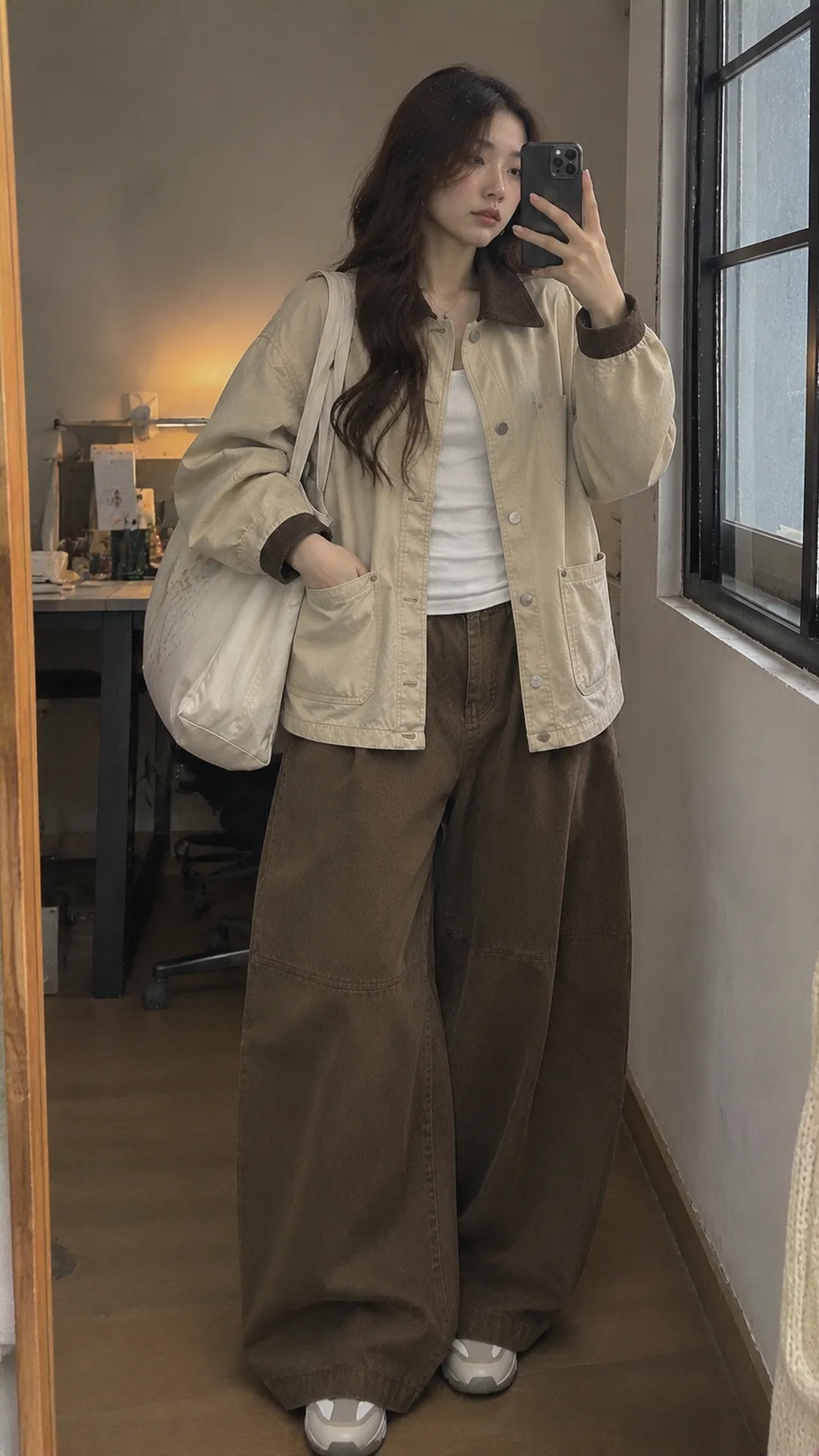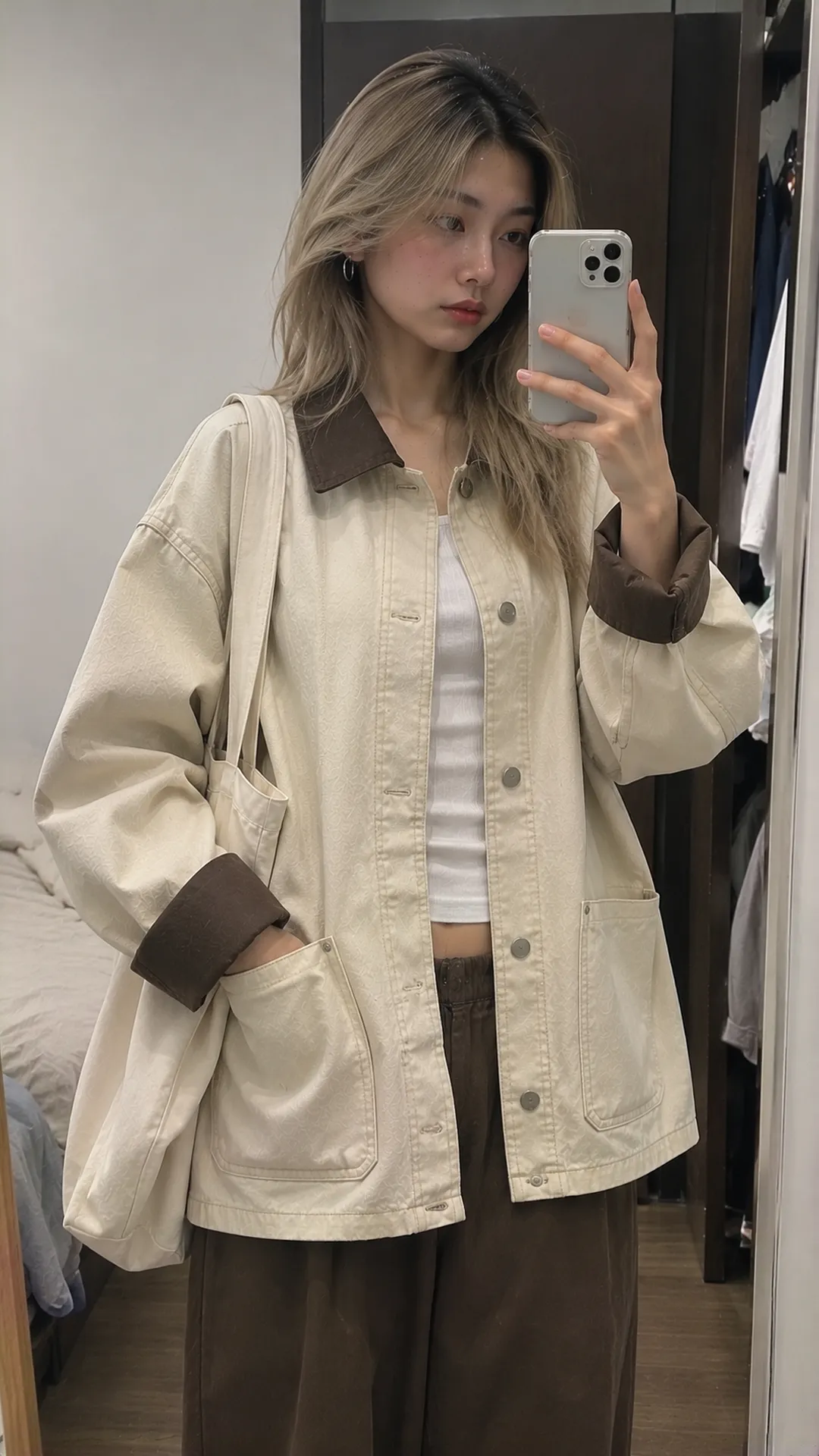
Canvas is a fabric name, not a synonym for cotton
Merriam-Webster describes canvas as strong, closely woven cloth, usually made from linen, hemp or cotton. This separates fabric category from cotton and other fiber names describing composition.
A practical example is woven canvas sample 7483-1 in the CottonWorks material library, separately labeled 100% cotton. Listing construction and composition shows why canvas alone is incomplete material information.
For a canvas-only description, ask about fibers, lining and finish if relevant. Do not silently interpret it as natural cotton and base use on that assumption.
Cream color, flecks and a rough hand cannot establish fibers either. Visible clues compare surfaces but cannot replace labeling. Color and smoothness are not origin certificates.
Properties to assess on each product
Thickness and structure
Canvas appears in soft foldable items and thick shape-holding ones. Structure affects an empty bag or a jacket's shoulders and drape. Inspect without paper stuffing or posing to see actual shape.
Thickness alone cannot guarantee overall durability. Bag straps, seams, base and closures also matter. Poor load-bearing joins can be missed when judging only body fabric.
Softness and movement room
For clothing, reach, sit and stride to check ease. Do not buy tight expecting guaranteed softening into a fit. Composition, construction and finish vary.
For shoes, the upper's feel does not describe the whole experience. Test sole, lining, toe and heel hold. A visually familiar pair may use another last; material alone cannot select size.
Coatings and linings
Read coated or treated canvas as a distinct construction affecting cleaning and feel. Ask whether claims cover the exterior fabric or the entire product.
Lining changes function too: divided bags hold belongings differently from single-layer totes; lined and unlined jackets feel different. Inspect the inside even when the exterior looks right.
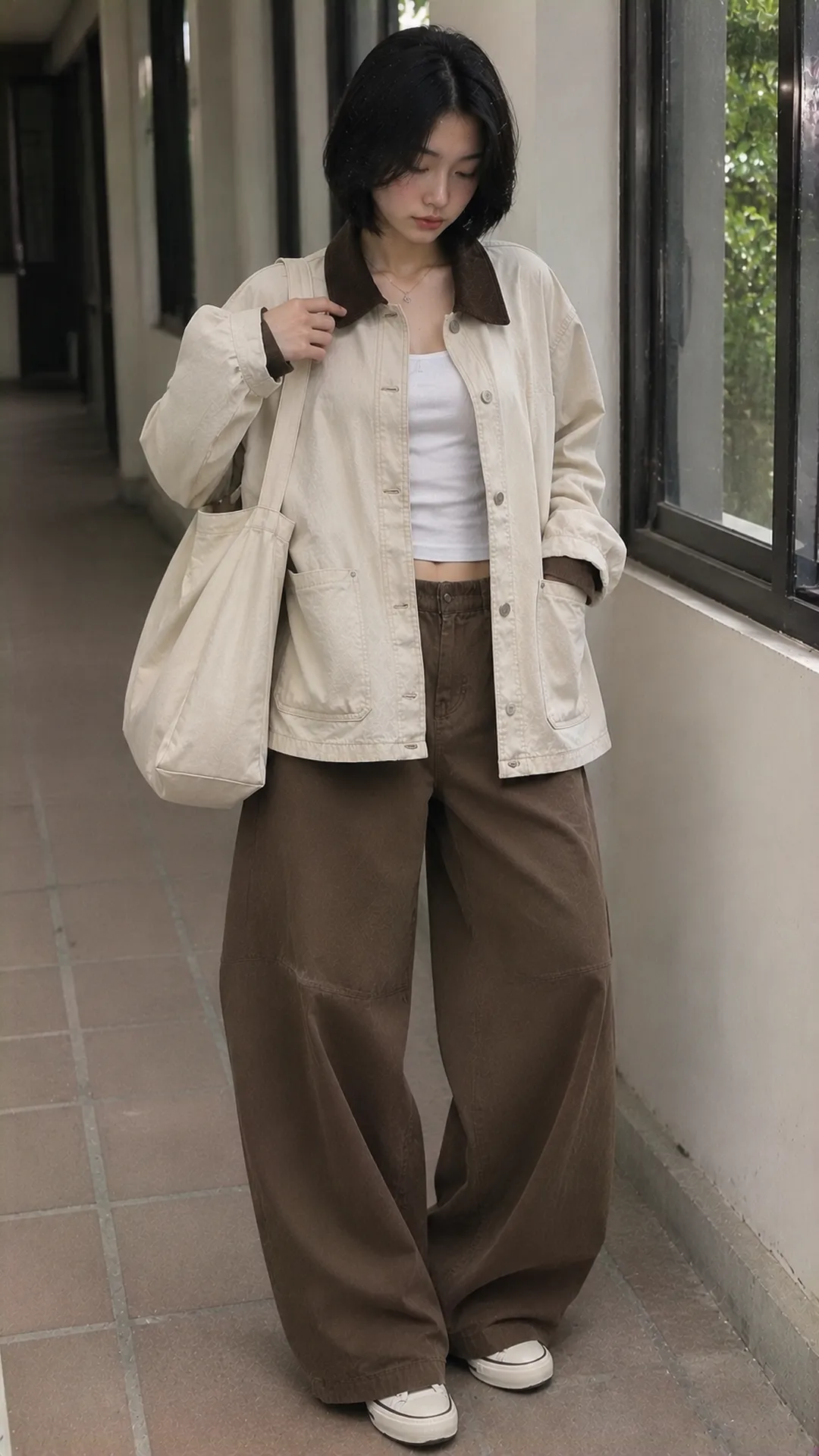
Choose canvas bags for your belongings
List regular items: wallet, phone, bottle, books or laptop. Compare the largest with internal rather than only external dimensions. A narrow mouth or different base shape may reduce expected capacity.
Inspect strap joins, base seams, zipper or button. For heavy loads, seek the product's stated capacity rather than assume every sturdy-looking canvas bag carries a laptop.
Short and long handles position bags differently. Try over a coat if shoulder-worn because added layers reduce clearance. An attractive handheld position may not suit long shoulder wear or frequent access.
Plain canvas can support patterned clothing; large prints should count as accents. Role assignment in the expressive women's accessories guide chooses through proportion and carrying position beyond graphics.
Canvas shoes: fit before color
Try intended socks and inspect toe room, sides and heel. A soft upper does not guarantee every contact point. Do not accept cramped toes assuming canvas always stretches sufficiently.
Low and high collars meet trousers differently. With wide legs, check hem catching or concealed toes. Shorter hems expose socks and ankles as distinct outfit areas.
White canvas shoes brighten but need a suitable cleaning plan. Dark colors connect to dark clothing without eliminating care. Choose repeat use and conditions beyond new-product photos.
Online, compare the exact chart and size-exchange policy. Principles in the online sizing guide favor dimensions and last shape over identical labels in your past footwear.
Canvas jackets and trousers: prioritize proportions
A firm jacket defines shoulders and body. Start with a neat base and minimally detailed trousers. Large jacket pockets need not gain a chest bag or more accessories nearby.
For trousers, assess waist, hips and seated width. Actual movement beats pulling fabric by hand to predict comfort. A wide cut may still restrict through rise or thighs.
Cotton canvas is not automatically cool on hot days. Thickness, construction, lining and cut all matter. Choosing fabric and fit for black summer outfits explains why fiber names alone cannot establish wearing experience.
If you enjoy canvas texture without another thick clothing layer, use a bag or shoes. Keep the feature you like without requiring one material throughout.
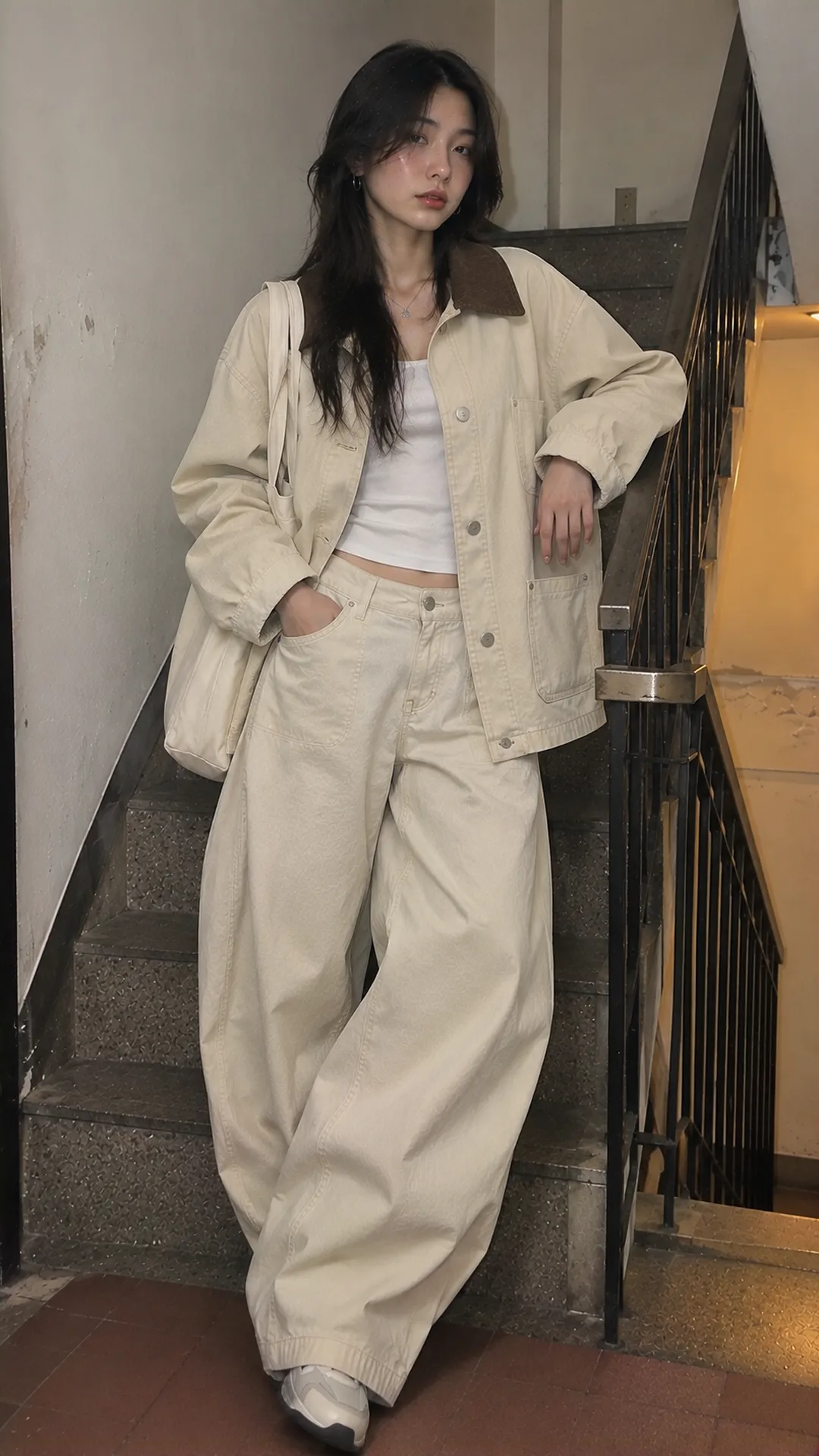
Is canvas waterproof?
The name alone cannot establish this. Read conditions and scope of water-resistant or waterproof claims. Exterior fabric performance does not prove water cannot enter seams, closures or openings.
For devices or papers in rain, choose protection meeting the item's actual requirements. Sturdy thickness cannot replace confirmed protective specifications. A casual bag and wet-condition bag may need very different construction.
Do not pour water on a new item without manufacturer-directed testing. Coatings and decoration may not tolerate improvisation. Clarify before buying rather than address unsuitable use afterward.
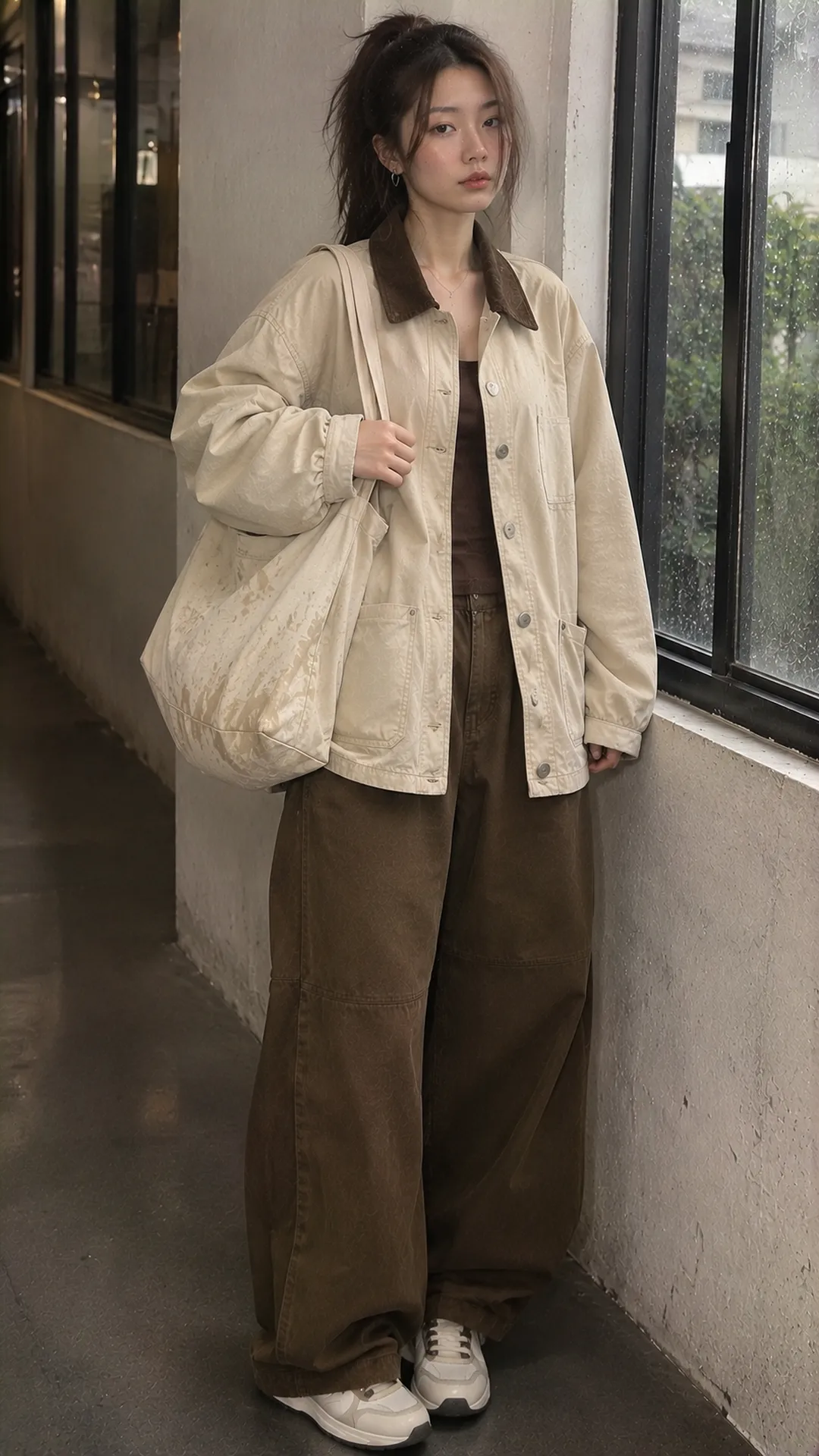
Clean the whole product, not only its fabric
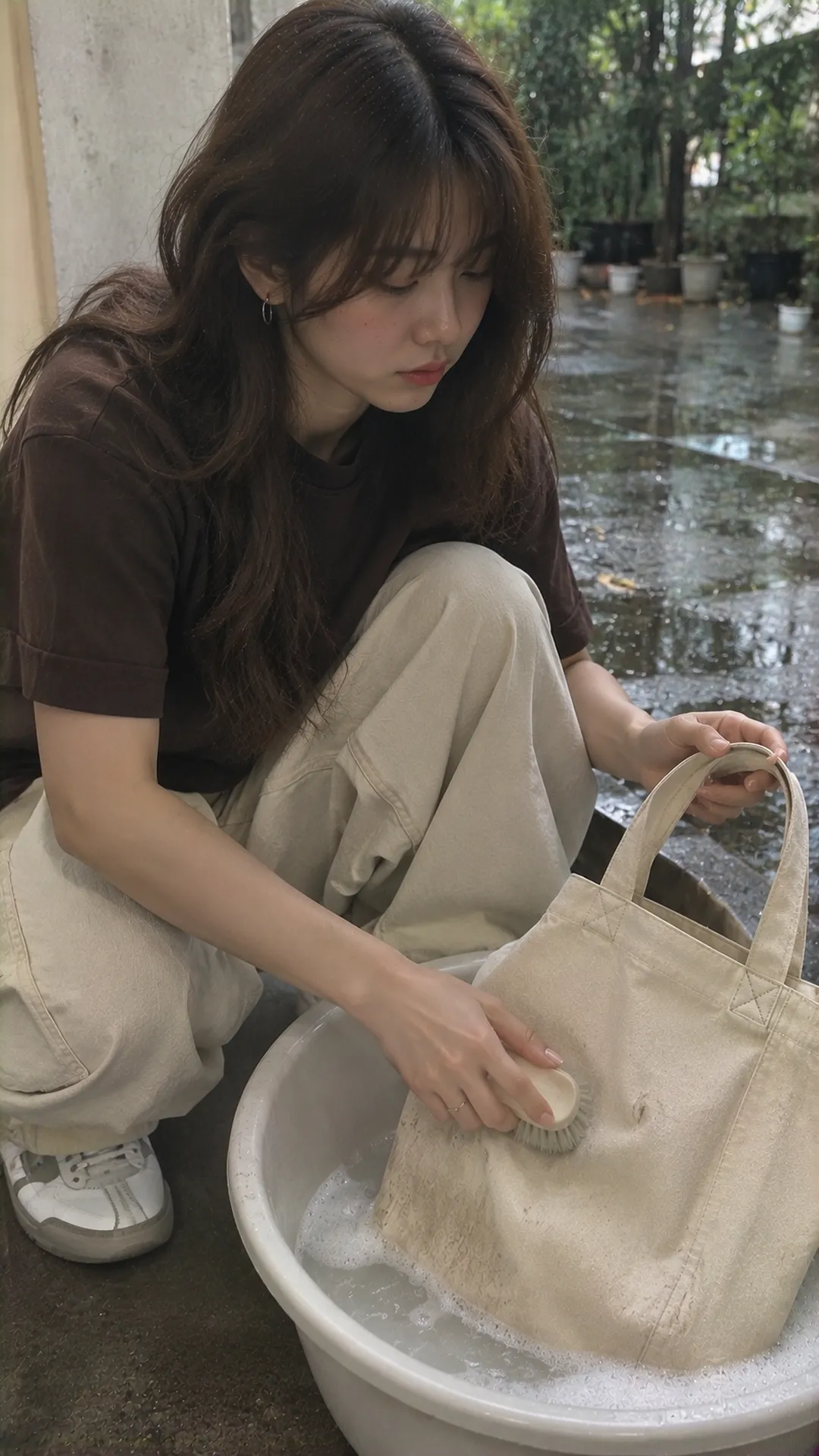
Read labels or manufacturer guidance first. Leather parts, coatings, graphics and stiffeners distinguish bags from simple fabric totes; shoes add soles and joins. One cleaning method cannot transfer to every canvas item.
Identify the stained component and neighboring materials. If cleaner is permitted, test a concealed area as directed. Bright fabric or visible stains do not justify harsh chemicals.
For unknown fibers or coatings, ask the maker or suitable care provider. No universal water temperature, soak duration or machine setting is safe for all canvas goods.
Dry and store as directed, preserving required shape. Avoid enclosed storage while damp. Inspect straps, fasteners or soles before reuse after extensive wear.
Is canvas automatically sustainable?
Canvas labels or unbleached-looking color cannot establish environmental impact. Consider fibers, production, lifespan and actual reuse. Another little-used purchase does not gain utility through a material name.
The sustainable fashion guide uses lifecycle assessment rather than one label. Practically, select correct function, maintain usability and repair feasible parts instead of replacing for appearances.
If your current bag serves well, a new canvas one is unnecessary merely to feel you chose better. When buying is needed, inspect finish, transparency and repeated usefulness.
Five questions for a suitable canvas item
- Is composition clear beyond the word canvas?
- Do shape, dimensions and load points suit belongings or movement?
- Do lining, coating, print or other parts need separate care?
- Which areas and conditions do advertised features cover?
- Can you style and use it frequently with your current wardrobe?
These answers center the actual product rather than its fabric name. Canvas serves many fashion items, but value comes from need-compatible construction and long use, not promises that one material does everything.