

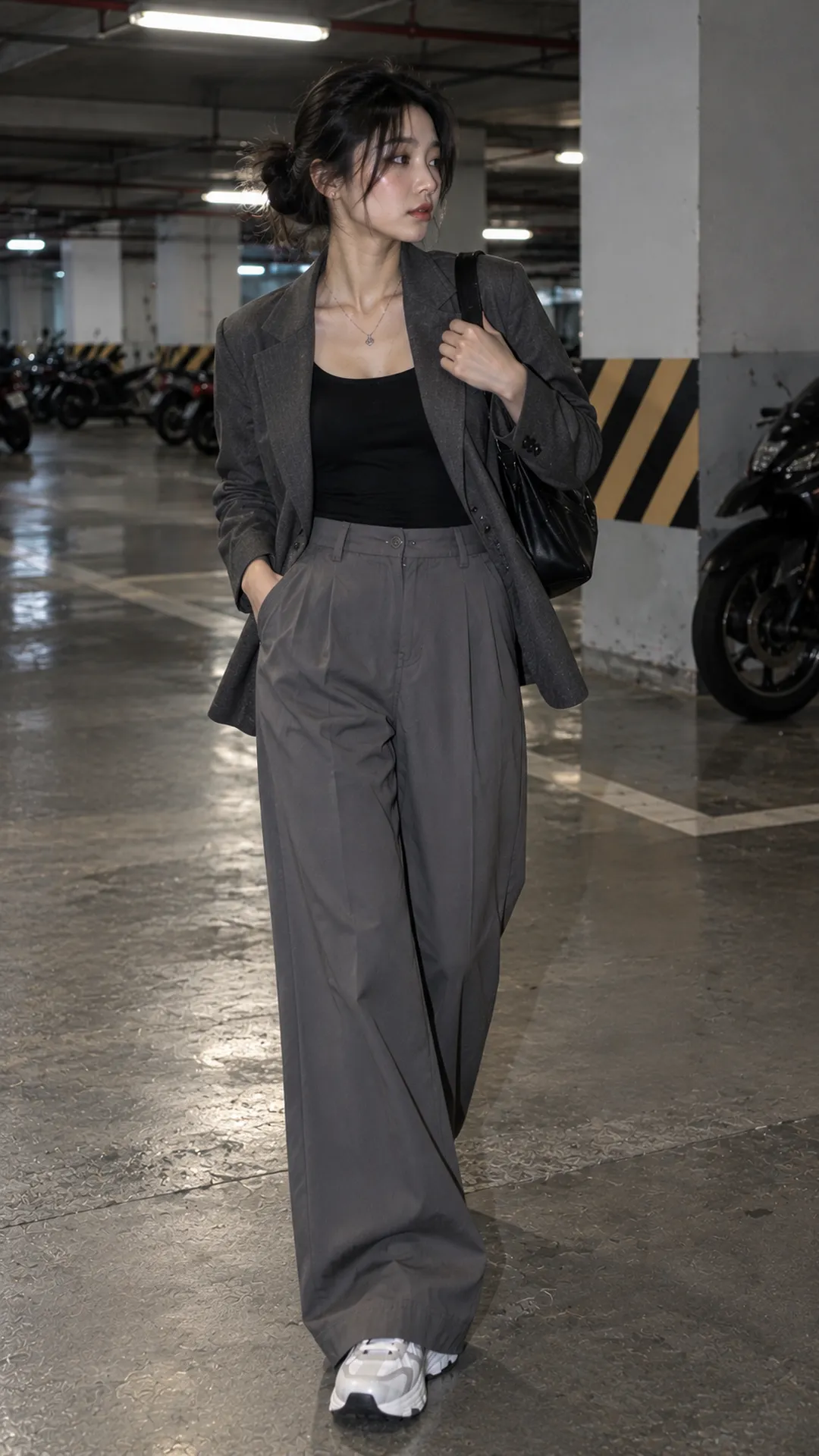
Trousers names a garment, not one fit
Dictionary.com describes trousers as lower-body clothing with a separate part for each leg. When translating a clothing page into Vietnamese, a general word for pants or long pants is a useful start, then context provides specificity.
Trousers therefore does not guarantee center creases, a fixed waistband, zipper or slanted pockets. Those belong to individual designs. One category may contain many styles while another shop separates jeans and trousers.
Distinguish word meaning from category organization. A separate jeans section does not itself change the broader meaning of trousers. Categories help navigation; the actual item's specifications and images establish what it is.
Two products called trousers may differ: one wide-legged with an elastic waist, another neat-legged with front pleats. Translating both as fitted dress pants loses information. Retain the broad meaning and add only features actually described.
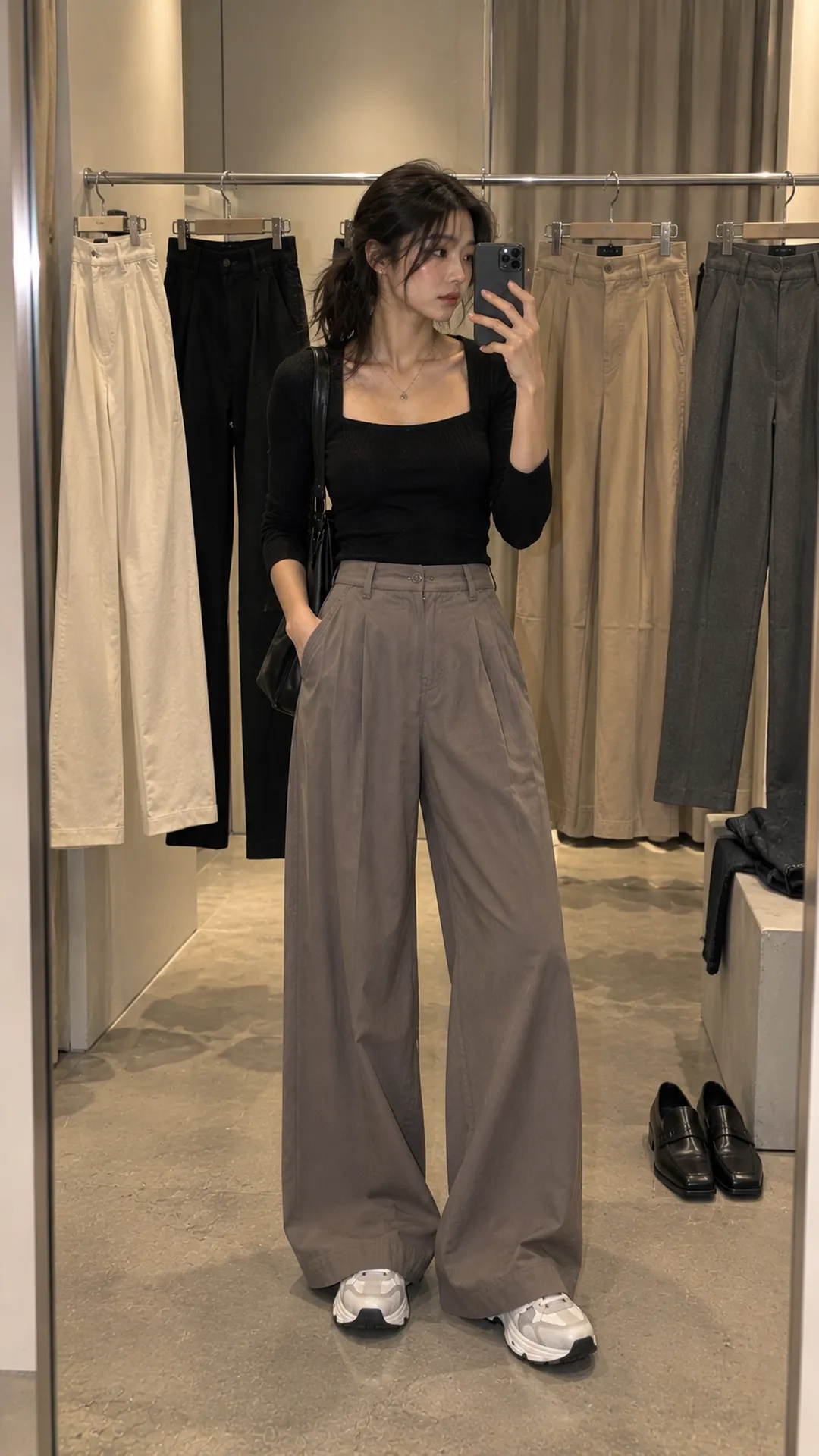
Why do both trouser and trousers appear?
Merriam-Webster notes that the noun is generally plural and also records trouser as an adjective relating to trousers. This explains its legitimate appearance without an s in fashion phrases.
Trousers is usual when referring to the garment. Trouser may modify another noun when describing a part. A missing s in a longer name is not immediate evidence of a different garment type.
For one garment, use 'a pair of trousers.' Pair does not mean an order includes two garments. Still check actual quantity, set contents and seller description separately rather than confusing grammar with items delivered.
For example, 'I need a pair of black trousers' means one garment. In Vietnamese shop copy, the English structure need not be retained: a clear local term for black pants, followed by leg shape and material, is more useful than a long mixed-language name.
For pronunciation, Dictionary.com's pronunciation section gives British /ˈtraʊzəz/ and American /ˈtraʊzərz/. Listen to the dictionary audio for your target accent rather than relying only on an approximate Vietnamese spelling.
Trousers and pants in British and American contexts
Collins explains that American English uses pants for trousers, whereas British English often uses pants for underwear. Remember this when translating conversation or reading without images.
On fashion pages, do not translate one isolated word mechanically. Check the shop's market, category and product image. Wide-leg pants on an American site generally refers to wide-legged trousers, not underwear.
If concerned about ambiguity when contacting a shop in English, attach the exact link or photo and use its published name. Ask about waist, inseam or fit. Product-specific questions are clearer than debating one supposedly universal meaning of pants.
Trousers and pants are not opposing fabrics. The same garment may take either name according to language usage. Thickness, leg cut and stretch still require separate description.
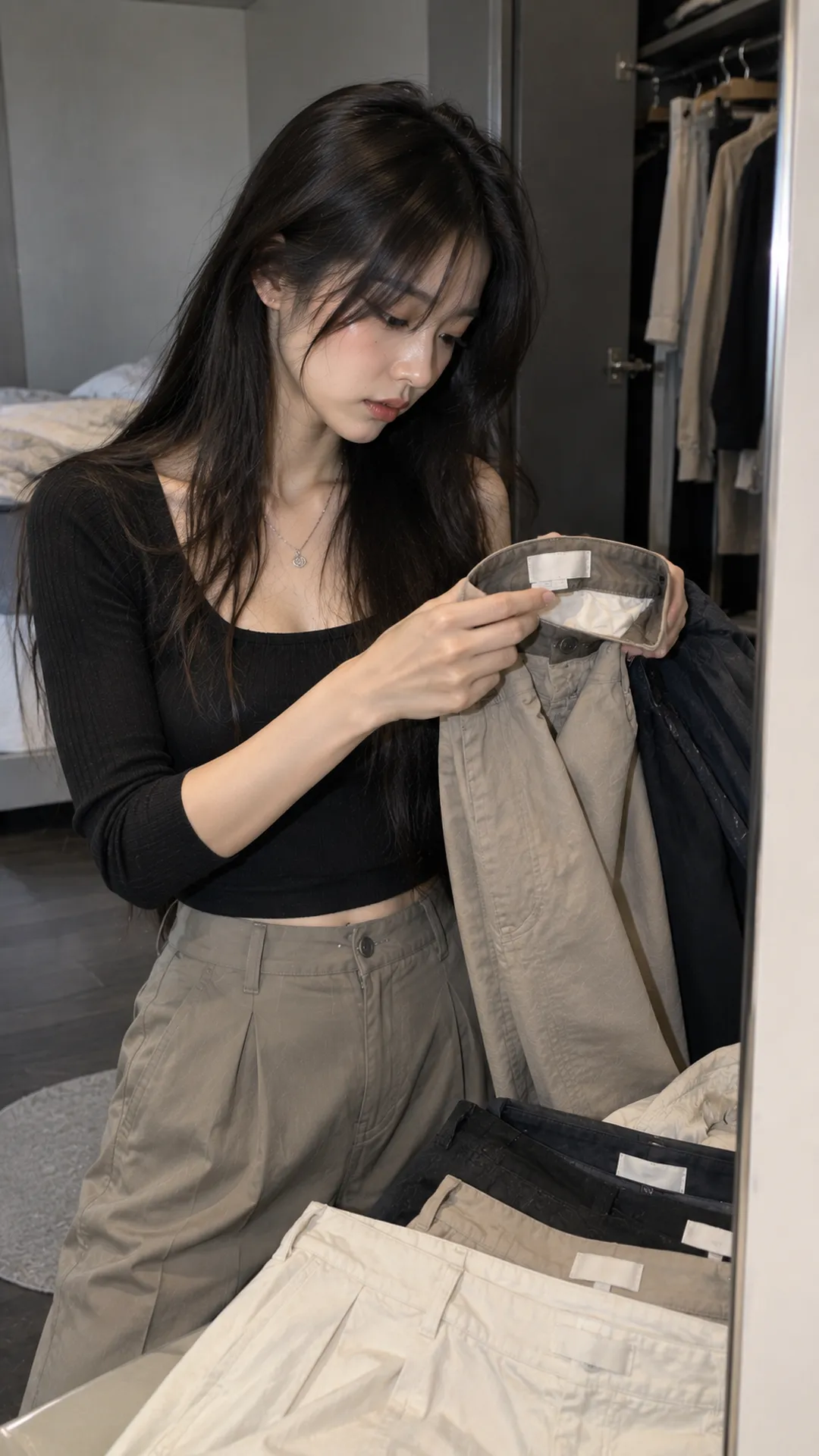
Jeans and the Vietnamese idea of dress trousers
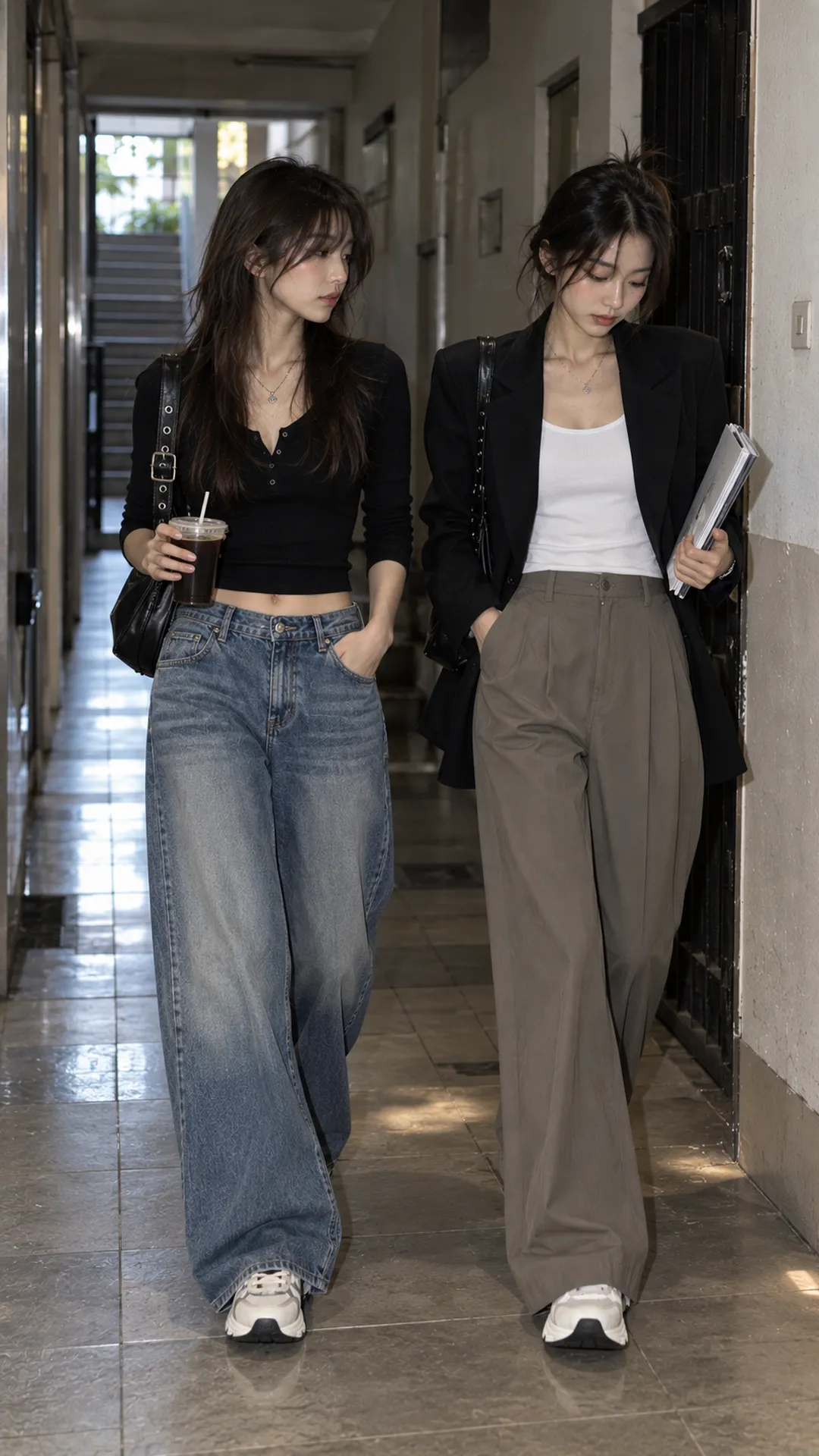
When a shop separates jeans and trousers, it directs customers toward different groups within its own system. This aids browsing but does not mean everything in trousers has equal formality or composition.
The Vietnamese term for Western-style dress trousers often suggests polished clothing, though retail boundaries vary. For that item, look for tailored, dress or suit descriptions and inspect waistband, pleats, fabric and images.
For casual wear, do not reject the entire trousers category as office clothing. It may include wide cuts, soft fabric or relaxed waistbands. The specific product's usefulness in your routine is what matters.
For styling after identifying the item, see the women's trouser guide by shape and rise. English terms identify a group; outfit choices return to the actual garment.
Read trouser names through three information layers
Layer one: leg shape
Wide-leg indicates width, straight-leg a relatively straight line and tapered a narrowing leg. These help initial filtering but cannot replace measurements because brands vary in their degree of width.
Slim is not a size name. A larger-sized slim trouser still follows its intended neat cut. The slim-fit trouser guide explains cut versus fit; do not size down just to make trousers count as slim.
Layer two: rise and length
High-rise, mid-rise and low-rise describe waistband placement within the product's classification. Cropped suggests a deliberately shorter-than-full length in context. The same listed length can fall differently because of leg proportions and wearing position.
Find rise and inseam if provided. A model's tucked top does not establish rise, and an ankle-length photo does not guarantee the same hem on you. Measure well-fitting trousers for a concrete reference.
Layer three: material and details
Cotton, linen or wool in a title signals material to check. Read percentages and blends rather than interpreting a title word as a purity guarantee. Pleated and flat-front describe the front, not the fabric.
Three examples without overinterpreting names
Black wide-leg trousers: you know black and a wide-leg direction, but not rise, thickness, lining or hem length. Check measurements and photos rather than immediately assuming office dress pants.
Linen-blend cropped trousers: the name suggests a linen-containing blend and cropped length. Ask percentages and actual length. Linen does not guarantee coolness in every condition; thickness and construction still matter.
Pleated tailored trousers: the name suggests pleats and a polished design. Check pleat placement, front puffing when seated and waist comfort. A fuller name helps you ask, not replace trying on.
These are hypothetical name analyses, not live product descriptions. For longer titles, separate color, shape, material and details, then identify missing information. No single English word contains the whole specification.
Use terms to ask sellers specific questions
Instead of asking whether the trousers look good, ask for leg width, rise and length in your size. For school or work, explain the activities involved. A purposeful question elicits more useful answers than asking the shop to decide everything.
Separate body from finished measurements. A flat garment waist differs from the wearer's circumference, and doubling or measuring conventions vary. Ask for the method before comparing with your own trousers.
A front photo does not reveal complete fit. Seek side, back and seated views if video exists. With pleats, check whether they remain as designed or pull open. With elastic, ask the stated adjustment range instead of judging stretch from a photo.
The shopping and store-selection guide helps inspect descriptions, specifications and exchanges. Trousers does not prove origin, quality or price; each needs separate evidence.
Move from terminology to practical wear
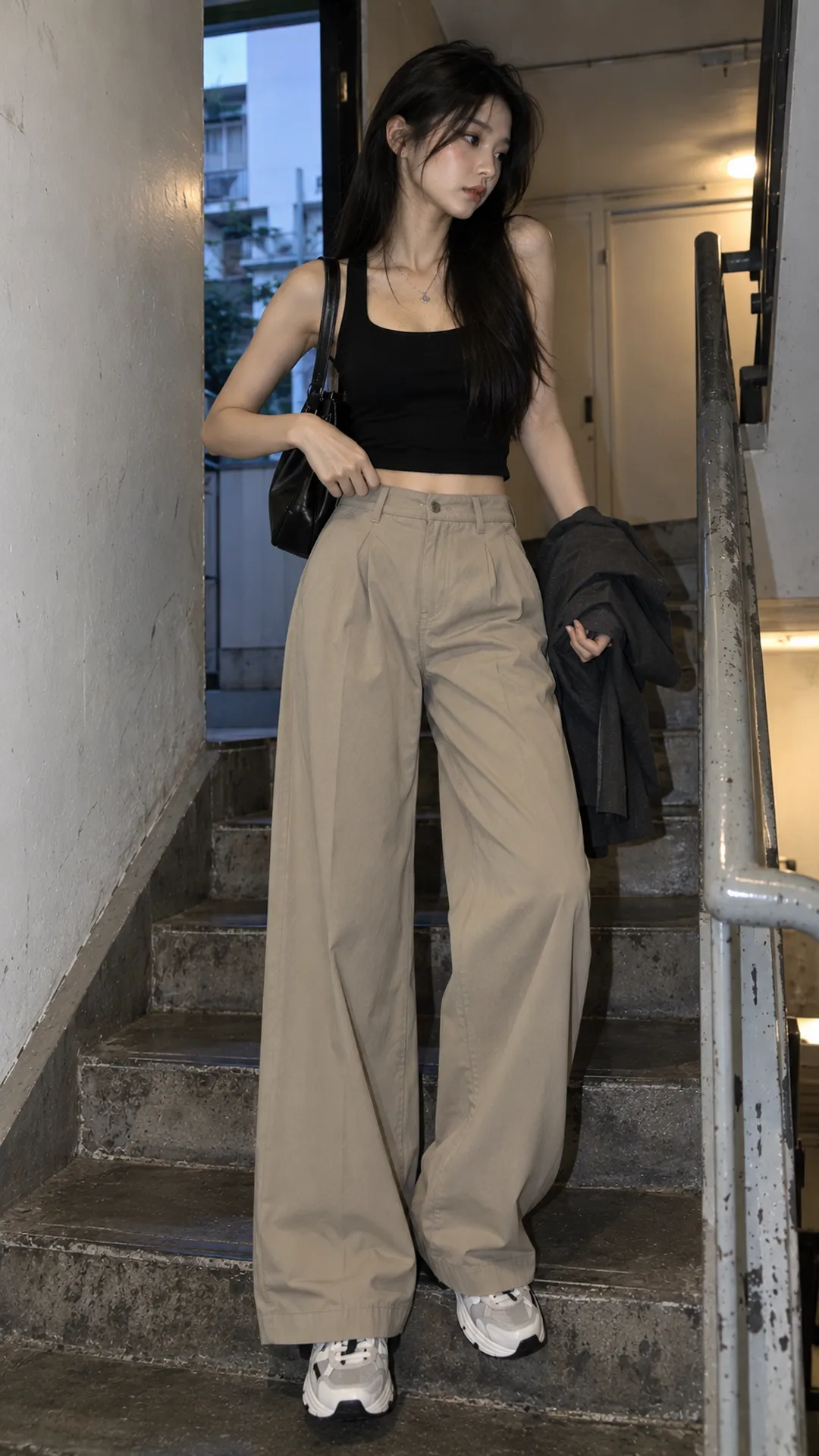
With wide, draping trousers, a neat top reveals lower-body fabric volume. With structured straight trousers, a shirt or tee creates different directions. These illustrate structure rather than requiring one top with all trousers.
Do not treat a product name as a dress-code decision. Check the destination's requirements and the complete outfit. A casual-labeled pair may suit one setting but not another; keywords aid research rather than replace rules.
The item-by-item guide moves from identification to styling without assigning a fixed aesthetic. Start with existing pieces and change tops or shoes for actual needs.
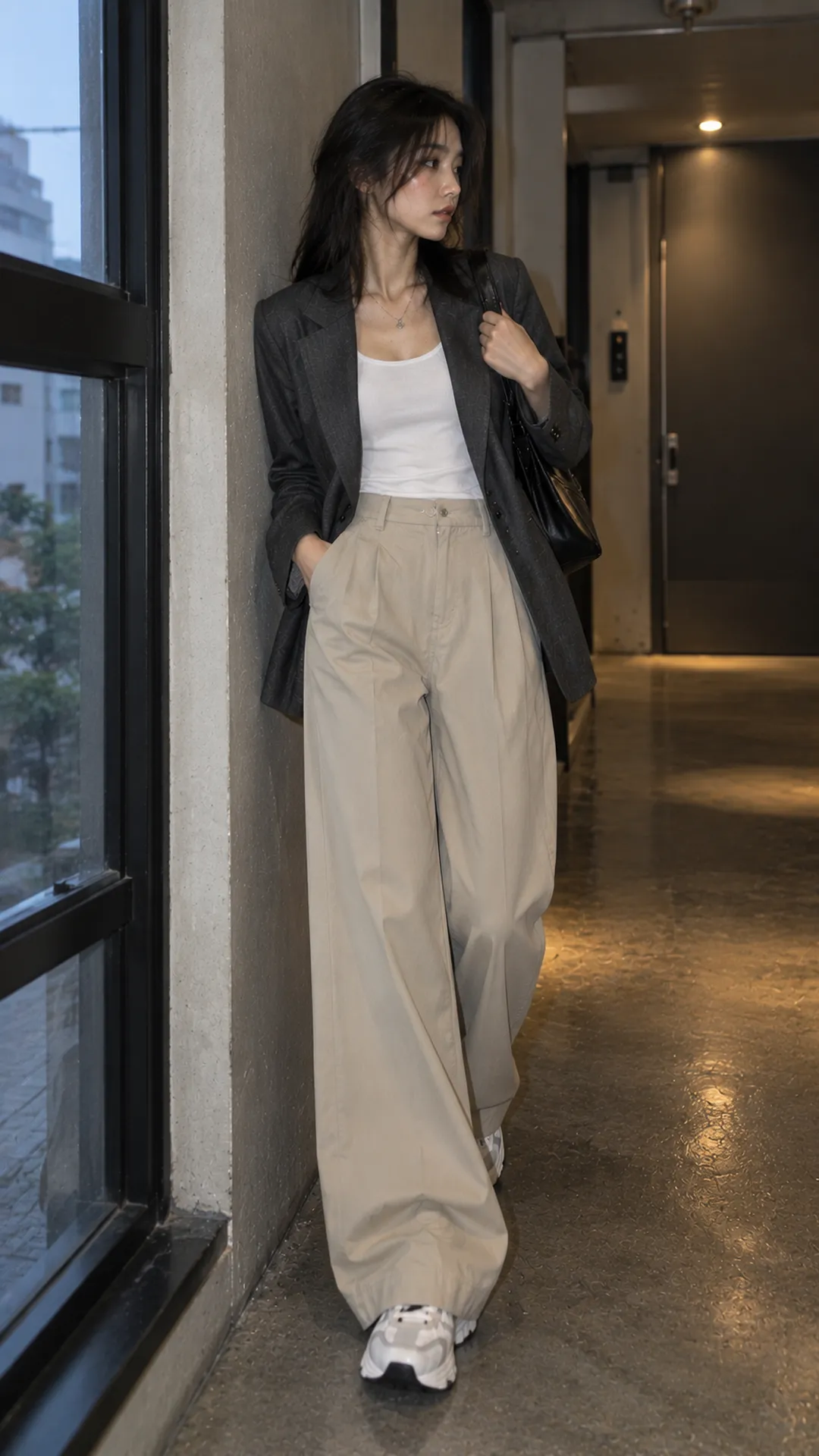
When you next encounter an unfamiliar trouser term, ask three questions: what is its context, what do the modifiers describe and what information is still missing? Those answers are more useful than applying one translation to every pair.