

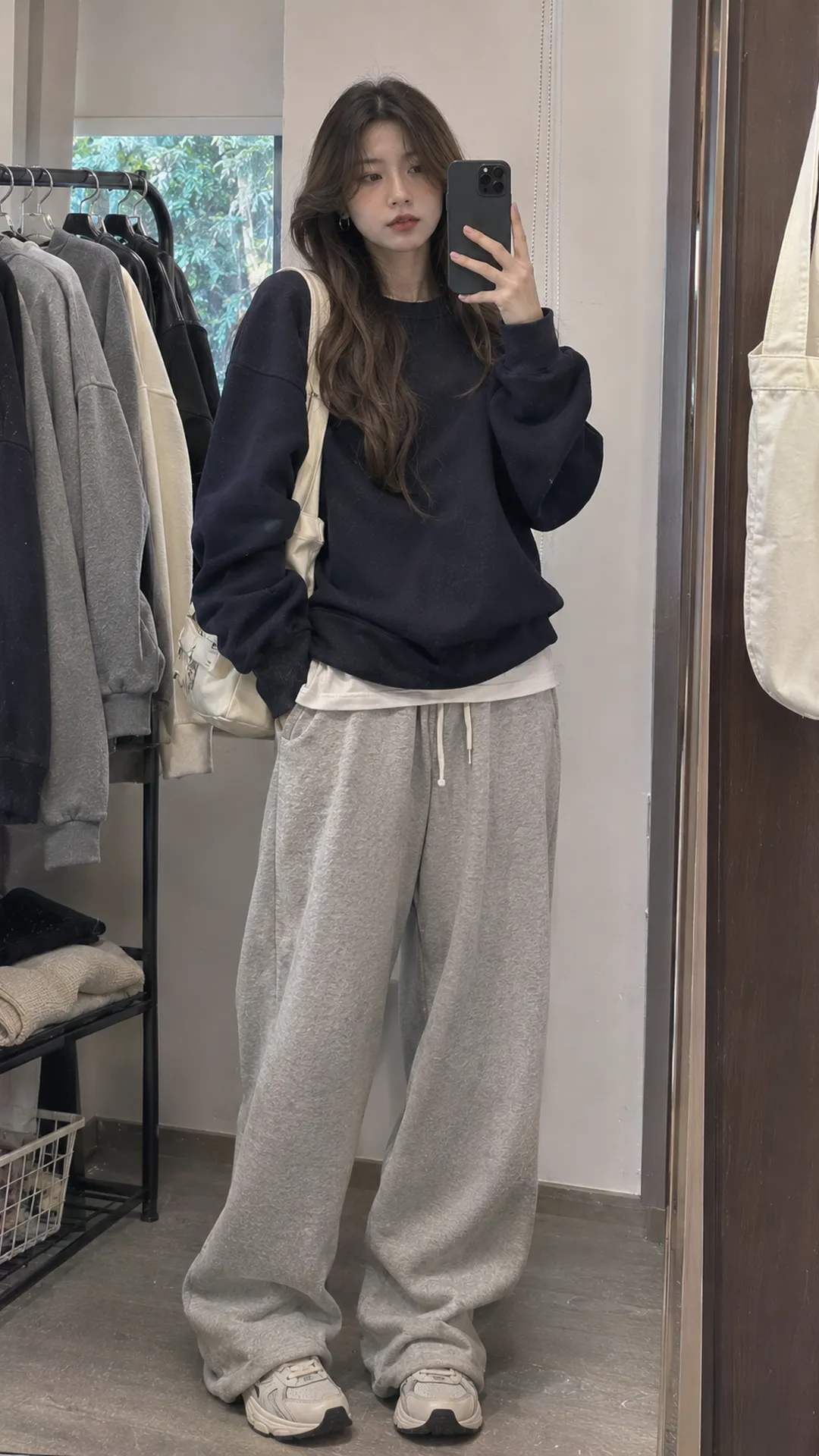
Choose for the workout you do
For machines and weights, check room at the hips, crotch, and thighs. The fabric should stay comfortable when you sit at a machine or step up. Keep hems and drawstrings tidy and remove hard objects from pockets that press against equipment.
For lateral steps, changes of direction, or high knees, try those movements in the fitting. A comfortable waistband can still shift during a wide step. With shorts, check the leg opening and whether the liner stays in place.
For mat exercises, look for seams and hard details where you’ll put weight. A back zipper or thick pocket can press when you lie down. Choose a cut you can move in without adjusting it after each position.
For sportswear outside workouts, see what athleisure means and how it works across settings. For training, check fit against the actual activity first.
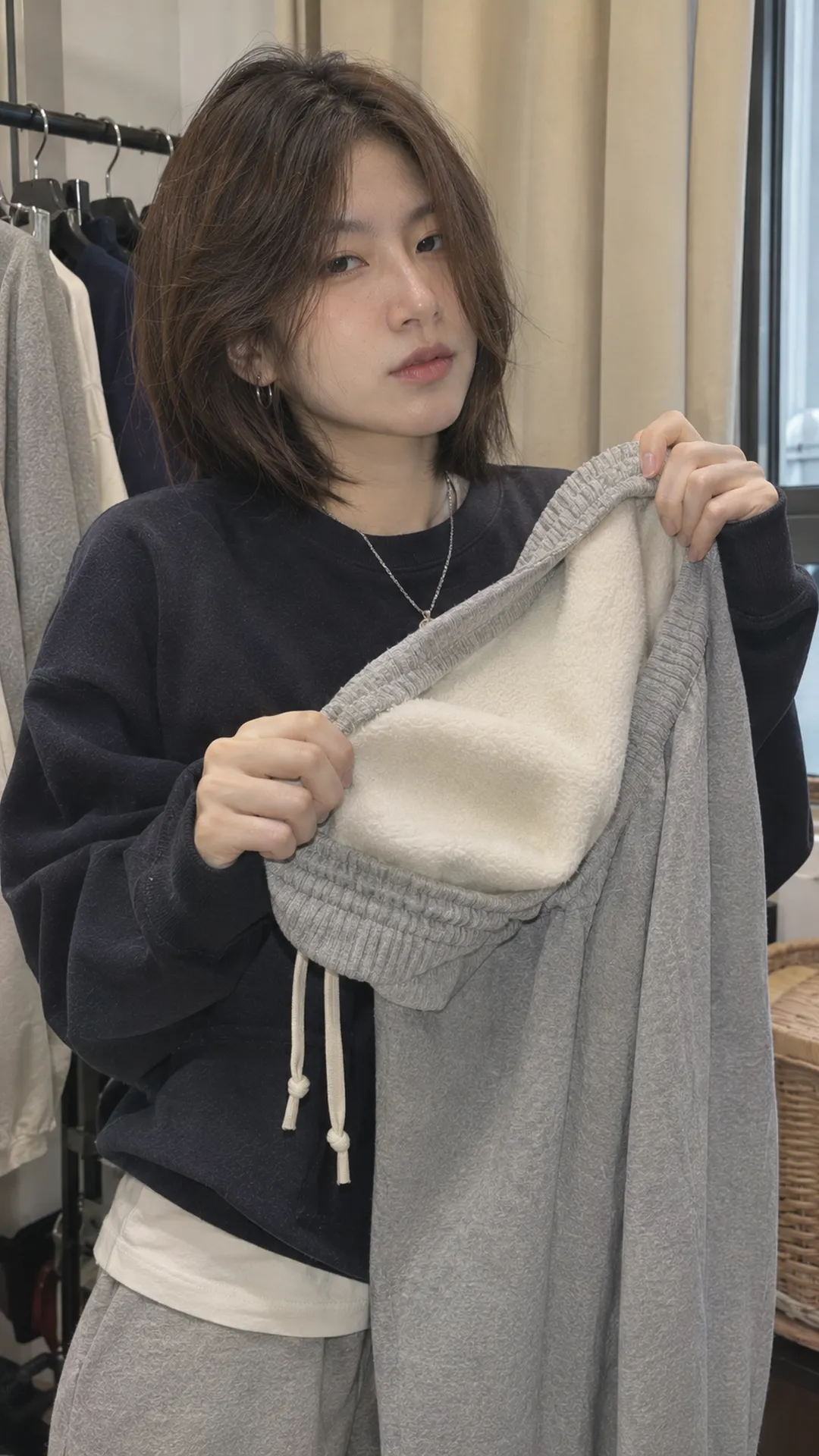
Common types of women’s workout bottoms
Tapered pants and joggers
Tapered pants offer more coverage and keep extra fabric away from shoes. Joggers usually have cuffs. Check thickness, crotch room, and waistband comfort while seated.
A tight cuff can pull fabric up and bunch it at the calf when you bend the knee. Very wide legs can catch on some equipment. Try the hems with your workout shoes.
Straight-leg pants
A straight leg gives more room around the leg. Check that the hem clears the floor and doesn’t roll into the shoe. Choose a shorter length if you keep having to hold or roll up the hem.
A pair that works for walking or traveling to the gym may fit some exercises better than others. Check gym clothing rules and keep loose fabric away from moving equipment.
Single-layer athletic shorts
Check the inseam, thigh opening, and slit placement. A pair that looks long enough at the front can open at the side during a high step or when you sit.
Choose mid-thigh or longer if you prefer the coverage. If the shorts ride up, check thigh width, crotch fit, and seams as well as length.
Two-layer shorts
These have an outer shell and a separate inner layer. Some liners fit close to the thighs. Check interior photos or the manufacturer’s description for the design you’re considering.
Move in both layers. Check whether the outer layer rides up and the liner rolls or squeezes. If one layer fits and the other doesn’t, try another cut as well as another size.
Fitted workout pants
A close fit makes the waistband and seams easy to see. Check opacity when the fabric stretches. Choose a size that lets you bend and keeps the waistband in place without frequent adjustments.
Choose fitted pants for their performance during your session. Coverage, pockets, or fabric finish may make a different pair more useful for everyday wear.
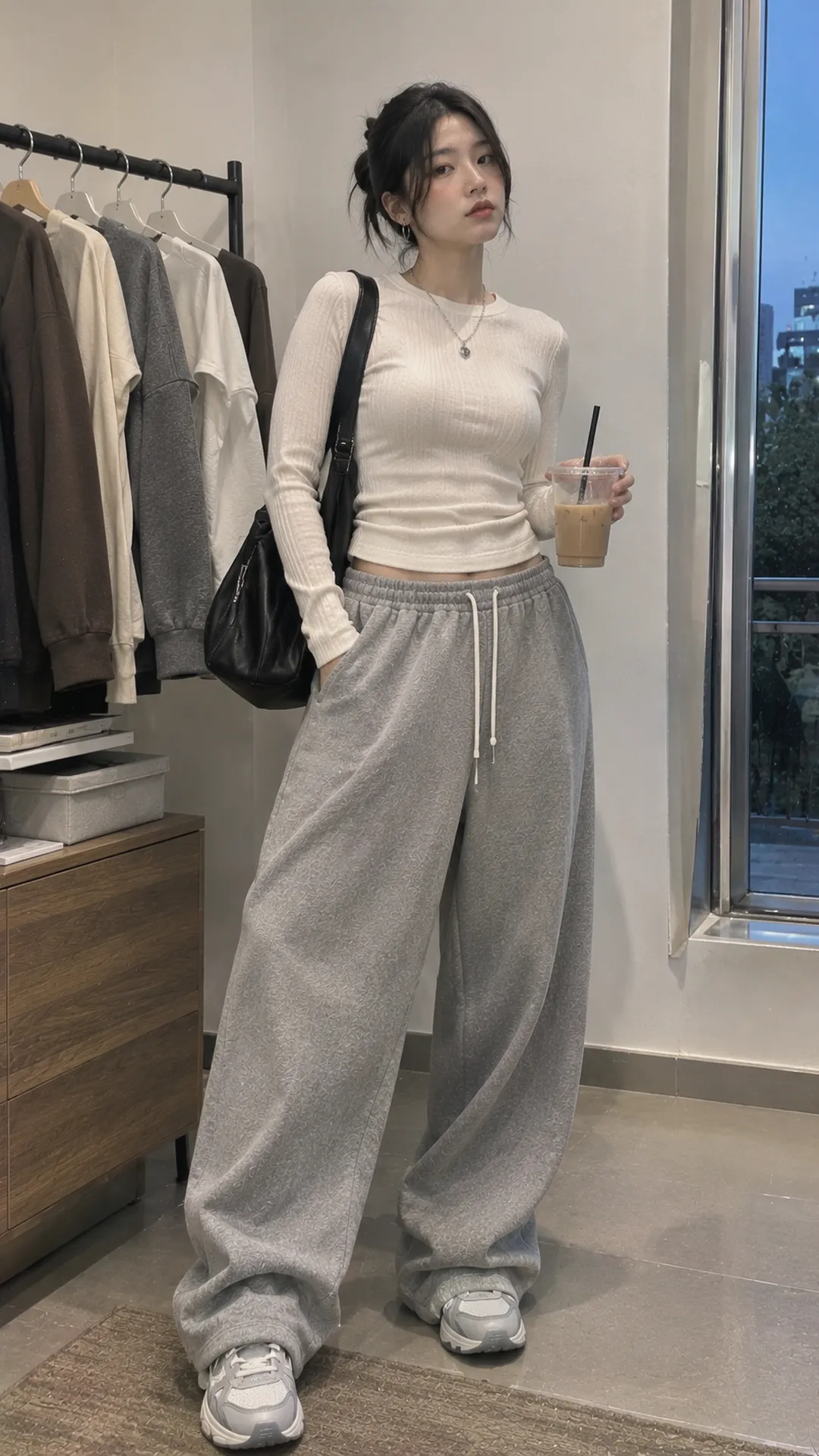
Check the waistband, crotch, and seams
Compare high and mid-rise waistbands while standing, bending, and sitting. If the waistband rolls, check size, rise, and construction before tightening the drawstring.
Take a long step and sit to check room at the crotch. If the back pulls down or fabric collects at the front, try another cut before buying.
Check the inside thigh seams, waistband, and panel joins by touch and during a few gentle movements. Even with a seamless label, check the edges and joins on the actual garment.
Check whether a drawstring knot presses when bending or leaning against equipment. Open and close zip pockets while wearing the pants. A useful travel detail can feel uncomfortable on a mat.
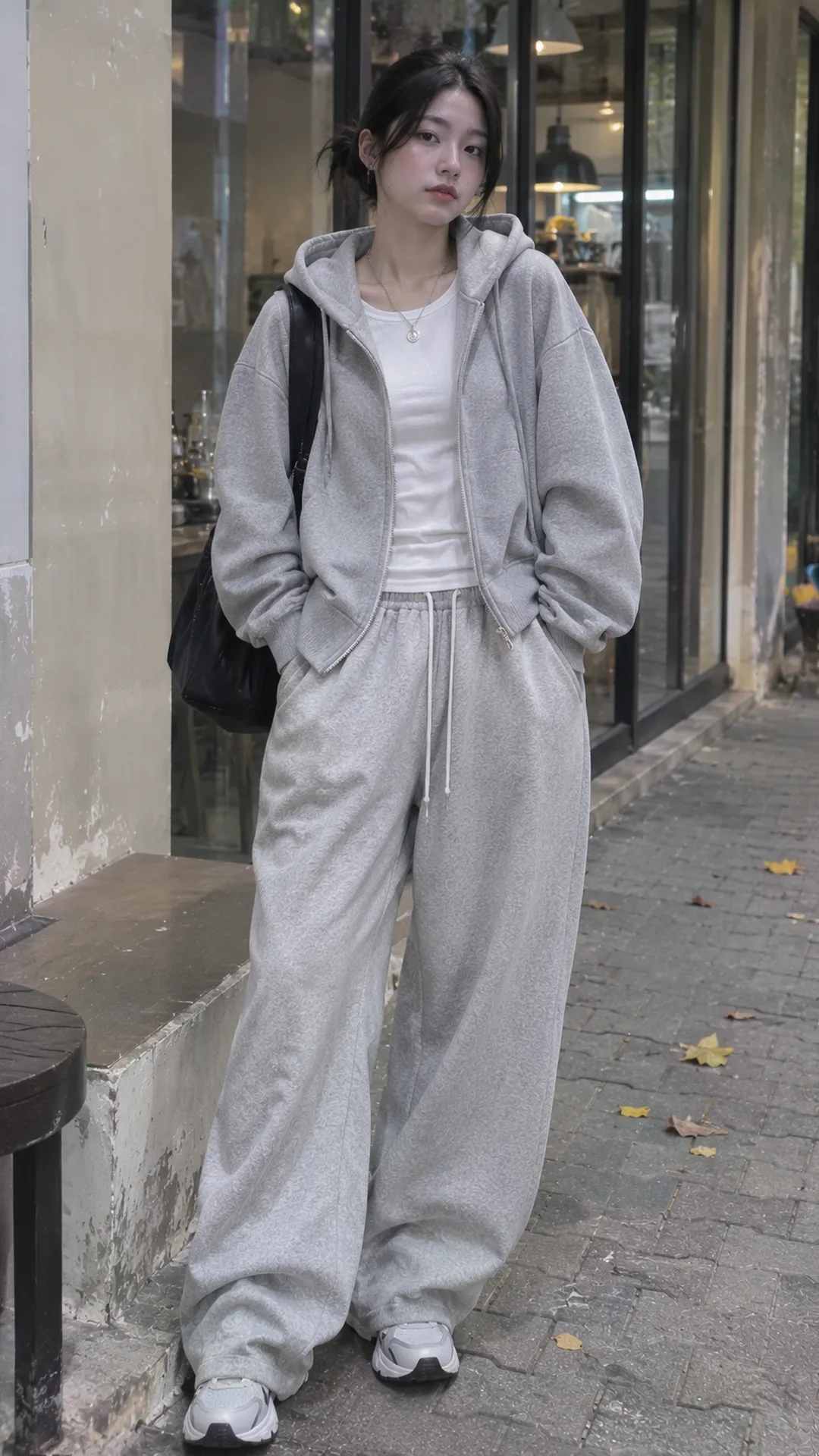
Read the fabric details and try the garment on
In Decathlon’s fitness clothing guide, sweat management and fabric weight are highlighted. Look for details about the actual product when comparing general claims such as premium or cooling.
Fiber content gives you one part of the picture. Fabric structure, thickness, lining, and fit also affect how it feels when you bend your legs or exercise in a warm room.
Check opacity in good light with your usual underlayer. Bend comfortably at the hips and look from behind in a mirror or ask someone you trust. A standing product photo shows only one position.
Check whether the fabric returns to shape after sitting or bending your knees. Look at the knee and waistband during the movements you use, and handle the fabric gently.
Test the fit with a short sequence of movements
Stand naturally and walk to check the waist, pockets, and hem. Sit and stand without adjusting the pants in between. Note whether the waist slips or the garment twists and where you feel discomfort.
Raise a knee, step sideways, and bend slightly within a comfortable range. Check whether the leg limits movement, the liner rolls, or the drawstring presses.
Try the top and shoes you plan to wear. A long top can hide a waistband issue, and a high or chunky shoe can make the hem bunch. Check all the pieces together.
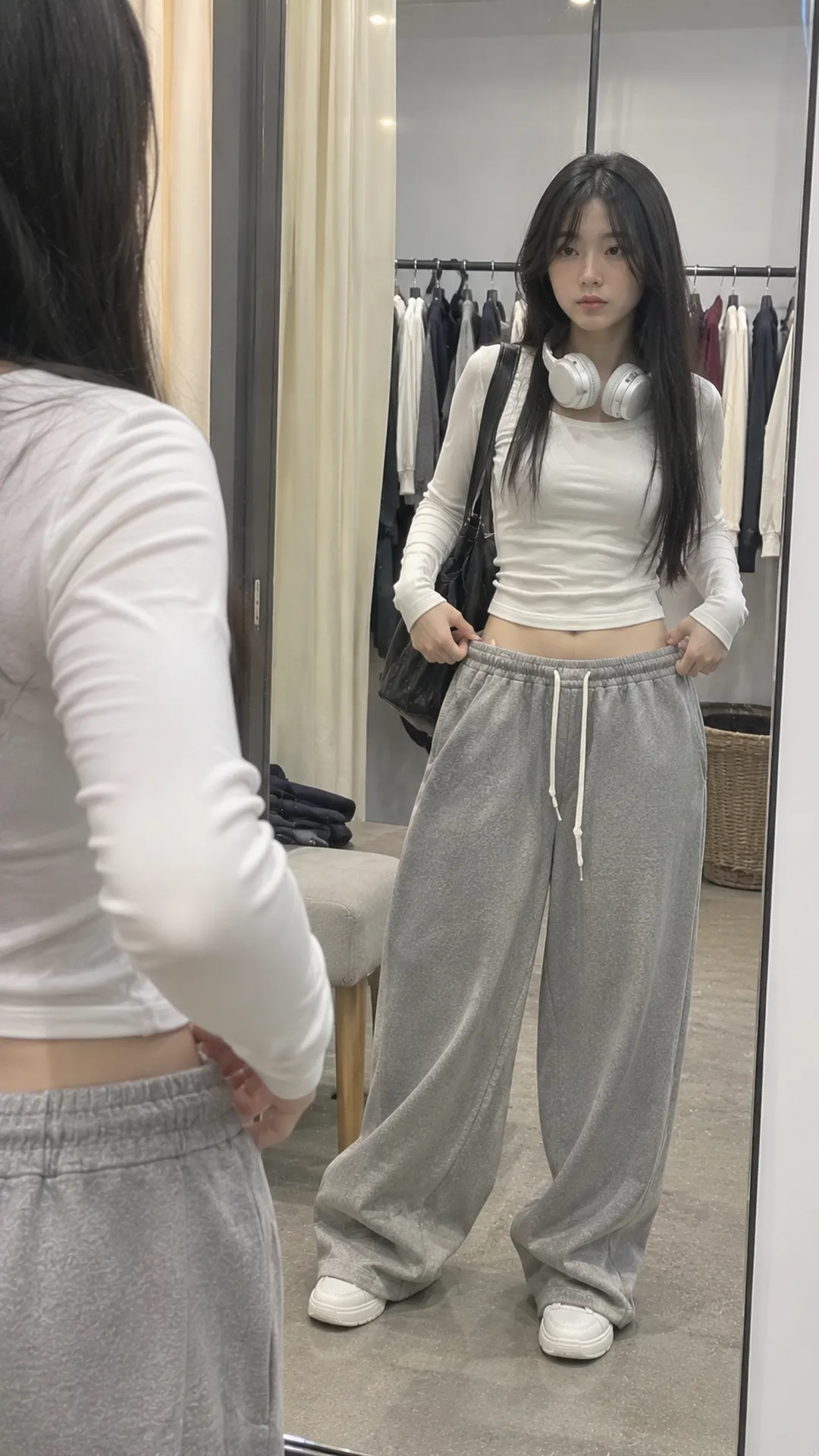
Build a simple workout outfit
With wide athletic shorts, a fitted top or tidy hem leaves the waist and movement visible. If you prefer an oversized tee, choose a length that stays clear when you use equipment.
With tapered or fitted pants, try a tee with room at the shoulders and underarms. Bring a layer that’s easy to remove and store for travel to and from the gym. See our guide to layering women’s outfits for fabric thickness and hem placement.
Dark colors, gray, and muted blue can make a simple base. For light colors, spend extra time checking opacity and how you feel about visible damp patches.
For casual outfits with athletic pants, see our guide to sporty chic styling. Choose the workout pair for movement first, then consider how it works with a bag or jacket outside the gym.
Shop online and care for your workout bottoms
Compare waist, hip, length, and inseam measurements with a pair that fits. Check whether the chart lists body or garment measurements. Size can vary across brands, particularly for lined shorts and less adjustable waistbands.
If you carry your phone, check pocket dimensions and placement. Put it in and walk to see if the weight pulls the garment. Before exercising, store items that press or distract you somewhere suitable.
Follow the washing and drying instructions and check the waistband and seams after regular wear. Use heat or treatments only if the brand allows them. Reassess workout use if coverage, waistband hold, or seams deteriorate.
Before buying another pair, identify what you need: cooler fabric, a pocket, a shorter hem, or a liner that stays flat. See our item-by-item styling guides to compare bottoms with what you already own.