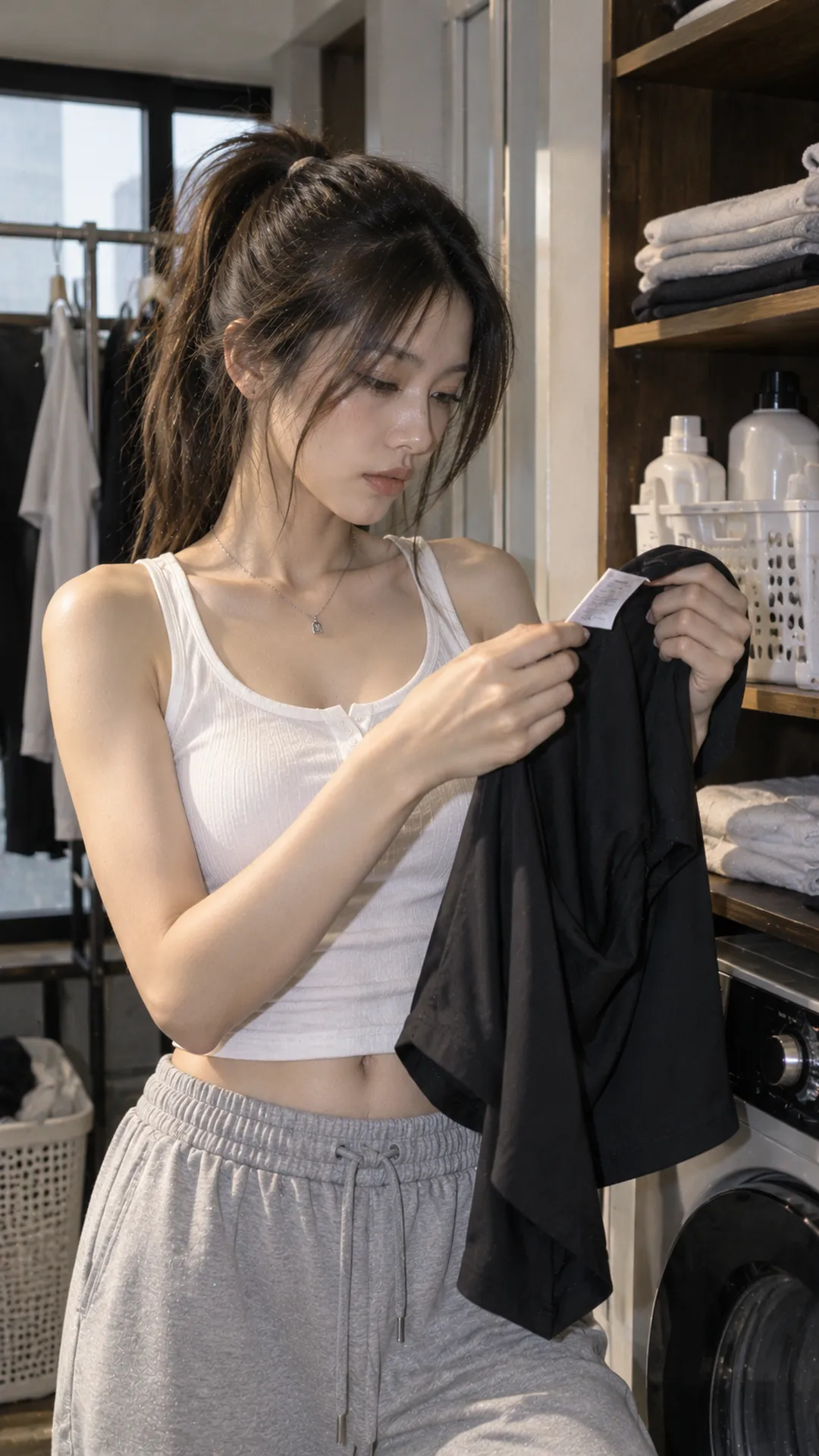
What does a 100% polyester label establish?
PET is common in apparel polyester. According to Textile Exchange, conventional polyester uses fossil-based raw materials and is valued for strength, wrinkle resistance and quick drying. Recycled polyester uses existing polyester through mechanical or chemical recycling.
Fiber is the raw material; fabric results from its construction. A sports mesh and thick jacket cloth can both say polyester without the same experience. Answer at two levels: polyester identifies fiber content, while surface and use depend on the fabric produced.
A 100% polyester label describes the fibers of the labeled component. Check whether that means shell, lining or another part. It does not independently establish waterproofing, UV protection, antimicrobial properties or four-way stretch. Those require separate product information.
For vague descriptions such as premium, soft or cool poly, ask for complete composition, structure and interior photographs. Promotional terms cannot replace percentages. Burning fabric is unnecessary for shopping: read labels, ask the seller and check product information.
Does polyester feel cool?
It depends on the garment and conditions. Polyester absorbs little water into the fiber, which differs from a fabric structure moving sweat to its surface. Patagonia explains moisture wicking through construction and finishing, distinguishing this from moisture vapor passing through fabric.
Separate three advertising questions: does the fiber absorb water, does the fabric transport moisture, and can air and vapor pass through the complete garment? Strength in one does not establish superiority in another. Cool hand-feel in a shop does not simulate an hour outdoors.
Nike's guide describes wicking fabrics designed to move sweat outward for evaporation. That helps explain sportswear use without giving every fashion polyester the same technology. For exercise, seek the exact design's functional information.
In heat, consider width and layer count too. A thin top beneath a thick jacket can remain uncomfortable. A light dress with full lining differs from one layer. The guide to whether black clothes feel hot in summer adds color, cut and use conditions rather than attributing all heat to fiber.
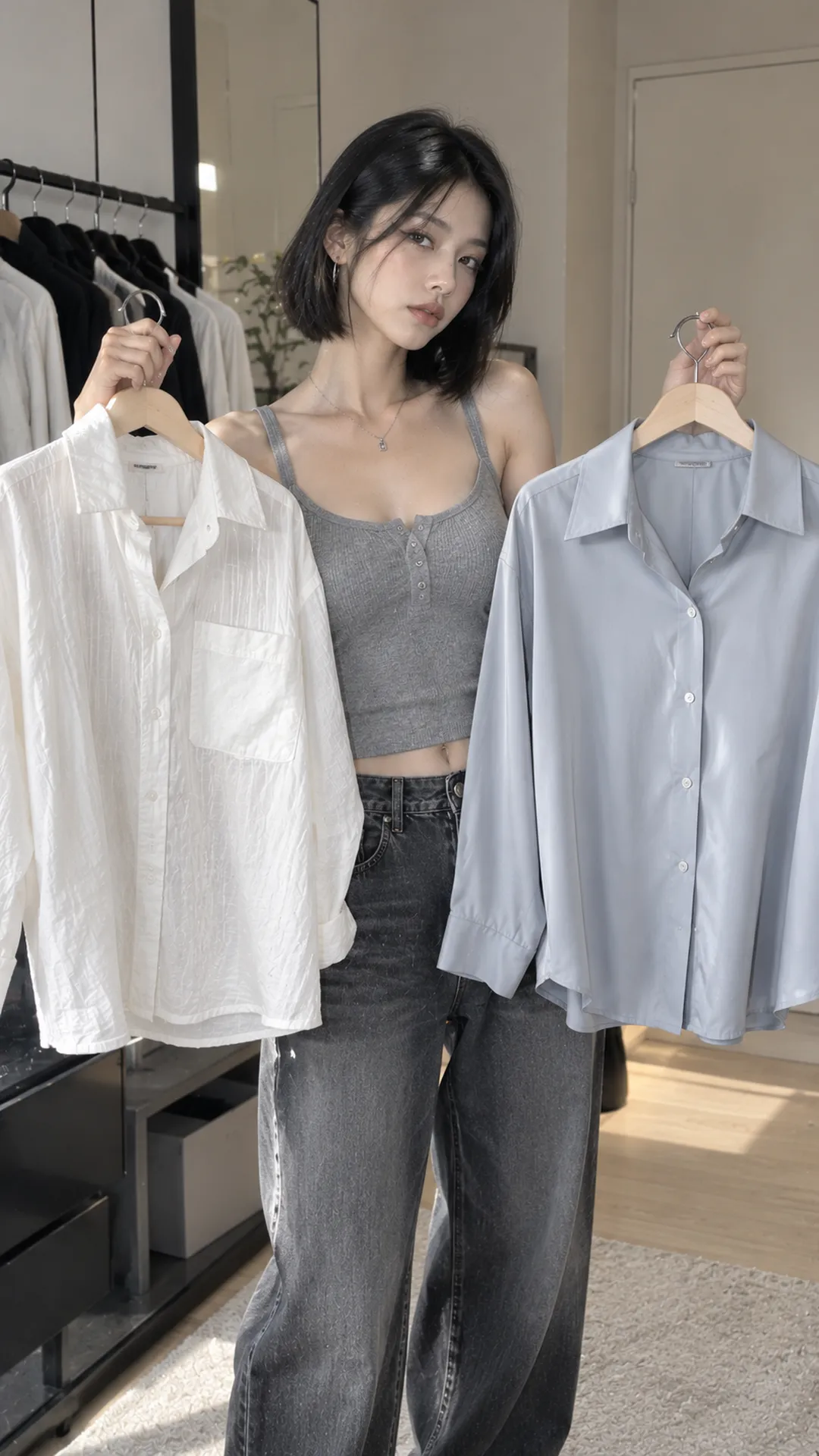
Properties to assess on the actual garment
Wrinkle resistance and shape retention still need care
Wrinkle resistance helps explain everyday use, but seams, pleats, interfacing and storage affect appearance. Inspect shoulders and placket in tops; knees, hips and zipper areas in trousers. A fitting provides more information than crumpling one corner.
Assess stretch separately
Knits and wovens move differently; elastane blends add another factor. Do not assume polyester is always stiff or always elastic. Sit, reach and stride. Online, ask stretch direction and whether the size chart accounts for it.
Shine does not represent every polyester
Polyester appears in varied surfaces. For depth in dark outfits, compare matte and subtly shiny pieces through actual photographs or samples. Product lighting can alter gloss, so request ordinary-light images if it determines the choice.
Quick drying does not mean automatic odor resistance
REI's base-layer guide notes that some synthetics retain odors and some products use dedicated treatments. Polyester alone does not guarantee antimicrobial performance. After exercise, follow the garment's washing and drying guidance rather than substituting fragrance for appropriate cleaning.
Choose polyester for the intended use
School, work or outings
Prioritize the interior feel, perceived ventilation when trying and shoulder/armhole fit. Check light colors for transparency under suitable lighting. With dark colors, inspect seams and surface dust. If you move between air conditioning and outdoor walking, consider both stages.
You need not reject a garment for containing polyester. Ask whether it meets actual needs: shape retention, existing combinations, manageable care or details you like. If the only answer is advertised coolness, information remains incomplete. The Alt Fashion shopping guide places these criteria beside budget before buying.
Exercise and active clothing
Seek clear descriptions of wicking, ventilation structure or intended activity. Test relevant movements, seam rubbing and hem displacement. For close-fitting wicking layers, fit contributes to function; loose-shirt sizing experience cannot transfer unchanged to every exercise garment.
Sporty everyday styling can be an appearance preference, separate from training needs. A sporty silhouette does not establish suitability for high-intensity exercise. Nor must you pay for unused features merely because a technology name appeals.
Dresses, jackets and layered clothing
For dresses, inspect shell and lining: what touches skin, what drapes and what holds shape? For waterproof claims on jackets, ask about coatings or membranes. A polyester shell alone does not establish whole-jacket protection, especially seams and zippers.
For low-stretch pieces, use actual measurements and allowance for inner layers. The online clothing sizing guide prepares measurements instead of relying on weight. Clarify whether charts describe body or garment before ordering.
Care according to garment construction
Start with the finished garment's care label. Embellished, coated and sports polyester may require different handling. Check temperature, hand or machine washing, tumble drying and ironing. For missing labels, seek the exact design's guidance or manufacturer rather than one formula for everything.
For wicking clothes, read fabric-softener instructions. Patagonia and Nike both note that care products can affect performance. Do not add softener for lasting fragrance when guidance advises against it. Follow detergent dose, rinsing and drying instructions to limit residue.
Check pockets and snag-prone details before washing. With zippers, embellishments or fine mesh, use label-permitted protection. Confirm ironing temperature and consider prints, coatings and fittings. Durable fabric does not tolerate every treatment.
After wear, assess whether washing is necessary or airing is sufficient under the guidance. Sweat-heavy or dirty pieces need appropriate handling rather than sealed storage with clean clothes. Repair loose seams or faulty zippers early where possible to keep items in use.
Is recycled polyester always better?
Recycled polyester can reduce demand for virgin polyester without making a product impact-free. Textile Exchange also discusses limits to repeated recycling for some material sources.
Check recycled percentage and applicable component: main fabric, lining or another part. For certification, examine the brand's actual information rather than a green symbol alone. You need not calculate environmental impact from an incomplete listing; record knowns and unanswered points.
The guide to sustainable fashion extends the discussion to production, use and garment longevity. For a personal wardrobe, choose useful pieces, rewear and care correctly. Do not buy merely for recycled wording or discard usable polyester to replace everything with another fiber.