

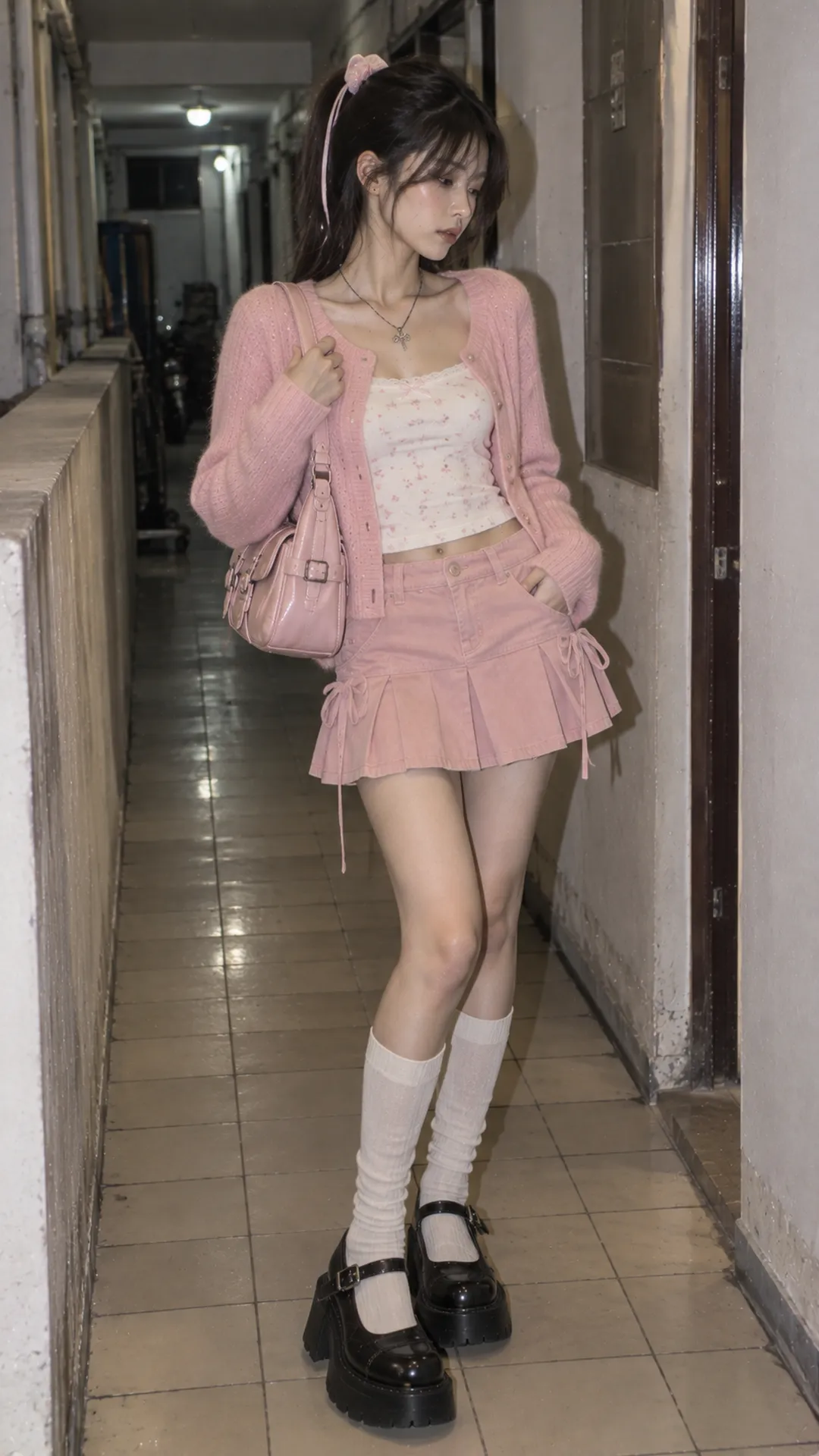
Pink is a starting point, not the whole style
Pink aesthetic can serve as a broad inspiration label rather than the name of a subculture with fixed rules. Someone who likes minimalist lines can make pink the main color; someone else may use it in romantic or heavily accessorized clothing. Seeing pink therefore answers only part of the question about an outfit.
The exhibition Pink: The History of a Punk, Pretty, Powerful Color at The Museum at FIT places pink in varied historical and cultural contexts. Its examples include powerful and rebellious dress as well as sweet imagery. That is a reason to avoid assigning one personality to everyone who wears pink.
Start with three words for the outfit you want, such as clean, light and flexible, or soft, flowing and slightly nostalgic. Then choose a pink piece that fits those words. The palette has a clearer purpose once you know the cuts and textures you need.
How does pink aesthetic differ from Barbiecore and Coquette?
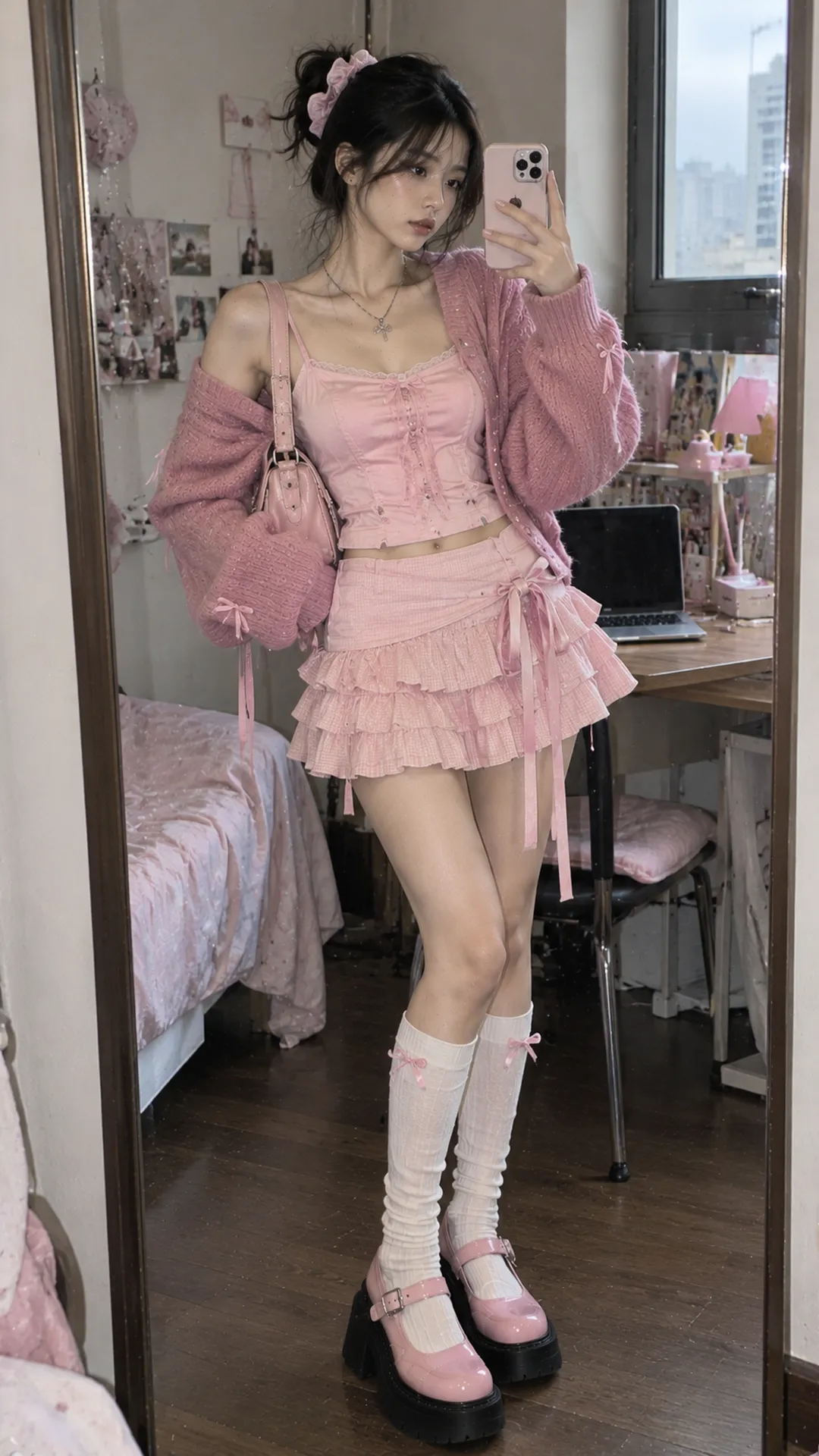
Barbiecore refers specifically to Barbie imagery, often interpreted through playfulness, polished surfaces and imaginative details. A simple pink outfit does not necessarily carry that reference. To explore doll imagery, statement accessories or glossy styling, read the guide to Barbiecore aesthetic and outfits.
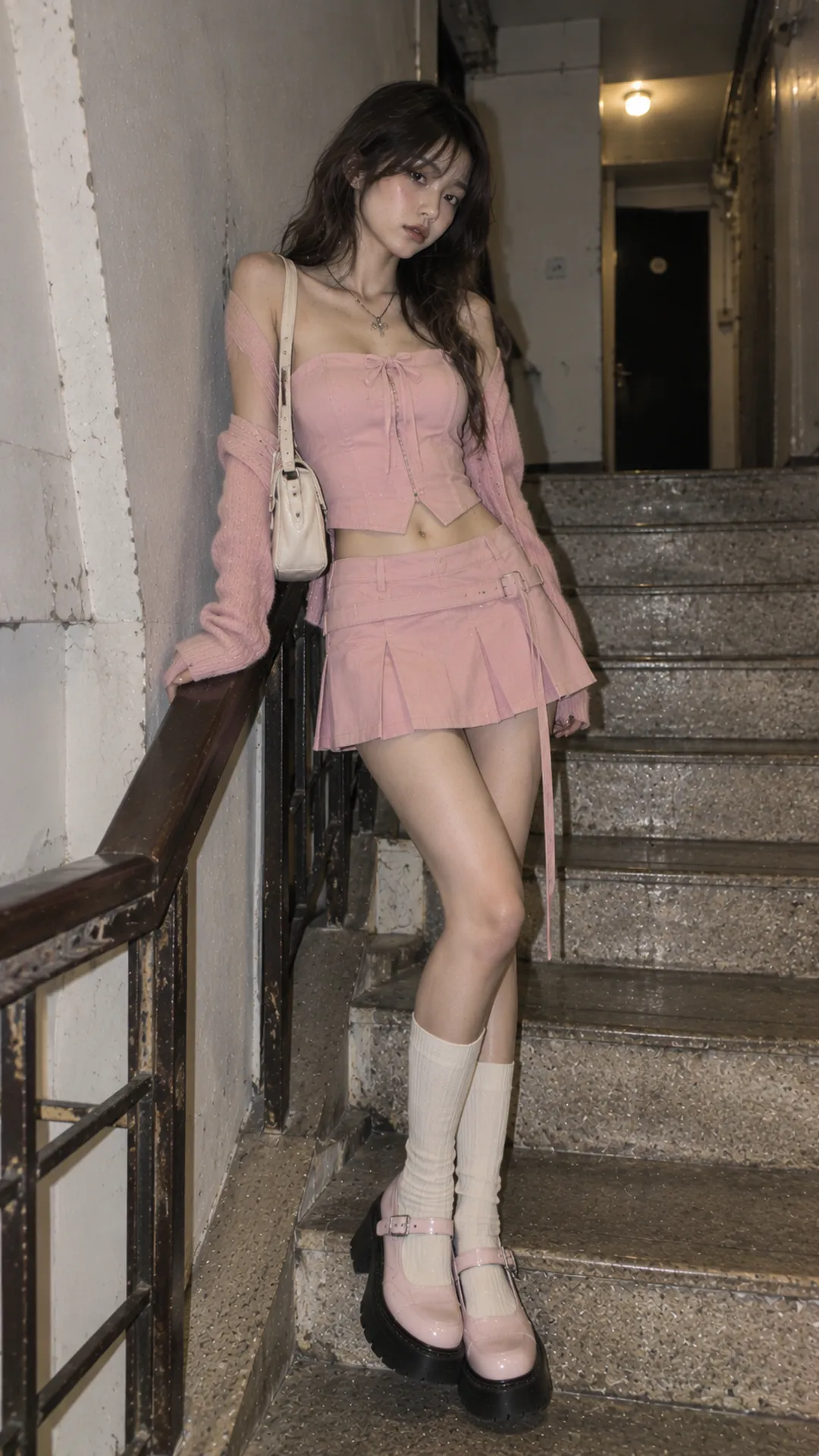
Coquette is read through romantic details such as bows, lace, ruffles and soft trims. Those details can appear in black, white or many other colors; pink is optional. The guide to Coquette and Dark Coquette explains how decorative elements serve as recognizable cues.
You can occupy the overlap. A pink bow top with a soft skirt uses pink inspiration while leaning Coquette; a pink set with straight cuts and little decoration may take another direction. Every pink outfit does not need one label. What helps is understanding which details change the whole outfit's mood.
Choose the lines first, then how much pink to use
For a clear, streamlined look: shoulders, necklines and hems
Look for pink pieces with legible endpoints: a neat-collar shirt, a hip-length jacket or minimally detailed straight-leg trousers. Place them beside a plain base top and a structured bag. The outfit need not be tight; intentional roominess can still look clear when shoulders and hems stay in place.
Sit, pick up your bag and stand. If the top bunches at the waist, check the tuck before changing everything. If overlong sleeves cover your hands inconveniently, choose another length or roll them neatly if the fabric allows. A beautiful color does not replace comfort in use.
For softness: choose movement and one decorative detail
Start with a lightly trimmed top or a draping skirt. Watch the fabric while walking to see whether it falls vertically or opens outward. One small bow or lace edge can create a focal point; every item does not need ruffles to establish romance.
For sheer fabric, try the underlayer you actually intend to wear. Its color and edges also contribute to the composition. Choose coverage for your comfort rather than matching a reference image photographed under different lighting.
For an active mood: let silhouette and shoes contribute
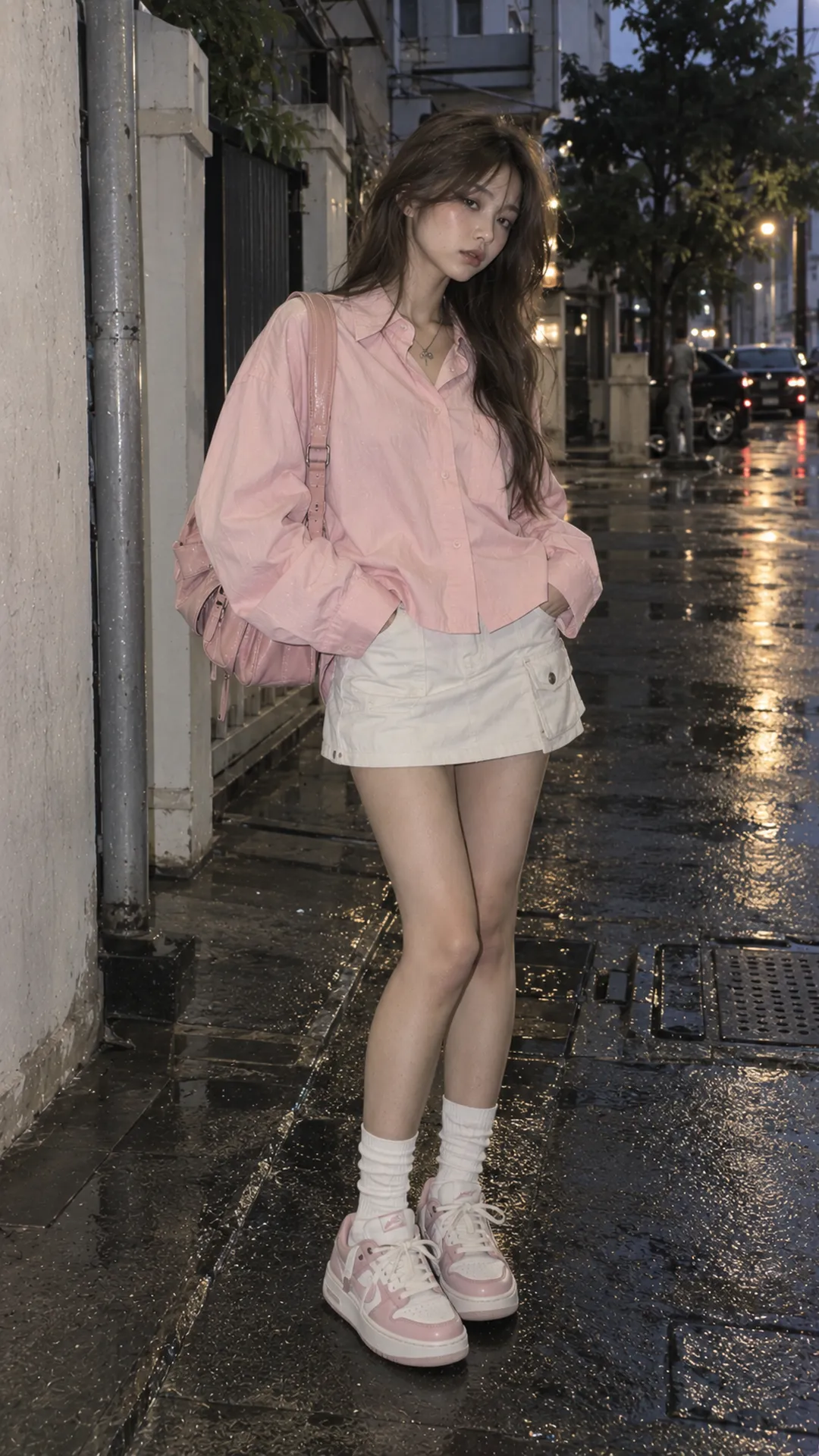
A boxy pink top, bottoms with movement room and sneakers are worth trying when you will be on the move. Pink does not require high heels. If both top and bottom are loose, adjust the top's length so the waistband or a transition remains visible.
Three pink outfits for three different purposes
Study or work: a pink shirt and charcoal trousers
Choose a pink shirt in a fabric weight you like, charcoal straight-leg trousers and familiar flats. The collar, buttons and trouser lines supply structure while pink provides the signature color. This suits places that permit this dress; check the particular environment's rules.
For less of an office-uniform feeling, try moderately roomy sleeves or a soft bag rather than a rigid one. For more polish, tuck fully and check the back when seated. A blazer is not necessary just to look mature, especially when the weather makes it uncomfortable.
Save a photograph with your everyday bag. It may hide much of the shirt, changing the amount of pink from what you saw empty-handed in the mirror. If you want the color more visible, adjust how you carry the bag before buying another matching piece.
Weekends: a boxy pink top and a skirt with few folds
Try a boxy pink top with a lightly folded or straight skirt allowing an easy stride. Sneakers give it a flexible feel. Room in the upper half and a clear fall below create a silhouette without much decoration.
If you prefer trousers, switch to a straight-leg or cropped pair in a familiar length. Keep the top and shoes to see how one change below affects the mood. This brings pink into your existing wardrobe instead of requiring a complete new set.
An evening date: a textured pink top and plain trousers
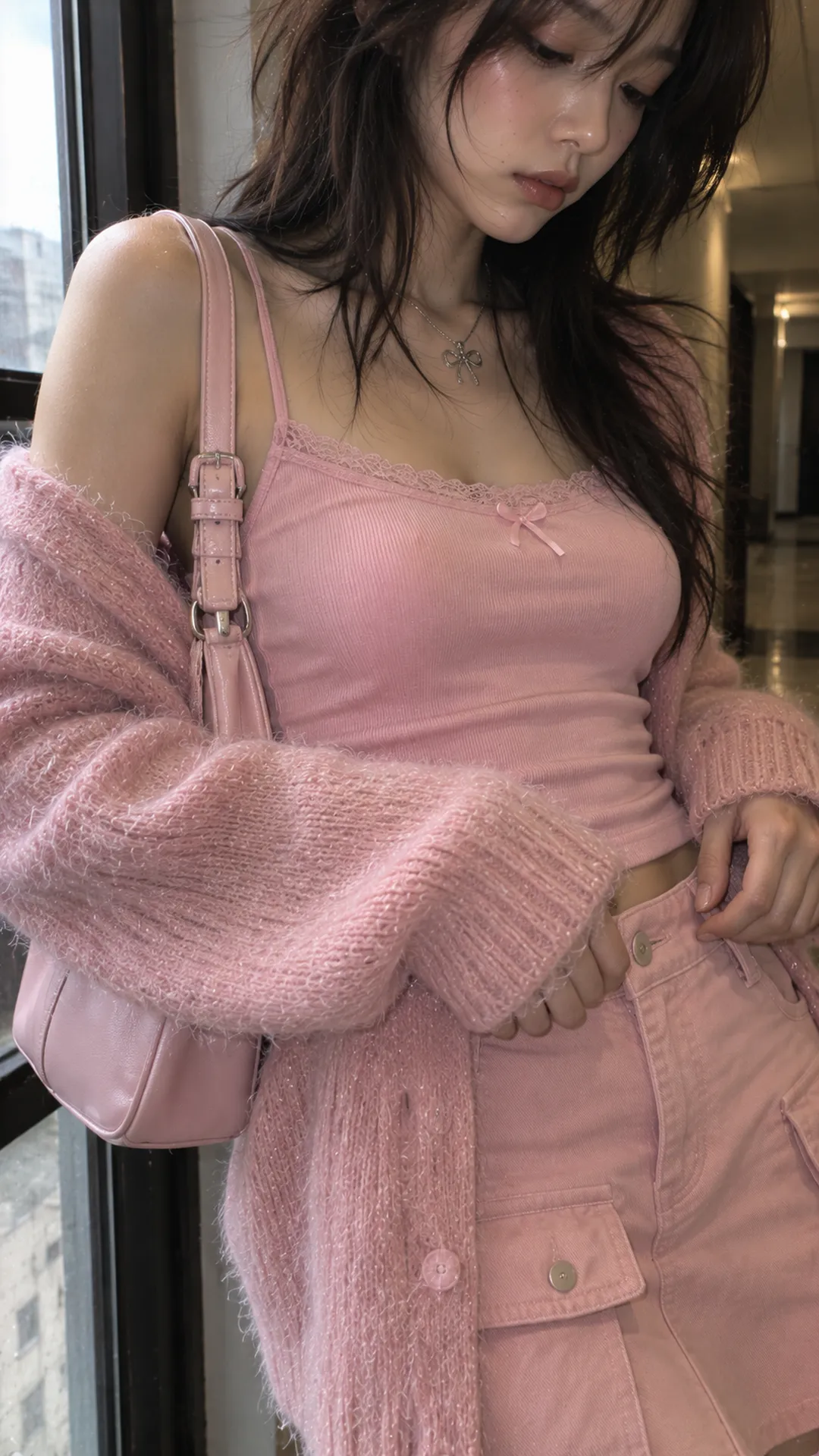
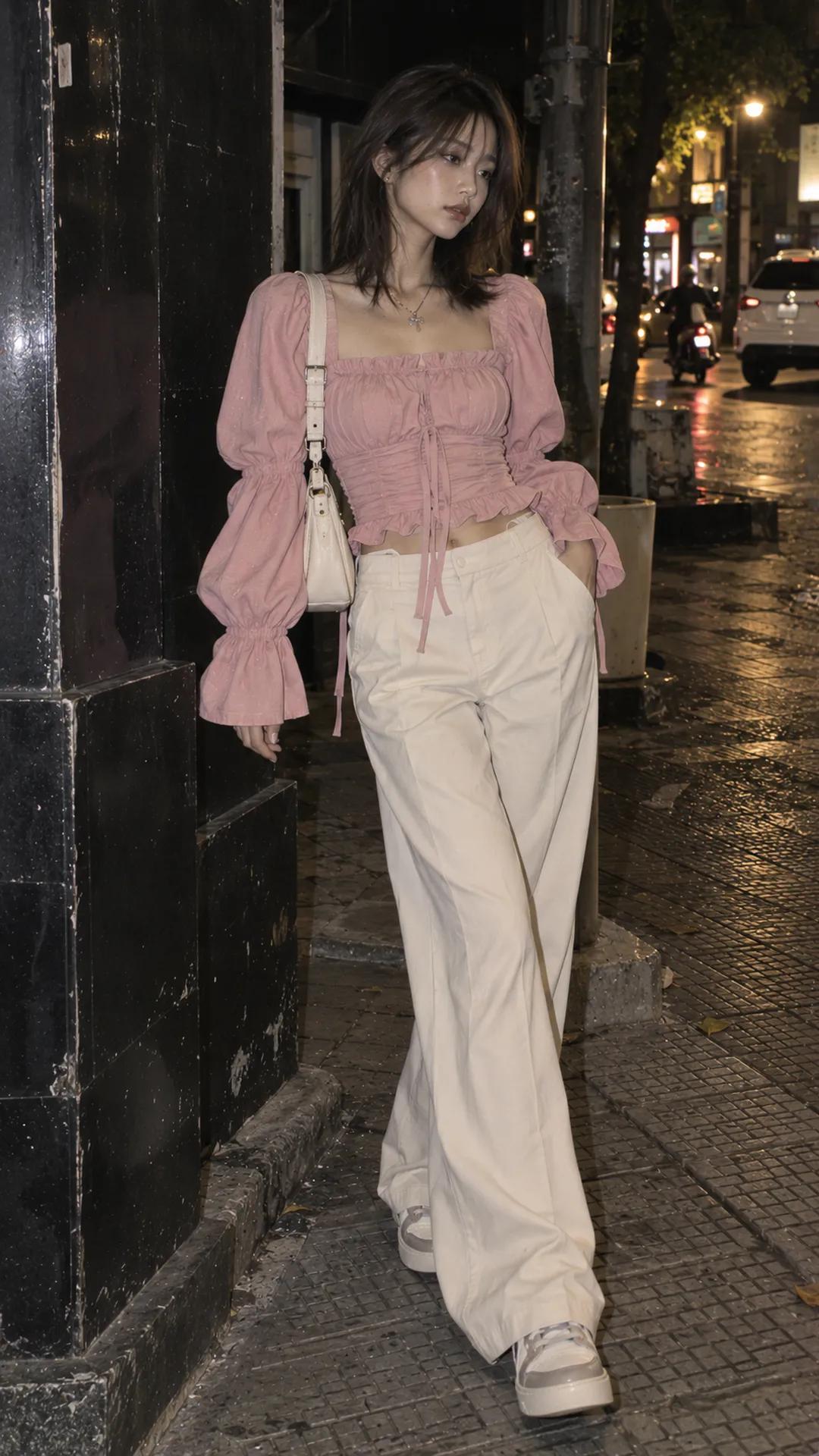
Make a pink top with gathering, folds or a light-catching surface the main piece, then add plain trousers and simple shoes. The top already supplies substantial visual information, so a simply shaped bag keeps attention there. Small jewelry is optional; you do not need highlights everywhere.
Try it under lighting similar to your destination. A fabric may look gentle by day but reflect strongly under lamps. If you like the color but not the shine, a matte surface helps more than reducing every accessory. For outdoor travel, bring a suitable layer and check the outfit with and without it.
Wear more pink while keeping individual pieces visible
To make pink most of the outfit, first compare two pieces in natural light. They need not match exactly, but you should like their relationship. A matte top beside a folded skirt creates a different boundary from two glossy pieces; lengths and seams also separate areas.
Take a full-body photograph and view it small. If everything merges into one block and you do not want that, change one surface or adjust the top's hem. You do not immediately need another color. One shade can still read clearly with a streamlined upper layer, movement below or accessories of a different shape.
For a jacket, decide whether it will cover or frame the pink inside. An open jacket creates two vertical edges; a closed one makes the outer layer the main color area. The guide to layering outfits for women explains hem spacing and thickness; add a layer when it has a specific purpose.
Adjust the outfit around what you dislike
Sweeter than you want: keep pink but reduce bows, ruffles or rounded accessories. Try a defined collar and simple shoes before concluding the color does not suit you. The issue may be the details rather than the shade.
Too formal: try untucking or replacing a structured bag with a soft one. For more playfulness, choose one differently shaped detail rather than buying many more pink items. An outfit with few colors can accommodate a clear accent without losing its theme.
Photogenic but rarely worn: reassess weather, transparency, length and care. Heavy linings, stuffy fabrics or constant adjustment may not suit your routine. Pink belongs on clothes you can use, not only on pieces that suit a photographic background.
Build a group of pink pieces you can reuse
Take an existing pink piece and try it with two different bottoms and your most-worn shoes. If you want to wear both combinations, it may be a good starting point. Then identify whether you lack tops, bottoms or accessories rather than adding everything at once to follow an aesthetic.
For a potential purchase, compare measurements and care needs. Two tops that look similar in photographs can differ greatly in weight, drape and shine. Ask for close-ups or missing information rather than only whether the color is baby pink, dusty rose or hot pink, since stores may use names differently.
You do not need to classify your skin tone to be allowed a particular pink. Hold the fabric near your face, look in natural light and choose what you like. To keep the color away from your face, use trousers, a skirt or a bag. This is a compositional choice, not a rule about hiding the body.
Once you recognize a preference for clean lines, romantic details or sporty shapes, use the aesthetic dictionary to find further reading. A pink aesthetic does not require a pink-only wardrobe. It helps you use a favorite color consistently with your circumstances, comfort and personal taste.