

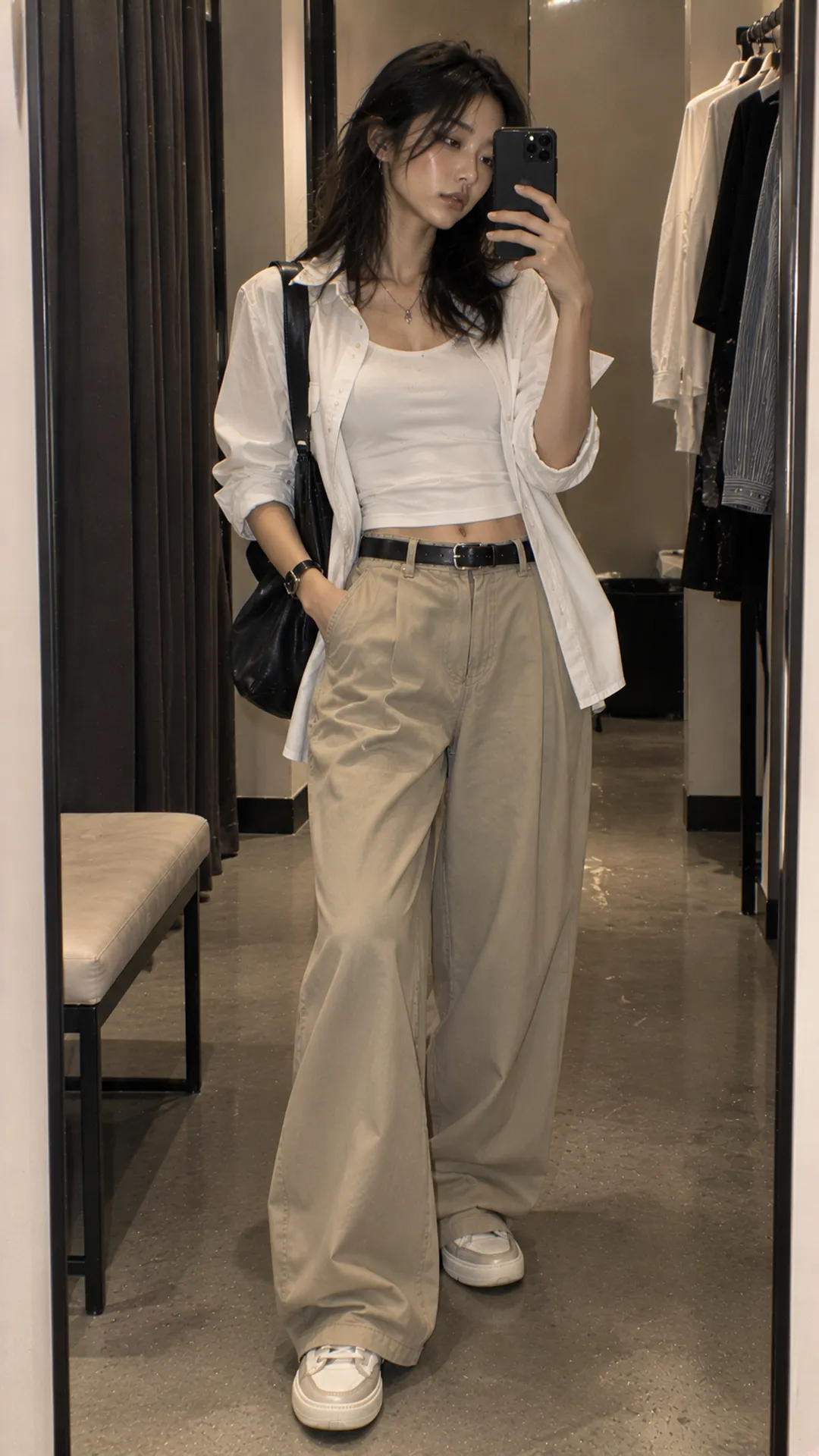
Understand a basic through the role it plays
A basic usually has little decoration and works easily alongside other pieces. Versatility, however, also depends on the wearer's wardrobe. A white tee may be in constant use for someone who likes denim; for someone who dresses in dark tones, charcoal may be more useful. You do not need to change your preferences to complete an online essentials list.
ONOFF distinguishes basics from minimalism by describing basics as easy-to-wear designs, while minimalism involves intentional restraint. That is a useful distinction when building outfits. A foundation top can appear in both a minimalist outfit and a colorful one.
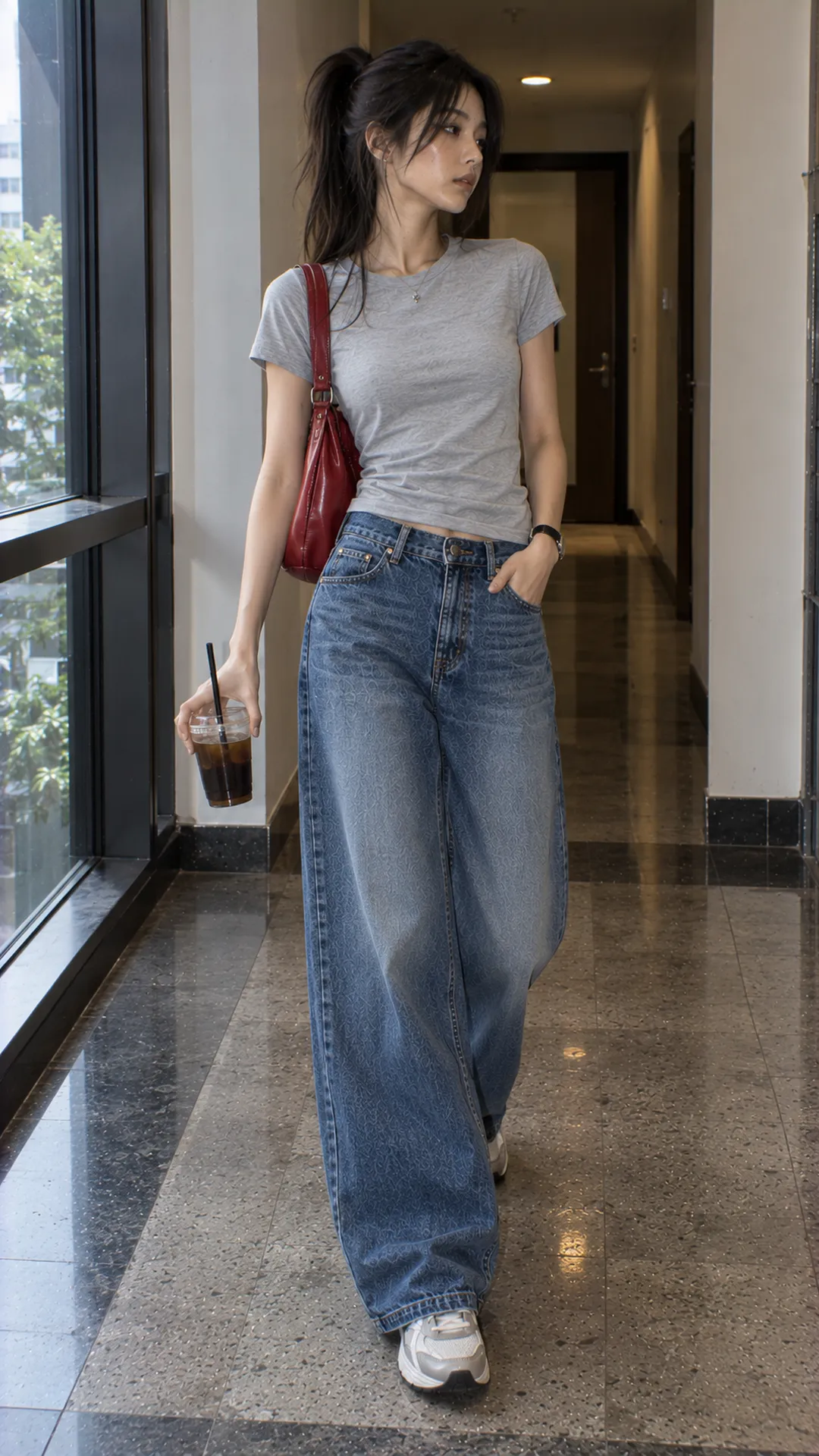
For example, keep a gray tee but replace black trousers with a plaid skirt and add a red bag: the overall mood changes. The tee still provides the foundation. To explore the control of lines and restraint within an aesthetic, read the separate guide to minimalist style.
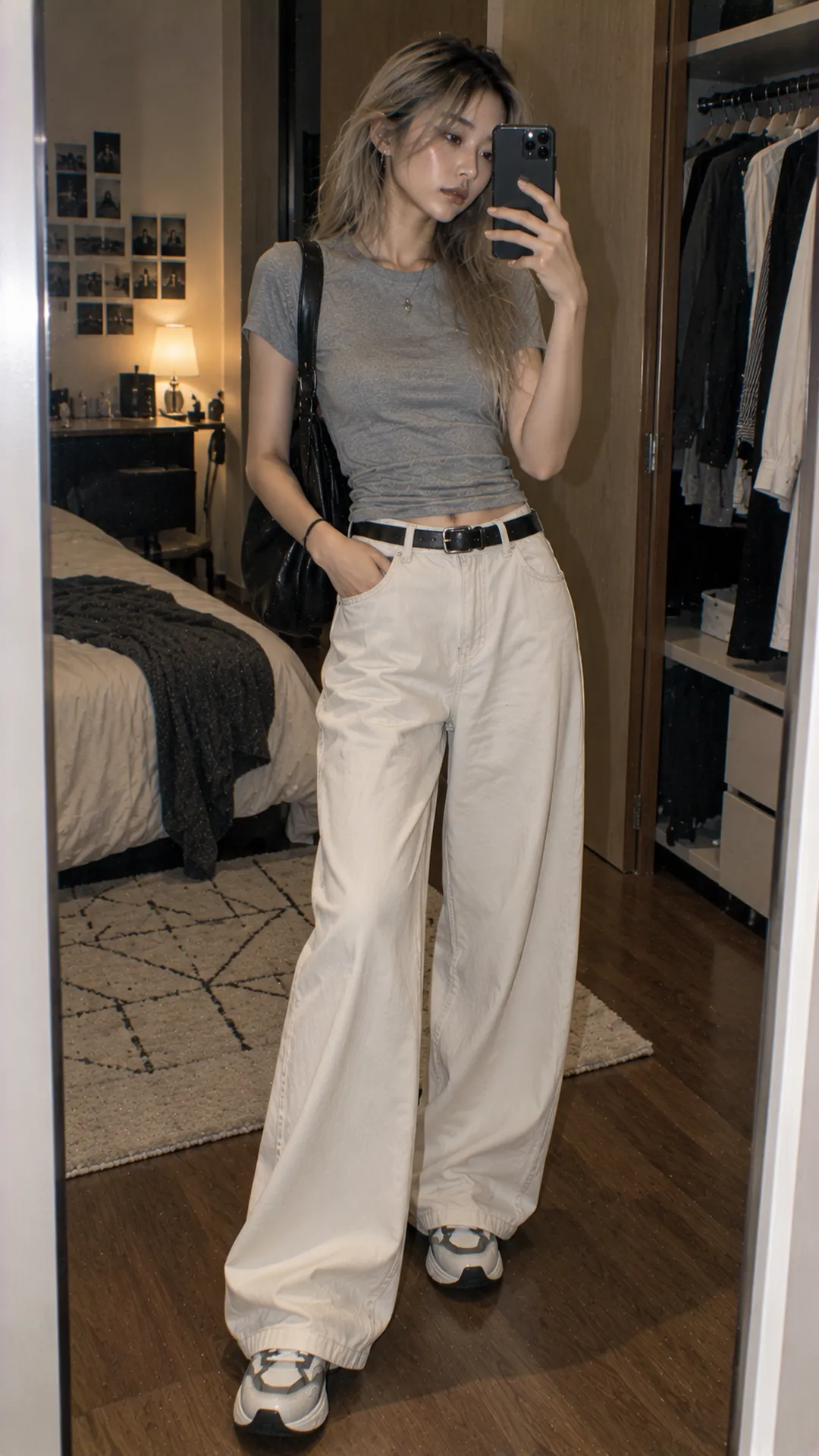
Start with three situations you actually encounter
Before choosing colors or buying a new top, note three situations that recur most often during your week. They might be riding a motorbike to school, working in an air-conditioned room and going out for dinner. Each places different demands on coverage, comfort, storage and shoes. One outfit may cover two situations if you choose a removable outer layer.
Place recently worn pieces side by side. Which ones do you leave behind because they are hot, need constant neckline adjustment or do not work with your usual shoes? That tells you more than advice to buy a white shirt, blazer and loafers. If you dislike collars, you do not need to make a shirt the center of your wardrobe.
Next, choose the bottom you find most comfortable. Try your existing tops with it and your usual shoes, one at a time. Photograph combinations you would want to wear out; jewelry can wait. You will see which foundations already work and what is genuinely missing.
Choose foundation pieces by trying them, not just reading labels
T-shirts: check the neckline, sleeves and hem together
With a tee, sit down and raise your arms as if reaching onto a shelf. If the neckline slips and needs adjusting, or the hem rises farther than you want, try another cut. Fitted and loose tops can both be basics; a good fit does not require every seam to sit close to the body. Establish whether movement feels comfortable.
Try the hem outside your trousers before tucking it in. If you prefer it untucked, choose a length with a clear endpoint at the hip. If you usually tuck, check whether fabric bunches at the waistband. For light colors, inspect transparency in natural light so you can choose an underlayer to suit your preferences.
Trousers or skirts: prioritize sitting and walking
Trousers that look good only when you stand straight may not be useful foundations for a long school day. Sit on a chair, step onto a stair and bend to pick up a bag. The waistband should feel comfortable and the thighs should have enough room to move. Wear your intended shoes to assess the hem rather than choosing length from a model photograph.
If you usually wear skirts, start with a shape you like instead of buying jeans because you think everyone needs them. Check your stride and the slit position. A plain skirt can work with a tee for a day out, then a collared top when you need more polish. Its usefulness gives it the role of a basic.
Outer layers and shoes: choose for your actual journey
An overshirt, cardigan or light jacket only needs to appear when the weather and your routine call for it. Try it over the top you wear regularly to check arm movement. Do not judge an outer layer over a thin top completely unlike your usual clothing.
For shoes, prioritize a pair already comfortable over your normal walking distance. A basic outfit does not have to end in white sneakers. Simple sandals or black shoes you like may connect the pieces better. Your bag should also hold what you need, rather than merely suit the proportions of a photograph.
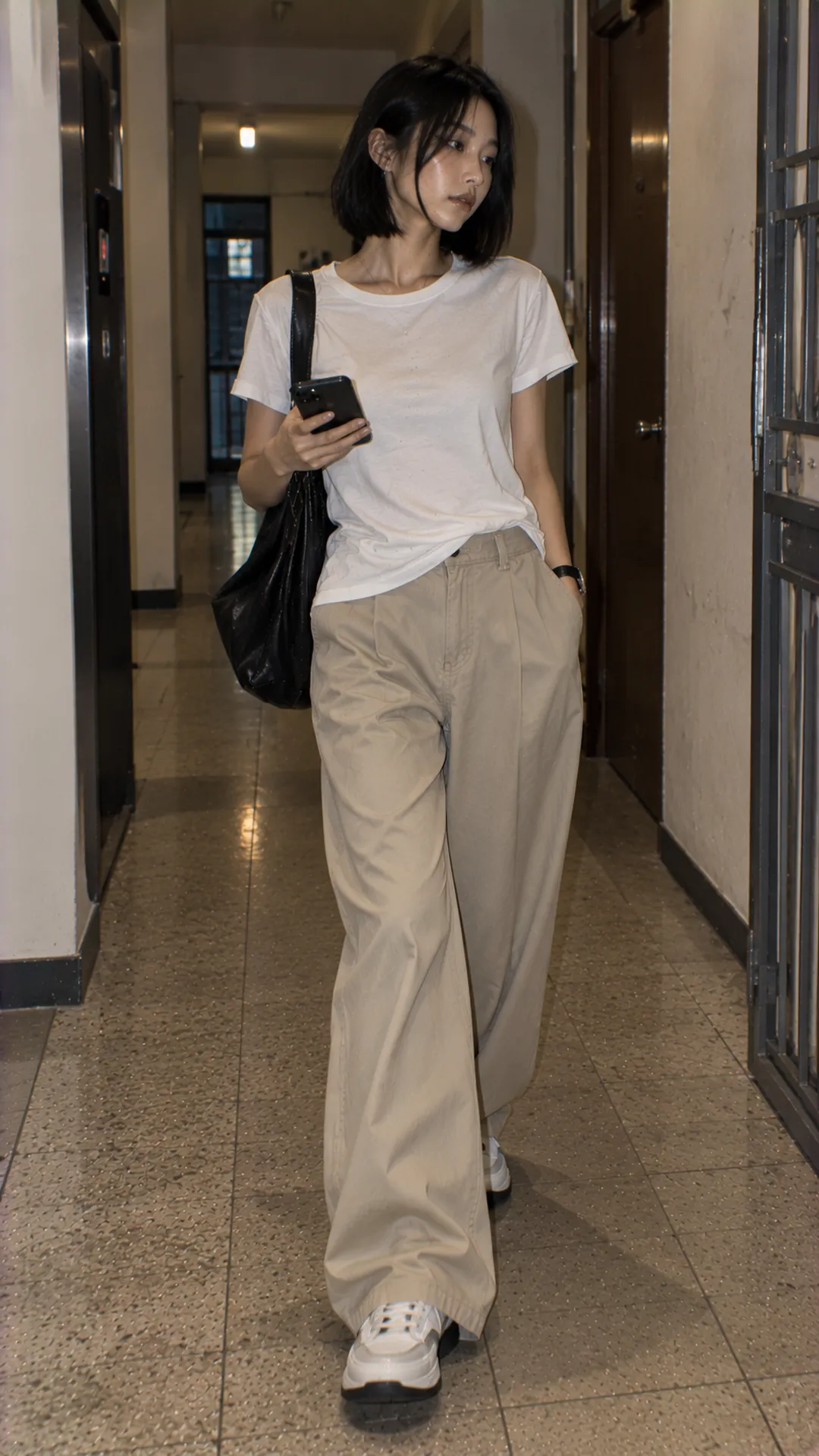
Three simple outfits to try now
School: a pale blue tee, charcoal trousers and sneakers
Choose a plain pale blue tee, charcoal straight-leg trousers and sneakers you already own. The shirt color adds difference without a print. Try the hem untucked first; if the upper half looks too long for your taste, choose a shorter tee or tuck in a small section. You do not need both a tuck and a belt when the waistband already looks neat.
Carry the bag that holds your books, then reassess the outfit. A large bag may conceal much of a loose top; changing how you carry it or adjusting the hem may be enough. On hot days, leave the jacket out of the main outfit and carry it separately if needed. The outfit should still feel complete with the outer layer removed.
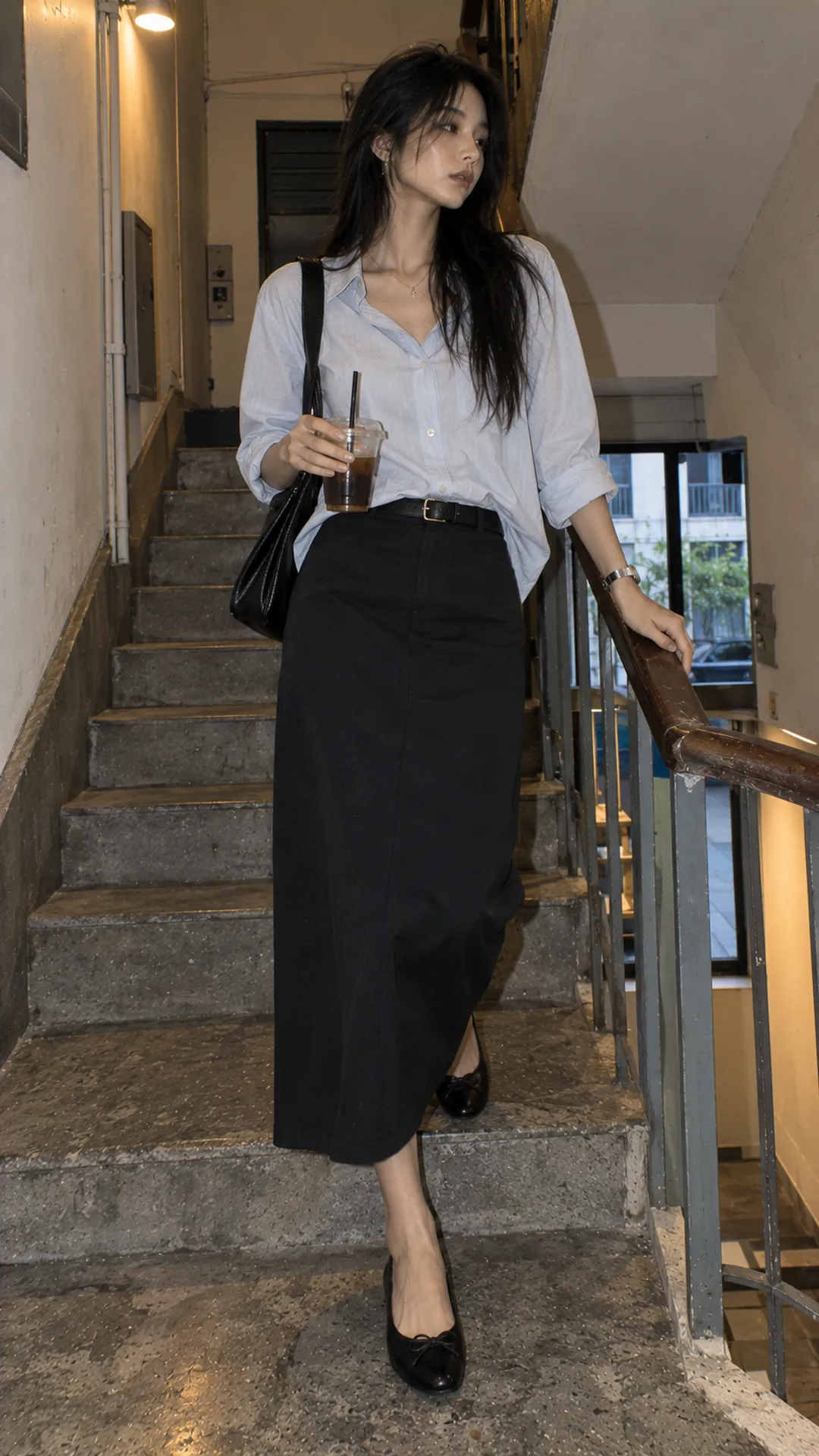
A polished day: a soft shirt, straight skirt and flats
Try a shirt in a color you like with a straight skirt ending at a length that allows an easy stride. Keep the sleeves tidy, check the buttons when seated and choose familiar flats. This is a suggestion for places where that level of dress is appropriate; still check the rules of your class or workplace.
If the shirt and skirt both drape softly, a structured bag gives the outfit a defined finish. If both hold their shape firmly, try a softer bag. This lets you explore the feel of different materials without buying more accessories. If you do not wear skirts, keep the shirt and switch to straight-leg trousers.
Weekends: a gray tee, jeans and a colored bag
Keep a gray tee with blue jeans, then choose a bag in a color that makes you happy. Red, green or purple are all options; basics have no compulsory palette. Compare the bag and shoe colors in daylight and decide how much contrast you like.
For a stronger mood, replace sneakers with boots you already wear and add one metal detail. The foundation top still works even when the outfit changes direction. The guide to Alt Fashion and understanding alternative style adds context instead of labeling every black outfit alt.
When an outfit feels dull, adjust one thing
Before adding items, identify what you dislike. If the shirt hem, bag and sleeves all end around the same point, try shortening the sleeves or changing how you carry the bag. If fabric gathers at the waist, untuck the top and look again. Small adjustments help you tell whether the issue is proportion or accessories.
If the palette feels flat, place a different shade near your face or at your feet. If the colors work but everything feels too soft, try a more structured bag or shoe. Conversely, a soft top can ease an outfit with many straight lines. These are experiments based on preference, not standards for judging bodies.
Take before-and-after photographs from the same angle after one change. Compare both the appearance and how it feels to walk. Avoid replacing the top, shoes, bag and jewelry together, because you will struggle to identify the useful detail. After a few attempts, save the formulas you like for quicker dressing next time.
Buy more only when you know what the new piece will do
Suppose you own many short tops but no bottom that feels comfortable when seated. Suitable trousers may solve more outfits than a sixth top. Conversely, if your trousers already work but every top has a large graphic, a plain top of the right length could help other pieces get worn more often.
When trying something new, bring photographs of the items you plan to pair it with and compare measurements. Read the care instructions to see whether washing, drying and ironing fit your routine. A “basic” label does not guarantee durability, a low price or sustainability; assess those separately using specific information.
To organize pieces into a rotating system, explore the guide to building a capsule wardrobe. At this stage, a few successfully tested outfits are enough to begin. You do not need to reduce your wardrobe to a fixed number or discard statement pieces you still enjoy.
Questions about starting with basics
Can brightly colored clothes be basics?
They can, if the design is simple and the piece is easy to use in your wardrobe. A plain red top can still be a familiar foundation. Consider versatility and how often you want to wear it again rather than color alone.
Do I need to know my aesthetic first?
No. Start with comfort and the situations you dress for, then discover your preferences gradually. When you want names for different visual directions, the fashion aesthetic dictionary is a reference for comparison, not a list of labels you must choose from.
Is it okay to repeat a basic outfit?
You can repeat an outfit you like while caring for the clothes appropriately. Changing shoes or a bag is an option when you want a different mood, not an obligation. Foundation pieces should make daily dressing easier and closer to your preferences.