

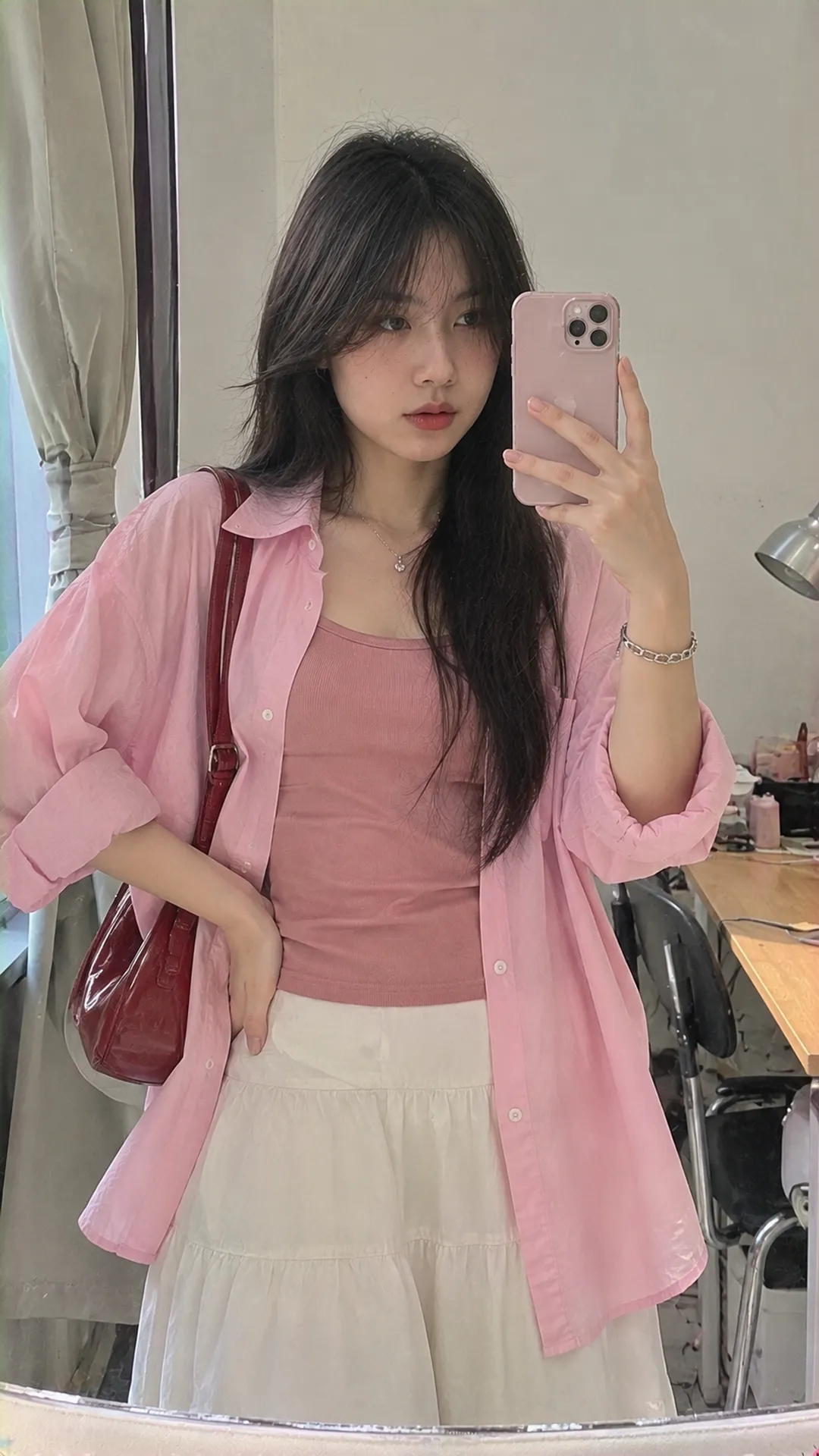
Read pink through three characteristics
First assess lightness: very pale pink may approach cream or white, while deep pink creates a clearer area. Next intensity: grayish and fresh pink differ even at equal lightness. Finally, compare peach or purple lean beside familiar neutrals.
Absolute names are unnecessary. Blush, earthy pink and peach can vary across shops. Compare actual garments in similar light, especially for matching pink separates.
Surface contributes too. A glossy bag may outshine a matte top in the same shade; folds create several depths. Attractive swatches alone cannot fully predict an outfit.
Pink with cream and ivory: gentle contrast
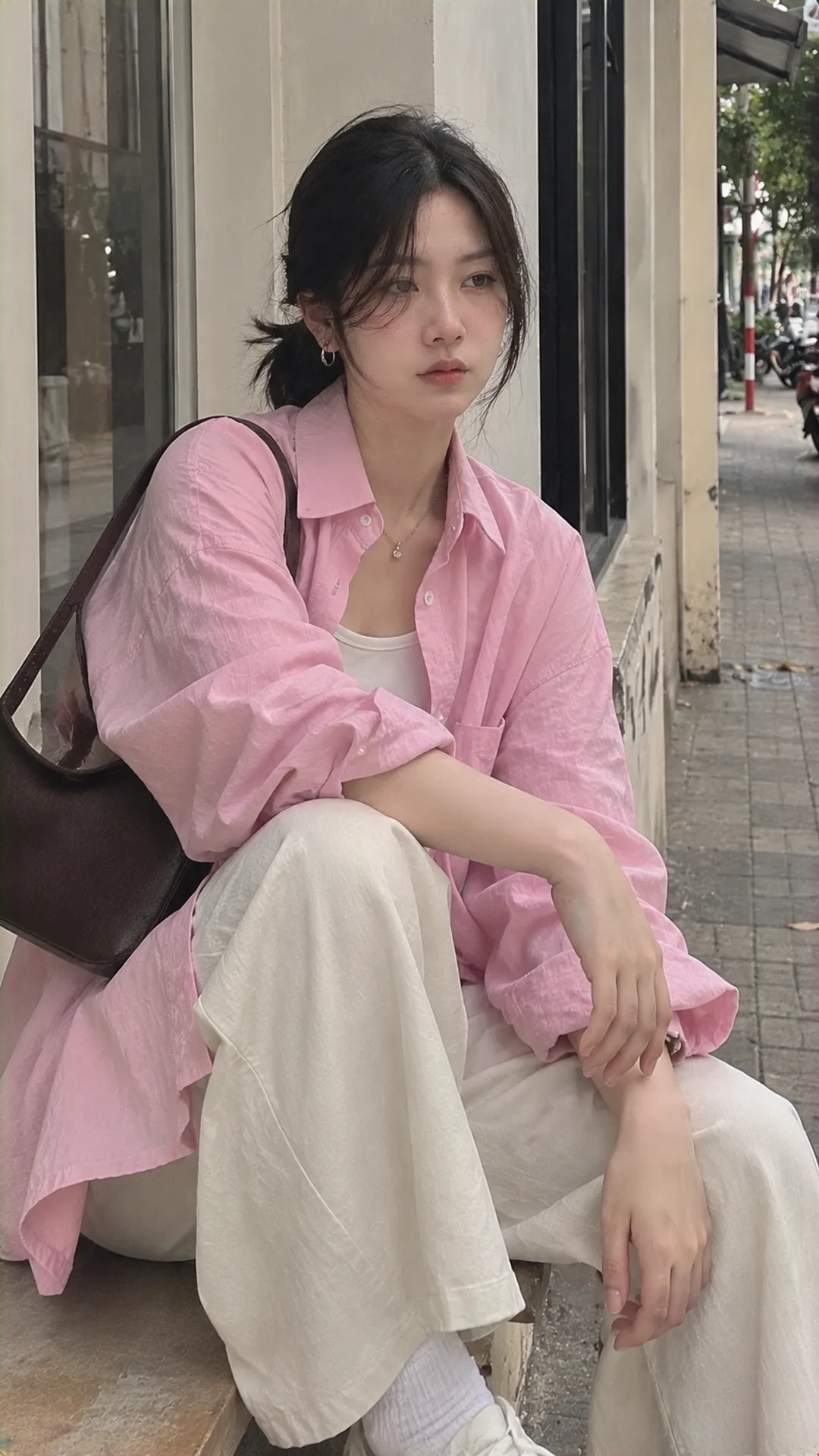
Blush and cream form a bright palette. For softness, retain gentle differences with clear shapes: a collared pale-pink top, straight cream trousers and light-brown shoes. Collar and waist prevent featureless similar areas.
Vivid pink with ivory contrasts more in hue. A bold top can lead above a light base and bag. With puff sleeves, a bow or large print, reduce other detail before a third color.
Bright white and ivory do not always behave alike. Compare with your actual pink for stronger or softer boundaries. For a weak anchor, add small dark shoes or bag instead of replacing all clothing.
Pink and gray: change depth to change the effect
Light gray and pale pink have little depth contrast. For subtle color, inspect texture and cut. A ribbed pink knit and smooth gray trousers separate more than equally flat, equally light pieces.
Charcoal emphasizes light pink. Dark-gray trousers and blush introduce color to neutrals without replacing every accessory. For a smaller accent, retain a gray top and use a pink bag. Position can change impact as much as the pair itself.
Gray can support vivid pink without eliminating prominence. A large detailed pink top remains strong. Consider area, shine and volume together, choosing supportive rather than competing accessories.
Pink with blue denim and navy
Existing well-fitting jeans offer a practical base. Pale peach-pink with medium denim feels gentle; vivid pink with dark jeans defines a stronger break. With pronounced wash, a plain top avoids light-dark competition.
Pink and denim need not signify one aesthetic. A shirt and straight trousers differ from a short tee and wide jeans. Retain the palette and vary cuts to discover what fits taste and activities.
Navy gives a dark base beyond black. Blush stays clear against it; deep pink may feel more subdued. An open navy jacket over pink reduces its area without abandoning it.
Brown and black: two background directions
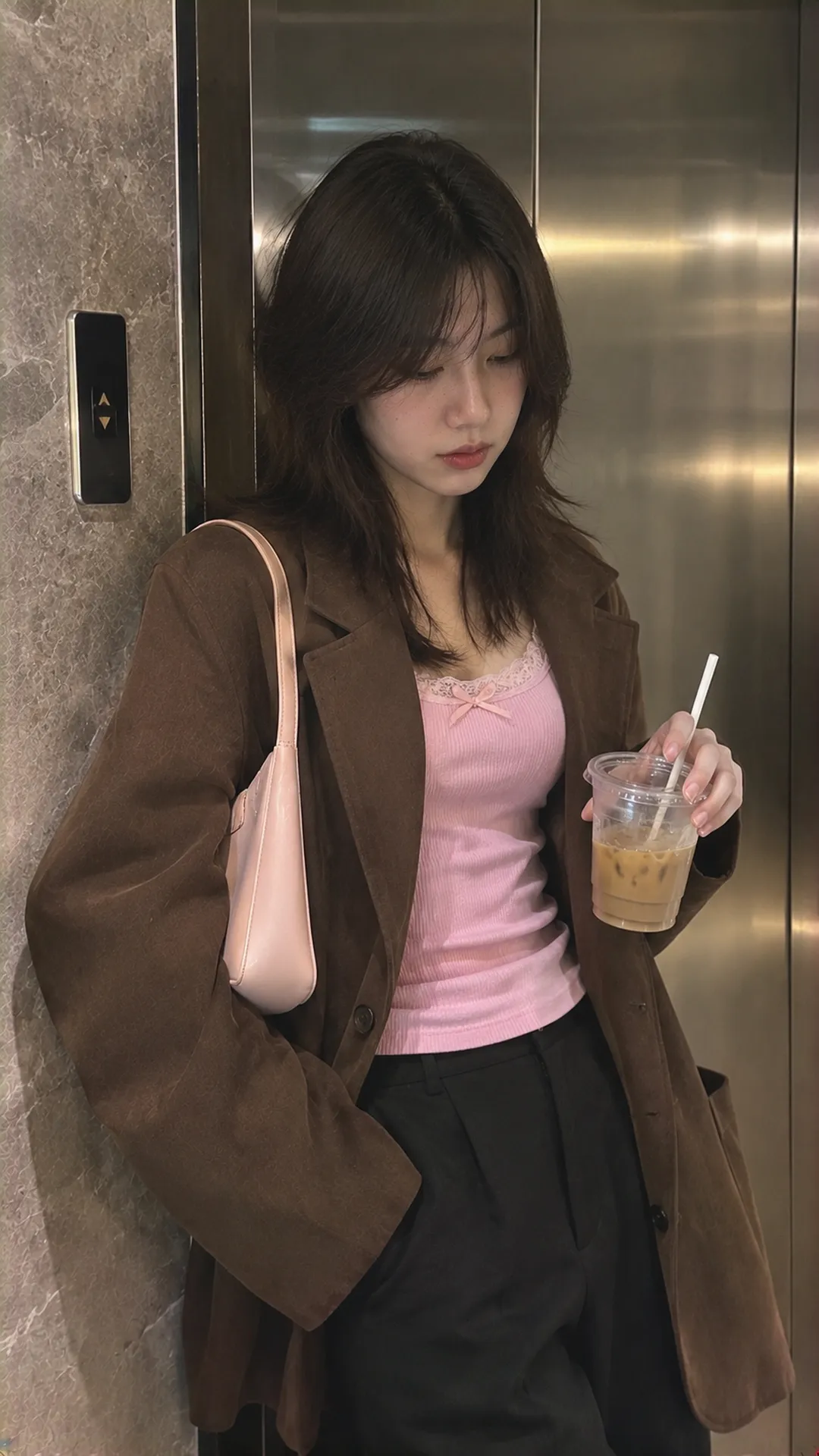
Brown creates depth beside pink
Chocolate and blush give clear contrast. Try pink, a brown skirt and deep-brown shoes, or a small pink bag on brown and cream. With pale beige-brown, check sufficient difference for your desired effect.
Earthy pink does not match every brown automatically. Compare red, yellow or gray notes. For accidental near-matches, clearly lighten or deepen one. Deliberate contrast is often easier than approximate online matching.
Black defines boundaries and a sharp accent
Black and pale pink contrast in lightness; black and vivid pink highlight color on darkness. Begin with accessories and increase area when comfortable. Chains, fasteners and prints are unnecessary merely for character.
For an alt direction, Alt Fashion styling for beginners reads cut, texture and the main piece. Pink can accent many outfits; pink-black alone does not establish a specific aesthetic name.
Try red or green for stronger emphasis
Start pink-red with pale pink as base and a small red item. Equal vivid areas intensify considerably. Trial existing clothes with simple shapes and decide which area should be noticed first.
Olive or deep green is an easier starting point than two vivid colors. Pale pink and olive trousers create distinction without many accessories. With bright pink and green, quiet shoes or bag provide a pause.
No percentage ratio is universal. Start with one large and one small area, adjusting in the mirror. A front-positioned bag or exposed shoes may stand out more than expected because placement matters too.
Place pink in tops, bottoms or accessories
Pink tops place color near face and neck. Test actual hair, earrings and outerwear for detail density. If disliked near the face, move it to skirt, trousers or bag while retaining the preferred palette.
Pink bottoms depend on length and width. Long flared skirts occupy more color area than compact shorts. Simple neutral tops let pink lead; patterns remain possible through background and scale control.
Pink accessories make the smallest wardrobe change. Choose bag, scarf or shoes for existing pieces without a matching set. The expressive women's accessories guide places accents so a small item retains a clear role.
Three formulas at different prominence levels
Gentle: blush, cream and brown
Blush, cream trousers and brown shoes create two light areas with a subdued endpoint. With width in both garments, reveal the waist or adjust top length. Gentle color still requires structure rather than automatically resolving proportions.
Defined color: pink and denim
A plain pink top, blue jeans and simple sneakers make an outing base. Keep jeans and shoes fixed while comparing two pinks. For neckline or sleeve changes, the women's top-type guides separate fit from color.
A small accent: black with a pink bag
Use simple clothing and let the bag be the sole clear color. With gloss or a large clasp, start with neat jewelry. Another pink detail can connect if needed, but pink shoes are optional.
Adjust one variable when the palette misses your aim
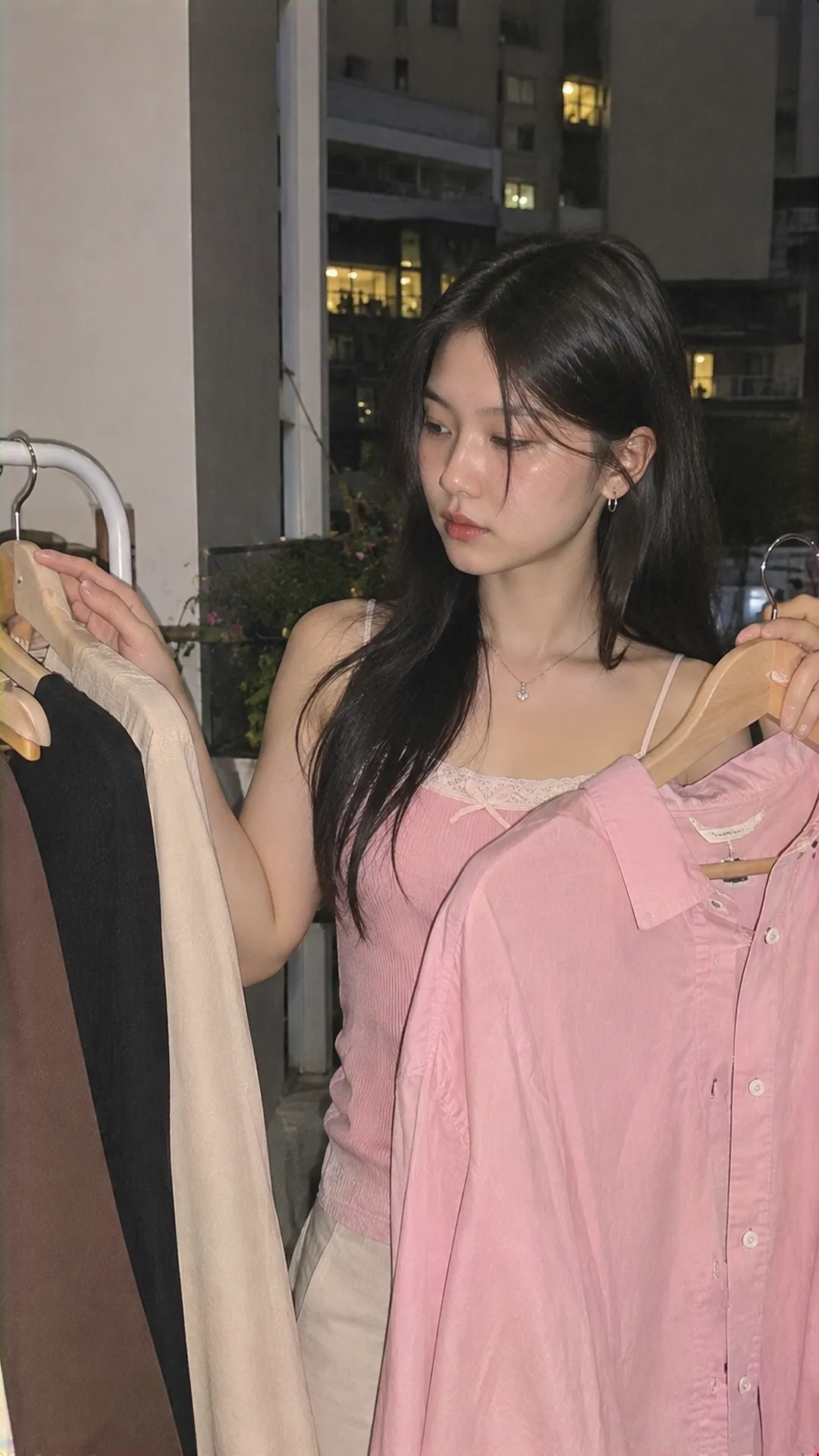
For prints containing pink, do not seek exact matches for every line. Identify the largest color and choose the base around it. Cream with a few pink marks acts as a cream accent top; broad pink areas make it the color leader. This prevents excessive pink solely for coordination.
For paleness, deepen one item or clarify cut. For excessive intensity, reduce supporting-color area or patterns. If colors work but the outfit is busy, inspect large volumes, width and length before discarding the pair.
Photograph in consistent light without strong color-changing filters. Overexposure can push pale pink near-white and misrepresent the relationship. Online, request product photos and inspect returns if color is central.
Save two tested formulas in a fashion moodboard: one light and one dark base. Record shade, placement and leading piece for reusable outfits beyond a list of supposedly compatible colors.