


Training Shoes and Running Shoes Serve Different Purposes
According to ASICS’ guide to the differences between the two, running shoes are designed around forward motion, while training shoes accommodate movement in multiple directions. Both types are common in gyms, where the right choice depends on the activity.
Think about the movement itself. A treadmill may be in the gym, but a session spent mostly on it is still a run. A class that has you changing direction constantly makes different demands on your shoes. Running shoes vary from model to model, and training shoes vary in how well they work for heavy lifting. Read what each specific model was designed for.
If you walk to the gym and then switch to another activity, you can change shoes when you arrive. If running takes up most of your workout, look for a pair designed for it even if a strength-focused model has “gym” in the name.
If you chose a pair for its looks, assess it separately before wearing it to train. The guide What Is Athleisure? covers sportswear in everyday life. A shoe that looks good all day still needs to meet the demands of your workout.

Choose a Shoe for the Main Part of Your Workout
Strength-focused sessions
In Nike’s guide to choosing training shoes, the company prioritizes a stable platform and cushioning that feels firm enough for weightlifting. For workouts with more agile movements, it emphasizes flexibility and cushioning suited to the activity. Use this as a starting point when narrowing your options to match your training schedule.
If you mainly use machines and do strength work, read what the shoe was designed for alongside any details about sole thickness. Note which exercises make you dissatisfied with your current pair and discuss them with a coach or a staff member who knows the product. A photo alone tells you little about whether a thick or thin sole will suit you.
Sessions with frequent movement and changes of direction
For a class with lateral steps, knee lifts and other varied movements, look for shoes described as suitable for varied training. See how the brand explains the way the upper secures your foot and how much the forefoot can flex. Those details are useful when you can connect them to the moves in your class.
When trying the shoes on, walk and take a few gentle sideways steps where the store allows it. Check whether your foot slides inside, your heel lifts noticeably, or the upper creates pressure points. A pair may feel comfortable while you stand still and still leave you constantly repositioning your foot once you move.
Treadmill-focused sessions
If you spend most of your session running, start with running shoes suited to your needs. Decide whether you’re buying for the run or for the rest of your workout before comparing individual models or distance-specific features.
If you regularly combine two very different activities, compare how much time you actually spend on each. Some people get by with one pair for varied, light sessions. Others find two pairs useful for distinct activities. Let your actual workouts and any limitations you’ve already noticed guide that choice.
What to Look for in a Gym Shoe
The sole platform and contact with the floor
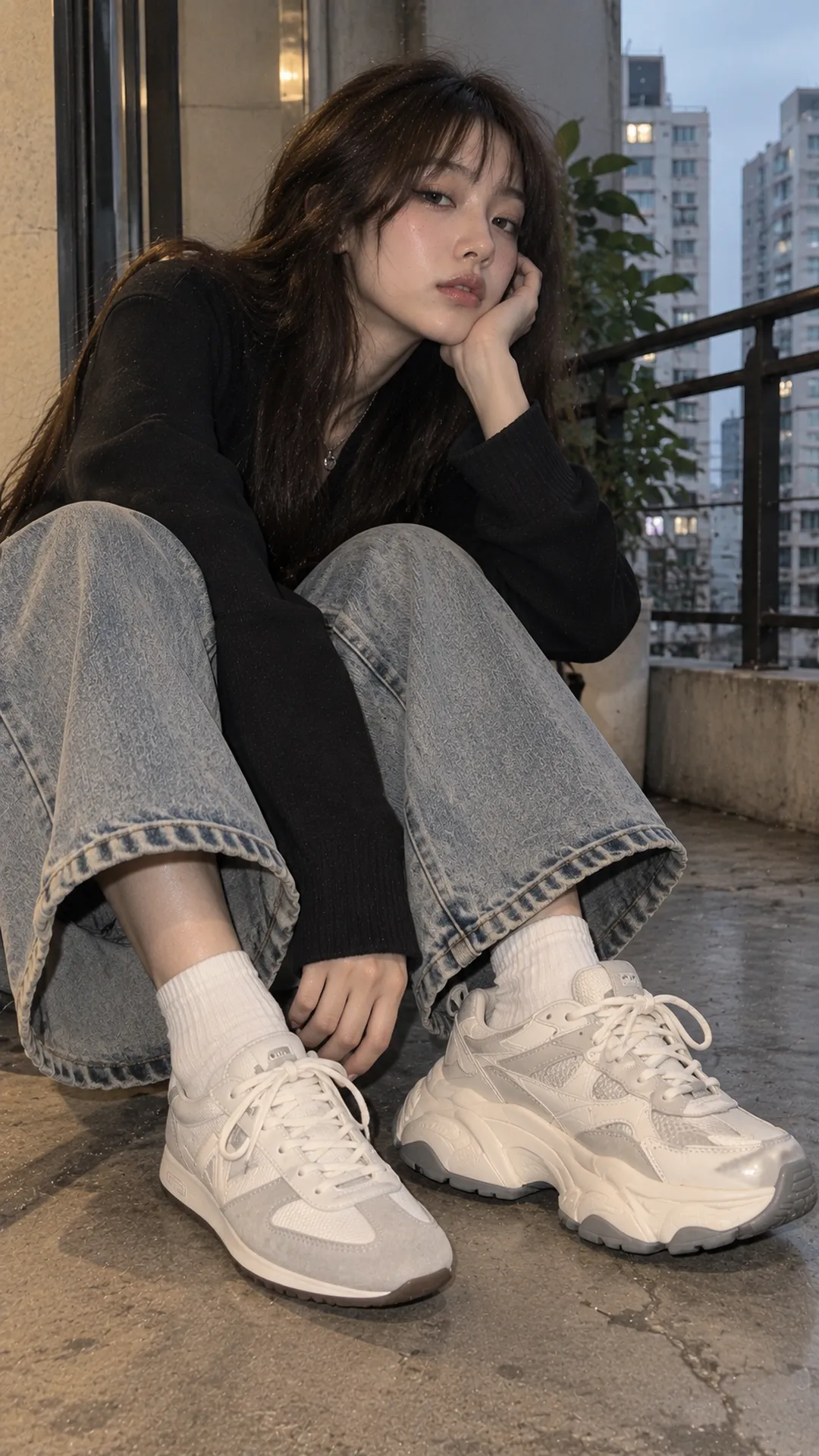
When looking at the sole, read about its intended use, materials and construction alongside the side-view photo. The outsole, cushioning and platform under your foot are distinct components. A thick-looking sole can contain several layers that serve different functions.
Inspect the sole in person to see whether it matches the photos and description. If you’re replacing your current pair because of how it feels, bring it along or write down what you’ve noticed. Comparing directly makes it easier to say what you want to change when a new model is advertised as “more cushioned.”
The upper, laces and heel area
The lacing system should let you hold your foot securely without overtightening. Try loosening and relacing the shoes before deciding that they’re too wide or too tight. If you have to tighten them to the point of discomfort and your heel still slips, the shoe’s shape may be a poor match for your foot.
Check whether the tongue shifts and whether the collar rubs anywhere that bothers you. Models with a snug inner sleeve may go on differently from shoes you’re used to. Put them on, take them off and tie them yourself to see how easy they’ll be to use day to day.
The toe box and width
Getting the length right only solves one part of the fit. If your toes are squeezed at the sides and you already have extra room in front, going up a size can add length without relieving the pressure. Check the model’s fit notes or width options before sizing up.
Try both shoes on with the socks you usually train in. Stand and take a few gentle steps, paying attention to your toes, the sides of your feet and your insteps. Use the size chart, the brand’s fit guidance and how the shoe feels together to judge how much room you need.
Two Examples of How to Read a Product Listing
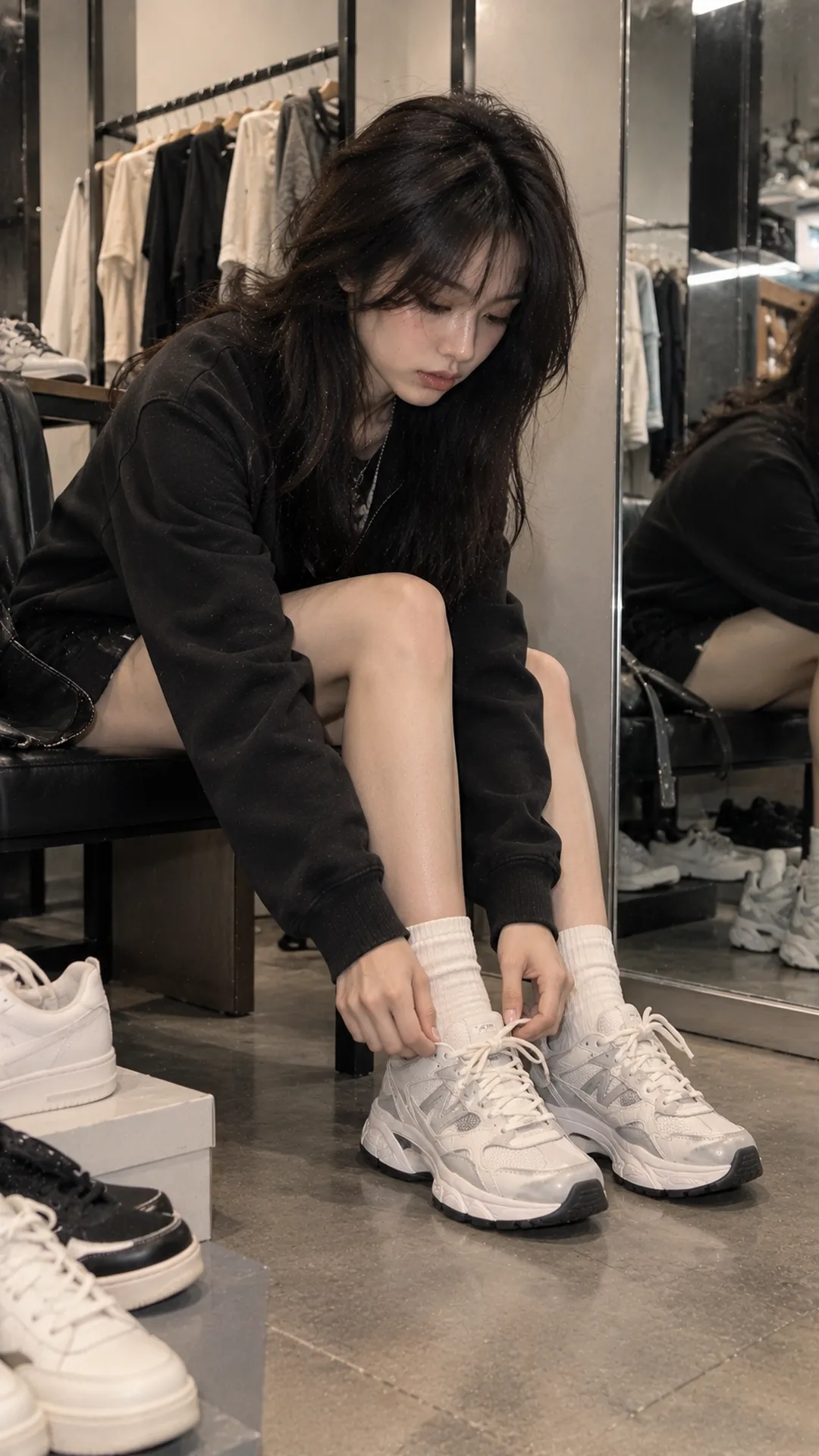
Women’s Nike Metcon 10: Look for the emphasis on a stable base
On the women’s Metcon 10 product page, style HQ2620-102, Nike describes a Hyperlift plate in the heel designed to support stability during lifts, along with ReactX cushioning. These details show what the manufacturer prioritized in the design. This example is based on Nike’s product description.
If you’re considering this model, compare its intended use with your training schedule and try it on. The specifications alone can’t tell you whether the collar will rub, the toe box will be wide enough, or the laces will hold your foot securely. Fit varies from person to person.
Women’s Nike Free Metcon 7: Look at how it combines flexibility and a secure fit
On the women’s Free Metcon 7 product page, style II7406-105, Nike highlights a flexible forefoot, a stable heel and a lacing system paired with a snug inner sleeve. These details illustrate how a training shoe can be designed to handle varied movements.
Use these two models as examples of how to read a listing. You can ask the same questions about other brands. What activity is the shoe designed for? Is its construction clearly explained? Does its shape suit your foot? Prices, colors and available sizes can change, so check the listing before buying.
A Simple Try-On Routine
Start with the size chart for the exact model and measure your feet again if it’s been a while. Sizing can differ between brands. If you’re buying online, check whether the guide uses foot length or its own size conversion, and read the size exchange policy.
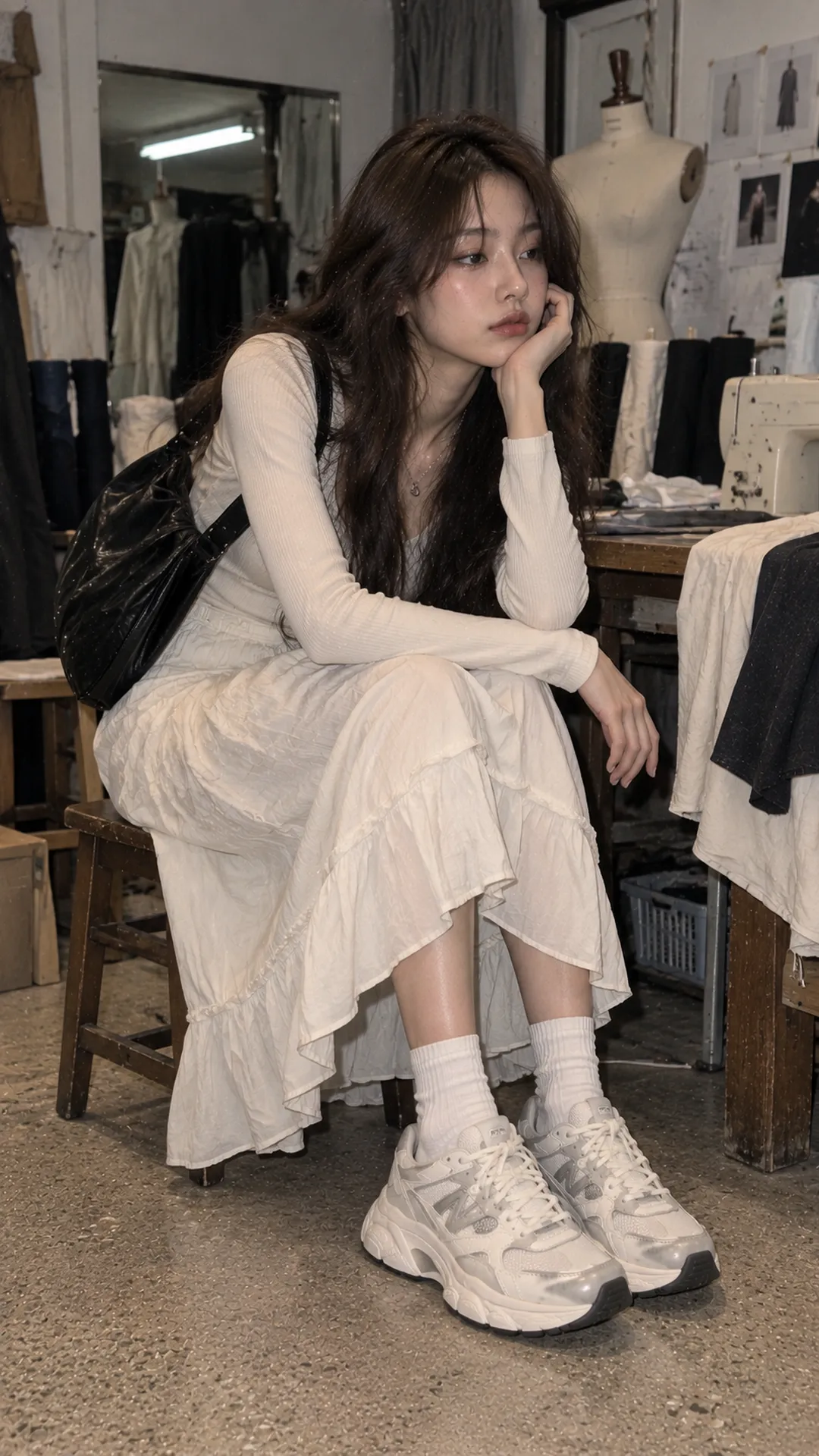
When trying shoes on in person, wear your workout socks, put on both shoes and lace them as you would for training. Stand for a moment, then walk a few steps to identify pressure points or slipping. Your feet may feel different in the same pair, so check both. If you routinely use an insert or another accessory inside your shoes, include it in the fit check.
Next, do a few gentle movements that match the intended use and follow the store’s rules. Keep the try-on light so you can focus on fit. If you feel discomfort, try adjusting the laces once. If it persists, compare a different shape or size before counting on the shoe to stretch.
Finally, compare at least two options using the same criteria: heel fit, toe room, width, ease of lacing and how the shoe feels when you step. Give more weight to how well the shoe meets your needs than to how well known the model is. A quick note can help you remember how each pair felt when you’re looking at product photos later.
How to Style Gym Shoes Once You’ve Found the Right Pair
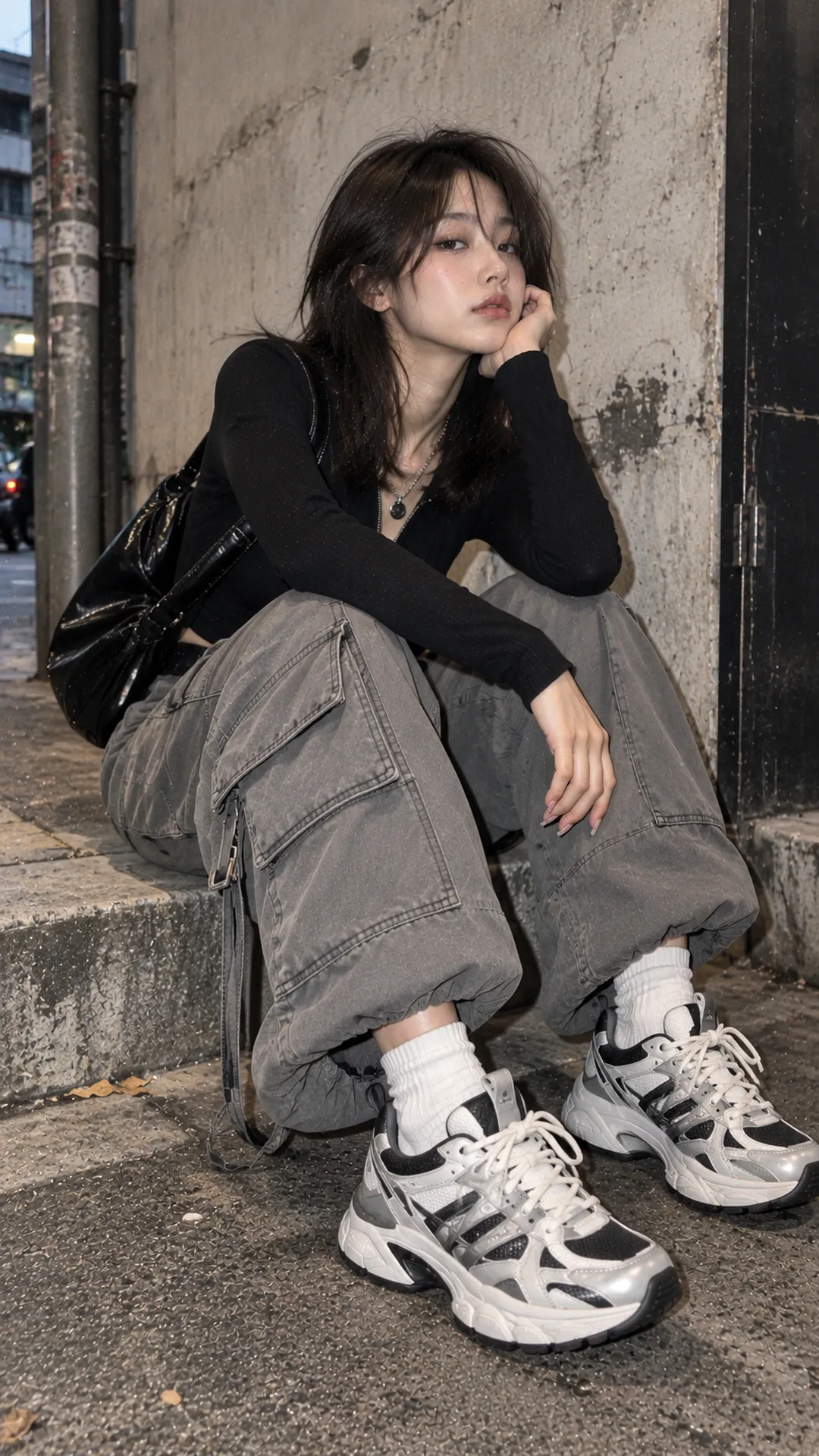
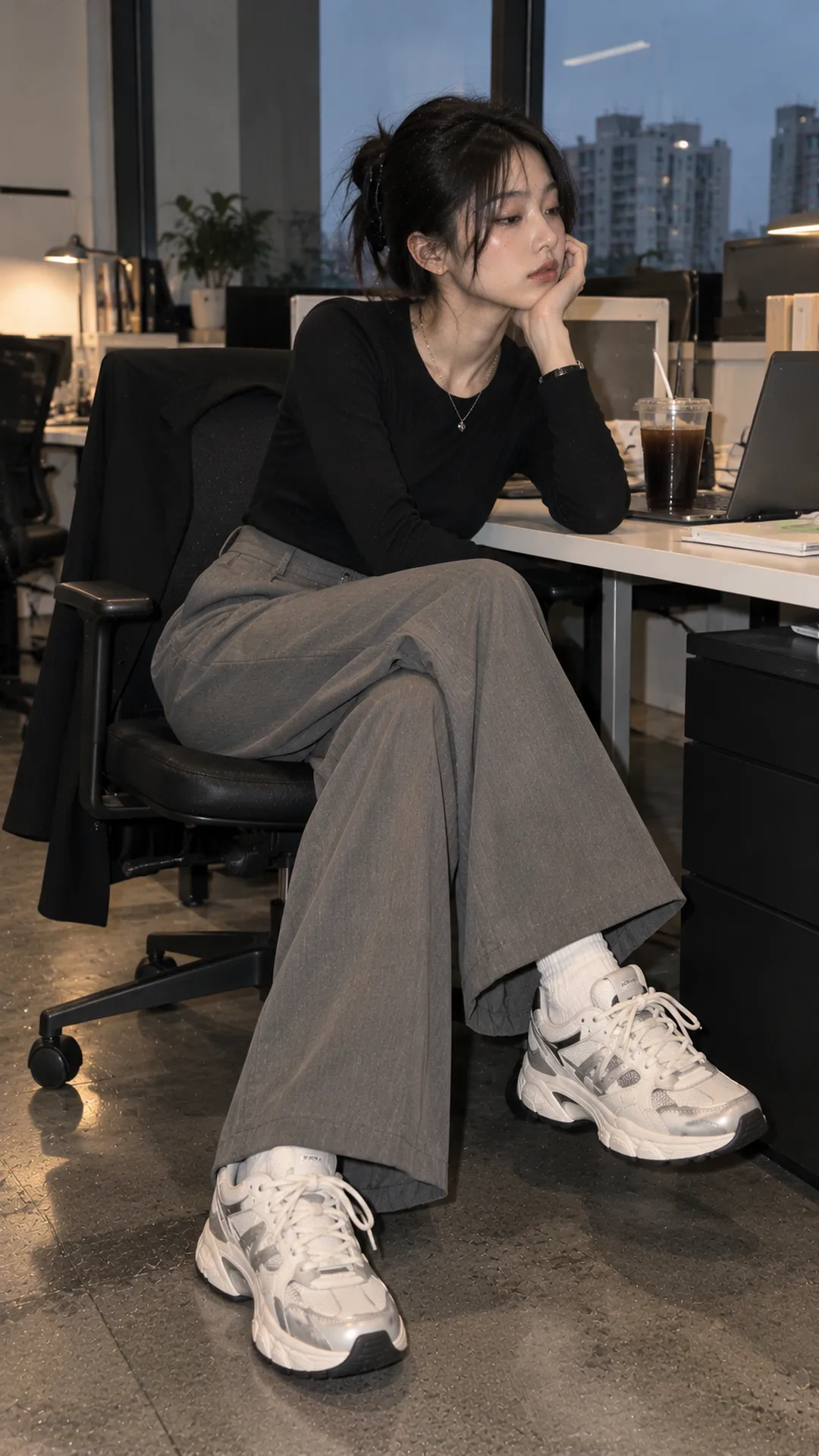
Check that the hems of long pants stay clear of the shoe collar and don’t end up under the sole. With joggers, see whether the cuffs bunch fabric around the collar. With straight-leg pants, check the hem as you walk and sit. Even an easy-to-style shoe can catch on a hem that’s too long for your workout.
If you want the shoes to stand out, keep your outfit to a few colors and limit details around the ankles. For a more continuous look, choose shoes in a similar color family to your pants. Use the guide to styling by garment to balance the pieces once you’ve picked shoes suited to your workout.
If you wear the shoes outside the gym, see how to style sporty chic outfits for ideas on balancing proportions with everyday clothes and a bag. If you prefer an edgier look, the guide on how to get started with alt fashion can help you express that through your clothes and give the shoes a simpler role in the outfit.
Shoe Care and When to Reassess Your Pair
Follow the brand’s cleaning and drying instructions. Check whether the shoes can go in the washing machine or be dried with heat. Inspect the soles, seams, laces and lining when you clean them. Take damp shoes out of your gym bag to dry so you can keep an eye on their condition.
Replacement timing varies by pair and how you train. Look for wear, damage and changes in how the shoes feel compared with when they were new. If they no longer hold your feet securely or a component is coming loose, reassess the pair before using it again. Check the sole and lining even when the upper still looks good.
Before buying, answer three questions. Which part of my training schedule will this pair serve? How did I check the fit? Is the size exchange policy clear? Specific answers make it easier to choose a pair you’ll actually use.