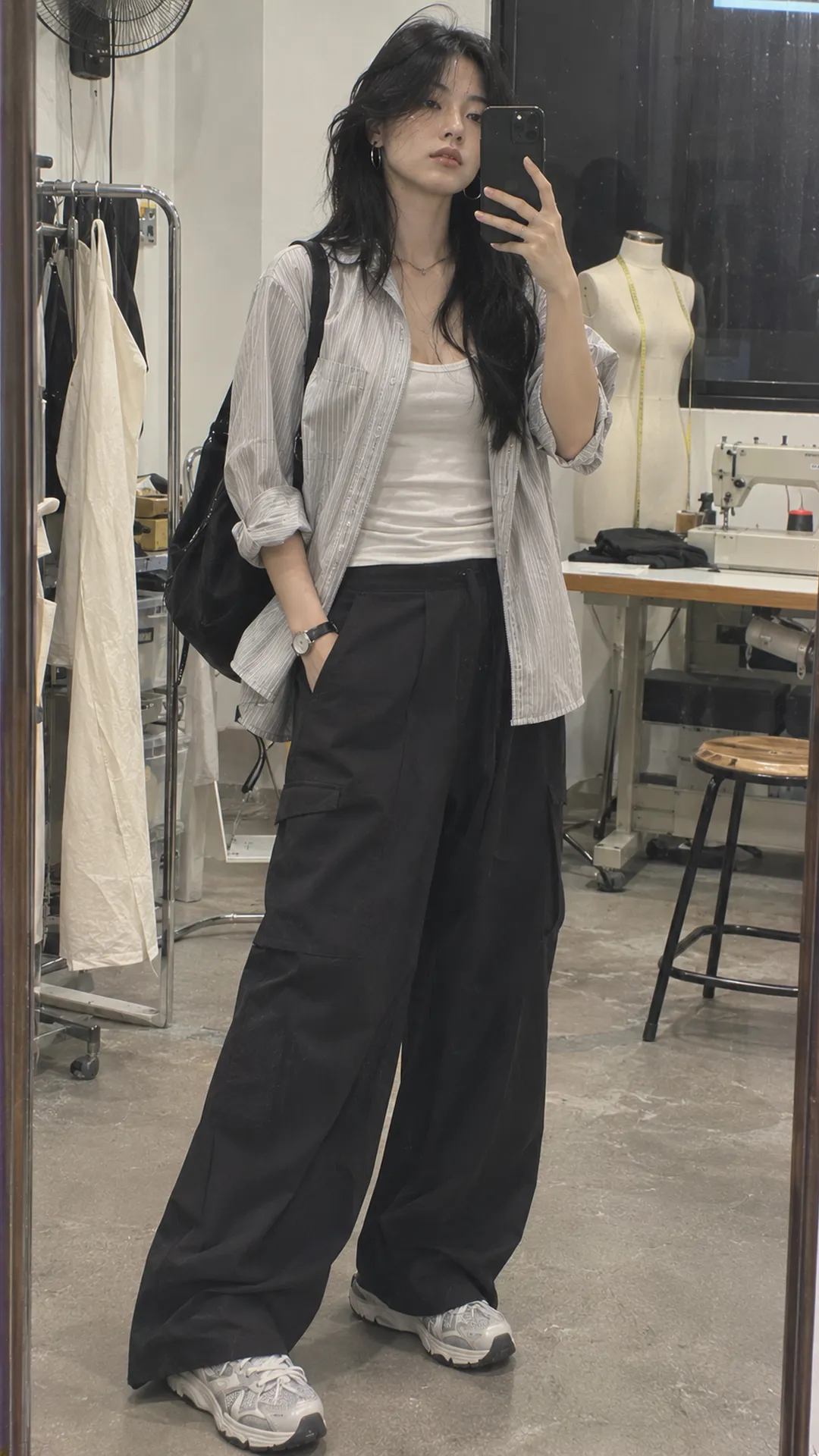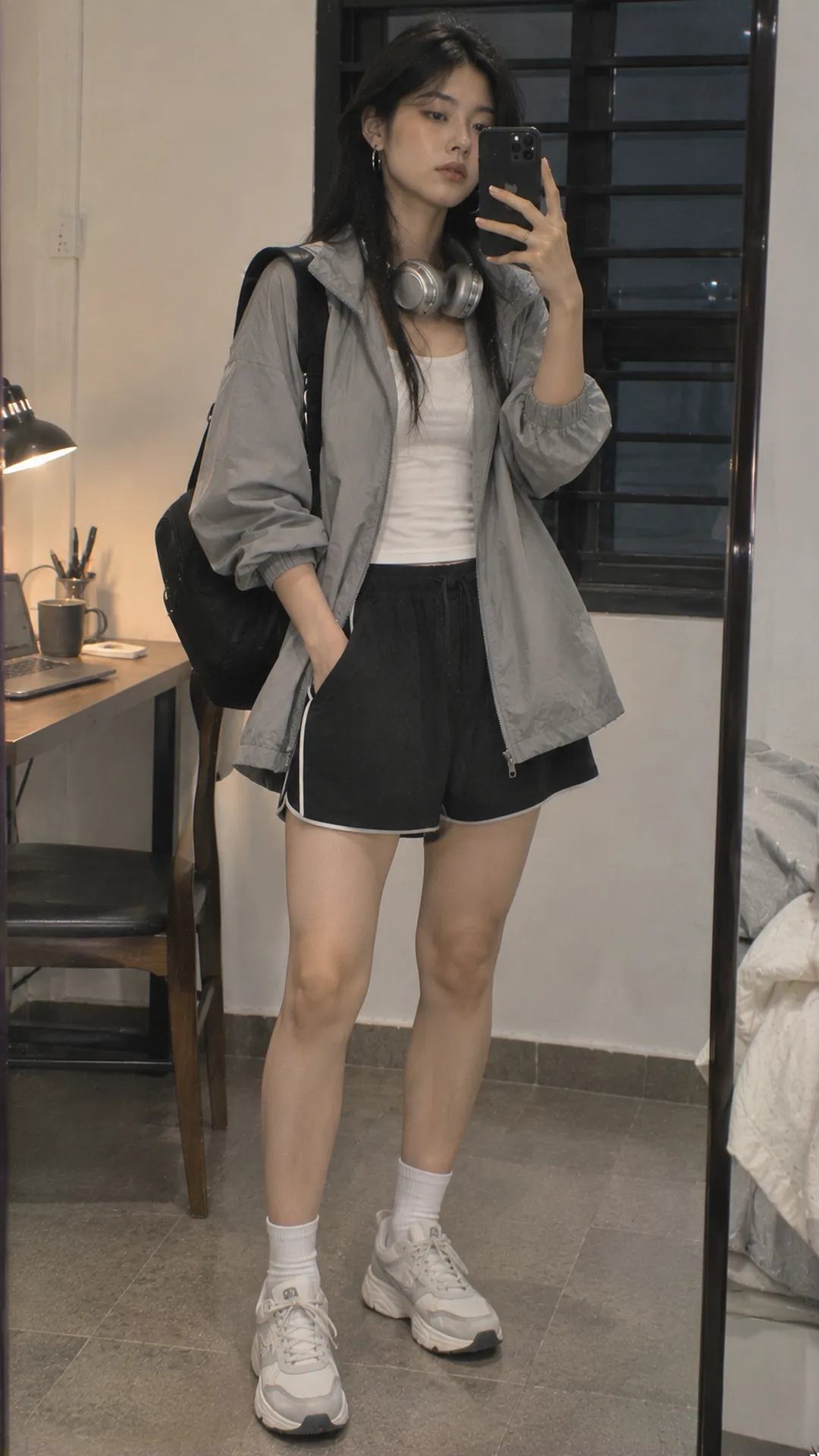
Describe what you need the shoes to do
“Easy everyday runs on paved park paths” gives you a starting point. Add dirt routes or speed sessions if they’re part of your routine so you can compare shoes for those uses.
Brooks suggests considering the feel you want, distance or speed goals, and whether you run on roads or trails. Use those questions before comparing model names and technologies.
If you mainly want the look for class, casual outfits, or walking, see our women’s sneaker guide. Check intended use separately from the athletic shape.
Buy for the runs you actually do. If you mainly run easy, try shoes for that routine. Revisit the choice if your needs change before buying a specialized racing model.
Choose a shoe type for your usual surface
In ASICS’s running shoe guide, road shoes are designed for hard surfaces, while trail shoes address different grip and protection needs away from pavement. Check the classification of the exact model.
A park can have asphalt, paving, dirt, and gravel. Note which surfaces you run on most and any stretches you can’t avoid. Use those details when asking staff or comparing listings.
If you need one pair for several surfaces, say so when asking for advice. Check what the brand means by versatile for that model before using it in mud or on slippery ground.
Read grip and rubber outsole claims in the context of the design and actual surface. Compare models built for similar conditions and consider the route you’ll run.

Check length, width, and heel hold
Nike’s running shoe fit guide suggests about a thumb’s width beyond the toes as a starting point. Try the model for yourself, since sizing and shape vary.
Check width as well as length. Stand and look for crowded toes, squeezed sides, or pressure from the upper. Check whether the model has width options before choosing a longer shoe.
Lace up and check heel and midfoot hold. If you need very tight laces, compare another size or shape. Walk and see whether the foot slides or you curl your toes to keep the shoe on.
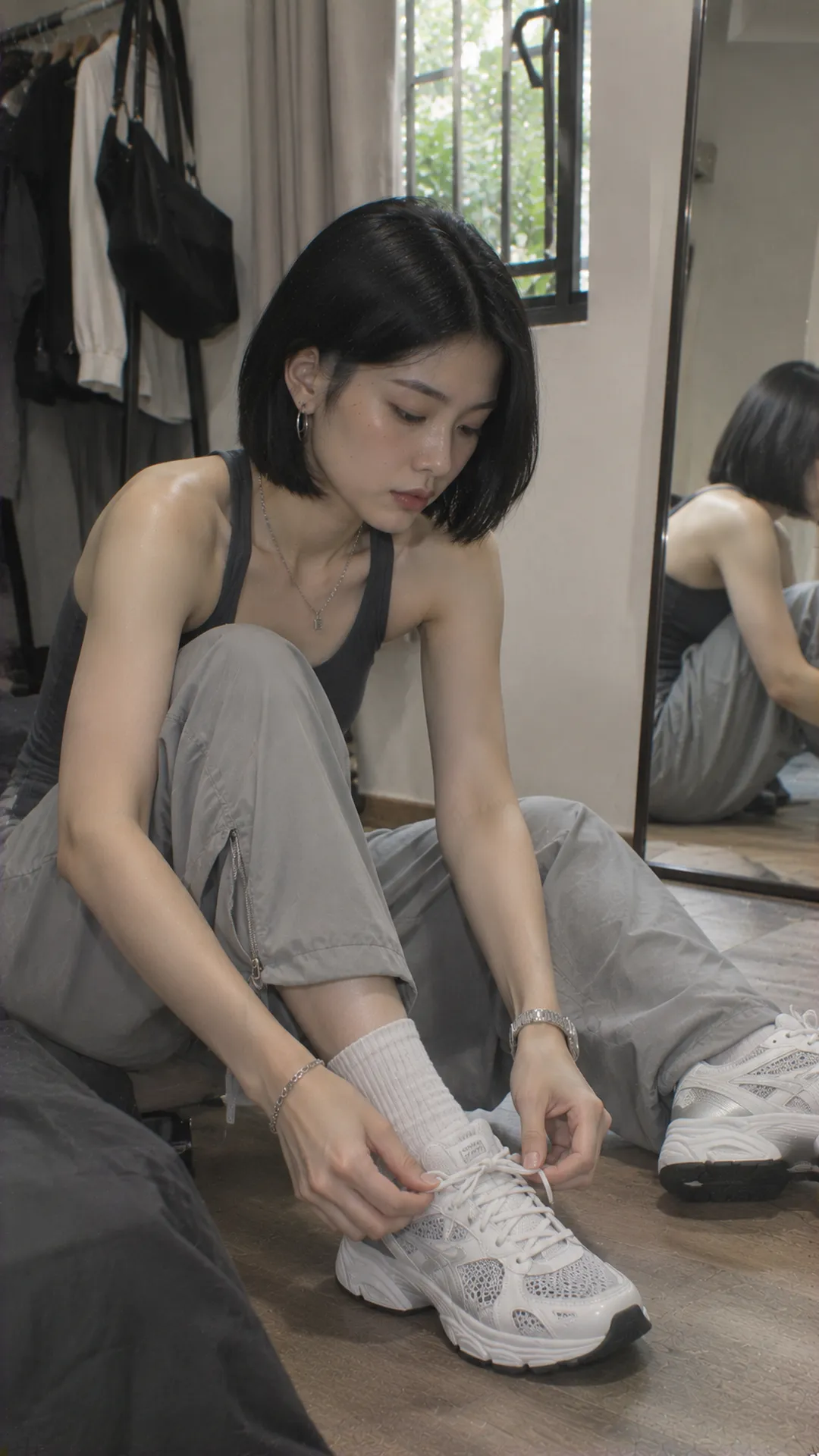
ASICS recommends trying both shoes with running socks. Wear the same socks for comparisons. If you use separate insoles, ask how to try them in the shoes before stacking inserts.
Check the model’s size chart, sizing system, version, and width whether it’s labeled women’s or unisex. Verify the fit even if you know the size of an older pair.
Use specifications to ask better questions
Ask what the brand means by soft cushioning, responsiveness, or support for the model’s intended use. During an allowed fitting, check for tightness, slipping, and room to move.
If weight is listed, check the measured size and version. Compare equivalent sizes when possible. Leave the comparison open when measurement conditions are missing.
Read the brand’s explanation of stack height and heel-to-toe drop. Ask what the measurement means for your runs before making it a reason to buy.
Keep the material or technology name to identify the exact version, then compare intended use, fit, try-on options, and budget. A single feature gives limited information about speed or injury outcomes.
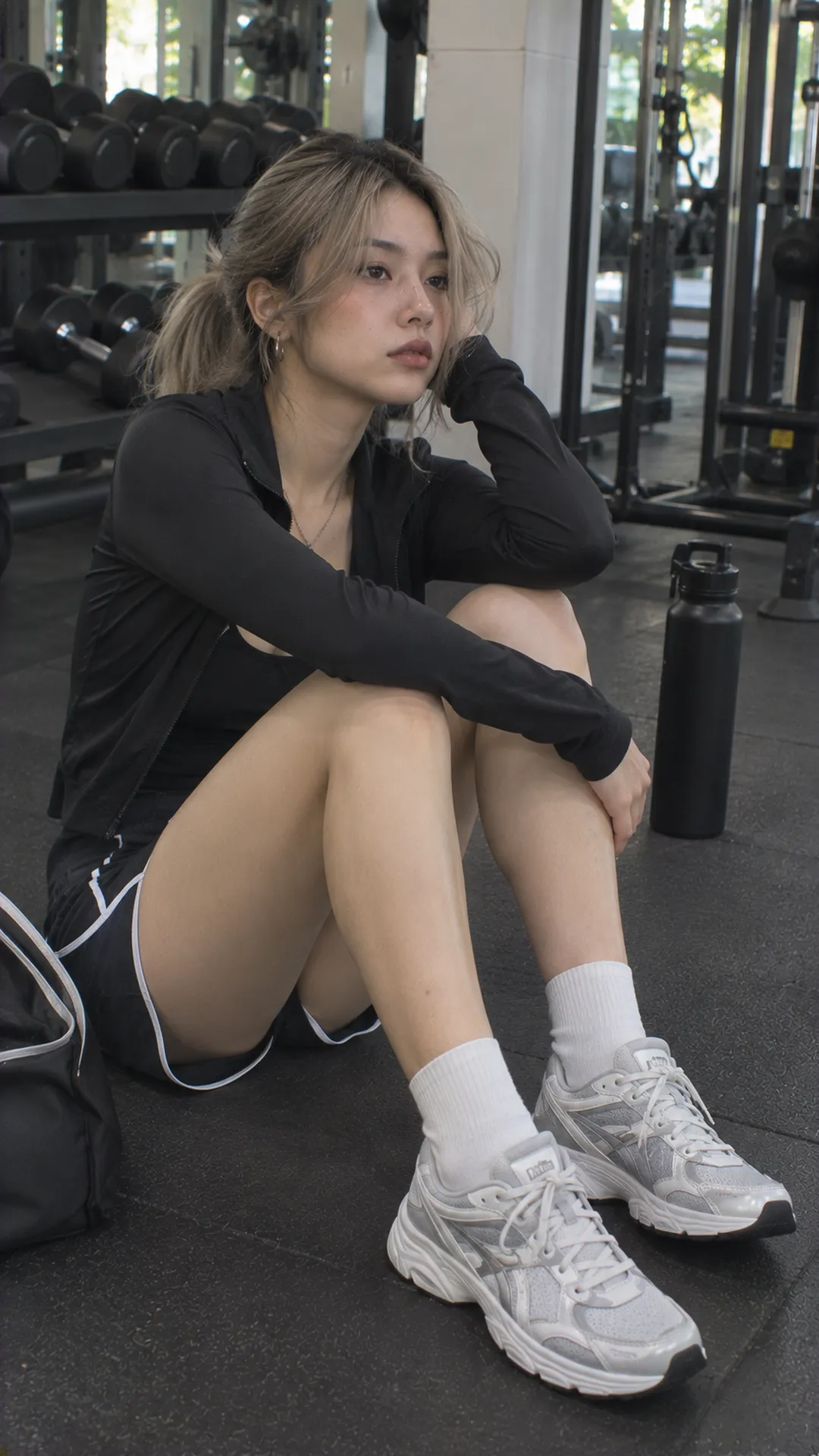
Compare three candidates with the same notes
Keep the shortlist small and within one use category. Record the full model, women’s or unisex version, size, width, stated surface, and price for each exact option.
Separate the brand’s claims, your observations, and unknowns. For example, the brand says road running, the heel stays in place on a shop walk, and long-term durability is still unknown.
Suppose pair A fits but the exchange terms are unclear, pair B has clear terms but squeezes the forefoot, and pair C is unavailable in your size. Ask about A, try another width or drop B, and check availability for C.
Run only where the shop allows. If you can only walk indoors, record that limit. A few steps on a level floor give an initial fit check.
Shop for affordable running shoes and check the details
Use a budget under VND 1 million as a price filter if that’s what you can spend. Keep fit in the decision and decide your maximum total before looking at upgrades.
For lists of running shoes under VND 1 million, check the update date, retailer, eligible sizes, and offer terms. Check the total after fees and discounts at checkout.
For discounted shoes, check the specific order’s exchange and return terms and item condition. Terms can vary among stores selling the same brand. Keep the details in case the wrong model or version arrives.
Use our shopping and budgeting guide to check seller details and total cost. Compare colors after fit and function meet your needs.
Choose a brand by the specific model and fit
Look for a specific model and version that suits your runs, comes in a suitable size, and has clear try-on or exchange terms. Use the brand name to start a shortlist.
Look for reviews that state the model, surface, and time in use. Use them to ask better questions and check the fit yourself.
If you have a foot concern or individual footwear guidance, discuss changes with an appropriate professional. Outsole wear in a photo offers limited information about foot type and support needs.
Style the shoes once they work for running
Repeat one shoe color in a top or bag if you wear the pair casually. Hem pants so the fabric clears the soles while you walk.
For athletic clothing across settings, see our guide to wearing athleisure day to day. For proportions, jackets, bags, and finishing details, see our guide to sporty chic styling. Choose your shoes for running before applying either styling approach.
Pay attention to how the shoes feel after buying and follow care instructions for that model. Check whether machine washing or heated drying is allowed. Keep a pair that fits, suits your runs, and comes with clear information.