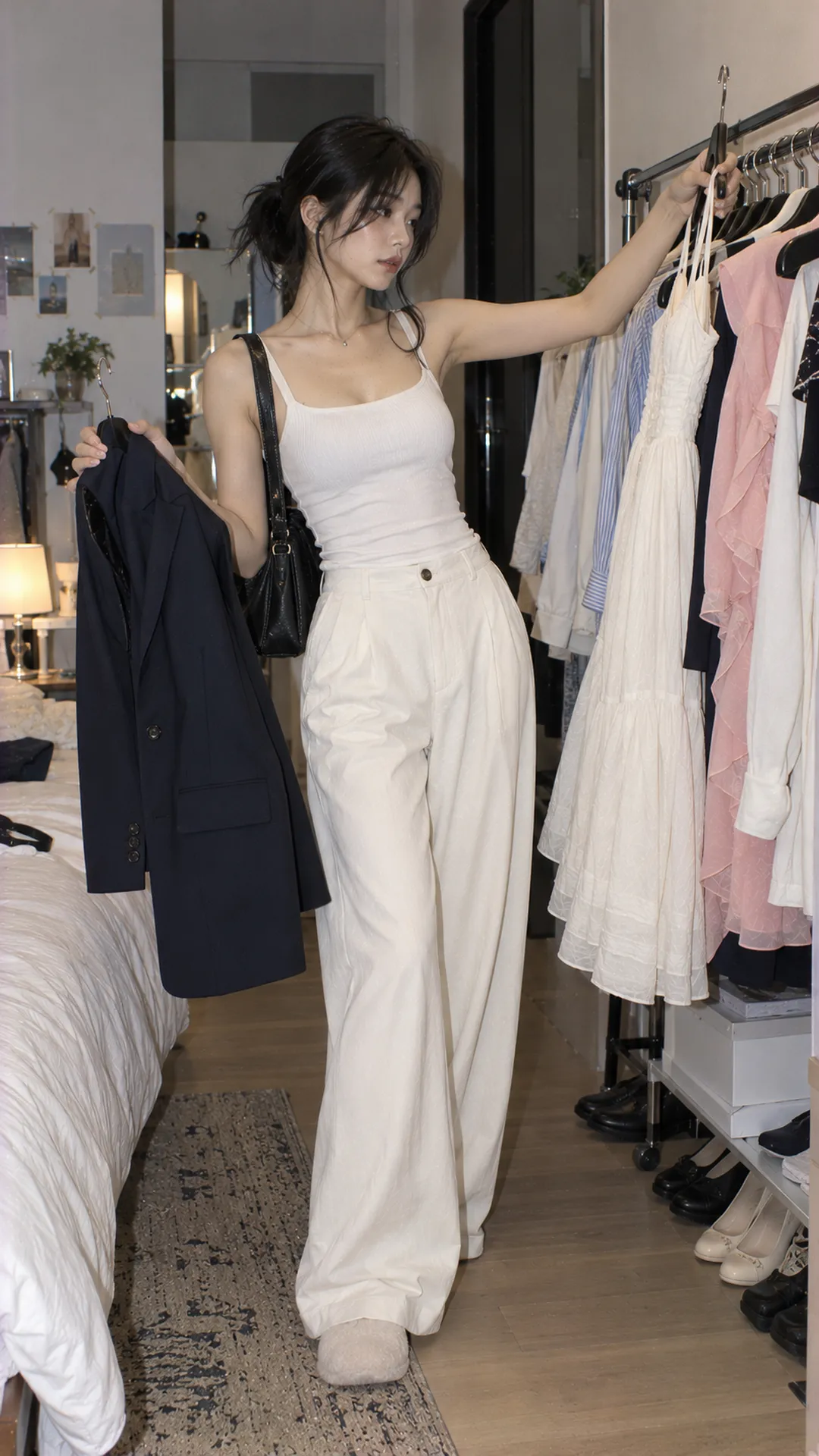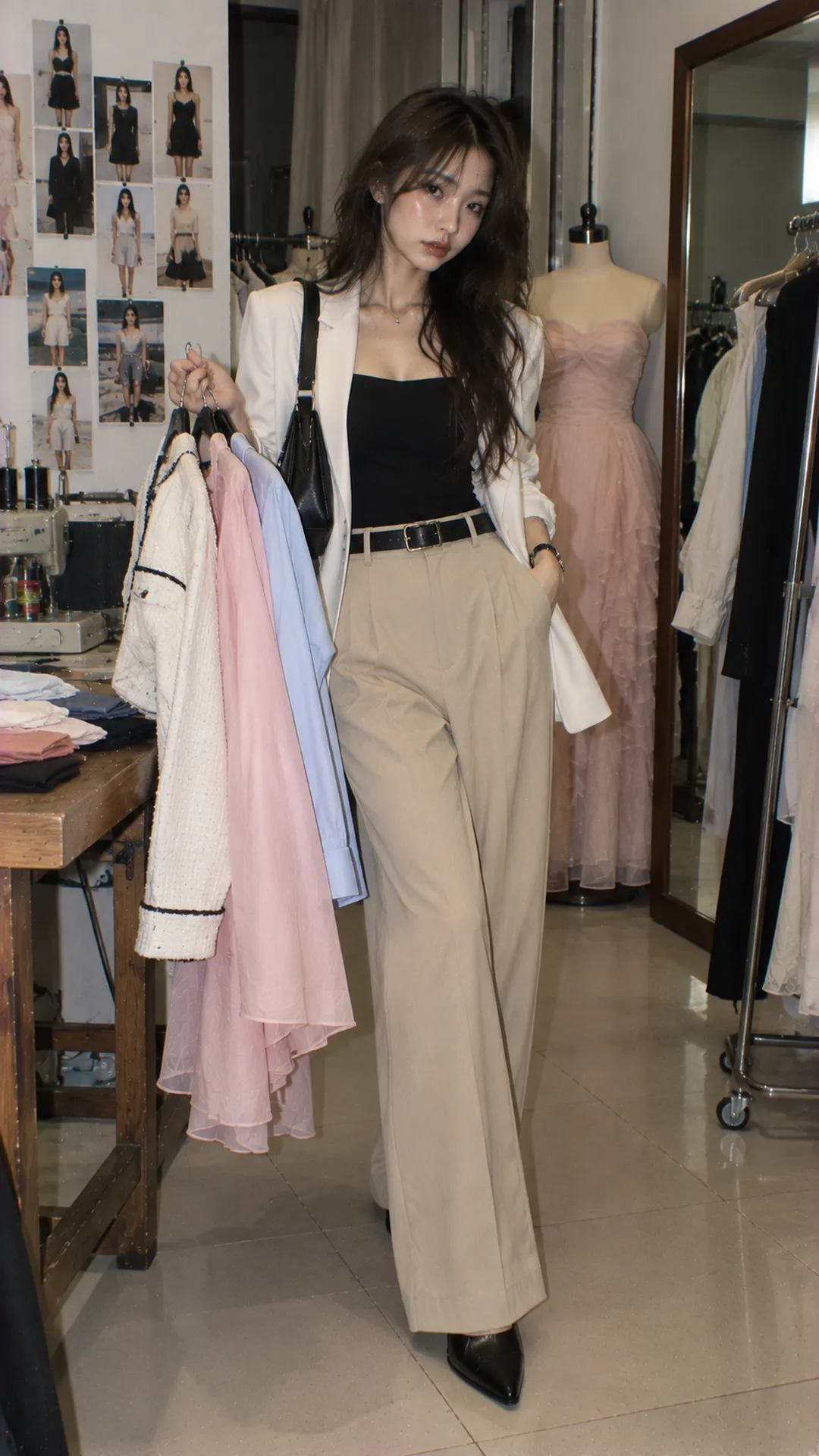
Dress codes differ from uniforms and personal style
Oxford Learner’s Dictionaries defines a dress code through clothing rules in particular places or groups. The central point is a context's shared requirement, not each wearer's preference.
A uniform usually specifies a more particular garment or set, such as an organization's top, trousers and identifying details. A dress code may allow variation: collared tops and long trousers can still look different on each person. Compliance does not always mean identical clothing.
Personal style concerns your choices of lines, colors and details. Someone preferring dark clothes can meet formal requirements with appropriate garments. To distinguish aesthetic names, the style dictionary helps more than treating every taste as a dress code.
When asked what “dress-code clothing” means, the practical answer starts with which code. No garment automatically meets all requirements. Blazers, long dresses and heels are clothing options whose roles depend on the full context.
Separate four requirements before choosing clothes
Formality: does the invitation specify casual, cocktail, black tie or something else? This states the organizer's expected dress. Do not infer it solely from an expensive venue or evening timing.
Colors and theme: is there a palette, print restriction or shared identifying element? A white party usually concerns color, but you still need to know whether dress should be relaxed or formal. The right color may not suffice.
Conditions of use: indoors or outdoors, standing or sitting, sand, grass, stairs or lengthy travel? These affect materials, shoes and layers without erasing stated dress requirements.
Specific limits: are there rules for footwear, coverage, logos, uniforms or a particular role? Performers, staff and guests may have different instructions. Read those applying to you before copying someone in an event photograph.
Understand common names without absolute rules
The Emily Post Attire Guide distinguishes casual, dressy casual, semi-formal, business and formal categories. These names help, but must be read with the organizer's requirements and cultural context.
Casual still calls for clean, usable clothes suited to the destination. Smart casual asks whether the overall outfit is polished enough there. Cocktail or semi-formal needs more attention to party dress; one sparkly addition to everyday clothes does not automatically meet the requirement.
Business casual concerns work, with applications varying by company and role. For an unfamiliar invitation term, check the sender's own guidance. An online list cannot override the destination's rules.
For formal dress, read the exact name. According to Emily Post's Black Tie guide, black tie has particular tuxedo and eveningwear conventions; black tie optional allows additional choices. It does not simply mean any black outfit or a black necktie.
White tie is a different, highly formal requirement in Western conventions. If specified, read its own guidance rather than extrapolating from black tie. Do not impose these conventions as universal rules for every Vietnamese ceremony or traditional garment.
When an invitation says only smart casual or business casual
You need more information about the setting and your role. Meeting friends at a restaurant, presenting a project and an ordinary workday may all use “casual” with different expectations. Seek descriptions or example images from the organizer itself.
For detailed outfit decisions across occasions, read Smart Casual. For office clothing, Business Casual is more relevant. Those guides explore styling; here, distinguish the requirement's scope first.
Suppose you own a plain shirt, straight trousers, dark jeans and two pairs of shoes. Do not decide solely by asking whether jeans are allowed. Check permission for denim, any partner meeting that day and footwear rules. Eliminate unsuitable options before choosing by taste.
In Deconstructing Dress Codes, Debrett’s discusses ambiguous modern names and context's importance. One specific question about a missing requirement often helps more than further searching unrelated clothing rankings.
A beach dress code does not automatically mean swimwear
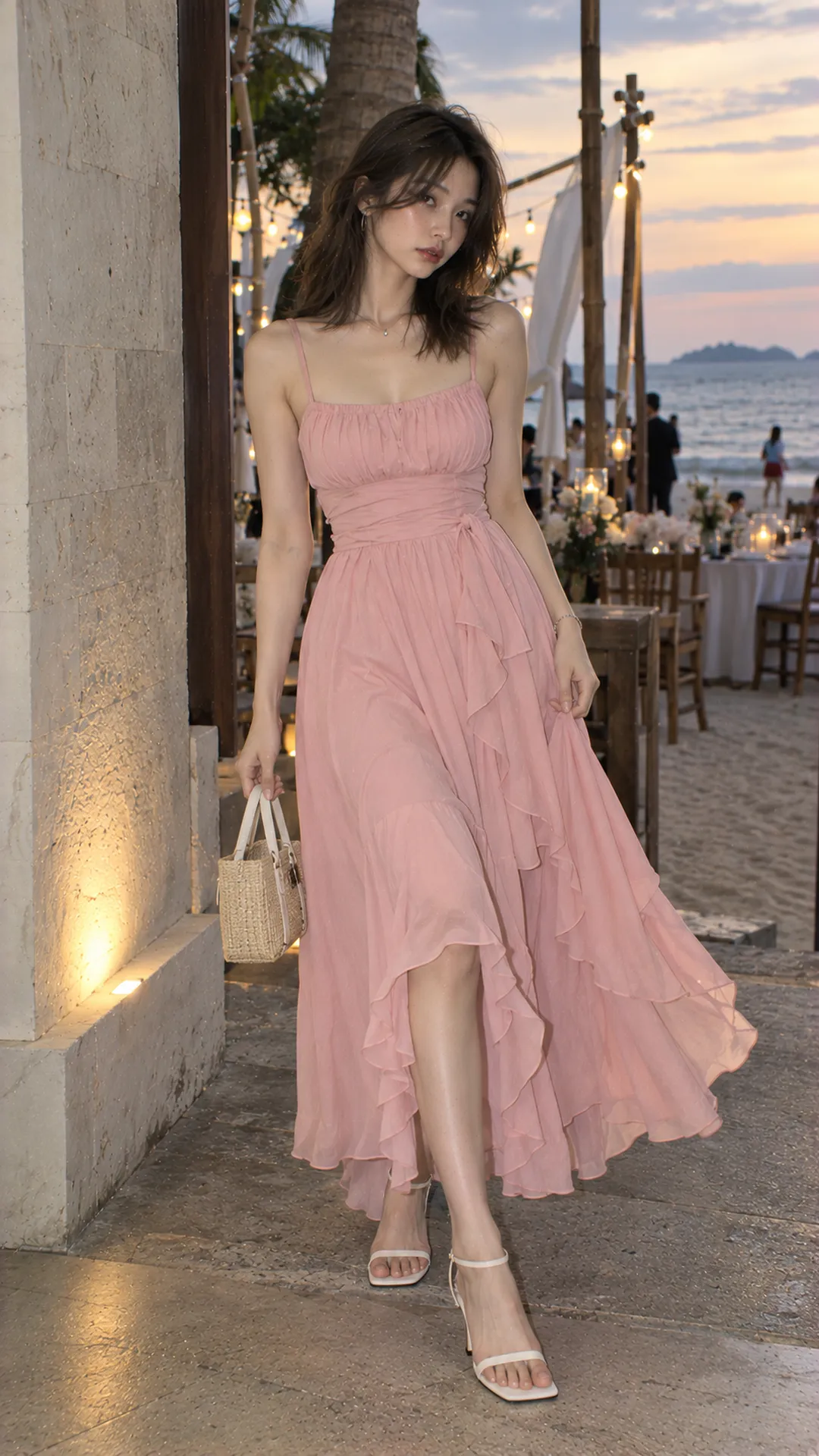
“Beach” describes a location or trip, not the activity. Friends photographing on sand, resort dinner and a seaside wedding can need different clothing. Establish which activities occur on the beach or in a restaurant and whether changing time exists.
Brides' beach-wedding guide separates formality levels within the same beach setting. Sand does not automatically permit swimwear or very casual clothes.
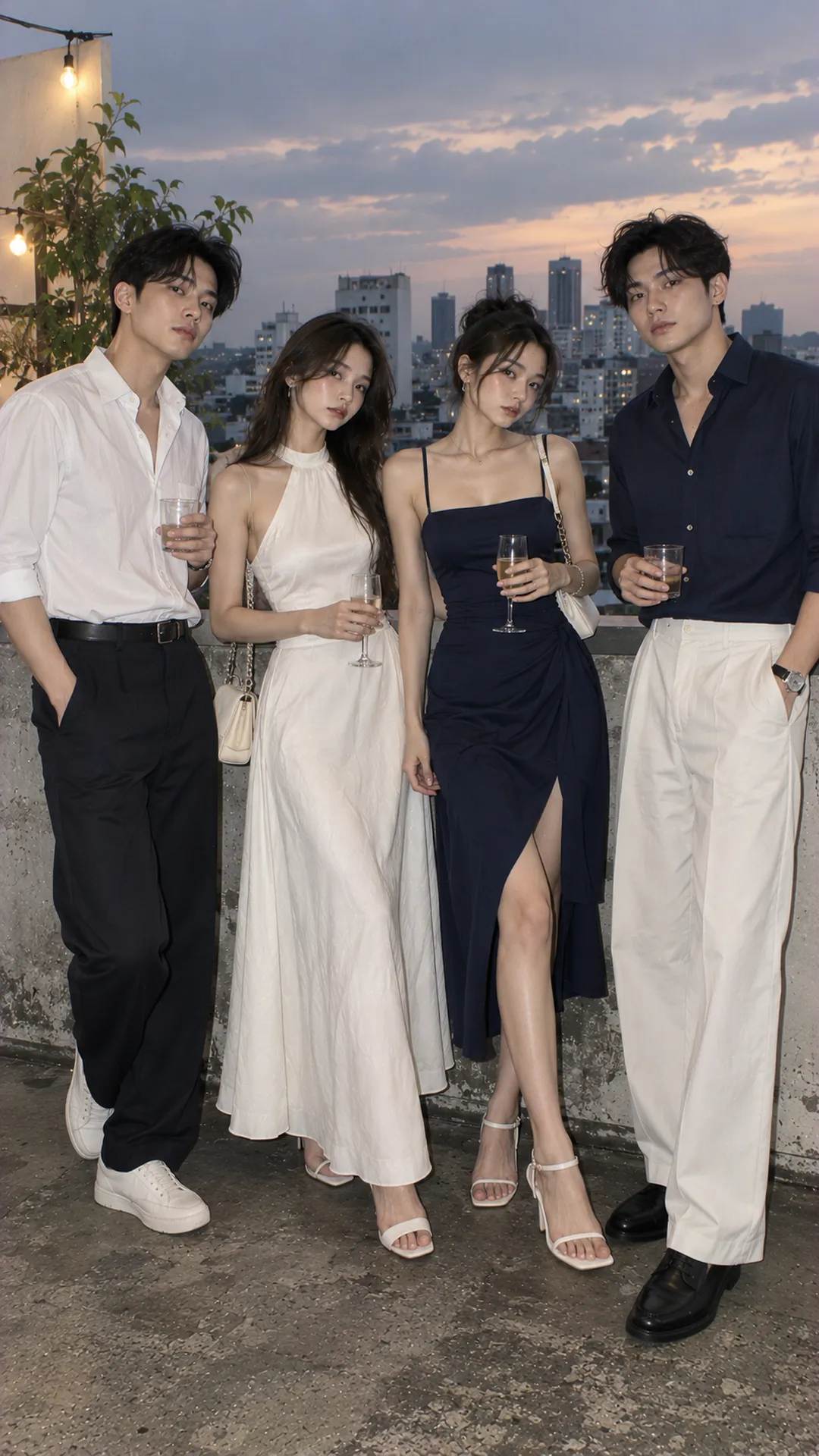
For a group trip requesting white and blue, use existing pieces in the palette rather than identical products. Clarify the main color and whether prints are allowed. Different interpretations of blue may produce something unlike the organizer's intention.
Where possible, test wind, sitting and the actual walking surface. Consider long skirts, wide panels and easily blown accessories. Sand-friendly shoes may not suit the next indoor reception; changes need a specific schedule.
For water activities, swimwear and cover-ups serve that portion. On moving to meals or separately regulated areas, read their requirements. One outfit is not automatically the answer to a whole trip merely because every activity is near the sea.
How clear should color and theme requirements be?
All black may mean mainly black throughout, but permission for white shoes, metal or graphics depends on the organizer. For important group photographs, request a short description or visual example. Do not invent restrictions absent from the invitation.
For retro, tropical or a particular aesthetic, establish sufficient identifying cues. An accessory or palette may suffice at a flexible event; another may expect clearer thematic clothing. There is no reason to buy a full costume before understanding the intended emphasis.
Distinguish obligations from suggestions too. “Neutral colors preferred” differs from “white only”; “silver accessories encouraged” differs from “silver accessories required.” Those words help you use existing pieces and avoid unnecessary spending.
How to clarify incomplete instructions
Instead of “Anything is fine, right?”, name the uncertainty: “Is the evening on sand or indoors?”, “Are plain jeans included?” or “Does black apply to shoes or only clothes?” Narrow questions often get immediately usable answers.
As an organizer, state formality, any palette, venue conditions and actual necessary limits. Add two flexible examples for skirt and trouser wearers, avoiding the impression that guests must buy the products shown.
For a group gathering, for example: “Neat clothing, mainly white or navy; trousers or skirts welcome. Photographs will be outdoors, so choose easy-to-walk-in shoes. Matching designs are unnecessary.” This illustrates wording, not a definition for every event.
Use your existing wardrobe before buying more
Choose the closest existing outfit and check each missing requirement. For coverage, try a suitable layer; for the main color, inspect existing pieces first. Accessories cannot correct a fundamental mismatch such as casual clothes where clearly specified formalwear is required.
When buying, prioritize fit and reuse with at least several existing outfits. Check delivery, exchanges and possible alterations before the date. The shopping guide continues with measurements, materials and budget without turning every invitation into a wardrobe replacement.
Before leaving, check the main requirement, role, venue, movement and plans for weather or travel. Understanding a dress code means identifying what the organizer requests, then meeting it in a way that suits you within that scope.