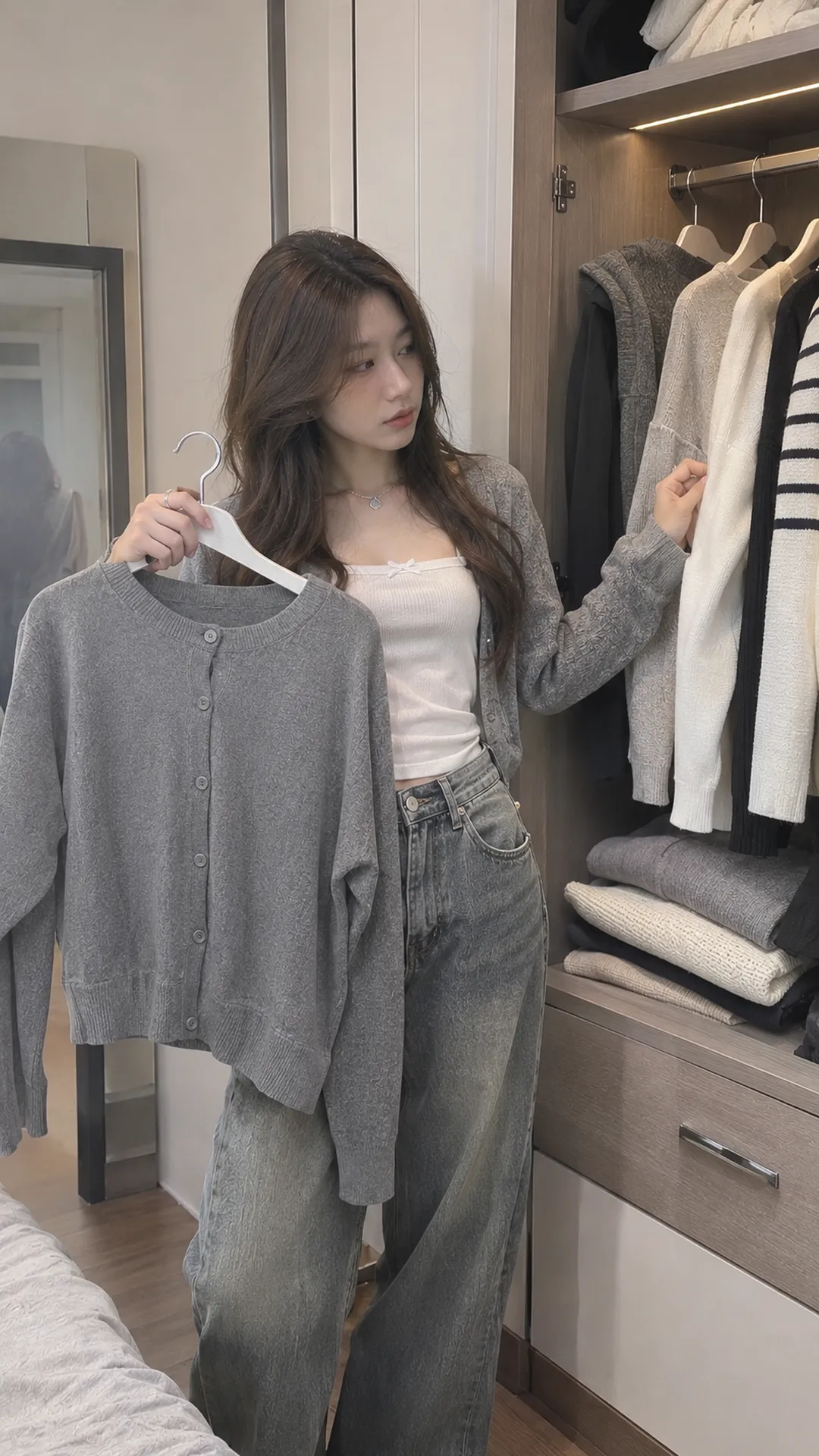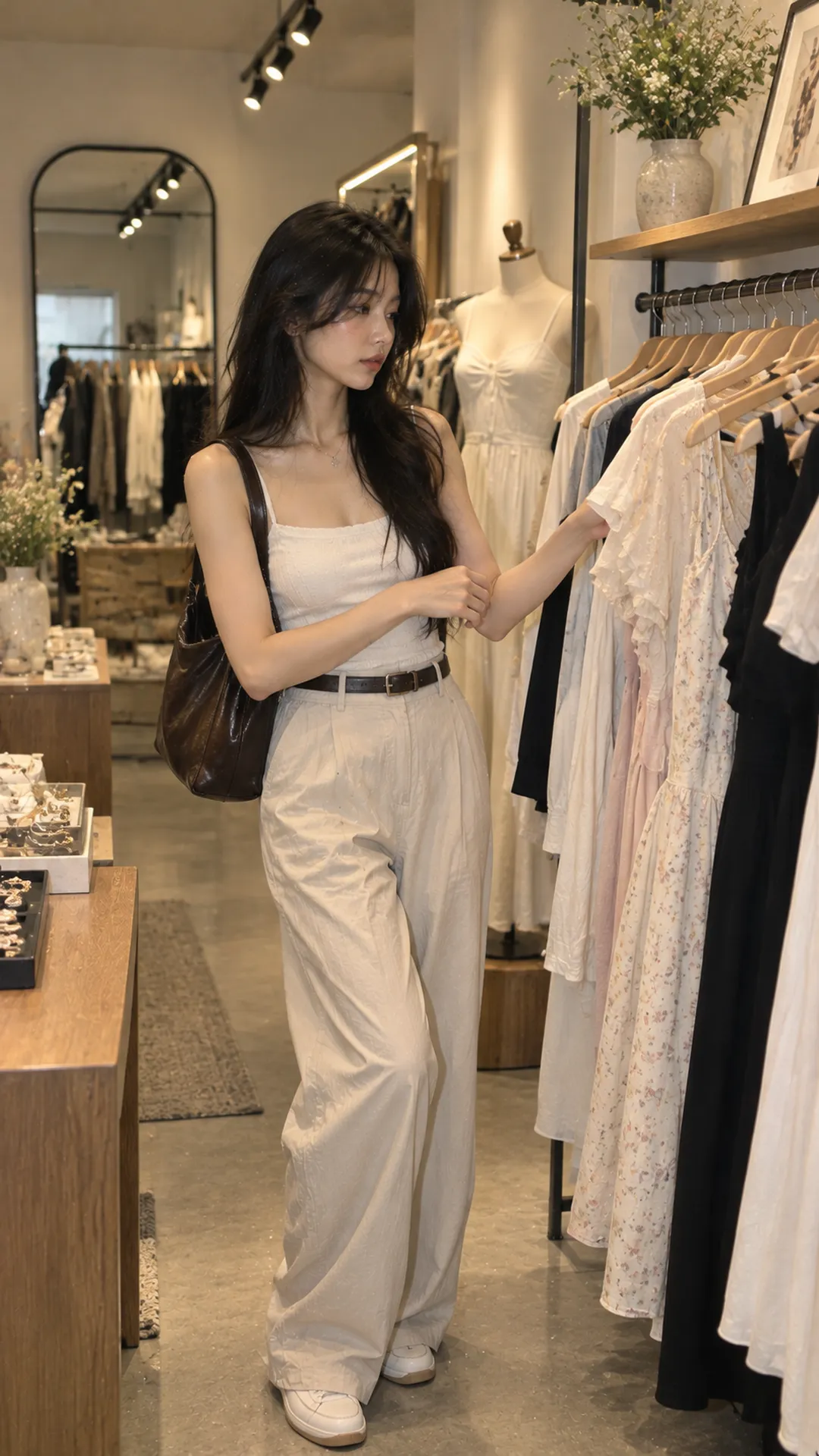
Boutique in fashion context
Oxford Learner’s Dictionaries defines boutique as a small shop selling fashionable clothes or expensive gifts. In practice, scale and specialization distinguish the term; do not turn one part of the definition into a rule that everything must be expensive.
Merriam-Webster also records a small shop within a large department store. A separate building, small street frontage or particular décor is unnecessary.
Boutique shop essentially still means a boutique. Adding shop may clarify the term rather than create a new fashion category. Ask what it specializes in, whose products it sells and which needs it serves.
Boutique appears in other industries too, but its fashion meaning does not guide hotel assessment. Keep the clothing/accessory context to avoid confusing a widely used retail name with a particular clothing style.
The interest lies in product selection
An intentional assortment often connects pieces through palette, proportions, materials, customers or occasions. A dark-clothing specialist might select defined-collar blouses, straight trousers, shoes and jewelry supporting one direction.
The pieces need not be identical. Thoughtful selection can include several brands and prices if their relationship is clear. Try placing a top beside three other store items: does the assortment support outfit building or only attractive separate images?
Conversely, beige-toned sales photography does not establish careful selection. Backgrounds, filters and display create visual identity; seams, measurements and function still require item-level assessment.
If uncertain about your preferred direction, the style dictionary names the elements you seek. Clean lines, dark textures or rich details provide more specific assortment criteria than whether a store looks luxurious.
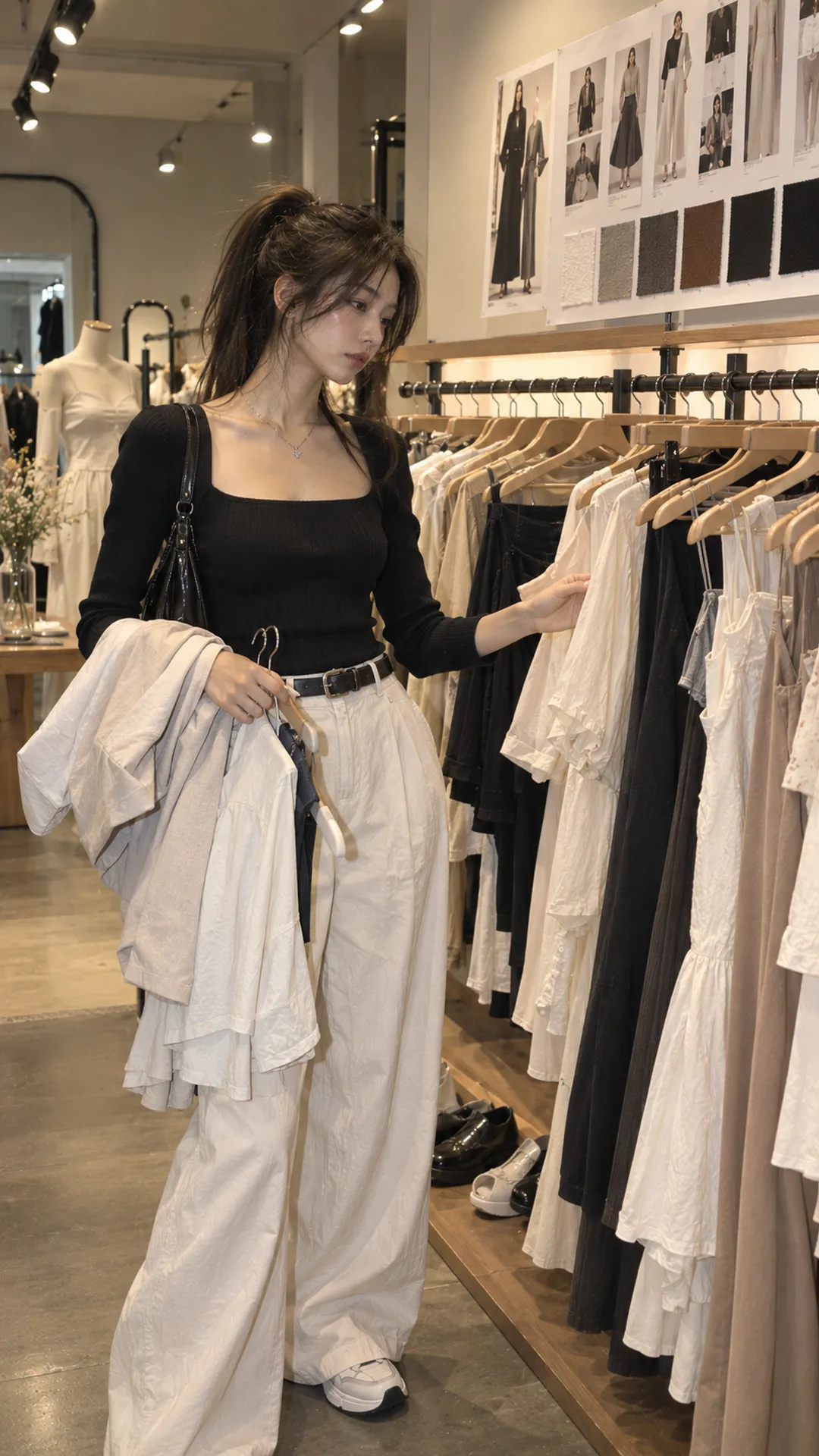
Boutiques, local brands and multi-brand stores
Boutique mainly describes store organization and product scope. A brand concerns an entity developing its own name, image and products. A brand can open a boutique, while a boutique can carry several brands.
Local brand commonly means a domestic brand within the market discussed. Establish who designs, manufactures and handles sales. Local does not answer the entire chain, just as boutique does not establish that every piece is designed in-house.
Multi-brand stores may curate a distinct taste or offer a broad assortment. A focused selection and informed advice can resemble the boutique experience. These labels need not be mutually exclusive.
For vintage or secondhand, prior use and period are separate issues. A boutique can curate older goods without its name identifying which are new, used, altered or worn.
How can a small store's experience differ?
A manageable selection may allow deeper discussion: shoulder fit, accompanying layers or length alterations. This is a possibility, not an automatic service. Check whether staff actually answer specifically.
“Suits every body” helps less than describing dropped shoulders, a short body, little stretch and an arm-raising test. Likewise, selected goods needs an explanation of selection criteria rather than repetition as a guarantee.
Displays can help imagine combinations, but mannequin outfits may be pinned, adjusted or coordinated for display proportions. Try the item on yourself standing and seated rather than judging the completed presentation.
In the V&A's Foale and Tuffin interview, the account of taking designs to 21 Shop illustrates relationships between designer, buyer and retailer. This is one historical example, not evidence that all current boutiques operate identically.
Does an online boutique need physical premises?
No. Shopify describes an online boutique as a small ecommerce shop focused on selected clothing or accessories. Its experience is remote images, specifications and conversation rather than immediate fitting.
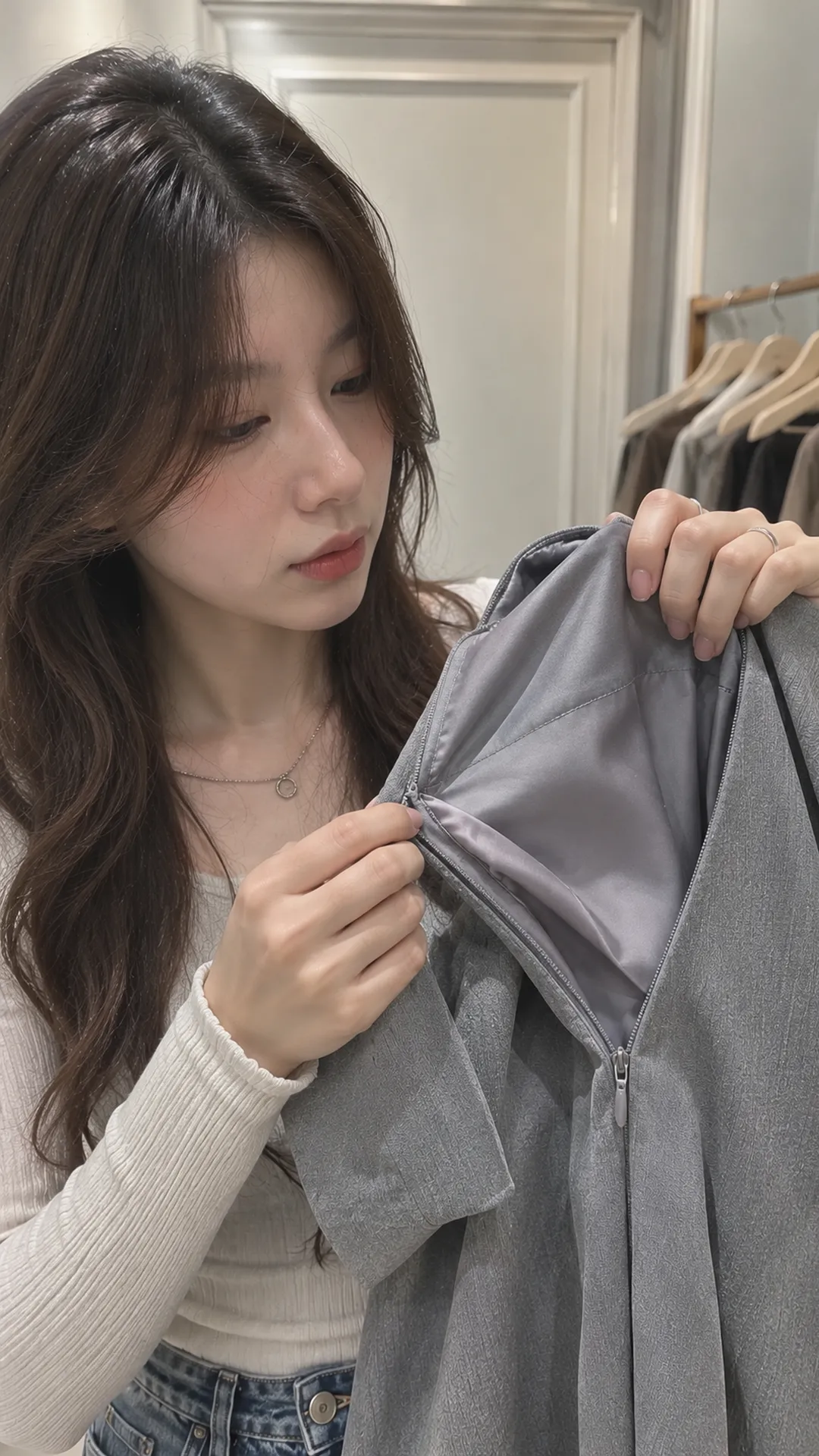
Without touching or trying, information matters more. Useful pages show front, back, closures, drape and finished measurements. Attractive images introduce a product but cannot replace lining, composition or stretch information.
Across several brands, do not assume one size chart. One brand's medium dress can differ from another's medium top. Compare the exact design with comfortable existing clothes and clarify measuring methods.
Distinguish ready stock, preorders and made-to-order too. Timing, alteration possibilities and exchanges may differ. Do not let a lookbook image obscure the date you need the item, especially for events.

Five useful questions before buying
- Who makes and sells this? Check labels, brand descriptions and the responsible seller.
- Which measurements apply to this design? Ask relevant shoulder, bust, waist and length figures rather than suggested body weight alone.
- What details are missing from photographs? Establish lining, closures, pockets, transparency or the back.
- What happens if it does not fit? Read exchange conditions, deadlines, tag requirements and costs.
- What existing clothes will accompany it? Connect the purchase with at least several realistic wardrobe options.
These assess a store's information quality. Clear limits may help more than blanket premium claims. For deeper checks, the shopping hub collects sizing, material and seller guides.
Choose one piece without buying the whole lookbook
Suppose you like a boutique outfit of lace blouse, long skirt, belt and boots. Identify the attraction: collar, skirt length, texture contrast or photography itself. If the collar matters, the blouse with existing dark trousers may suffice.
Then try the blouse with usual clothes. If it needs a separate underlayer, include that cost and feel. Lace catching your existing bag is not solved merely by the item coming from a tasteful store.
The women's garment guide starts from a specific top or skirt rather than purchasing an entire image. A curated piece can still support personal choices beyond the store formula.
For fewer details, inspect finishing and lines instead of assuming plain clothes are easy to use. Minimalist Style helps read proportion, surface and endpoints. A top matching the store's taste may not fill your wardrobe's actual gap.
What the name does not guarantee
Boutique does not automatically mean exclusive. If paying more for that, clarify exclusive design, distribution or merely small quantities. A small batch does not establish availability in only one place.
The term cannot establish handmade production, sustainability or material origins; those require separate evidence. High prices may reflect varied costs and positioning without replacing seam, fabric or after-sales checks.
Do not assume small shops always advise better or large stores lack character. Assess actual experience and information: accurate descriptions, knowledgeable staff, clear problem handling and suitable products.
Choose for your needs
For a new style, focused assortment and explainable combinations can help. For an exact size or daily staple, complete specifications and repeat availability may outweigh attractive premises. For gifts, exchanges and dimensions deserve priority.
Finding a boutique need not mean replacing your whole taste. Start with one small item, assess information and actual use after receipt, then decide whether to return. Item-level evaluation separates attraction to store imagery from a real purchase need.
Understanding boutique helps interpret sellers' introductions. Seek intentional selection, clarity and usable products through actual goods and service rather than the name alone.