
What are auth goods?
Auth is not a quality grade above every other product. It concerns genuine brand origin. A small label's shirt can be that label's authentic product; luxury logos and high prices are unnecessary for the word authentic.
This separates authenticity from suitability. Genuine shoes in the wrong size may not suit you. A real branded shirt with an unwanted cut still requires consideration. Assess the specific product's quality and function rather than reading auth as a promise that everything is best.
Listings often use phrases such as “100% authentic,” “real” or “genuine auth” to claim authenticity. These cannot replace seller information, sourcing documents and checking procedures. More adjectives do not mean more evidence.
Distinguish confusing sales labels
Like auth, replica and fake
In counterfeit-brand sales, like auth generally describes something made to resemble the genuine item. Do not overlook like: resemblance does not mean authentic. Replica also commonly describes a copy; seller-created grade labels do not turn it into a brand-issued product.
Do not assume counterfeits always have obvious defects or genuine items never have loose threads. A visible issue may need explaining, but appearance alone does not establish origin. Photographs can reveal irregularities requiring further evidence before a conclusion.
“Auth tuồn”: claimed factory-diverted goods
Auth tuồn often accompanies stories of factory sourcing, missing boxes, cut labels or absent receipts explaining a lower price. The label itself confirms none of that. Ask for sourcing evidence and who takes responsibility if the claim is wrong.
Do not assume all brands handle defective goods identically. Nor is “same factory, therefore genuine” a sufficient conclusion. Without verifiable origin, the accurate position remains insufficient evidence, however convincing the item looks.
Secondhand, hand-carried imports and missing boxes
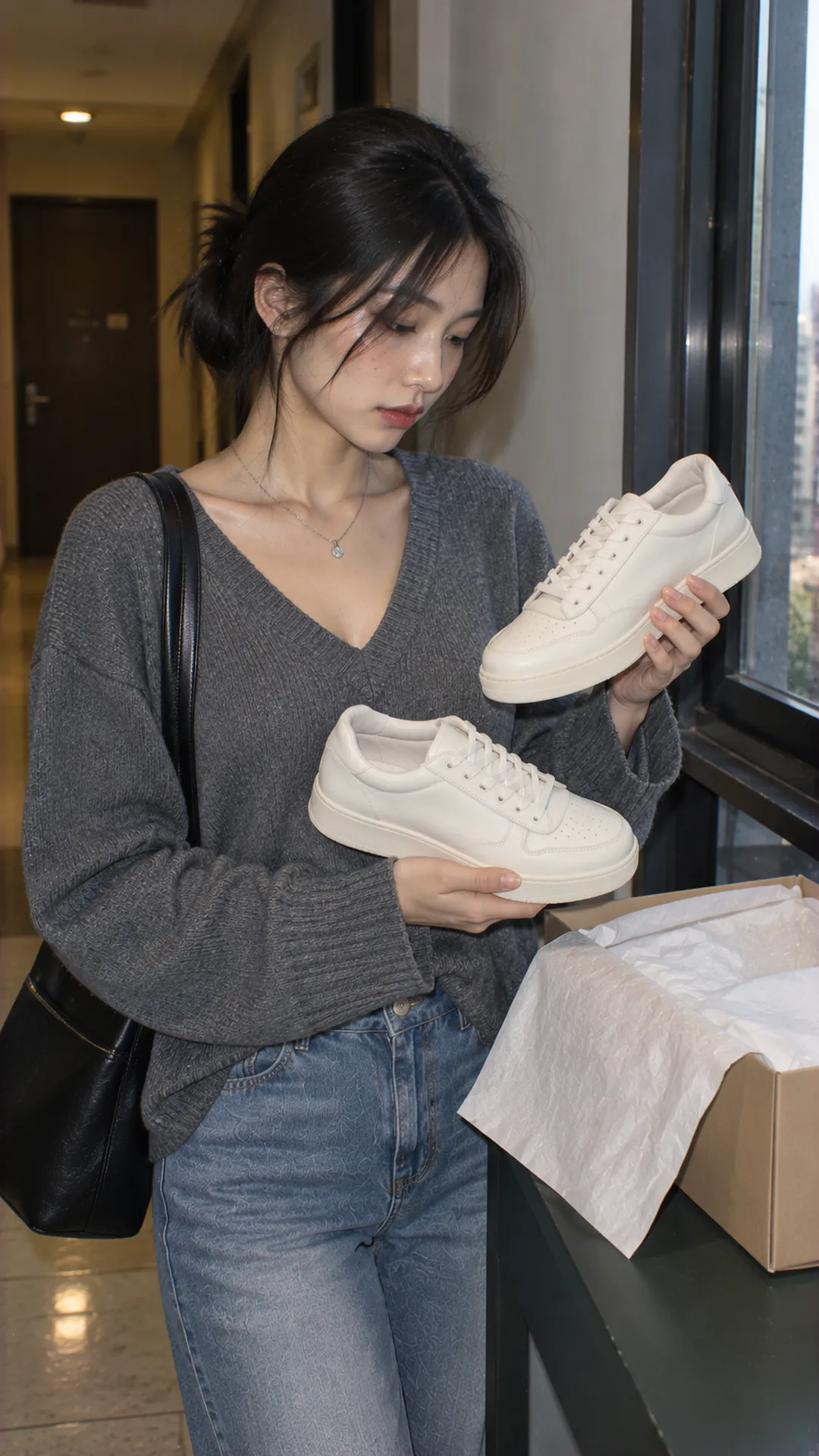
Secondhand concerns prior use or ownership, hand-carried imports describe transport and missing boxes describe accessories. None independently answers genuine or fake. A used piece can be authentic, but its specific history and condition still need checking.
Ask separately about initial purchase, ownership changes where known, repairs or replacements and remaining accessories. A seller identifying unknowns helps assessment more than a broad claim of everything being original without verifiable details.
Start with the seller and purchase channel
adidas Hong Kong's support page recommends official stores or authorized retailers. Starting from the brand's website to locate channels is practical, rather than trusting a seller's self-assigned official name.
Read the domain, account name and payment destination carefully. A brand name in a web address or attractive imagery does not establish a relationship. For an alleged dealer, seek confirmation from the brand or official support instead of only a certificate image posted by the seller.
For resellers, check contact details, condition descriptions and remedies for products differing from promises. Reviews can reveal delivery or service issues without authenticating each listed item. Reputation contributes to assessment but does not replace product records.
The Alt Fashion shopping collection covers sellers, materials and budgets. Use it for the purchasing experience while keeping authenticity checks separate for items offered under particular brands.
Match information to the actual item
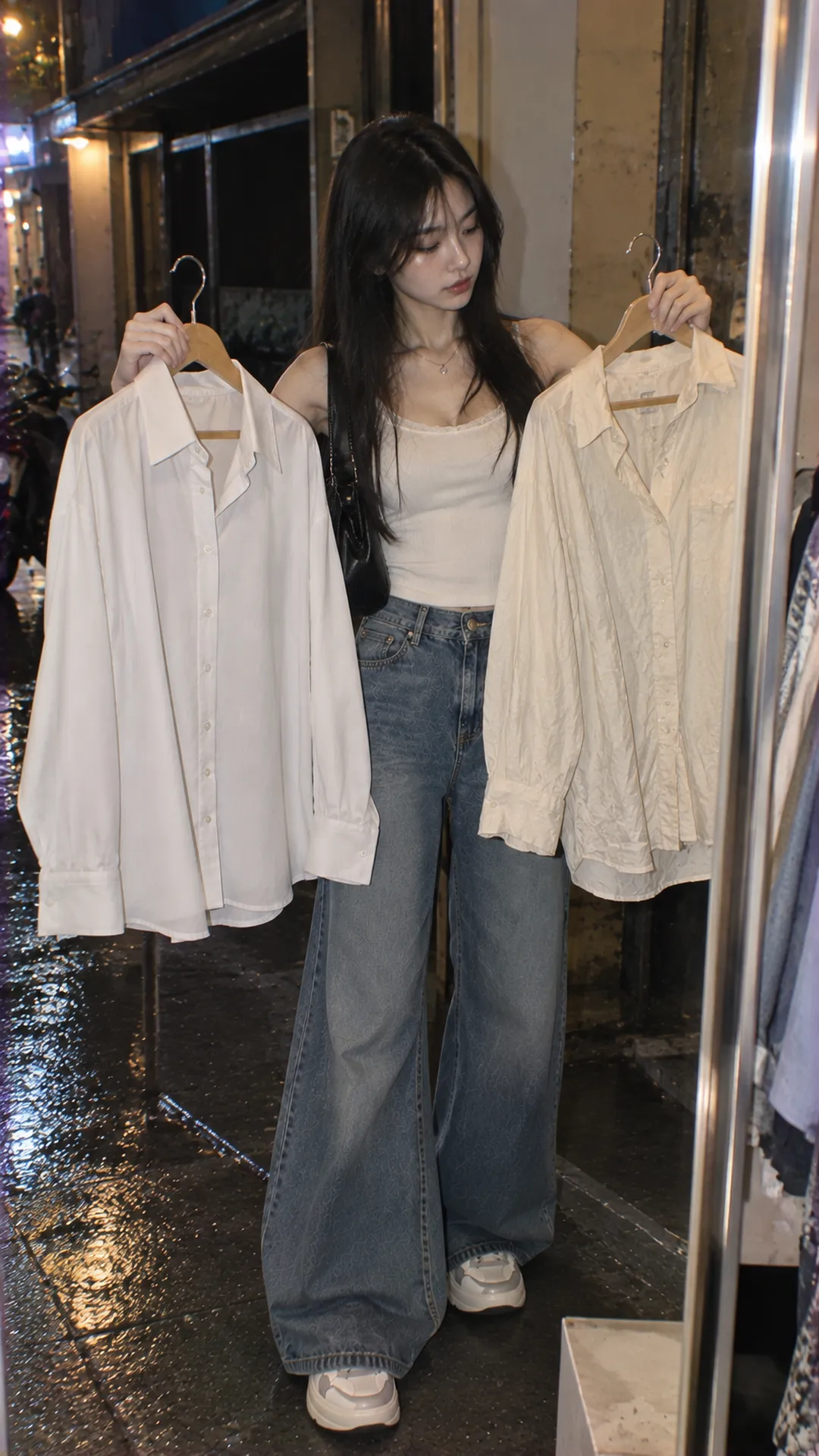
Request real photographs of all sides, labels, product codes, accessories and wear. Ask for the item to be delivered rather than only brand-site stock images. With several identical designs, establish which photographs correspond to your order.
For receipts, compare seller identity, date, item code and correspondence with the product. A receipt helps trace sourcing but belongs alongside other evidence. Paper photographed beside an item does not prove it relates to that item.
Model and color codes need context. A code identifying a product line can occur on many units; do not confuse it with a unique unit identifier. Finding a matching model establishes correspondence, not completion of all authentication steps.
For authentic shoes, compare the exact version, color, size and production period where information exists. A guide to another version can mislead. Record uncertain differences as questions rather than forcing an immediate genuine-or-fake verdict.
What can QR codes and photographs establish?
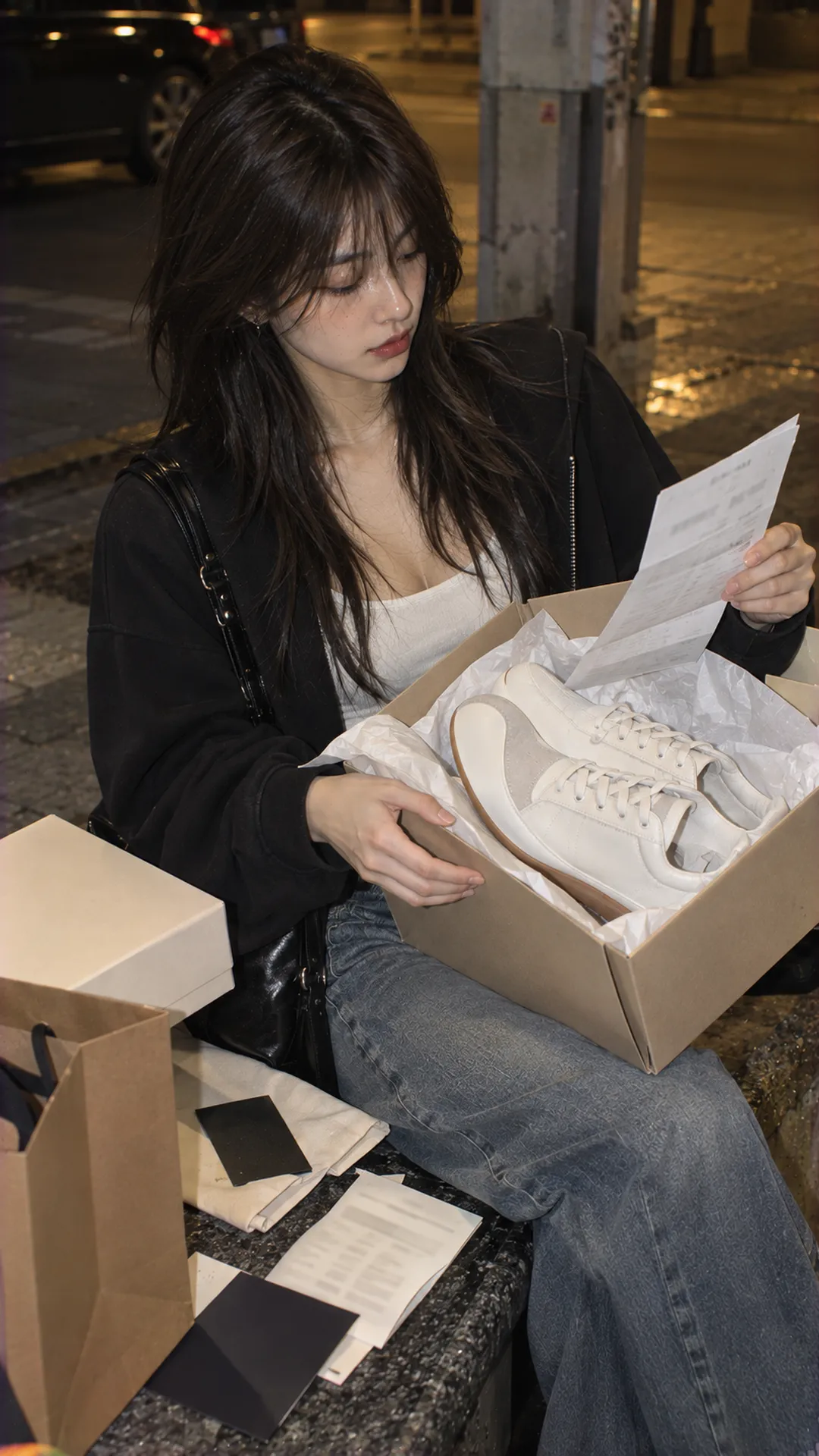
QR codes can lead to varied content. Opening a website or seeing a brand name does not establish authenticity. Identify the brand's procedure for that product line, what to compare on the destination page and how results should be interpreted.
For example, New Balance announced shoe-label code changes from May 2025, with instructions to compare authentication-page information against the shoes. It also states that earlier production lacks the new code for that self-authentication method. This is a brand-specific procedure, not a universal shoe rule.
A missing code therefore does not automatically mean counterfeit when the process did not apply. A present code is no reason to skip official instructions either. Start from the brand's site rather than supplying personal information to arbitrary links sent in messages.
Photos can reveal label layout, condition, stitching or differences to query. They rarely establish the full material feel, internal construction or repair history. A quick photographic opinion should state confidence and unchecked areas rather than promise certainty from one angle.

A checking process before payment
- Record the promised brand, model, color, size and condition.
- Verify the sales channel or gather the reseller's original-purchase information.
- Request actual photographs, relevant records and a list of repairs or replacements.
- Compare official product-specific instructions where provided.
- Read inspection, return and disputed-authentication procedures.
- Pause to clarify any remaining important contradiction before proceeding.
Ask specifically: “Where was this purchased, do records match the product code, has anything been replaced, and what happens if the promise is incorrect?” Specific questions invite evidence. Repeating “guaranteed authentic” does not resolve them.
For outside authentication services, ask which models they cover, whether they need photographs or physical inspection, the conclusion's scope and what happens with insufficient data. Do not read a result beyond the method performed or assume every service has brand authorization.
Assess price, quality and sizing separately
An unusually low price prompts questions, not an automatic counterfeit calculation. High prices do not certify authenticity either. Compare the actual model, condition, accessories and channel; do not assess a used item as a complete new one and conclude from price alone.
Use the specific product's size chart. The online sizing guide distinguishes body and garment measurements. Authenticity and correct sizing are separate tasks; completing one does not make the other unnecessary.
If the budget is unsuitable, choose another clearly sourced product meeting your needs. Starting with existing clothes in the beginner Alt styling guide focuses on shape and function rather than requiring a particular logo to complete an outfit.
If something looks suspicious after delivery
Keep arrival photographs, order details, seller conversations and packaging. Photograph discrepancies clearly and describe facts such as color codes, labels or differences from promised images. “Doesn't look auth” alone makes it difficult to identify what needs checking.
Contact the seller through a recordable channel and ask about resolution and response timing. For brand contact, read the relevant market's policy: not every brand authenticates outside purchases or refunds a reseller's customer. Avoid further use, washing or alteration during investigation.
Frequently confused questions
Does auth always mean an active brand warranty?
You cannot infer that from auth alone. Check dates, sales channel, applicable region and product conditions. For a seller's separate warranty, establish who is responsible and the scope.
Can an item without a box be genuine?
Yes, but missing packaging removes some comparison information. Consider purchase origin and remaining evidence. Neither confirm nor reject solely because a box is present.
Is auth a fashion style?
No. It concerns goods' authenticity. Style names belong separately in the Aesthetic Dictionary; outfit styling and brand origin are different aspects.