

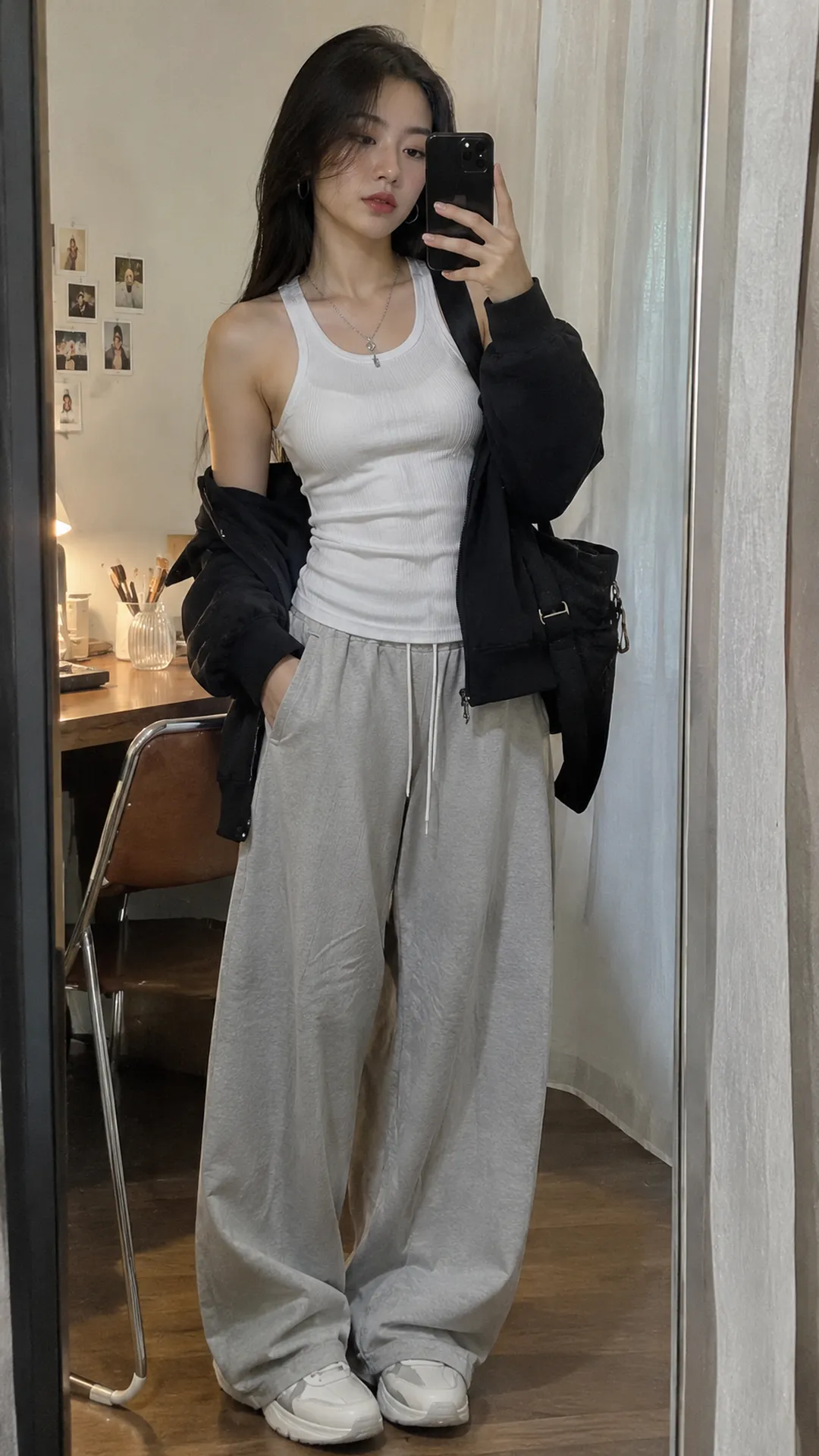
Understand what singlet means before shopping
According to Collins Dictionary, singlet can refer to a sleeveless athletic top or a sleeveless undershirt, with usage varying by region. The term covers different fits, materials, and wearers.
For everyday styling, think of singlets as a group of simple sleeveless tops. A fitted ribbed base layer and a loose athletic top may share the name. Check the front and back photos alongside the product measurements.
Check construction separately if you need bust support for exercise. A workout singlet may still need a sports bra. Even a style sold as outerwear is worth checking for opacity in daylight.
If you’re sorting your wardrobe, our guide to choosing and styling women’s tops puts the singlet alongside other cuts. Decide whether it will be a simple base layer, draw attention to the shoulders, or give an outfit a sporty feel.
Four areas to check on a singlet
Shoulders and neckline
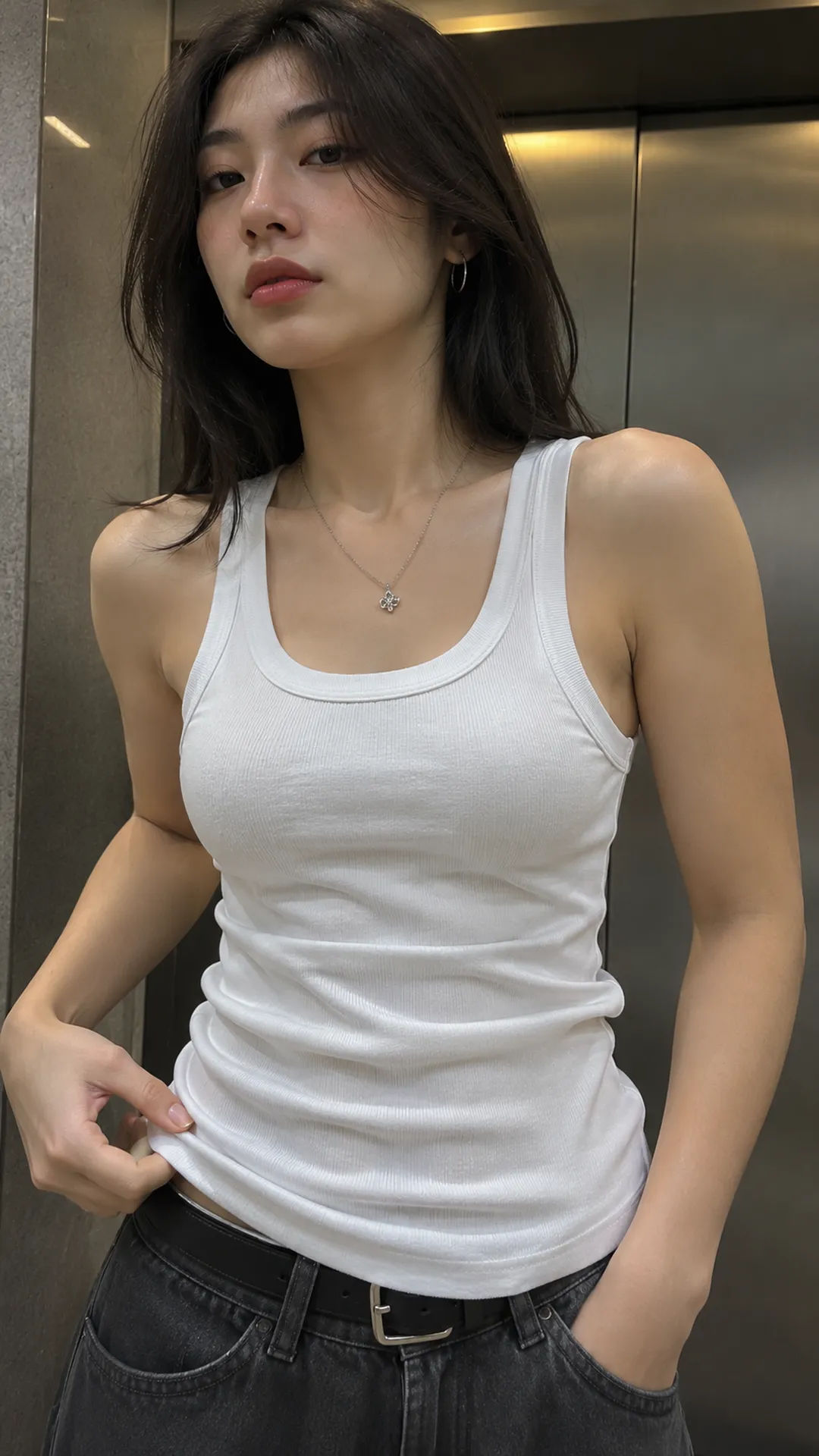
Medium or wide straps usually look more structured than narrow ones. Check the neckline too. A high crew neck and a deep scoop offer different coverage even with the same shoulder width.
Stand upright, then bend forward slightly. The neckline should stay where you want it. If you like a deep neckline for a necklace, check the fit while seated too, since the fabric can shift when you bend.
Armholes and back
Deep armholes leave more of the sides exposed. Decide how much of the underlayer you want to show. Lift your arms, reach forward, and put on a bag to see whether the armholes shift or rub.
The back can be straight, low-cut, or narrow toward the center. A top with good front coverage can still reveal bra straps. Check the back in a mirror, especially if you’ll take your jacket off later.
Fit and length
A close fit gives you a smooth base under a shirt. A loose top feels relaxed and can bunch under a fitted jacket. If it’s cropped, raise both arms to check how much space opens up above the waistband.
Check length with the pants or skirt you’ll wear most. A hip-length top can bunch inside a high waistband. A waist-length top may come untucked when you sit.
Fabric surface and opacity
Ribbing adds vertical texture, while a smooth fabric keeps the base simple. Breathability and durability depend on fiber content, fabric density, and the manufacturer’s guidance. Two white tops can have very different coverage.
Start by holding a hand behind one layer in good light, then try it on. Stretch can change how much shows through. If the top becomes more sheer than you want as you move, try a roomier fit or different fabric.
How do singlets, tank tops, and camisoles differ?
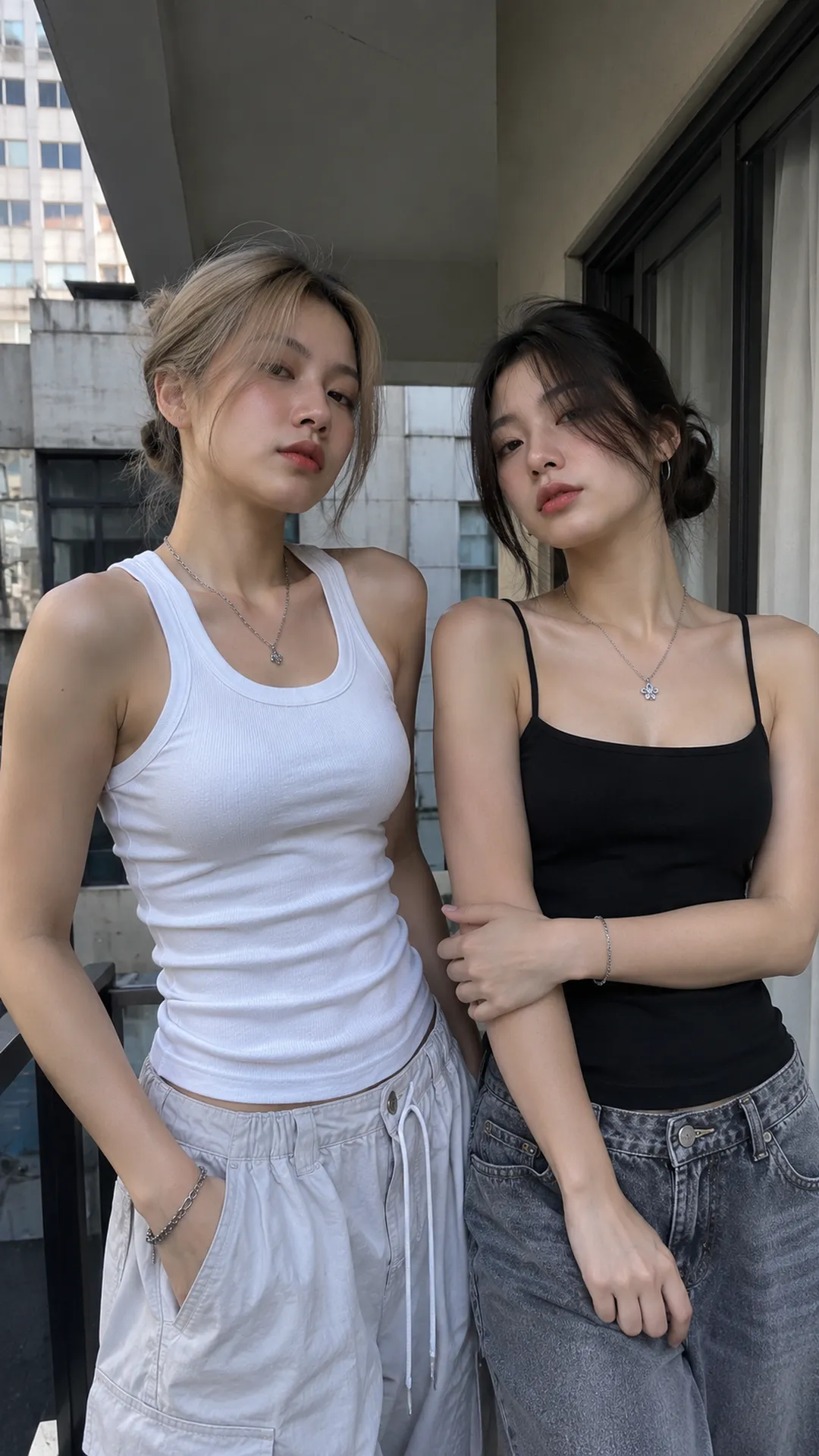
Singlet and tank top overlap in meaning. Brands may use either word for underwear or outerwear. Check neckline, armholes, body shape, and fabric to decide how to wear it.
Camisoles usually have thinner straps. Many singlets have wider shoulder panels, although some listings use the word for thin-strapped styles too. Check the actual cut.
A sleeveless tee can retain the broad shoulders of a regular T-shirt, unlike a deeply cut tank. Try that shape if you want more shoulder definition and coverage. A narrower shoulder can sit more discreetly under a jacket.
Describe what you need in concrete terms, such as a sleeveless top with a moderate crew neck, shallow armholes, a waistband-length hem, and enough coverage to wear alone. This helps narrow the search across several product names.
Five ways to style a singlet you own
Fitted singlet with straight-leg jeans
An ivory singlet, blue jeans, and simple sneakers make an easy outfit. A slim top keeps the waistband clear, while straight legs leave room to move without much extra volume. If the top is long, spread the tuck around the waist to avoid bunching at the front.
For a stronger look, try a black singlet, simple belt, and small shoulder bag. Pick one standout detail if you want an easy everyday outfit.
Moderate neckline with straight tailored pants
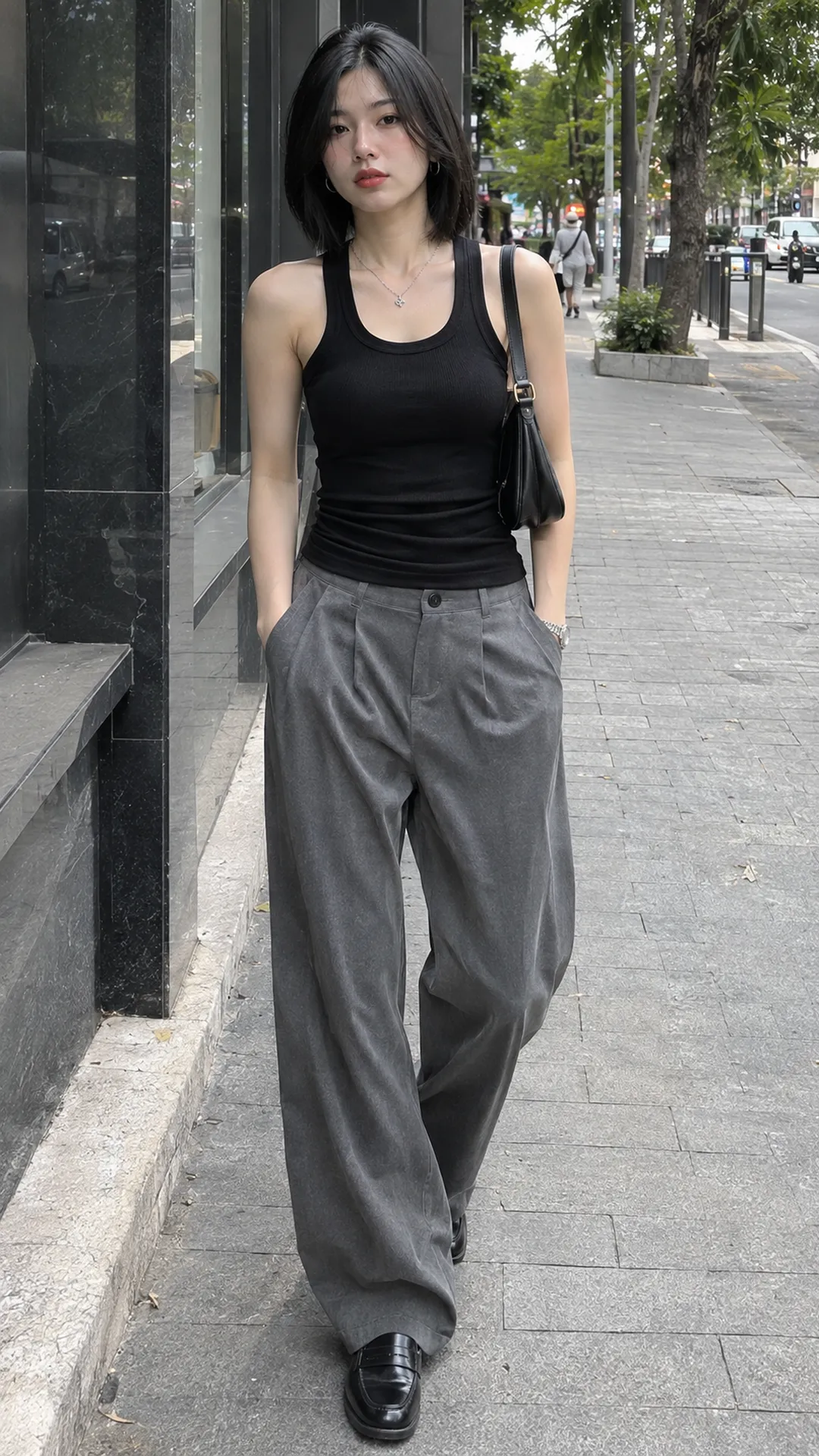
Charcoal pants, a black singlet, and loafers give the outfit clean lines. Check that the waistband sits flat and the top doesn’t pull across the bust. With wide legs, a hem near the waistband or a neat tuck gives the pieces a clear break.
A well-fitting blazer can dress up the outfit where the workplace allows it. Check whether the singlet is suitable on its own when you remove the blazer.
Singlet with a midi skirt
A plain singlet gives a pleated or textured skirt room to move. If the skirt has a decorative waistband, let it stand on its own before adding a belt.
Swap sandals for ankle boots or Mary Janes with a moderate sole for a stronger look. Check the gap between skirt and shoe. A narrow gap and strong color contrast can create several breaks across the leg.
Loose singlet with structured shorts
A loose top and structured shorts give a relaxed outfit some definition. If both are long and roomy, try a small partial tuck or a shorter top so you can see where the pieces end.
With deep armholes, choose an underlayer you’re comfortable showing. A sports bra may work if it stays in place. Bend as if tying your shoes to see how the armholes and neckline open.
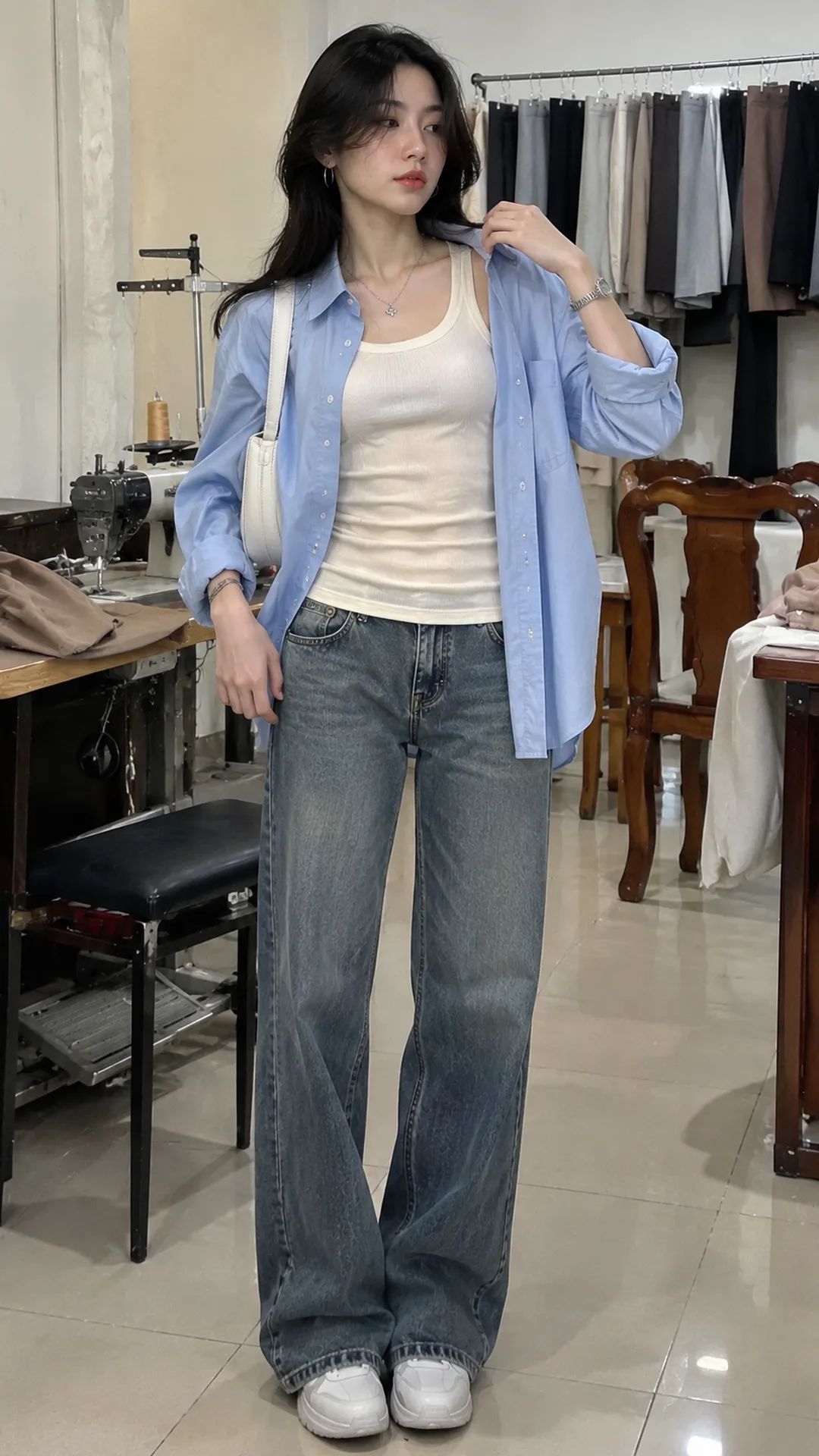
Singlet under an open button-up
Choose a slimmer singlet than the shirt so the layers read clearly. Cream under pale blue gives a light effect. Black under gray or fine checks gives stronger contrast. Look at where both hems fall and make the difference deliberate.
For help with length and thickness, see our guide to layering women’s outfits. A sleeveless base leaves the elbows clear of extra fabric. Choose the outer layer for the weather.
Choose underlayers and accessories for the occasion
Choose an underlayer for the neckline and back as well as the color. Bra straps that stay under a wide shoulder can show under a narrow back. If you want the straps visible, check that both sides look the way you intend.
Under a light top, an underlayer close to your skin tone often creates less contrast than bright white. Try it with the actual top. Edges, fabric, and stretch also affect how much shows through.
Leave room between a necklace and the neckline. A short chain can sit above a high crew neck, or try earrings instead. A deep scoop leaves more room if you want a necklace.
For an edgier outfit, our beginner’s guide to alt fashion suggests starting with one accent. A defined pant silhouette or a strong pair of shoes can change the feel of a plain singlet.
Try on and care for your singlet
Before keeping it, raise your arms, bend, sit, and try an outer layer. Check for gaping, a rolling hem, pressure at the armholes, and pulling. If you need to adjust it after each movement, try a different size or cut.
When shopping online, compare measurements with a top you already wear. Check the bust, length, and back photo. For stretch fabric, read how the brand measured it. Sizing down can distort the armholes and neckline before you get the fit you want through the body.
Wash and dry the top according to its label. Avoid tugging on wet shoulders and check whether the fabric can go in a dryer. If the ribs stretch, the neckline loses shape, or the top becomes sheer, reconsider how you wear it.
To build more outfits, use our item-by-item styling guides to find pants, skirts, and shoes that suit the top. Choose a singlet you can move in and wear comfortably in several settings.