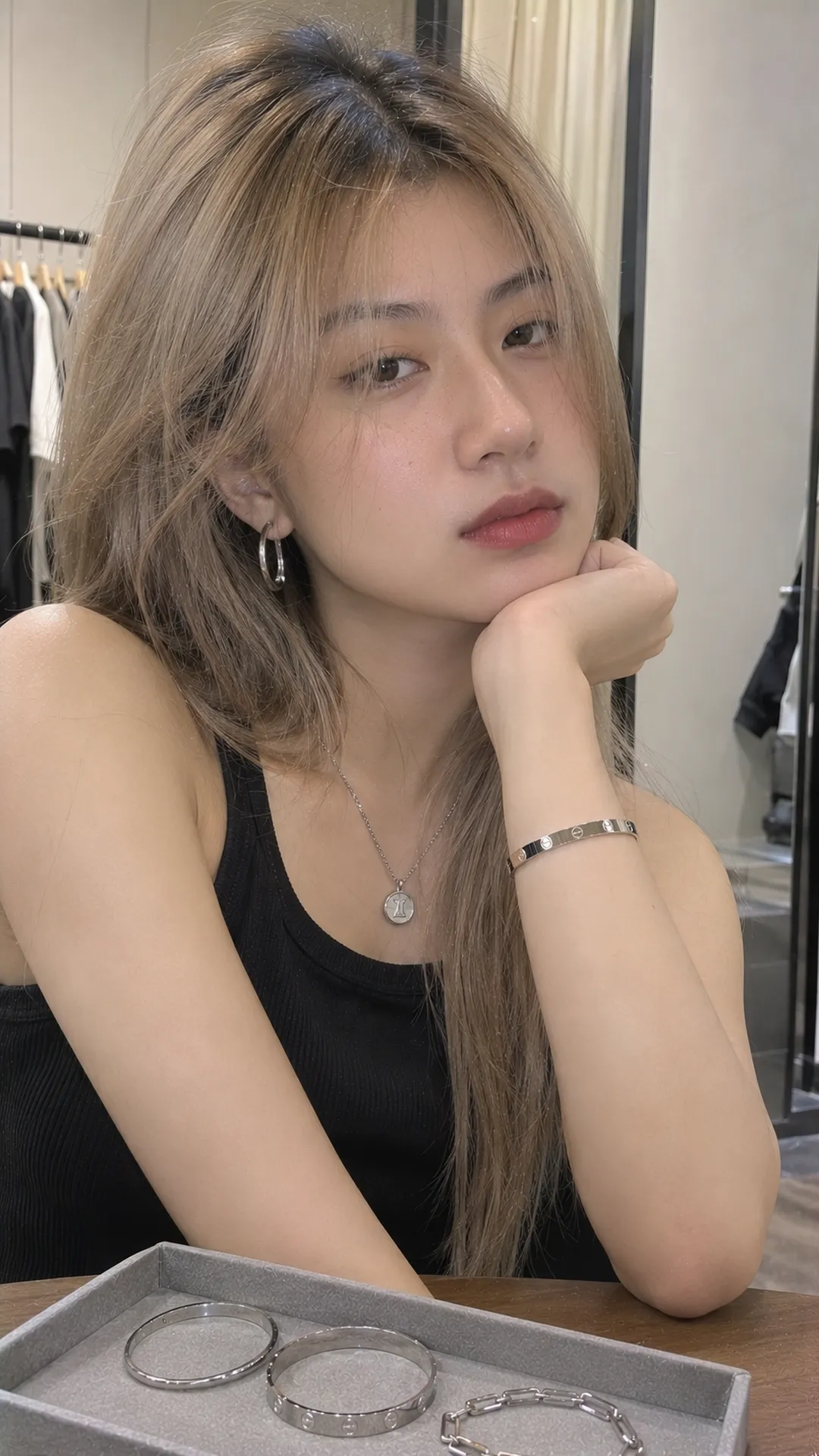
What the titanium label can tell you
The Royal Society of Chemistry’s titanium profile describes titanium as a low-density metal with notable corrosion resistance. Those properties help explain its appeal. To assess a particular bracelet, check the actual composition, finish, and other components.
When a listing says “titanium bracelet,” look for the material of the bracelet itself. “Titanium color,” “titanium plated,” or a trade name gives you little information about the underlying metal. Ask the seller what the body and clasp are made of and how the surface color is achieved. Specific answers are easier to verify before buying.
Weight in your hand and a silvery gray color won’t establish what the piece is made of. Size, hollow construction, and design all affect how heavy it feels. If the seller cites a certificate or material grade, check which product and component it covers. General information about a metal is separate from documentation for a specific piece.
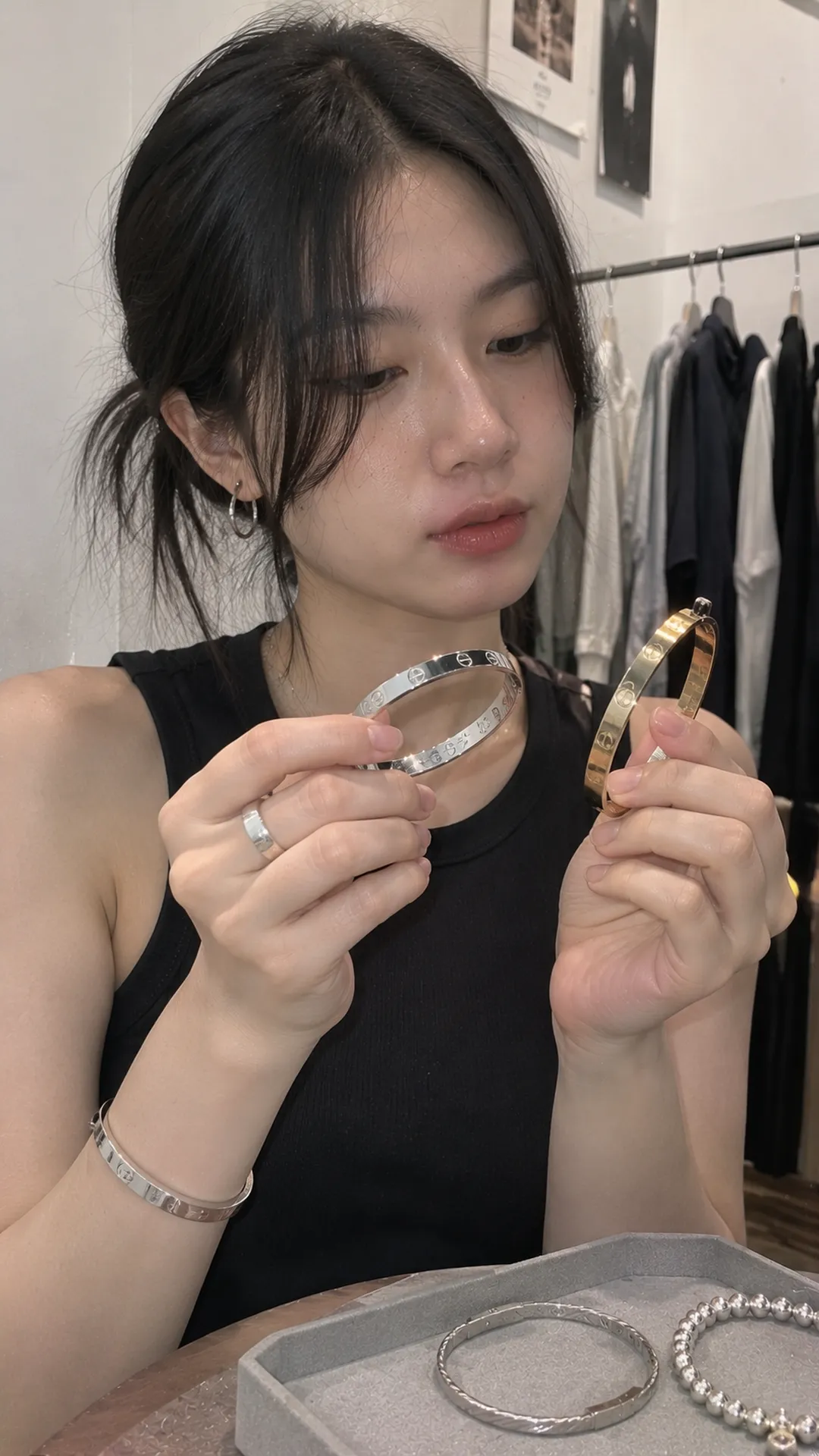
What to check before ordering
Along with composition, check the usable size, band width, clasp type, and adjustment options. A chain bracelet can list its total length without explaining how much room you have once the clasp closes. A rigid bracelet may list its inner diameter. A centimeter figure means different things in these two cases.
Look for photos of the inside, edges, and clasp, as well as the main product photo. The surfaces that touch skin or sleeves matter in use and are often hidden in the main image. If the design includes stones, joins, or sculpted edges, ask how to care for those details and whether they can be repaired.
Check the size-exchange policy, warranty, and exclusions. Ask for specifics when a listing promises the piece will “never scratch” or can be worn “anywhere.” Choose a seller who provides clear descriptions and answers questions. There’s no need to test a claim at home with chemicals, heat, or other potentially damaging methods.
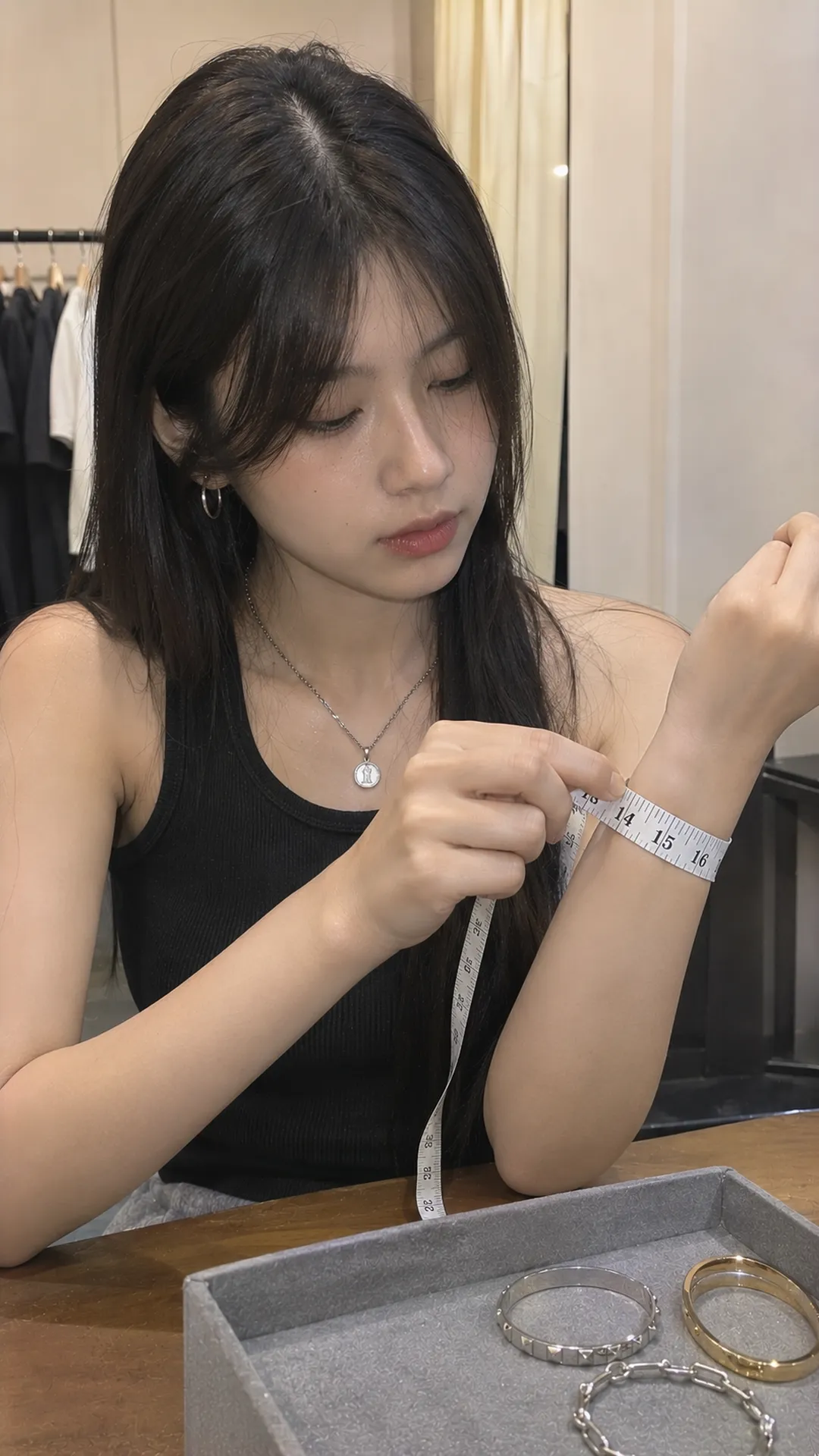
Measure your wrist and decide how loosely it should sit
Wrap a soft tape measure around your wrist where you plan to wear the bracelet. Keep it snug without tightening it. Consult the model’s sizing instructions, since rigid bangles, flexible bracelets, and clasped designs fit differently. The amount of extra room depends on the construction.
With a cord or chain bracelet, see whether it stays at your wrist or slides toward your hand when you lower your arm. A little movement may suit you, but the bracelet shouldn’t keep catching on your keyboard or need constant adjustment. Hold your phone, bend your wrist normally, and rest your hand on a desk to see where it sits.
For a closed bangle, check that it can pass over your hand as well as fit your wrist. With an open cuff, follow the manufacturer’s instructions before bending it to adjust the width. A piece that looks like it fits in a photo may be hard to put on or may lose its shape when adjusted repeatedly.
When shopping online, our online sizing guide explains why body measurements and product measurements need to be distinguished. For a bracelet, ask for the actual inner measurement or wearable length of the design. You can use a bracelet that fits as a reference if it’s built the same way.
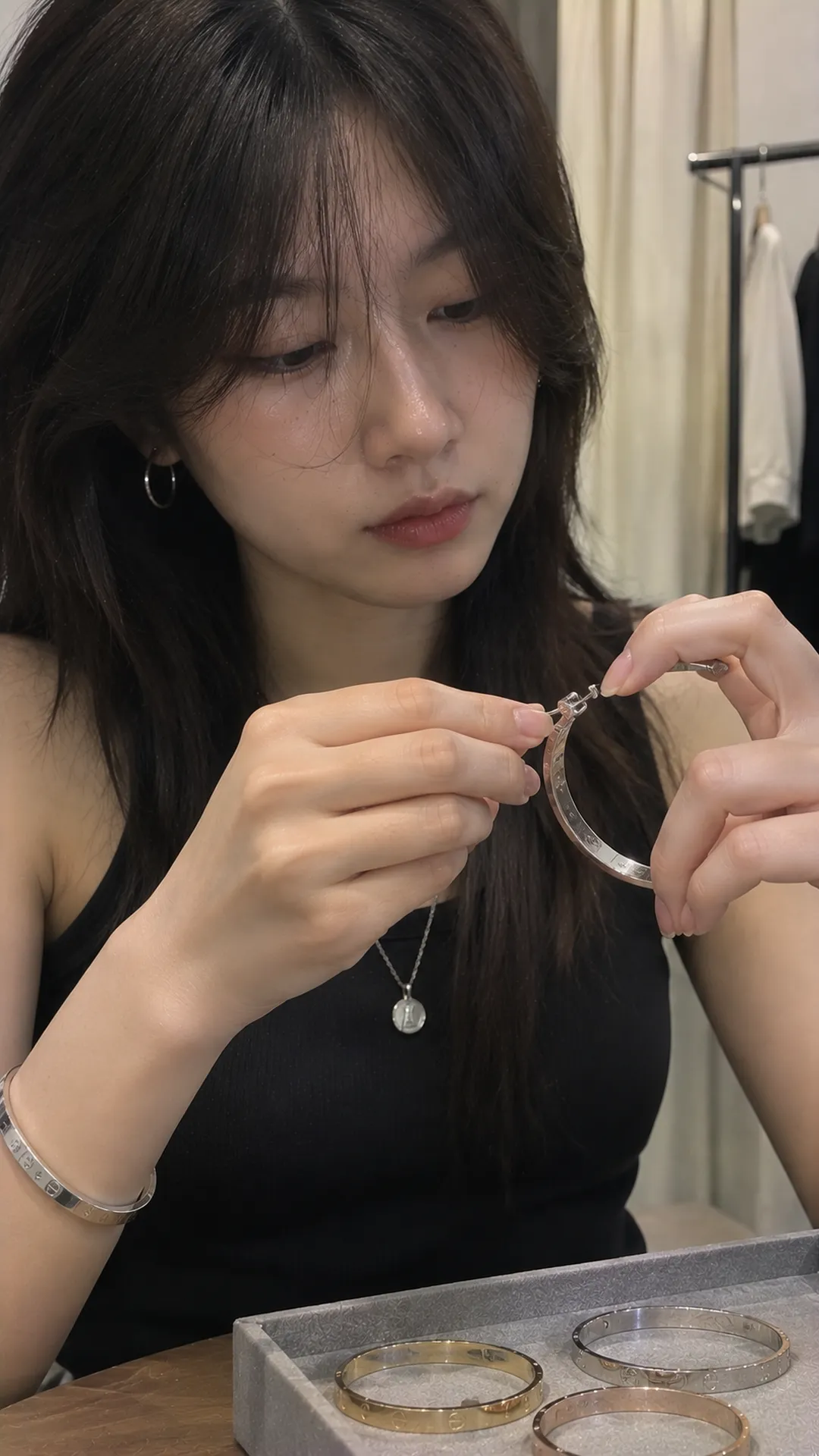
Check the clasp and edges before choosing a color
An attractive clasp that’s difficult to fasten by yourself may leave the bracelet sitting in a drawer. If you can try it in person, fasten it with your other hand in a natural position. Check whether the join sits neatly or sticks out, whether the clasp closes clearly, and whether you can tell when it hasn’t fully engaged.
Run a finger lightly along the edges and check the joins without yanking on the bracelet. A protruding part can snag a sleeve or dig in when your wrist rests on a desk. On a chain, see whether the links move freely and whether any gaps could catch thin fabric when you wear long sleeves.
If you take your bracelet off frequently for work, choose an easy clasp and a regular place to put it. A clasp that’s nearly invisible in a photo can be awkward when you’re in a rush or only have one hand free. Choose a closure you can use comfortably.
Choose a width for the effect you want
A slim bracelet gives a small flash of metal and is easy to try if you’re new to jewelry. A wide band or chunky chain is more visible, so check it against your sleeve length. A smaller wrist can carry a wider piece if you like the contrast and the bracelet is comfortable.
Put on a plain top and look at your whole upper body with the bracelet on. If it draws more attention than you intended, try a narrower band or a less reflective finish. If you want it to be the main accessory, keep the sleeves and neighboring pieces simple.
Our guide to alternative fashion accessories for women looks at how accessories draw attention to different areas. You could highlight your wrist and wear a subtler necklace, or use a slim bracelet so the earrings can stand out. Give each piece a clear role in the outfit.
Wear it with a watch or other bracelets
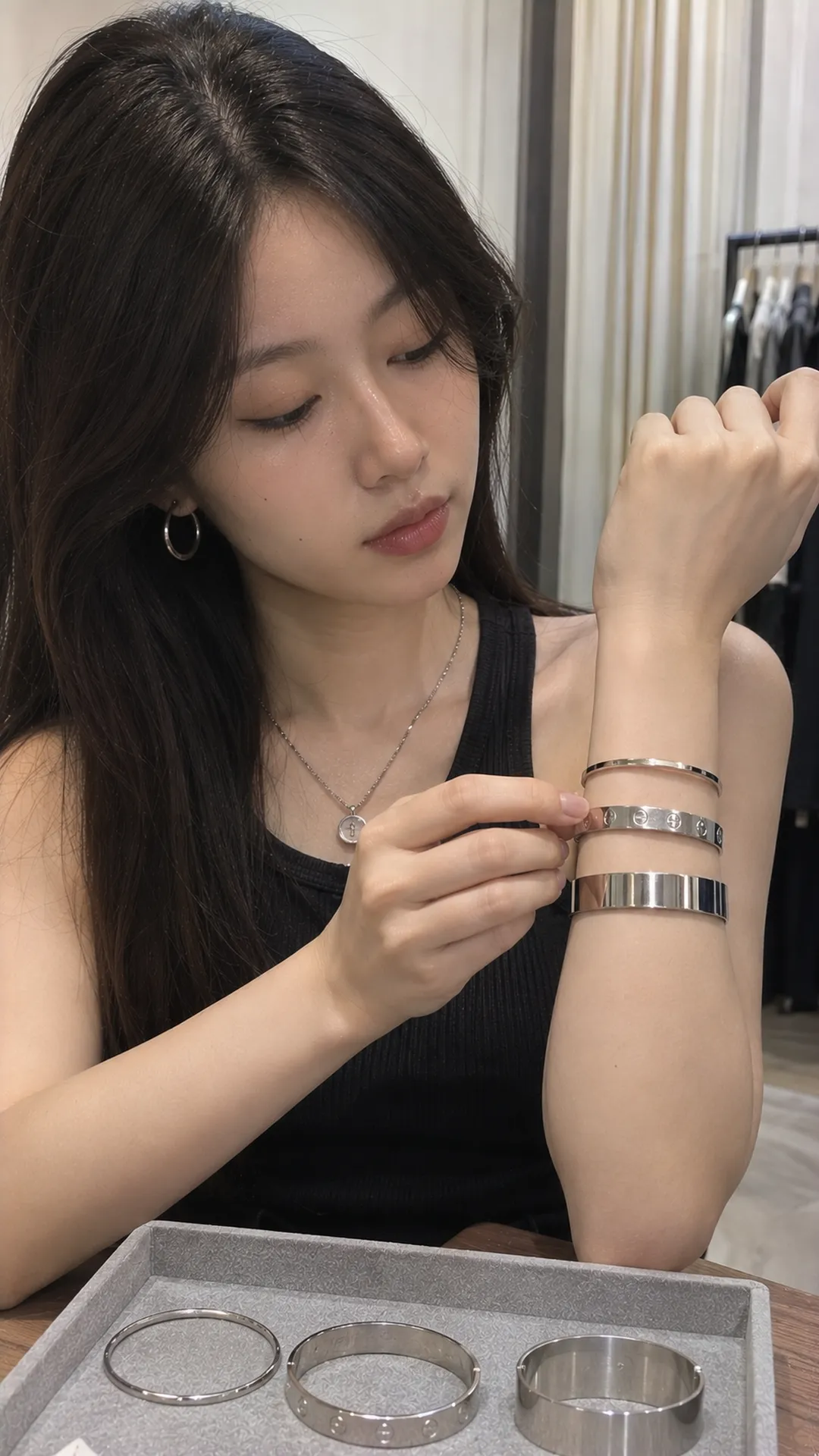
With a watch, check whether the pieces keep knocking together or make it hard to use the watch controls. Try moving the bracelet to the other wrist or wearing fewer pieces on one side. A stack that looks good in a photo may sound or feel distracting while you work.
For a stack, start with two pieces that differ a little in width or texture. Keeping one element in common, such as color, makes the pairing easier to assess. Move your hand and see which pieces slide or catch on each other. Leave some space if it helps the bracelets stand out individually.
You can mix metal colors deliberately, for example by repeating one tone in a bag clasp or ring. Check the care guidance for each piece. Different coatings can respond differently when they rub against one another regularly.

Three outfits to try with a titanium bracelet
With a plain tee and straight-leg trousers, a moderately noticeable chain bracelet can finish the look at the wrist. If the tee has a large print, keep the bracelet simple. A streamlined bag and shoes let the metal show without adding more jewelry.
With a shirt, try rolling the sleeve to a height that reveals the bracelet as you move. Keep the roll loose enough to wear comfortably. Our guide to styling women’s shirts can help you choose the sleeve fit and decide how to tuck the shirt before you settle on a bracelet width.
With black clothing and a jacket with metal hardware, judge the bracelet against what’s already happening up top. When there are several zippers, straps, and rings, one understated bracelet may be enough. Our guide to essential alt-fashion accessories helps you pick a piece for the role you want it to play in the outfit.
Care for the whole piece
Follow the instructions for the bracelet itself, especially if it has a coating, stones, adhesive, or a clasp made from another material. Ask which cleaning methods are allowed and which substances to avoid. A similar finish on another metal doesn’t make the same cleaning method suitable.
After wearing it, check the surface and clasp, then store it separately to reduce rubbing. If it needs wiping, use the cloth and method the maker recommends. Avoid scrubbing a finished surface. If the instructions are unclear about soaking, ask before immersing it in water.
How a bracelet feels depends on the size, edges, clasp, and materials in contact with your skin. If it feels uncomfortable, take it off and check the cause before wearing it again.
Choose a bracelet you’ll actually wear
Before paying, answer four questions: What are the bracelet and clasp made of? Which size fits? Can you open and close it on your own? Which outfits will you wear it with? Ask the seller for specific information if anything is unclear. Look for a bracelet with clear material information, a clasp you can use, and a shape that fits the way you dress.